Walking in the British countryside should be straightforward, but there are loads of obscure laws that can trip you up if you don’t know them.
Some of these rules go back centuries and don’t make much sense anymore, but they’re still technically enforceable. Whether you’re a keen rambler or just fancy a countryside walk, knowing what you’re actually allowed to do can save you from awkward confrontations with farmers or unexpected fines. Here are the most confusing countryside laws explained in normal language.
You can walk on footpaths but not bridleways (unless you’re on a horse or bike).
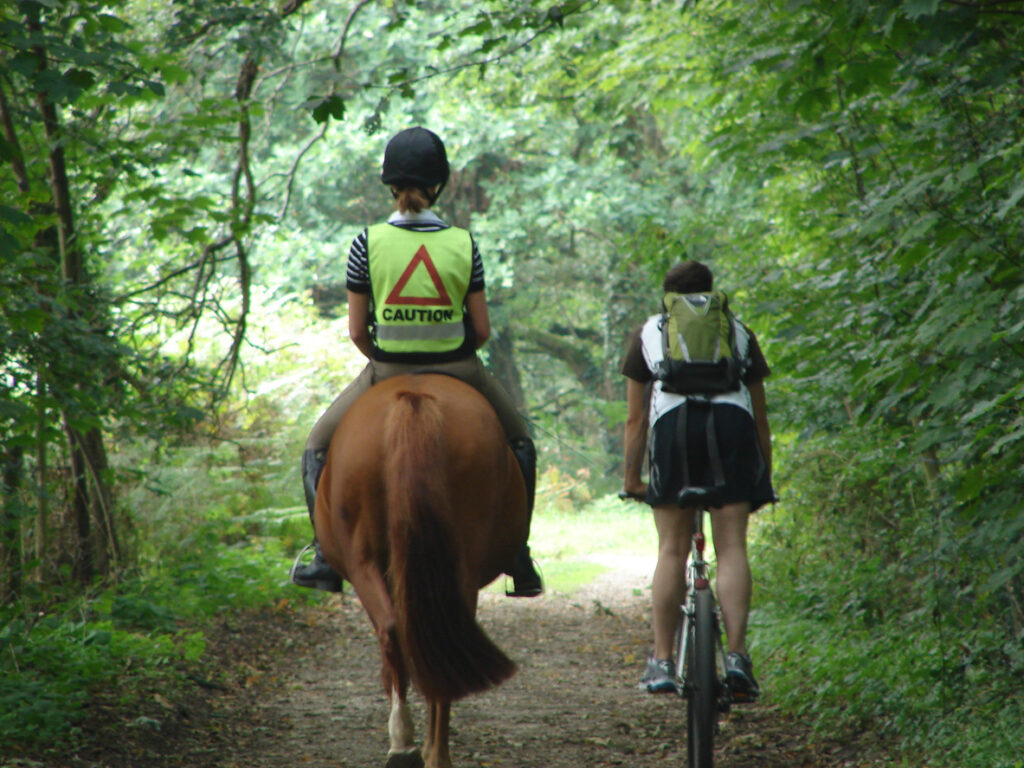
There are different types of public rights of way. Footpaths are for walking only. Bridleways are for walking, horse riding, and cycling. If you’re just walking, you can use both. But if you’re cycling, you need to stick to bridleways and can’t use footpaths.
This one confuses people because the signs aren’t always clear, and the paths often look identical. If you cycle on a footpath, you’re technically trespassing. Most people won’t care, but a landowner could challenge you. Check the map or signs to know which type of path you’re on.
You’re allowed to pick mushrooms and berries, but not flowers.
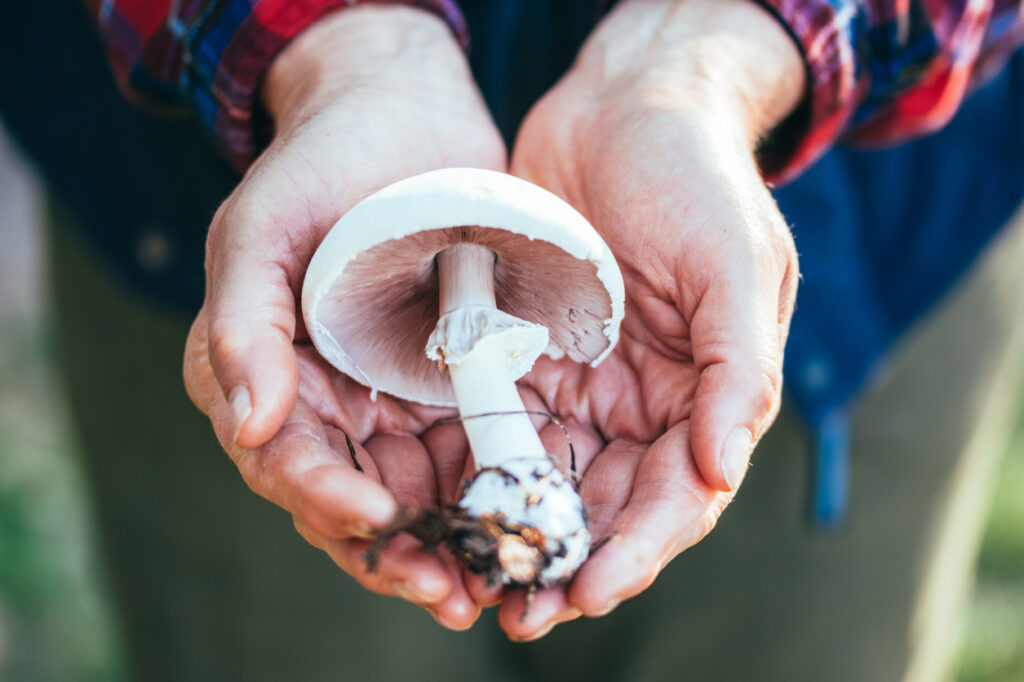
There’s an old law that says you can pick wild mushrooms, fruits, and foliage for personal use without needing permission. But you can’t uproot plants or pick flowers, especially rare ones. Basically, if it’ll grow back, or it’s fruit, you’re probably fine. If you’re digging things up or picking flowers, you’re breaking the law.
The key is “reasonable amounts for personal use.” You can’t turn up with carrier bags and harvest everything. A handful of blackberries for a crumble is fine. Filling your car boot to sell at a market isn’t. Use common sense.
Dogs must be on leads near livestock (and farmers can shoot them if they’re not).
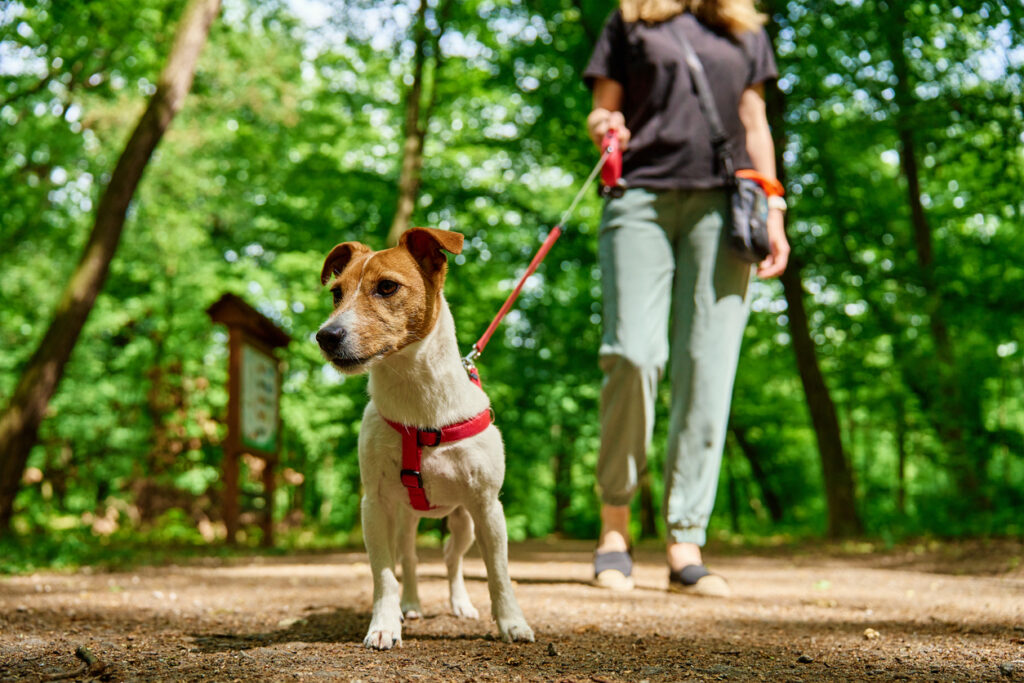
If your dog worries or attacks livestock, the farmer has the legal right to shoot it. They don’t need to give you a warning first. Your dog must be on a lead when near sheep, cows, or other farm animals. Even a friendly dog running towards sheep counts as worrying them.
This shocks a lot of dog owners who think their pet would never hurt anything. However, farmers lose animals to dog attacks regularly, and the law is firmly on their side. Keep your dog on a lead near any livestock, no exceptions. It’s not worth the risk.
You can walk on some beaches, but not all of them.
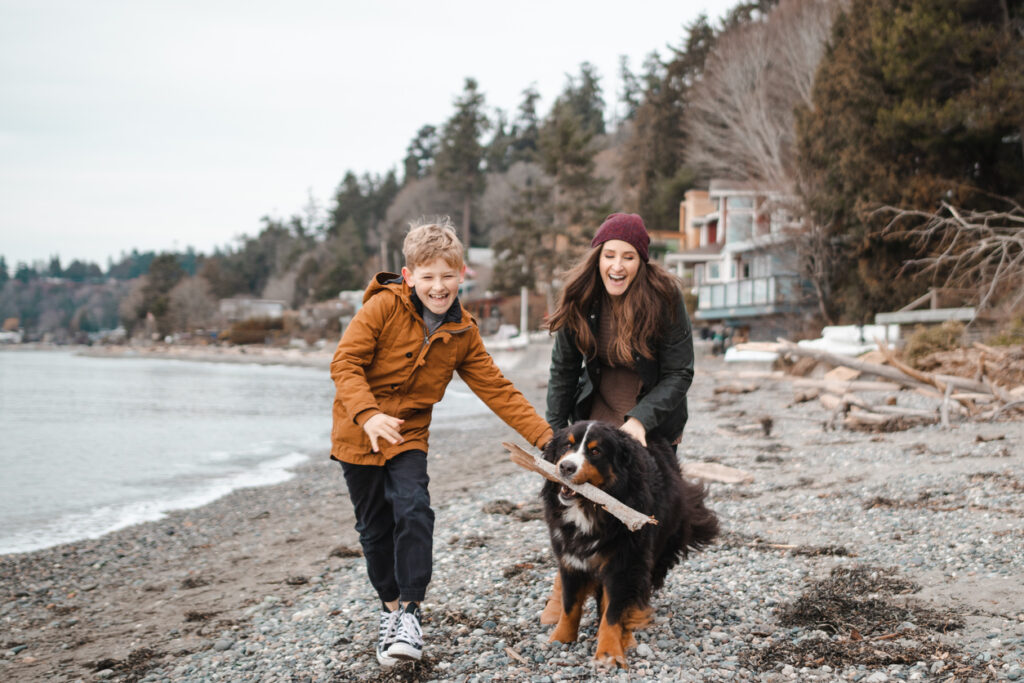
Not all beaches in the UK are public. Some are privately owned, and you need permission to access them. Just because you can see a beach doesn’t mean you’re legally allowed to walk on it. Check whether there’s public access before you go.
Coastal access laws have improved recently with the England Coast Path, but there are still gaps. In Scotland, you have more rights under the Scottish Outdoor Access Code. In England and Wales, some stretches of coast remain private property.
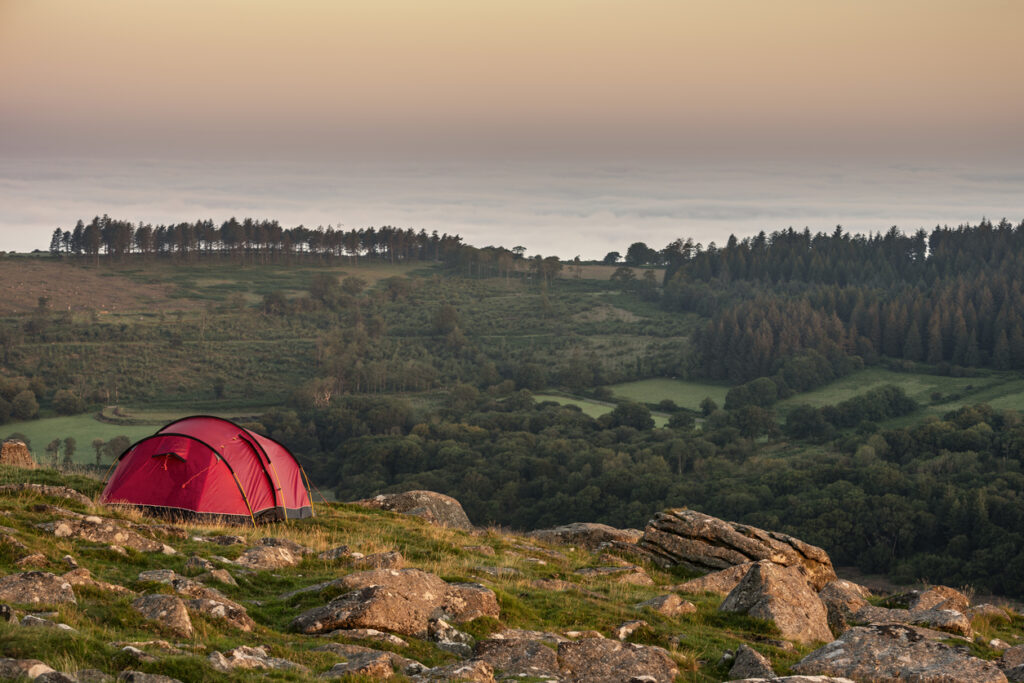
Wild camping is illegal in England and Wales (but not Scotland).
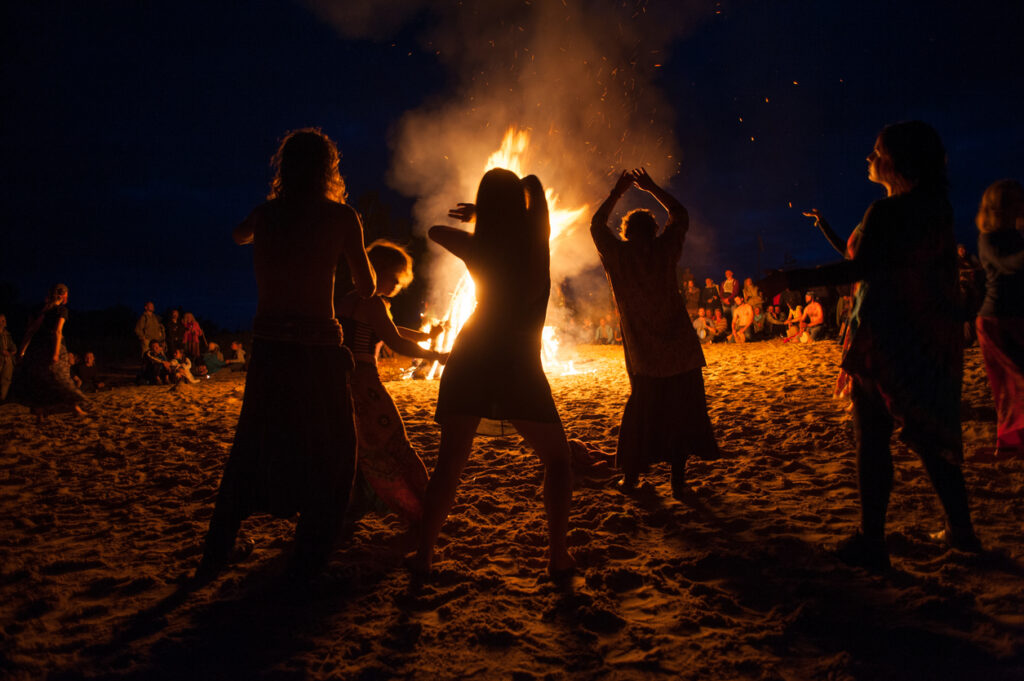
In England and Wales, you can’t just pitch a tent anywhere in the countryside. You need the landowner’s permission to camp on private land. If you camp without permission, you’re trespassing. You can be asked to leave and potentially fined.
Scotland’s completely different. They have the right to roam, which includes wild camping as long as you follow the outdoor access code. Camp responsibly, leave no trace, and you’re fine. It’s one of the big differences between Scottish and English countryside law.
You can cross land to reach a footpath, even if it looks private.
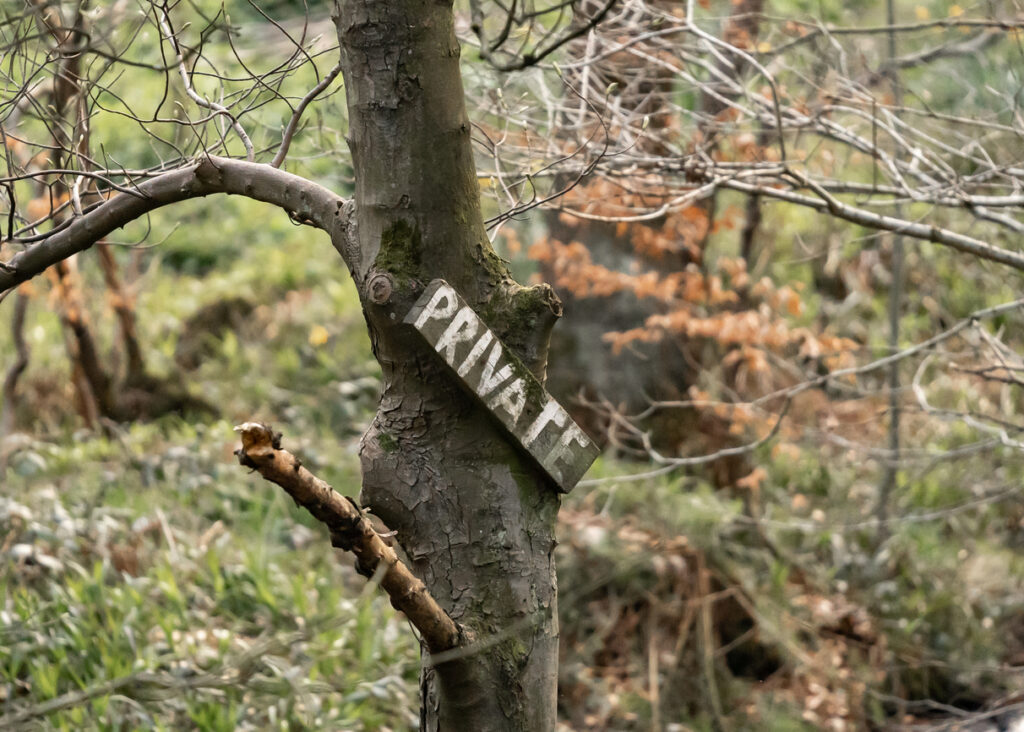
If a public footpath crosses someone’s garden or farm, you have the legal right to use it even if it feels really awkward. The landowner can’t block a public right of way. So if the path goes straight through someone’s yard, you’re allowed to walk it.
Obviously, this creates tension. Landowners sometimes put up misleading signs or obstacles to discourage people, but legally, they can’t stop you using a registered right of way. Check the definitive map if you’re unsure whether a path is actually public.
You can’t feed wild deer, but you can hunt them with the right licence.
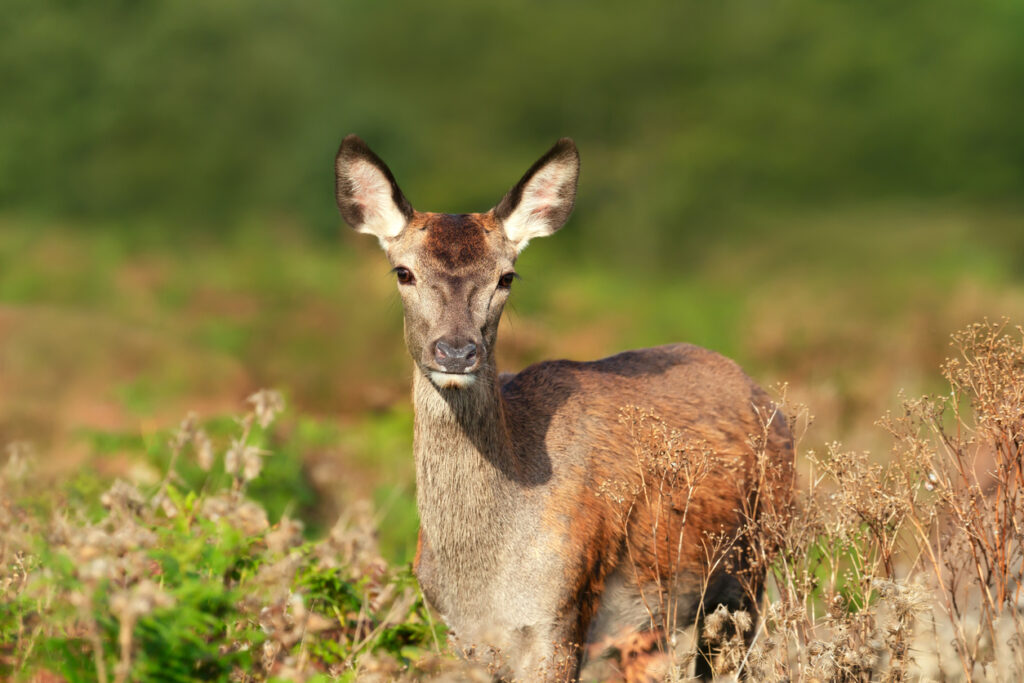
It’s illegal to intentionally feed wild deer in some areas because it affects their natural behaviour and spreads disease. But with the proper licences and permissions, you can legally hunt and kill them. This seems backwards to most people, but that’s the law.
The logic is that feeding changes deer behaviour and makes them dependent on humans, whilst controlled culling manages populations. It’s controversial, but the law treats feeding as more harmful than regulated hunting.
Farmers must maintain stiles and gates on rights of way.
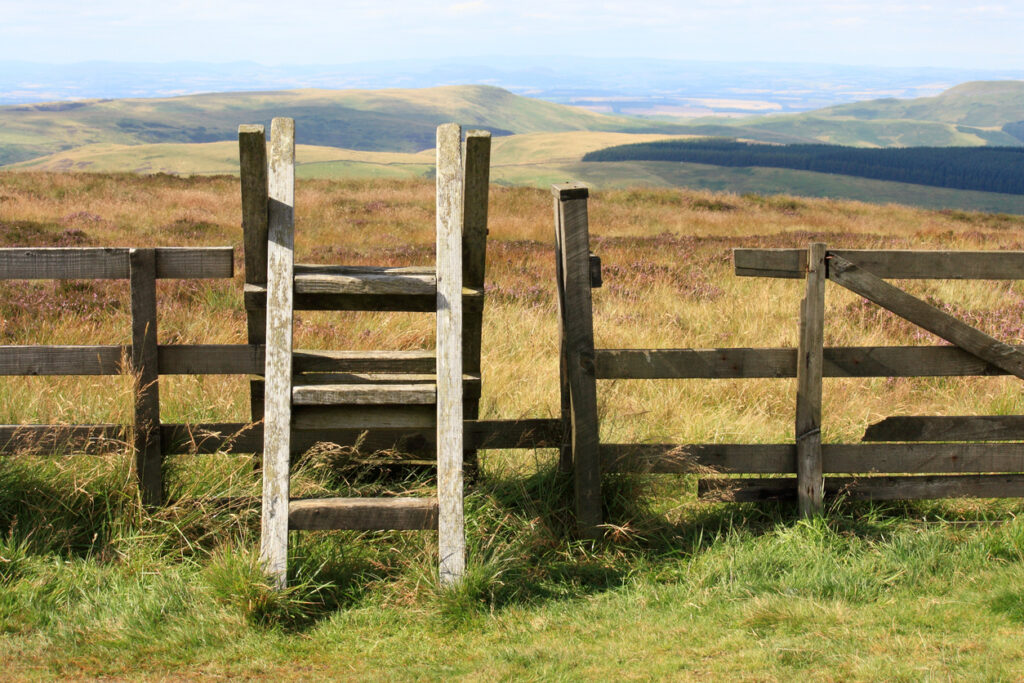
If a public footpath crosses a farmer’s land and there’s a stile or gate, the farmer is legally responsible for keeping it in working order. If it’s broken or dangerous, they’re supposed to fix it. You can report dangerous or blocked rights of way to the local council.
In practice, loads of stiles are falling apart and nothing gets done. Councils often don’t have resources to enforce this, and farmers sometimes let things deteriorate hoping people will stop using the path. But legally, they’re meant to maintain access points.
You can’t fly drones in most of the countryside without permission.
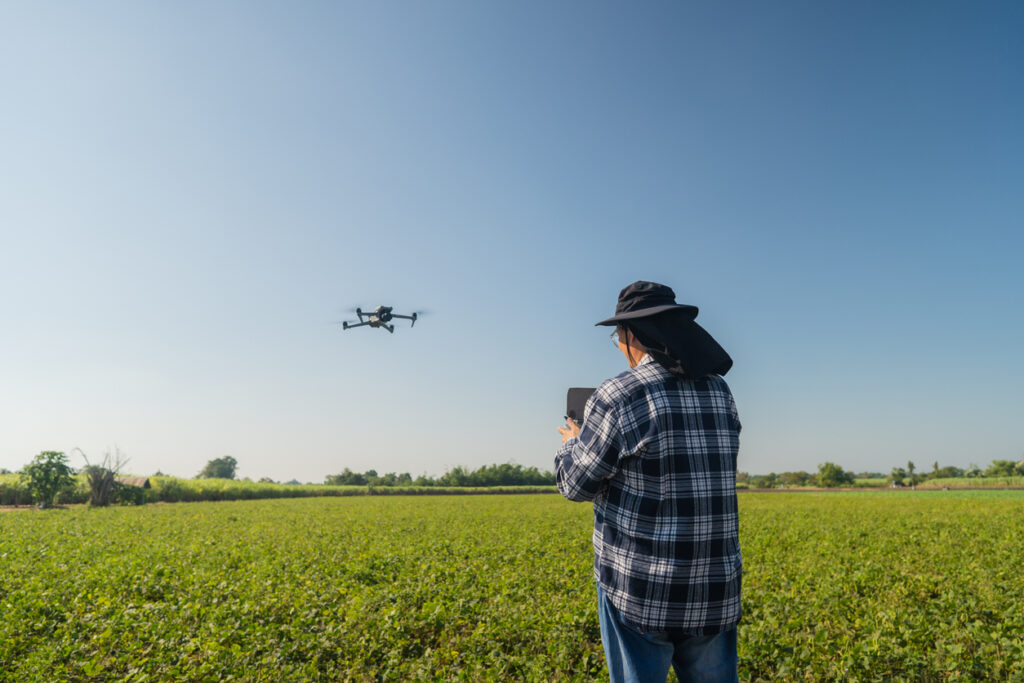
Drone laws are complicated. You need permission to fly over private land, near livestock, or within certain distances of buildings and people. Most countryside is private land, which means you technically need the landowner’s permission to fly a drone there.
This surprises people who think countryside equals free space, but flying a drone over someone’s farm without permission is trespassing, and flying it near animals could count as harassment. There are also restrictions near airports, military areas, and nature reserves.
You’re allowed to swim in rivers and lakes (mostly).
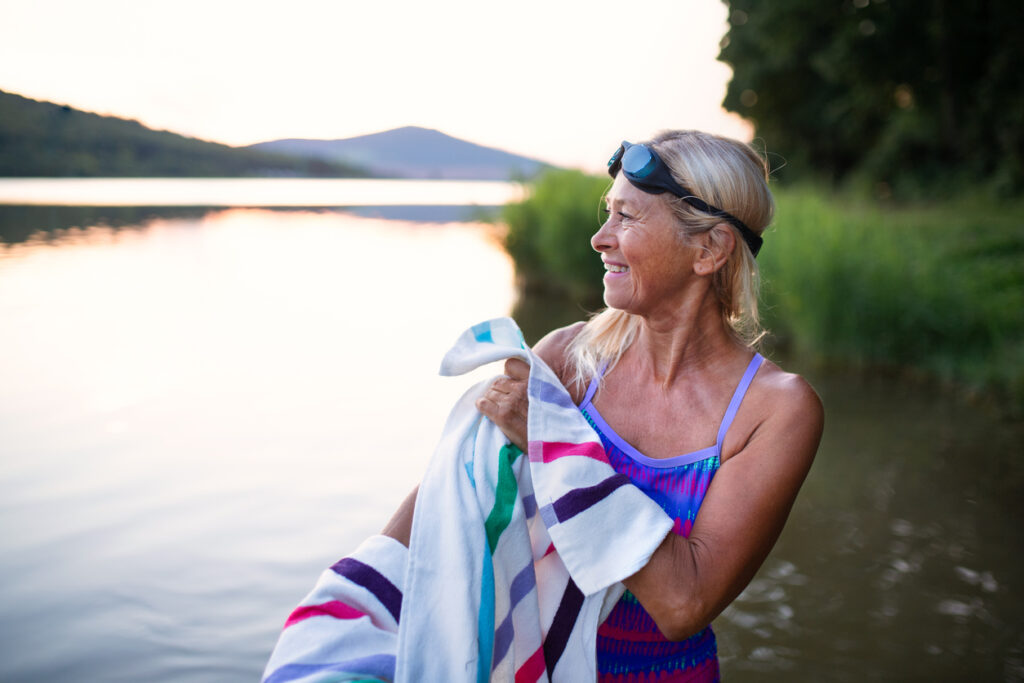
There’s no general law against swimming in rivers, lakes, and other waterways in England and Wales. If you can legally access the water, you can generally swim in it. But some waterways are privately owned or have local by-laws restricting swimming.
The confusion comes from signs saying “no swimming” which might be advice about safety rather than actual legal restrictions. Unless it’s clearly a reservoir with by-laws or private land, you’re probably allowed to swim. Scotland’s access rights explicitly include swimming in most inland waters.
Bulls in fields with public footpaths have special rules.
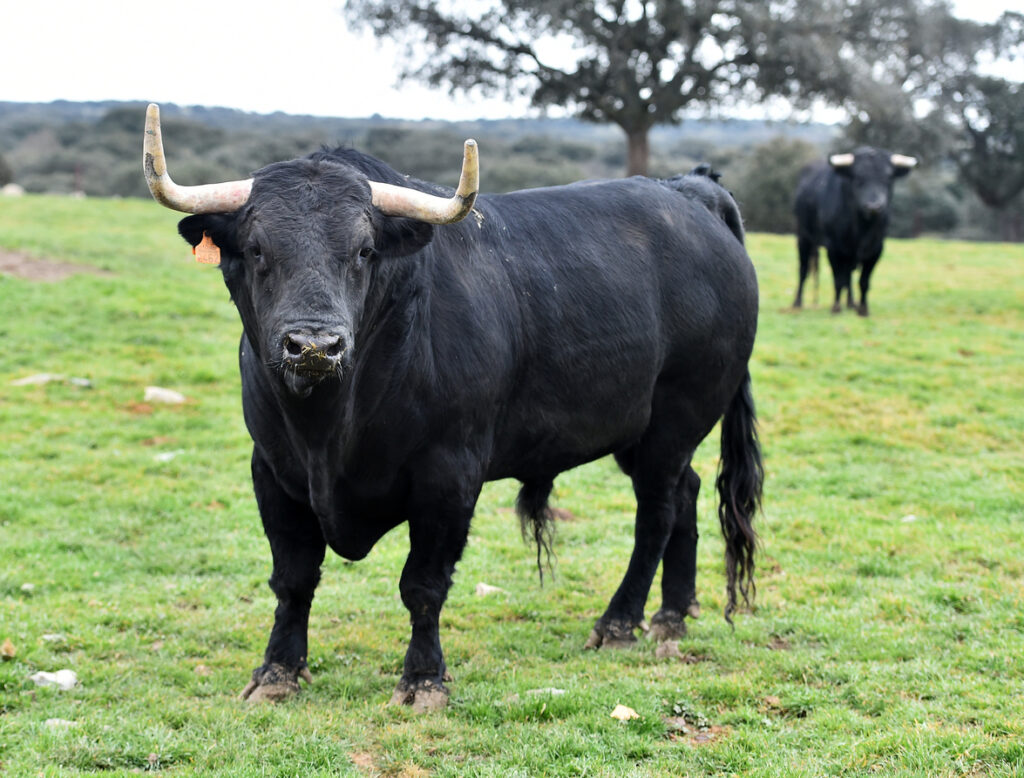
Farmers can’t keep certain breeds of bull in fields with public rights of way unless they’re with cows or heifers. Dairy bulls like Jerseys are banned completely from fields with public access because they’re considered dangerous. Beef bulls are allowed if they’re not alone.
The law exists because bulls can be aggressive and people have been killed. If you see a bull alone in a field with a footpath, check what breed it is. If it’s a dairy bull, the farmer’s breaking the law. Report it because it’s genuinely dangerous.
You can’t legally remove a disposable barbecue that’s still hot.
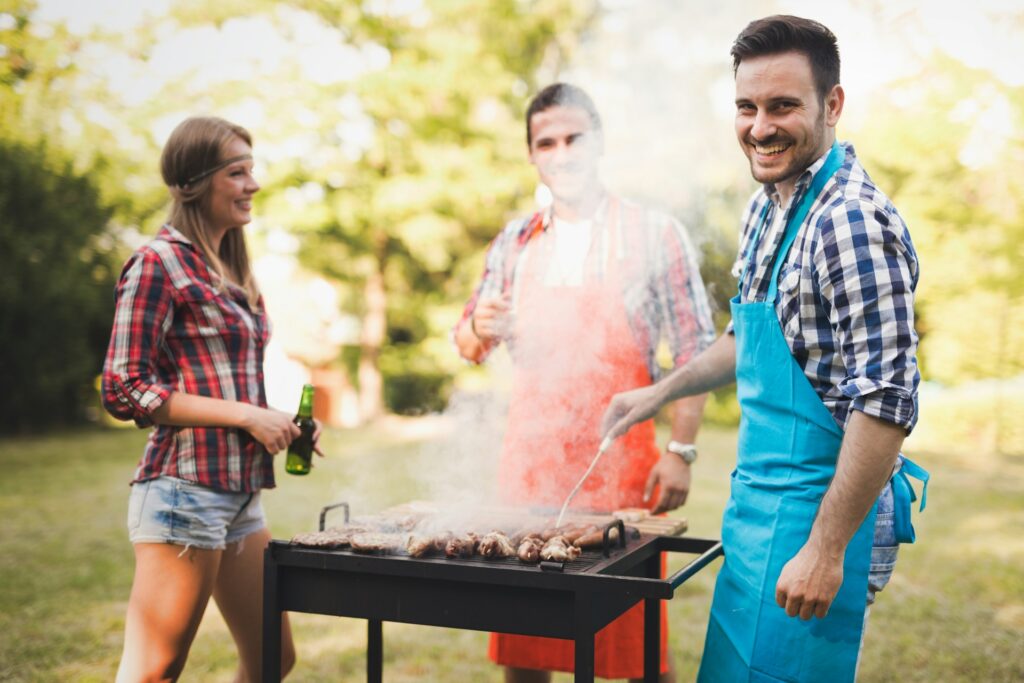
If you see someone using a disposable barbecue irresponsibly in the countryside, you can’t legally grab it and throw it away, even if it’s causing a fire risk. That would be theft or criminal damage. You can report it to authorities, but you can’t take direct action yourself.
It frustrates people who want to protect the countryside from idiots leaving hot barbecues on dry grass. But legally, taking someone else’s property, even rubbish, can get you in trouble. The better option is reporting to rangers or police if there’s immediate danger.
Ancient rights of way can suddenly reappear on the map.
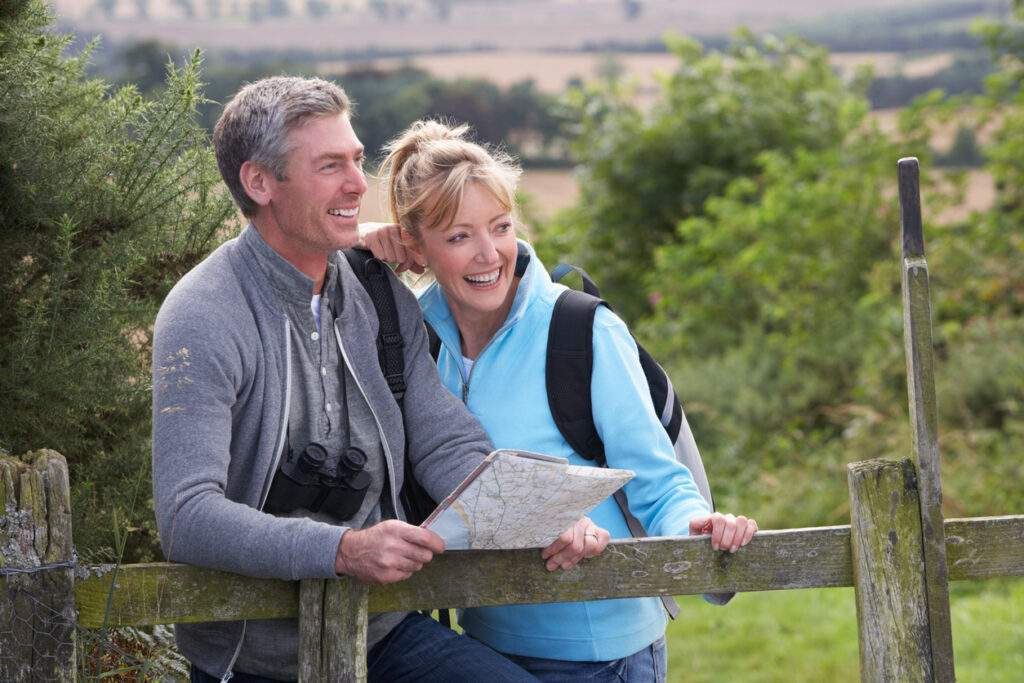
There’s an ongoing project to record all historic rights of way before the 2026 deadline. This means paths that haven’t been used in decades could suddenly become official public footpaths again if evidence exists that they were historically public routes.
Landowners are worried about this because it might mean random paths through their property becoming public. For walkers, it’s good news because it could open up new routes. But it creates uncertainty about which paths are actually legal to use right now.
You’re responsible for shutting gates, even if you found them open.
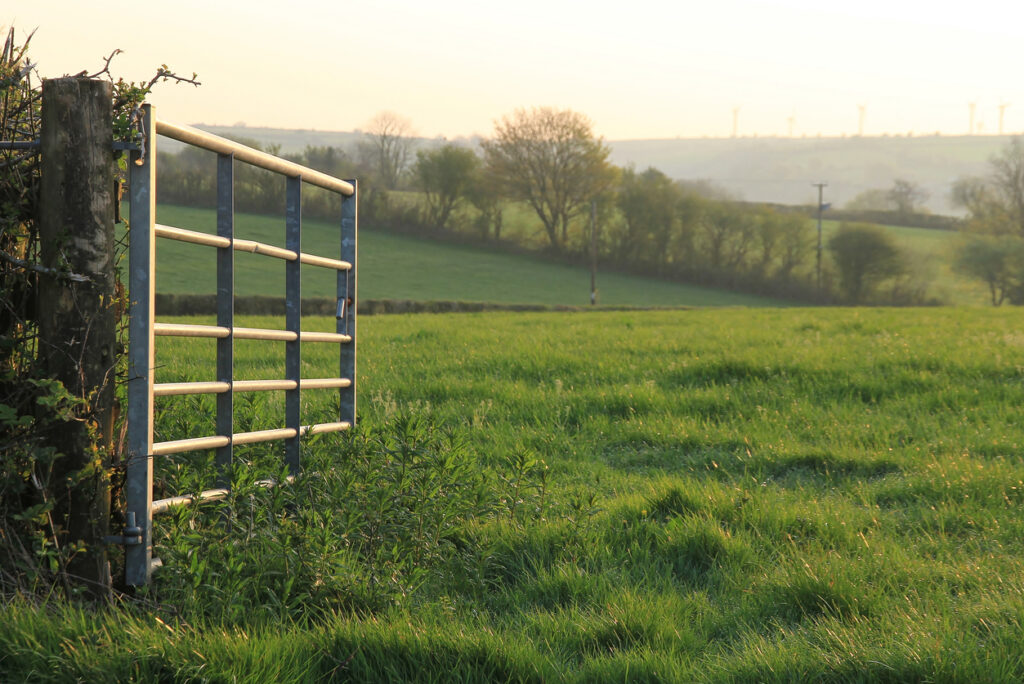
The Countryside Code says you should leave gates as you find them. If it’s shut, close it behind you. If it’s open, leave it open. But legally, if livestock escape because you left a gate open, you could be liable even if that’s how you found it.
When in doubt, shut the gate. Farmers sometimes leave them open deliberately for livestock movement, but they’ll also do that between fields without public access. If there’s any chance livestock could escape onto roads, shut it. Better safe than responsible for escaped animals.
Taking photos is fine, but selling them might not be.
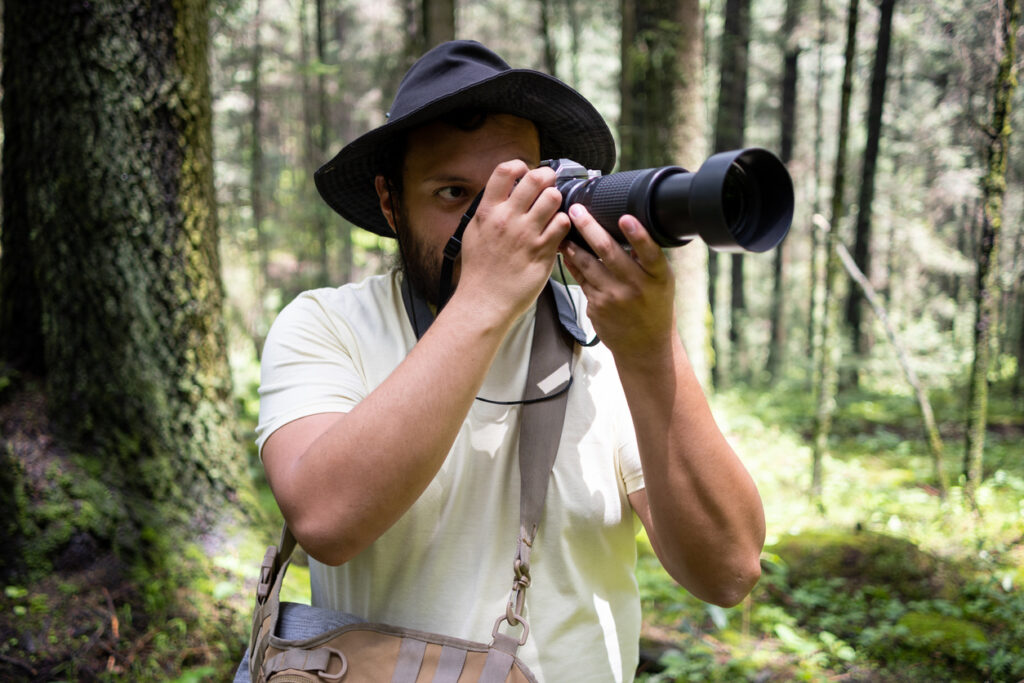
You can take photos in the countryside from public rights of way without permission, but if you’re planning to use those photos commercially, especially if they include someone’s property or recognisable landmarks, you might need permission or a licence.
This gets complicated with things like wedding photography or commercial shoots on public land. Personal use is always fine. Posting on Instagram is fine. But if you’re being paid or selling the images, you’re in greyer legal territory and might need permissions depending on what’s in the photos.