The first frost of the season has a way of catching people out, especially if you’ve still got tender plants growing or last-minute crops you’re hoping to rescue.

One cold night is all it takes to undo months of work, and by the time you notice the damage, there’s not much you can do. The good news is that nature gives you plenty of clues before frost arrives, as long as you know what to look for.
When you learn these signs, you can protect your plants in good time rather than rushing around after the fact. It helps you plan your evenings better, keep vulnerable plants safe, and avoid that sinking feeling when you wake up to blackened leaves. Here are the early warnings gardeners rely on when frost is on the way.
1. Evenings suddenly feel damp and heavy.

When the air starts feeling unusually moist and still at dusk, frost isn’t far off. Clear, calm nights hold cold air close to the ground, creating the perfect conditions for frost to form by dawn. If you notice mist collecting in hollows or the air feeling clammy, cover tender plants that evening. A simple sheet or fleece can make the difference between survival and blackened leaves.
2. Dew starts lasting well into the morning.
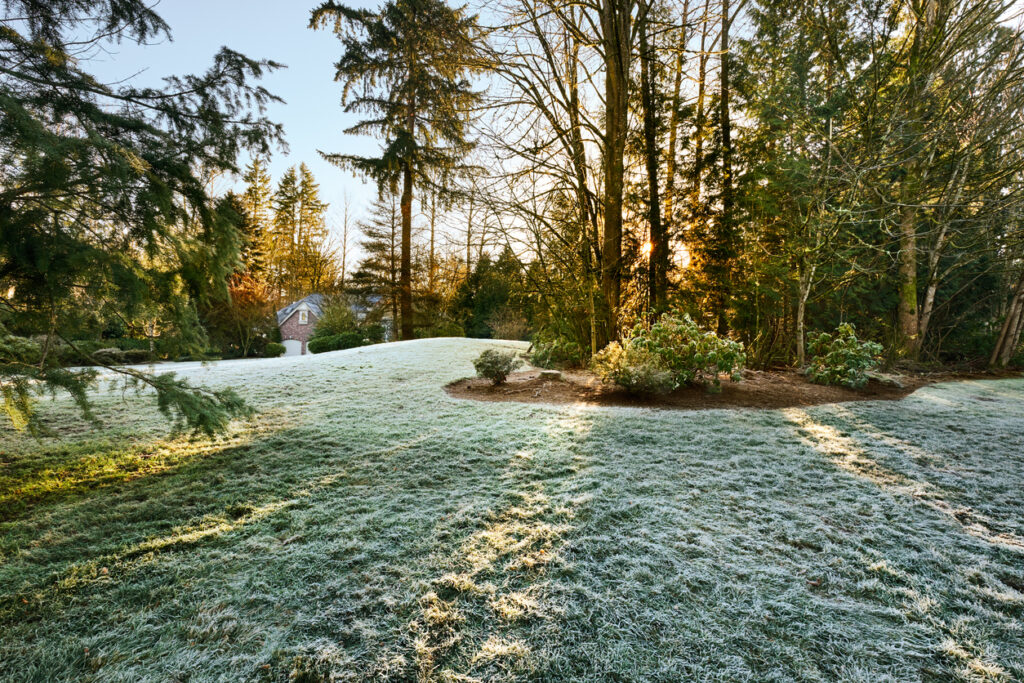
Before frost arrives, heavy dew is often the first clue. When the ground stays wet and shiny until midday, it means the nights are already cold enough for condensation to linger longer than usual. Keep an eye on shaded areas where dew doesn’t evaporate quickly. These spots are most at risk, so bring in potted plants or protect them early.
3. Grass blades look silver at sunrise.
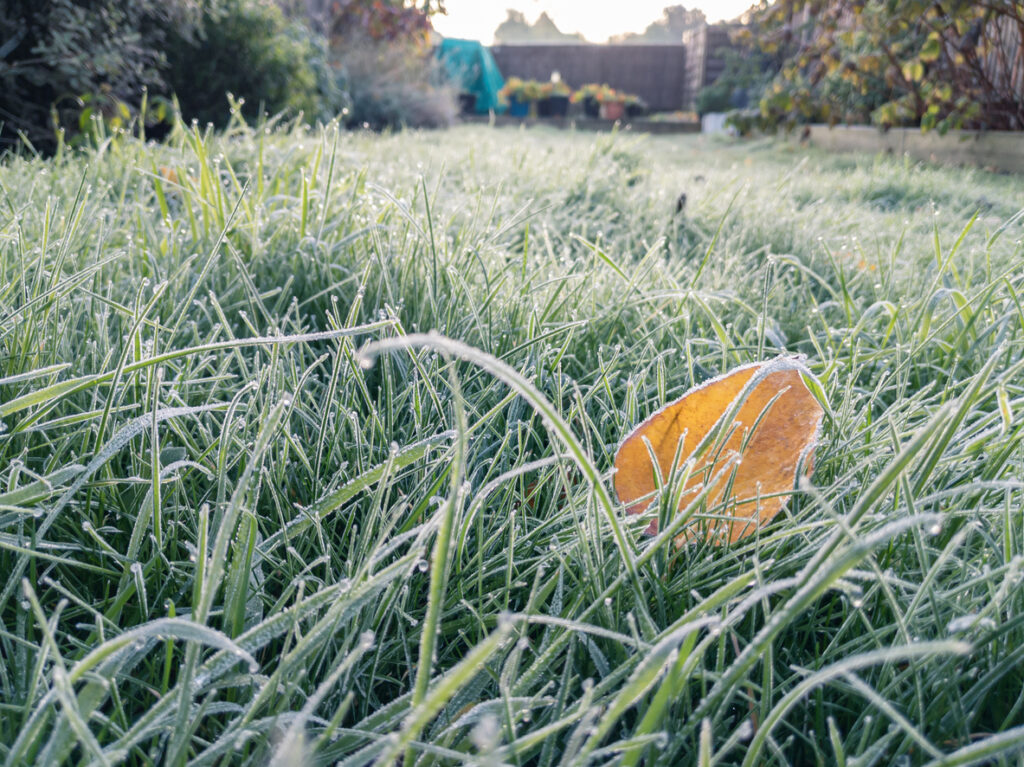
Frost often shows up first on lawns. When early morning sunlight catches the grass and gives it a silvery sheen, the surface temperature has already dropped close to freezing overnight. That subtle sparkle usually appears before harder frosts arrive. It’s your cue to start insulating pots, mulching beds, and checking greenhouse heaters are working properly.
4. The temperature drops rapidly after sunset.
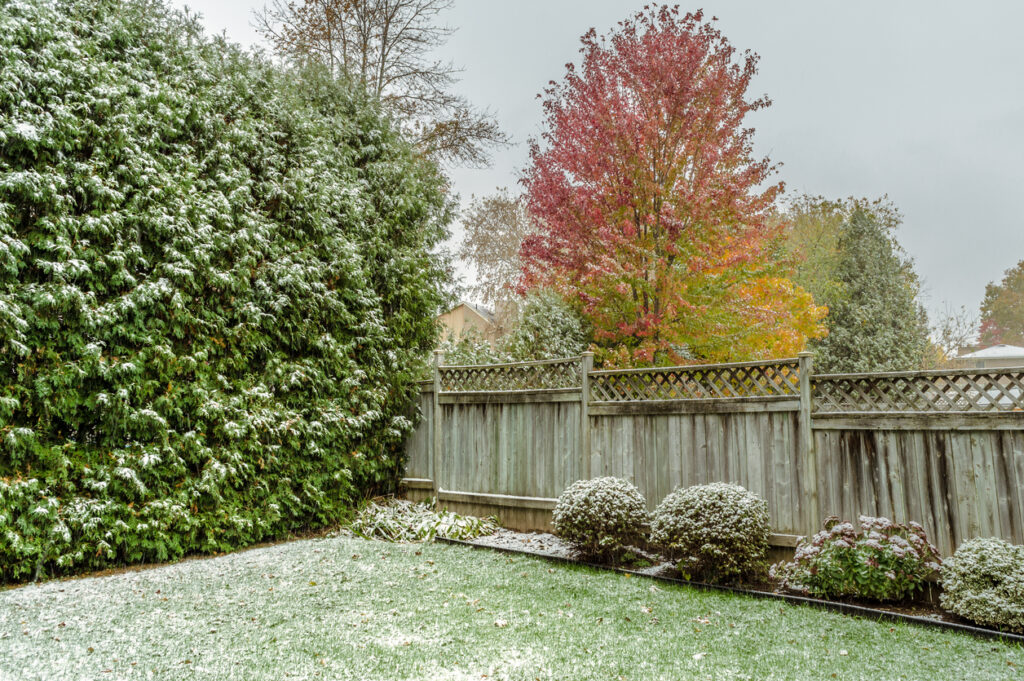
Autumn evenings can be misleadingly mild until the sun dips. If you feel a sudden chill straight after sunset, it’s a sign the air is losing heat quickly, which is a common setup for overnight frost. On nights like these, move vulnerable plants indoors or under cover before heading to bed. Once the temperature hits 2 °C or below, frost risk climbs sharply.
5. Nearby roofs and cars start icing overnight.

If you spot ice forming on car windscreens or shed roofs first thing in the morning, it means your garden soil was close to freezing, too. These surfaces cool faster than the ground, warning what’s coming next. Use this as your early alarm. If metal or glass is freezing, you’ve likely got hours before your more delicate plants feel it too.
6. The night sky looks unusually clear.
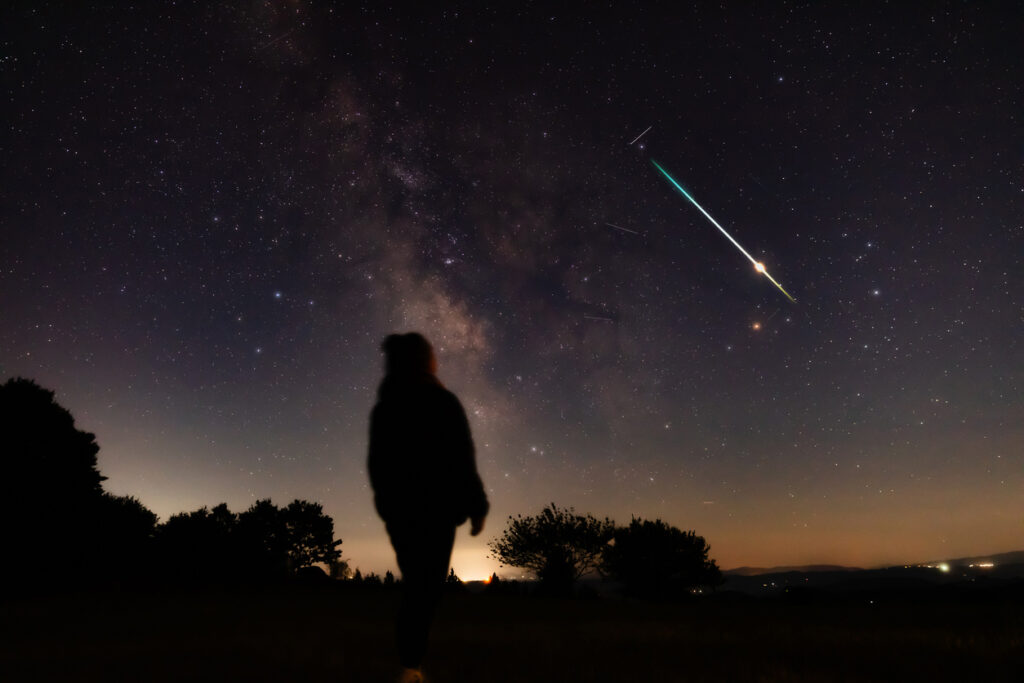
Cloud cover traps heat, while clear skies let warmth escape. When the stars look sharp and bright, expect a much colder night than usual, which is the perfect setup for frost to appear before dawn. Before going inside, check that greenhouse vents and cold frames are closed. A clear night might look peaceful, but it’s often the start of your first true frost.
7. Wildlife behaviour starts changing.
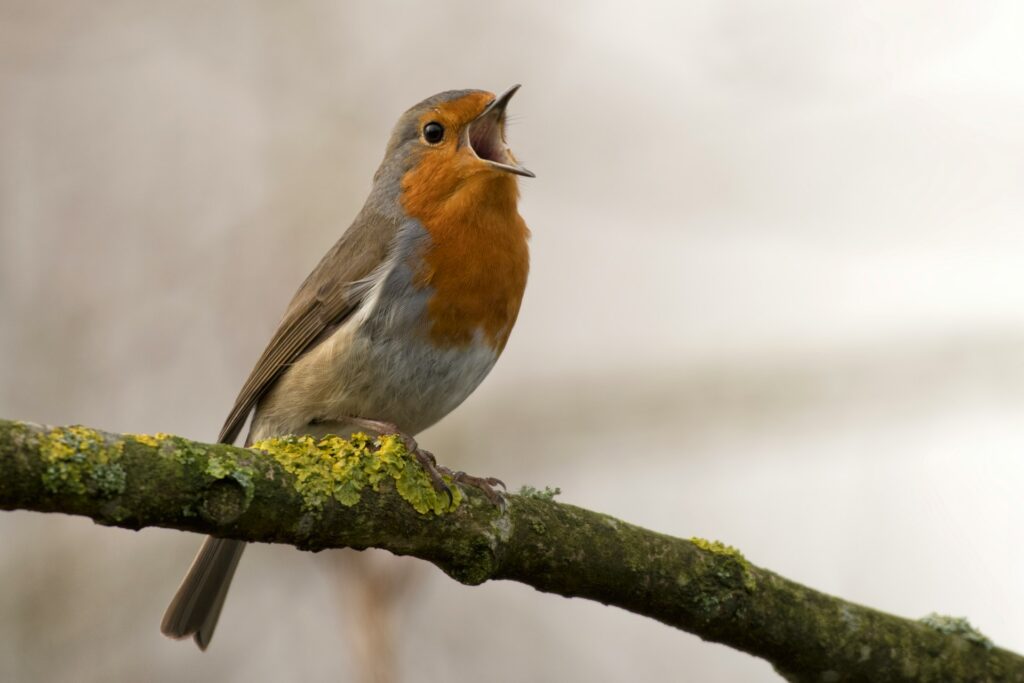
Birds and insects sense cold before we do. If you notice fewer insects, or birds feeding more heavily during the day, it’s often because they’re preparing for colder nights ahead. Use this as a gentle reminder to prepare your garden, too. Refill feeders, protect late blooms, and tidy up containers before the temperature takes its next sharp drop.
8. Plants look dull or slightly wilted overnight.
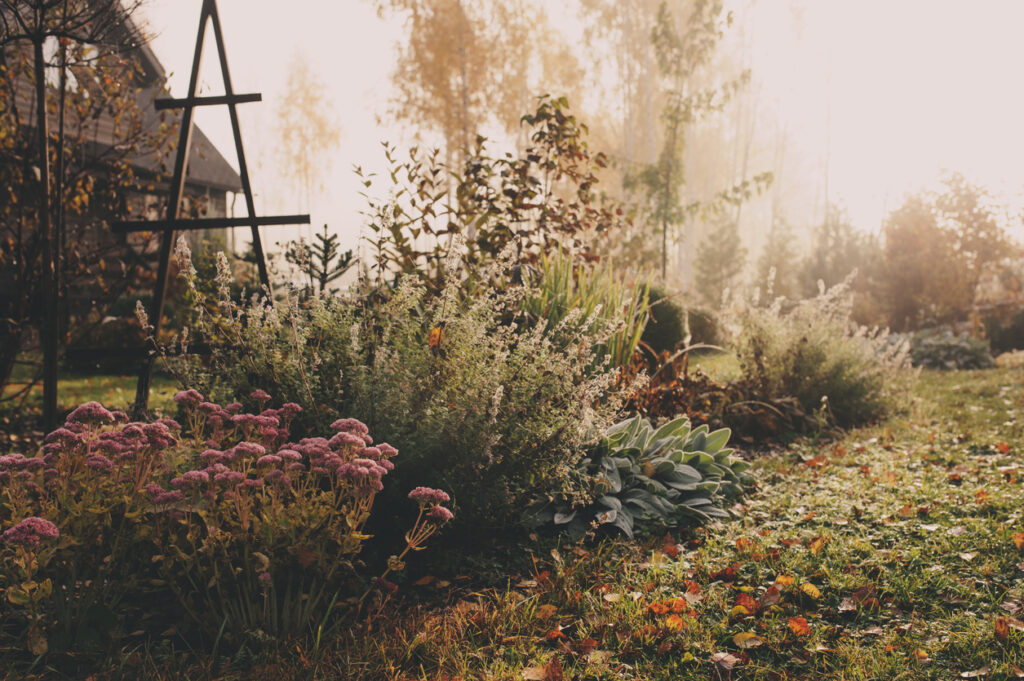
Even before frost forms, some plants show stress from the chill. Leaves droop or lose their shine, especially on tender varieties like dahlias, fuchsias, or basil. That early wilting means the temperature is skimming close to freezing. It’s your last call to dig up bulbs, cover beds, and bring tender pots indoors.
9. Weather forecasts mention “ground frost.”
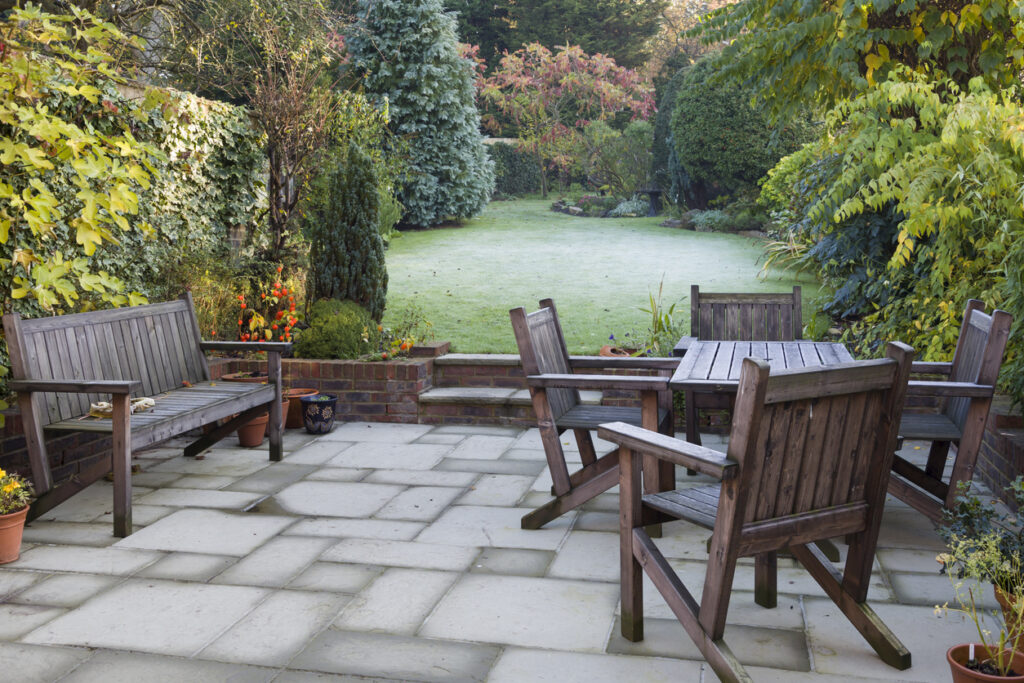
Ground frost can happen even when the air temperature reads a few degrees above zero. It forms when the soil surface itself cools below freezing, especially in open or low-lying areas. Pay attention to this phrase in local forecasts. When it appears, it’s time to fleece soft plants, empty watering cans, and disconnect garden hoses overnight.
10. The air feels perfectly still before dawn.
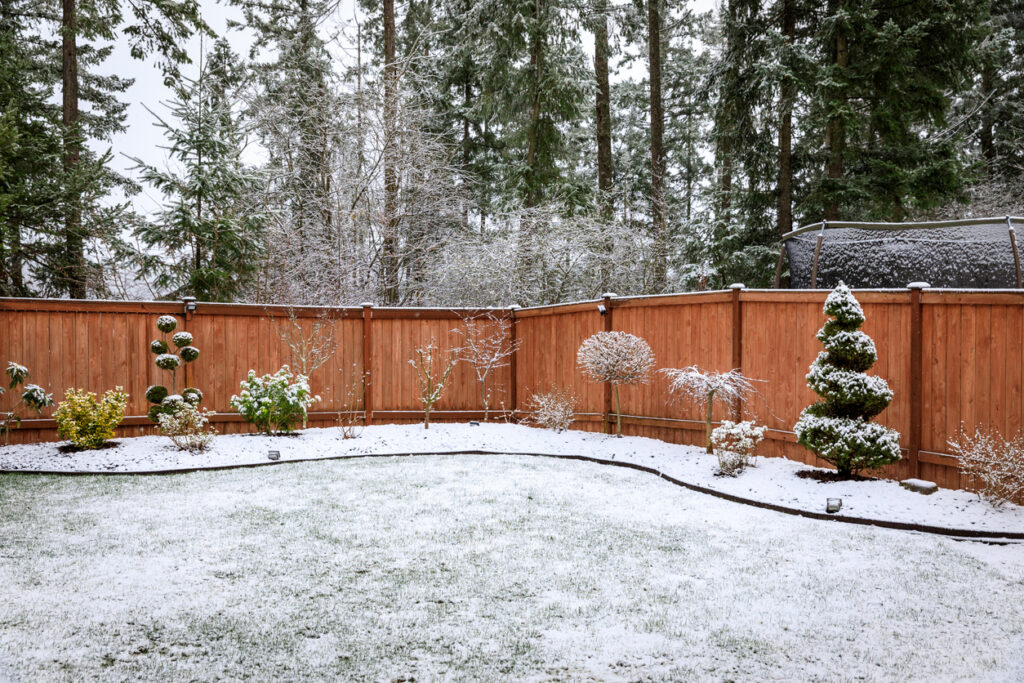
Wind prevents frost by mixing warmer and cooler air layers. When mornings feel eerily calm, it means cold air is settling low over the ground, setting the stage for frost to develop quietly before sunrise. This stillness is nature’s final warning. If you wake early and feel that chill in the air, cover anything frost-sensitive before the sun rises. It might already be too late by breakfast.