Getting outside is one of the best things you can do for your health and well-being.
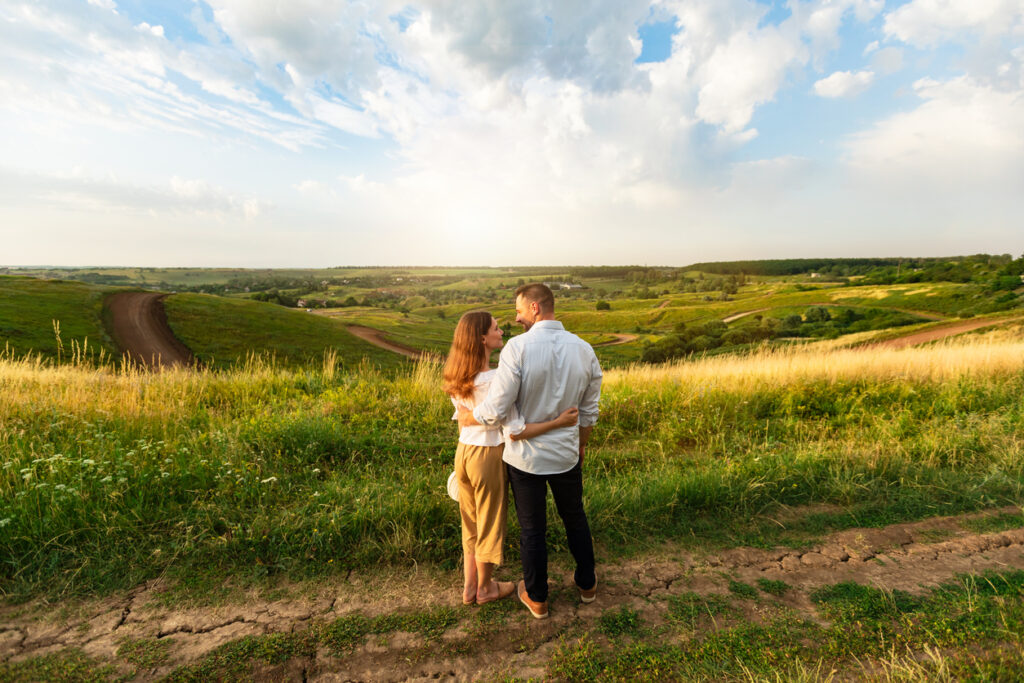
You move and breathe differently when you’re surrounded by trees, open space, or even a small patch of green. It’s the mix of fresh air and natural light that gives your brain a break from screens, noise, routine, and all the other distractions that inevitably rule most of our lives.
Even short spells in green spaces can make you feel clearer and more grounded. Your thoughts stop racing, your body loosens up a bit, and the day feels easier to handle. You don’t necessarily need to become an outdoorsy person or go hiking for hours. It’s about giving your brain a setting where it can unclench. That change in environment often does more for your mood than another workout squeezed into an already busy week.
Nature slows your thoughts in a way the gym can’t.

Exercise is great for your body, but your mind often stays busy even while you work out. Green spaces change that. When you step into a park or open field, your thoughts slow naturally. The colours, sounds, and steady rhythm of nature help your mind relax without effort. This gives you a break from the constant noise that fills most days.
Having that slowdown is important because it creates mental space you can’t get from fast or noisy environments. Your brain stops jumping from task to task and settles into a calmer pace. Switching things up helps your nervous system rest, which makes you feel clearer and more grounded.
Green scenery reduces stress hormones faster than indoor exercise.
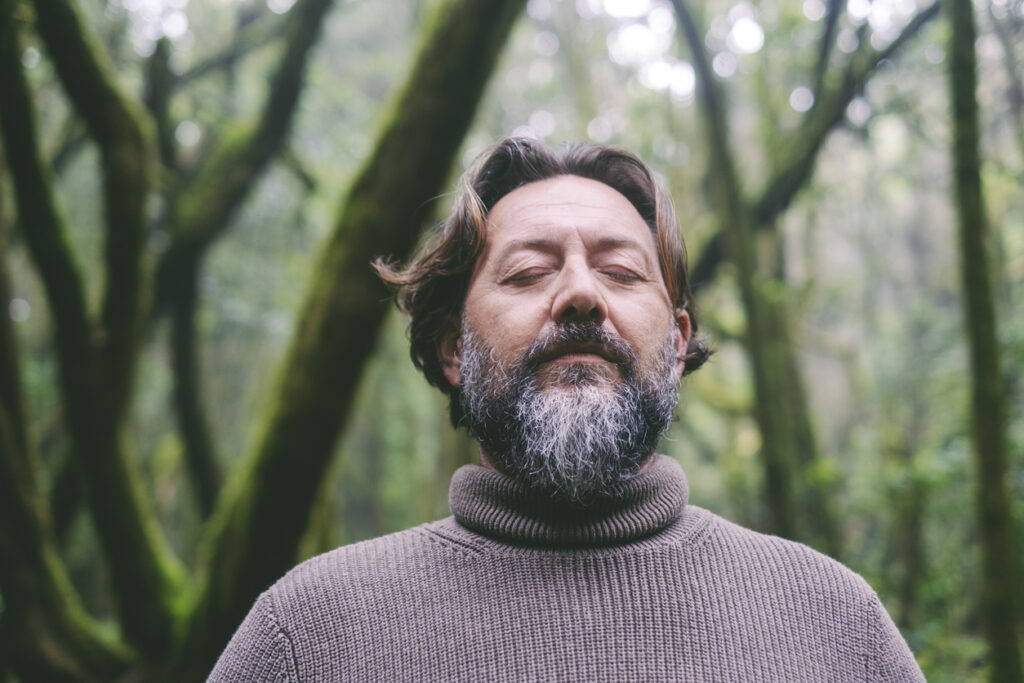
Studies show that spending time in nature lowers stress hormones in your body more quickly than working out inside. Even a short walk among trees or grass can reduce the weight you feel in your chest. Your brain recognises natural environments as safe and responds by lowering tension. Amazingly, the calming effect stays with you long after you leave.
Indoor exercise helps your physical health, but it doesn’t give you the same deep sense of calm. Green spaces reduce the pressure building inside your system and help your body transition from stress to recovery. This natural reset supports better mental stability over time.
Quiet outdoor spaces help your brain recover from sensory overload.

Modern life is full of noise, brightness and constant stimulation. This overload makes your brain tired, even when you haven’t done much. Green spaces offer the opposite. They give your mind a break from screens, traffic, and crowds. The quiet helps your senses rest and lets your brain process things more calmly.
That sort of recovery can’t happen in busy or artificial spaces because your senses stay alert. Nature gives your mind the conditions it needs to settle. That rest helps you think more clearly when you return to your everyday routine.
Natural light resets your mood in ways indoor lighting never can.

Sunlight signals your brain to wake up, stabilise your mood and regulate your sleep cycle. Even on cloudy days, natural light supports your emotional balance. Indoor lighting doesn’t reach the deeper parts of your brain that control these rhythms. This is why people often feel better after a short walk outside, even if they were tired or stressed.
Regular exposure to natural light helps your mind stay steady. It reduces feelings of low mood and increases your energy in a gentle, natural way. This effect builds slowly and lasts longer than the short boost you get from exercise alone.
Being surrounded by plants encourages focus and clarity.

Green spaces help your brain concentrate better. When you spend time around trees, grass or water, the parts of your mind responsible for attention become more active. This makes it easier to think clearly, remember things and solve problems. The environment works like a gentle recharge for your mental batteries.
Exercise does support focus, but it doesn’t give your brain the visual and sensory cues that nature provides. The colour green, in particular, has a calming effect that helps your thoughts settle. This combination makes outdoor environments ideal when you feel mentally scattered or unfocused.
Nature encourages slower breathing, which calms your body and mind.
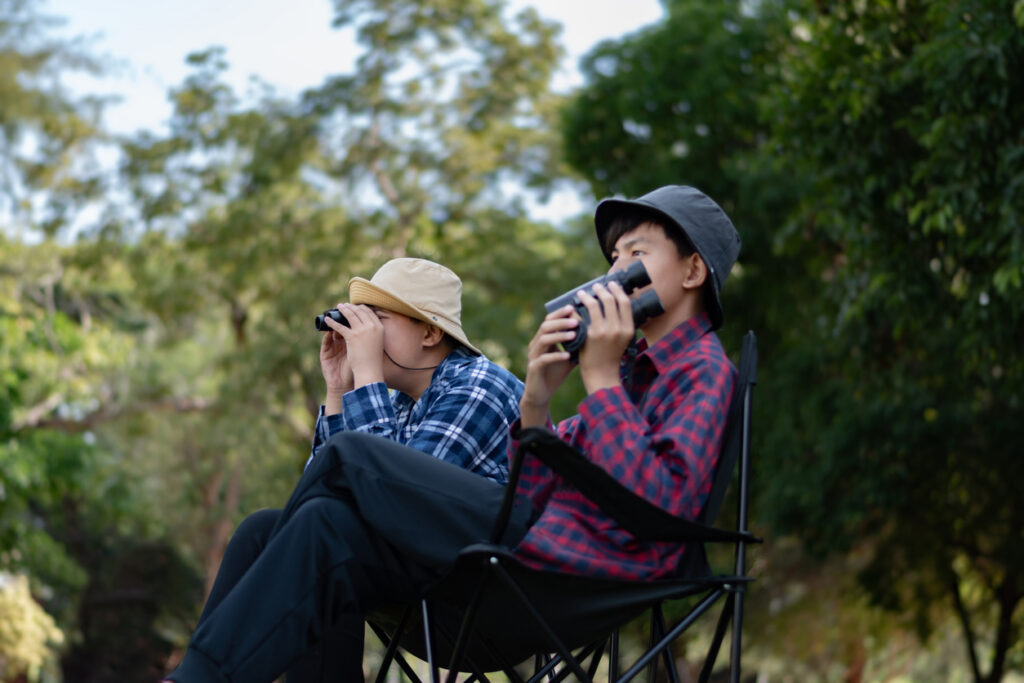
When you walk through a park or stand near trees, your breathing often slows without you noticing. This happens because the scenery signals your brain to relax. Slow breathing reduces heart rate, lowers tension and creates a steadier internal state. This helps you feel more balanced and less overwhelmed.
Indoor exercise often has the opposite effect because it raises your breathing and heart rate. That can be good for fitness, but it doesn’t create the deep calm your mind needs. Green spaces help your whole system settle in a way that heavy activity can’t match.
Parks and forests support social connection in a more laid-back way.

Being outdoors with other people feels easier because nature naturally lowers emotional pressure. Conversations flow more gently, and there is less chance of feeling trapped or overwhelmed. Many people find they open up more during a walk than when sitting face to face indoors. The movement and scenery make the moment feel lighter.
Believe it or not, simple outdoor interactions strengthen your relationships without forcing intense conversation. They also improve your mood because your brain responds well to connection in calming environments. Exercise alone doesn’t create this same emotional space for softer, easier social moments.
Fresh air improves your thinking and energy levels.
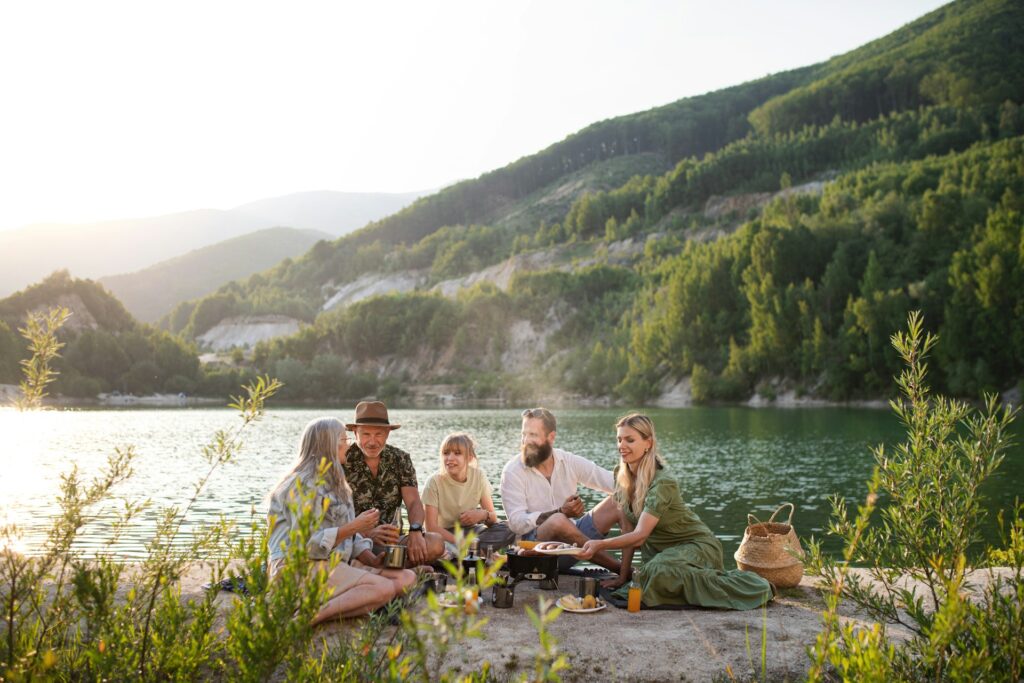
Fresh air gives your brain the oxygen it needs to stay alert. Spending time outdoors clears the foggy, heavy feeling that comes from staying inside too long. You may notice your mind feels sharper and your energy returns more naturally when you breathe fresher air.
Indoor exercise raises your heart rate, but it doesn’t refresh your mind in the same way. Fresh air helps your thoughts feel lighter and helps you stay focused without pushing yourself physically. It supports mental energy rather than just physical stamina.
Green spaces help you regulate your emotions more easily.

When you’re outdoors, your emotions often feel softer and easier to manage. Nature reduces the intensity of negative feelings and helps your mind settle into a calmer rhythm. Small worries lose some of their power, and overwhelming thoughts become easier to handle.
Emotional balance comes from the gentle combination of movement, silence and natural scenery. Exercise can lift your mood, but green spaces create a deeper sense of steadiness that lasts longer. Your brain learns to relax instead of react quickly.
Time in nature helps you sleep better at night.

Natural light during the day helps your body produce the hormones you need for restful sleep. A short walk outside can reset your internal clock and make falling asleep easier. The calm you feel after spending time in nature carries into the evening and helps your mind switch off more smoothly.
Exercise improves sleep too, but it can sometimes raise your alertness in the short term. Green spaces, on the other hand, prepare your mind for rest. They help you unwind in a way that supports deeper and more stable sleep cycles.
Nature gives your brain a sense of safety that indoor spaces can’t match.

Humans naturally feel calmer around plants, water and open space because these environments signal safety to the brain. This sense of safety lowers stress and helps your body relax. You feel more grounded and less tense because your mind recognises the environment as gentle and predictable.
Indoor spaces rarely offer this effect because they’re full of artificial noise and visual clutter. Green spaces allow your brain to rest because nothing demands your attention. This quiet sense of safety supports mental healing in a simple, natural way.
Being outdoors helps you reconnect with yourself.

Nature creates space for you to hear your own thoughts without distraction. When you’re surrounded by calm scenery, it becomes easier to notice how you feel, what you need and what is weighing on your mind. This gentle self-awareness helps you make clearer decisions.
Exercise can boost confidence, but green spaces help you understand yourself more deeply. You reconnect with your inner world without pressure or noise. This quiet, steady reflection is why nature supports your mental wellbeing in a way nothing else can.