Some animals look soft or completely uninterested in trouble, which is why people get such a shock when they show a very different side.
A cute face or calm posture doesn’t guarantee a gentle temperament, and plenty of species have instincts that kick in fast when they feel cornered or stressed. It’s the contrast that catches people off guard; you expect them to be mild, and suddenly, they’re anything but.
What makes these animals so surprising is how easily you’d underestimate them if you didn’t know better. They blend into parks, beaches, forests, and even back gardens, acting like they’re no threat at all until the moment they decide they’ve had enough. Spend a bit of time learning how they behave, and you quickly realise which creatures deserve a wider berth than their appearance suggests. Here are some of the biggest troublemakers in the natural world.
1. Hippos kill more people in Africa than any other large animal.
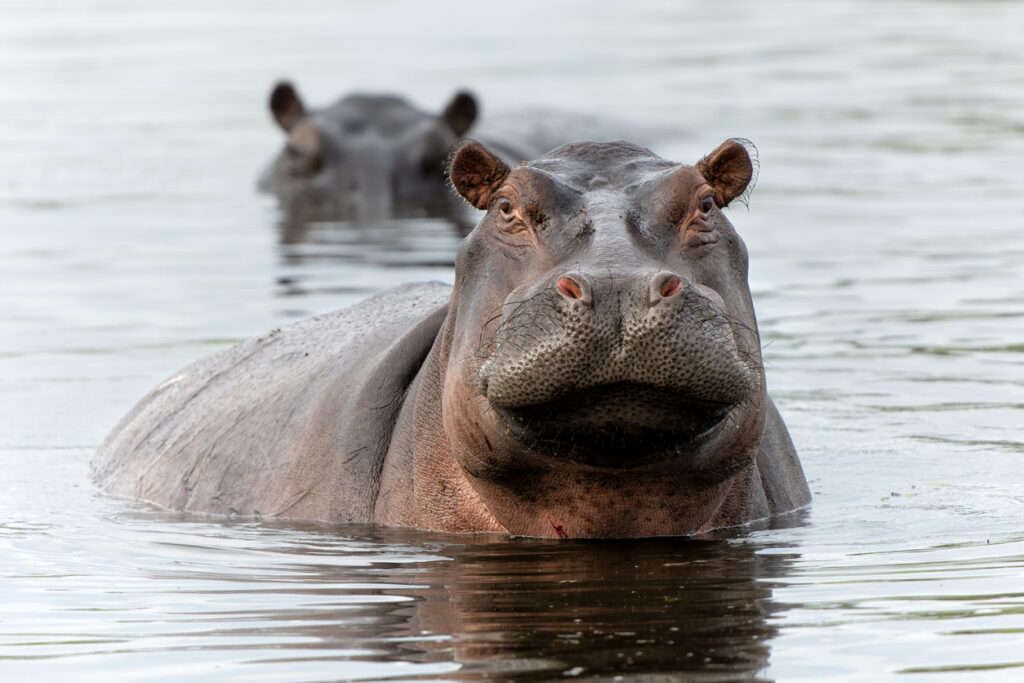
Hippos look like chubby, slow, slightly goofy water cows that spend their days lounging in rivers. This cuddly appearance is completely misleading because they’re actually incredibly territorial, surprisingly fast, and armed with massive teeth that can bite a crocodile in half.
They’re responsible for around 500 human deaths every year in Africa, far more than lions, elephants, or crocodiles. Hippos attack boats, chase people on land at speeds up to 30 mph, and will absolutely demolish anything they perceive as a threat to their space.
2. Swans can break your arm with their wings.

Swans gliding gracefully across ponds look like the picture of elegance and beauty. Get too close to their nest or cygnets, though, and you’ll discover they’re essentially feathered thugs with serious anger management issues and the strength to back up their aggression.
Their wings are pure muscle and bone that they use as clubs, battering intruders with repeated strikes that can genuinely fracture bones. They’ll charge at dogs, people, even cars if they feel their territory is threatened. That serene appearance hides a genuinely violent temperament.
3. Cassowaries are basically dinosaurs that will gut you.
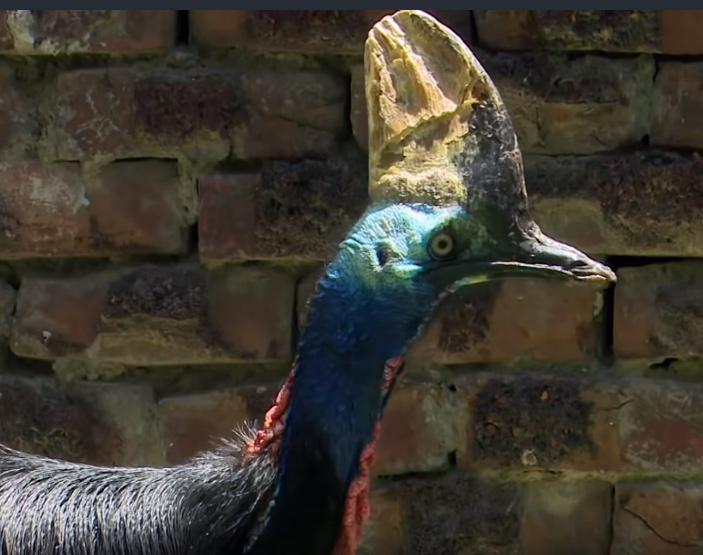
These giant flightless birds from Australia and New Guinea look weird rather than scary, with their blue heads and strange casque on top. What’s less obvious is the 12 cm dagger claw on each foot that they use to disembowel threats with jumping kick attacks.
Cassowaries have killed people and regularly attack when they feel cornered or during breeding season. They can run at 50 kph through dense forest and jump nearly two meters high. Getting kicked by one means those claws slice through you like knives.
4. Slow lorises have a venomous bite hidden behind cute eyes.
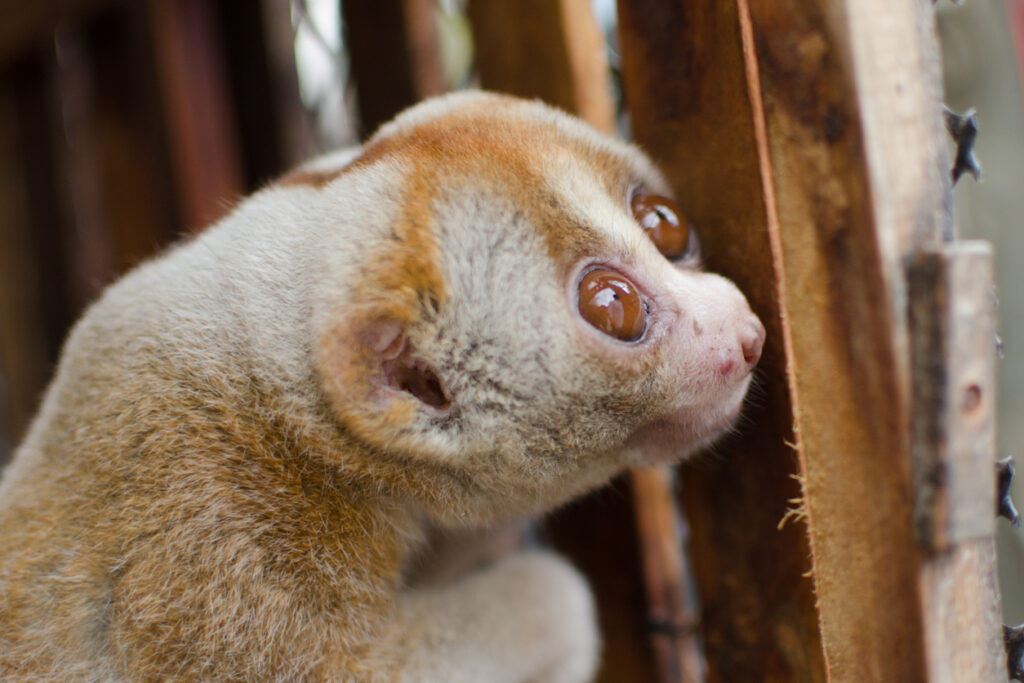
Slow lorises look like the most adorable primates on earth with their huge eyes, tiny faces, and slow deliberate movements. They’ve become popular in viral videos where people tickle them, not realising the animal is actually raising its arms in a defensive threat display.
These primates have venom glands in their elbows that they lick before biting, delivering a toxin that causes severe pain, swelling, and in some cases anaphylactic shock. Their bite can cause wounds that take weeks to heal, and occasionally kills people through allergic reactions.
5. Dolphins gang up and attack for fun.
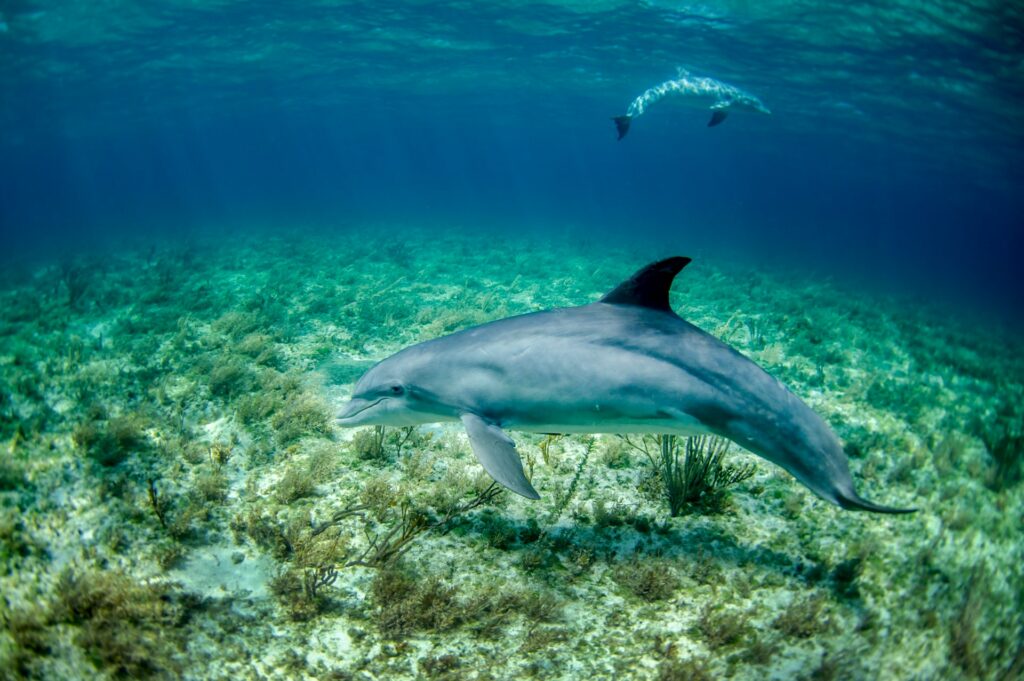
Everyone loves dolphins because they’re intelligent, playful, and seem to enjoy human company. What gets glossed over is their dark side, which includes gang violence, aggressive sexual behaviour, and attacking swimmers apparently just for entertainment.
Male dolphins form groups that bully and attack other dolphins, porpoises, and occasionally humans. They’ve rammed swimmers hard enough to break ribs, bitten people requiring stitches, and dragged swimmers underwater. Their intelligence makes them more dangerous because their aggression is calculated rather than instinctive.
6. Panda bears are still bears that will maul you.
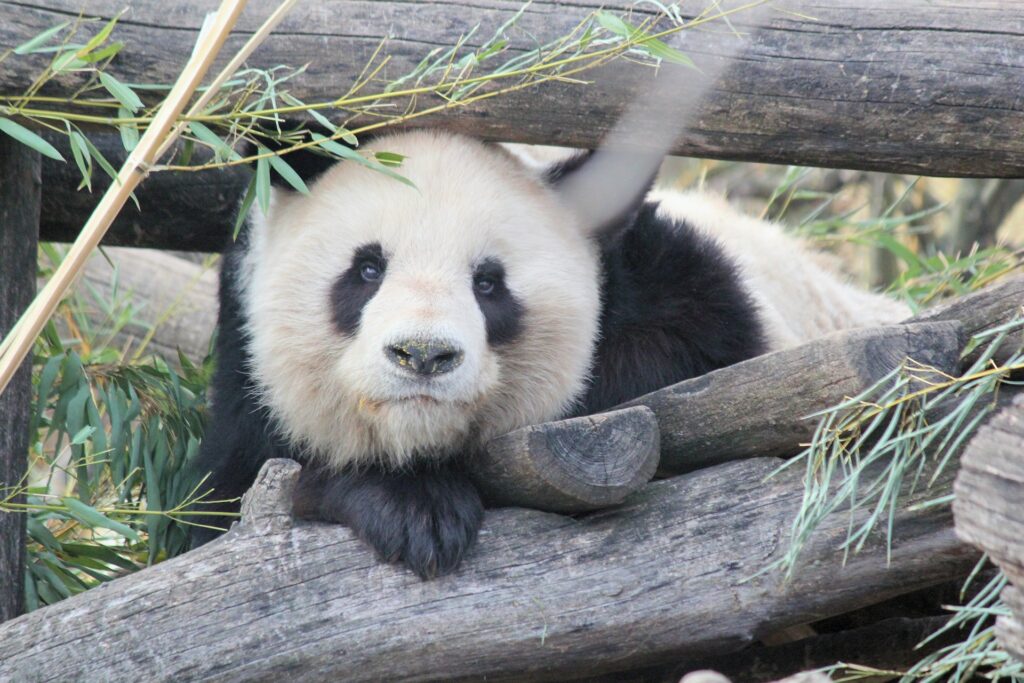
Pandas eat bamboo, tumble around like clumsy toddlers, and have become global symbols of cuddly conservation. This makes people forget they’re still massive bears with all the strength, teeth, and claws that come with being a bear.
Zoo attacks happen when people climb into panda enclosures thinking they’re dealing with gentle bamboo-munching teddy bears. Pandas can absolutely kill humans with bites that crush bone and swipes that tear flesh. Just because they’re vegetarian and adorable doesn’t mean they’re safe to cuddle.
7. Platypuses have venomous spurs that cause excruciating pain.
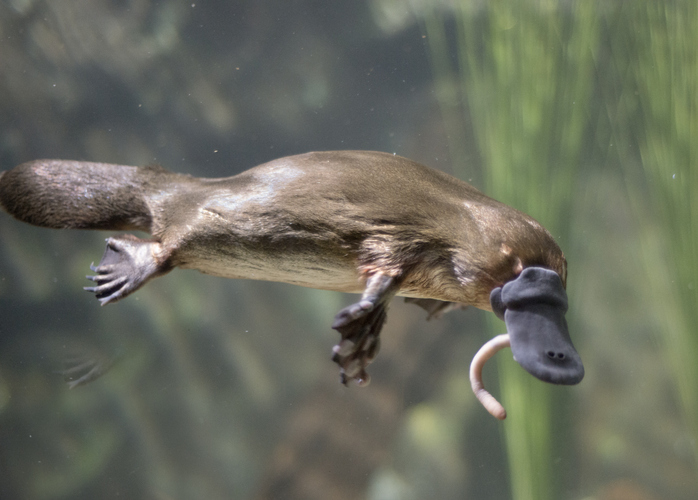
The platypus looks like nature’s joke, a bizarre mashup of different animals that seems too weird to be dangerous. Males have venomous spurs on their hind legs that deliver a toxin causing pain so severe that morphine can’t touch it.
The venom won’t kill you, but victims describe pain so intense they become temporarily incapacitated, and the agony can last for weeks or even months. Some people develop long-term sensitivity to pain after being spurred. This goofy-looking egg-laying mammal is genuinely one of Australia’s nastier creatures.
8. Deer kill more people than sharks and bears combined.
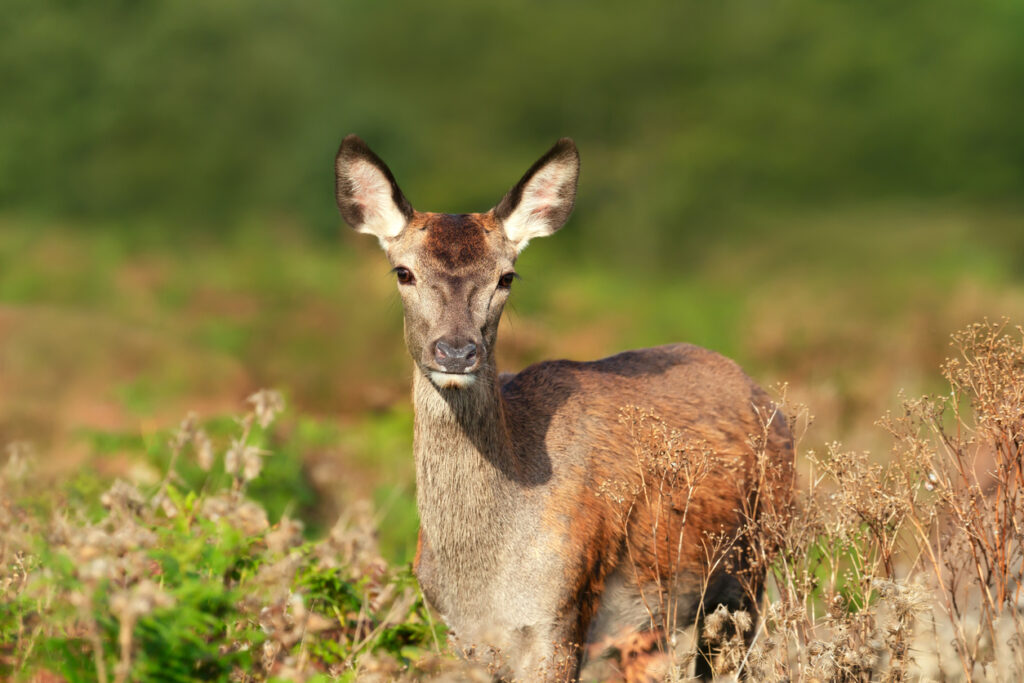
Deer seem harmless because they run away when you approach and spend their time nibbling vegetation while looking gentle and beautiful. During rutting season though, especially in urban areas where they’ve lost fear of humans, bucks become incredibly aggressive and territorial.
They’ve gored people with their antlers, kicked with sharp hooves, and charged humans who got too close. Most deer-related deaths come from car collisions they cause, but direct attacks happen regularly. Male deer protecting territory or females protecting fawns are genuinely dangerous animals, despite their Bambi reputation.
9. Blue-ringed octopuses carry enough venom to kill 26 people.
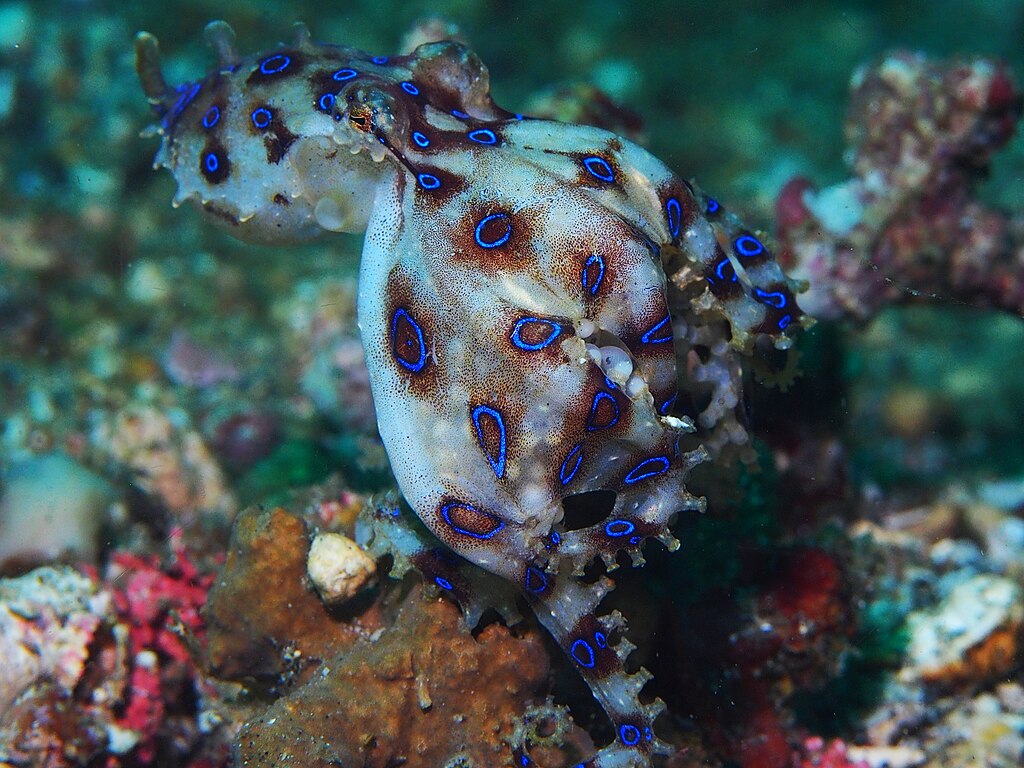
These tiny octopuses are only about the size of a golf ball and stunningly beautiful with iridescent blue rings that glow when they’re agitated. Their small size and pretty appearance makes people think they’re harmless enough to pick up for photos.
One bite delivers tetrodotoxin, the same poison found in pufferfish, which causes complete paralysis within minutes. There’s no antivenom, and victims remain conscious while being unable to move or breathe. The octopus carries enough venom to kill two dozen adults and bites are often painless so you don’t realise you’re dying until paralysis starts.
10. Raccoons are vicious when cornered and carry diseases.
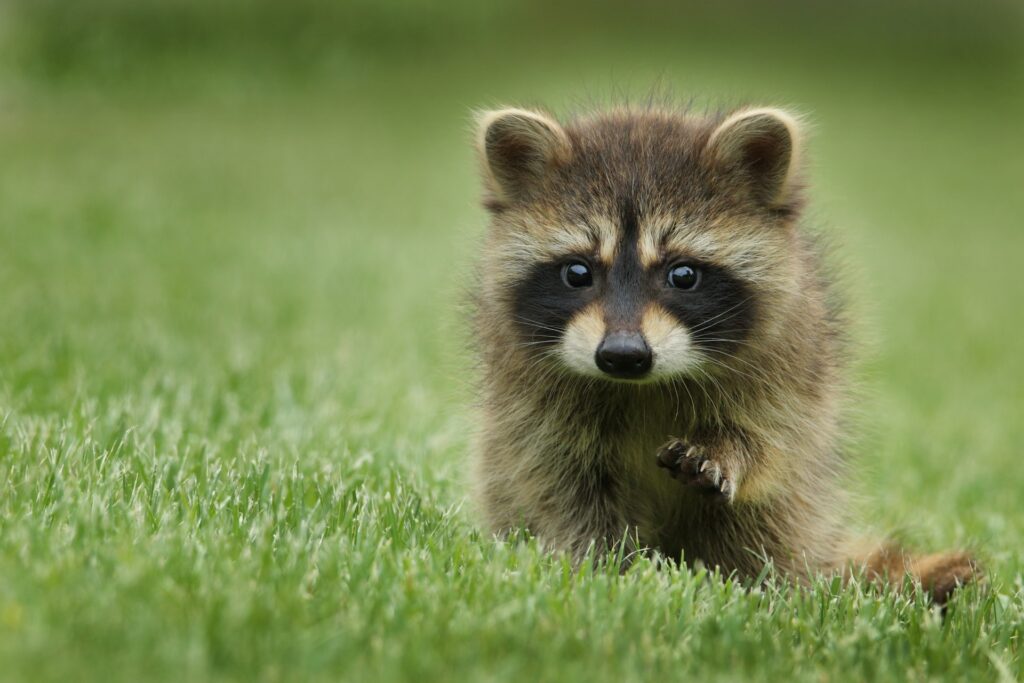
Raccoons with their bandit masks and tiny hands look cute and mischievous, like cartoon characters rummaging through bins. When threatened or protecting their young, they transform into snarling balls of teeth and claws that fight with shocking ferocity.
They carry rabies at high rates and will absolutely fight rather than flee if cornered. Their bites and scratches cause serious infections, and they’re strong enough to hurt dogs and cats badly. That adorable rubbish panda will rip your face open if it feels threatened.
11. Moose are more dangerous than bears in many areas.
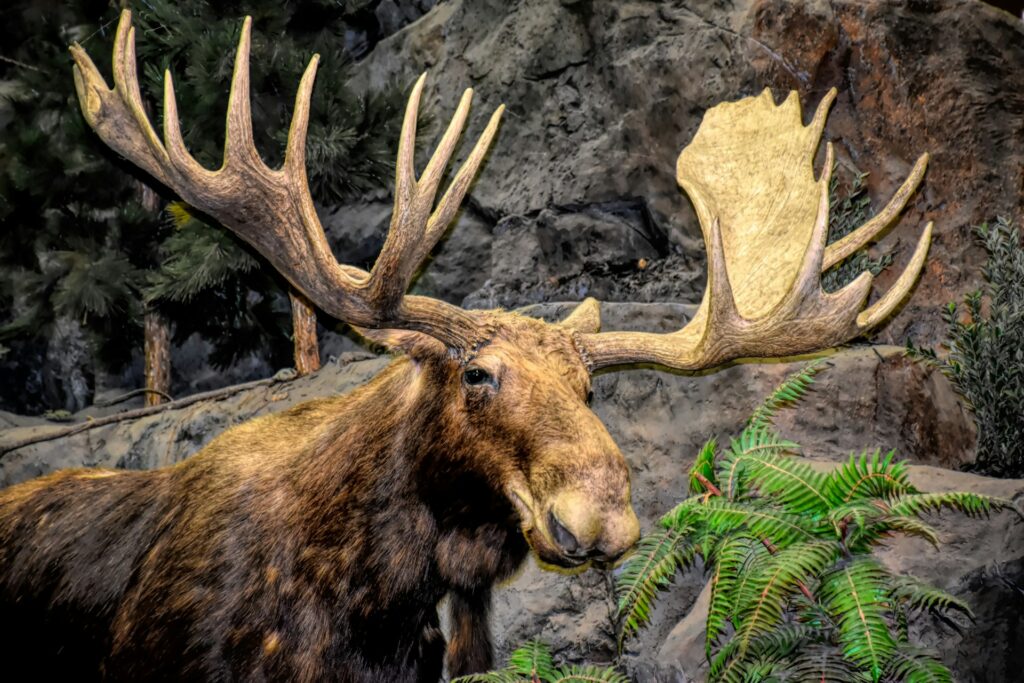
Moose look dopey and ungainly, like they were assembled from spare parts by someone who’d never seen a proper animal. They’re actually massive, unpredictable, and far more likely to charge humans than bears are in regions where both live.
An adult moose can weigh 700 kilos and stands two meters tall at the shoulder. When they charge, which they do with minimal provocation, they trample and kick with hooves that can cave in your skull. In Alaska, moose injure more people annually than bears do.
12. Leopard seals are Antarctica’s apex predators for good reason.
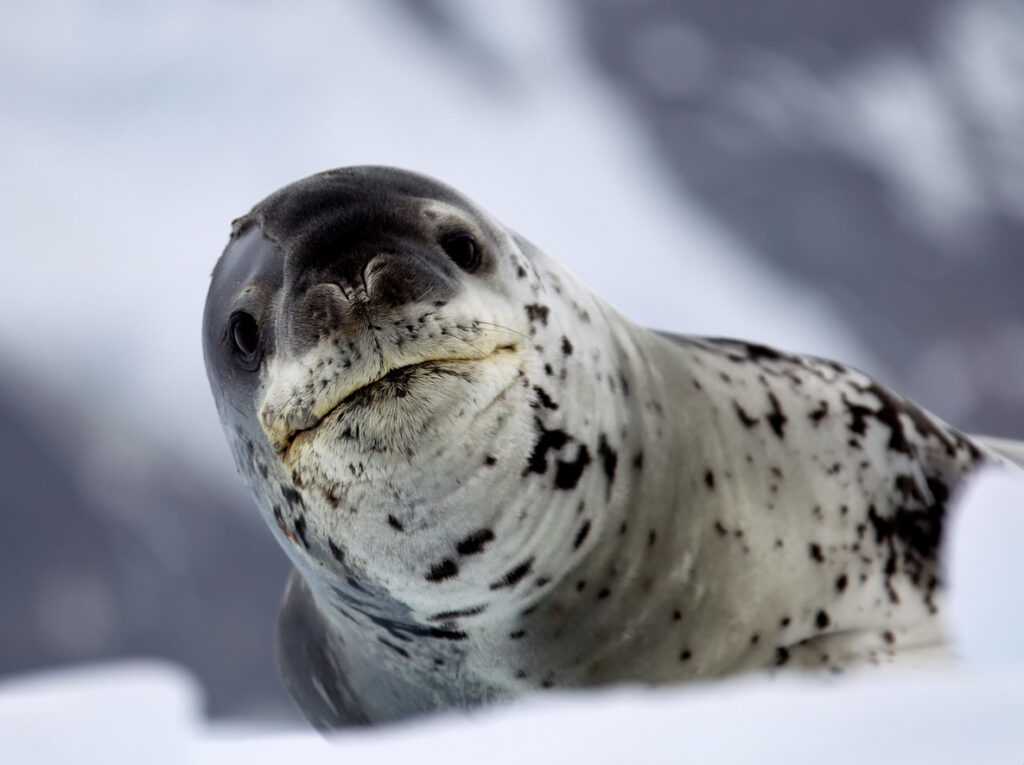
Leopard seals have long, almost dog-like faces and spotty coats that make them look less intimidating than other seals. They’re actually vicious predators with reptilian-looking mouths full of massive interlocking teeth designed for ripping penguins and other seals apart.
They’ve attacked humans on multiple occasions, including dragging a scientist underwater and killing her in Antarctica. They’re fast, powerful, and predatory in ways most seals aren’t. That seemingly curious seal approaching your boat might be sizing you up as potential prey.
13. Canada geese are territorial terrors with no fear.

These common park birds are everywhere in North America and people get used to them wandering around looking for handouts. During nesting season they become aggressive monsters that chase joggers, attack children, and hold their ground against vehicles.
They hiss, bite, and beat people with their powerful wings. Their attacks might not kill you, but they’re painful and scary, especially when a whole flock decides you’re too close to their nesting area. They’ve caused people to fall while running away, leading to serious injuries.
14. Stoats and weasels kill prey much larger than themselves.
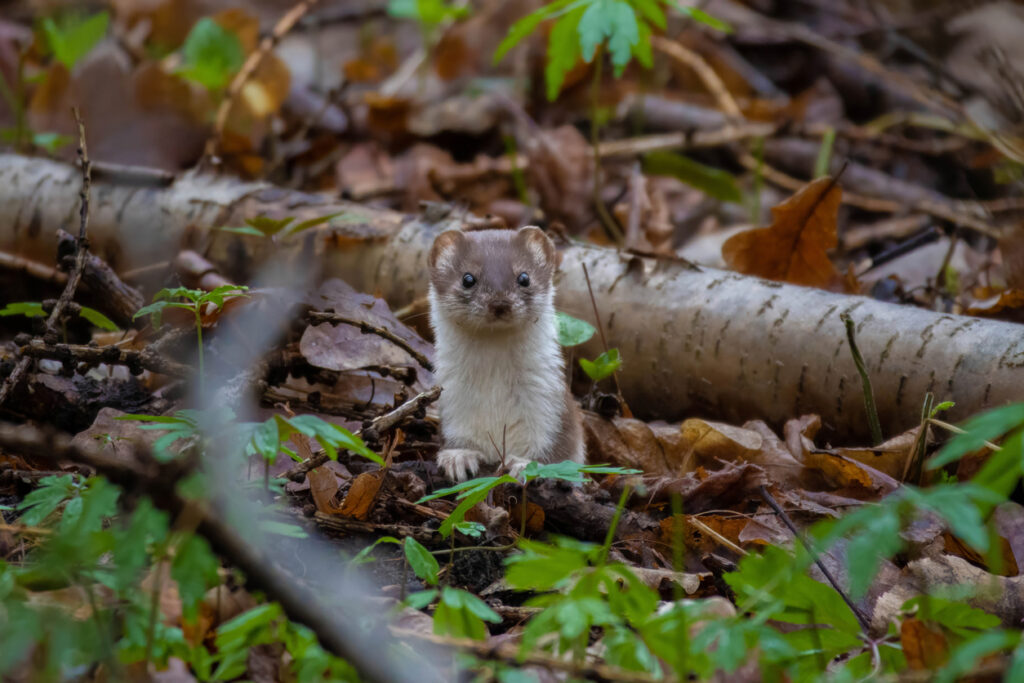
These tiny members of the mustelid family look like adorable elongated teddy bears, especially when stoats turn white in winter. They’re actually psychotic killing machines pound for pound, taking down rabbits many times their size by latching onto the neck and not letting go.
They enter a killing frenzy and will attack things much larger than themselves with no sense of self-preservation. Farmers fear them in chicken coops because a single weasel will kill every bird in the coop, even though it can only eat one. Their cute appearance hides truly savage predatory instincts.
15. Beavers have massive teeth and will defend their territory violently.
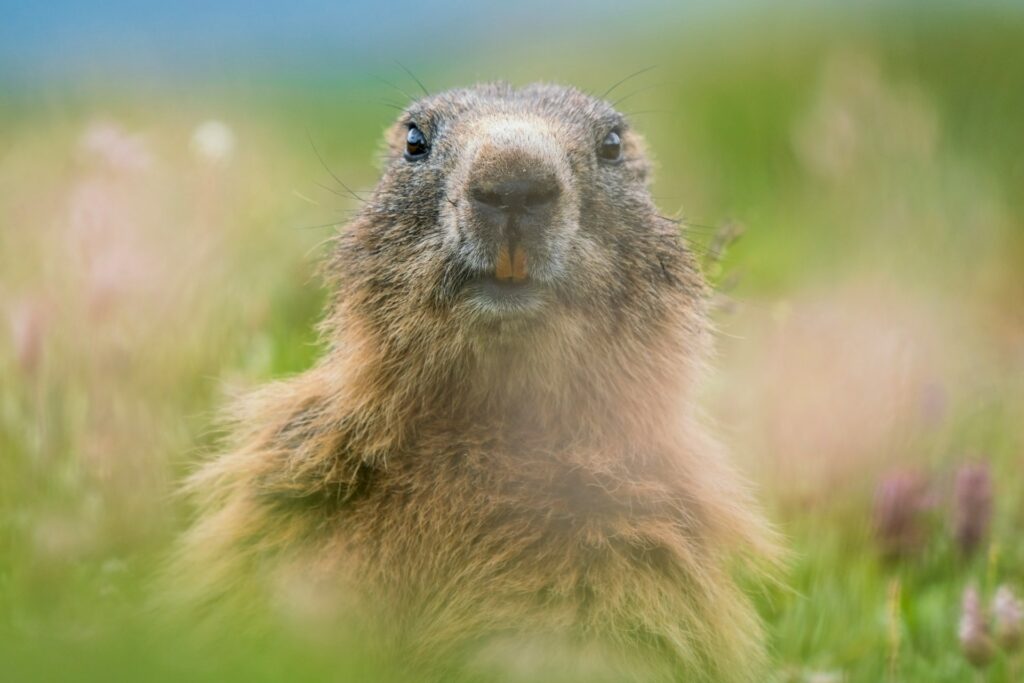
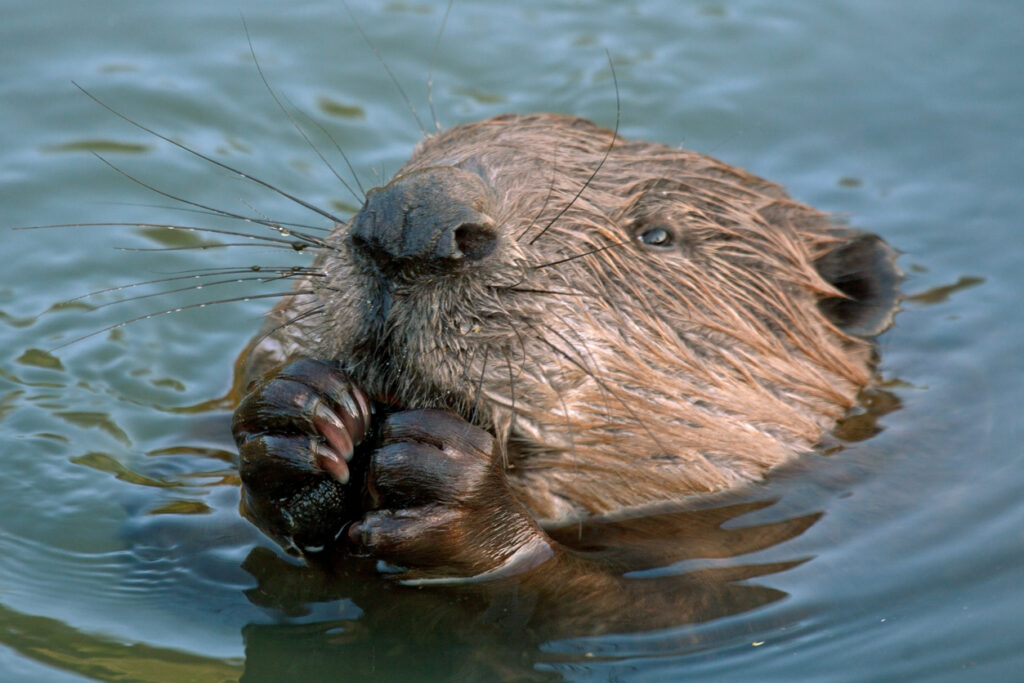
Beavers look like chubby aquatic teddy bears that build cute dams and mind their own business. Those powerful jaws evolved for chewing through trees can take your hand off in one bite, and they will absolutely defend their lodges and territory if threatened.
People have been killed by beaver attacks, usually by being bitten on the leg and bleeding out before reaching help. Their teeth are like orange chisels designed to fell trees, which means they go through human flesh like butter. Getting between a beaver and water or approaching their lodge can trigger defensive attacks that cause catastrophic injuries.