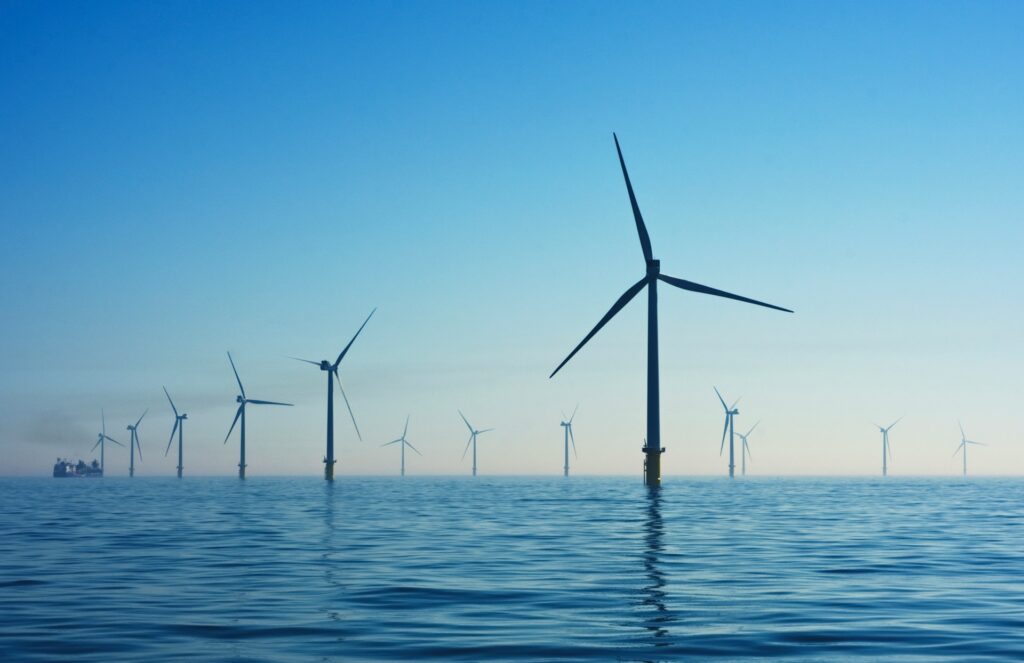
Analysis from the energy think tank Ember found that in the first half of 2025, renewable sources such as wind and solar generated 5,072 terawatt-hours of electricity globally, compared with coal’s 4,896. That made it the first time in history that clean energy surpassed coal on a worldwide scale, as reported by Reuters.
It wasn’t a minor change, either. Solar power grew by nearly 30% compared with the previous year, while wind energy rose by around 8%. The combined growth of renewables was greater than the increase in overall global electricity demand, meaning clean energy isn’t just catching up, it’s leading the way. This change was largely driven by China and India, which expanded their renewable capacity enough to offset rising demand.
Europe and the United States experienced a slight rise in fossil fuel use due to weaker wind and hydro generation, but globally, renewables are becoming the backbone of new electricity systems. What once seemed idealistic is now the norm in many countries.
The UK’s part in the story
For people in Britain, this transition feels familiar. The UK’s last coal-fired power station, Ratcliffe-on-Soar in Nottinghamshire, closed on 30 September 2024 after 142 years of operation, officially bringing the country’s coal era to an end. This made the UK the first G7 nation to stop using coal for electricity generation altogether.
According to The Guardian, 2024 was the cleanest year on record for UK electricity, with 58% coming from low-carbon sources including wind, solar, biomass, and nuclear. That transformation didn’t happen by accident. It was the result of decades of investment, public pressure, and innovation.
Coal once powered the entire country, from the Industrial Revolution through to the early 2000s. Now, it’s been replaced by a mix of clean generation that not only reduces emissions but has helped reshape entire industries and communities.
This is only the beginning
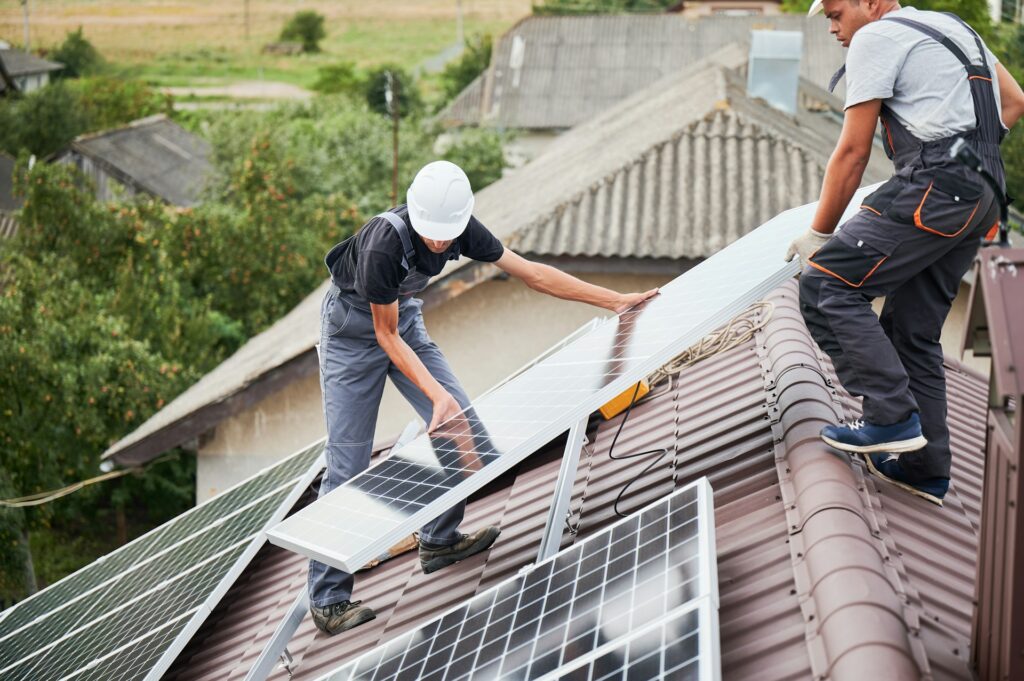
While overtaking coal is a huge achievement, it’s only the beginning of a much more complicated phase. Renewable sources like solar and wind aren’t as predictable as fossil fuels. When the sun doesn’t shine or the wind slows down, electricity generation dips. This means countries need more energy storage, grid flexibility, and demand management to make sure the lights stay on.
Some researchers, such as those in a recent study published on arXiv, suggest that governments may be overestimating how much renewables can cover without strong investment in storage and grid upgrades. In the UK, that means investing in batteries, interconnectors with Europe, and smarter systems that can automatically balance supply and demand.
Then there’s the question of fairness. Entire communities once dependent on coal or heavy industry face major economic changes. The government’s promise of a “just transition” will only mean something if it brings real jobs, retraining, and investment to those areas. Without that, the green revolution risks deepening existing inequalities.
And while the world celebrates the decline of coal, gas still fills the gaps. During cold spells or windless weeks, fossil fuels remain a safety net. The next phase of progress will be about replacing that reliance without compromising reliability.
If the world keeps pushing forward, by 2035 it’s possible that renewables could supply most of the world’s electricity.
That would mean fewer carbon emissions, cleaner air, and far less dependence on fossil fuel imports. Britain’s energy mix could look entirely different, with offshore wind farms dominating the horizon, large-scale battery storage balancing the grid, and new technologies like tidal energy or small modular nuclear reactors adding steady support.
The world’s first half of 2025 proved that clean energy isn’t a distant goal. In fact, it’s already happening. What matters now is keeping that progress going and making sure it works for everyone.
The moment renewables overtook coal will be remembered as a turning point, but it’s what we do after that counts. The technology exists, the economics make sense, and the public is on board. The next chapter is about making sure this new energy era is not just cleaner, but fairer and stronger than the one we’re leaving behind.