Cats behave as if the house belongs to them, and we are just allowed to live in it.
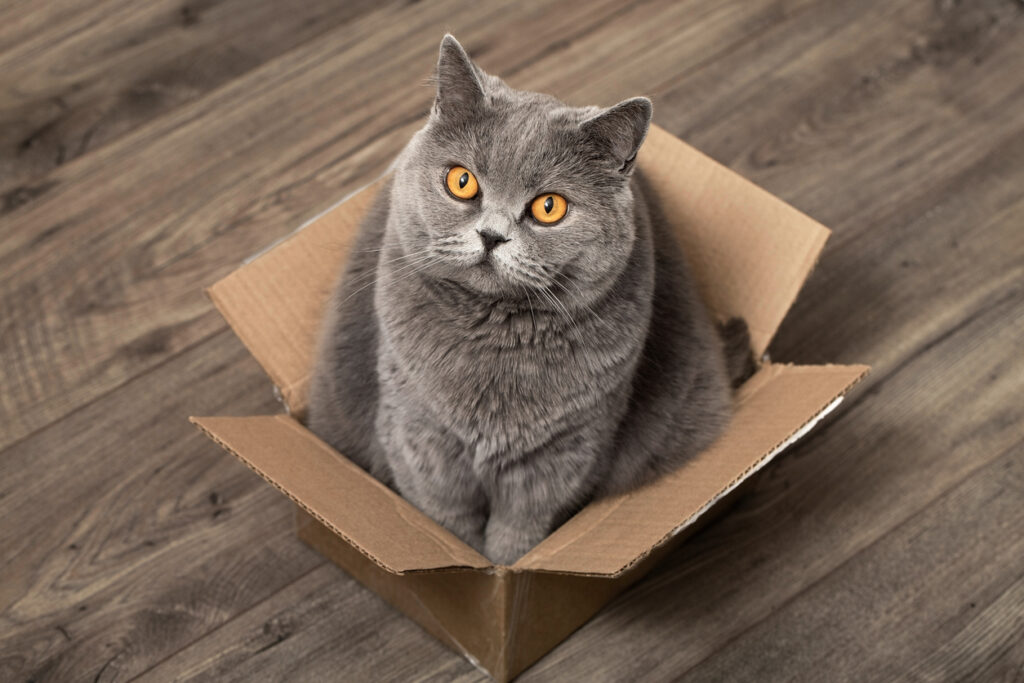
They nap in the one spot you need, stare at you like you have interrupted their day, and somehow make you feel honoured when they decide to sit near you. They act with a confidence most of us could only dream of, and half the time they do things that make no sense yet look completely intentional.
The funny part is that every odd habit has a reason behind it. Whether they are sprinting around the house at midnight, staring at a blank wall, or chirping at birds they have no chance of catching, cats are not being random. They are following instincts, routines and little pieces of cat logic that we, as mere humans, are expected to accept without question.
1. Staring at nothing
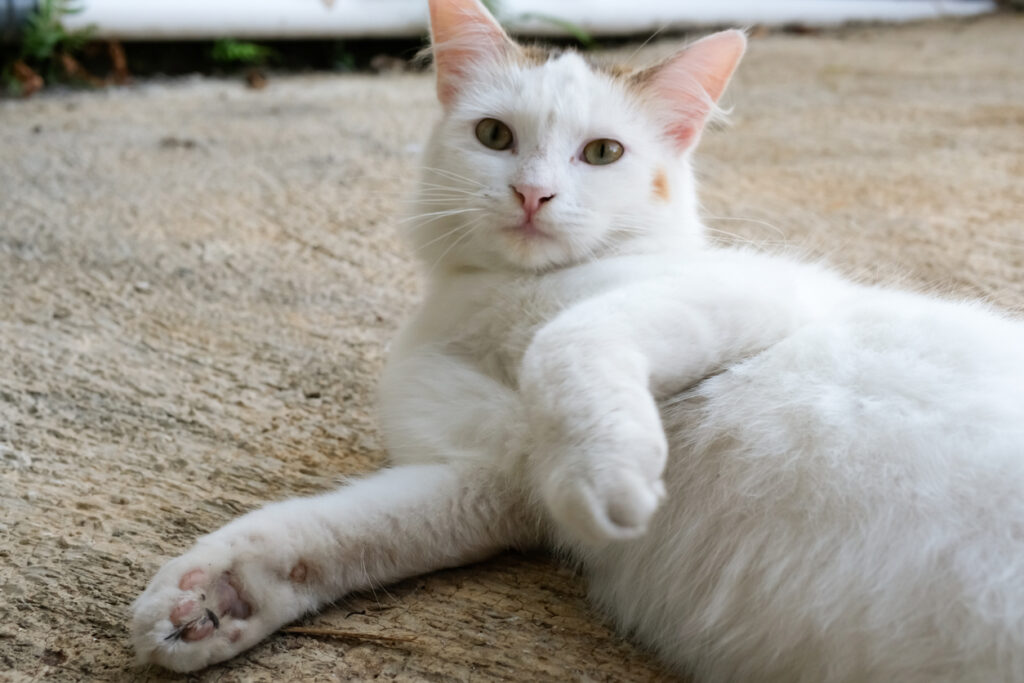
That eerie stare into empty space isn’t supernatural. Cats have sharper senses than humans and can pick up the faintest movement or sound. What looks like a vacant gaze is probably a fly, a flicker of light or a sound too high for you to hear. They’re not zoning out; they’re observing, gathering information and staying alert. It’s their way of feeling in control of a space we think belongs to us.
2. Knocking things off tables

When your cat swats a mug onto the floor, it isn’t trying to annoy you. Cats explore with their paws, testing how things move, sound and fall. It’s part curiosity and part play. Once they notice that you rush to react, they turn it into a game. To them, it’s proof that they can get your attention any time they want.
3. Sitting in boxes, no matter the size
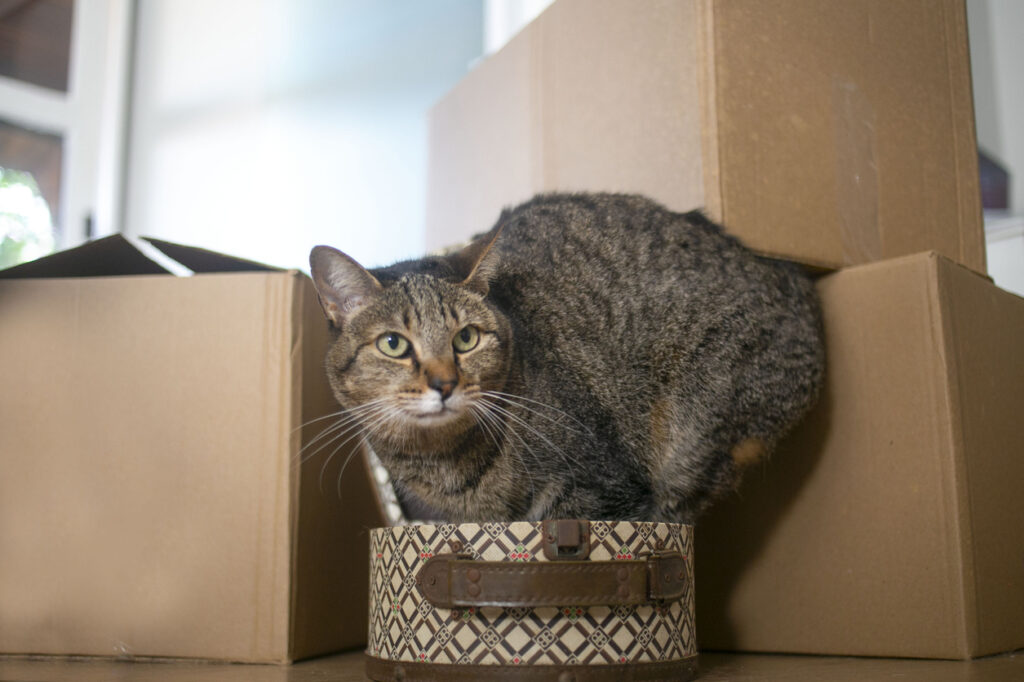
Boxes give cats comfort. The enclosed space feels like a safe hiding place where they can rest or plan their next move. In the wild, they’d look for similar small shelters to avoid predators or stalk prey. It also helps them manage stress. The pressure of the sides around their body makes them feel calm and secure, like being wrapped in a warm blanket.
4. Bringing you unwanted “gifts”
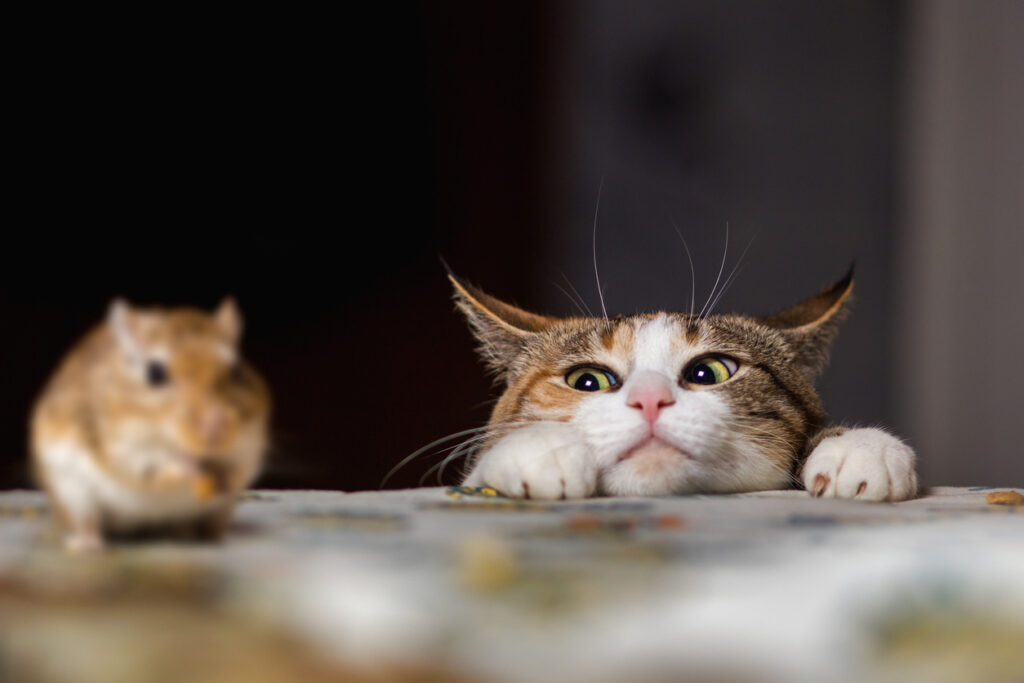
Your cat doesn’t mean to disgust you when it drops a dead mouse at your feet. It’s offering a gift, or teaching you to hunt, just as its mother once did. It’s affection mixed with mild pity. To them, you’re a slow learner who needs help providing food. It’s their way of contributing to the household, even if it leaves you screaming.
5. Headbutting your face

That little nudge with their forehead is called bunting. Cats have scent glands on their heads, and by rubbing against you, they leave their scent behind as a sign of comfort and familiarity. It’s an affectionate gesture that says you belong in their circle. The fact that they’re marking you rather than the other way round says everything about who runs the relationship.
6. Sprinting through the house at night
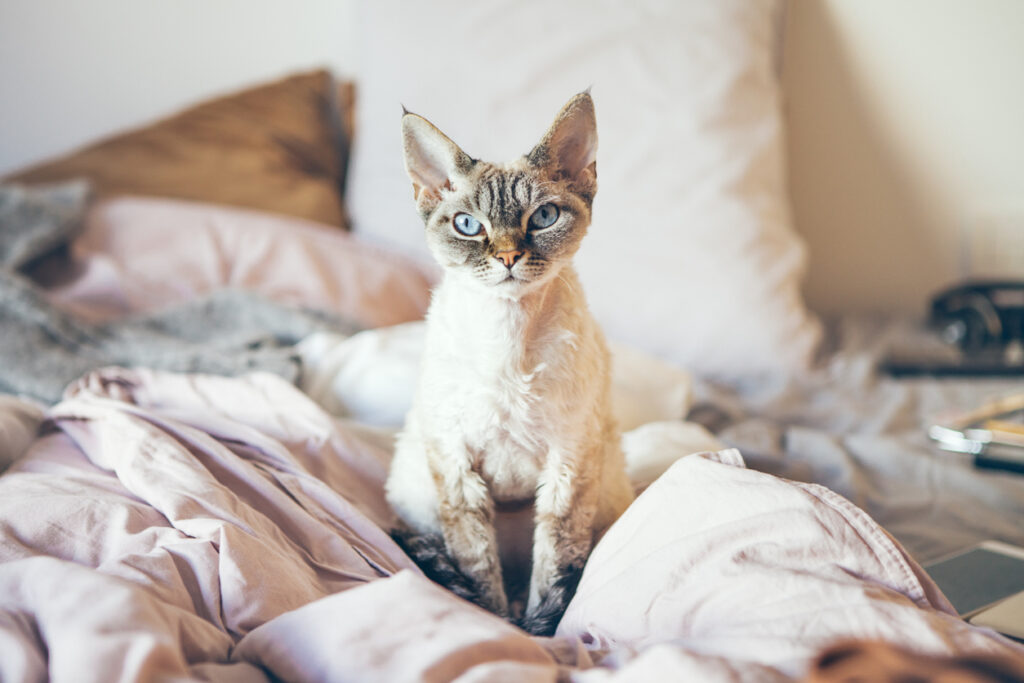
The midnight madness is instinct. Cats are most active at dawn and dusk because that’s when prey would move in the wild. When they charge through the house at 3 a.m., they’re simply following their natural rhythm. Indoor life doesn’t drain that energy. It builds up until they release it all at once, usually when you’ve just fallen asleep.
7. Ignoring you completely

Cats don’t respond to commands the way dogs do. They recognise your voice and understand your tone, but they make a choice about whether it’s worth their time. It isn’t arrogance. It’s independence. They’ve learnt that ignoring you doesn’t have consequences, so they continue doing whatever they like.
8. Kneading your lap

Kneading is a leftover behaviour from kittenhood. Kittens press their mother’s belly to help milk flow, and that rhythmic motion becomes linked with safety and comfort. When your cat does it to you, it’s showing trust. It’s the feline version of saying you make them feel safe, even if your thighs don’t agree.
9. Slow blinking at you
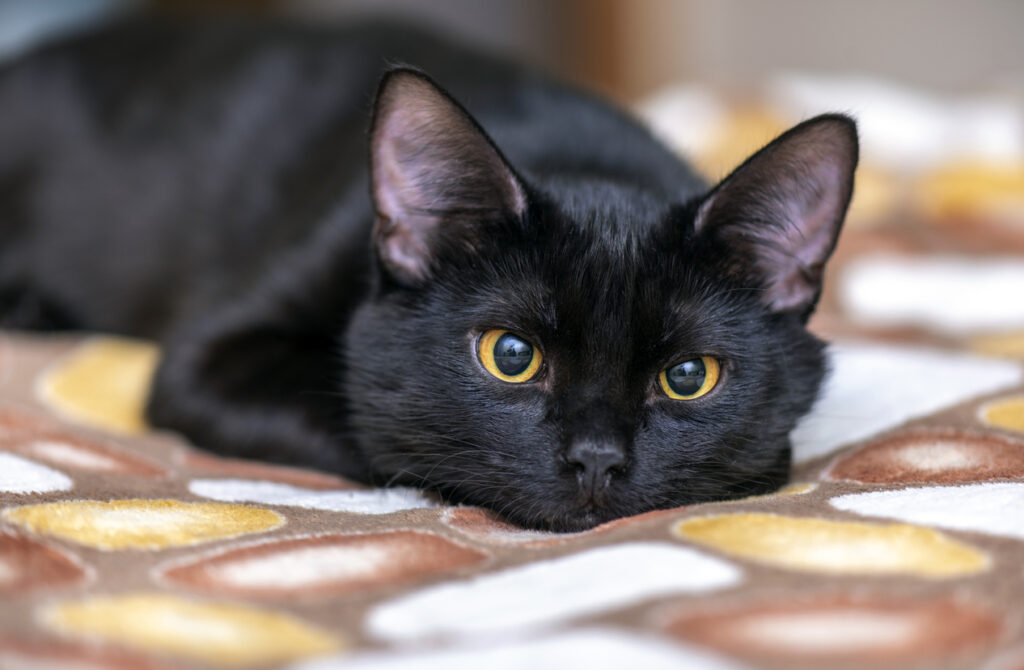
When a cat gives you a long, slow blink, it’s saying it feels calm and safe. In cat language, closing the eyes in someone’s presence means there’s no threat. Returning the slow blink builds trust. It’s a gentle exchange that deepens your bond without a single word or sound.
10. Turning their back on you
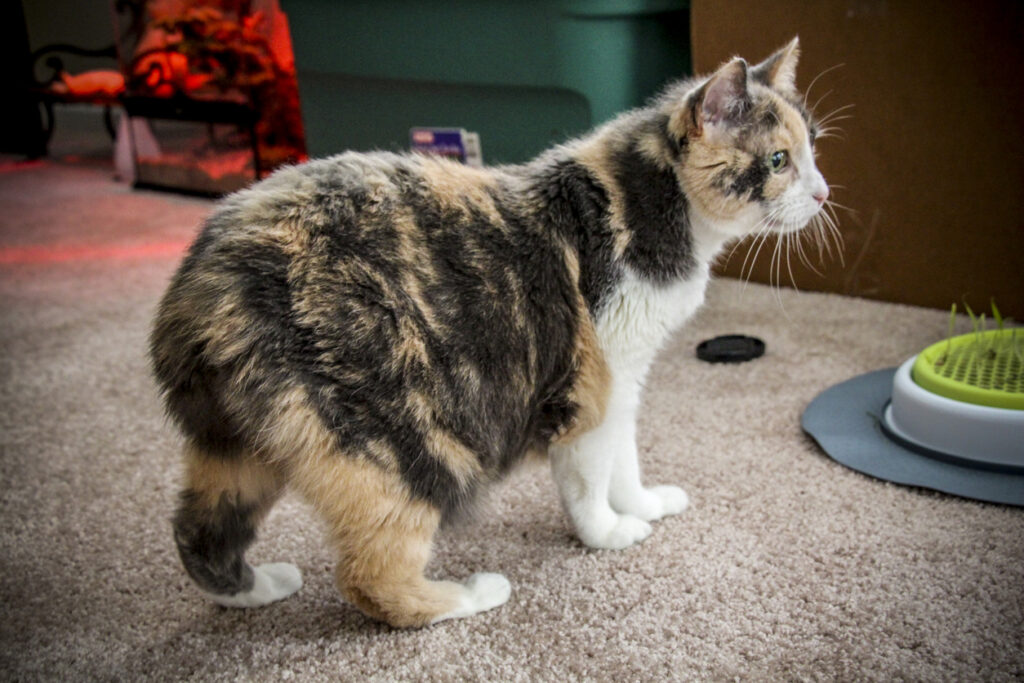
It feels like rejection, but it’s actually confidence. A cat that turns its back believes it’s safe enough not to keep watching you. That level of relaxation is a quiet compliment. They don’t show vulnerability unless they know you won’t take advantage of it.
11. Chattering at birds through the window
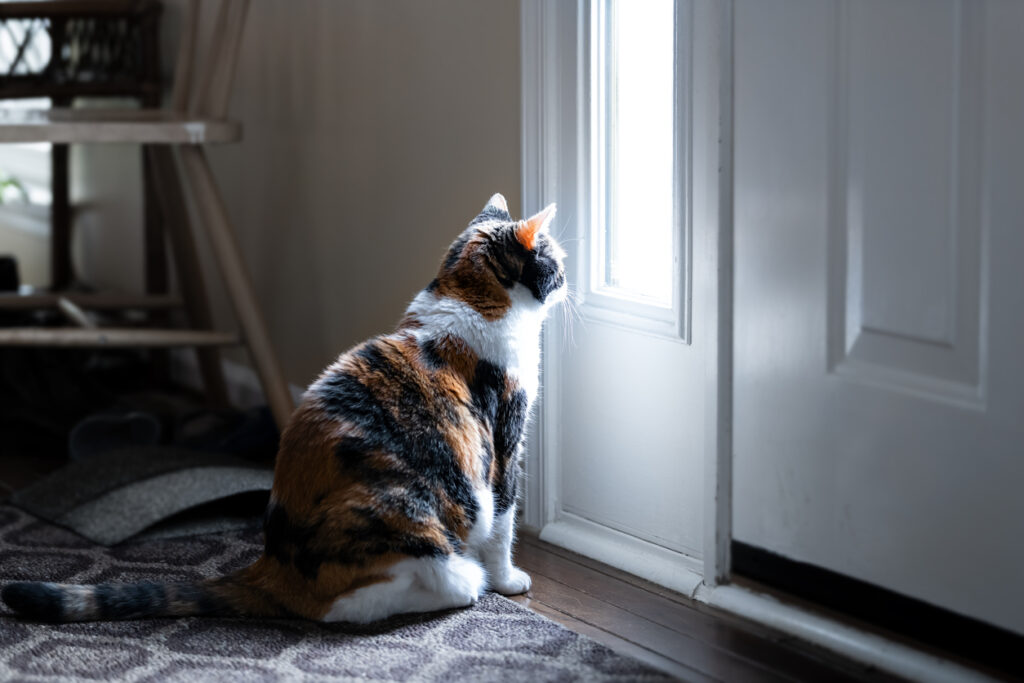
The strange clicking noise your cat makes while watching birds is a mix of frustration and instinct. Their hunting reflex is activated, but they can’t act on it. Some experts believe it’s an imitation of the killing bite. It’s as close as they can get to hunting when stuck indoors.
12. Drinking from your glass instead of their bowl

Cats often distrust standing water because in the wild it can be contaminated. Your glass of fresh water looks safer and smells cleaner than their bowl on the floor. They also copy your behaviour as part of bonding. If it’s good enough for you, they assume it must be the best available source.
13. Sleeping on your laptop

Warmth, scent, and attention make laptops irresistible. Cats love heat and anything that smells like their favourite human. They also learn quickly that climbing onto your keyboard guarantees instant interaction. It’s not technology envy, it’s strategy. They’re using your focus against you to make sure you notice them again.
14. Hiding in small, awkward spaces
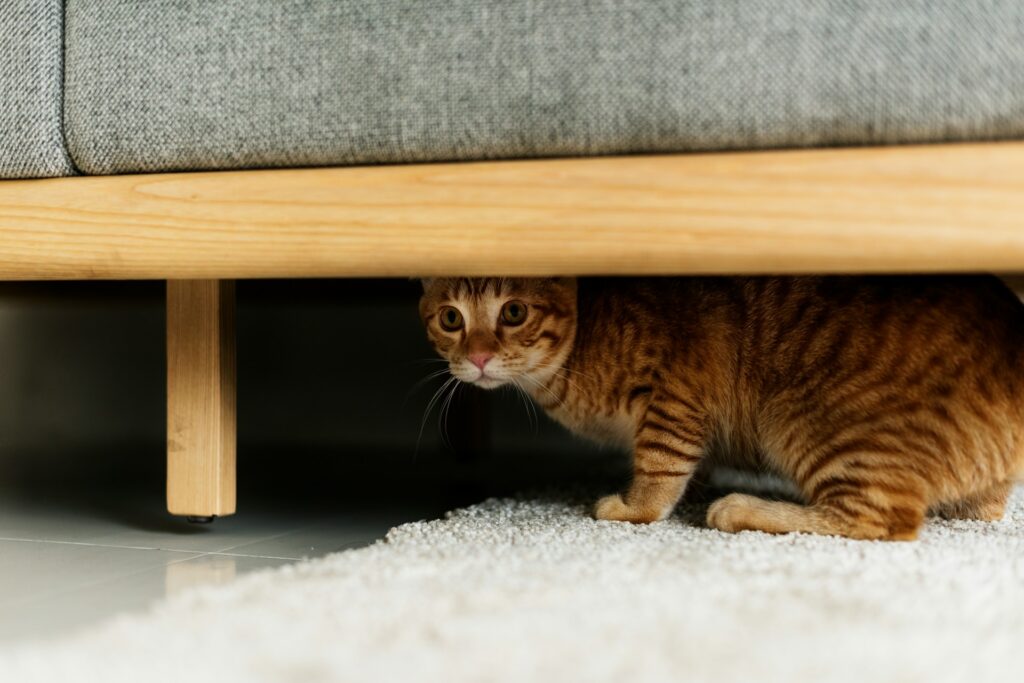
Cats squeeze into drawers, cupboards, or bags because small spaces help them feel invisible. It’s instinct to seek hidden places where they can watch without being seen. They also find new textures and smells stimulating. What looks uncomfortable to you is a perfectly cosy hideout to them.
15. Flicking their tail when you stroke them
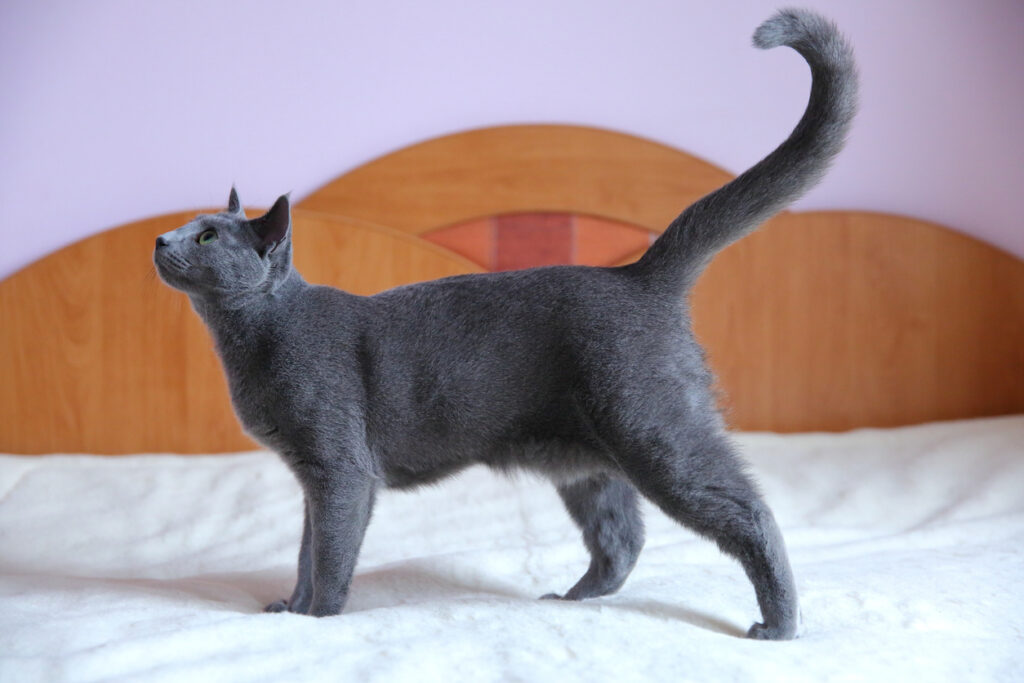
A flicking tail doesn’t always mean anger. It can mean your cat is thinking, overstimulated or slightly irritated. Reading their body language takes practice. If the tail starts whipping more sharply, it’s time to stop. Respecting that boundary helps them trust you again faster.
16. Sleeping in impossible positions
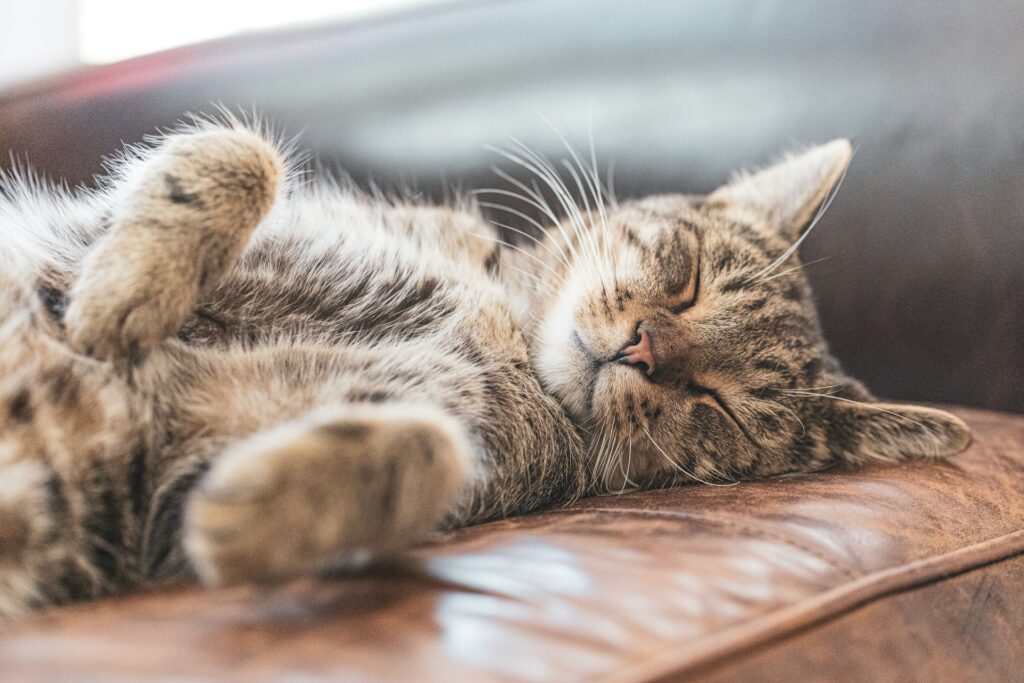
Twisted poses and half-hanging limbs look ridiculous, but they show deep relaxation. Cats can sleep anywhere because their flexible spines allow them to stretch or curl to regulate body temperature. It’s also a sign of confidence. Only an animal that feels completely secure sleeps with its belly exposed or its paw dangling into space.
17. Watching you eat

Your cat stares while you eat because they’re curious about movement and smell. Food preparation is noisy and repetitive, which draws their attention instantly. They might not even want your meal. They’re studying you, learning when snacks appear and judging your portion control in silence.
18. Following you into the bathroom
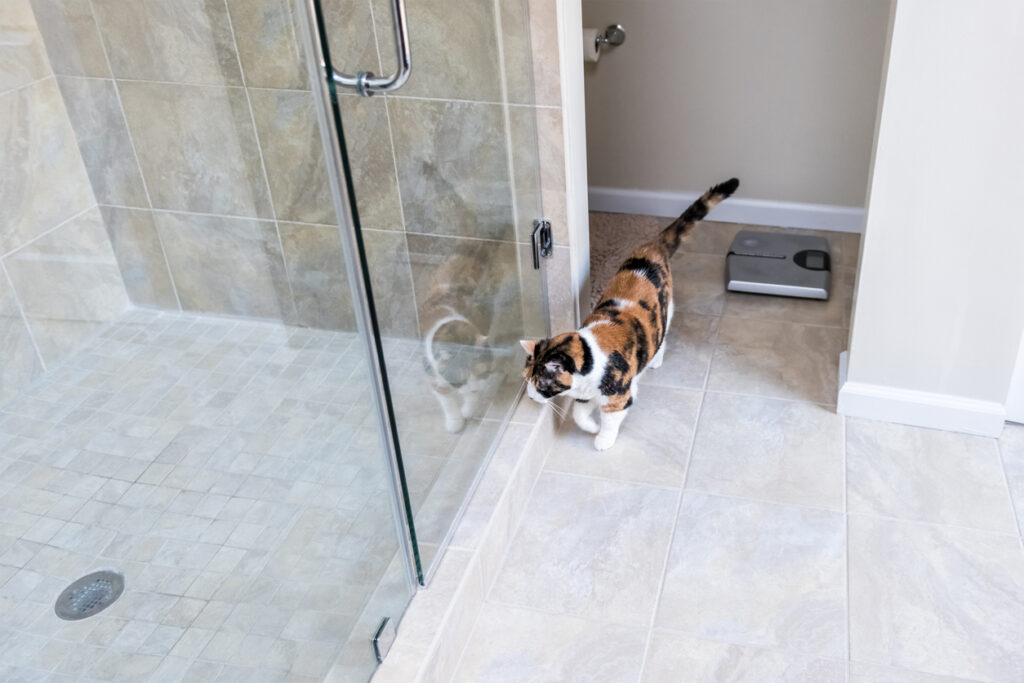
Cats don’t understand personal space. They follow you because closed doors feel suspicious and because you’re temporarily trapped, which guarantees attention. The bathroom also has interesting sounds and running water. For them, it’s simply a shared experience — privacy doesn’t exist in their world.
19. Ignoring their name
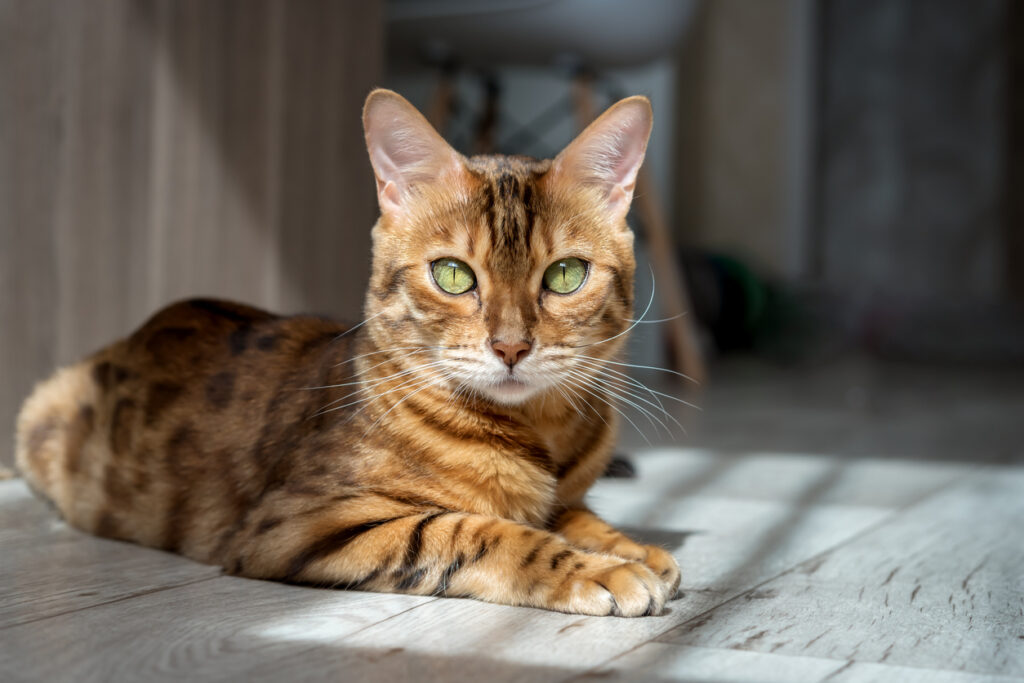
Most cats know their name but choose when to respond. They’ve learnt that coming when called doesn’t always benefit them, so they wait to see if there’s something in it first. It’s a test of patience that they usually win. The more you repeat their name, the more they confirm their dominance.
20. Acting like they own the house

Cats see your home as shared territory, not yours alone. In their minds, sleeping on your pillow or scratching the furniture is part of maintaining control over the environment. They treat you as a trusted companion rather than a superior. The truth is, they never stopped believing they’re the landlords, and you’re the tenant who feeds them.
Cats might seem aloof or unpredictable, but every strange habit comes from instinct, curiosity or quiet confidence. They don’t think they’re better than us; they simply live like it’s already been proven.