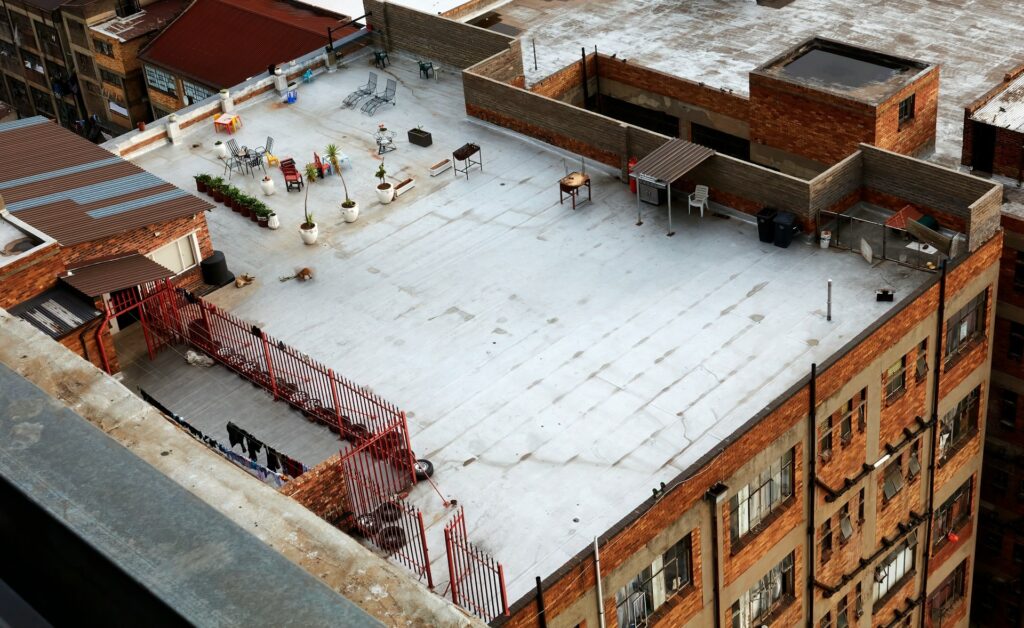
Scientists believe a game-changing solution for overheated buildings may be closer than many expect. A new roof coating developed by Australian researchers can reduce surface temperatures by up to 6 °C below ambient on hot days, raising hopes for a tool that could help homes and cities adapt to more extreme heat. According to a report by The Guardian, the work is already showing promise under real-world conditions.
The coating works through “passive radiative cooling”—that is, reflecting most of the sun’s energy and efficiently emitting excess heat into the sky. In tests at the Sydney Nanoscience Hub, the material reflected around 96% of incoming solar radiation and had a very high thermal emissivity, meaning the roof surface stayed cooler than the surrounding air. The researchers also found that the coating could collect atmospheric moisture, producing dew that could be harvested for water use.
The prototype used a combination of a porous film and a UV-resistant top-coat applied to existing roofs. During six months of testing, the team found up to 390 ml of dew per m² per day could be collected under favourable conditions, which could translate to about 70 litres from a typical 200 m² roof on suitable days. The team say this dual function of cooling and water harvesting makes the material especially useful in areas with poor insulation and water scarcity.
The timing is right
Heatwaves are becoming more common, despite what many in the UK think, and they can be intense and deadly. Building roofs absorb a lot of that heat and transfer it inside, driving up indoor temperatures, increasing energy bills, and stressing air-conditioning systems. A coating that keeps the roof surface significantly cooler could reduce indoor overheating, lower energy demand for cooling, and help ease urban heat-island effect. In some cities, the urban heat-island effect already adds 1-13 °C of extra heat compared to surrounding rural areas.
For homeowners and building managers, the appeal is clear. Especially in older houses with weak insulation or in regions where air-conditioning is limited, anything that reduces indoor heat without consuming power is meaningful. The coating also offers retrofit potential: it can be painted over existing roofs, reducing the need for full reroofs or structural modifications.
While the results are encouraging, the research is still early stage and some obstacles remain. The prototype used perfluorinated materials, which raise environmental concerns, so the team are now working to develop a water-based commercial version that offers the same performance without harmful chemicals. They say the commercial paint will be priced similarly to premium paints, but scale-up, durability, cost-effectiveness and long-term performance in a variety of climates will all need to be proven.
Experts also caution that cooling the roof surface by 6 °C doesn’t automatically translate to a 6 °C drop in indoor air temperature. In fact, the actual benefit depends on a building’s insulation, ventilation, and internal heat sources. As one outside scholar noted: “In well-insulated buildings the effect might be smaller, but in poorly insulated ones the gains could be much larger.”
How this could help in the UK

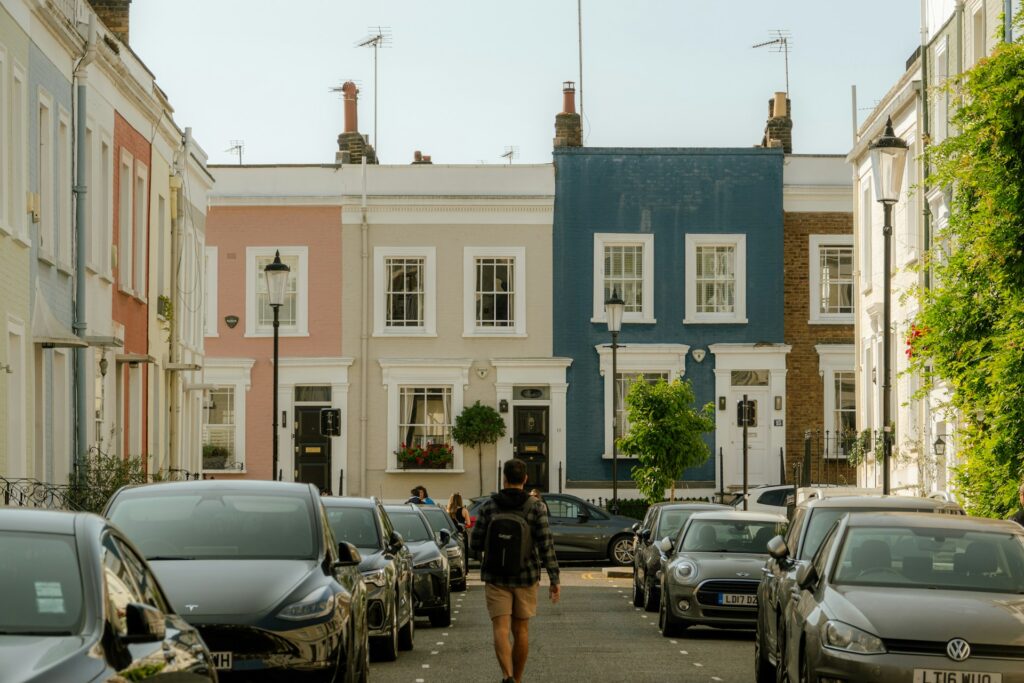
While the study was based in Australia, the implications for the UK are significant. British summers are getting warmer, and many homes were built before modern insulation standards, meaning they are at increased risk of overheating during heatwaves. A cool-roof coating that can keep roof temperatures down offers another tool in the portfolio of adaptation measures — alongside shading, green roofs, ventilation, and insulation upgrades.
For landlords, local authorities and homeowners looking for cost-effective retrofits, the idea of a paint-on solution is attractive. If it delivers as advertised, it could help reduce overheating risk, lower energy costs and improve comfort without large-scale structural changes.
In simple terms: the roof, long a source of unwanted heat gain, may soon become passive cooling territory. If this technology fulfils its promise, it will not by itself solve overheating, but it could significantly ease one of the most stubborn parts of the problem. For now, the path is cautious optimism: the science is strong, the prototype results compelling, and the wider benefits clear. What remains is proving it works reliably in the variety of buildings, weather conditions and budgets that exist in the real world.
The fact that a material can passively cool a roof below ambient temperature, while also collecting water, offers an inspiring glimpse of how our built environment might adapt to a warmer future. As climate change challenges mount, small innovations like this one may add up to make a big difference.