
People love the idea of ageing slower in space. It sounds like the ultimate sci-fi perk: float around above Earth while time literally passes more slowly for you than for everyone else. And it’s true that Einstein’s theory of relativity proves time moves differently depending on speed and gravity. But before you get excited about using space travel as an anti-ageing trick, it’s worth knowing what actually happens to your body up there. The clock may slow down, but the damage speeds up in ways we still can’t fully reverse.
1. Time really does tick slower in space.
In orbit, astronauts experience slightly less gravity and move incredibly fast around the planet. That combination means time for them runs just a bit slower than for people on the ground. The difference is real, but it’s microscopic. We’re talking milliseconds over several months in space.
It’s interesting from a physics perspective, but it doesn’t actually mean astronauts come home looking or feeling younger. The body doesn’t follow the same rules as the clock, and that’s where things start to go wrong.
2. Your bones age faster even as time slows.
Without gravity constantly pulling on your body, bones stop getting the pressure they need to stay strong. Calcium begins to leach away, causing bone density loss at a rate of up to one percent per month. That’s much faster than ageing naturally on Earth.
Once you’re back home, your bones can regain some strength, but not all of it. That means even a short mission can leave astronauts with long-term damage that resembles years of bone ageing compressed into months.
3. Muscles weaken from lack of effort.
Here on Earth, gravity constantly gives our muscles work to do, even when we’re just standing or walking. In space, that effort disappears, and muscles quickly start to shrink. Exercise in orbit helps, but it doesn’t fully make up for the missing resistance.
The result is a body that technically aged “slower” in time but feels decades older in strength and stamina. Returning astronauts often describe feeling wobbly and exhausted after simple movements.
4. The heart gets smaller and less efficient.
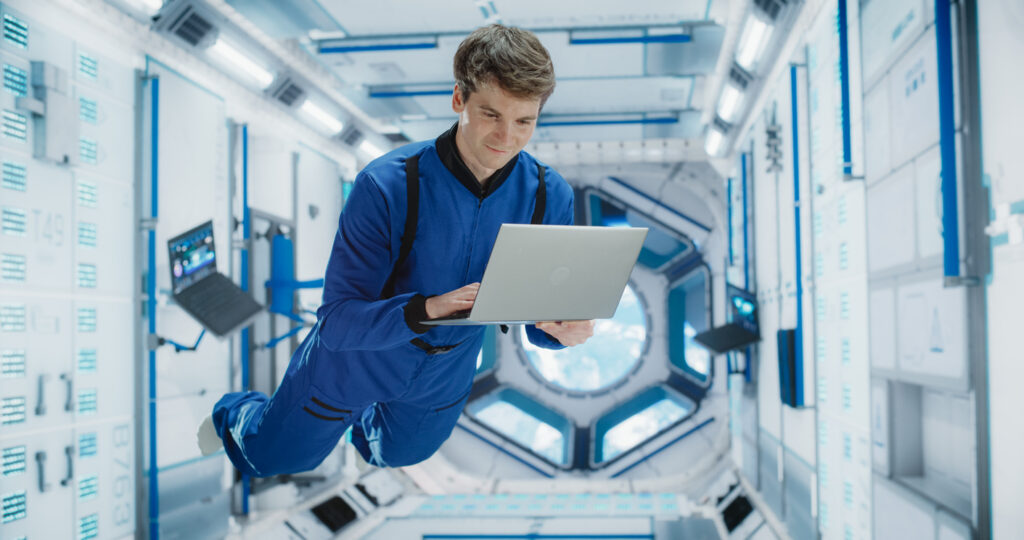
Because blood doesn’t have to fight gravity, the heart doesn’t need to pump as hard. Over time, it weakens and loses muscle mass. When astronauts return to Earth, they often struggle with dizziness because their cardiovascular systems can’t immediately adjust back to normal.
Doctors compare it to what happens during long hospital stays on bed rest. The less you use the body, the faster it declines, even if time outside is moving a little slower for you.
5. The immune system stops working properly.
One of the strangest effects of spaceflight is how the immune system starts misbehaving. Astronauts often show reduced white blood cell activity, making them more vulnerable to infections and slower to heal from cuts or bruises.
Some dormant viruses, like cold sores, can even reactivate in space. The stress, radiation, and lack of gravity all seem to throw the body’s defences off balance, and that imbalance doesn’t always fix itself when they get home.
6. Radiation causes lasting cellular damage.
Beyond Earth’s protective atmosphere, astronauts are exposed to higher levels of cosmic radiation. That radiation can damage DNA, increasing cancer risk and accelerating cellular ageing.
Even with spacecraft shielding, radiation exposure builds up over time. Scientists believe long missions to Mars could expose travellers to enough radiation to cause health problems decades later. Slower time doesn’t make those risks disappear.
7. Fluids move and change how the body works.
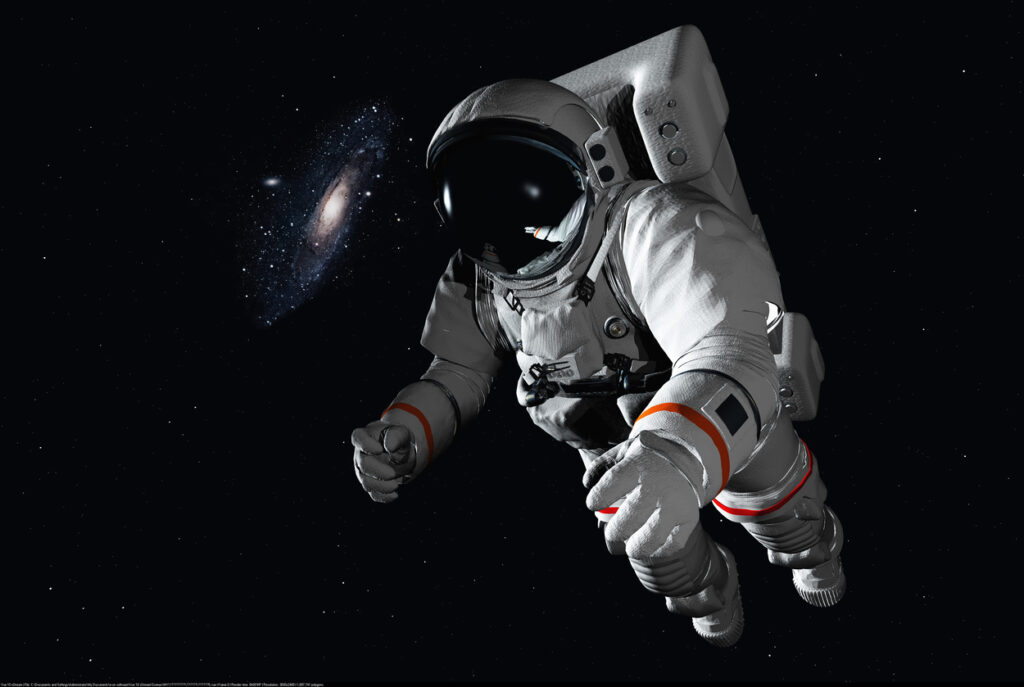
In space, fluids like blood and lymph move differently because there’s no gravity pulling them down. They collect in the upper body and head, which can affect vision, blood pressure, and even brain function. That redistribution can make astronauts look puff-faced and lead to headaches or blurred sight. Back on Earth, it takes weeks for the body to return to normal, and for some, those effects never fully go away.
8. The brain starts to rewire itself.
Living in zero gravity changes how your brain processes movement, balance, and coordination. Scans of astronauts’ brains show that certain areas physically change shape after long stays in orbit. It takes time to retrain the brain once they return. Some astronauts report slower reaction times or difficulty focusing for months after landing, signs that the mind doesn’t adapt as easily as the body.
9. Sleep cycles get completely disrupted.
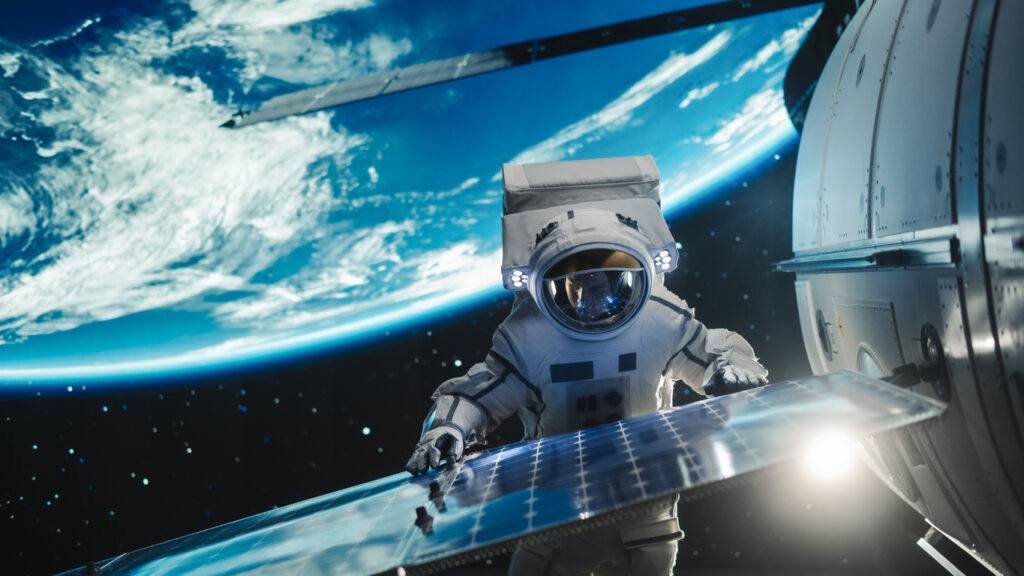
On the International Space Station, astronauts see 16 sunrises and sunsets every Earth day. That constant light change throws off their circadian rhythm, the body’s natural sleep cycle that controls everything from mood to metabolism.
Even with artificial lighting to simulate day and night, many astronauts develop insomnia, fatigue, or confusion. Their internal clocks take weeks or months to reset after coming home, showing how easily space can unbalance even basic biology.
10. You’d return technically younger but biologically older.
In the end, living in space might slow your perception of time ever so slightly, but your body pays a heavy price. You’d come back with weaker bones, smaller muscles, a tired heart, and possibly altered DNA.
That’s why scientists call it “paradoxical ageing.” The numbers on your watch say you’ve aged less, but your body tells a completely different story. Space slows time, but it speeds up everything that makes you human, and that’s not a trade-off anyone would want to make.