Many of Britain’s native species are slipping toward extinction, and it’s happening quickly.
Habit loss, climate pressures, pollution and introduced species are closing in on them from all sides, and the pace is speeding up. Some animals and plants that once shaped whole landscapes are now hanging on in tiny pockets, scattered across the country. Others survive only because small groups of conservation workers and volunteers refuse to let them disappear.
These examples are among the most vulnerable. Each one tells a story about how Britain has changed and what could be lost if action doesn’t happen fast enough. Their future depends on choices being made right now, not decades from today.
1. Scottish wildcat
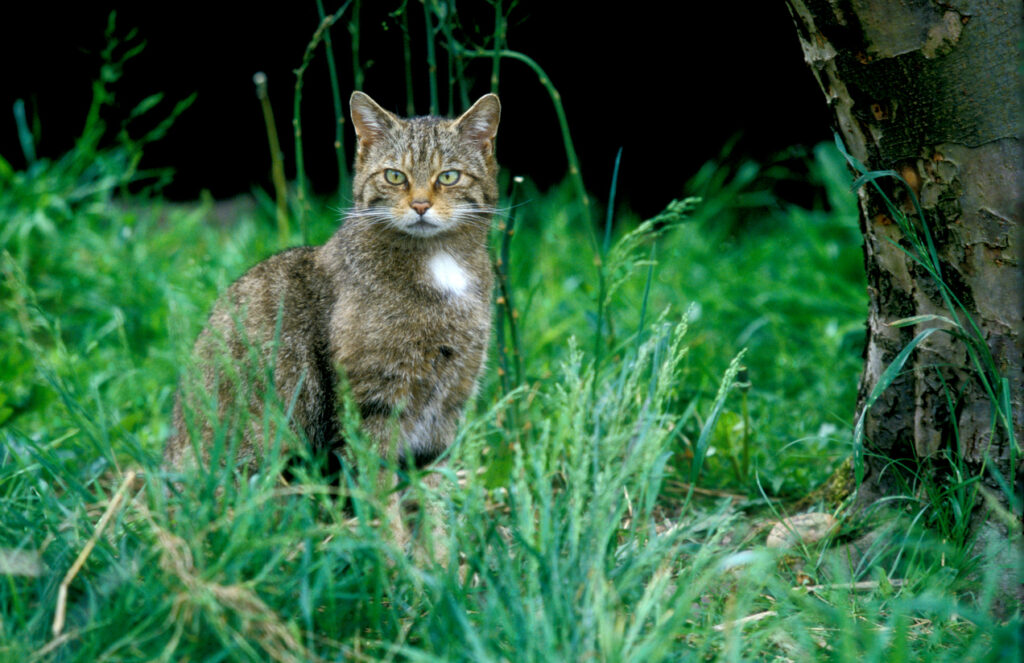
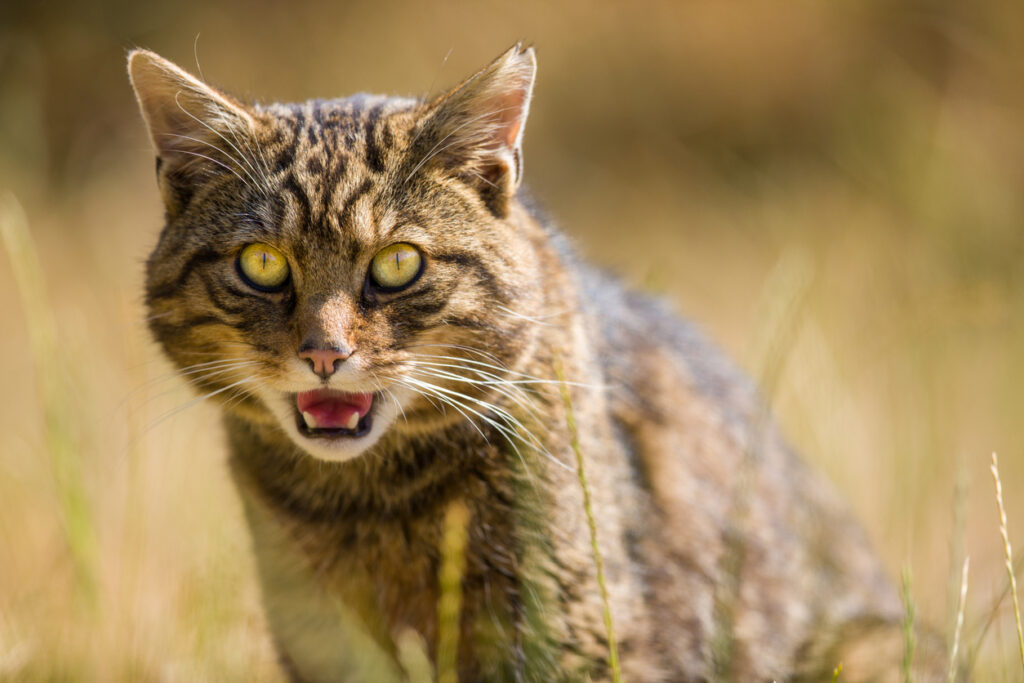
Once roaming across much of the UK, the Scottish wildcat now hangs on in only a few corners of the Highlands. It’s often called the last native cat in Britain, but spotting one in the wild is almost impossible today. Constant crossbreeding with feral domestic cats has blurred the genetic line so much that pure wildcats are almost gone. Add habitat pressures, road deaths, and decades of conflict with landowners, and you end up with a species facing a very small future.
Conservation teams are working hard to protect what remains, including breeding programmes and controlled releases, but the challenge is steep. Without real, long-term commitment, the Scottish wildcat could fade from our landscape in the very near future.
2. High brown fritillary
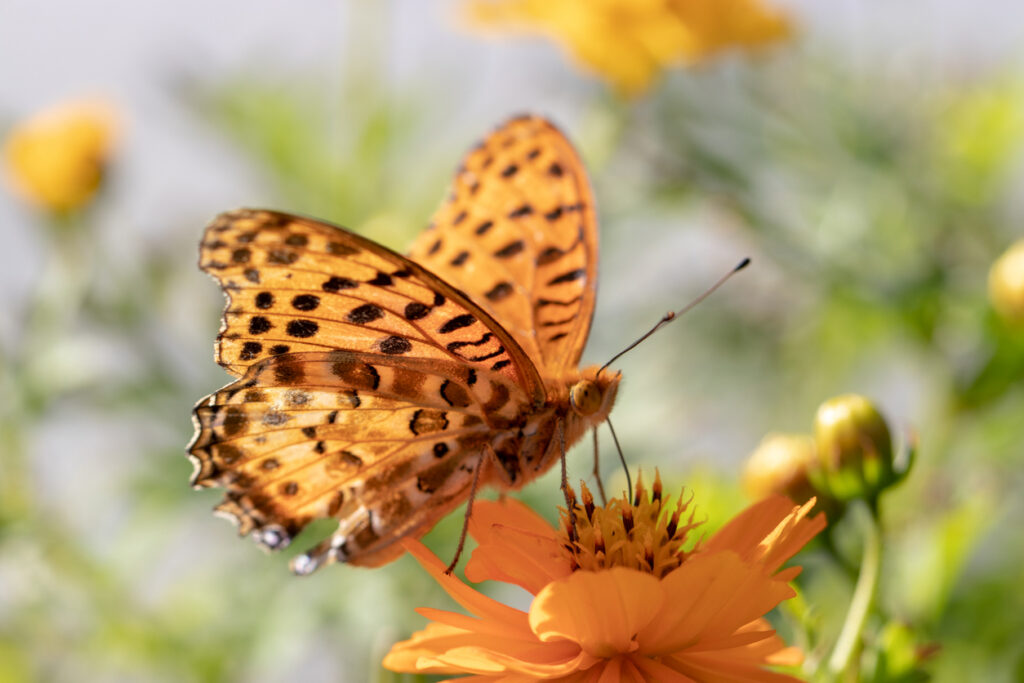
This butterfly once flapped across large stretches of Britain, but changes in woodland and grassland management stripped away the places it relies on. Its numbers have collapsed by more than 90%, leaving only tiny colonies in parts of southern England and Wales.
The high brown fritillary needs specific conditions: warm, sheltered glades and the right food plants for its caterpillars. When those conditions disappear, so does the butterfly. Conservation groups are trying to recreate the habitats it needs, but these projects take patience and steady maintenance. Without that care, the species risks vanishing completely within a couple of decades.
3. Turtle dove
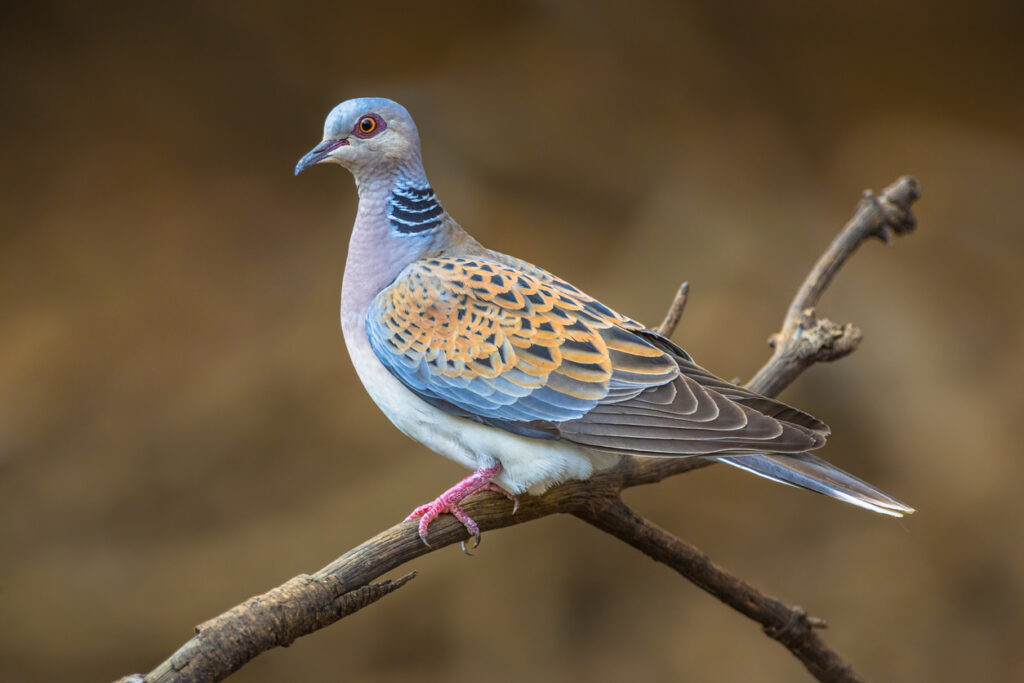
Once a familiar summer sight, the turtle dove is now one of Britain’s fastest-declining birds. Modern farming has stripped away the seeds and hedgerows it depends on, and hunting pressure along its migration routes hasn’t helped either. Numbers have fallen by more than 90%, a collapse so sharp that many people have never heard one in the wild.
The sound of a turtle dove used to be part of the British countryside. Whether future generations will hear it at all depends on habitat restoration and far stronger protection.
4. Hedgehog

Hedgehogs are still loved across Britain, but that affection hasn’t stopped their numbers falling dramatically. Roads cut through their routes, gardens are sealed with fencing, pesticides reduce their insect food, and modern farming strips away the messy hedgerows they hide in.
They’re now officially classed as “near threatened,” which would have been unthinkable a few decades ago. Unless towns, villages and rural areas become safer and more connected for hedgehogs, many regions may lose them completely before 2050.
5. European eel
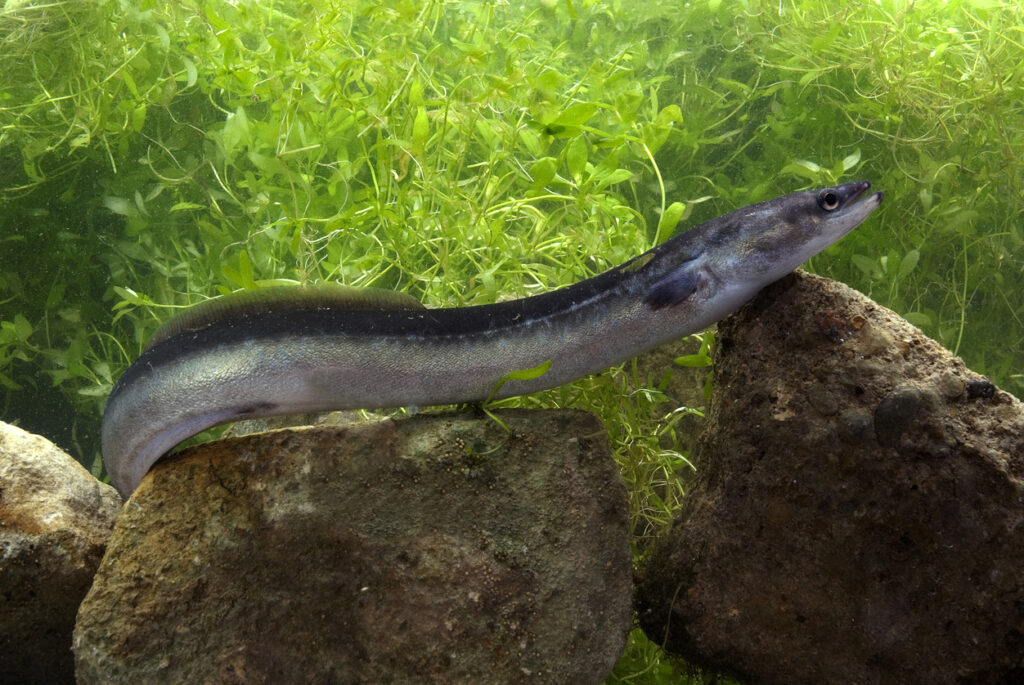
The European eel has one of the most astonishing life cycles on the planet, travelling thousands of miles between British rivers and the Sargasso Sea. That journey is now blocked by weirs, polluted waterways and illegal fishing. Their young struggle to reach freshwater, and the adults struggle to leave again.
The result is a collapse that scientists describe as one of the most alarming wildlife declines in Europe. Without major restoration projects that fix river barriers and clean up waterways, the eel could disappear far sooner than many people realise.
6. Barn owl
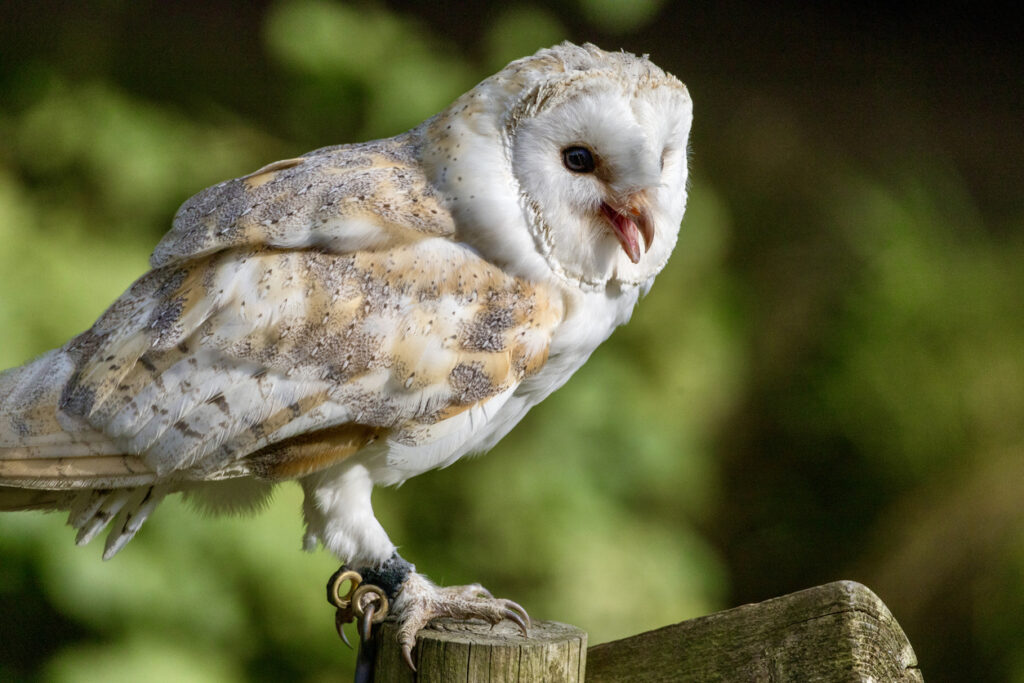
Barn owls have always been part of Britain’s rural identity, gliding low over grassland at dusk. Their decline has been steady and quiet. As old barns vanish, prey numbers fall and rough grassland is replaced with tidier, more intensive farmland, barn owls lose places to hunt and nest.
Nest box projects and habitat restoration have helped in some areas, but much of the countryside still offers them little support. Without more connected hunting grounds and safe nesting spots, barn owls could become scarce in many parts of the country by mid-century.
7. Red squirrel
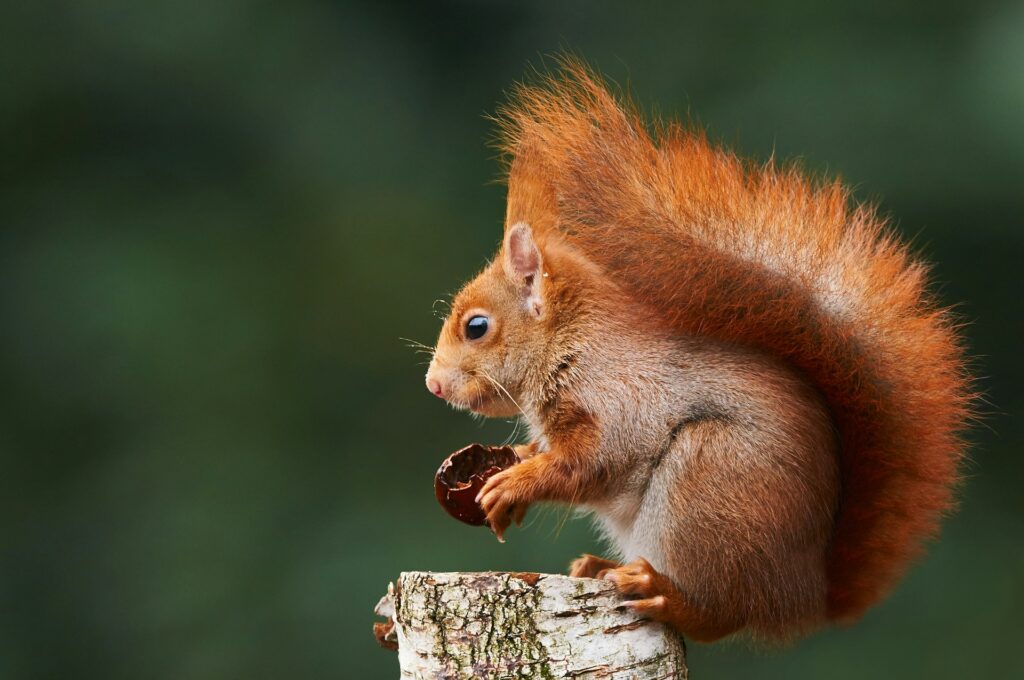
The red squirrel’s story is well known: a once-widespread native pushed into a few isolated pockets by the arrival of grey squirrels from North America. Greys outcompete reds for food and spread a virus that reds can’t tolerate, leaving whole populations wiped out in a matter of months.
Today, red squirrels survive mainly in Scotland, parts of Northern Ireland and a few places in England where strong conservation work keeps greys at bay. If those refuges shrink or greys gain more ground, the red squirrel may survive only in captivity or on islands by 2050.
8. Curlew
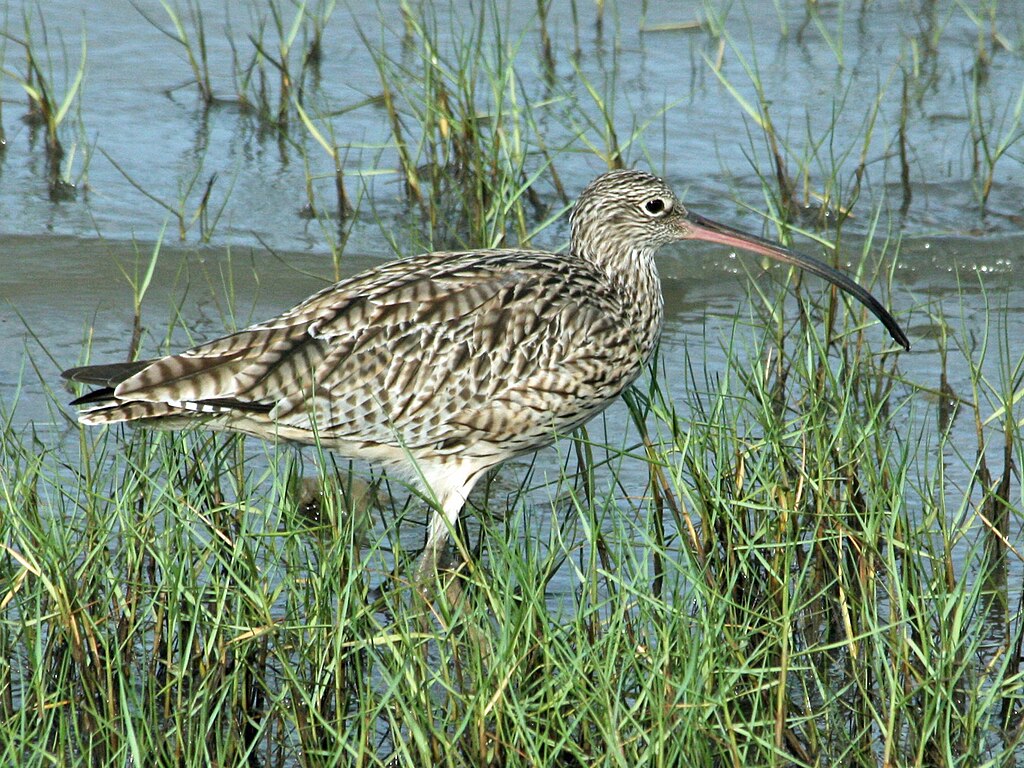
The curlew’s long call is one of the most haunting sounds in the British countryside, but the chance to hear it is shrinking fast. Its nesting sites have dwindled due to changes in land use, increased disturbance and rising predator numbers. Many chicks simply don’t survive long enough to fledge.
England has seen some of the steepest losses, and some regions are already close to losing the bird altogether. Without focused protection of breeding grounds, the curlew could become a rarity sooner than we think.
9. Adonis blue butterfly

This striking blue butterfly depends on chalk grassland, a habitat that has been disappearing steadily under development, scrub growth and changes in farming. The Adonis blue needs warm, carefully grazed slopes and specific plants for its caterpillars. When those conditions disappear, the butterfly follows.
Even small changes in climate patterns affect it sharply. Without active management of chalk downs and continued protection from development, the Adonis blue may not survive across much of its current range by 2050.
10. Water vole
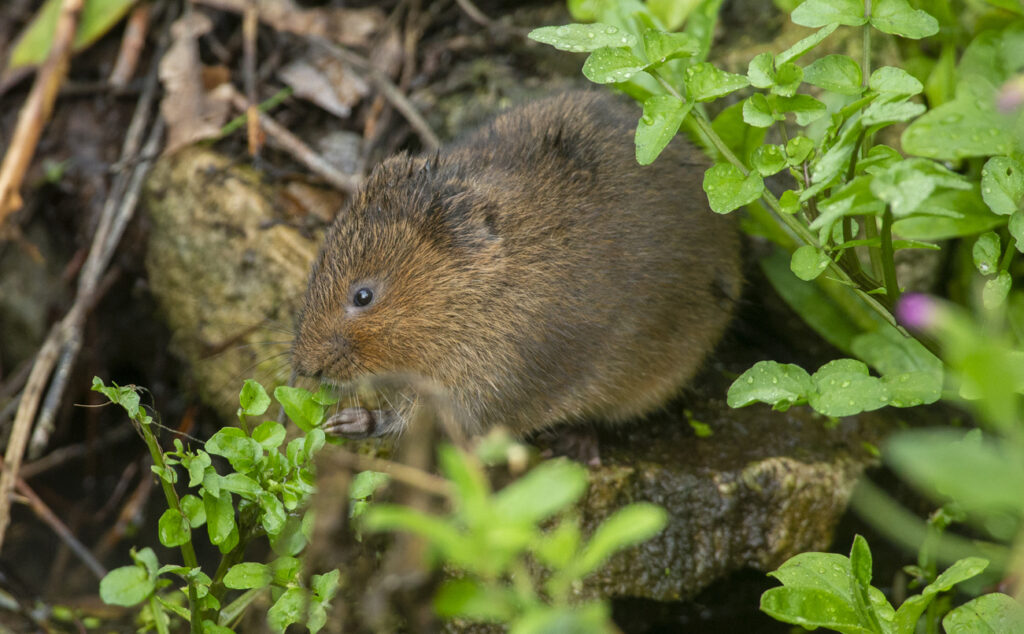
Famous thanks to The Wind in the Willows, the water vole is now one of our fastest-declining mammals. Its riverbank homes have been disturbed, its habitats drained, and the introduction of the American mink has devastated populations. In many places, once-healthy colonies have vanished entirely.
Restoring river edges and controlling mink populations require constant work, and any pause sets the species back. Without that steady effort, water voles could disappear from whole counties within the next couple of decades.
11. Otter hawk‑moth
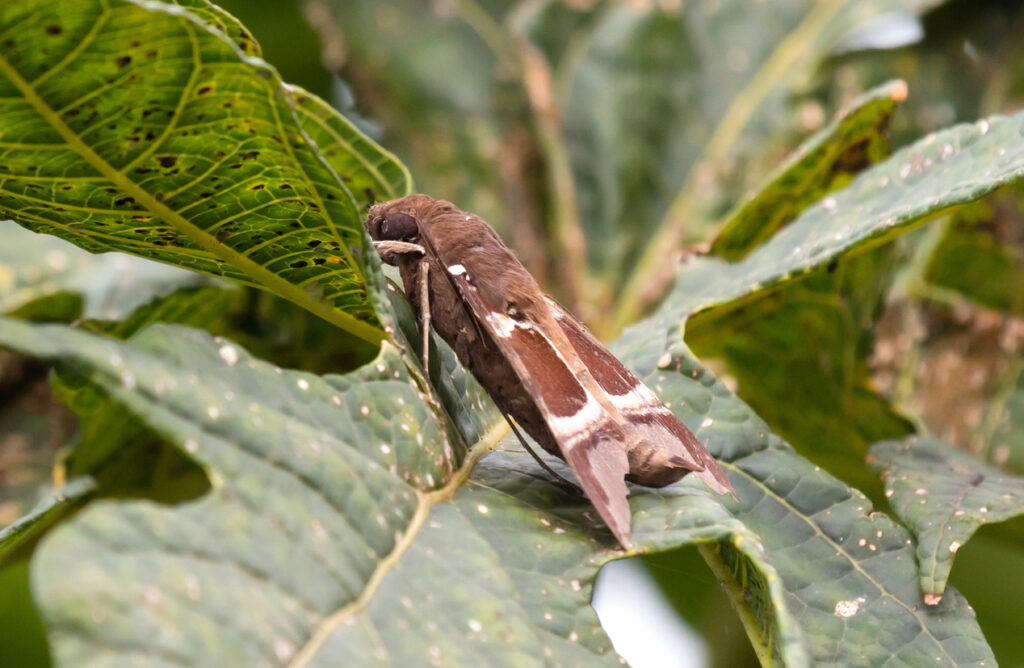
This large moth relies on reedbeds and fen habitats, environments that have been drained, built on or left unmanaged. Its numbers have collapsed quietly, and many people have never seen one in the wild.
Reedbeds take time to restore and even longer to mature into the kind of habitat species like the otter hawk-moth need. Without protection for these wetland systems, the moth could vanish completely in the next few years.
12. Marsh fritillary butterfly
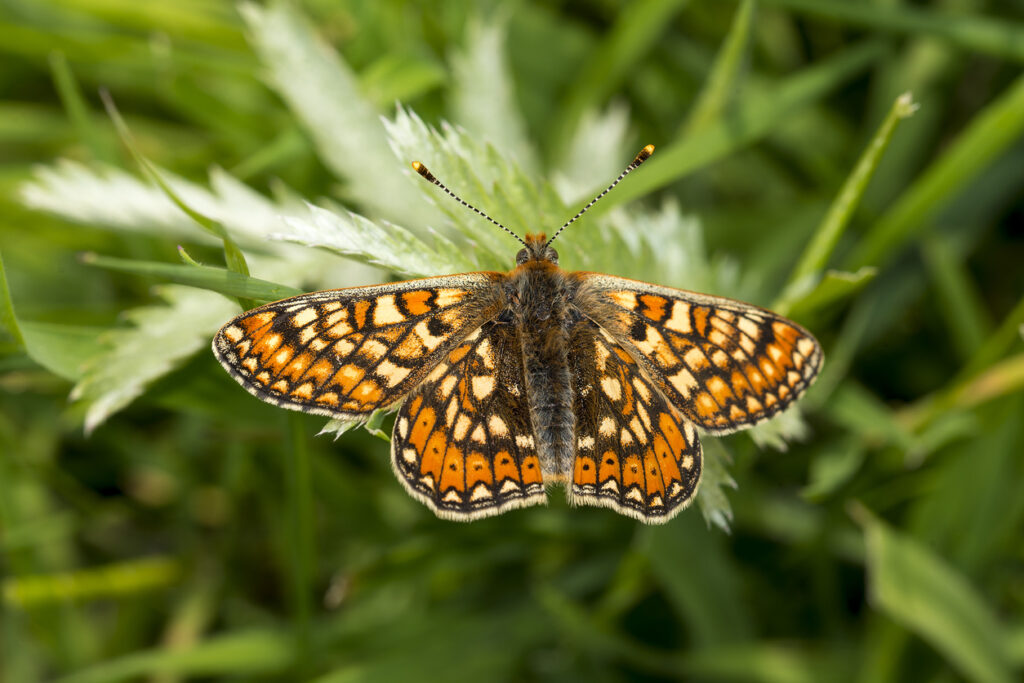
Once scattered across damp grasslands and marshy areas, the marsh fritillary now survives in isolated clusters that struggle to connect with one another. Without linked landscapes, populations become vulnerable to bad weather, disease and genetic weakness.
Restoring even small areas of suitable land can help this butterfly recover, but it requires regular, thoughtful management. Without that support, the species may disappear from large stretches of the UK within the coming decades.