Moving an established shrub can feel a bit nerve-racking, but it’s something most gardeners face eventually.

Maybe a plant has outgrown its spot, maybe you misjudged the sunlight, or maybe you’re redesigning the whole bed and need to shuffle things around. Whatever the reason, you can move a mature shrub as long as you pick the right moment and handle it with a bit of care. It’s not as intimidating as it sounds once you know what to look out for.
Timing makes the biggest difference. Some parts of the year give the roots a far better chance of settling in, while other seasons put them under stress they don’t need. When you lift a shrub properly and give it the right conditions afterwards, it usually copes better than people expect. With a few steady steps, you can get it from one place to another without sending it into shock. Here’s how to do it safely, and when the conditions are most forgiving.
Choose the right time of year.

The best time to move established shrubs is during late autumn or early spring, when the soil is moist and the plant is dormant. This helps reduce shock and gives roots time to settle before summer heat arrives. Avoid moving anything during frost, drought, or extreme heat. When plants are active or stressed by weather, their roots are more vulnerable, and recovery takes much longer.
Water thoroughly before moving.

Give the plant a deep soak the day before lifting it. Well-hydrated roots are more resilient and less likely to break or dry out during the move. This also makes digging easier and keeps more soil attached to the root ball. Think of it as giving the plant a head start on survival.
Prepare the new planting hole first.

Before you dig up the shrub, make sure its new home is ready. The hole should be slightly larger and deeper than the existing root ball, with loose soil at the bottom for drainage. This means you can replant immediately without leaving roots exposed. A smooth transition is vital to minimise stress and keep moisture where it’s needed most.
Prune lightly before lifting.

Cut back any long, damaged, or overcrowded branches to reduce the plant’s size and energy demand. This makes it easier to handle and helps balance root loss during the move. Don’t overdo it, though. Light pruning supports recovery, but heavy cutting can shock the plant just as much as moving it would.
Mark the plant’s original position.

Before lifting, note which side faced the sun. Marking this direction helps you replant it in the same orientation, which makes it easier for the plant to readjust to light and wind. It’s a small step that protects tender growth and prevents the plant from struggling to adapt to an unfamiliar angle once it’s replanted.
Dig a wide circle around the roots.

Start digging well away from the base to protect the main roots. Work slowly in a circle, loosening soil as you go, until you can gently lever the root ball free. For large shrubs, it can help to cut under the roots with a spade to create a clean edge. Keeping the root ball intact gives the plant a much better chance of survival.
Lift carefully with support.

Use a spade or garden fork to lift from underneath rather than pulling from the stems. For heavy shrubs, a sheet of hessian or plastic underneath makes carrying easier and prevents roots from breaking apart. Never drag the plant by its branches or trunk. Slow, steady movement keeps the root system stable and reduces the chance of long-term damage.
Replant immediately at the same depth.
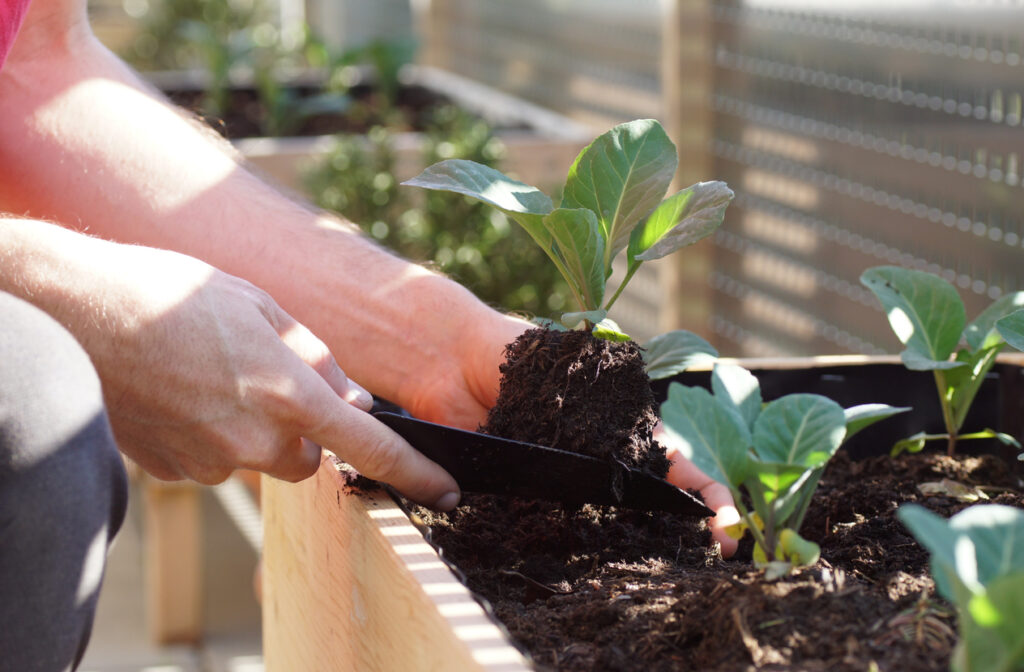
Position the shrub in its new hole so that it sits at the same level it did before. Planting too deep can suffocate the roots, while planting too shallow exposes them to frost and dryness. Backfill with the soil you dug out, firm it gently with your hands, and water thoroughly to remove air pockets. The roots should feel snug but not compacted.
Add mulch and water well.
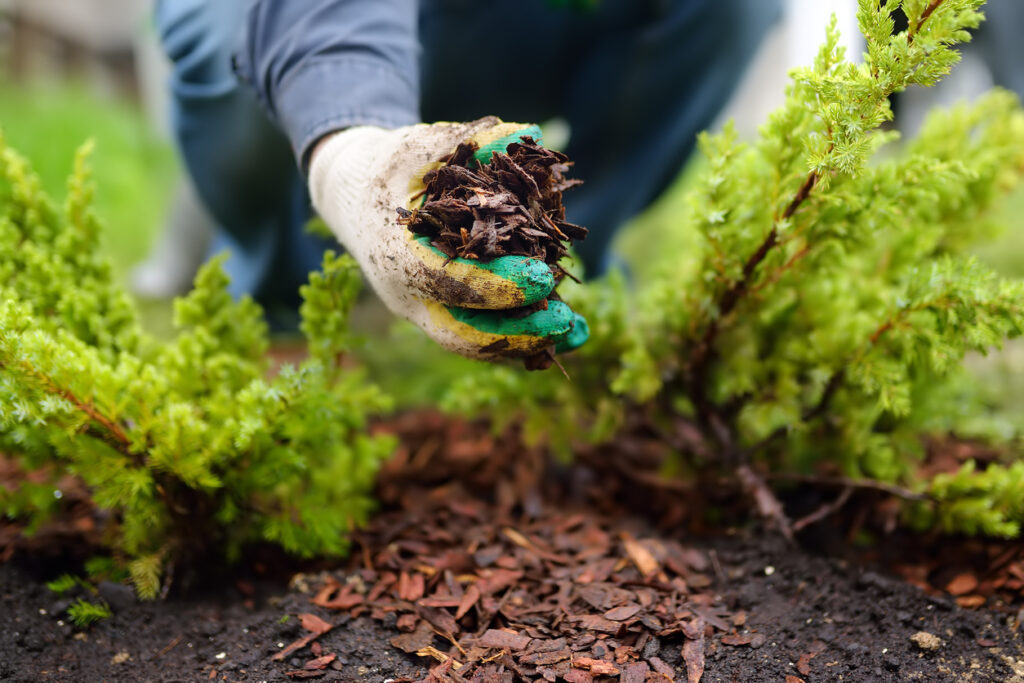
Once planted, add a layer of compost or bark mulch around the base to keep moisture in and protect the soil from temperature changes. This helps the roots settle and stay insulated through winter. Keep the area damp for the next few weeks, checking regularly if there’s little rainfall. Consistent watering is the most important part of aftercare.
Provide temporary shelter if needed.

Newly moved shrubs can struggle with wind and sun. If you’re moving a plant to a more exposed position, create a simple windbreak with garden mesh or a few stakes and hessian. That protection gives the roots time to establish before being tested by the elements. Even a short spell of shelter can make a big difference in early recovery.
Avoid feeding straight away.

After moving, the plant’s priority is to regrow fine feeder roots. Fertiliser at this stage can encourage too much top growth and distract from that vital root repair. Wait until spring, when signs of new growth appear, before adding a balanced feed. Patience now will reward you with stronger, healthier regrowth later on.
Check regularly through the first year.

Keep an eye on your transplanted shrub for signs of wilting or leaf drop. Some stress is normal, but persistent drooping could mean the roots are struggling or not getting enough water. Adjust care as needed and top up mulch if the soil dries out. With time and attention, most established plants adapt beautifully to their new home.
Moving mature plants takes a little effort but can transform a garden layout without losing years of growth. The secret is timing, steady handling, and careful aftercare. With those in place, most shrubs will settle quickly and thrive again by spring.