
Scientists have discovered something unexpected happening around offshore wind farms in the North Sea: sharks and rays appear to be moving through these areas, and possibly even using them as safe havens. New research from Dutch waters suggests that the massive turbine structures meant to generate clean energy might also be providing an accidental refuge for some of the ocean’s most vulnerable creatures.
Scientists found five different species in Dutch wind farms.
Researchers from Wageningen University collected water samples from four offshore wind farms and discovered DNA traces from five shark and ray species. The thornback ray showed up most frequently, appearing year-round in three of the sites, whilst starry smooth-hounds, blonde rays, spotted rays, and even basking sharks were also detected.
That’s why this discovery is so significant. It’s the first time scientists have been able to confirm sharks and rays are actively present in these areas, rather than avoiding them. You end up with concrete evidence that these animals aren’t being driven away by the turbines. It helps if we understand which species are using these spaces because that tells us whether wind farms could play a role in conservation efforts.
They’re using DNA “fingerprints” left in the water.
The research team collected 436 seawater samples and analysed them for environmental DNA, or eDNA, which are tiny genetic fragments that animals shed as they move through the water. It’s like finding a fingerprint that tells you someone’s been there even when you can’t see them.
That’s why this method is revolutionary for marine research; it’s completely non-invasive and doesn’t require catching or disturbing any animals. You end up being able to monitor marine life in challenging offshore conditions without nets, hooks, or underwater cameras. It helps if scientists can track species presence across seasons and years because traditional survey methods often miss animals that are just passing through.
Fishing restrictions might be creating safe zones.
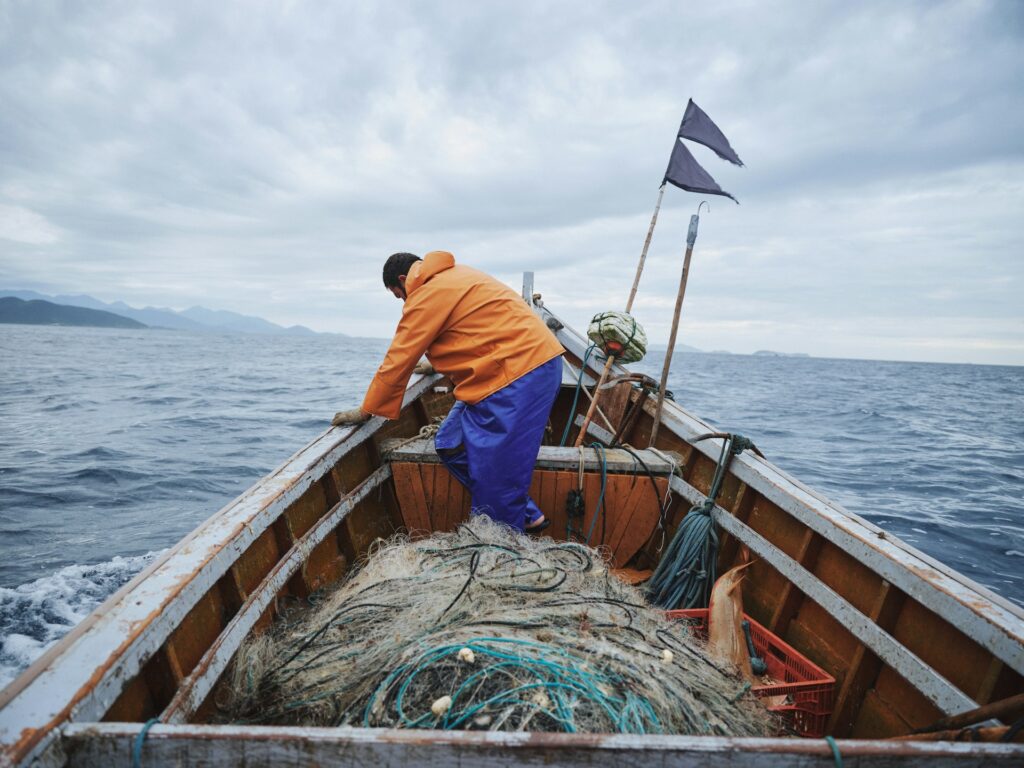
Trawling and seabed-disturbing fishing activities are banned inside offshore wind farms for safety reasons. This means the seafloor around the turbines is left relatively undisturbed, allowing the benthic ecosystem, all the creatures living on and in the seabed, to recover and stabilise.
That’s why researchers believe these areas could benefit vulnerable species like sharks and rays. You end up with pockets of protected habitat in waters that are otherwise heavily fished. It helps if these no-fishing zones remain in place because allowing bottom trawling back in would destroy the very protection they’re accidentally providing.
Basking sharks are revealing their winter secrets.
The detection of basking sharks in the Hollandse Kust Zuid wind farm during winter was particularly remarkable. These massive, migratory creatures weren’t previously known to use Dutch waters during the colder months, so finding their DNA there provided new insight into their seasonal movements.
That’s why eDNA monitoring is so valuable for tracking migratory species: it captures presence without requiring visual sightings. You end up learning about animal movements and behaviour patterns that would be nearly impossible to document through traditional observation. It helps if researchers can build up a picture of where these endangered animals go throughout the year because that information is crucial for protecting critical habitat.
Electromagnetic fields from cables are a concern.
The subsea power cables that carry electricity from wind turbines to shore generate electromagnetic fields, or EMFs. Sharks and rays have specialised organs called ampullae of Lorenzini in their snouts that can detect these fields, which they normally use for hunting, navigation, and possibly reproduction.
That’s why there are ongoing concerns about whether the cables might confuse or disorient these animals. You end up with electromagnetic signals in the environment that are within the range these species can sense, but researchers don’t yet fully understand how this affects their behaviour. It helps if the six-year ElasmoPower project currently underway can determine whether the fields attract, repel, or temporarily disorient sharks and rays.
Early research suggests the impacts aren’t catastrophic.
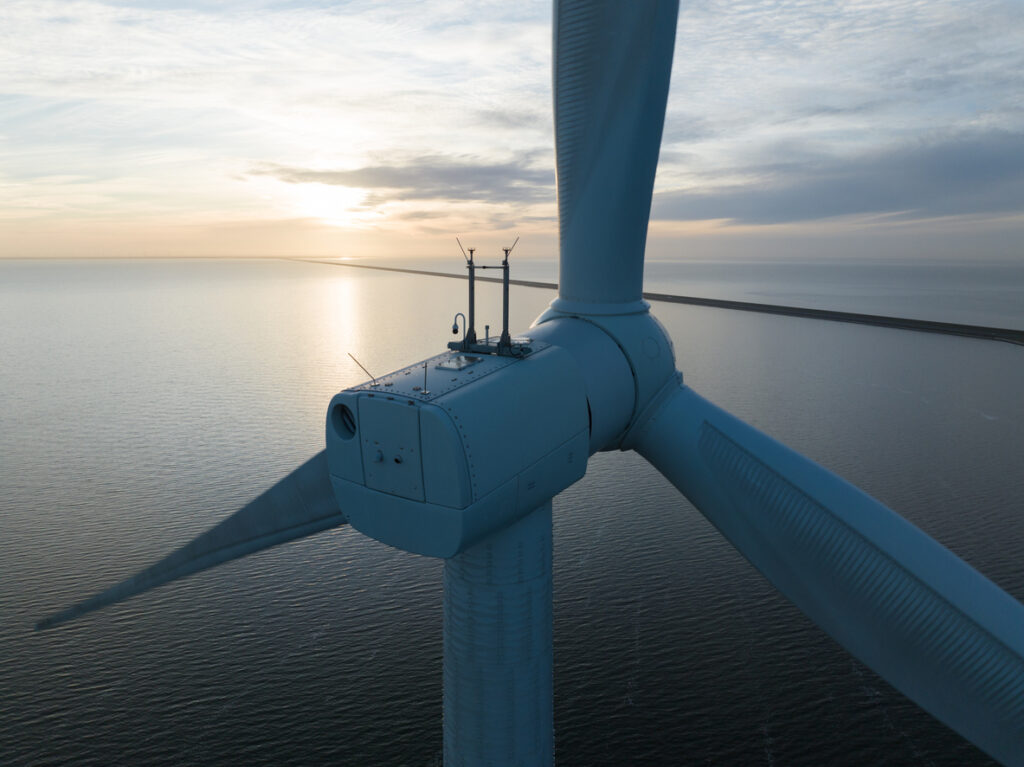
Studies conducted so far haven’t found that electromagnetic fields from subsea cables cause significant harm to regional populations of electromagnetic-sensitive species. There have been some anecdotal observations, such as fishermen reporting they catch flatfish on one side of a cable but not the other, or acoustic tag data suggesting fish might hesitate to cross cables at certain times.
That’s why more rigorous research is needed to separate genuine effects from coincidence or other factors. You end up with hints that something’s happening, but no clear picture of what it means for the animals’ long-term wellbeing. It helps if scientists can establish clear standards for how to study these effects because right now, the research methods vary too much to draw firm conclusions.
The turbine foundations might act as artificial reefs.
The structures themselves, the massive foundations that anchor the turbines to the seabed, can provide hard surfaces for marine organisms to attach to. In areas where the natural seabed is mostly sand or mud, these artificial reefs can increase local biodiversity by creating new habitat for barnacles, mussels, and other creatures.
That’s why the wind farms might be improving food availability for sharks and rays. You end up with more small fish and invertebrates congregating around the structures, potentially making these areas attractive feeding grounds. It helps if monitoring continues to track whether the increased biodiversity is genuinely beneficial, or whether it’s also attracting invasive species that could disrupt the local ecosystem.
Scientists still don’t know whether they’re residents or just passing through.
Detecting DNA in the water confirms that sharks and rays are present, but it doesn’t tell researchers whether they’re actively using the wind farms as habitat or simply swimming through on their way elsewhere. The key question is whether these animals are lingering, feeding, or even breeding in these areas.
That’s why future research will combine eDNA with underwater cameras, sensors, and baited remote underwater video systems. You end up needing multiple types of data to understand not just presence but behaviour and long-term habitat use. It helps if scientists can determine whether the number of sharks and rays increases over time as the ecosystems continue to recover because that would suggest genuine habitat value rather than casual transit.
This could inform smarter renewable energy planning.
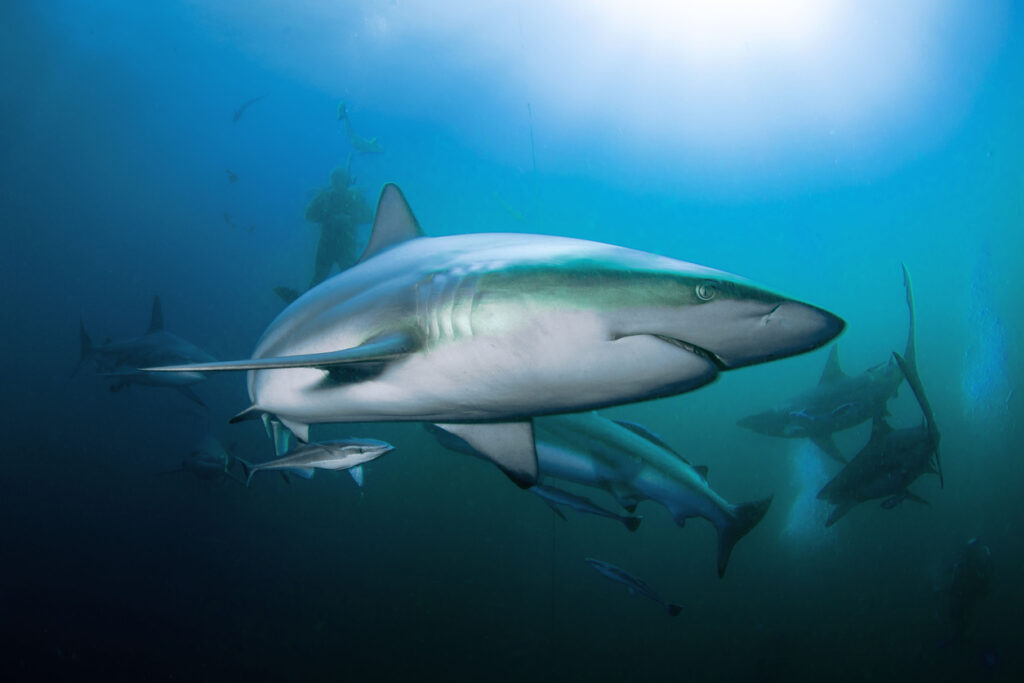
The findings arrive just as the European Union is rolling out new conservation laws and expanding offshore wind development. Policymakers face the challenge of scaling up renewable energy without harming the ecosystems they’re trying to protect from climate change.
That’s why evidence that wind farms might double as conservation assets is so valuable. You end up with the possibility of a genuine win-win approach where energy infrastructure and marine protection work together rather than competing. It helps if spatial planning can strategically place wind farms where they’ll provide the most benefit for vulnerable species whilst still generating the power we need.
Protecting these accidental refuges requires careful management.
The potential benefits for sharks and rays depend entirely on keeping fishing restrictions in place and managing the areas thoughtfully. If commercial fishing is eventually allowed back into wind farm zones, the seafloor would be disturbed again and the protective effect would vanish.
That’s why researchers are urging caution as offshore wind development expands globally. You end up needing long-term monitoring and adaptive management to ensure these structures help rather than harm marine life. It helps if we treat wind farms as complex marine habitats rather than just energy infrastructure because it changes how we think about maintaining and protecting them for both wildlife and power generation.