Most people see a garden as somewhere to sit with a cup of tea, grow a few tomatoes or hide away from the world for a bit.

However, beneath the surface, gardens are quietly doing far more than we realise. They’re filtering the air, slowing down flooding, supporting wildlife and even shaping the temperature of the space around your home. A garden can look small and ordinary, but it’s constantly working in the background.
You don’t need a huge country estate for this to happen. A tiny balcony with pots, a narrow strip of plants beside a fence or a patch of grass behind a terraced house can all play a part. When you understand what gardens actually do for the planet, you start seeing them as tiny power stations of environmental good. Suddenly, every weed, worm and patch of soil feels a bit more impressive.
1. They store carbon in the soil.
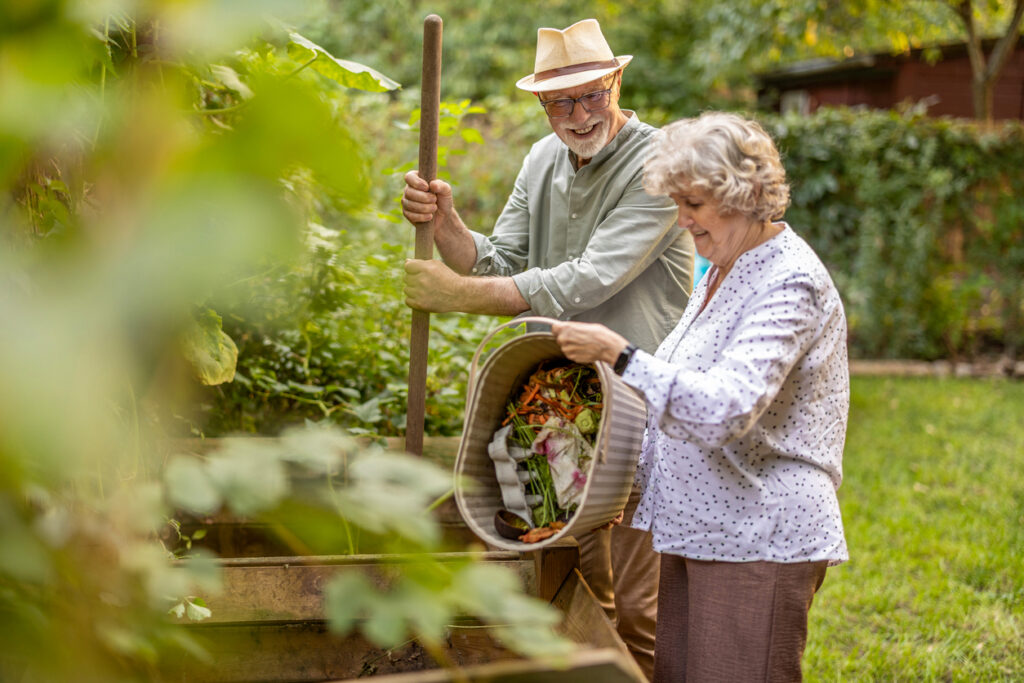
Plants absorb carbon dioxide during photosynthesis and lock some of it into the ground through their roots. Even a small garden can trap carbon that would otherwise stay in the atmosphere, making it a miniature carbon sink.
Healthy soil full of organic matter holds carbon for years, which means composting, mulching, and avoiding chemical sprays all make your garden a stronger climate ally.
2. They give wildlife safe shelter.

Gardens provide hiding spots for birds, hedgehogs, frogs, and countless insects that struggle to find space in built-up areas. A pile of leaves or an untidy hedge can mean survival for a small creature looking to escape predators or cold weather. Even if you don’t think of your garden as wild, its mix of plants, nooks, and quiet corners acts like a micro nature reserve in the middle of human life.
3. They support pollinators.
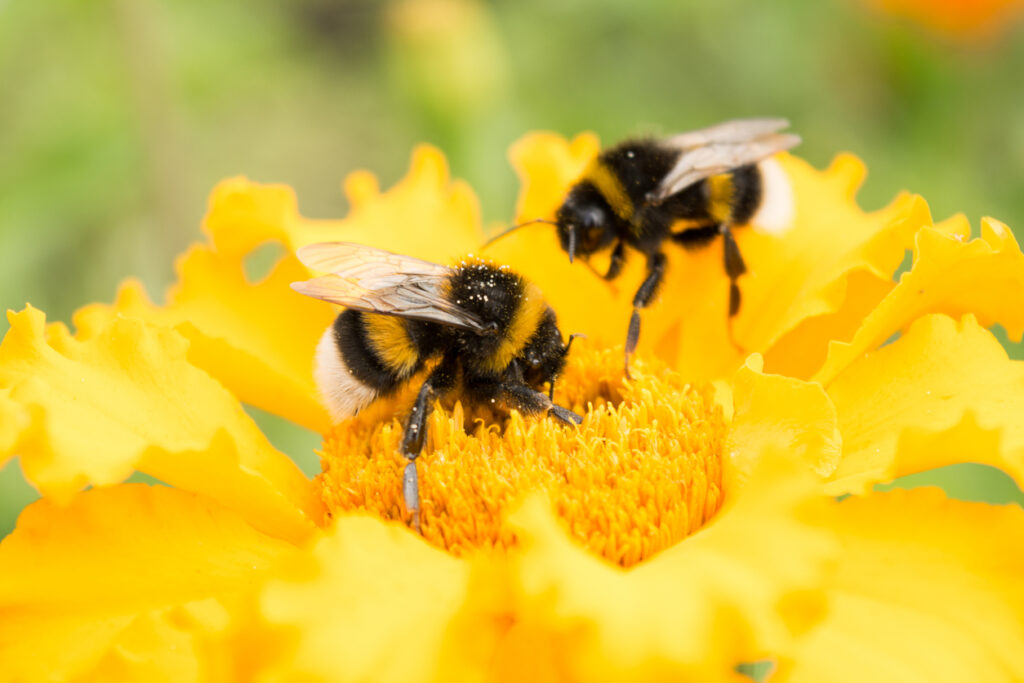
Bees, butterflies, and hoverflies all rely on gardens packed with flowering plants. Nectar-rich blooms give them fuel to feed, breed, and pollinate crops and wildflowers alike. Every patch of lavender or clump of daisies helps offset the decline of wild meadows. The more variety of colour and shape, the more species your garden can feed.
4. They recycle nutrients naturally.
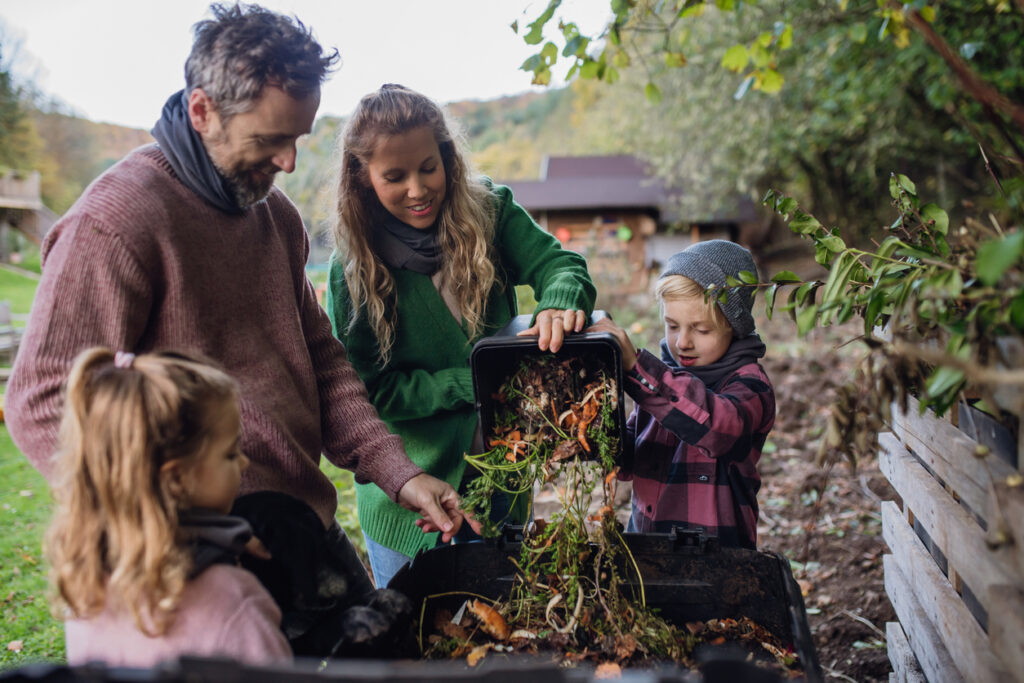
Fallen leaves, grass clippings, and old stems don’t have to go to waste. When they decompose, they return nutrients to the soil and feed the next generation of plants. Composting is one of the simplest ways to copy nature’s own recycling system, turning what looks like rubbish into a living fertiliser that keeps soil fertile and rich.
5. They soak up excess rainwater.
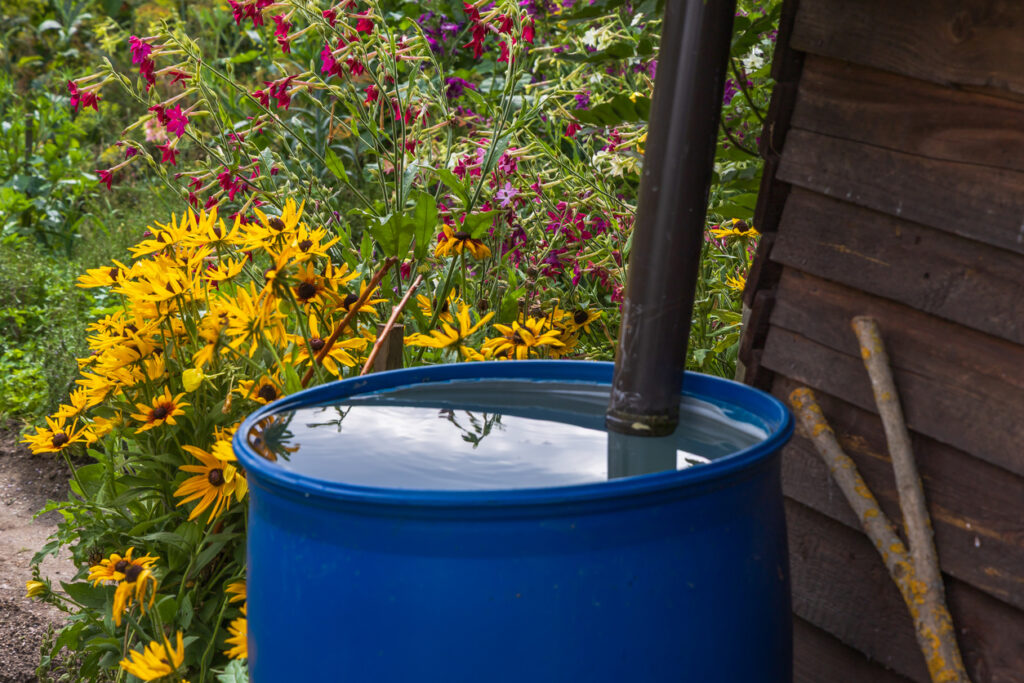
Lawns, soil beds, and plant roots all absorb water, reducing the risk of flash floods during heavy rain. Gardens act like natural sponges that slow the flow into drains and rivers. Replacing paving with plants or grass wherever possible helps the ground do its job better. Every patch of soil left open helps prevent flooding in the wider area.
6. They cool the air around homes.
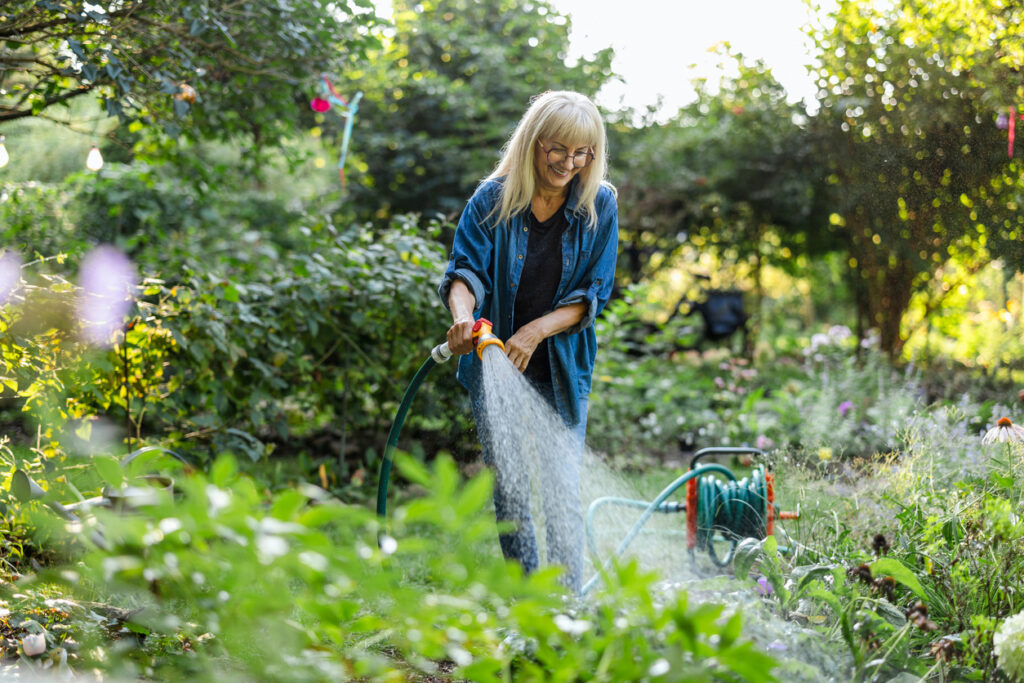
Plants release moisture as they breathe, and that process lowers the temperature in their surroundings. Green gardens can make local air several degrees cooler than nearby concrete areas. Shade from trees and tall shrubs also protects homes from overheating, cutting the need for energy-hungry air conditioning in the summer.
7. They clean the air.

Plants take in carbon dioxide and release oxygen, but they also trap dust and pollutants on their leaves. That means every leaf surface acts like a natural air filter. Dense hedges, climbers, and even potted plants can reduce local pollution, particularly in towns where traffic fumes build up.
8. They reduce noise.

Thick hedges, tall plants, and even long grass help absorb and block noise waves. They soften the sounds of traffic, construction, and city life more effectively than bare fences or walls. For people living near busy roads, planting layered greenery can make outdoor spaces calmer while giving wildlife more places to live.
9. They feed the food chain.

Every insect in a garden helps feed something else. Birds, bats, frogs, and hedgehogs all rely on the bugs that thrive in gardens full of plants and natural debris. Without these small ecosystems, local wildlife numbers collapse. A healthy garden is a working food web, not just a collection of plants.
10. They store rainwater for later use.

Barrels, ponds, and even moist soil hold water that slowly evaporates back into the air or seeps into roots. This gentle cycle supports life between rainfall, keeping habitats stable through dry spells. By collecting water in natural ways, gardens reduce demand on public water systems and help protect rivers during droughts.
11. They protect soil from erosion.
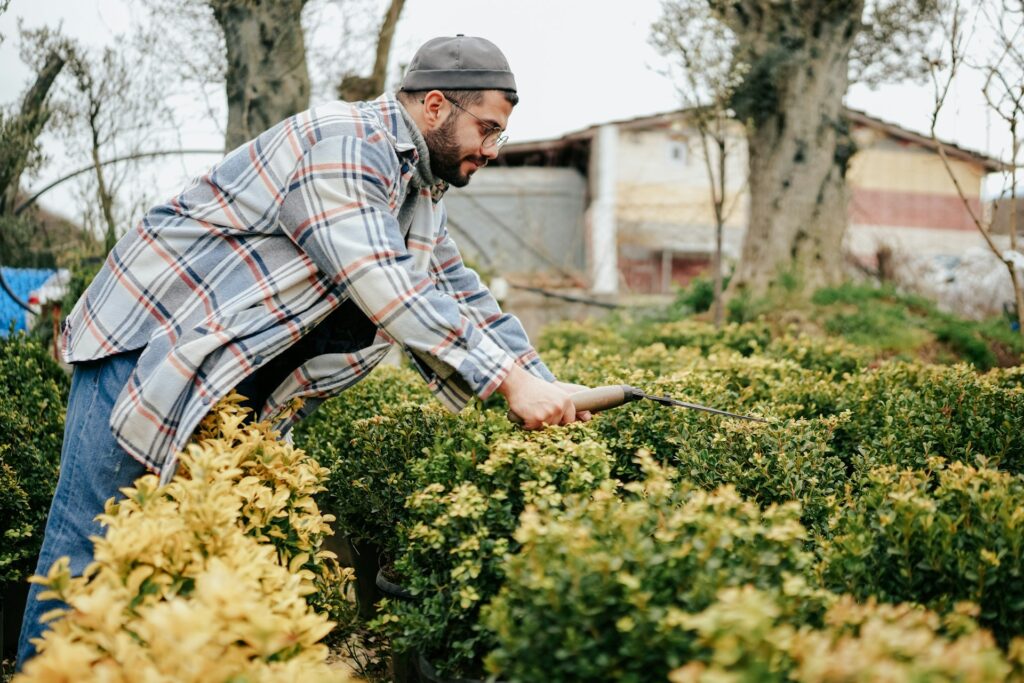
Bare ground is easily washed or blown away, but roots bind the soil together. That makes gardens important for holding the land in place, especially during heavy rain and wind. Mulch, groundcover plants, and grasses all work as anchors, keeping nutrients and topsoil where they belong instead of losing them to drains and streams.
12. They act as stepping stones for wildlife.

Across towns and cities, gardens connect patches of nature like dots on a map. Birds and insects use them as safe resting points when moving between parks, woods, and countryside. Even small gardens matter because together they form wildlife corridors that keep species moving and breeding instead of becoming isolated.
13. They create oxygen-rich microclimates.

Dense vegetation increases local oxygen levels and humidity, creating a fresh, breathable atmosphere. That’s one reason people often describe gardens as feeling calmer or cleaner than nearby streets. Plants also help moderate humidity, reducing dry air in summer and keeping the immediate climate more balanced year-round.
14. They store seeds for the future.

Wild plants and garden flowers often scatter seeds that stay dormant in the soil until conditions are right. These hidden reserves help restore growth after harsh winters or dry seasons. Soil that’s alive with natural seed banks gives nature a backup plan, helping plants regenerate without human interference.
15. They provide natural pest control.

Predators like ladybirds, frogs, and birds all live in gardens and help keep pest populations balanced. That reduces the need for chemical sprays, which can harm the wider environment. Encouraging natural pest control through wildlife-friendly planting keeps the ecosystem stable and safe for pollinators, too.
16. They break down waste safely.

Microbes and insects in soil work like a living recycling team. They decompose dead plants, fallen fruit, and organic waste into nutrients that feed new growth. This process removes disease sources, keeps the ground healthy, and cuts down on waste that would otherwise end up in landfill.
17. They reduce energy use at home.

Trees and hedges placed around buildings act like natural insulation. They block cold winter winds and create shade during summer heat, which lowers heating and cooling costs. By designing gardens with energy efficiency in mind, homeowners can make their spaces both beautiful and practical.
18. They help mental health.

While not a “scientific job” in the same way as carbon storage, gardens play a major role in supporting mental health. Time spent gardening reduces stress and helps people feel connected to something living and natural. That connection increases appreciation for the environment, encouraging habits that support sustainability far beyond the garden fence.
19. They preserve native species.

Planting native flowers, shrubs, and trees helps protect species that evolved alongside them. These plants offer the right food, shelter, and breeding conditions that imported species often can’t match. When gardeners choose local varieties, they strengthen biodiversity and keep the area’s natural balance intact.
20. They inspire environmental awareness.

A garden teaches people how ecosystems work in real time. Watching how weather, insects, and plants interact builds respect for the environment more effectively than reading about it ever could. By caring for even a tiny plot of land, people see firsthand how much impact small natural spaces can have. In that sense, gardens don’t just help the planet; they remind us why it’s worth protecting.