Local councils are supposed to protect green spaces, yet they often make choices that harm the very places they claim to care about.
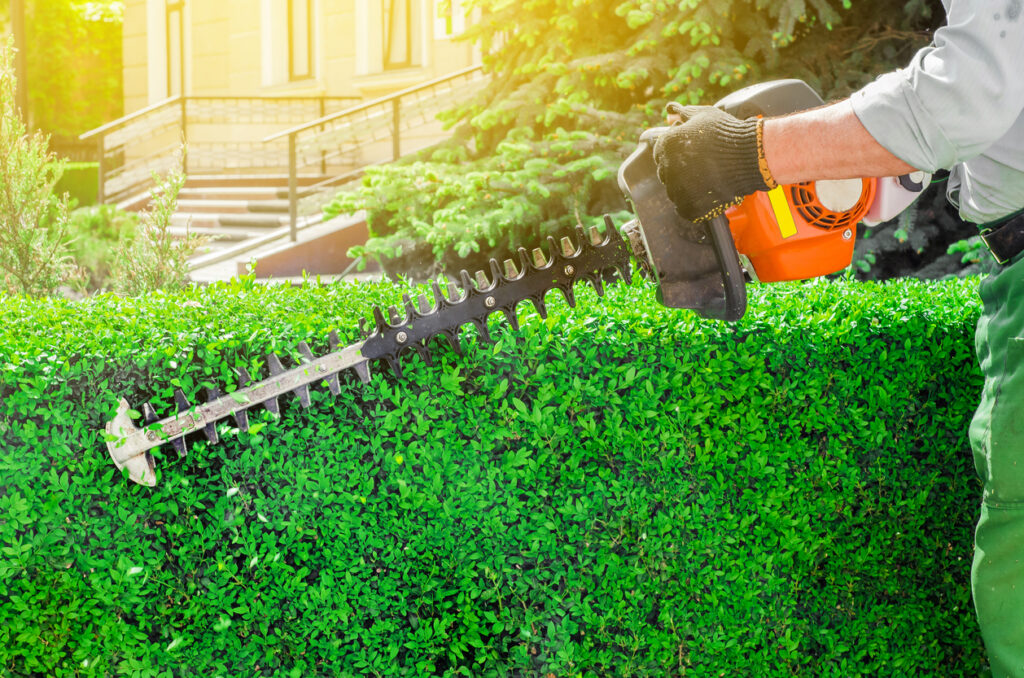
Sometimes it is done to save money, sometimes for convenience, and sometimes because someone in an office believes a neat, tidy space looks more “managed.” The problem is that nature does not work on council timetables or budgets. When hedges are cut at the wrong time, habitats are paved over, or wild areas are stripped back for the sake of appearances, wildlife loses out.
People notice small changes. The birds that used to nest in that hedge. The wildflowers that once grew along the path. The sudden silence after another patch of grass has been scalped into nothing. These decisions seem minor on paper, but they add up, eating away at the pockets of nature we have left—and once they are gone, it is very hard to get them back.
1. Cutting hedges during nesting season
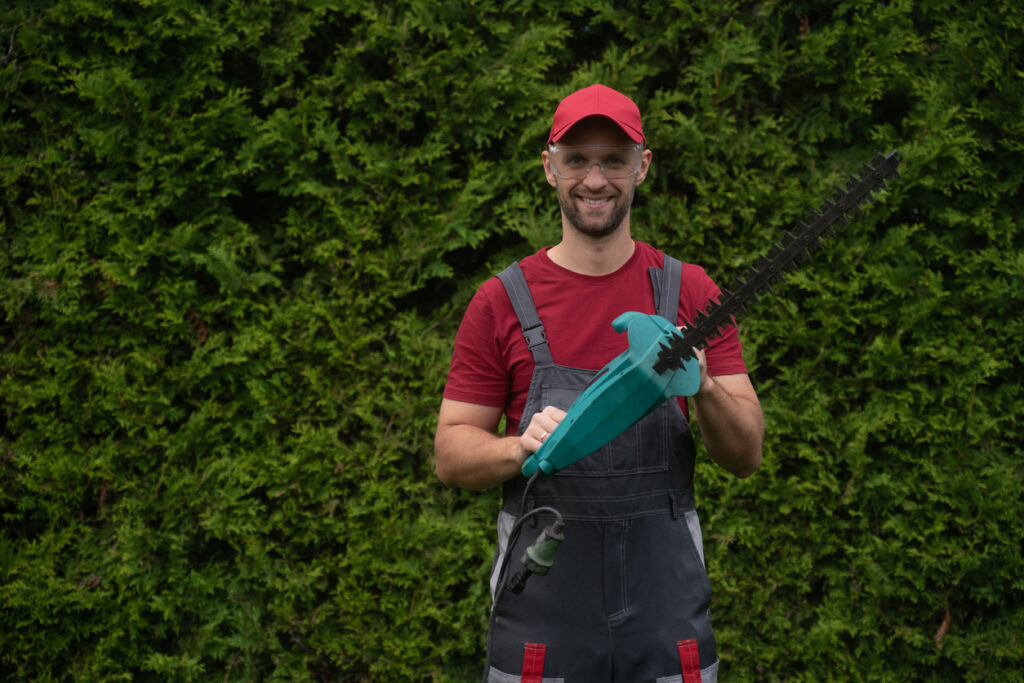
Councils are trimming roadside hedges between March and August when birds are actively nesting. The Wildlife and Countryside Act makes it illegal to damage nests in use, but councils often claim highway safety as an exemption. Tree wardens and residents report finding destroyed nests with dead chicks after council contractors cut hedgerows. The Highways Act duty to keep roads clear is being used to override wildlife protection laws.
2. Removing veteran trees without proper assessment
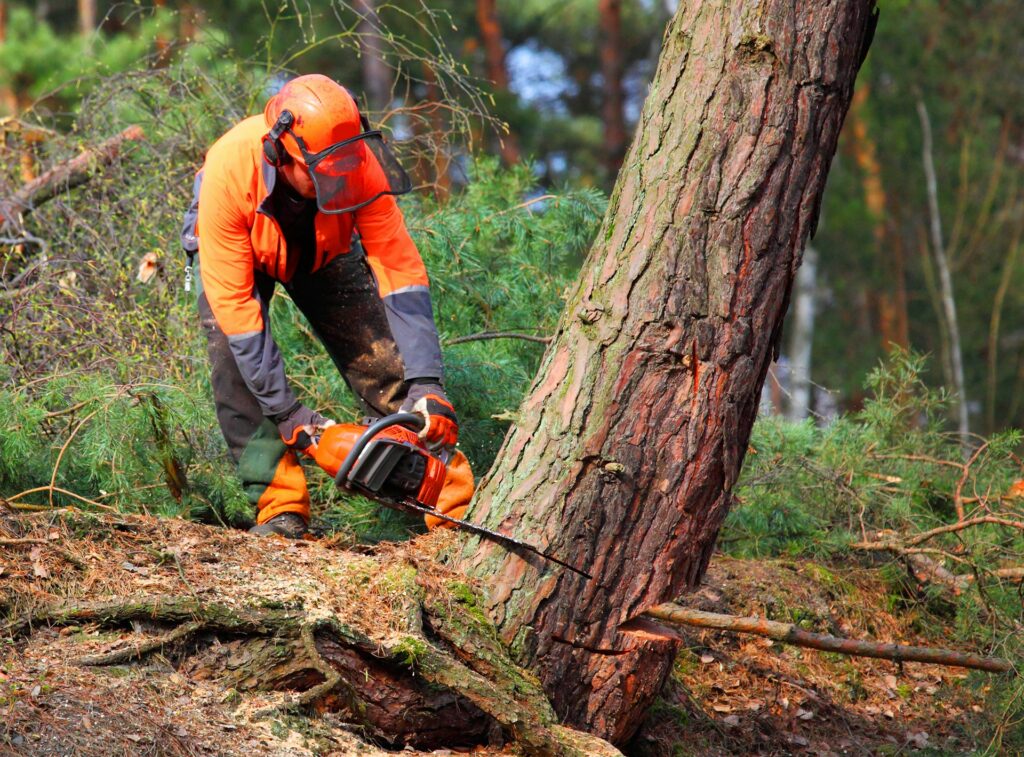
Surrey County Council removed a replanted hedgerow that residents had restored after the council destroyed it the first time. Veteran trees and important hedgerows in National Landscapes are being cut down with no consequences. Even when local tree wardens involve the National Wildlife Crime Unit, nothing happens. Councils claim trees pose safety risks without providing proper arboricultural evidence to support removal.
3. Felling 800 trees to create a “green corridor”
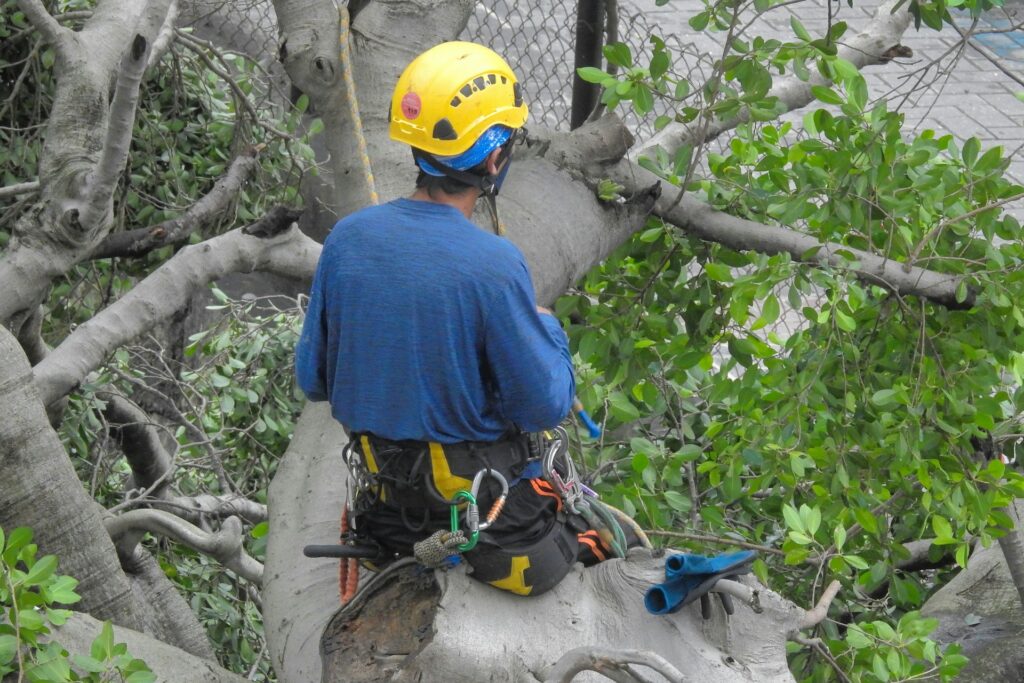
Edinburgh Council approved felling over 800 mature trees to build a new walking and cycling pathway. They claimed to be creating a green space by planting 5,000 replacement saplings from nurseries. The reality is a net loss of trees because nursery saplings often don’t reach maturity. Mature trees that were already sequestering carbon and providing habitats were destroyed for greenwashing.
4. Paving over green spaces for development
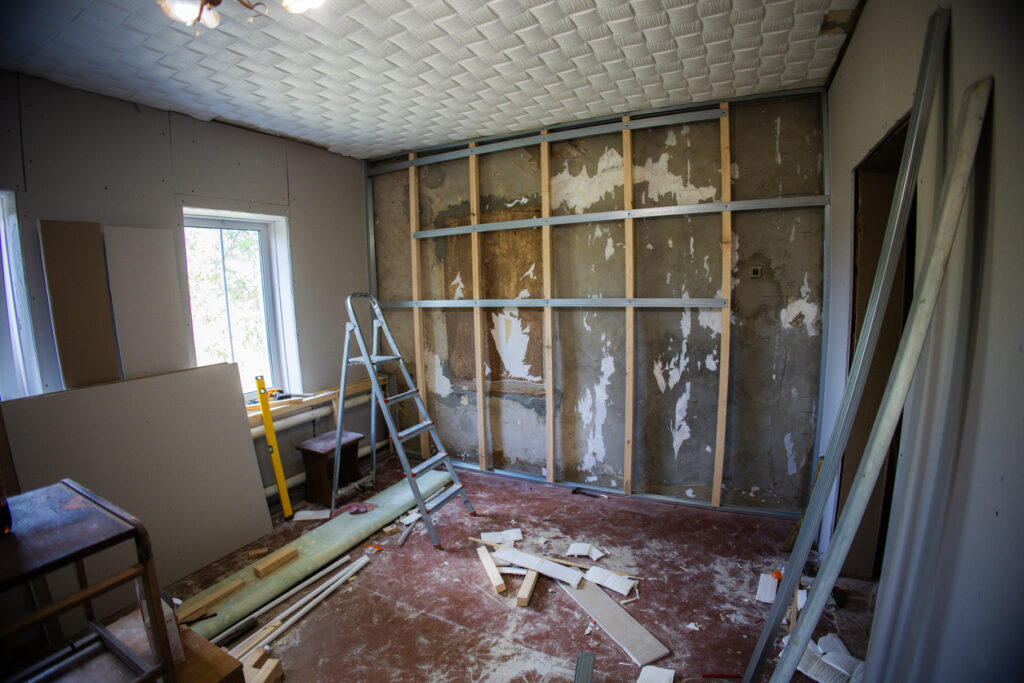
Bristol City Council allocated wildlife-rich grassland at Brislington Meadows for housing in 2014. Residents regularly saw foxes, deer and diverse bird species on this land before development began. The decision is nearly impossible to reverse once housing land is allocated, even when it destroys important habitats. Councils prioritise meeting government housing targets over ecological protection.
5. Approving development on protected sites

Bath and North East Somerset Council is developing the Tufa Field, part of a Site of Nature Conservation Importance with rare limestone springs. The site supports deer, slow worms and diverse wildlife. The council claims biodiversity net gain through habitat improvements elsewhere will offset the loss. Wildlife trusts argue that relocated habitats never adequately replace what’s destroyed on the original site.
6. Ignoring Tree Preservation Orders on their own land
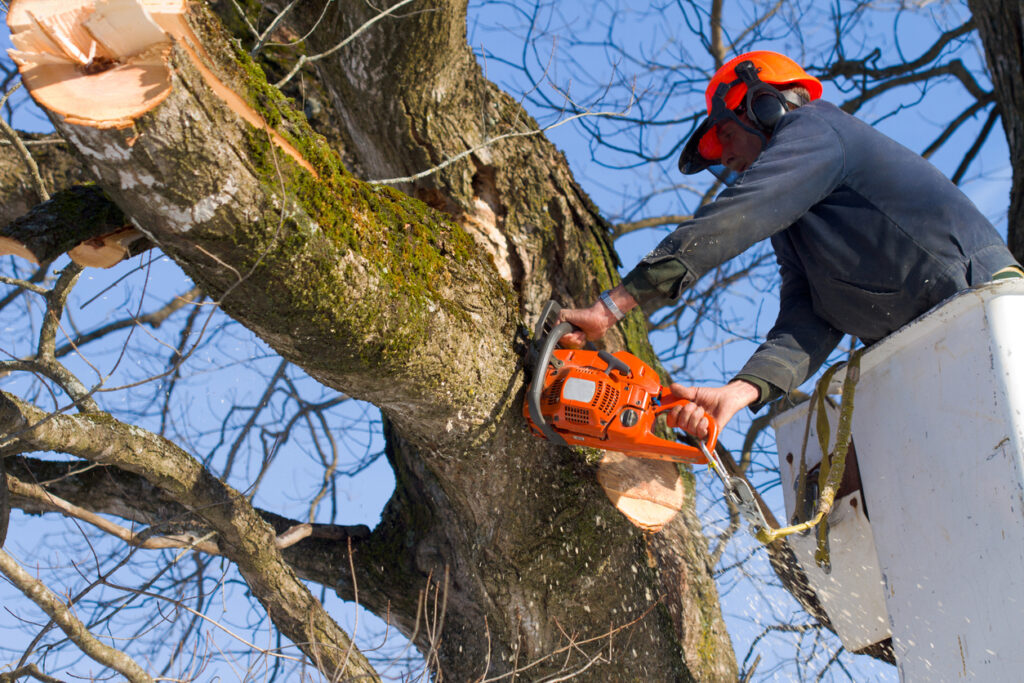
Councils sometimes bypass Tree Preservation Orders when they own the land. Works get approved internally without the same scrutiny applied to private landowners seeking permission. When residents challenge these decisions, councils cite operational necessity or safety concerns. The same standards that would stop a homeowner don’t seem to apply to local authorities.
7. Allowing contractors to work without ecological surveys

Council contractors are cutting hedges and trees without checking for active nests or bat roosts first. Under the Highways Act exemption, they claim urgency for road safety work. This means no pre-work surveys happen, even though bats and nesting birds are protected year-round. Contractors should still conduct risk assessments, but enforcement is virtually non-existent.
8. Converting green spaces into car parks

Two-fifths of British garden and green space is now paved over, reducing the ability to support wildlife, capture pollution and manage flooding. Councils approve these conversions despite knowing the environmental cost. Front gardens especially are being turned into parking spaces with over 55% now paved. This destroys urban wildlife corridors that birds and small mammals depend on for movement between habitats.
9. Selling off community green spaces

Councils are selling green spaces to developers to generate revenue. Land that communities have used for decades as informal nature areas gets reclassified for residential or commercial use. Once sold, there’s no mechanism to get it back, even when residents object. The financial pressure on councils means green space is seen as an asset to monetise rather than protect.
10. Using glyphosate in parks and verges
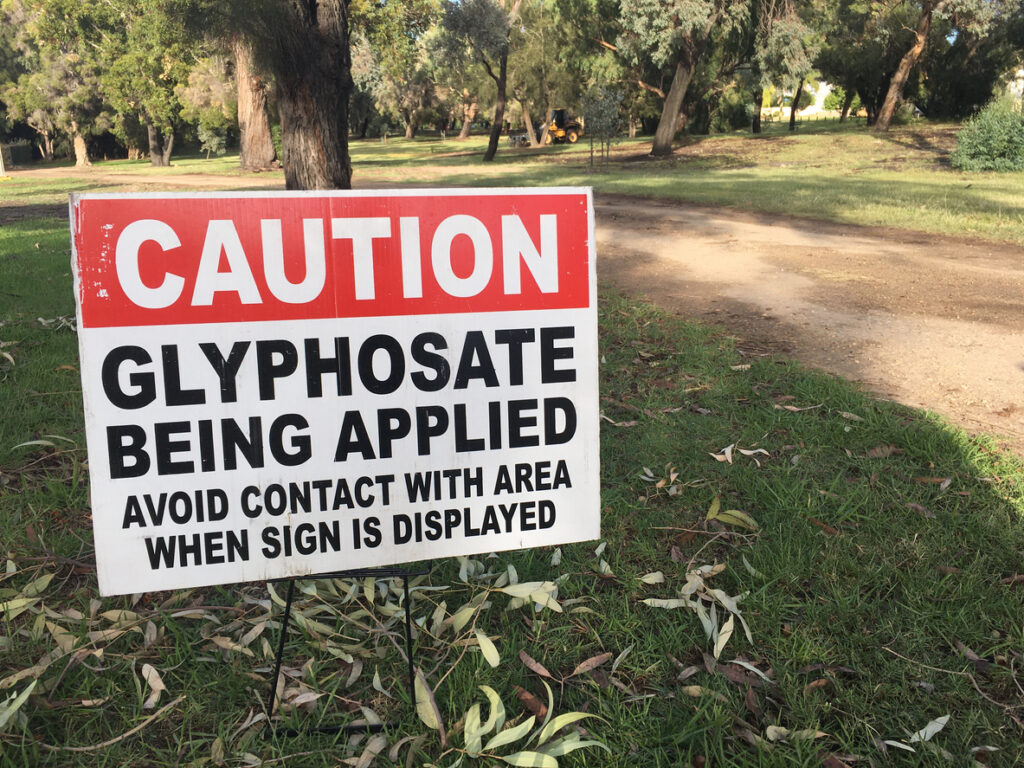
Many councils still spray glyphosate herbicide on roadside verges, parks and playing fields. This kills wildflowers that pollinators need and contaminates soil and waterways. Alternatives exist, but councils claim they’re more expensive. The ecological damage from herbicides isn’t factored into cost calculations, so the cheapest option wins regardless of harm.
11. Approving street lighting that disorients wildlife

New LED street lighting approved by councils disrupts nocturnal wildlife. Bats, moths and migrating birds are confused by the blue-rich light spectrum that councils choose for cost savings. Wildlife-friendly amber lighting exists, but councils prioritise brightness and running costs. The impact on local bat populations and insect numbers doesn’t influence procurement decisions.
12. Destroying habitat to prevent homelessness encampments
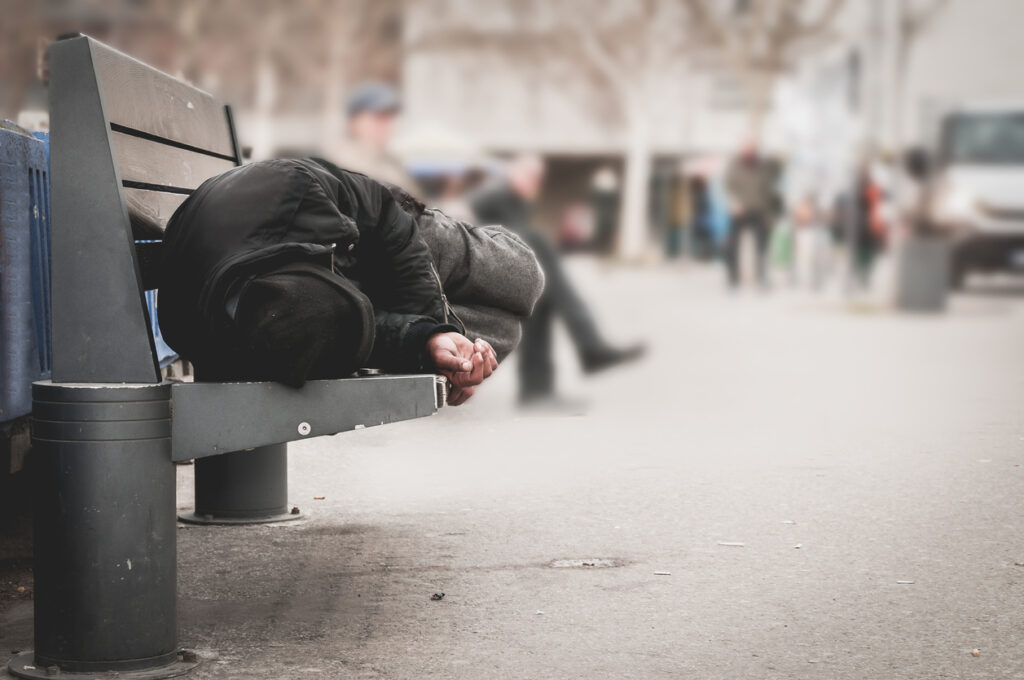
Some councils are removing vegetation and installing hostile architecture in green spaces to deter rough sleepers. This destroys wildlife habitat under the guise of public space management. Scrubland that supported birds and small mammals gets cleared to make areas less attractive for camping. The underlying homelessness crisis gets ignored while nature takes the hit.
13. Approving development in flood plains
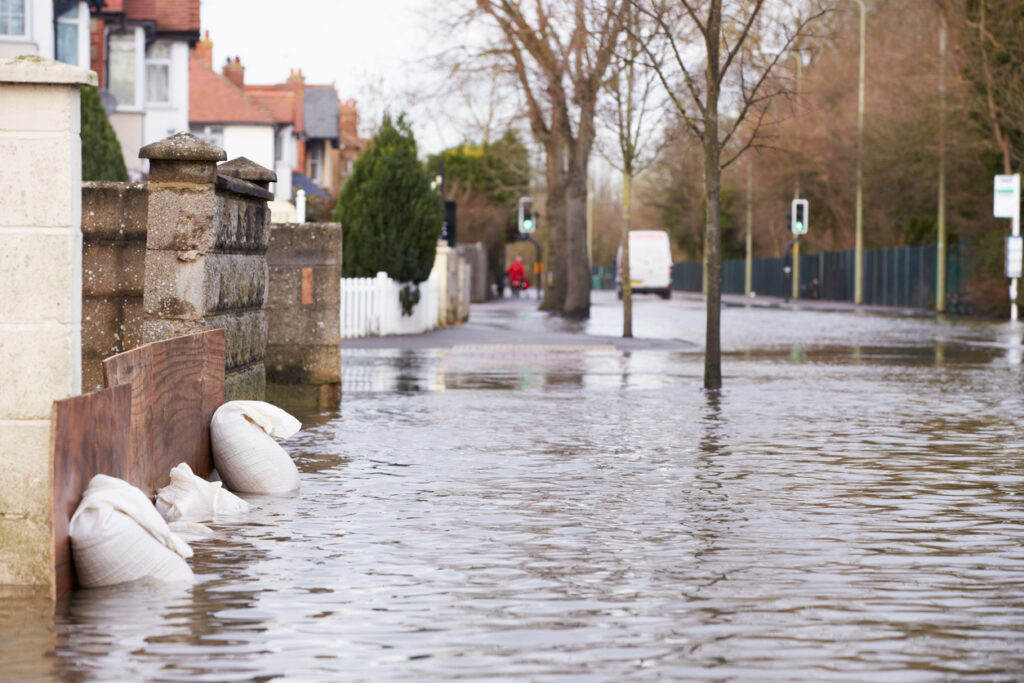
Councils are granting planning permission on flood plains that should remain as natural flood management areas. Wetlands that absorbed water and supported wildlife get built over. When flooding inevitably happens, the same councils claim nobody could have predicted it. The habitats that would have prevented flooding were destroyed with their own approval.
14. Failing to enforce environmental crimes they witness
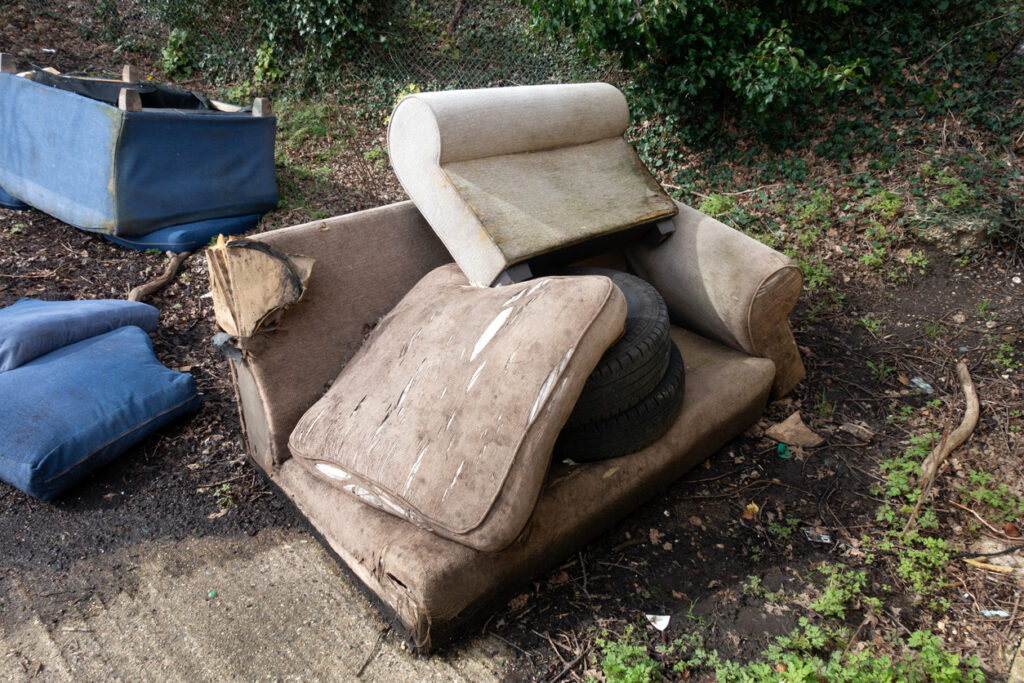
Council officers see fly-tipping, illegal tree felling and wildlife disturbance but don’t always take action. Enforcement is inconsistent and often depends on whether someone complains. Even with photographic evidence and clear violations, prosecution rates are low. Environmental crime is treated as less serious than other offences, so councils under-resource the teams meant to prevent it.