About 252 million years ago, Earth faced its worst mass extinction ever.
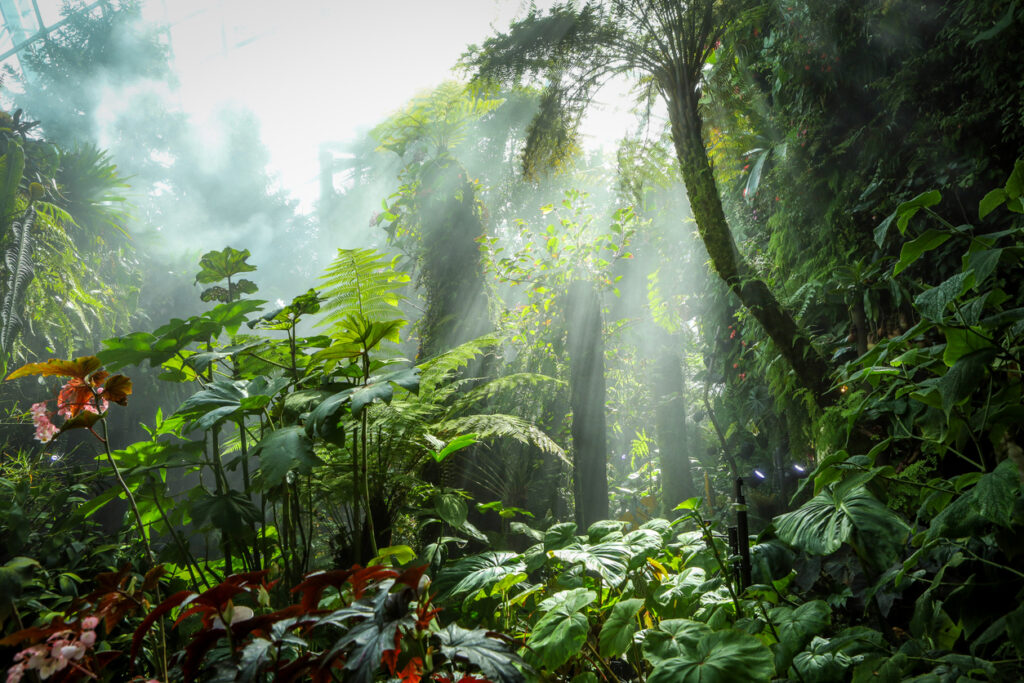
This was known as the Permian–Triassic extinction event, or the “Great Dying.” New research shows a key reason was the collapse of tropical forests, and that knowledge makes rainforests far more crucial than we often realise.
A massive die-off across land and sea.
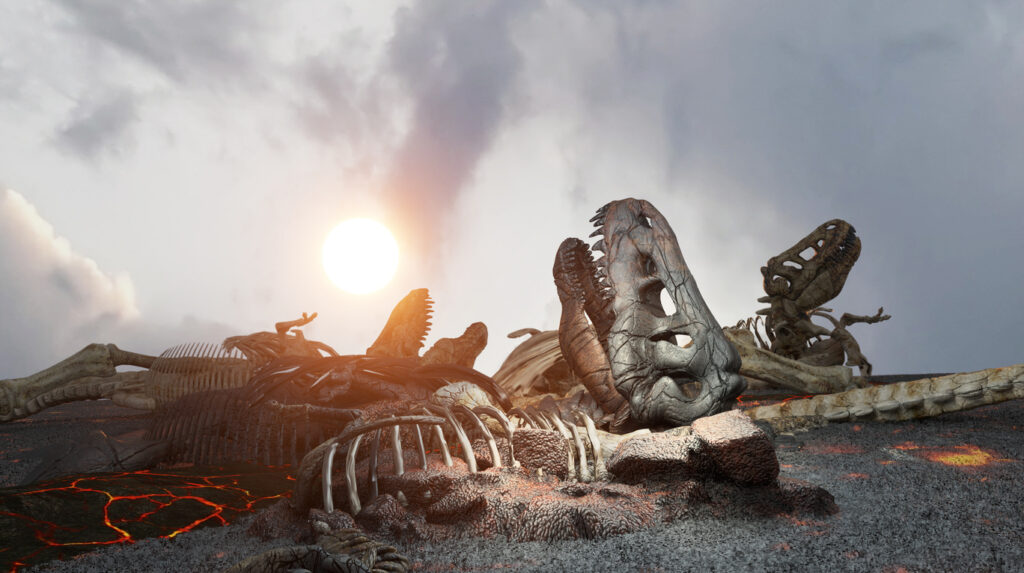
During this extinction event, around 90 % of marine species and around 70% of land vertebrates vanished. Life as it was simply couldn’t cope with the scale of change. It shows how fragile ecosystems can be when pushed too far.
The crash didn’t happen only in the oceans. On land the effects were profound too. Many plants and animals that depended on forest and wet environments couldn’t adapt fast enough to the abrupt changes around them.
Tropical forests collapsed first.
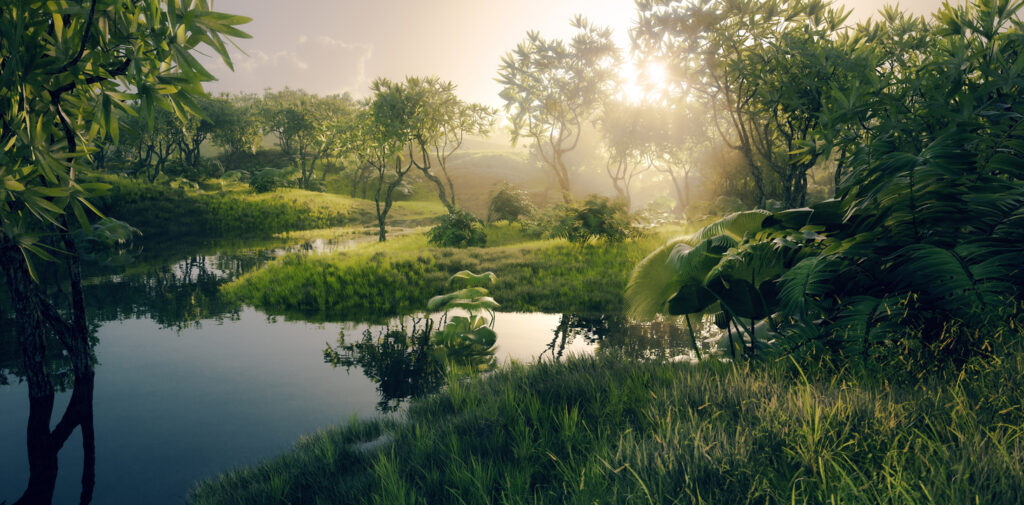
Scientists now believe the forests in the tropics were hit early and hard. When huge volcanic eruptions released carbon and sulphur into the atmosphere, the warming and acidification tipped many forests beyond recovery.
This loss mattered because those forests had been absorbing carbon, stabilising climate and supporting biodiversity. With them gone, Earth lost one of its major stabilisers, which allowed warming to spiral out of control.
Carbon absorption failed when the forests died.
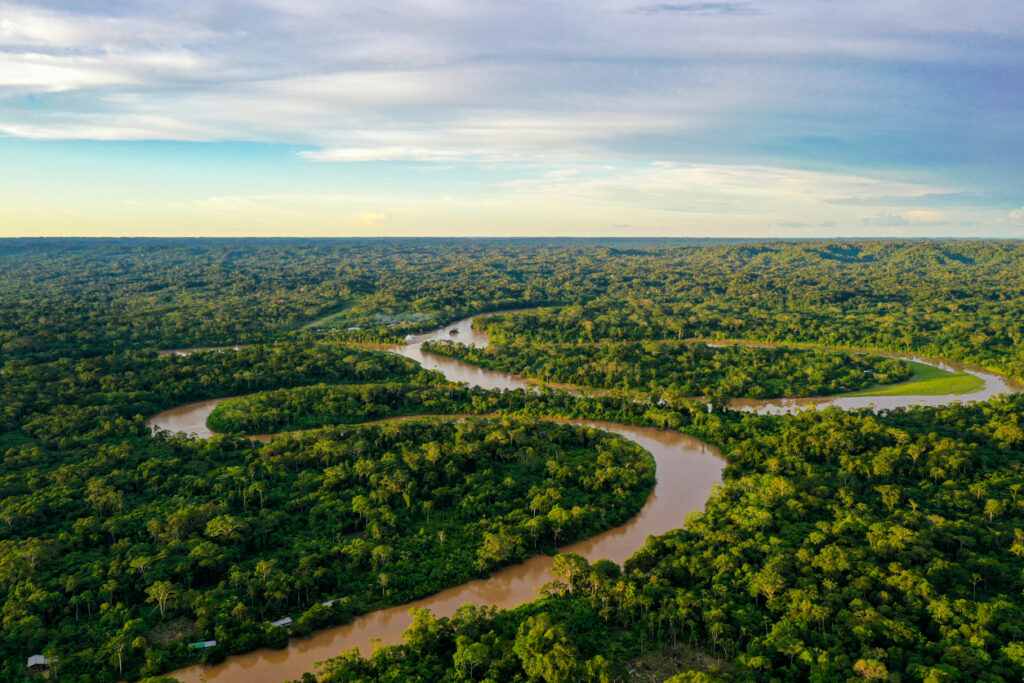
Forest ecosystems act like giant sponges for carbon dioxide. When the rainforests died off during that event, their capacity to soak up carbon dropped sharply. That meant more CO₂ remained in the atmosphere for longer.
Because the carbon-sink effect failed, the greenhouse effect intensified. The consequences were prolonged heat, altered rainfall, and pressure on life forms that were already strained to survive on the new planet.
The climate tipping point and why it matters today.
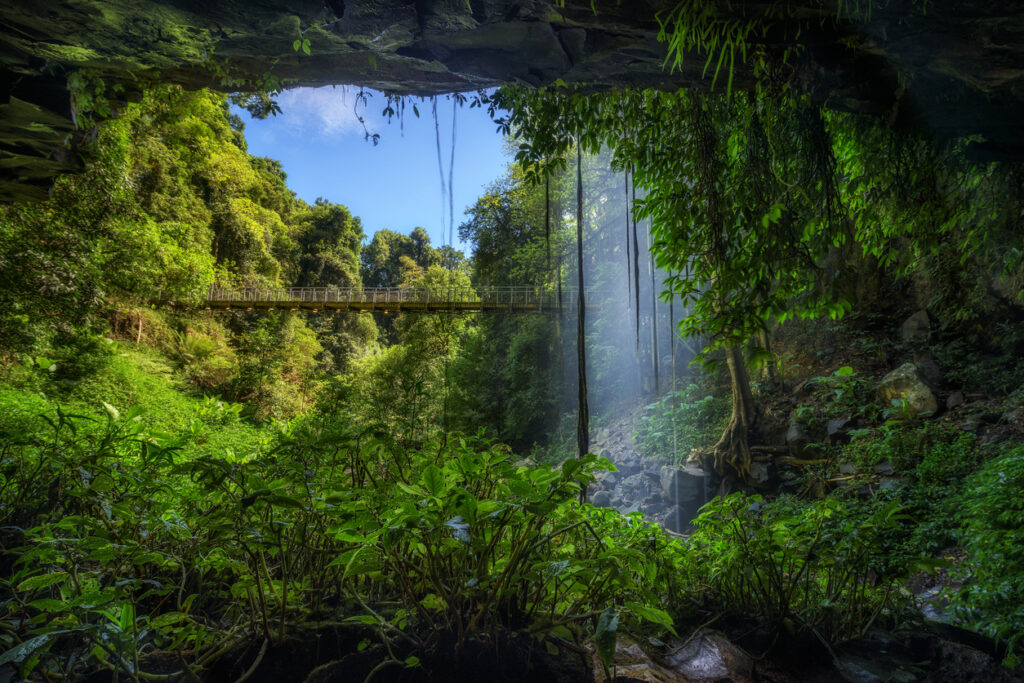
The Great Dying shows how once ecosystems cross a tipping point, change becomes self-reinforcing. Losing forests reduced carbon absorption, which led to more warming, which caused more forest loss—a deadly loop.
Today’s rainforests help prevent similar loops. If we lose large swathes of them, we may risk triggering a system-wide feedback where replacement becomes impossible or takes far too long to recover.
Rainforest biodiversity is more than nice scenery.
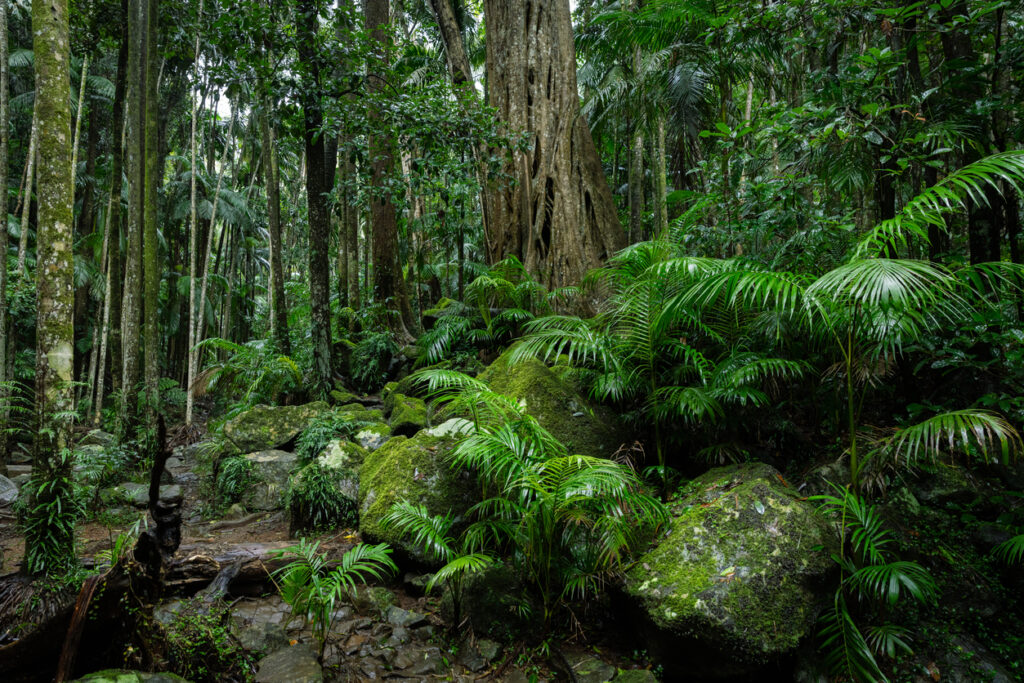
The forests that died back then hosted a massive variety of life forms, many of which required specific conditions to flourish. When those conditions disappeared, so did the species reliant on them.
Modern rainforests play a comparable role. They hold vast biodiversity, some yet undiscovered, and we rely on those ecosystems for everything from food and medicine to stability in the water cycle.
Forests influence rainfall, weather, and soil health.
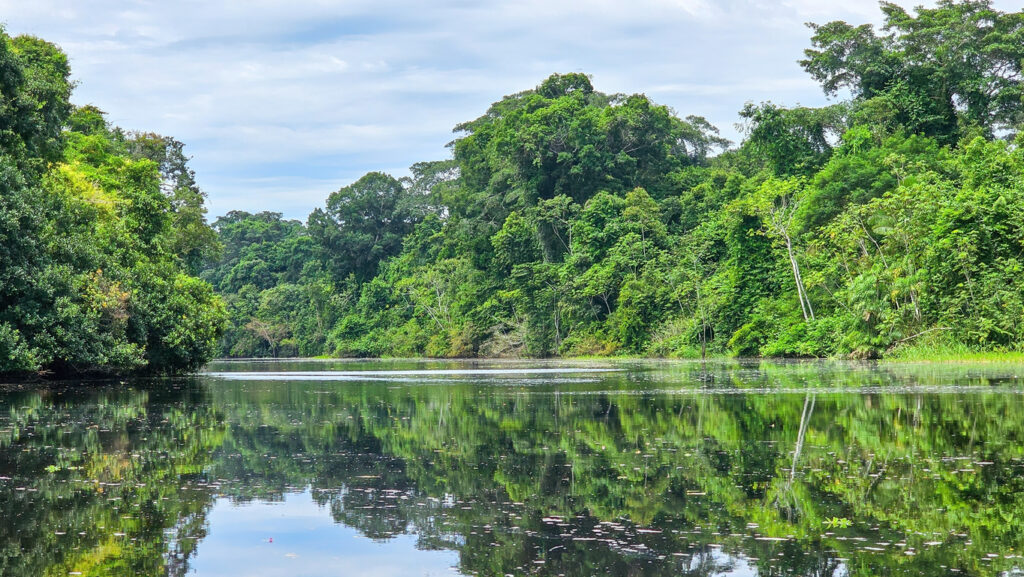
Tropical forests generate rainfall, retain soil moisture and protect lands against erosion. In the ancient event, when forests collapsed, the land itself became poorer and less able to support life.
Today, if we damage rainforests, the same processes degrade. Soil becomes less fertile, water cycles change, and local climate shifts against human and natural systems alike.
The long recovery time shows how irreversible damage can be.
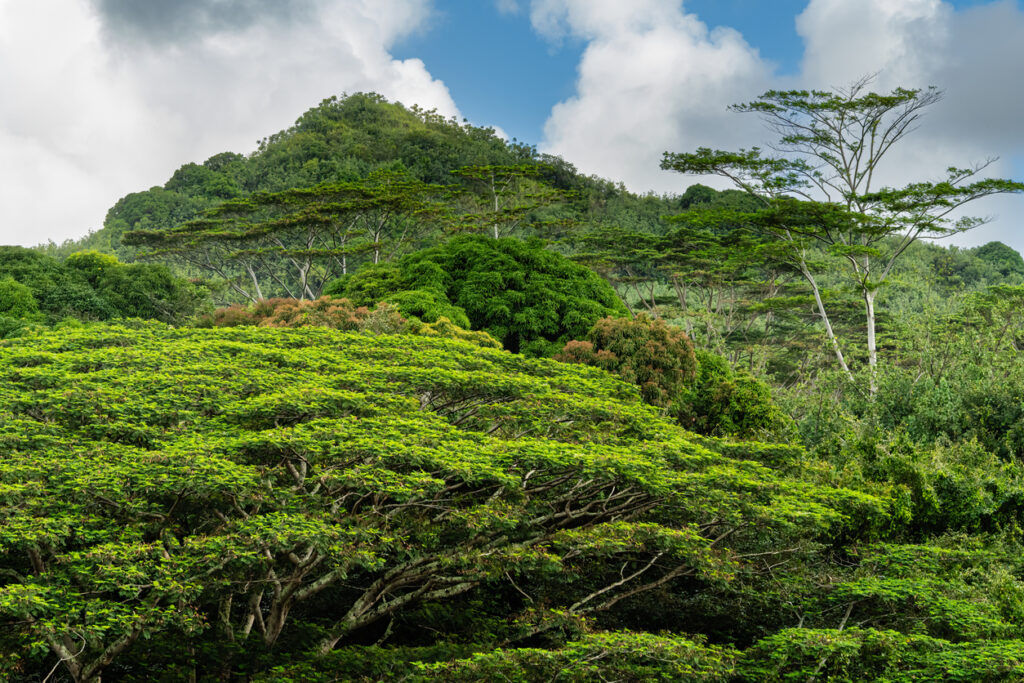
Life on Earth took millions of years to fully bounce back from that event. Ecosystems didn’t rebuild overnight. That level of disruption shows how cost-heavy losing forests really is.
If we allow massive destruction of rainforests now, the future may be years of recovery, not decades. The consequences could outlast us, not just in lost species but in altered systems of climate and ecology.
The event wasn’t just an ancient worry; it’s a modern warning.
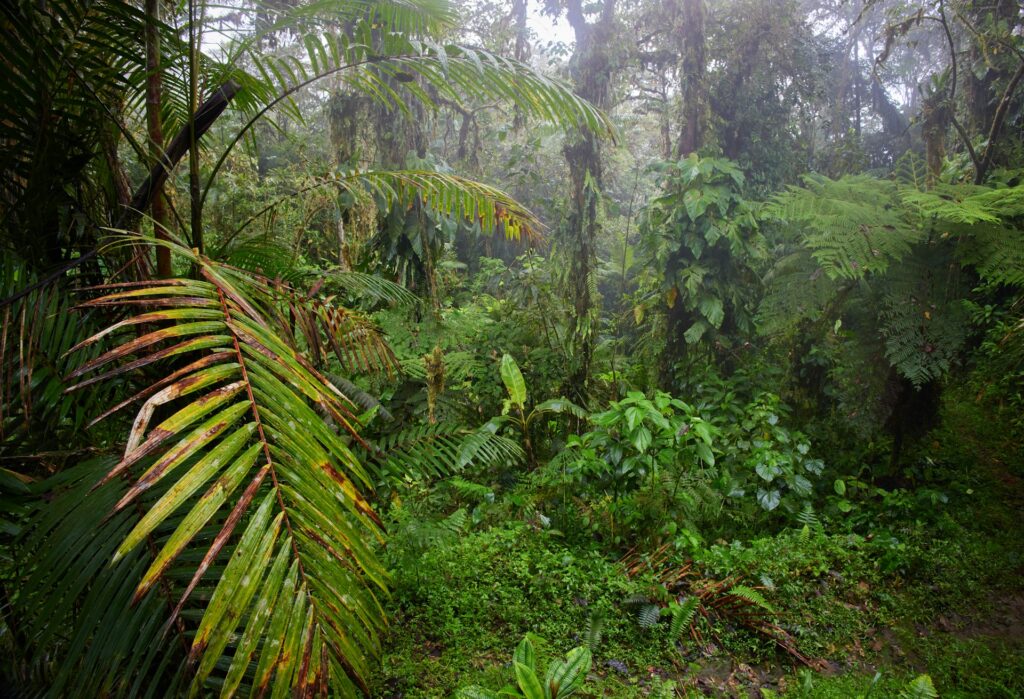
We are pumping CO₂ into the atmosphere, losing forest cover, and changing ecosystems much faster than before. The Great Dying stands as a warning of what happens when nature’s supporting systems break down.
Our actions today could trigger changes that echo that ancient disaster, but unlike the past we have the ability to act, to protect rainforests, to preserve the stabilising role they play for our planet.
Preserving rainforests is preserving Earth’s built-in stability.
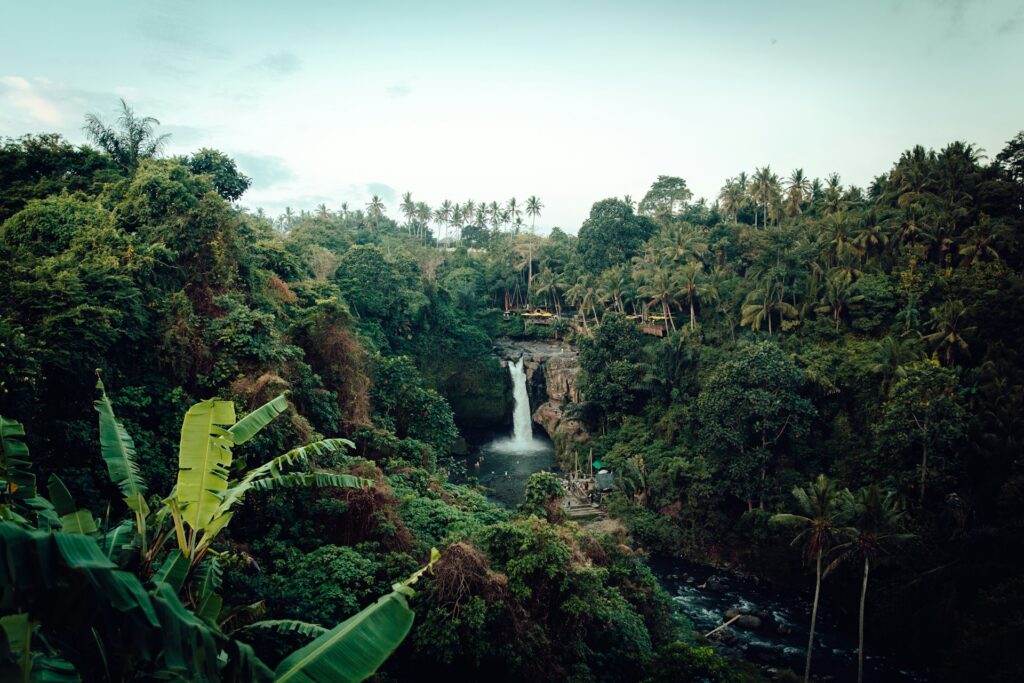
Rainforests aren’t simply beautiful; they’re part of Earth’s self-regulating machinery. When the system fails, as it did in the Great Dying, the results are catastrophic for all life.
By maintaining forest cover, we support the natural processes that keep climate stable, carbon in check and biodiversity alive. That act is far less glamorous than headlines but far more important.
Each forest we destroy removes part of our safety net.
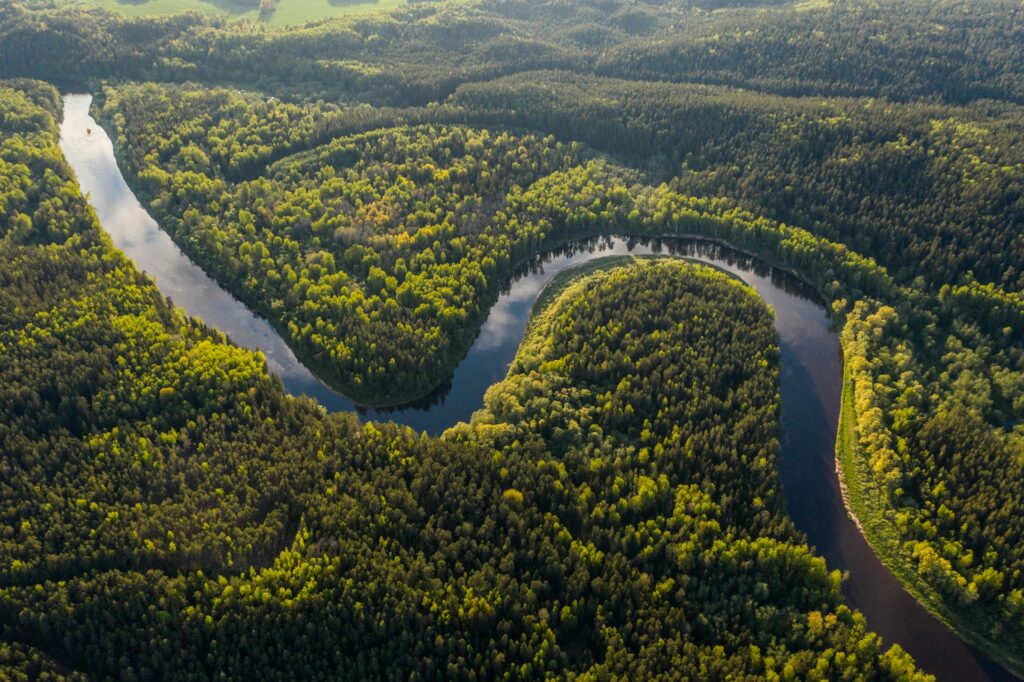
Every hectare of rainforest lost chips away at the planet’s resilience. The Great Dying teaches us that resilience matters deeply. Systems can collapse when pushed too far.
Our era may not look like that ancient world, but the principle is the same: compromise the natural safeguards, and you amplify risk for every species, including us.
The story of the Great Dying tells us that the rainforests of today aren’t optional extras for humanity; they’re essential infrastructure for Earth’s health. If we recognise that truth and protect these ecosystems, then we protect our chance of a stable, thriving future.