
The UK has just given the green light to what will be its largest solar farm, a sprawling site across Lincolnshire that could generate enough electricity to power around 300,000 homes. The approval of the Tillbridge Solar Project near Gainsborough marks one of the biggest steps yet in the country’s push toward renewable energy. As BBC News reported, the decision was signed off by Energy Secretary Ed Miliband, who said projects like this are essential to meeting Britain’s clean energy goals and cutting dependence on gas.
A major boost for renewables
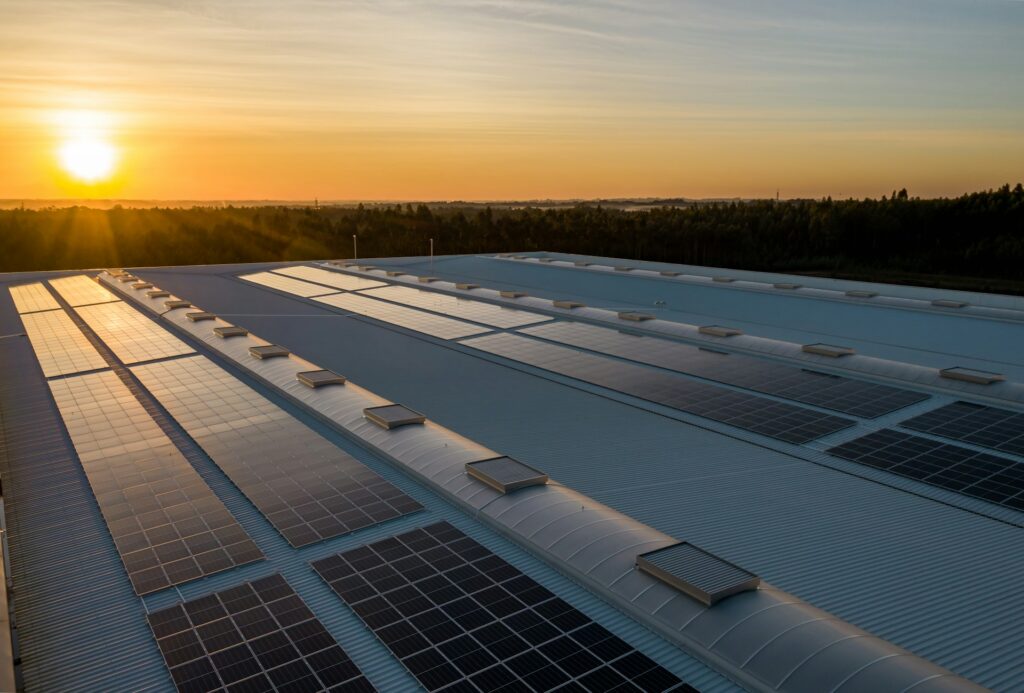
The Tillbridge site will cover about 1,200 hectares, roughly the size of 1,500 football pitches, making it the largest solar development ever approved in the UK. Once operational, it’s expected to have a generating capacity of 740 megawatts, enough to supply hundreds of thousands of homes with renewable power. It will also include battery storage facilities to store excess electricity during peak sunlight hours and feed it back into the grid when demand rises.
The project has been years in the making. It’s part of a growing list of large-scale renewable energy developments classified as “nationally significant infrastructure projects,” meaning they require central government approval rather than a local planning decision. That designation streamlines the process but also tends to divide opinion, especially when it comes to how much agricultural land should be used for energy production.
For the government, the case is clear: large-scale renewables are vital if the UK is serious about reaching its 2030 and 2035 climate targets. For local communities, it’s more complicated. Some residents have raised concerns about the loss of farmland, the impact on views and habitats, and whether the economic benefits will stay in the area.
The importance of balancing ambition with reality

Ed Miliband called the decision a “key milestone” in Britain’s journey to a low-carbon future. Speaking after the announcement, he said large-scale solar farms like Tillbridge are part of a “national mission” to secure cleaner, cheaper, homegrown energy. The UK’s solar capacity has grown quickly in the past decade, but it still accounts for a relatively small share of total electricity generation, at just under 7% last year.
To meet the government’s pledge to triple solar power by 2035, hundreds of new projects will need to come online. The Tillbridge site alone won’t achieve that, but it sets a precedent for the kind of scale ministers want to see. Its approval also fits with Labour’s broader plan to overhaul Britain’s energy system through Great British Energy, the new publicly owned company that aims to invest directly in renewables and accelerate grid connections.
The politics of solar, though, are rarely straightforward. Lincolnshire has become something of a flashpoint in the debate, with several MPs and local campaigners arguing that too much productive farmland is being covered in panels. They’ve called for more focus on rooftop and brownfield solar instead of large rural developments. Others say this is short-sighted, pointing out that even the biggest solar farms still use a fraction of agricultural land compared to that given over to biofuels or livestock feed.
The changing landscape of rural energy
The Tillbridge project is being developed by German energy company Juwi and UK-based Renewable Connections, which say the scheme will bring investment, new jobs, and long-term community funding. Construction is expected to take several years, with the farm projected to operate for around four decades before being decommissioned or repowered with newer technology.
Developers have promised to maintain wildlife corridors, plant wildflowers to support pollinators, and keep parts of the site available for sheep grazing, a growing practice that allows solar farms to double as pasture. They also plan to fund local projects and education schemes through a community benefit fund once the farm begins operation.
Still, the tension between national goals and local concerns runs deep. Some residents have accepted the project as a necessary trade-off in the face of climate change and rising energy bills; others worry that rural England is being industrialised without enough consultation. It’s a debate that’s likely to repeat itself as the UK moves closer to its net-zero targets and more large-scale energy infrastructure spreads beyond traditional industrial areas.
This approval comes amid a flurry of energy announcements. In recent months, Miliband has signed off on several offshore wind farms and transmission upgrades, aiming to speed up what’s been described as a sluggish planning process for renewables. The government wants Britain to be fully powered by clean electricity by 2030, though experts say that goal will depend heavily on how quickly projects like Tillbridge can move from approval to construction.
There’s also the matter of grid capacity. Even as more renewable projects win approval, connecting them to the national grid remains a bottleneck. The National Grid has warned that without major investment in transmission infrastructure, new solar and wind farms could face delays stretching into years. The government has promised to streamline that system, but progress has been slow.
In the case of Tillbridge, proximity to existing grid infrastructure near West Burton, the site of a former coal power station, makes it easier to connect. It’s a neat symbol of the transition from fossil fuels to renewables, with the country’s old energy heartlands being repurposed for clean power.
The bigger picture is encouraging
The decision to approve Tillbridge sends a clear signal about the direction of energy policy under Labour: big renewables are in, and hesitation is out. It also shows that the government is willing to use its powers to push through projects that might face resistance at the local level if it believes the national benefits outweigh the drawbacks.
For now, the focus will be on delivery, turning planning permission into panels and panels into power. Supporters say it’s the kind of project the UK needs if it wants to avoid the energy shocks and price volatility of recent years. Critics still see it as a gamble with rural land use.
Either way, the message is clear: solar is no longer a sideline in Britain’s energy story. It’s central to what comes next, and the fields of Lincolnshire are about to play a major part in powering it.