Most gardens are created with good intentions.

We put in things that look neat, feel practical, or seem convenient. The trouble is, a lot of the features that make a garden easy to manage can quietly strip away the plants, insects, and wildlife that actually keep the space healthy. You might not notice anything wrong at first, but over time the garden becomes oddly still. Fewer birds visit. Bees stop showing up. The soil gets tired.
Nature thrives on variety, movement, and places to hide. When a garden is too polished or predictable, wildlife has nowhere to rest, feed or breed. The surprising part is that some of the most common garden choices—the ones sold as “low maintenance”—are also the most harmful. Once you know what they are, it becomes much easier to replace them with small changes that invite life back in.
1. Artificial grass
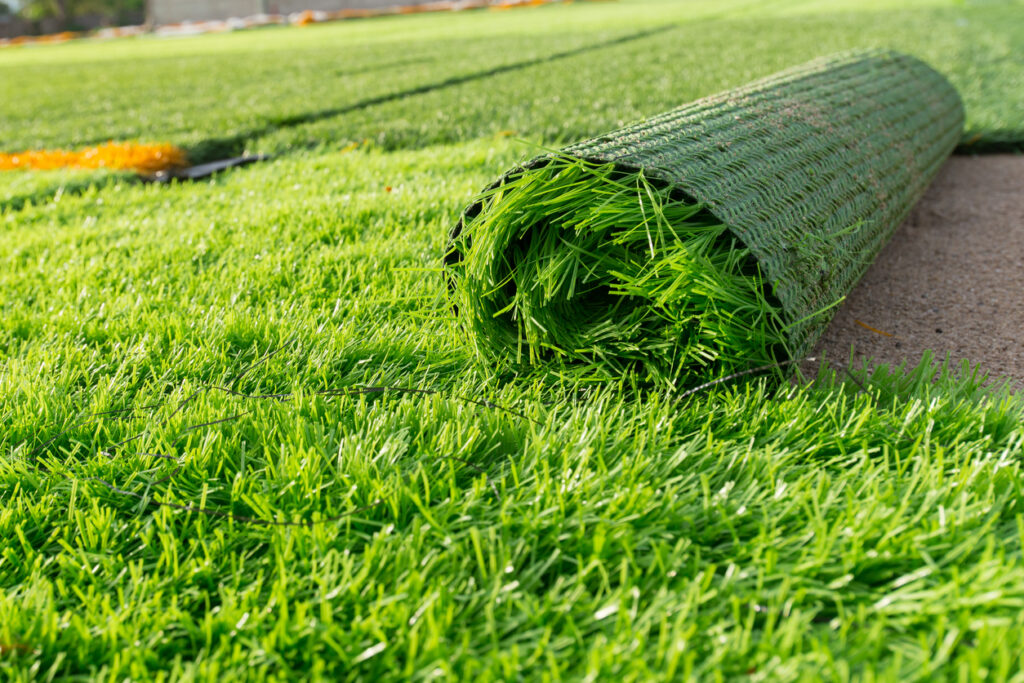
Fake lawns might look tidy, but they suffocate the soil underneath. Worms, beetles and other insects lose their habitat, while the plastic fibres shed microplastics that end up in nearby drains and waterways. Artificial turf also traps heat, creating miniature “hot spots” that drive away pollinators. Natural grass or wildflower patches cool the ground, filter rainwater and support the insects everything else depends on.
2. Paved-over gardens

Replacing lawns with patios or paving for easy maintenance reduces drainage and kills soil ecosystems. Hard surfaces stop rainwater soaking in, which increases local flooding and damages roots of nearby plants. Even small unpaved patches make a difference. Gravel mixed with planting or permeable paving keeps the space usable while giving insects, roots and rain somewhere to go.
3. Plastic planters and containers
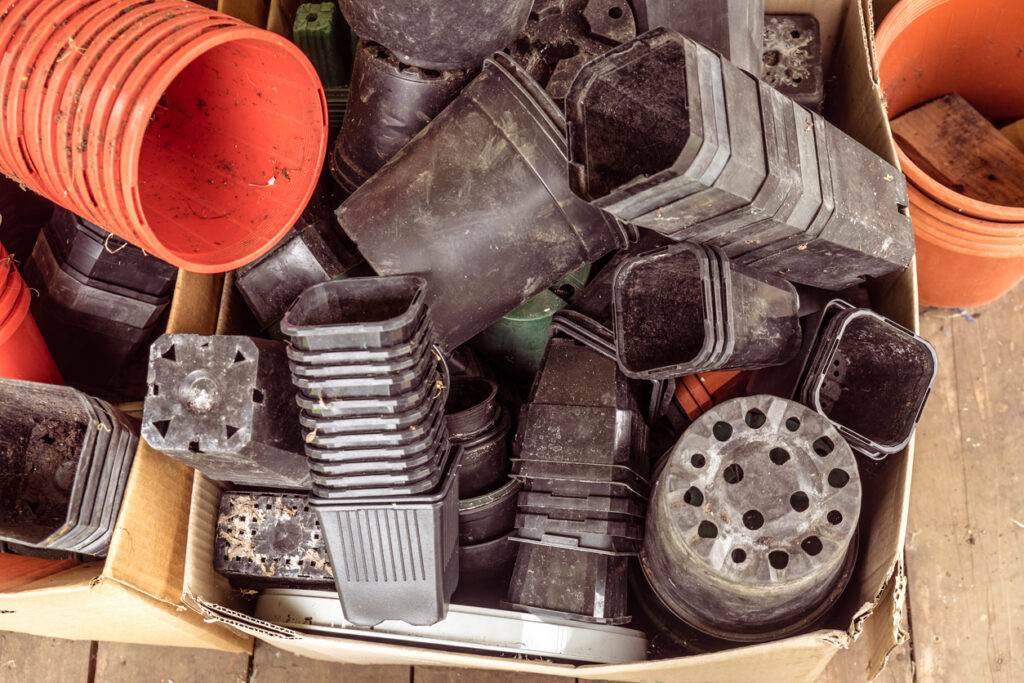
Lightweight plastic pots are convenient but weather badly. Over time, they break into flakes that wash into the soil and surrounding water systems, where they harm small organisms and clog drainage. Clay, terracotta or recycled wood containers last longer and naturally regulate temperature. They keep roots cooler in summer and provide better homes for beneficial insects.
4. Overly bright garden lighting
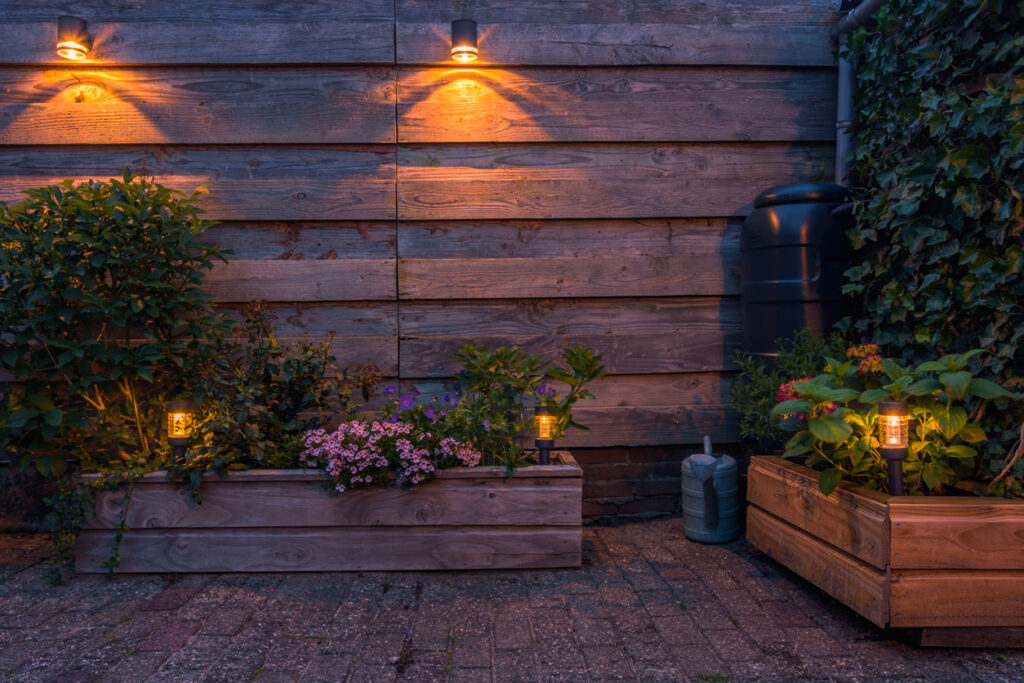
Bright LED spotlights and solar strings look cheerful but confuse nocturnal insects and birds. Moths and bats rely on darkness for feeding and navigation, and light pollution draws them away from natural routines. Using motion sensors or lower-intensity bulbs helps reduce disturbance. A dim, directed light keeps paths safe without turning your garden into a 24-hour display.
5. Short, perfectly trimmed lawns
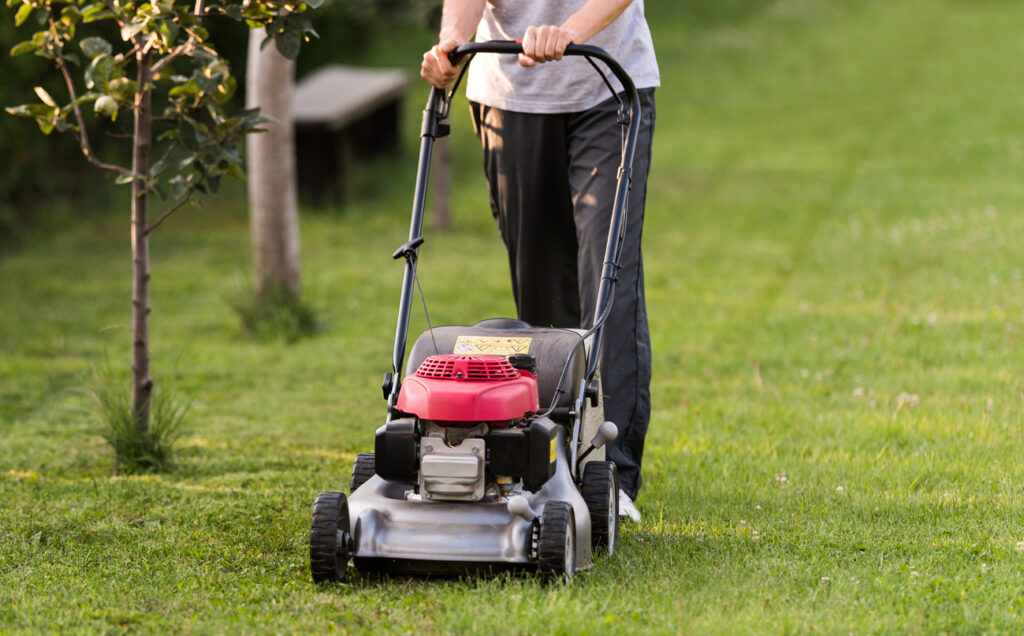
Constant mowing prevents clover, daisies and other small wildflowers from blooming. These “weeds” are vital food sources for bees and butterflies early in the season when little else is available. Leaving part of your lawn to grow longer restores variety and encourages pollinators. A slightly untidy look supports far more life than a flawless green carpet ever will.
6. Exotic plants with no local value
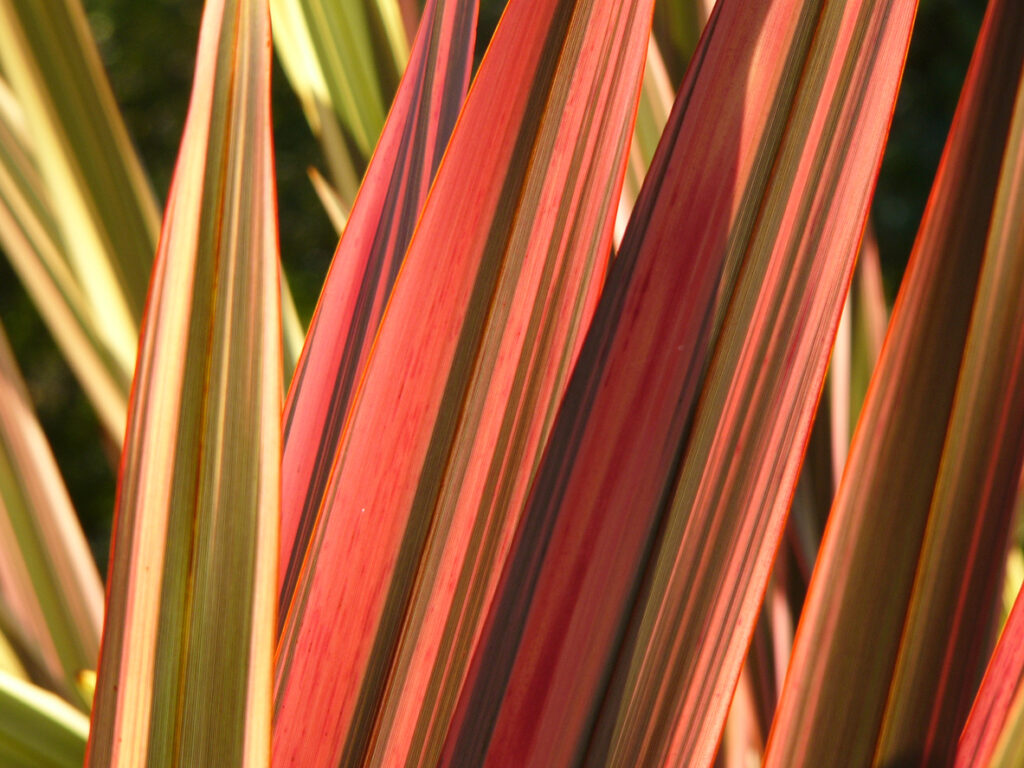
Colourful tropical species may look stunning, but many offer no nectar or shelter for British insects. Native species evolved alongside local wildlife and provide the food chains our ecosystems depend on. Balancing decorative imports with native plants like foxglove or hawthorn keeps your garden vibrant and wildlife-friendly. It’s about harmony rather than restriction.
7. Chemical fertilisers

Artificial fertilisers give plants a quick boost but damage long-term soil health. They alter nutrient levels and reduce the presence of beneficial fungi and microbes that keep soil balanced and self-sustaining. Compost, manure and organic feeds nourish both plants and the soil beneath them. Natural fertilisers build resilience rather than dependence, supporting growth without harming underground life.
8. Pesticide sprays
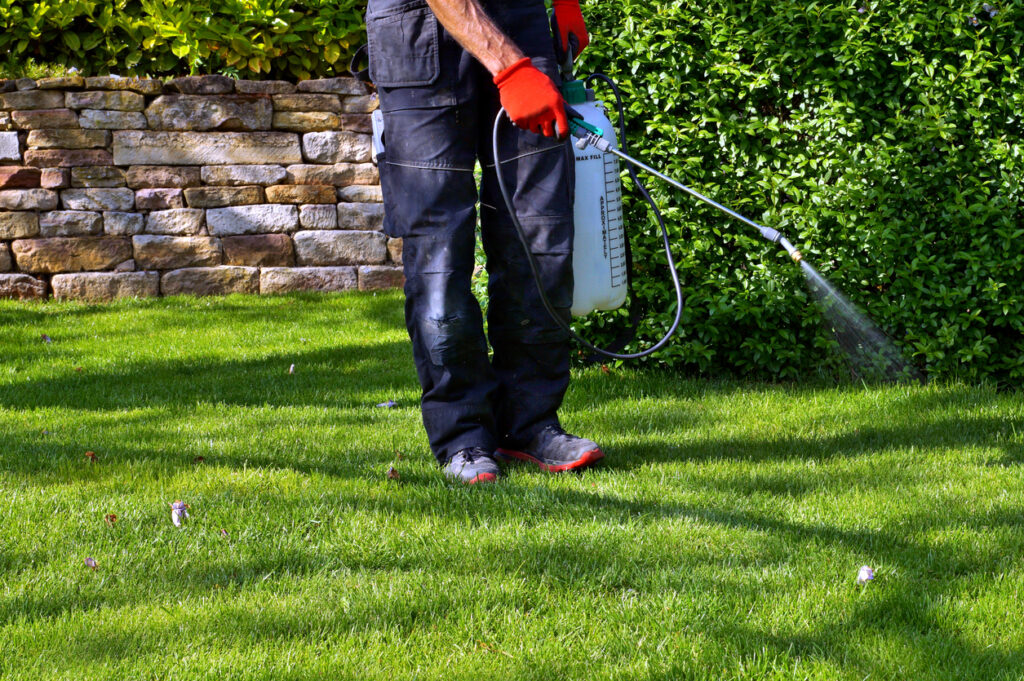
Even products labelled as “mild” can wipe out pollinators and other helpful insects. Sprays often affect more than the pests they target, removing predators that would otherwise control populations naturally. Planting pest-repelling herbs like mint or lavender offers a safer alternative. Encouraging birds and ladybirds to visit keeps your ecosystem in check without chemicals.
9. Overuse of weed barriers and liners
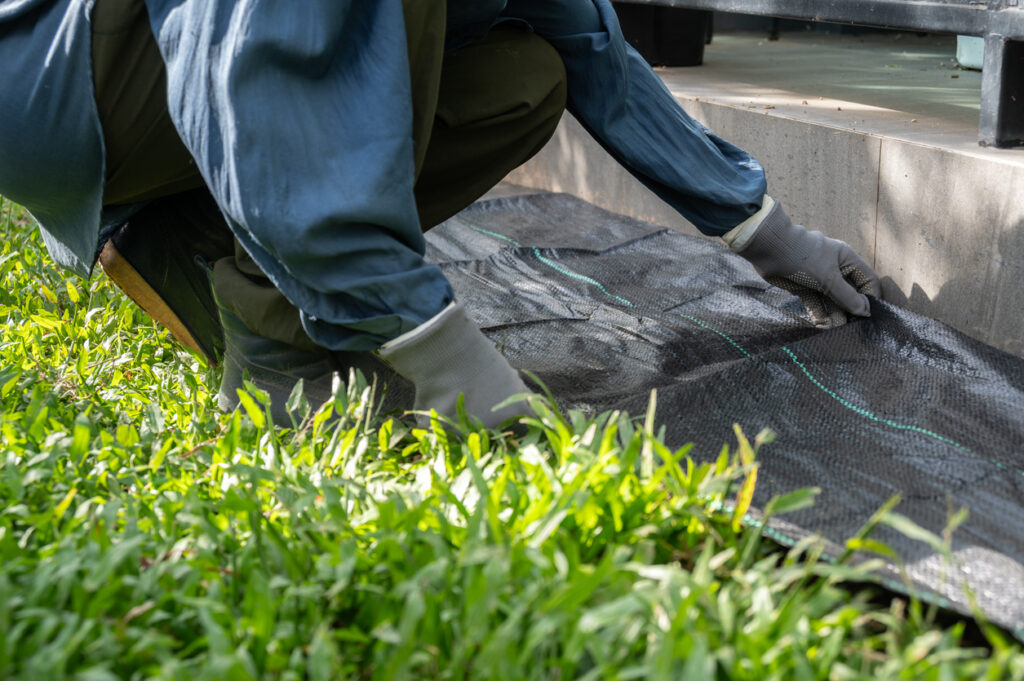
Plastic or fabric liners under gravel or mulch stop weeds temporarily, but also block air and moisture from reaching the soil. Over time, roots weaken and worms can no longer move freely. Thicker layers of bark, wood chips or compost work better and naturally suppress weeds. They feed the soil as they break down, turning a maintenance job into an environmental gain.
10. Decorative stone and gravel gardens
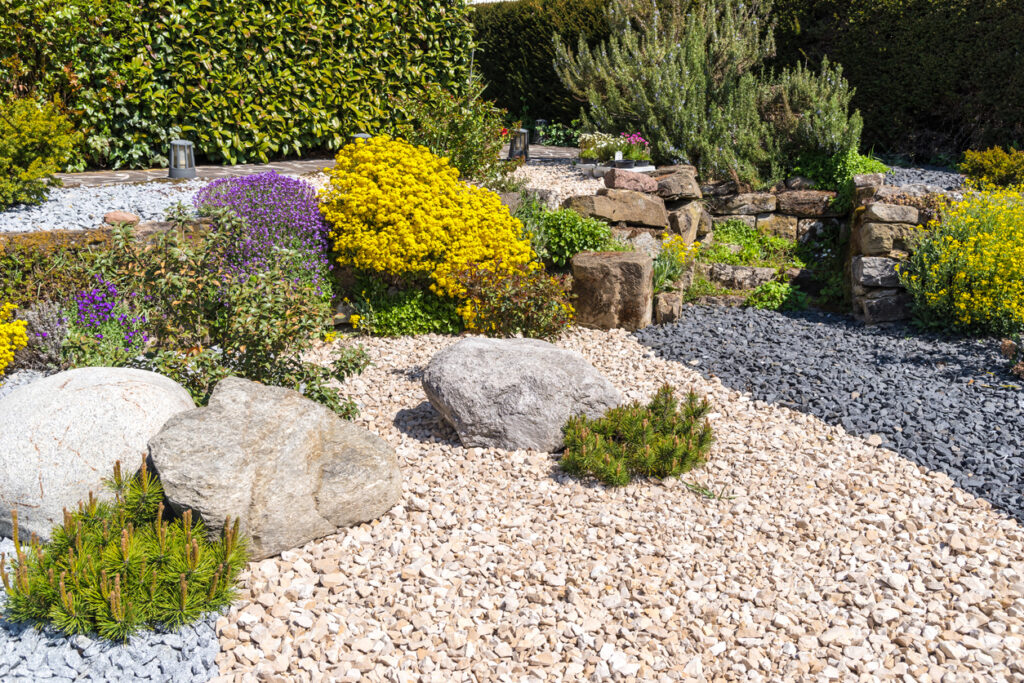
Gravel and stone landscapes require less mowing but also less life. Without vegetation, there’s little shade or shelter, and the reflective surfaces make the ground hotter than surrounding areas. Mixing small planting pockets or ground cover into gravel areas improves both looks and biodiversity. Even low-maintenance gardens can stay alive and colourful with the right balance.
11. Water features with no escape routes
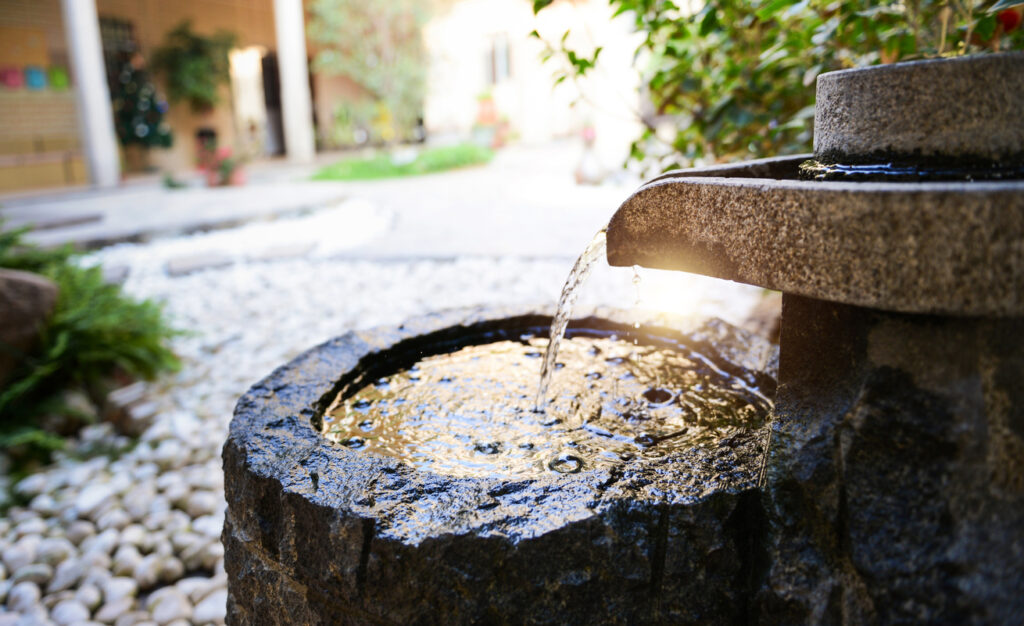
Ponds and fountains attract wildlife but can be deadly if small creatures can’t climb out. Frogs, hedgehogs, and insects often drown after slipping into steep or slick-sided water features. Adding ramps, stones or floating platforms gives them a safe exit. A simple tweak turns your pond from a hazard into a refuge for all kinds of species.
12. Dense wooden fencing
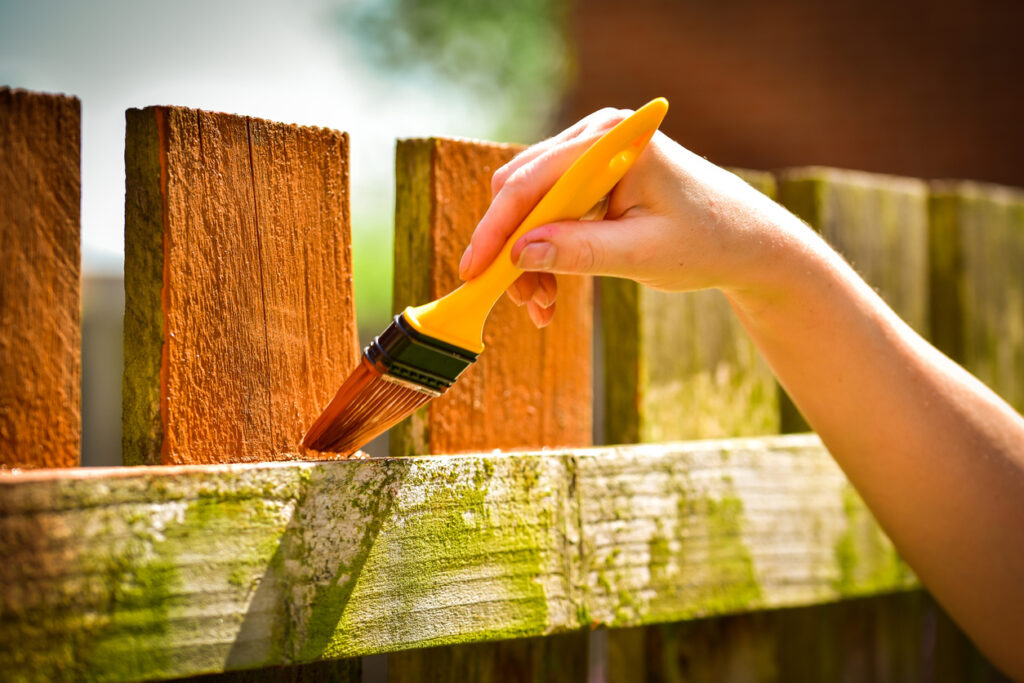
Solid fences block the movement of hedgehogs, frogs and small mammals that roam between gardens. Fragmented habitats make survival harder for species that rely on safe, connected routes to food and shelter. Creating small “hedgehog highways” or gaps at the base of fences reconnects local ecosystems. Sharing access between gardens costs nothing but helps wildlife flourish.
13. Garden furniture made from unsustainable wood
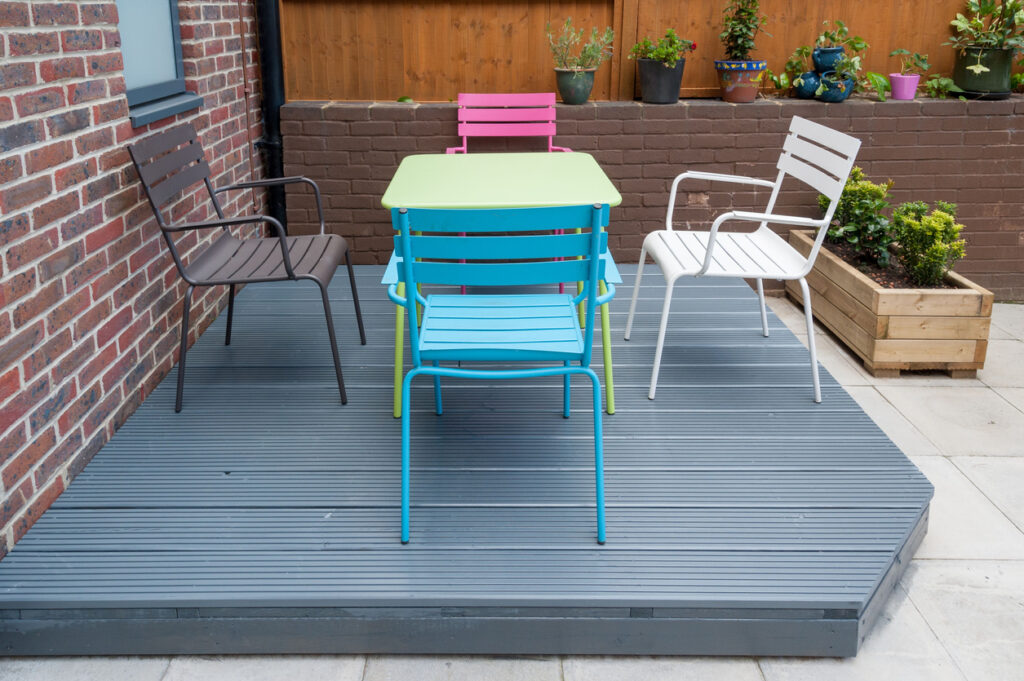
Cheap wooden furniture often comes from deforested areas. Even small purchases contribute to habitat loss abroad, especially when wood isn’t certified or traceable. Choosing recycled, second-hand or FSC-approved timber reduces that impact. It keeps your garden ethical without sacrificing comfort or style.
14. Over-tidying fallen leaves and dead wood

Raking every leaf might make your garden neat, but it strips away natural shelter for insects, frogs, and hedgehogs. Dead leaves are part of the soil’s nutrient cycle and protect creatures during cold weather. Leaving some piles under shrubs or at garden edges gives wildlife safe places to hide and overwinter. A bit of natural mess keeps your garden alive when everything else looks bare.
Creating a wildlife-friendly garden doesn’t mean letting everything grow wild; it’s about choosing features that work with nature, not against it. A few thoughtful swaps can turn even the smallest patch into a genuine haven for life.