You likely try your best to respect nature, but that doesn’t mean you’re succeeding.
The truth is, many everyday actions unintentionally harm wildlife or break conservation laws without anyone realising. What seems like a harmless souvenir, a pet purchase, or even a countryside walk can actually have lasting consequences for the animals and habitats involved.
These aren’t crimes committed with bad intentions; they often come from a lack of awareness. However, even small actions can add up to serious damage when it comes to wildlife protection. From buying the wrong kind of wood furniture to feeding animals in protected areas, there are more hidden pitfalls than most people expect. Here are some of the wildlife offences people commit without knowing, and how to avoid becoming part of the problem.
1. Feeding wild birds bread at the park
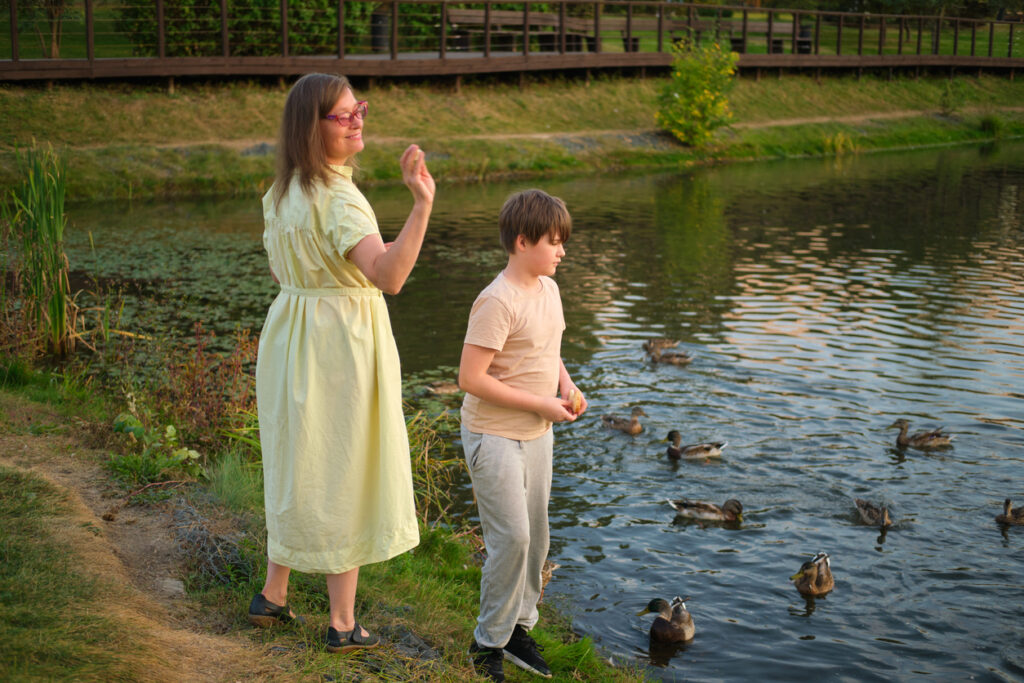
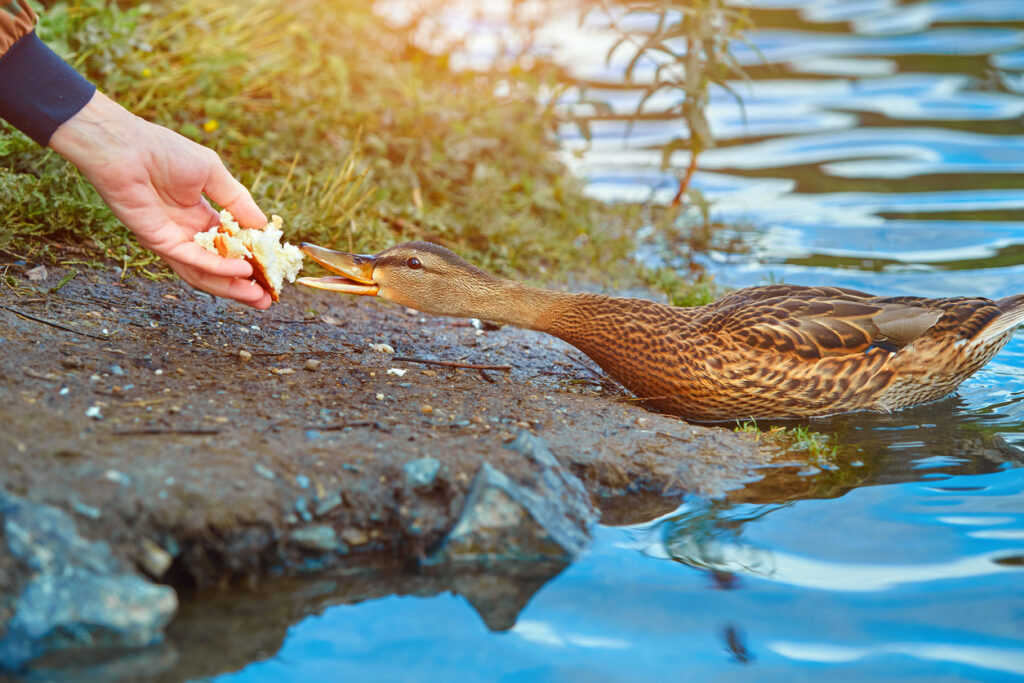
Tossing bread to ducks and swans seems harmless, but it’s illegal in many areas because bread causes malnutrition and a painful condition called angel wing. The birds fill up on empty calories instead of proper nutrition.
That’s why you should bring proper bird food like oats, seeds, or peas if you want to feed waterfowl. Many parks now have signs explaining this, and some councils actively fine people for bread feeding.
2. Taking “abandoned” baby animals home
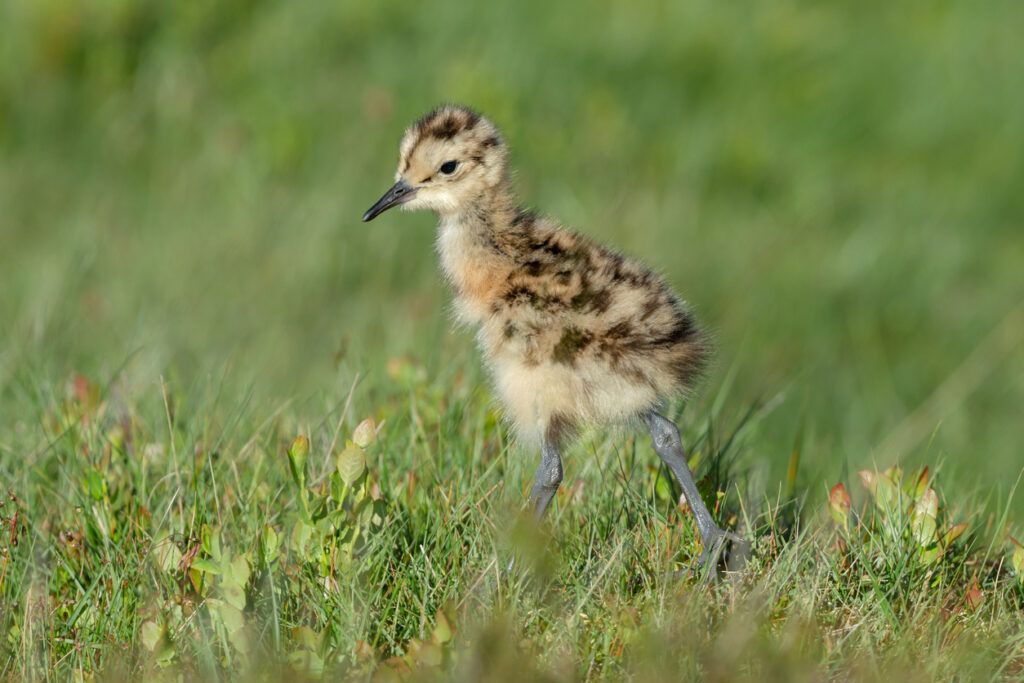
You find a baby bird on the ground or a fawn alone in the woods and assume it needs rescuing. In reality, the parents are usually nearby, and you’ve just committed wildlife theft, which carries serious penalties.
It helps if you observe from a distance first, and only call wildlife rescue if the animal is clearly injured or in danger. Most baby animals that look abandoned are actually fine and waiting for parents to return.
3. Keeping feathers you find during walks
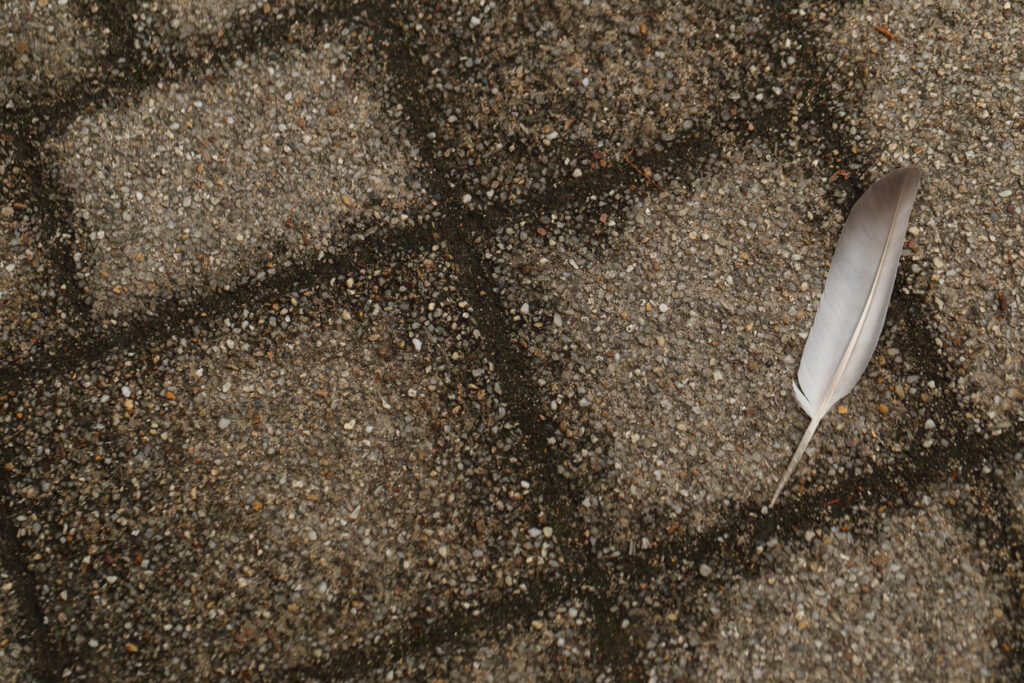
Picking up pretty feathers seems innocent, but it’s illegal to possess feathers from most wild birds due to the Migratory Bird Treaty Act. This includes common birds like robins, crows, and blue jays.
You’ll notice the law exists to prevent historical practices of killing birds for their plumage. Take photos instead of collecting feathers, or stick to feathers from domestic birds like chickens, which are perfectly legal.
4. Relocating wildlife that’s bothering you

You’ve got a squirrel in your attic or rabbits in your garden, so you trap them and release them in the woods. This is illegal in most places without proper permits and often kills the animal by dumping it in unfamiliar territory.
That’s why you need to contact licensed wildlife control professionals who understand territorial behaviour and disease risks. DIY relocation usually just moves your problem to someone else whilst breaking the law.
5. Disturbing nesting birds for photos
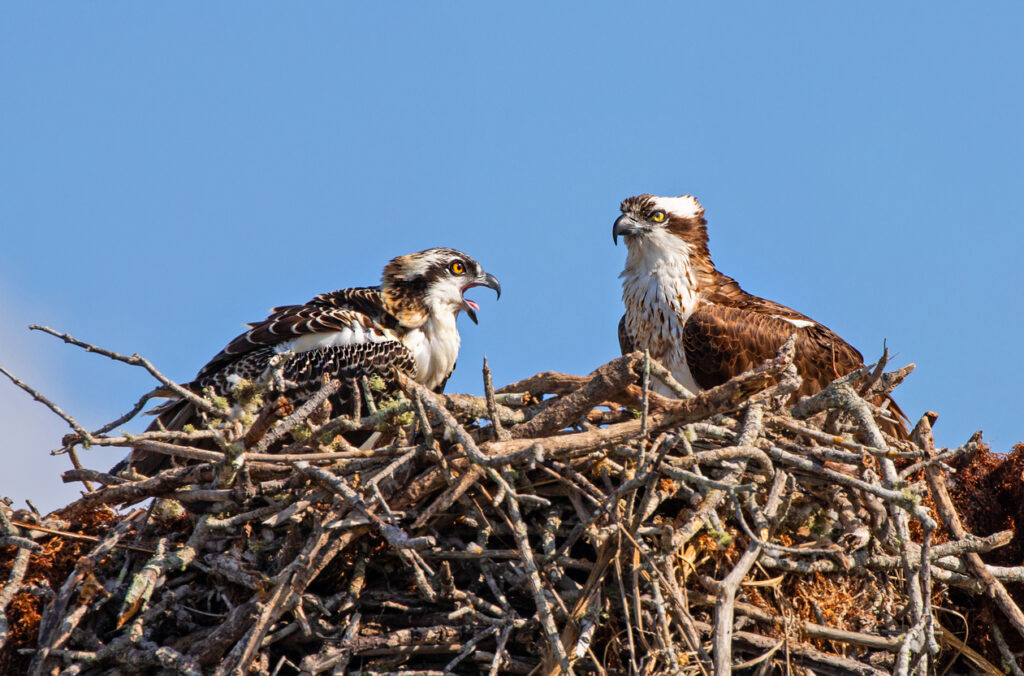
You spot a nest and move branches or get too close for that perfect shot. Disturbing active nests is illegal and can cause parents to abandon eggs or chicks, especially with protected species.
It helps if you use zoom lenses and maintain proper distance. Wildlife photography laws exist because human disturbance is a major cause of nesting failure, even when your intentions are innocent.
6. Bringing home interesting shells from the beach

Collecting shells seems like harmless beachcombing but taking live shells or coral is illegal in many coastal areas. Even empty shells provide homes for hermit crabs and other creatures.
You’ll notice many beaches now have signs about this, though enforcement varies. Take photos of beautiful shells and leave them for the ecosystem and other beachgoers to enjoy.
7. Using rat poison outside where wildlife can access it
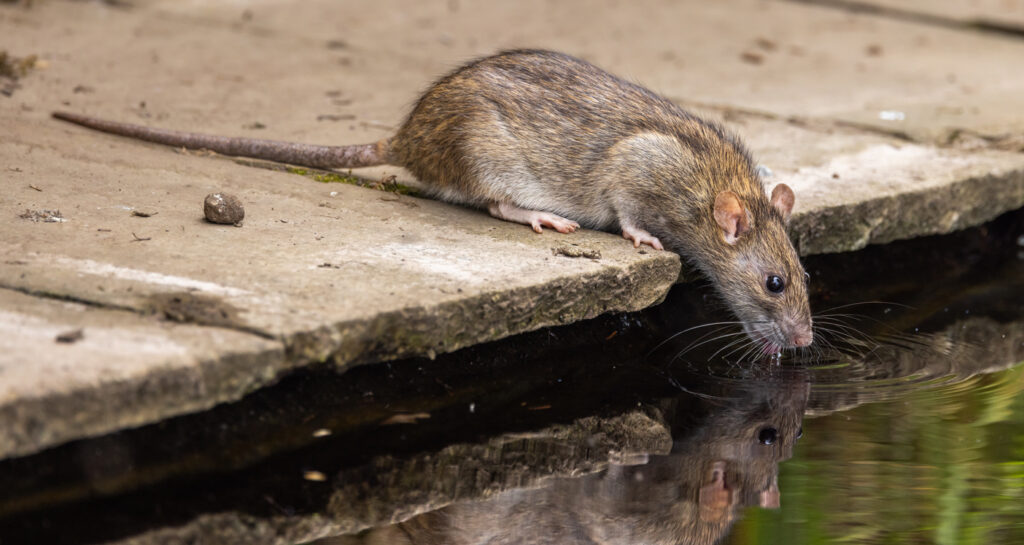
You put out rodenticide to deal with mice or rats, but owls, hawks, foxes, and domestic pets end up poisoned when they eat contaminated prey. Secondary poisoning is illegal in many jurisdictions now.
That’s why you should use snap traps or call pest control professionals who use approved methods. The slow death from poison also affects non-target species throughout the food chain.
8. Touching or harassing marine mammals
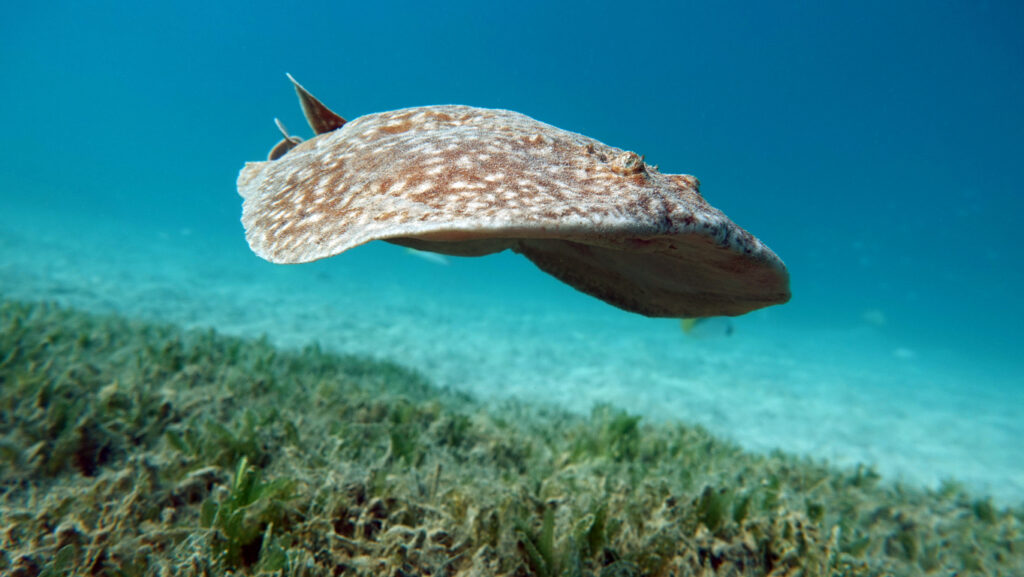
You see a seal on the beach or a dolphin swimming near shore and approach for photos or to check if it’s okay. Getting within a certain distance of marine mammals is a federal offence with hefty fines.
It helps if you stay at least 50 metres away and call wildlife authorities if an animal looks injured or stranded. Your proximity causes stress and can separate mothers from babies, even when you’re trying to help.
9. Keeping wildlife temporarily as pets
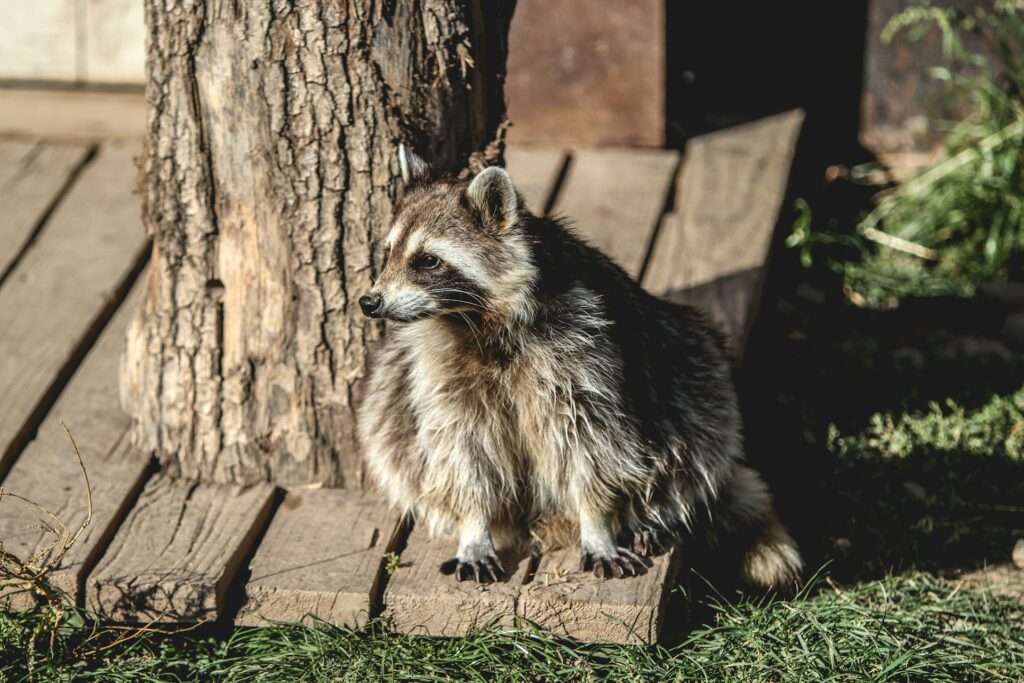
You find an injured animal and keep it while it recovers, or you’re raising a baby bird until it can fly. Possessing wildlife without proper permits is illegal, even with good intentions.
You’ll notice wildlife rehabilitation requires specific licences because improper care often does more harm than good. Contact licensed rehabbers who have the training and legal authority to help.
10. Flying drones near wildlife
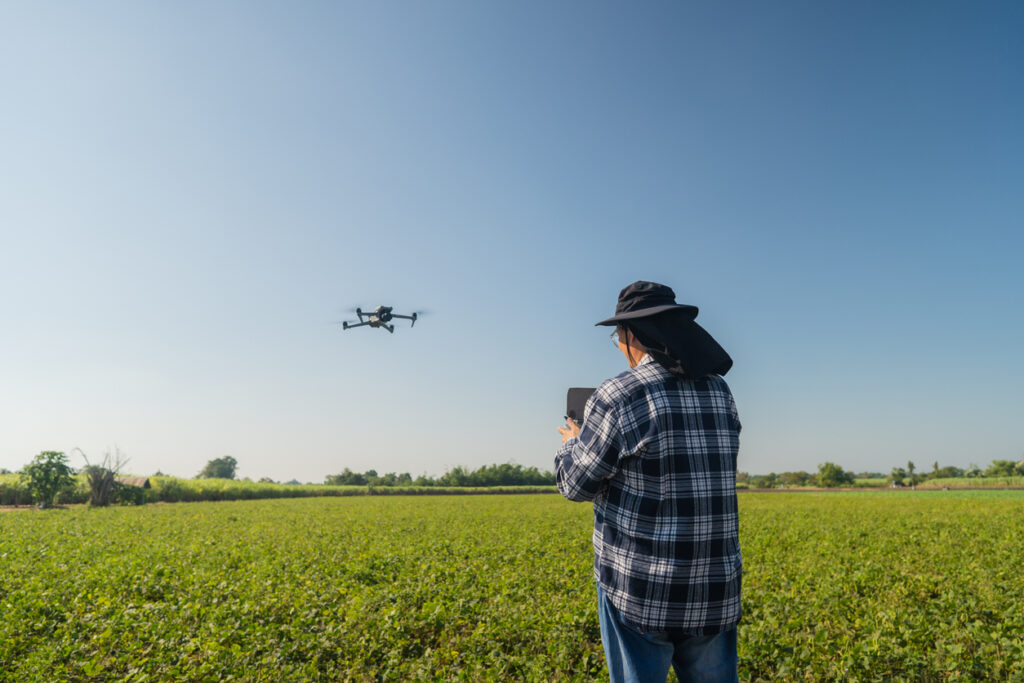
You’re using your drone to film wildlife or checking out bird colonies from above. Drones cause panic in nesting colonies, separate parents from young, and disturb feeding or breeding behaviour.
That’s why many nature reserves and parks now ban drones completely. Check regulations before flying anywhere near wildlife, as disturbing protected species can result in prosecution and substantial fines.
11. Taking home tadpoles or frog eggs
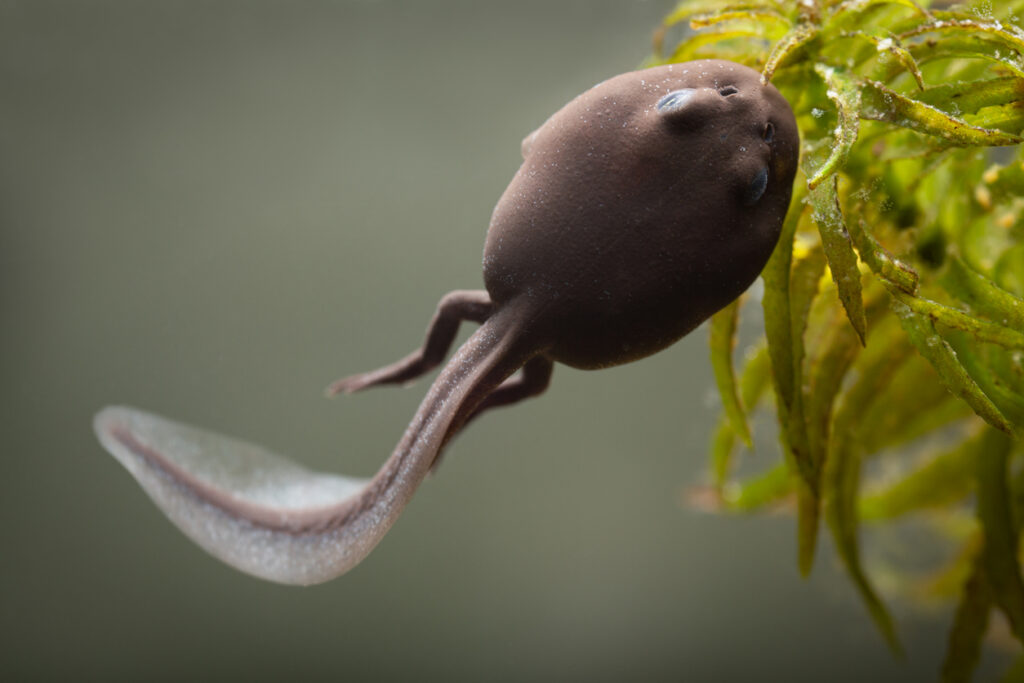
You scoop some tadpoles from a pond to raise at home or for kids to watch develop. Collecting amphibians is illegal in most places because many species are protected due to population declines.
It helps if you visit them in their natural habitat instead or watch educational videos. Amphibians have specific needs you can’t replicate at home, and taking them removes them from struggling populations.
12. Clearing bird nests from your property during nesting season
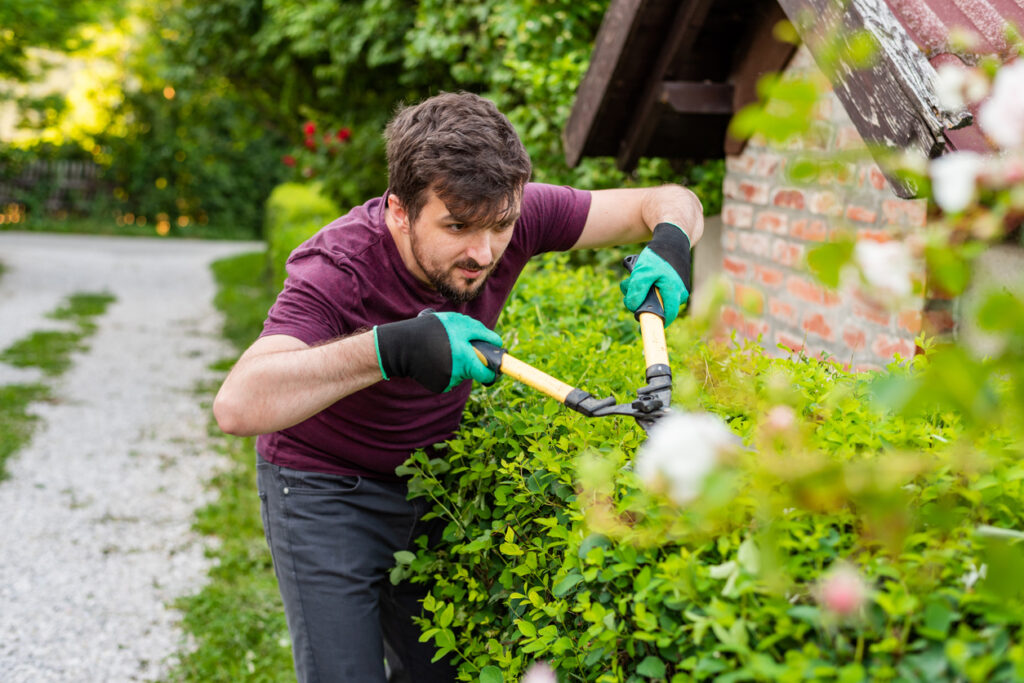
You’ve got birds nesting in an inconvenient spot and remove the nest before they’re done. Destroying active nests is illegal under wildlife protection laws, even on your own property.
You’ll notice you need to wait until babies fledge and parents abandon the nest naturally. Install deterrents before nesting season starts if you want to prevent birds from choosing that spot next year.
13. Using sticky traps for rodents outdoors

Glue traps catch more than just rodents when used outside. Protected birds, beneficial snakes, and other wildlife get stuck and die slowly, making these traps illegal in many areas.
That’s why you should only use species-specific traps placed where non-target animals can’t access them. The cruelty of glue traps has led to bans in several jurisdictions, even for indoor use.
14. Releasing pet fish or turtles into wild waters
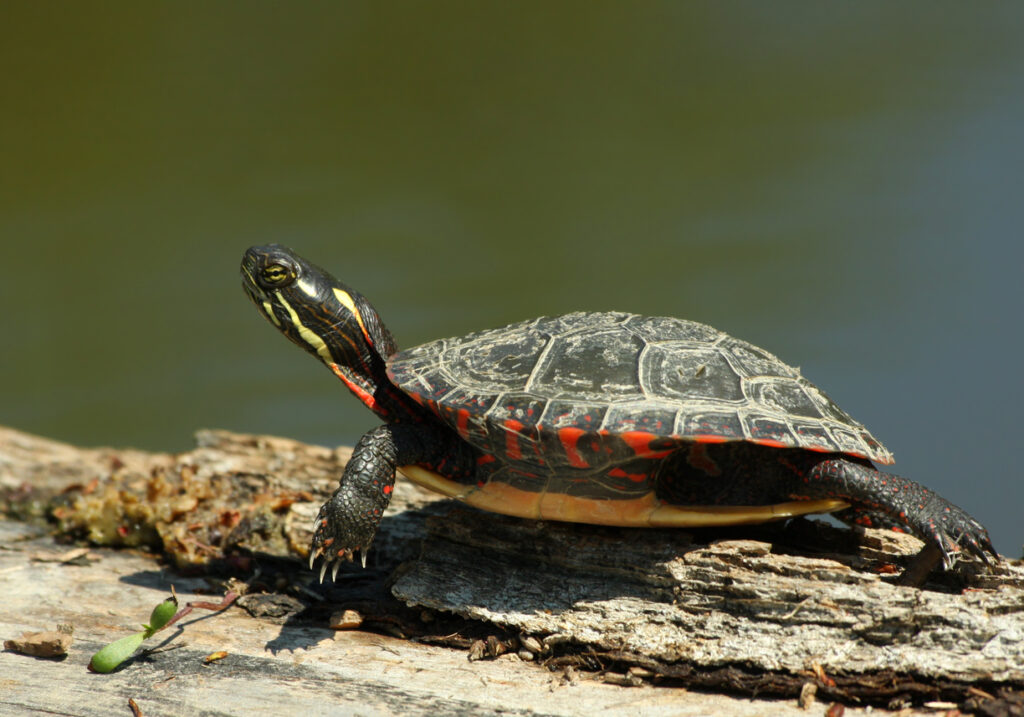
Your goldfish outgrew the tank, or you can’t keep your turtle anymore, so you release it into a local pond thinking you’re being kind. Releasing non-native species is illegal and environmentally devastating.
It helps if you rehome pets properly through rescue organisations or pet shops. Released pets often carry diseases, compete with native species, or become invasive themselves, causing ecological damage.
15. Picking wildflowers from protected areas
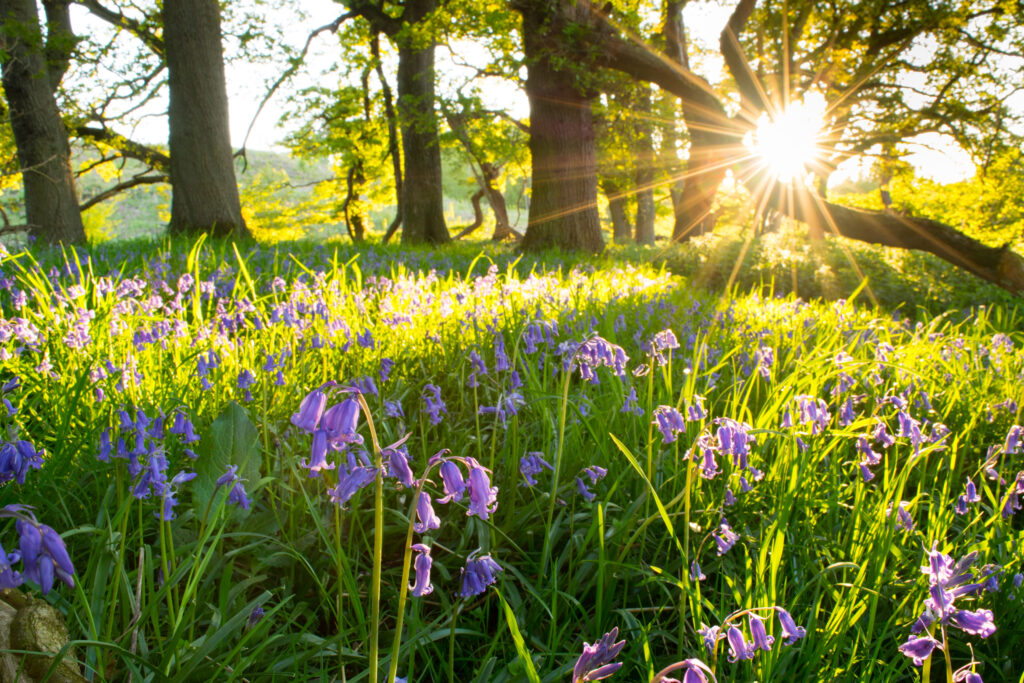
You see beautiful wildflowers on a walk and pick a small bouquet. Many wildflowers are protected species, and picking them is illegal in nature reserves, national parks, and sometimes even along roadways.
You’ll notice some species like bluebells are specifically protected by law because picking damages the bulb and prevents seeds from forming. Take photos instead, and leave flowers for others to enjoy and for ecosystems to thrive.