Recent research comparing 61 countries has revealed some surprising results about where people feel most connected to nature.
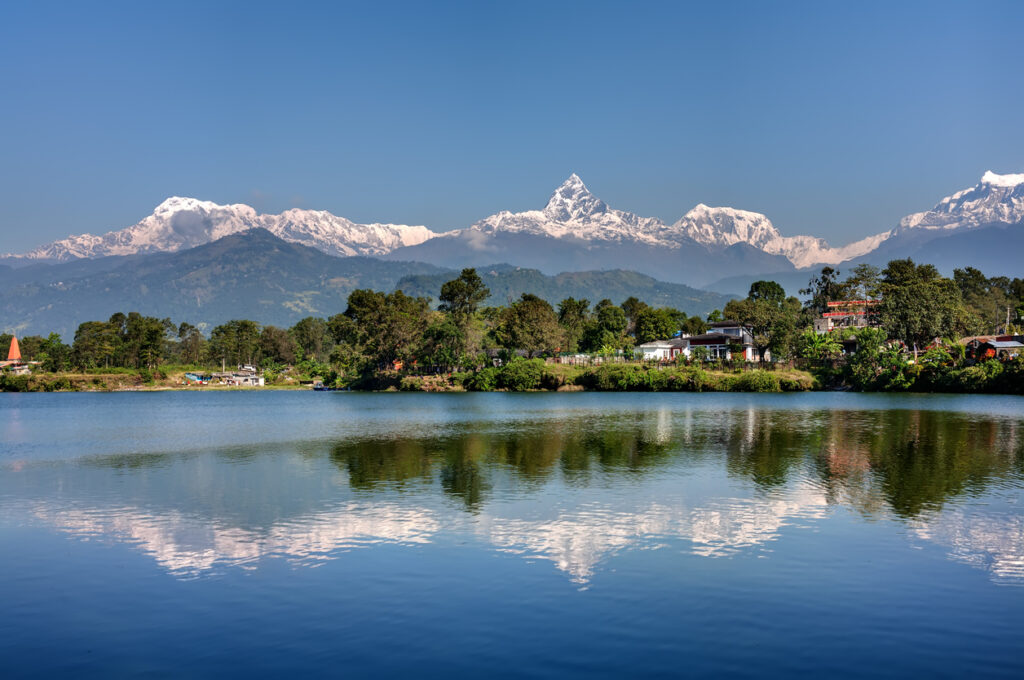
It turns out that emotional ties to the natural world don’t depend on wealth or technology but on culture, daily life, and how people see their place within the environment. Here are some of the countries whose citizens’ relationships with the natural world is the strongest.
1. Nepal
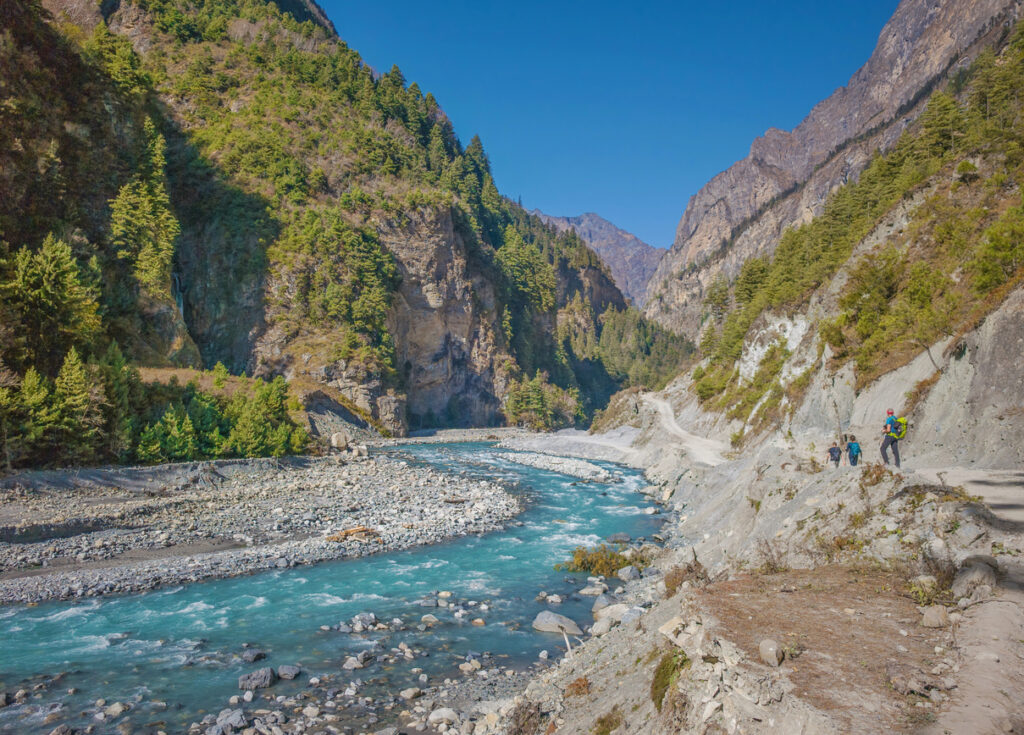
Nepal ranked at the top of the global study for nature connection. The country’s mountain landscapes, spiritual traditions, and rural lifestyle create a natural harmony between people and the world around them. Nature isn’t something separate; it’s part of daily existence.
For many Nepalese, living among the Himalayas reinforces a deep respect for the environment. Their relationship with the land runs through religion, culture, and routine, helping them feel part of nature rather than visitors in it.
2. Iran
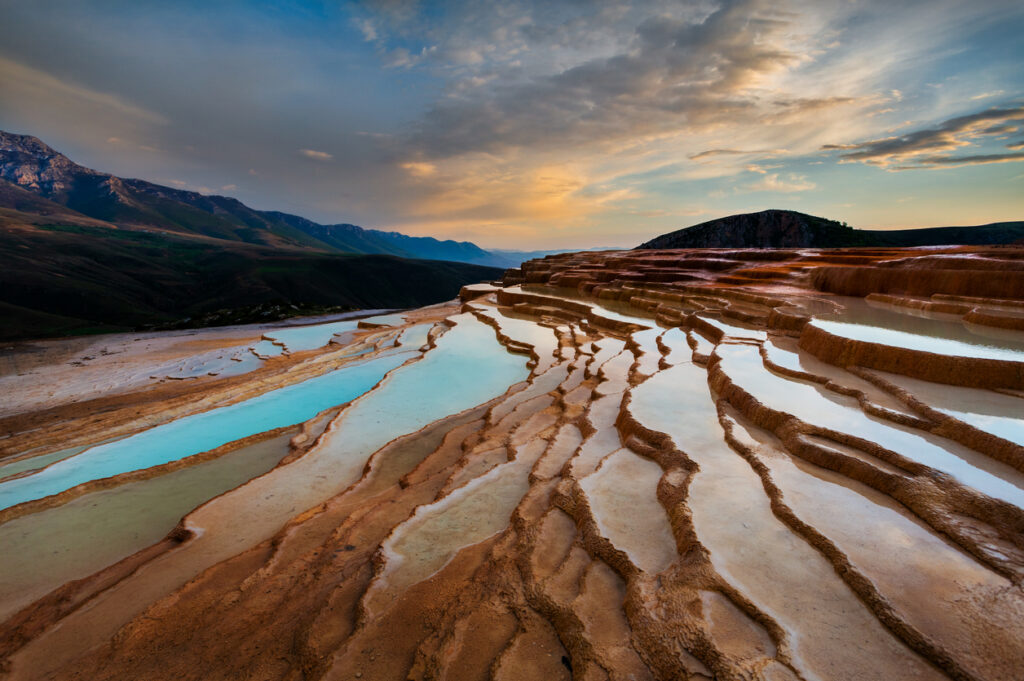
Iran placed second, reflecting the country’s mix of traditional living and cultural reverence for the natural world. From deserts to mountains, Iranians have long viewed nature as a source of spiritual balance and inspiration rather than simply a resource to use.
That sense of connection is strengthened by deep-rooted customs that celebrate the seasons and the elements. The result is a country where people still feel emotionally and spiritually tied to the environment despite rapid modernisation.
3. South Africa
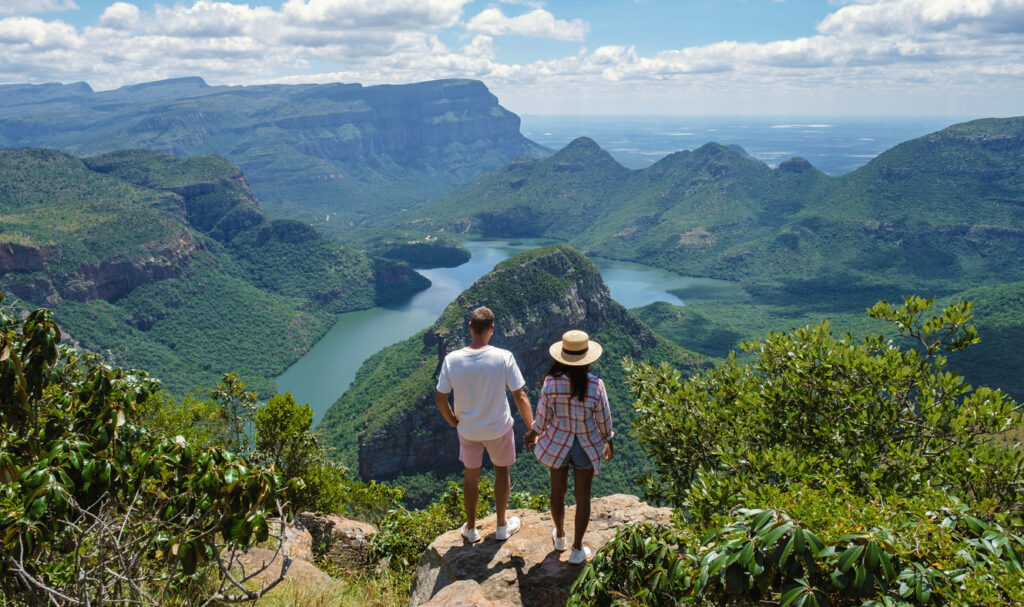
South Africa’s diverse ecosystems help its people maintain a powerful bond with nature. From grasslands to coastlines, the landscape shapes identity, traditions, and daily activities in ways that keep the environment close to home and heart.
Even in growing cities, there’s a strong awareness of nature’s presence and importance. South Africans often describe time outdoors as essential, not optional, reinforcing a balance between modern life and natural rhythm.
4. Bangladesh
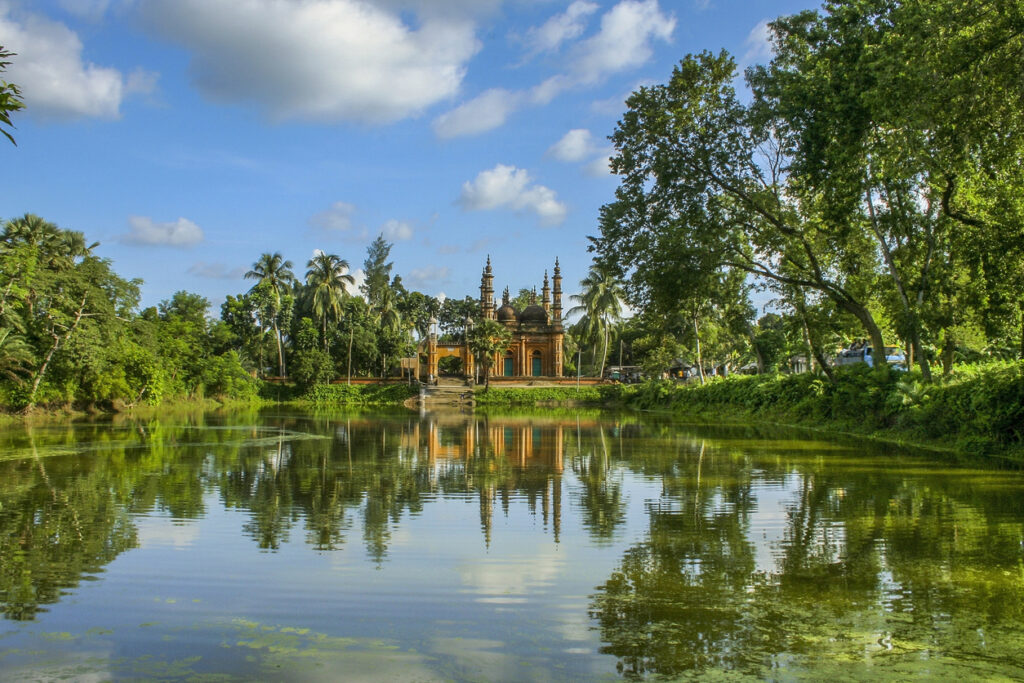
Bangladesh ranked high despite its dense population and frequent environmental challenges. The connection comes from community life that still revolves around rivers, fields, and changing weather patterns, keeping nature at the centre of daily living.
Many people here grow up with an appreciation for land and water, treating both as living parts of their story. That close relationship fosters respect, resourcefulness, and an instinctive sense of belonging to the earth.
5. Nigeria
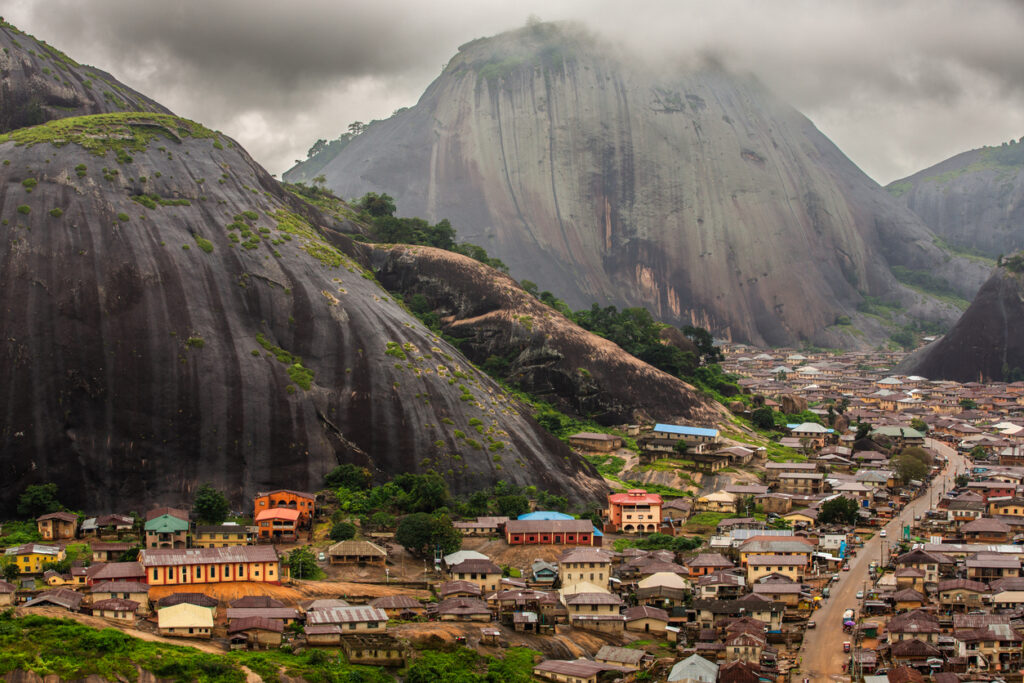
Nigeria’s strong cultural ties to the land give it a prominent place in the top five. Nature features in stories, ceremonies, and family life, helping people stay grounded in the idea that humans and the environment are deeply connected.
That mindset helps maintain traditions of community farming, local conservation, and living in balance with natural resources. The relationship is practical but also emotional, rooted in pride and respect for the earth that sustains them.
6. Chile
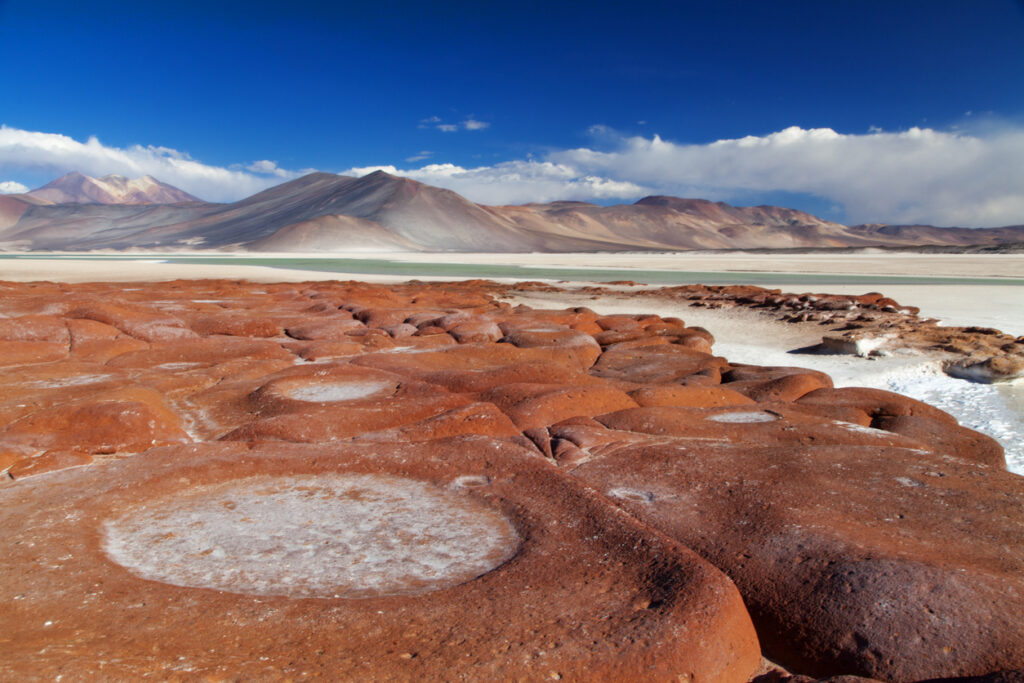
Chile’s long stretch of coast, glaciers, and mountains means the natural world is always close by. The variety of landscapes shapes how people see themselves: resilient, adaptive, and deeply connected to their surroundings.
Outdoor life is second nature here, with hiking, fishing, and farming all woven into everyday routine. Nature is more than scenery; it’s the rhythm that guides much of Chilean life and identity.
7. Croatia
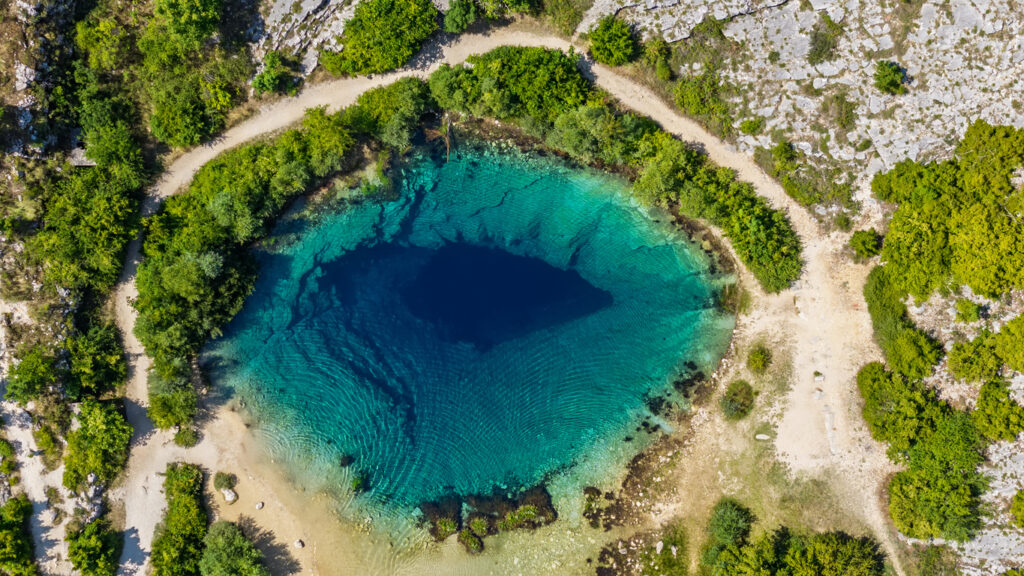
Croatia stands out as one of Europe’s most nature-connected nations. The Adriatic coastline, forested mountains, and island life all contribute to a culture that values time outdoors and the health benefits that come with it.
Even city dwellers tend to have regular contact with nature through beaches, parks, and weekend trips. The connection feels built into the national character: a mix of appreciation, respect, and genuine enjoyment of natural spaces.
8. Ghana
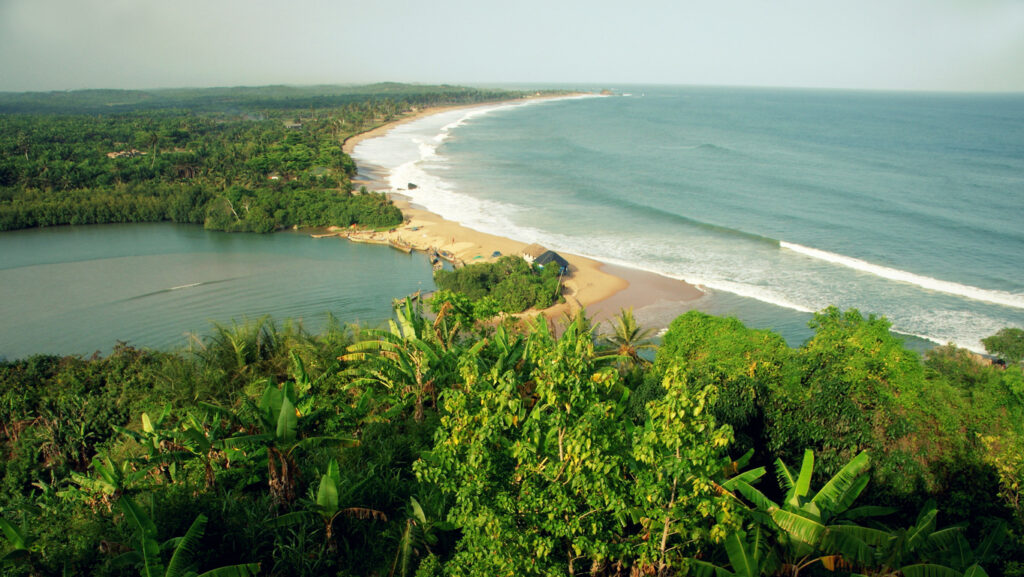
Ghana’s people share a powerful bond with nature rooted in tradition and community. The land is often seen as sacred, with rituals and customs that highlight respect for forests, rivers, and wildlife. This relationship extends beyond belief; it’s a way of living.
Generations grow up learning that nature deserves care and gratitude. This deep respect strengthens a sense of belonging that technology and urbanisation have yet to erase.
9. Bulgaria
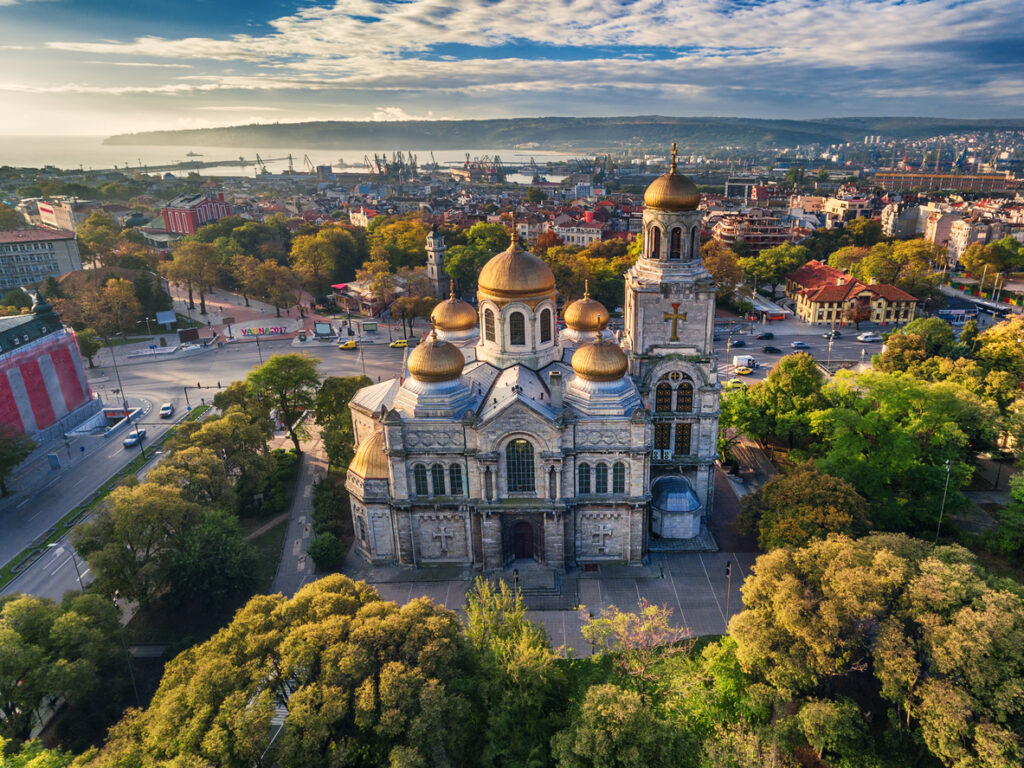
Bulgaria’s mountain villages, forests, and natural springs give its residents easy access to the outdoors. Rural traditions remain strong, and many families still grow their own food or forage in the wild.
This ongoing closeness to the land has helped preserve a deep environmental awareness. For many Bulgarians, nature isn’t a luxury. Instead, it’s a companion in daily life that offers both peace and perspective.
10. Tunisia
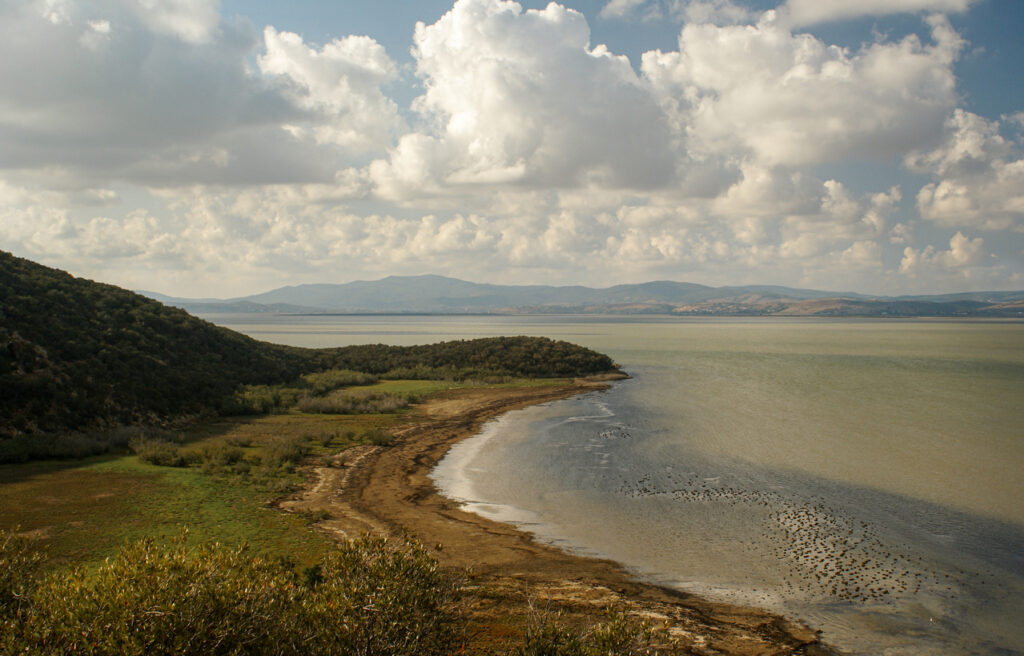
Tunisia rounds out the top ten, with a connection to nature rooted in ancient culture. Desert life, olive farming, and coastal living all play a role in shaping how people experience and value the natural world.
Despite growing urban areas, there remains a clear cultural thread that ties people to their land. That enduring respect for soil, sea, and sun reflects a relationship that has survived centuries of change.
11. Kenya
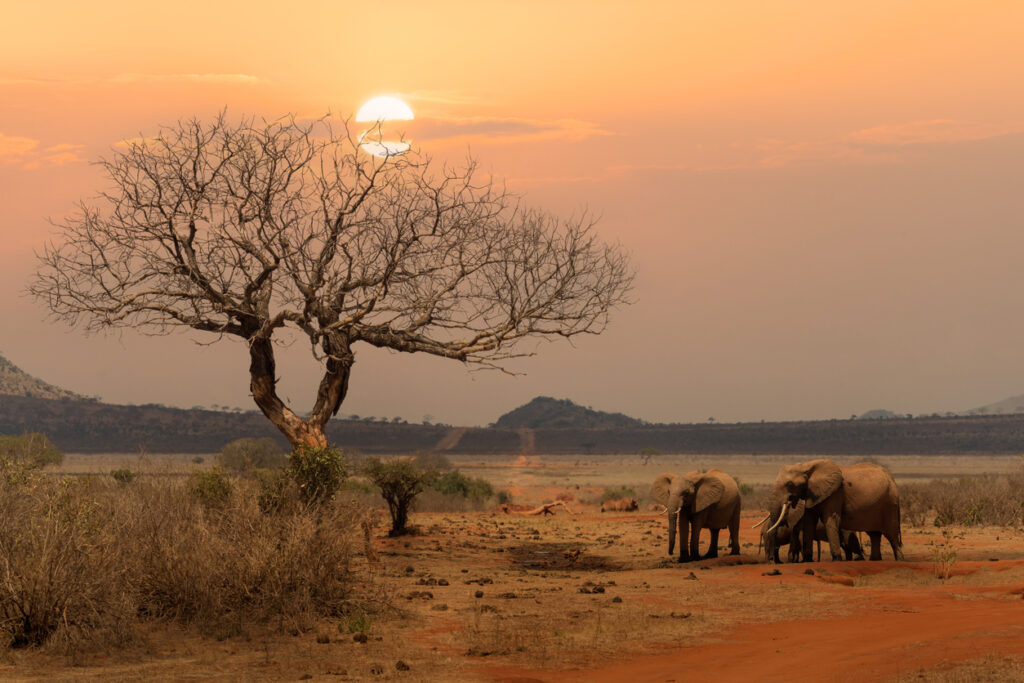
Kenya’s vast wildlife reserves and rural communities keep people closely tied to nature. Many Kenyans grow up near open landscapes, learning early that protecting the environment is vital to the nation’s heritage and survival.
This respect extends to everyday life, from sustainable farming to tourism built around conservation. For many, nature isn’t a destination, it’s home.
12. Indonesia
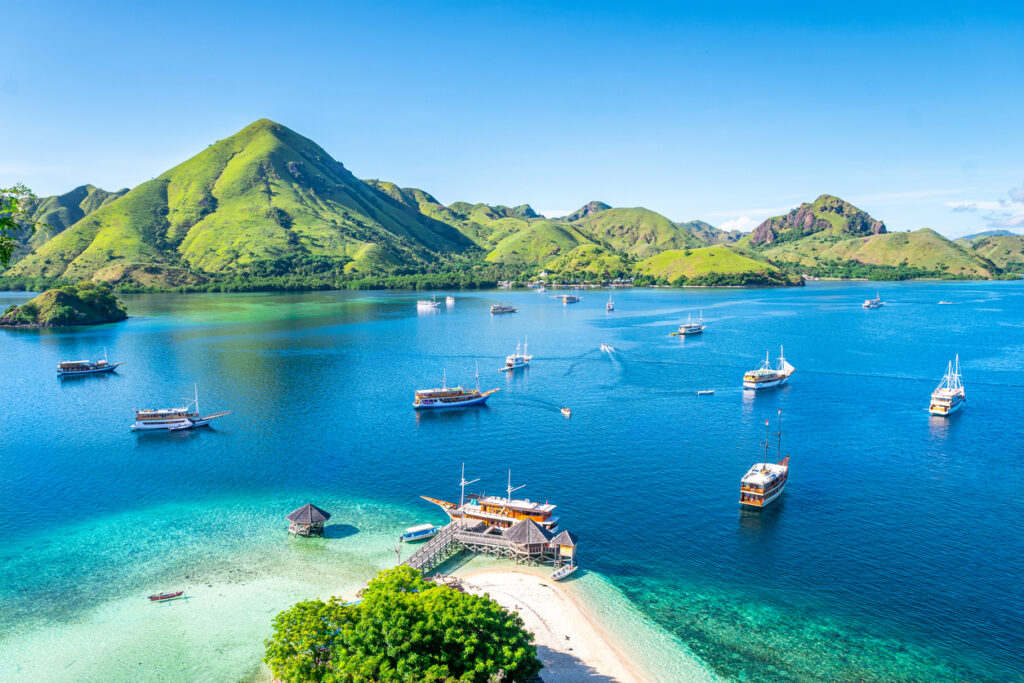
Indonesia’s islands offer lush rainforests, volcanic mountains, and coral reefs, all of which play a part in shaping how people live. Spiritual beliefs across the country include respect for natural spirits and balance within the ecosystem.
Living among such variety keeps nature close in both practical and emotional ways. The landscape isn’t just backdrop; it’s a living, breathing part of culture and faith.
13. Vietnam
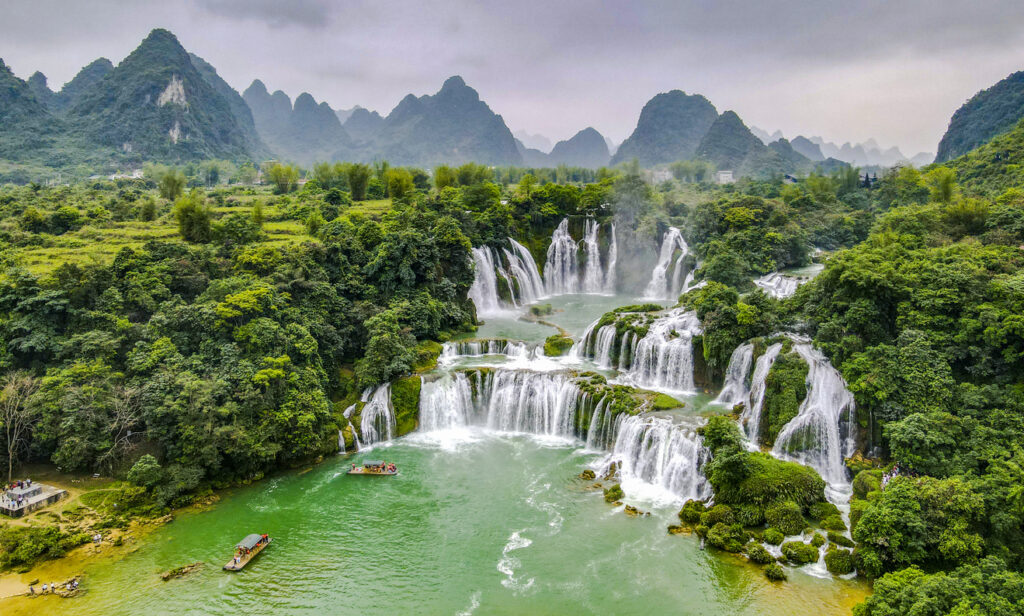
Vietnam combines strong rural roots with deep environmental awareness. Farming and fishing remain central to community life, and many traditional practices emphasise balance with the natural world rather than domination of it.
This long-standing relationship with land and water fosters both gratitude and responsibility. Even as cities expand, the countryside’s rhythms continue to shape how people think about nature and themselves.
14. New Zealand
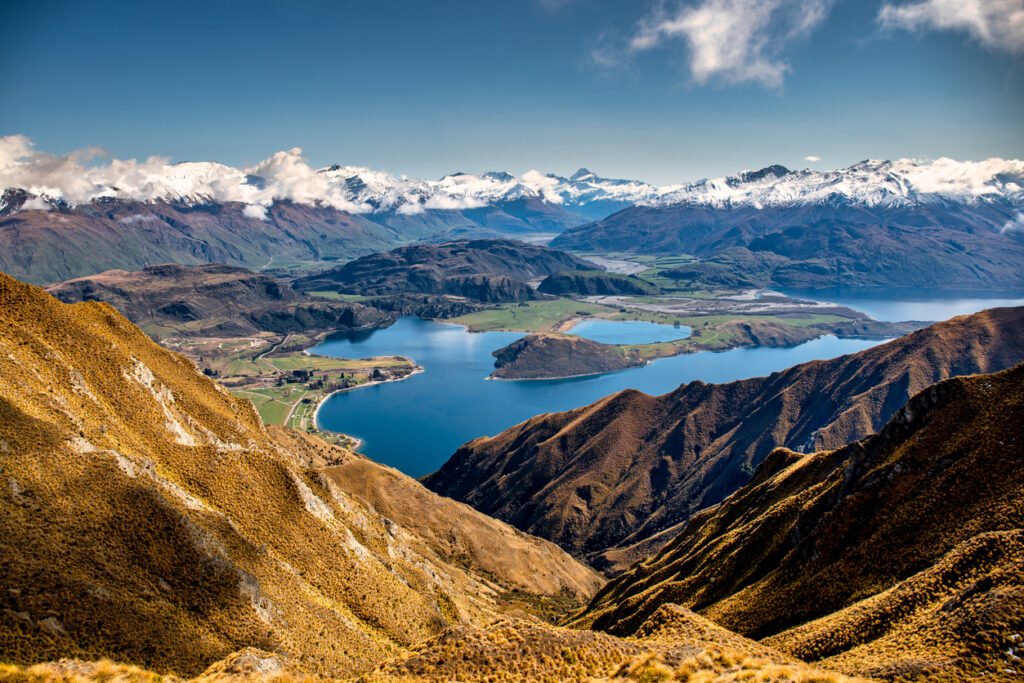
New Zealand’s identity is deeply linked to its natural beauty. From mountains to beaches, outdoor life defines much of the culture. The Māori worldview, which sees people and land as connected, continues to influence modern environmental values.
This national pride in nature leads to strong conservation efforts and a general sense of guardianship. Nature isn’t just admired; it’s protected and shared with care.
15. Costa Rica
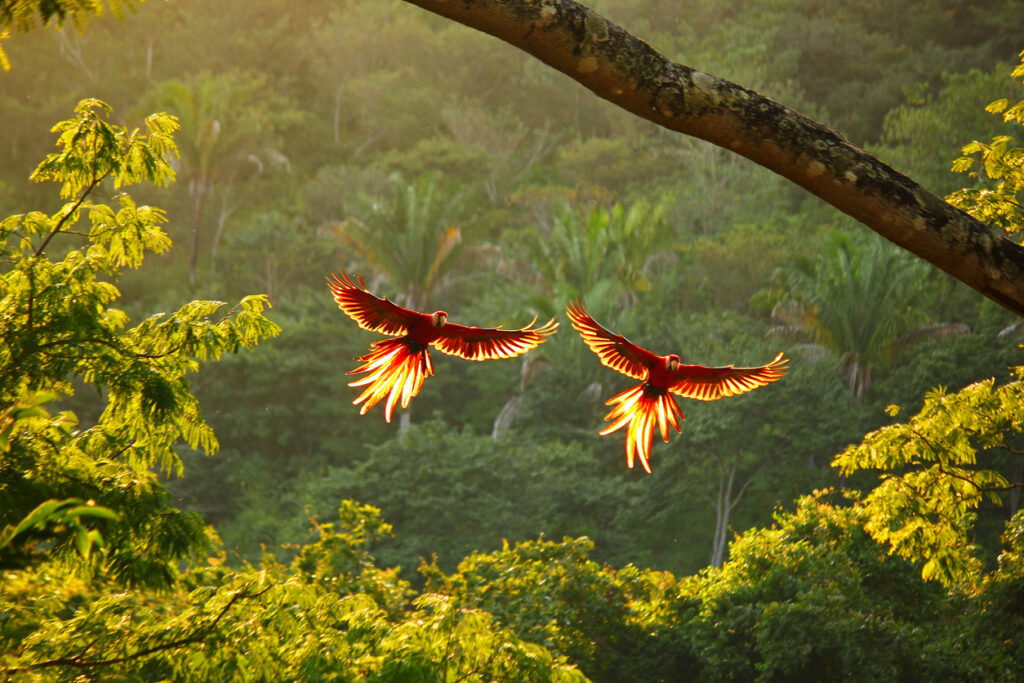
Costa Rica is known globally for sustainability and biodiversity. Its commitment to protecting rainforests and wildlife has made nature central to daily life and national identity. The connection here is as much about action as appreciation.
Eco-tourism, reforestation, and education all reinforce the idea that nature’s health and human happiness go hand in hand. People don’t just love nature. They live alongside it with respect and purpose.