It sounds like something out of a film, digging a hole for a new flower bed and unearthing something that looks suspiciously ancient.
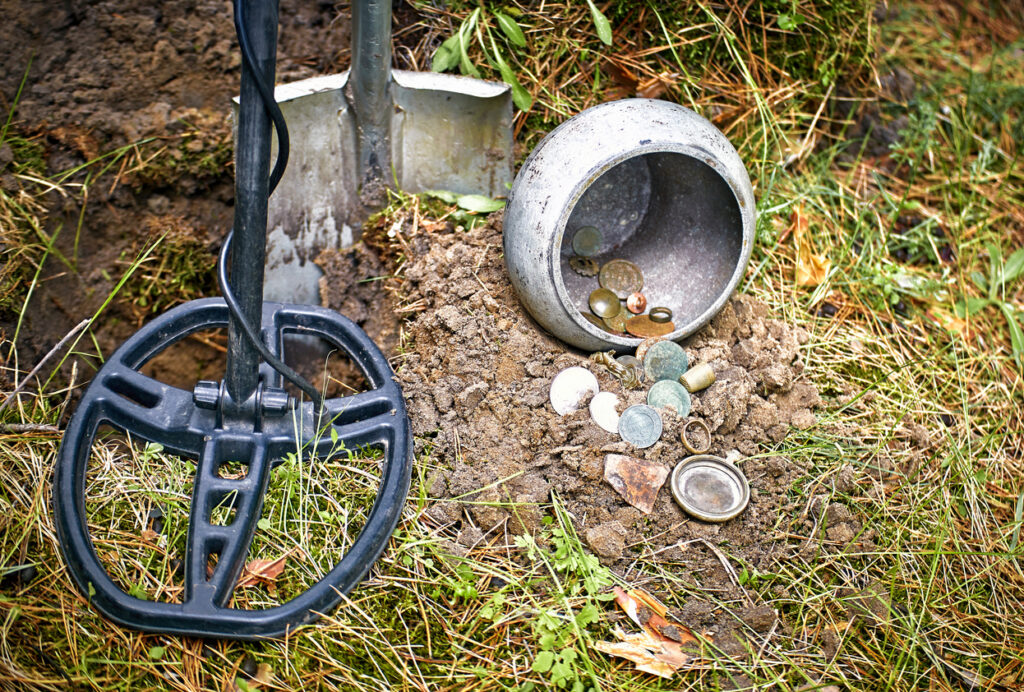
However, it happens more often than you’d think. The UK’s layers of history run deep, and plenty of people have stumbled across pottery, coins, weapons, or even human remains while gardening or renovating. When that happens, it’s not just an exciting discovery; it also comes with serious legal and ethical responsibilities.
If you ever find something that looks genuinely old or unusual, the most important thing is to stop digging. Artefacts and remains are protected by strict laws, and disturbing them can destroy valuable historical context. You’ll need to contact your local museum, archaeologist, or the police, depending on what you’ve found. It might sound like a hassle, but those small fragments could tell a story thousands of years old, and handled properly, your garden could end up adding to Britain’s incredible archaeological record.
You have to report certain finds within 14 days.
If you find something that might be treasure, you’ve got two weeks to tell your local coroner. This isn’t optional, it’s the law under the Treasure Act 1996. Treasure basically means precious metals or objects over 300 years old found together. If you don’t report it, you could get fined or even go to prison for up to three months.
Not everything counts as treasure, though.
A single coin isn’t treasure. Neither is one brooch, or a random bit of pottery. It needs to be multiple coins or objects, or something made of gold or silver. That means loads of interesting stuff you might dig up doesn’t legally count as treasure at all. You still might want to report it, but you’re not breaking the law if you don’t.
Human bones change everything immediately.
If you find what looks like human remains, stop digging straight away and call the police. They need to work out if it’s recent or ancient. Even if the bones turn out to be hundreds of years old, disturbing them without permission can be illegal. The police will bring in experts to figure out what you’ve found and how old it is.
You might not get to keep what you find.
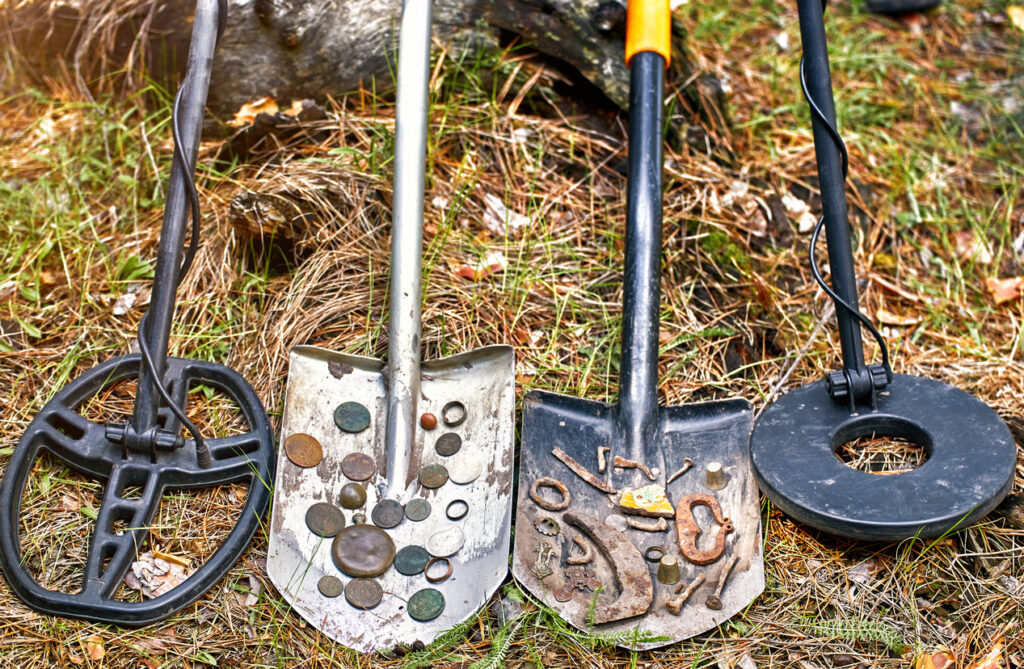
Just because it’s in your garden doesn’t mean it’s yours. If it’s declared treasure, museums get first dibs on buying it from you. You’ll get paid the market value if they want it, but you can’t just stick it on eBay. The British Museum or local museums have the right to purchase it before anyone else can.
Your garden could become an archaeological site.
If what you’ve found is significant enough, archaeologists might want to come and dig up your whole garden properly. You can say no, but they might be quite pushy about it. In extreme cases, your garden could even get scheduled as an ancient monument, which means you need permission to do basically anything with it. This is rare, but it does happen.
Metal detectorists have found some of the biggest treasures.
That famous Staffordshire Hoard worth millions was found by a bloke with a metal detector in a field. Garden finds can be just as valuable. If you’re planning to metal detect in your own garden, you don’t need permission. But if you find treasure, the same reporting rules apply to you as to someone who’s just digging.
The finder’s reward can be life-changing money.
When museums buy treasure from you, the money gets split between you and the landowner if you don’t own the land. Some finds have made people hundreds of thousands of pounds. The valuation is done by experts who work out what it’s worth. You don’t get to name your price, but the system’s meant to be fair, so people keep reporting finds instead of hiding them.
Roman stuff turns up in gardens all the time.
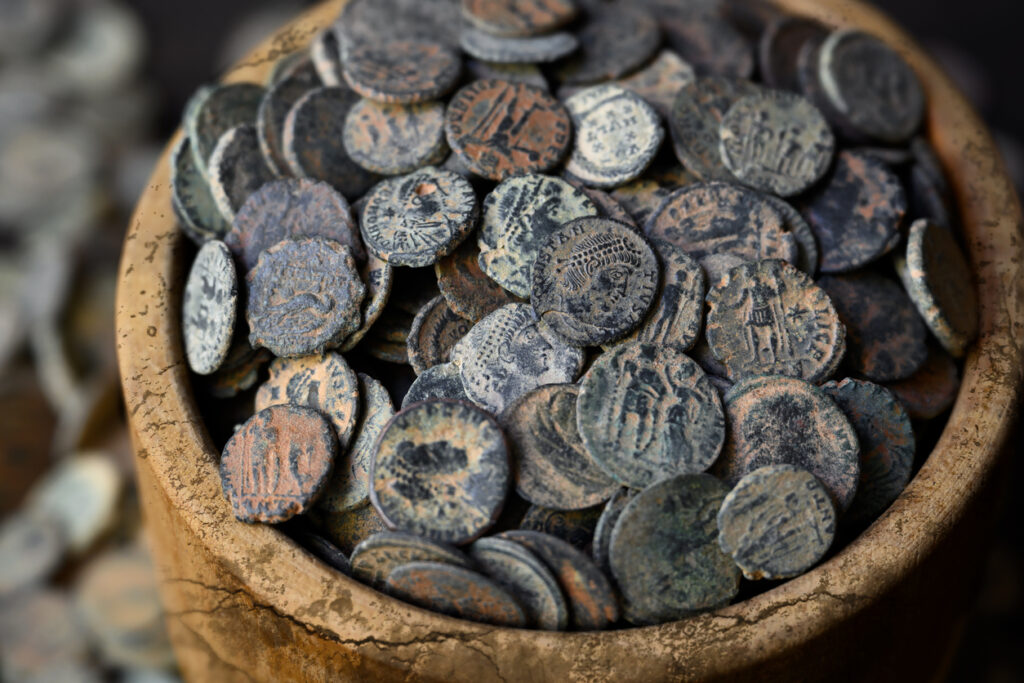
Britain was part of the Roman Empire for about 400 years, so Roman coins, pottery, and building materials are pretty common finds, especially in certain parts of the country. Most Roman finds aren’t treasure because they’re not precious metal. However, they’re still historically interesting, and local museums often want to know about them even if they can’t pay you for them.
Medieval finds are more likely to be treasure.
Medieval people buried valuables during wars and invasions, and loads of these hoards were never recovered. Your garden might be sitting on top of someone’s emergency stash from 800 years ago. Silver coins from medieval times are particularly common treasure finds. People would bury their savings and then die before they could dig them up again.
You need to contact the Portable Antiquities Scheme.
This is a government scheme that records archaeological finds made by the public. They’ve got officers all over the country who can help you identify what you’ve found. They’re usually really helpful and won’t judge you for not knowing what you’ve got. Their job is to record finds and help with the treasure process if needed.
Building work uncovers more finds than casual digging.
When people extend their houses or dig foundations for sheds, they go deeper than normal gardening. That’s when the interesting stuff turns up. If you’re planning major work, and you live in an area that’s historically significant, it’s worth checking if you need an archaeological survey first. Some councils require this before they’ll give planning permission.
Stone Age tools count as treasure now too.
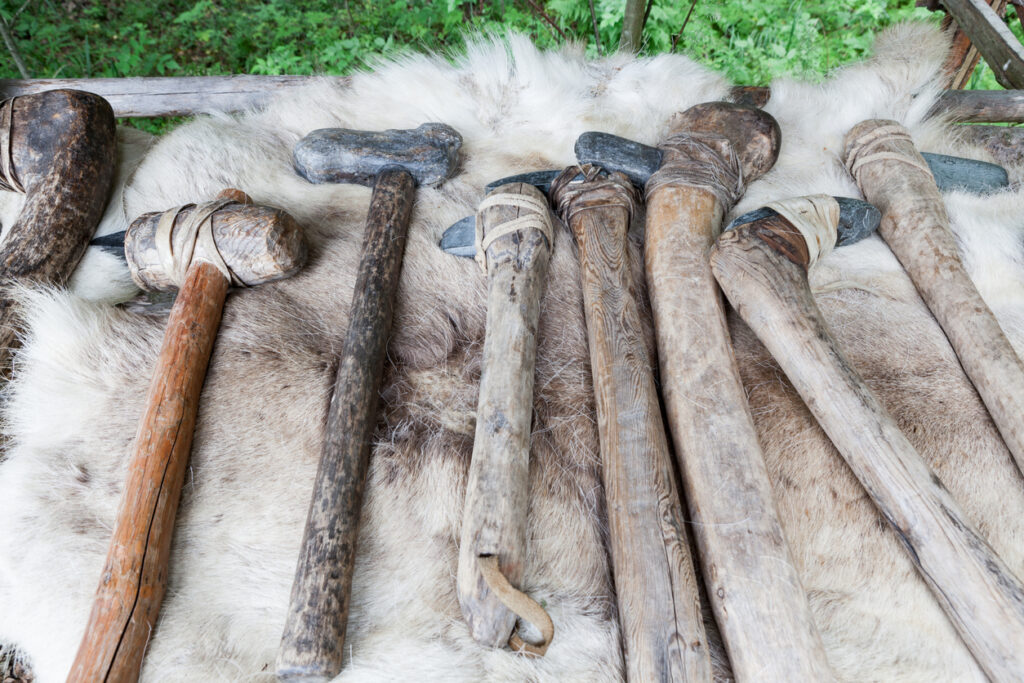
The rules changed in 2024 to include prehistoric objects. Flint tools, Bronze Age axes, that sort of thing all need reporting now if they’re found together. Before this change, loads of prehistoric stuff wasn’t protected. Now it is, which means you need to be more careful about what you do with Stone Age and Bronze Age finds.
Saxon burials are surprisingly common.
The Saxons buried people with their possessions, which means jewellery, weapons, and other objects turn up with human remains. These are almost always treasure. If you find what looks like a grave with objects in it, definitely stop and call someone. These sites can tell us loads about how people lived over a thousand years ago.
You can’t just clean things up however you want.
That crusty old coin might be worth loads more if you leave it alone. Cleaning finds the wrong way can destroy important details and tank the value. Experts have proper ways of cleaning and preserving things. If you scrub something with a wire brush, you might ruin something that could have been properly conserved and studied.
Your insurance might not cover you if something goes wrong.
If archaeologists damage your garden during a dig, who pays? If you injure yourself digging up something valuable, are you covered? These are murky areas. It’s worth checking your home insurance policy before you start any serious digging project. Some policies have specific clauses about archaeological finds and related damage.
Local history groups often know about your area.
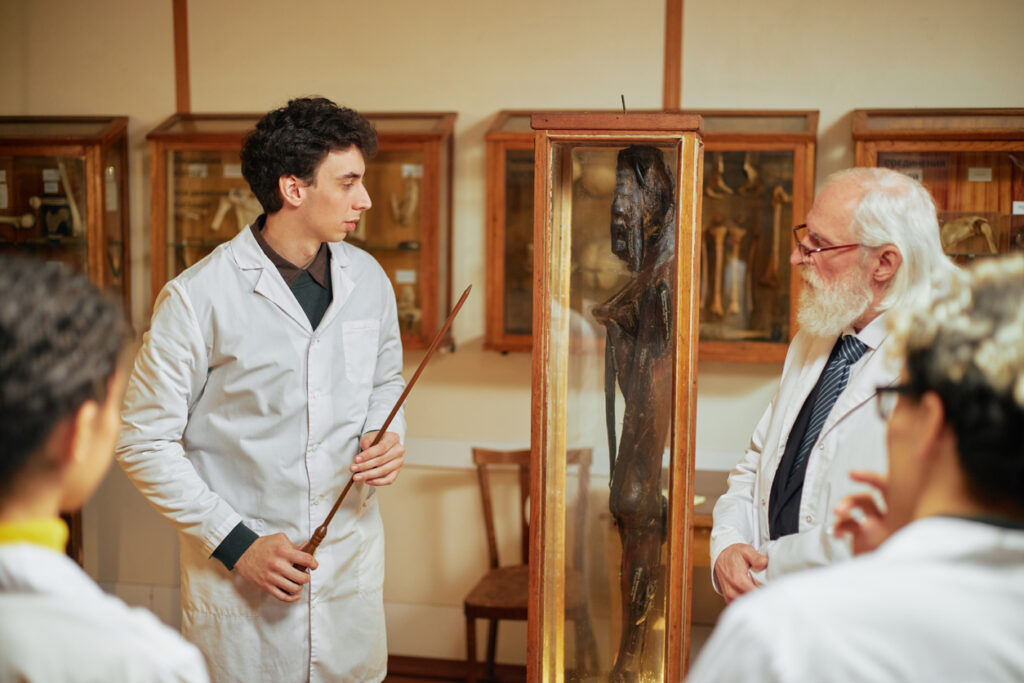
Your town probably has people who’ve studied its history for decades. They might know if your street was built on old Roman roads or medieval fields. Talking to them before you dig can give you a heads up about what you might find. They’re usually enthusiastic about new discoveries and happy to help identify things.
The process can take months or even years.
From finding something to actually getting paid if it’s treasure, expect it to take ages. There are inquests, valuations, and museums deciding if they want to buy it. Some people wait over a year to find out the outcome. The system works, but it’s not quick, so don’t expect instant money even if you’ve found something brilliant.
Taking finds abroad without permission is illegal.
You can’t just pop your Roman coins in your suitcase and take them to Spain. Exporting archaeological objects needs a licence from the government. If you try to smuggle things out, customs can seize them and you could face serious charges. The rules are there to stop Britain’s history from disappearing overseas.
Your local museum might display what you found.
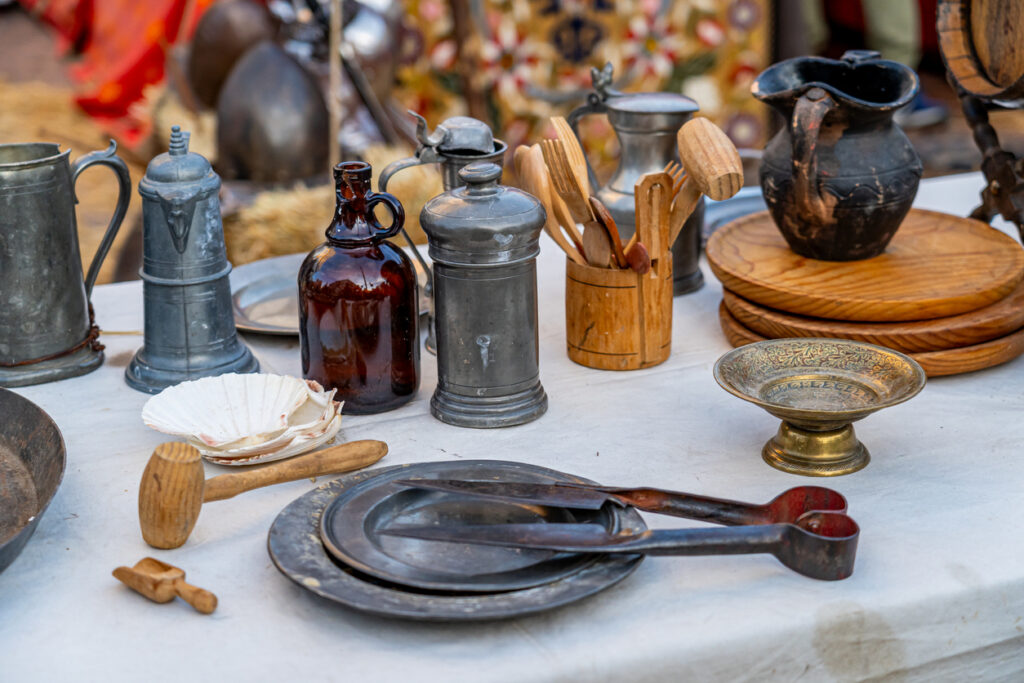
Even if your find isn’t treasure, local museums sometimes want to exhibit interesting objects found in their area. You might get to see your garden’s history on display. Some finders love this because it means their discovery helps teach people about local history. Others prefer to keep things private. It’s usually your choice if it’s not treasure.
Most garden finds are actually quite recent.
That weird metal thing is probably part of a Victorian drain. The pottery’s likely from the 1800s. The coins are probably modern. Most stuff isn’t ancient at all. Don’t get too excited until you’ve had it properly identified. The internet’s full of people thinking they’ve found Roman gold when it’s actually a 1970s button. Get expert opinions before you start imagining treasure.