Every spring, British gardeners roll up their sleeves with high hopes and a stubborn streak.
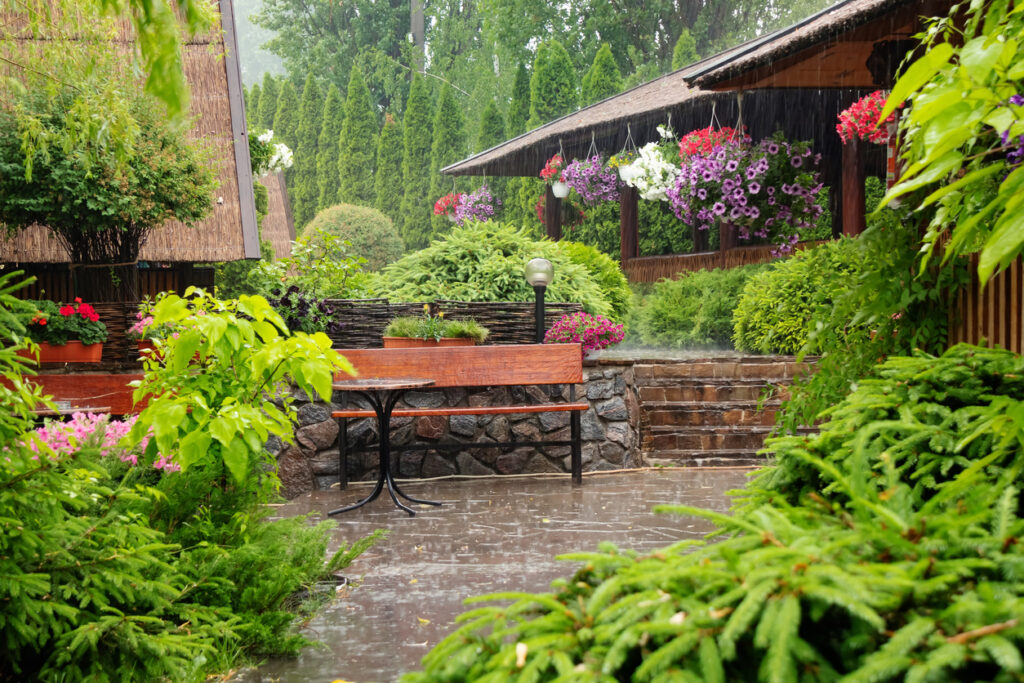
We convince ourselves that this year, somehow, the climate will play along, that the drizzle will hold off, the frost won’t bite, and the sun will stick around just long enough to make those exotic blooms thrive. But the reality? The UK’s weather has other plans.
Despite the endless rain, unpredictable cold snaps, and short summers, we keep trying to grow plants that belong in far warmer, drier places. They look amazing in catalogues and on Pinterest, but most end up miserable in soggy soil or wilting under grey skies. It’s part optimism, part denial, and entirely British. Still, there’s something endearing about the determination. Even when the weather ruins our best efforts, we’re already plotting what to plant next year.
1. Lavender from warmer climates
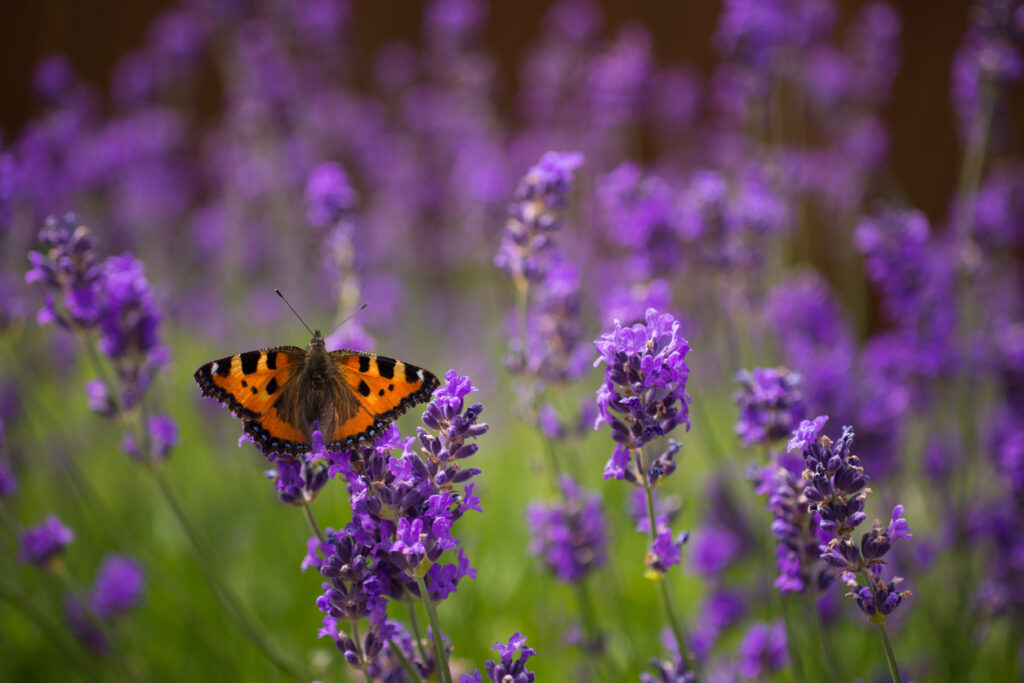
Lavender looks at home in every cottage garden photo, but in reality, it hates soggy British winters. Native to the dry Mediterranean, it prefers hot sun and fast-draining soil, not cold rain and damp roots. In mild southern regions, it can survive if planted in gravel or raised beds, but in most of the UK, it struggles to last more than a few seasons before turning woody or rotting at the base.
2. Olive trees that never quite ripen fruit
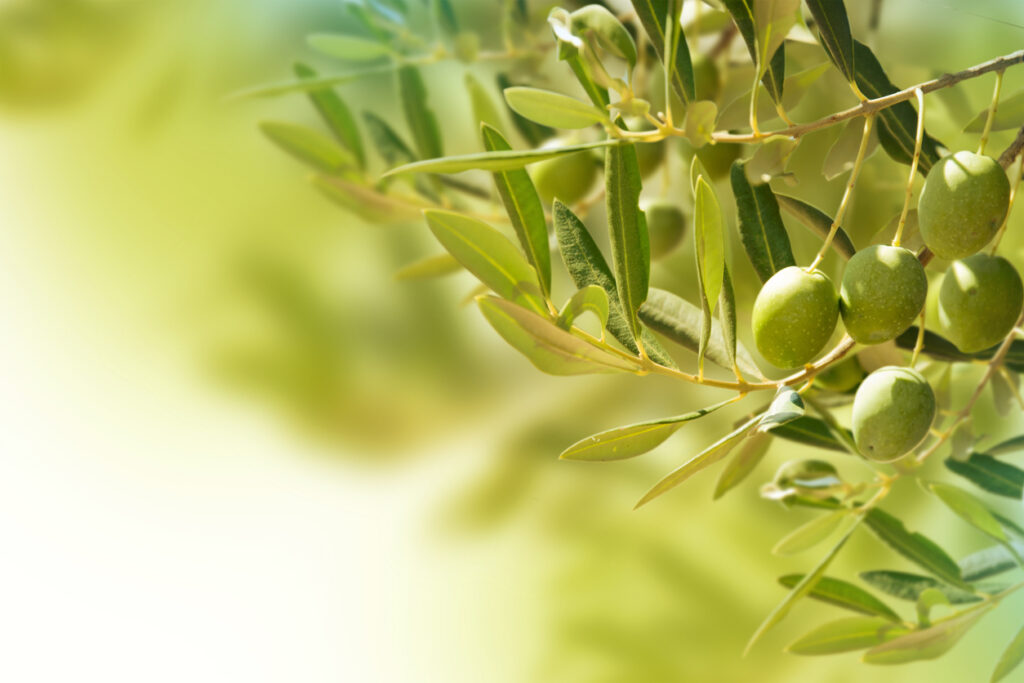
Nothing says “holiday vibes” like an olive tree on the patio, but they rarely do well outside southern Europe. British summers are too cool and short for olives to ripen, and cold snaps can easily kill young trees. Even in sheltered spots, they tend to survive more than thrive, growing slowly and producing nothing but leaves. They’re beautiful, but unless you live on the south coast, you’ll never be making your own olive oil.
3. Tomato plants that never see enough sun
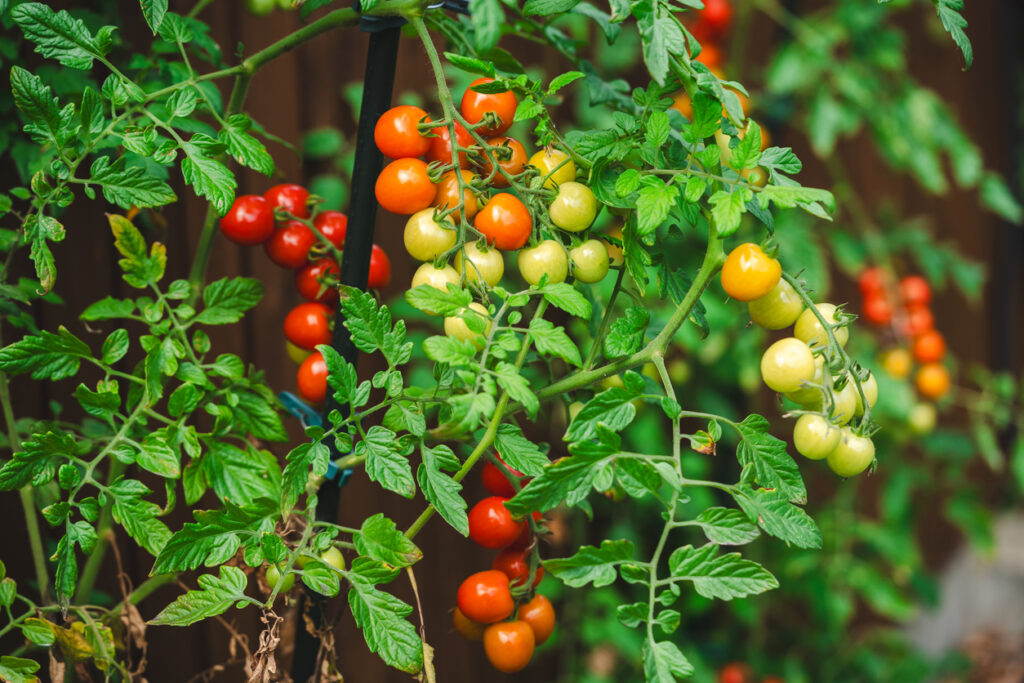
Every gardener gives tomatoes another go each summer, hoping for that Mediterranean glow. Unfortunately, Britain’s patchy sunshine and sudden chills make them one of the most frustrating crops to grow outside. Without consistent warmth, the fruits stay green or split before ripening. A greenhouse helps, but even then, a dull July can ruin months of effort.
4. Lemon trees that belong in Sicily
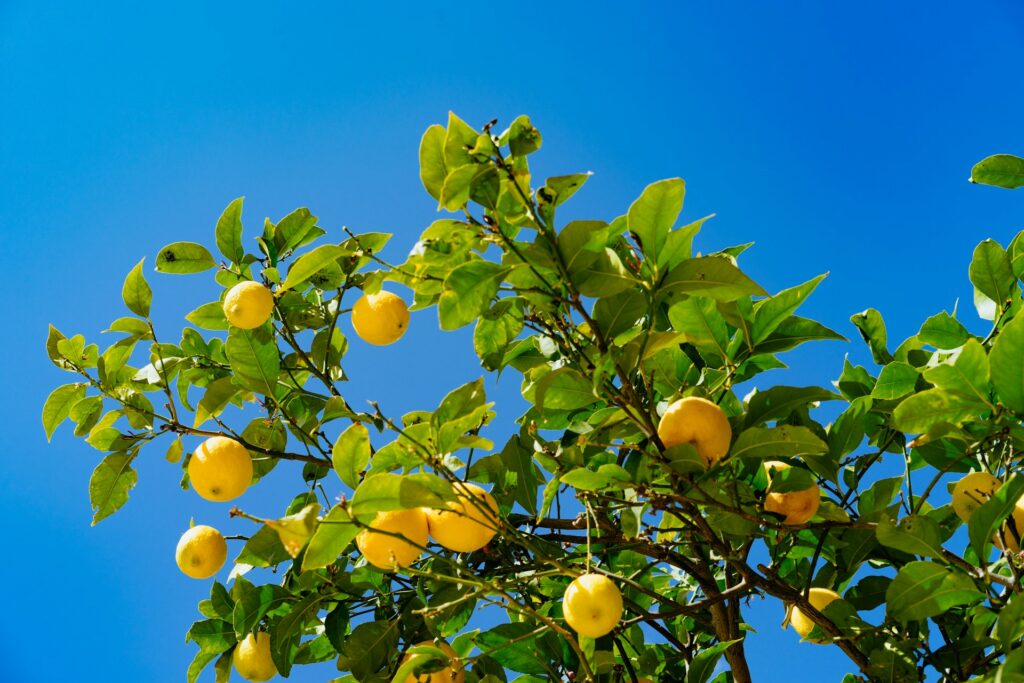
They look gorgeous in garden centres, especially when covered in shiny yellow fruit, but lemon trees loathe our cold, damp winters. Leave them outside overnight in November, and you’ll find them shrivelled by morning. They can live indoors or in a conservatory with bright light, but outdoors they’re fighting a losing battle. Most British-grown lemon trees are really just houseplants in denial.
5. Bougainvillea that refuses to bloom
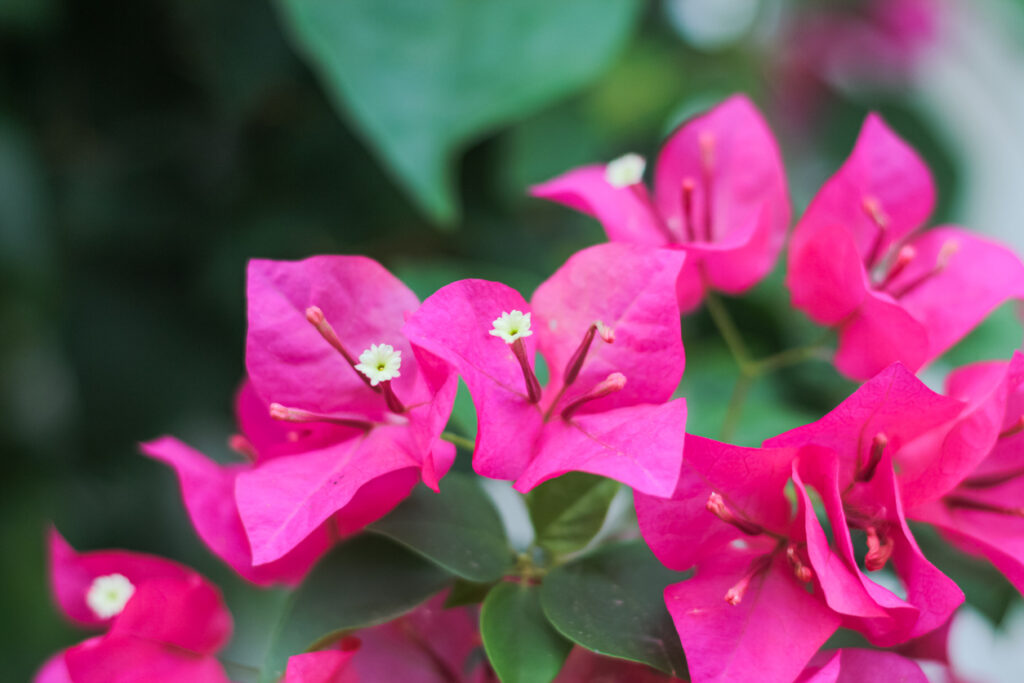
Bougainvillea thrives in hot, dry climates where it can bake in full sun all day. In Britain, even a warm summer can’t match those conditions. The result? Plenty of green leaves, but hardly any of the bright pink blooms it’s famous for. Gardeners often move them in and out of conservatories all year, hoping for colour. But unless you live somewhere unusually warm, it’s more work than reward.
6. Banana plants that look tropical (for a while)
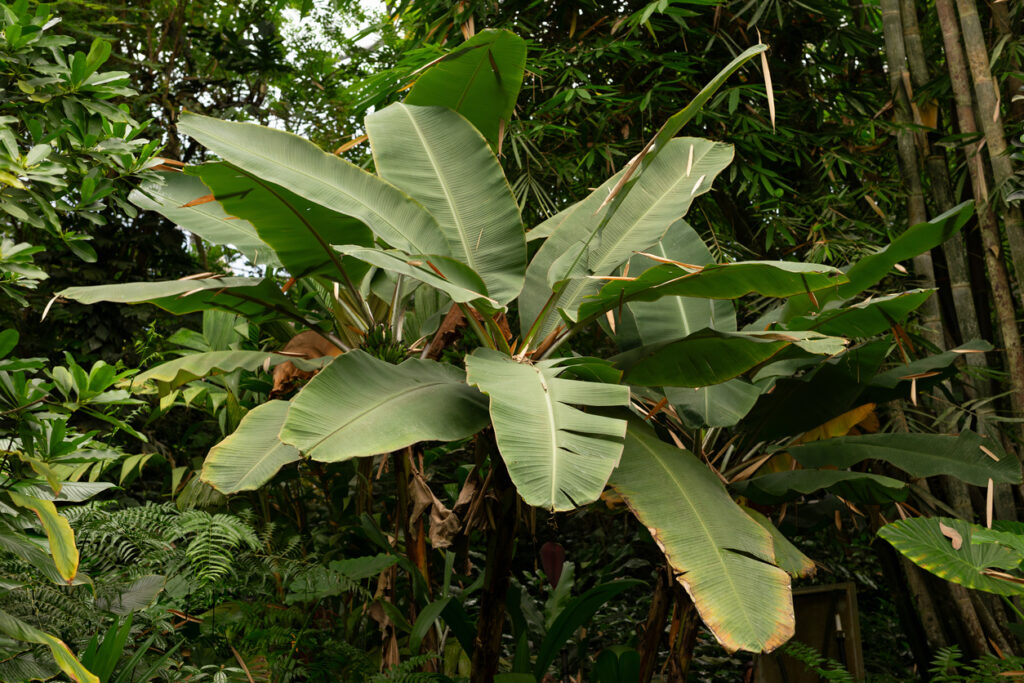
Banana plants make gardens look like a holiday resort… until the first frost hits. Their huge leaves tear in strong winds, and the cold quickly turns them to mush. They can survive if you wrap them up in fleece and mulch over winter, but they’ll never bear fruit here. They’re mostly decorative, and even that’s a stretch north of London.
7. Palm trees that don’t like British rain
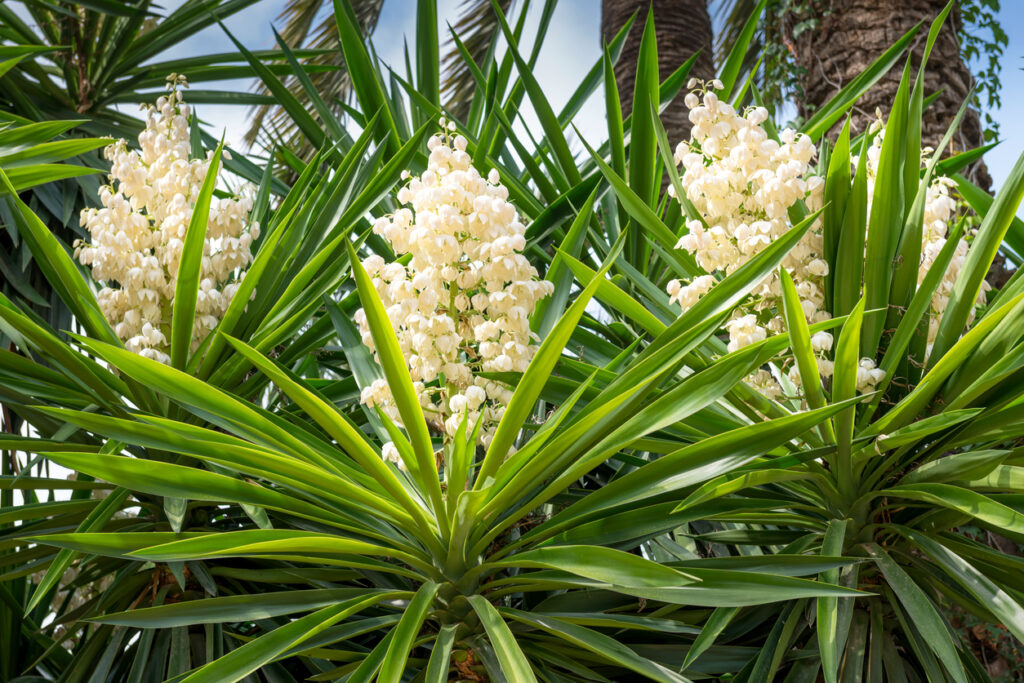
Palms are another plant we import from sunnier places in hopes of giving our gardens an exotic feel. Some hardy varieties survive, but many struggle with wet roots and freezing temperatures. After a few bad winters, even mature palms can rot from the inside out. They look great in seaside towns, but inland, they’re an expensive gamble.
8. Eucalyptus that grows too fast for its own good
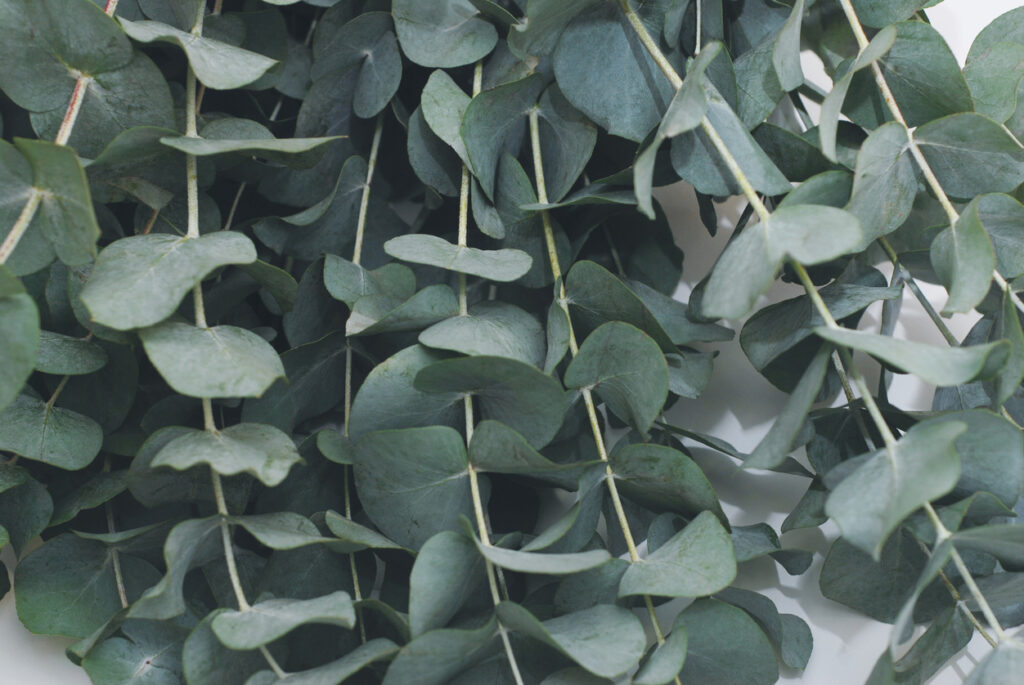
These Australian natives love warmth and dry air, not soggy ground and chilly winds. In the UK, they often grow too fast, snapping in storms or drying out the soil around them. They can look impressive for a few years, but often end up being cut down once they start cracking patios or leaning dangerously over fences.
9. Agapanthus that never fully blooms
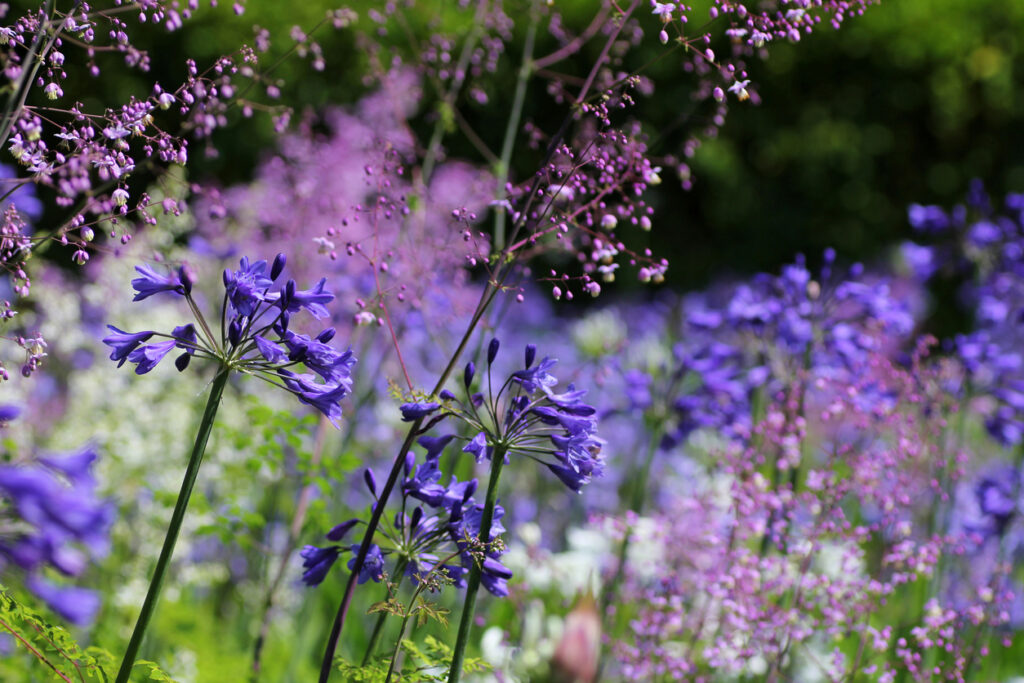
These South African flowers look incredible in catalogues, with tall stems and perfect blue globes. But in cooler parts of Britain, they often refuse to bloom at all, especially after cold winters. They need long, sunny summers to thrive. Without that, they stay leafy and stubborn, making you wonder why you bothered again this year.
10. Hibiscus that forgets to flower
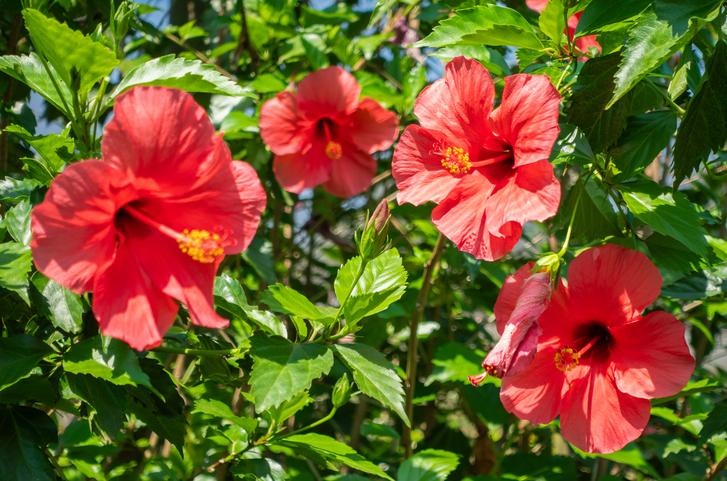
Hibiscus shrubs are meant to be show-stoppers, covered in huge tropical blooms. In Britain, though, they’re slow to wake up in spring and rarely have time to bloom before autumn chills return. They need months of warmth and sunlight that we just don’t get consistently. By the time they’re ready to show off, the season’s already ending.
11. Cactus plants that rot in the rain
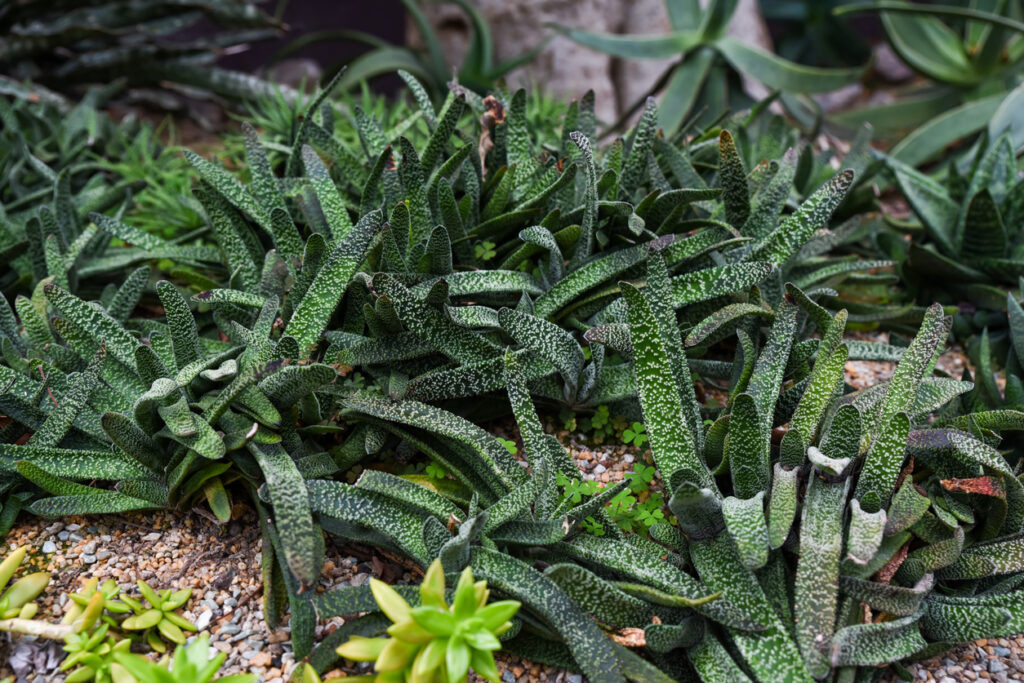
It seems obvious, but cactus plants don’t enjoy constant drizzle. They can survive mild frost if kept dry, but in British gardens, it’s the damp that kills them first. Even in pots, rainwater tends to sit around their roots. Unless they’re inside a greenhouse or sunny window, they’ll go soft and mouldy before summer’s over.
12. Jasmine that can’t handle our cold
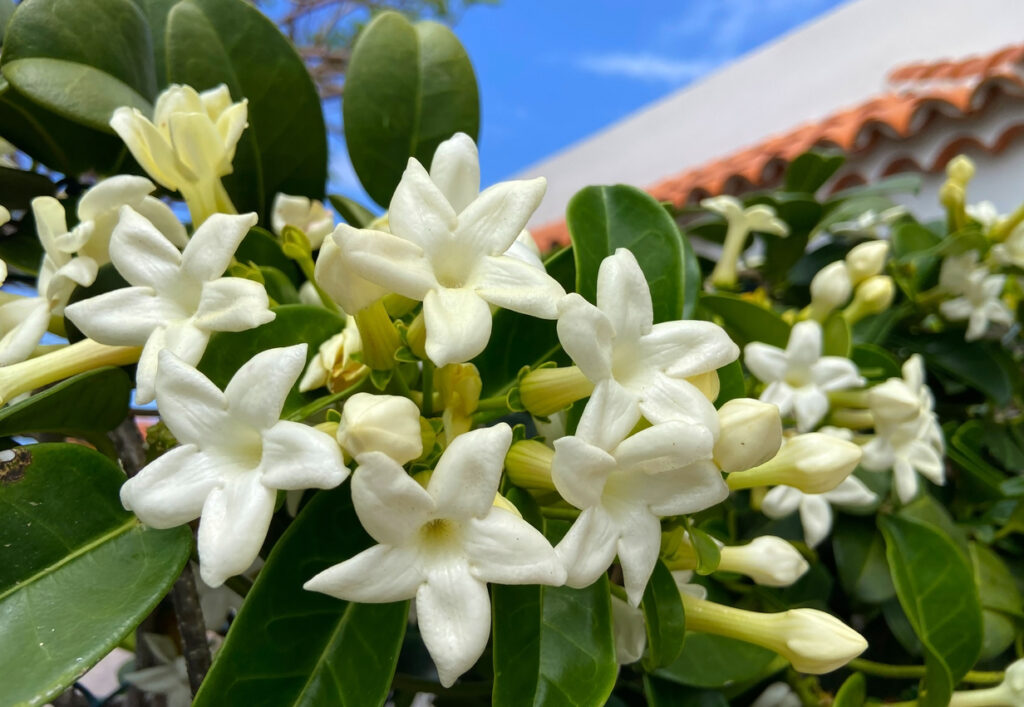
True tropical jasmine fills warm air with scent, but the British version is a pale imitation. It grows, yes, but often struggles through spring frosts and never reaches its full potential. You can grow hardier species, but they’re not the same. If you’ve ever smelled jasmine abroad, you’ll know the British climate just can’t recreate that magic.
13. Grapevines that only ripen in fantasy
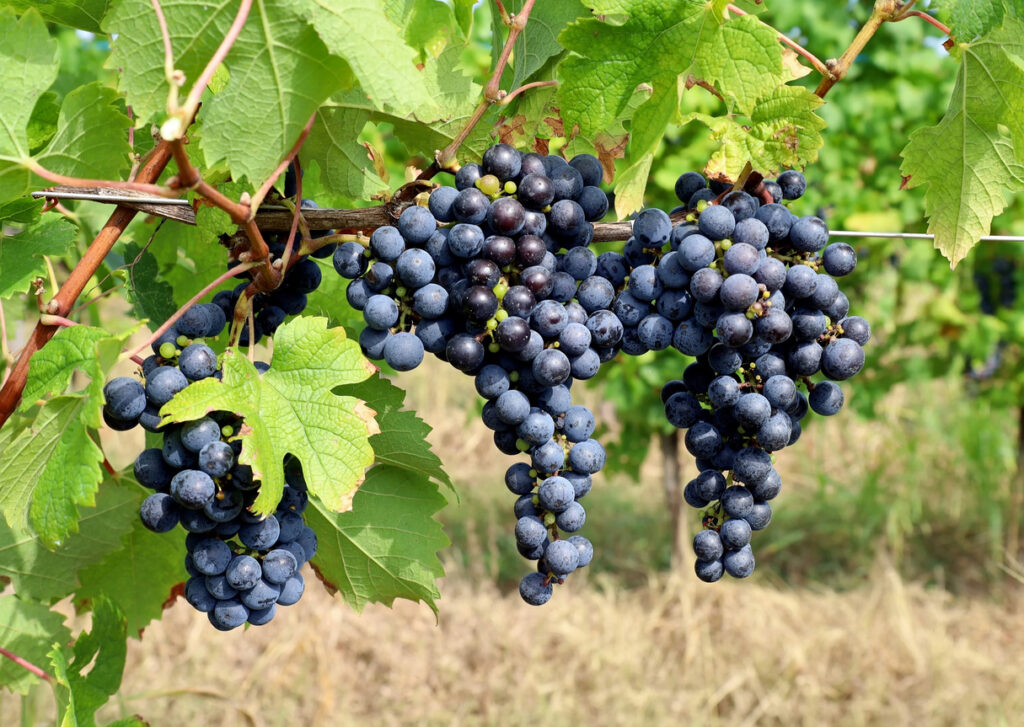
It’s possible to grow grapes here, but producing sweet, juicy ones like in Italy or Spain is another story. Our summers are rarely long or hot enough for proper ripening. You’ll get fruit eventually, but it’ll be sour and small. The wine-making dreams of British gardeners tend to stay just that: dreams.
14. Bird of paradise plants that crave real heat
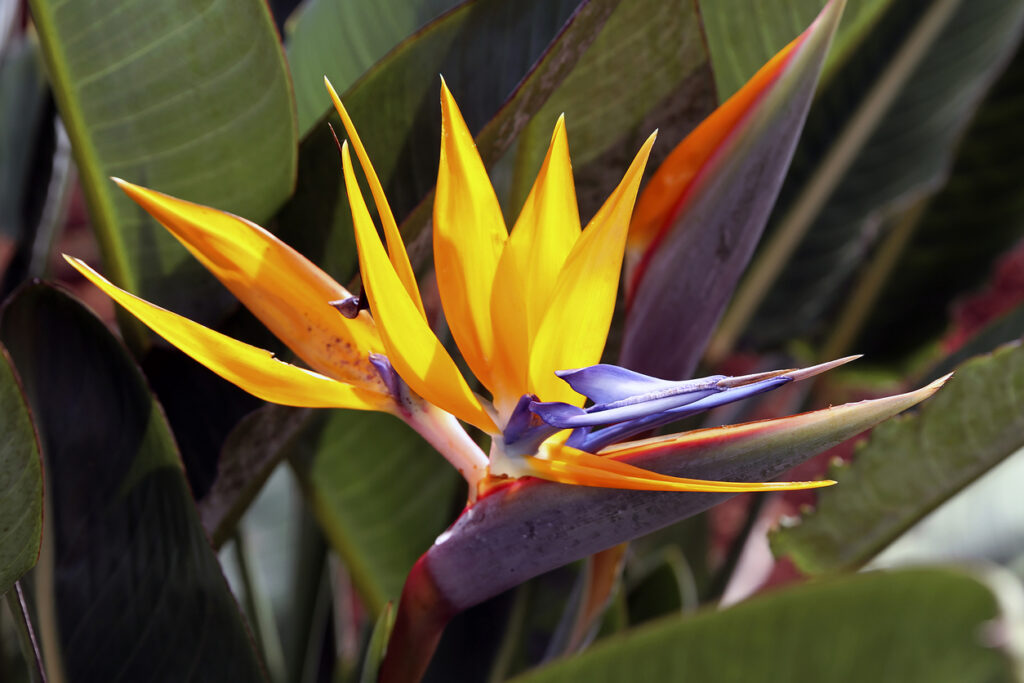
These striking plants with orange and blue flowers look like something out of a tropical painting. Sadly, the UK’s climate is far too cool for them to flourish outdoors for long. They’ll survive indoors or in heated greenhouses, but outside, they’ll freeze at the first sign of frost. It’s one of those plants we grow because we love how it looks, not because it actually belongs here.
15. Aloe vera that hates the damp

Aloe vera is a desert plant designed for dry heat, not soggy air and cold nights. It can cope indoors, but put it in a British garden and it won’t last a season. The first real chill will cause its leaves to turn brown and collapse. It’s one of those plants we try to “acclimatise,” but the truth is, it’s never going to feel at home here.
Britain’s unpredictable weather is perfect for roses, ferns, and hardy shrubs, not sun lovers from the Mediterranean or tropics. However, that doesn’t stop gardeners from trying every year. Hope, it turns out, grows just as stubbornly as weeds.