The UK government has just committed £1 billion to planting millions of new trees across the country, and it’s not just a nice idea for improving the scenery.

This investment is designed to expand forests, restore damaged land, and support new green industries. For years, talk of large-scale planting has felt a bit vague, with lots of promises and not much action. However, now there’s real money attached, and that changes everything. The plan is expected to increase woodland coverage, protect wildlife, and boost the environment in a very visible, measurable way.
There’s another part of the announcement that’s getting just as much attention as well: jobs. Thousands of people could find work in planting, maintaining, and managing these forests, as well as in new industries that pop up because of them. Rural towns might see new training programmes and fresh career paths, and businesses that work with materials like timber could benefit too. In a cost-of-living crisis, it’s not often we hear about government spending that could actually put pay cheques into real hands. This one might.
Over 14,000 new green jobs are expected.

Meeting the tree planting targets across Great Britain could create and support over 14,000 jobs. That’s not just tree planters, it includes nursery workers, forestry managers, ecologists, and conservation specialists.
These aren’t temporary positions, either. Once forests are established, they need decades of ongoing maintenance, monitoring, and management. The jobs created now will support entire careers in rural and semi-rural areas where employment opportunities have been declining for years.
The Ox-Cam corridor is getting the second forest.

A new national forest has been confirmed for the Oxford-Cambridge corridor, one of Britain’s fastest-growing regions. The exact location is still being worked out with local partners.
This forest will be designed alongside new housing developments, jobs, and infrastructure, rather than added as an afterthought. It’s part of embedding nature recovery into development from the start, which means construction and planning jobs will also factor in green space expertise.
3. A competition will decide the third forest location.
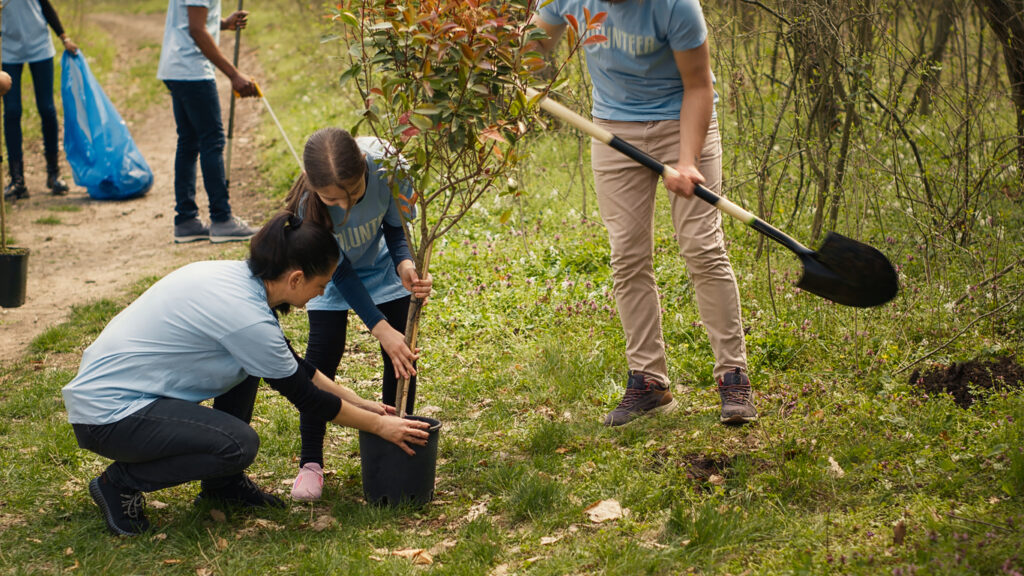
Early 2026 will see a competition launch to determine where the third national forest goes, with the Midlands or North of England as potential locations.
This approach lets regions pitch why they should host the forest, potentially bringing investment and jobs to areas that need economic regeneration most. Communities in these regions can start preparing bids that highlight local employment needs and suitable land.
Apprenticeships and training are getting funding.
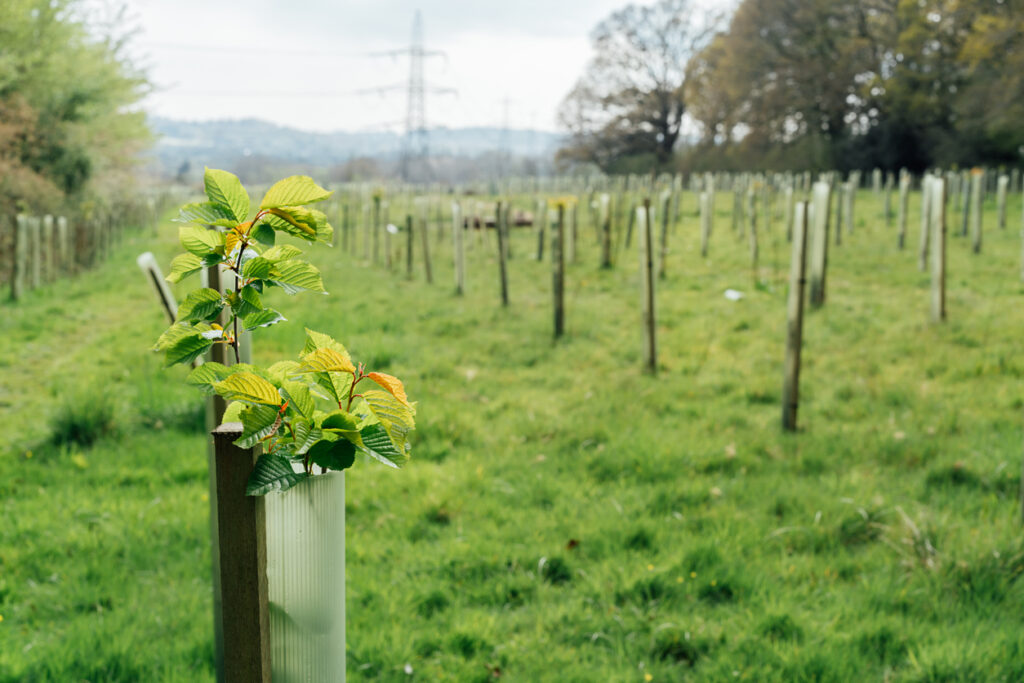
The government’s committing investment specifically to apprenticeships and training programmes in forestry and woodland management. This tackles the skills gap that’s been holding back tree planting efforts.
Young people in rural areas will have clear pathways into green careers without needing to move to cities. The training investment means people can actually learn the specialised skills needed, rather than just having jobs available that nobody’s qualified to do.
Landowners will get upfront payments.

A new Woodland Carbon Purchase Fund is being explored, backed by up to £250 million. It would offer landowners upfront payments to plant carbon-rich woodlands instead of making them wait years for returns.
This removes one of the major barriers to tree planting because landowners can afford to convert land to forest without gambling their financial stability. More landowners participating means more planting projects, which means more jobs across the supply chain from seedling production to site preparation.
The Western Forest is already underway.

The first new national forest in 30 years was announced in March and stretches from the Cotswolds to the Mendips. It’s already creating jobs in the West Country.
This forest serves as the model for how the next two will operate. Early lessons from the Western Forest about employment, community engagement and practical challenges will inform how jobs are created in the Ox-Cam corridor and the third location.
Millions of trees need growing before planting.

Planting millions of trees means growing millions of saplings first. Tree nurseries across Britain will need to scale up operations dramatically, creating jobs in propagation, cultivation, and logistics.
You end up with employment across the entire supply chain before a single tree goes in the ground. Seed collection, nursery work, transport, site surveys and ground preparation all require workers, and many of these roles can train people without existing qualifications.
Rural economies will get a boost.
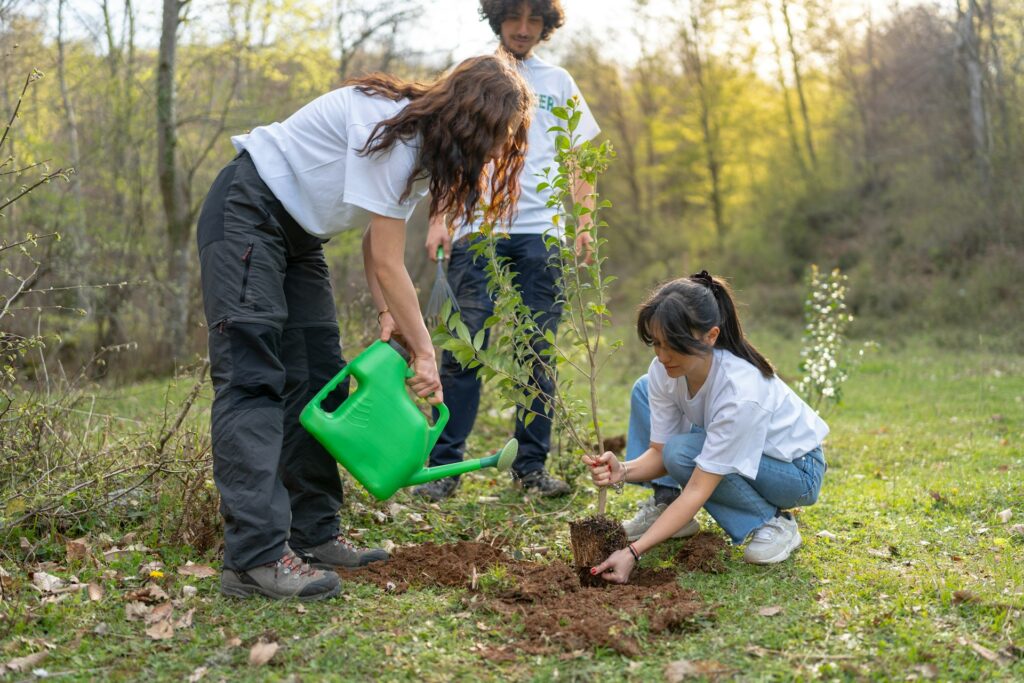
These forests aren’t being planted in remote wilderness. They’re going near population centres and development areas, which means rural economies around these sites will benefit from increased activity and employment.
Local businesses from accommodation to equipment suppliers will see more trade. Rural areas that have struggled economically as traditional industries declined now have a growth sector that can’t be outsourced or moved abroad.
It ties into net zero targets.

Britain’s committed to reducing emissions by 81% by 2035. Planting carbon-rich woodlands helps meet that target while creating jobs in the process. This means the funding and employment aren’t just about making the countryside look nice, they’re about meeting legally binding climate commitments. That gives these jobs longer-term security because the work is tied to national policy obligations rather than just discretionary spending.
Monitoring and conservation roles will grow.
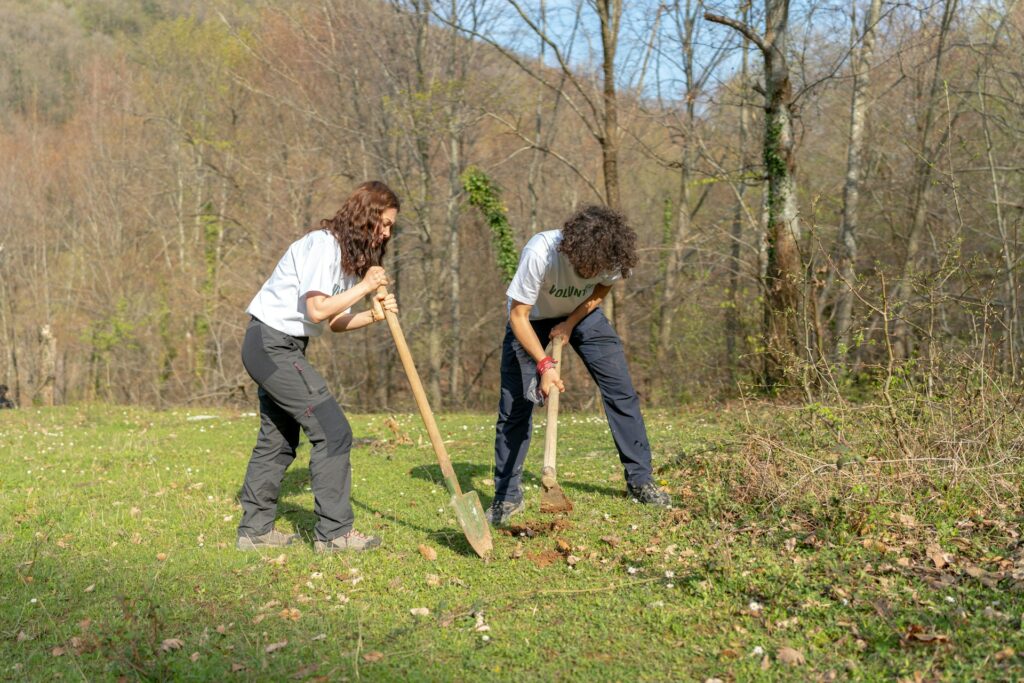
Once forests are planted, they need monitoring for health, biodiversity, carbon capture and public access. This creates ongoing roles for ecologists, conservation workers and forestry technicians. These positions require education and expertise, creating opportunities for people with environmental science degrees or those wanting to retrain into conservation. It’s not just manual labour, there’s a professional career structure emerging in woodland management.
Access to nature will improve for communities.
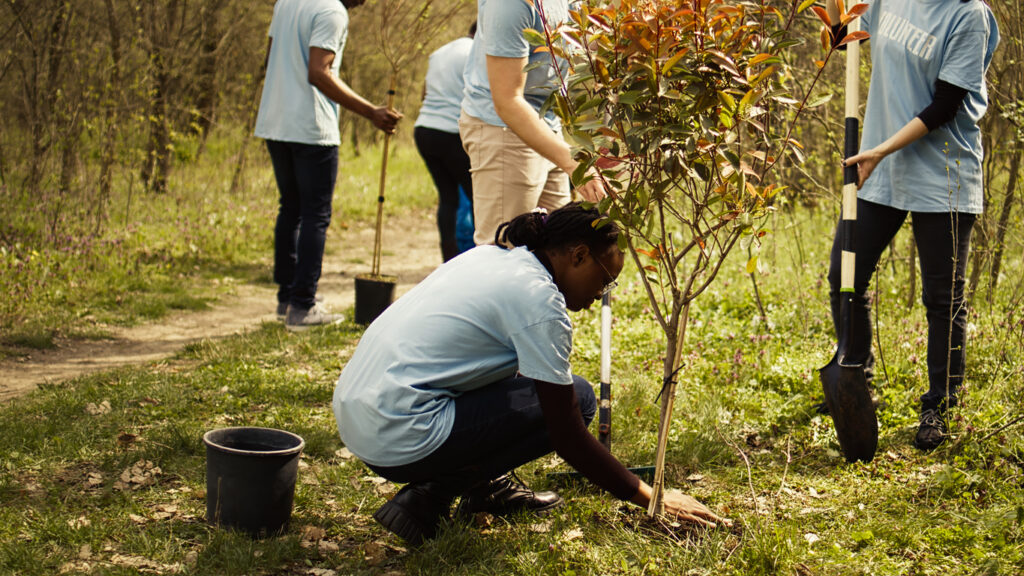
The forests are being designed to increase public access to green spaces, particularly in areas where development has reduced natural areas. This creates jobs in visitor management, education, and recreation. You’ll need rangers, educational programme coordinators, path maintenance workers and facilities staff. As more people use these spaces, employment opportunities grow around serving visitors while also protecting the environment.
Details come in early 2026.

Further information about the second and third national forests will be announced in early 2026, including specific locations, timelines and how communities can get involved. That gives regions time to prepare for potential opportunities and allows people interested in green careers to start looking at training options. The Environmental Improvement Plan will set out the next phase of nature recovery ambitions, clarifying how all this translates into actual employment on the ground.