Everyone wants to feel comfortable in their own home, but sometimes that sense of freedom spills over the fence line.

A bit of noise here, a cluttered garden there are small things that might not seem like a big deal to you can easily become the stuff of neighbourly grudges. Living close to people means sharing more than just a postcode, and a few bad habits can quickly turn an otherwise peaceful street into a quiet battlefield.
If you care about keeping the peace, it’s worth knowing where that invisible line of neighbourly tolerance really sits. Some habits might seem harmless until they start driving everyone around you mad. From garden eyesores to noise at the wrong hour, don’t do these things unless you want to turn your neighbours from friendly to fed up before you even realise it’s happened.
1. Hold noisy DIY or building work late at night

Late night drilling, sawing or hammering will earn you angry knocks and complaint calls faster than almost anything else. Most councils have quiet hours and neighbours expect respect; keep loud building work to daylight hours and warn nearby households in advance.
If you need emergency work that runs late, offer to minimise disturbance and share timelines. Simple gestures like temporary dust sheets, muffling tools, and apologising in person can calm tempers and stop problems from escalating to formal disputes.
2. Let your garden become an overgrown mess
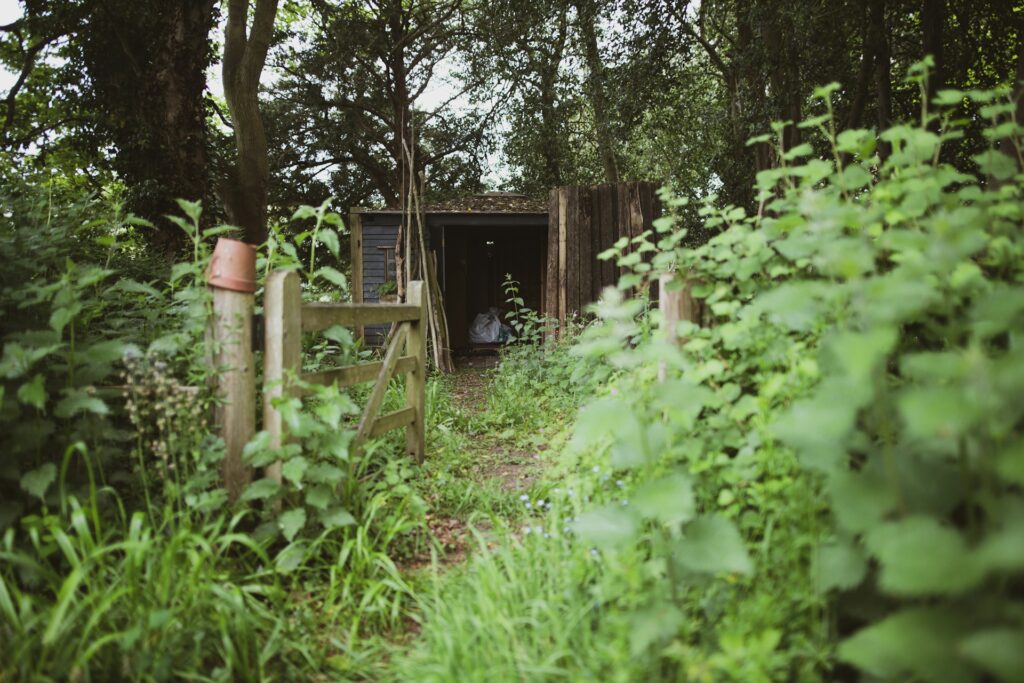
Overgrown hedges, tall weeds and piles of garden rubbish scream neglect and can drag down neighbours’ enjoyment. Tidy boundaries stop disputes, prevent pests, and show you care about shared streetscape, so cut back, compost responsibly, and be neighbourly.
In the UK there are rules about trees, hedges and boundaries when they block light or access. If you rent property, keep tenants informed and handle complaints quickly; ignoring them can lead to council intervention or legal action.
3. Let dog mess build up on paths or verges

Leaving dog faeces on pavements is one of the fastest ways to make neighbours furious. It is messy, smelly, and unsanitary, and councils can issue fines if owners do not clear up after their animals on public footpaths and verges.
If you have a shared garden or alley, bag up waste and dispose of it promptly. Good practice includes carrying spare bags, apologising if you miss a spot, and being ready to help clear communal areas when needed.
4. Play loud music at all hours

Loud music late at night will not win you friends. Persistent noise disrupts sleep and can be classed as a statutory nuisance under UK law, giving neighbours valid reason to involve the council or seek legal remedies.
Be mindful of volume and timing, use headphones after 10pm and warn neighbours ahead of parties. Most people tolerate a one-off event if you apologise and keep it reasonable, but repeated disturbances quickly sour relations.
5. Park inconsiderately or block driveways

Taking the best spot outside your neighbour’s house or blocking a driveway guarantees arguments. Streets in many towns are narrow, and obstructive parking can stop deliveries, emergency vehicles and people getting in or out of their homes.
If you need extra space, consider permits, shared bays or off-street parking. Communicate dates when you expect visitors and leave contact details, so problems can be solved quickly rather than turning small issues into long term neighbour wars.
6. Let bonfires billow smoke into other gardens

Bonfires still happen, but burning household rubbish and letting smoke drift into neighbours’ gardens creates instant complaints. Local by-laws and the Clean Air Act restrict what you can burn, and councils can serve notices for persistent nuisance.
If you want a fire, check with neighbours, use a contained incinerator or garden burner and avoid wet materials that smoulder. Better yet, compost green waste or use council collections to reduce smoke and keep relations intact.
7. Let noisy or aggressive pets roam free

Dogs that bark all day, cats that roam and chase wildlife, or animals left to roam unsupervised create constant friction. Neighbours can call environmental health or the police if animals are aggressive, dangerous or a persistent noise nuisance.
Keep pets under control, train noisy dogs and scoop up after them. Apologising and offering to cover damage if a pet strays into someone else’s garden can prevent grudges and shows you’re taking responsibility as well.
8. Install unsightly fencing or block shared views
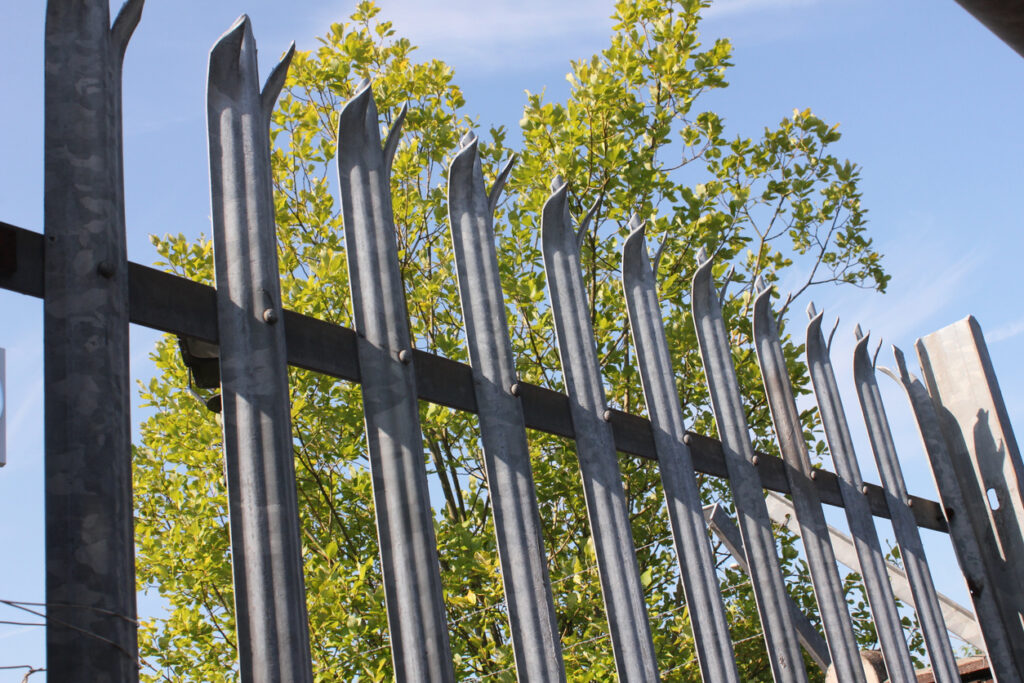
Erecting tall fences, ugly panels or blocking long held sightlines can spark neighbour disputes. In the UK, certain boundary changes need planning permission or must comply with party wall and rights of way agreements, especially in conservation areas.
Talk to neighbours before making big changes, check ownership titles and get written agreement where possible. A shared decision prevents surprises and keeps goodwill, whereas surprise walls or views ruined overnight create long-lived resentment.
9. Run a business that brings constant traffic or noise

Operating a commercial venture from home that floods the street with vans, customers, or deliveries will anger neighbours, especially in residential streets. Local councils regulate home businesses and may require planning permission or place conditions on operating hours.
If you need to run services, keep noise low, limit delivery times and speak to neighbours about schedules. Consider moving noisy tasks to weekdays or a business unit, and make sure you have the right permissions to avoid fines.
10. Use exterior security lights that dazzle into neighbouring windows
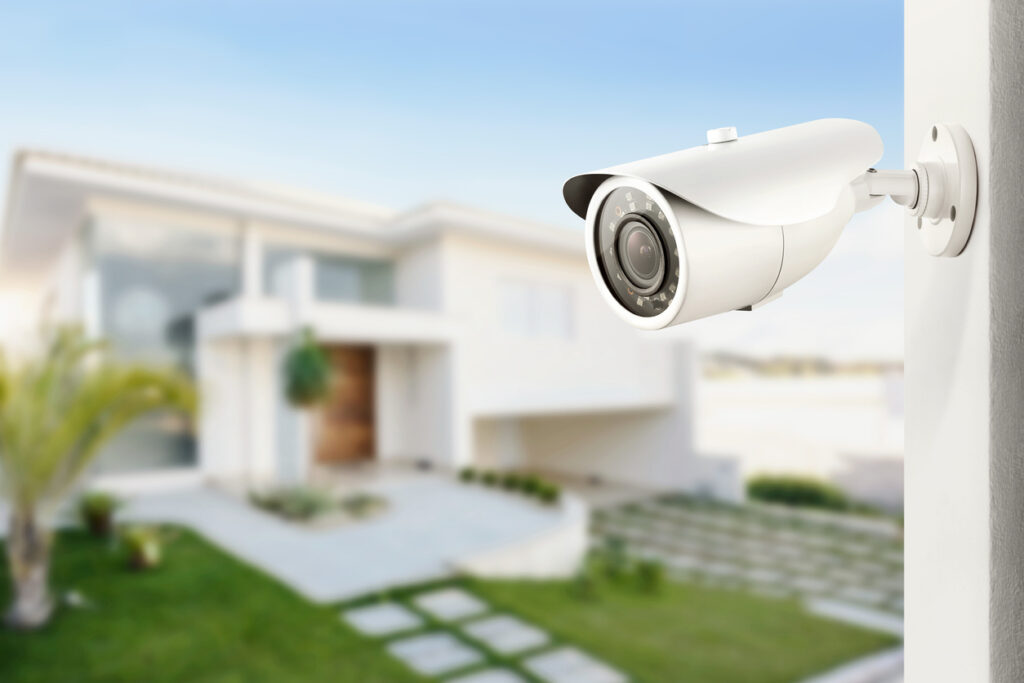
Blinding floodlights and poorly aimed security lamps cause frustration and ruined sleep. Outdoor lighting should focus on your property and use timers or motion sensors to reduce light spill, keeping neighbours comfortable while still protecting your home.
Talk to neighbours if you need extra security lighting and offer to angle or shield fixtures. Most people accept reasonable safety measures, but inconsiderate shine into bedrooms starts arguments that are avoidable with a quick chat and small adjustments.
11. Store rubbish or DIY materials where they spill into shared spaces
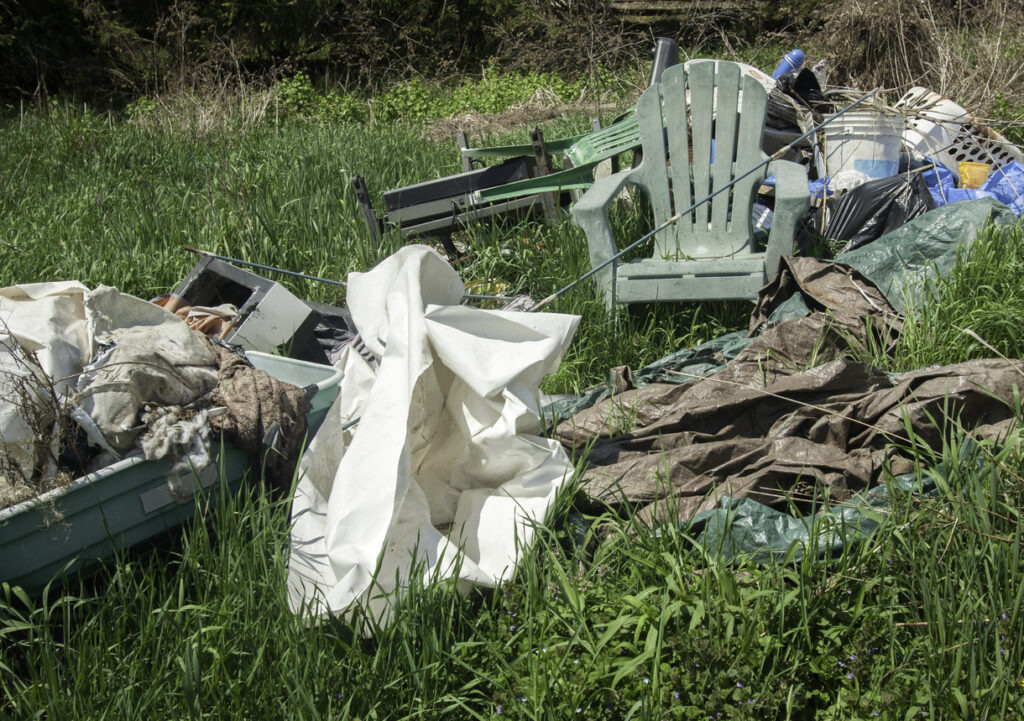
Tipping sacks, pallets, plasterboard, or leftover building materials into alleys and shared yards creates hazards and eyesores. It can block access, attract vermin and breach waste transfer rules if you are moving or disposing of other people’s rubbish.
Keep materials on your property, cover them, and use licensed waste carriers for disposal. If neighbours complain, clear it promptly and offer to help; letting piles linger makes you look careless and invites council action.
12. Ignore boundary disputes or let fences decay
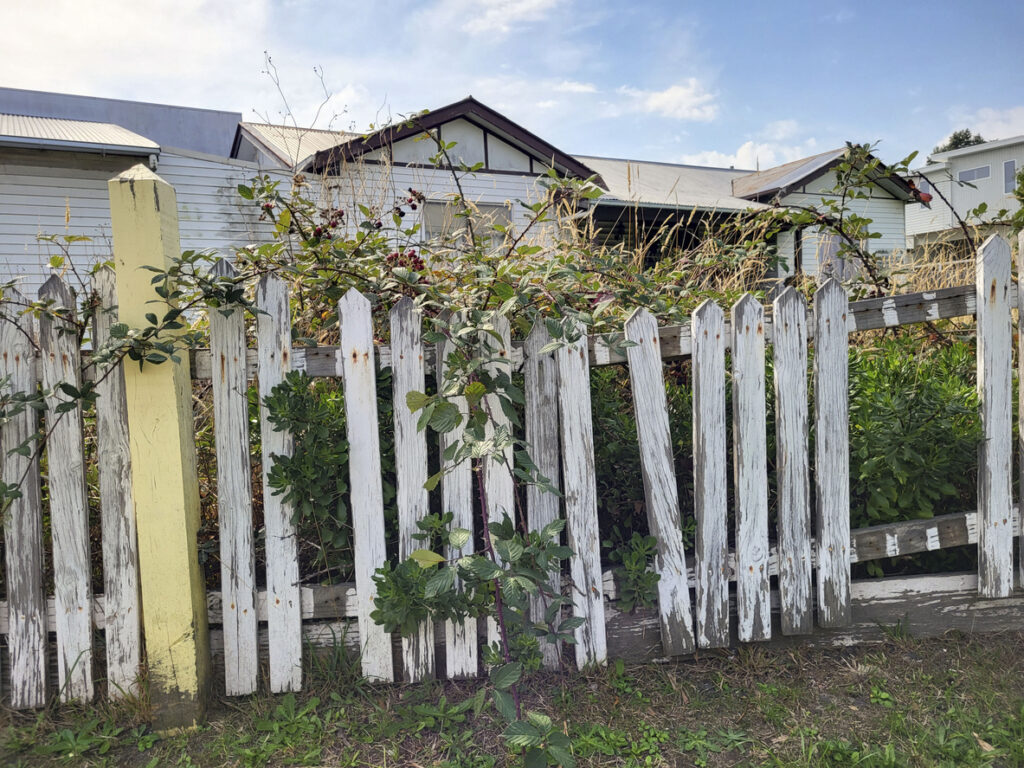
Borderlines cause more arguments than almost anything else. Letting a fence fall down, or assuming you can grab a bit of neighbour’s land, starts fights. Always check deeds and speak politely before taking any action that affects shared boundaries.
If a dispute arises, get independent advice, use mediation services or involve a solicitor only as a last resort. Small concessions early on prevent long, costly legal battles that destroy relationships for years to come.
13. Host frequent gatherings without warning or compromise

Regular late parties, open house gatherings and constant overnight guests strain patience fast. Even if you love being social, repeated noise, parking pressure and people coming and going at odd hours wear neighbours down and destroy any sense of goodwill.
Plan parties with notice, limit overnight stays, and offer contact details for concerns. Small acts like cleaning up, keeping volumes reasonable and inviting neighbours to join sometimes turn potential grudges into shared community moments afterwards.