Wind might seem like the enemy of a healthy garden, but some plants don’t just survive it, they thrive in it.
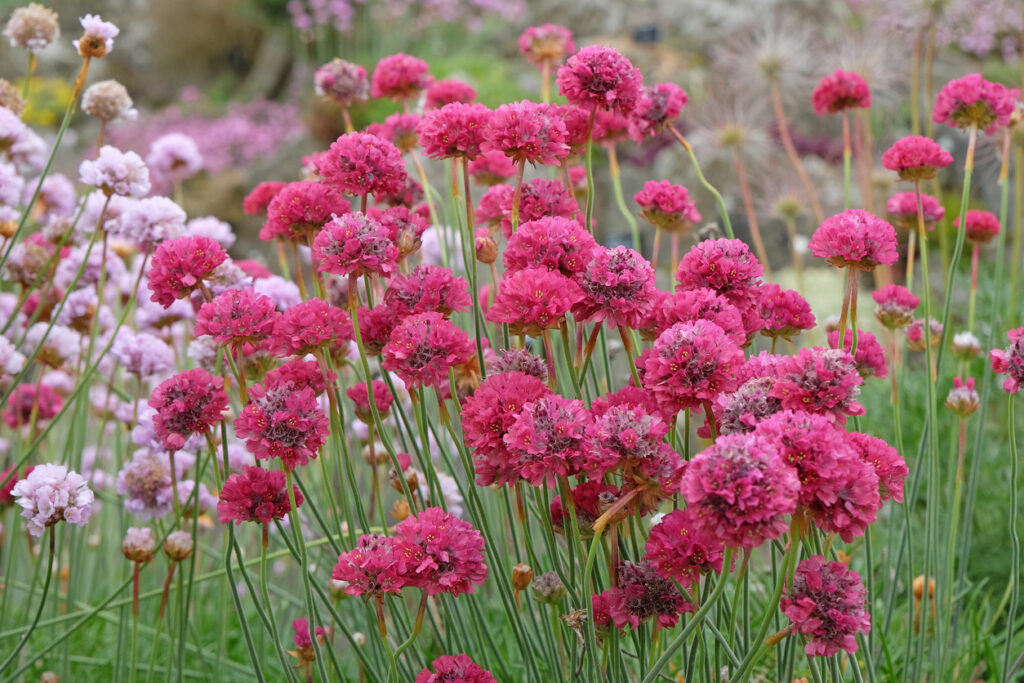
The British climate can be blustery, especially near the coast or on open ground, yet certain species use that constant movement to grow tougher and more resilient. Their roots anchor deeper, their stems strengthen, and instead of breaking, they bend and adapt.
These are the plants that laugh in the face of a good gust. They’ve evolved to handle unpredictable weather and come back stronger for it, making them perfect for anyone tired of battling the wind. If you know what to plant, a breeze doesn’t have to be the enemy. In fact, it can actually be your garden’s best training tool.
1. Sea thrift handles coastal gales like nothing
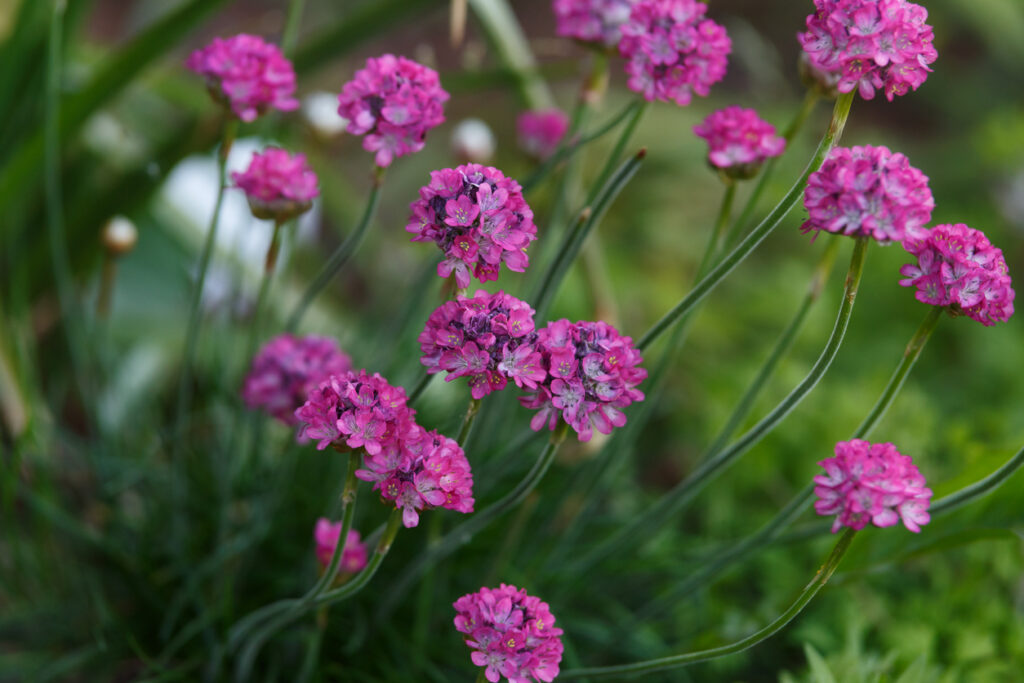
Sea thrift grows wild on cliffs and coastal areas where the wind never stops. It forms tight cushions of grass-like leaves that stay low to the ground, so the wind just flows over the top. The pink pompom flowers on short stems bend and flex but never break.
The more wind it gets, the tighter and denser it grows. Plants in sheltered spots actually get a bit leggy and loose. The wind keeps it compact and tough. It’s basically designed for the worst conditions Britain can throw at it, which makes normal garden wind feel like a gentle breeze.
2. Marram grass gets stronger roots from constant movement.

Marram grass is what holds sand dunes together, and it does that job in absolutely brutal wind conditions. The constant buffeting makes it put down deeper and more extensive roots. Without wind, it actually grows weaker.
The movement triggers the plant to anchor itself harder. Each time the wind moves the stems, the plant responds by growing more root mass. In a sheltered spot, it wouldn’t bother. The wind is literally making it stronger every single day.
3. Hawthorn develops thicker trunks in exposed spots.

Hawthorn trees in windy locations grow completely differently to ones in sheltered gardens. Wind-exposed hawthorns have much thicker trunks, denser branch structures, and they lean into the prevailing wind in a way that actually makes them more stable.
The mechanical stress of constant wind movement tells the tree to put more energy into structural strength. Trees in calm spots grow taller and thinner because they don’t need that strength. A hawthorn that’s grown up in wind is basically built like a tank compared to its sheltered cousins.
4. Gorse thrives on hilltops and exposed moors.

Gorse grows on the windiest, most exposed hillsides in Britain and absolutely loves it. The spiny structure means wind just flows through it rather than pushing against a solid mass. It grows dense and compact in response to wind, creating an incredibly tough plant.
Those spines aren’t just for defence. They’re narrow and aerodynamic, so they don’t catch the wind. The whole plant is designed to let wind pass through while staying rooted. Put gorse in a sheltered spot and it actually gets more sprawling and less attractive.
5. Blackthorn forms windproof hedges naturally.

Blackthorn is what farmers used for windbreak hedges for centuries because it responds to wind by growing denser and more impenetrable. The constant wind makes it produce more side shoots and thicker growth at the base.
A blackthorn hedge that’s been exposed to wind for years becomes so dense that it’s basically a solid wall. One that’s grown in shelter stays gappy and thin. The wind is doing exactly what a gardener would do with pruning, but naturally and continuously.
6. Heather stays low and tough in moorland wind.

Heather on exposed moorland stays incredibly low and dense because of constant wind. Plants in sheltered valleys grow taller and looser. The wind literally shapes how it grows, keeping it compact and close to the ground where it’s most stable.
That compact growth also means heather in windy spots produces more flowers in a smaller space. It’s not reaching upwards because there’s no point. Instead, it spreads sideways and flowers like mad. Wind-exposed heather is actually more attractive than sheltered specimens.
7. Escallonia creates its own windbreak once established.
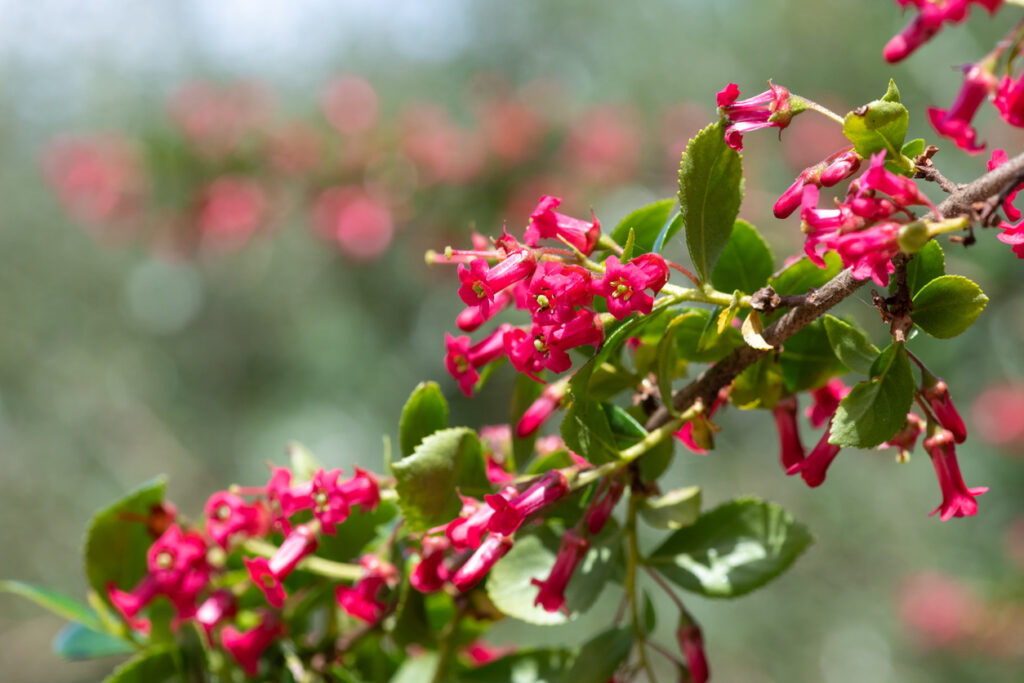
Escallonia is a coastal plant that’s used specifically for hedging in windy gardens because it doesn’t just tolerate wind, it gets stronger from it. The wind makes it grow thicker and bushier rather than taller and gappy.
Young escallonia might look a bit battered for the first year, but once it’s established, the wind actually helps it. It responds by producing loads of side growth, which makes it denser, which makes it better at blocking wind. It’s creating its own protection while getting tougher in the process.
8. Bent grass forms tougher turf in exposed areas.

Bent grass is what golf courses use on exposed coastal links because it actually prefers windy conditions. The constant movement makes it produce more tillers, which are the side shoots that create dense turf. Sheltered bent grass grows tall and weak.
Wind-exposed bent grass stays short, spreads sideways, and forms an incredibly tough mat. The wind is basically giving it a constant workout. Like building muscle, the grass responds to the stress by getting stronger and denser.
9. Tamarisk was literally brought here for windy coastal gardens.

Tamarisk is a tree that was introduced to Britain specifically for coastal areas because it laughs at wind. The feathery foliage and flexible branches mean wind just flows through without causing damage. The more wind it gets, the denser and bushier it grows.
In sheltered conditions, tamarisk actually looks a bit sparse and leggy. The wind keeps it compact. It’s one of those plants where people in calm gardens struggle to make it look good, while people in windy hellscapes have gorgeous specimens without even trying.
10. Montbretia spreads faster in windy spots.

Montbretia is pretty much indestructible anyway, but it actually thrives in wind. The swaying movement helps spread its corms through the soil as they multiply, and the plant responds to wind stress by producing more underground growth.
The stems are flexible enough to bend flat in gales but spring back up afterwards. Each time they get flattened and recover, the plant puts out more shoots. In sheltered gardens, montbretia still spreads, but in windy ones it spreads faster. The wind is helping it colonise.