High up in Japan’s rocky mountains lives a tiny creature that looks like something out of a storybook.

With its round body, short ears, and constant squeaks, the Japanese pika has become one of the country’s most charming and rare wildlife residents. It’s not a mouse, not quite a rabbit, but something uniquely its own.
These small animals spend their days darting between stones, gathering food, and calling out to one another in high-pitched chirps. Few people ever get to see one in the wild, but those who do never forget it. The Japanese pika is proof that even in some of the toughest environments on Earth, cuteness and resilience can go hand in hand.
They look like tiny teddy bears with round ears.
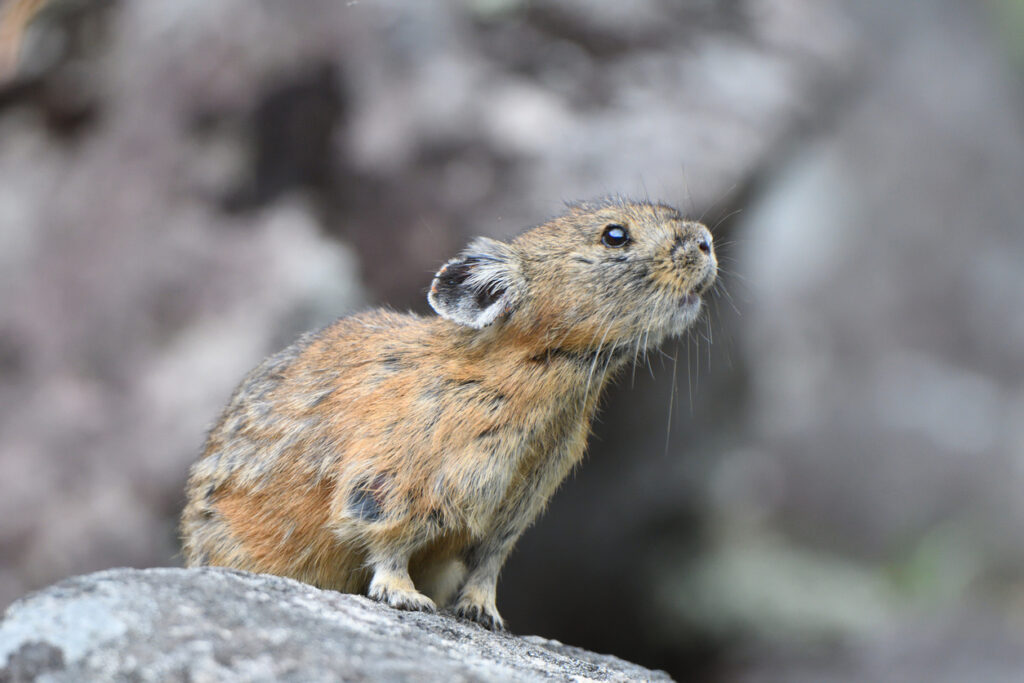
Pikas have these perfectly round ears and chubby bodies covered in soft greyish brown fur. They’re only about 20 cm long and look exactly like something a kid would design if you asked them to draw the cutest animal possible. Their teddy bear appearance is what makes them so popular when people actually see photos of them. They don’t look real, they look like a toy someone’s placed on a rock for a picture.
They live on cold mountainsides in Japan.
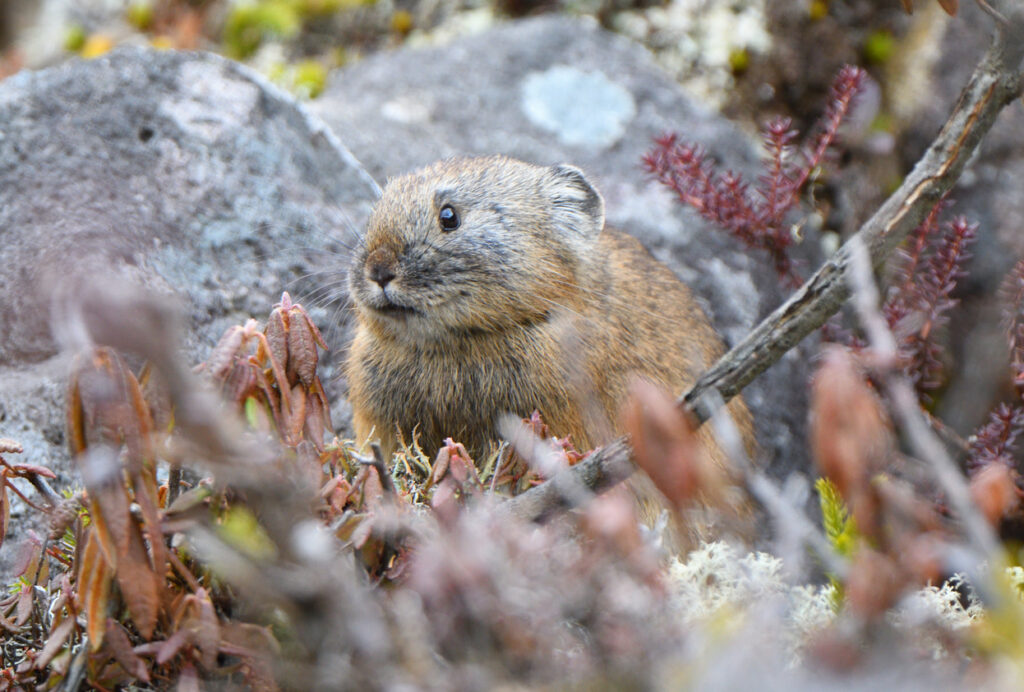
You’ll find them up in the Japanese Alps where it’s freezing most of the year. They love rocky areas where they can hide between stones and make little burrows to keep warm. That mountain habitat means most people never see them in real life. You’d have to go hiking in pretty remote areas at high altitude to spot one, which keeps them quite mysterious.
They make the squeakiest little sounds.
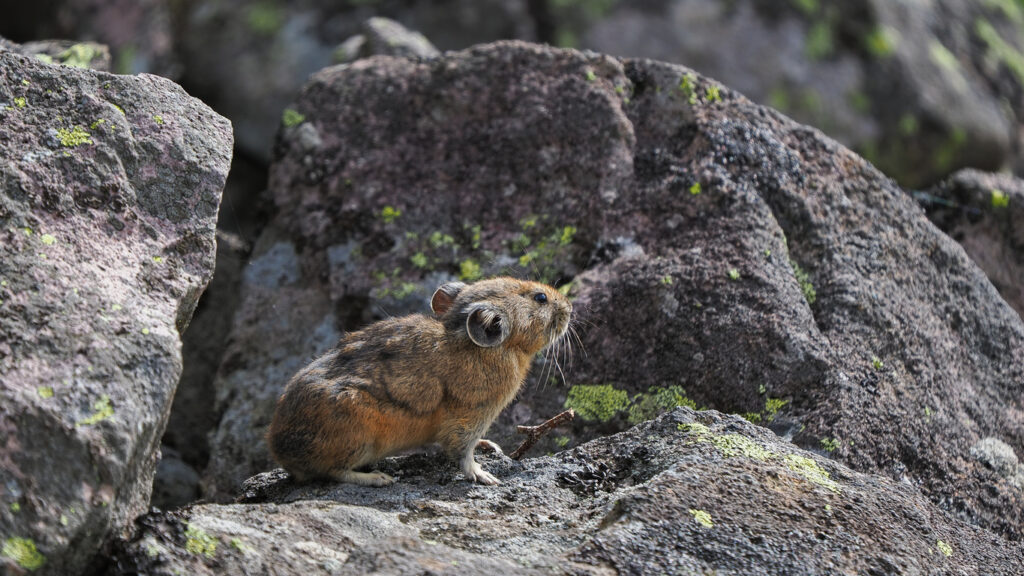
Instead of normal animal noises, pikas make these high-pitched squeaks that sound almost like a dog’s squeaky toy. They use them to warn each other about danger or just to chat basically. That squeaking is how they got their name. The sound they make is what people call a pika, and it stuck as what we call the whole species.
They gather flowers and dry them for winter.
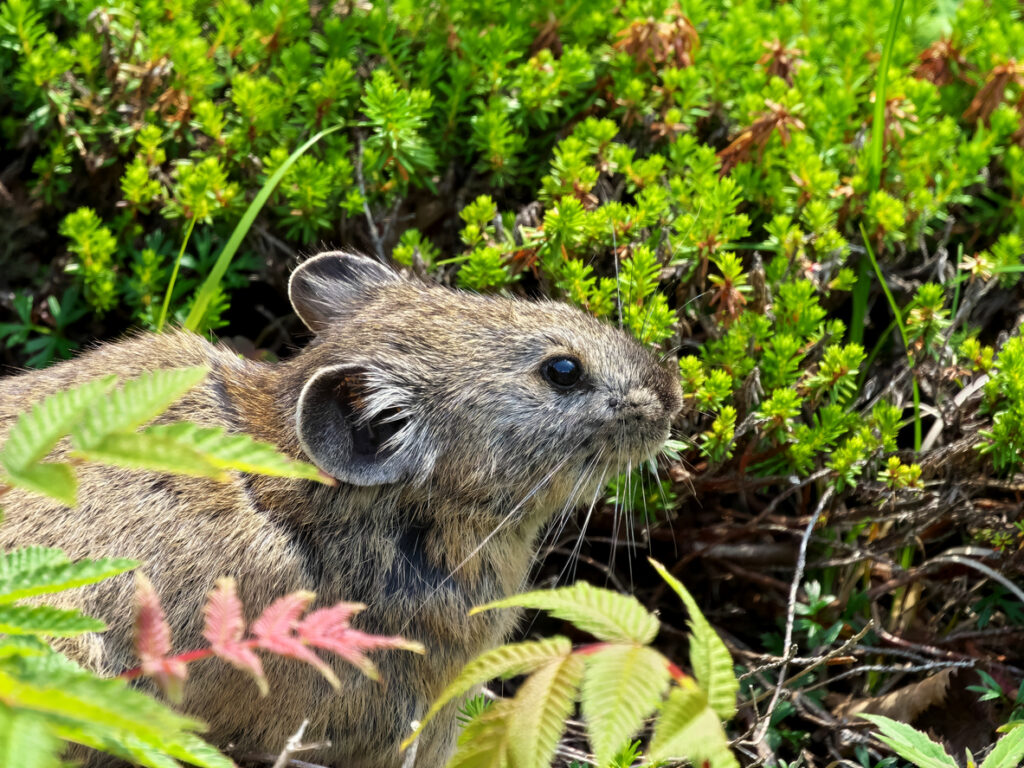
Pikas spend summer collecting wildflowers and plants, then lay them out on rocks to dry in the sun. They’re making hay, basically, storing up food so they don’t starve when it snows. Their harvesting behaviour makes them look like tiny farmers. You’ll see them running back and forth with flowers in their mouths like they’re on a mission, which is ridiculously cute to watch.
They don’t hibernate like other mountain animals.
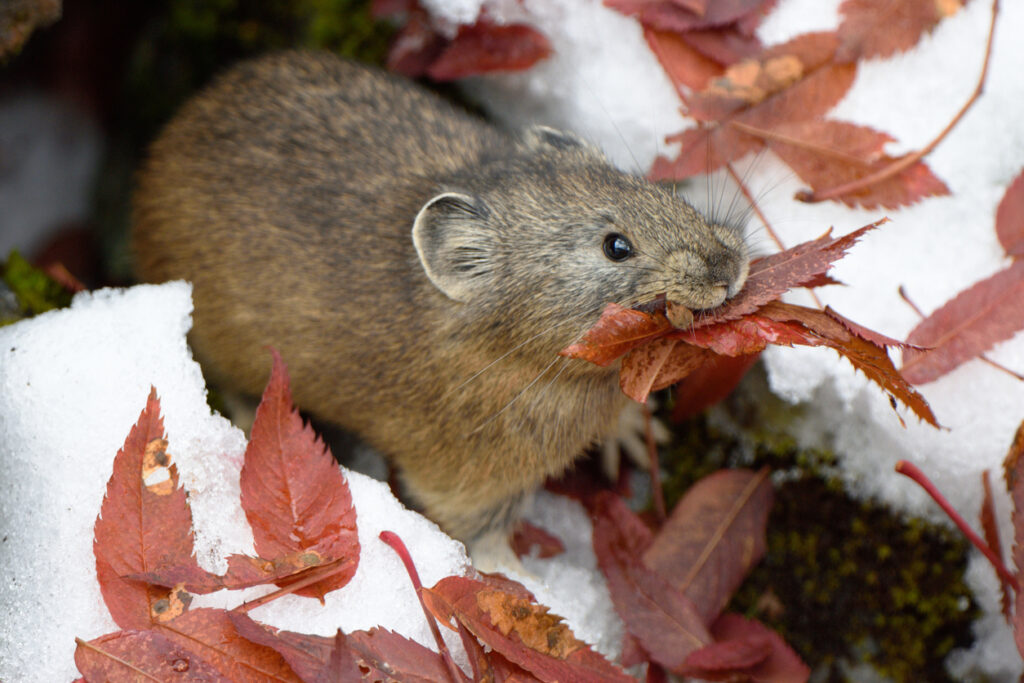
Most creatures that live somewhere that cold just sleep through winter, but not pikas. They stay awake the whole time, living off the food they collected and dried during summer. That decision to stay active means they need absolutely loads of food stored up. They’re constantly busy during warm months because winter’s coming, and they can’t just sleep through it.
They’re related to rabbits but look nothing like them.
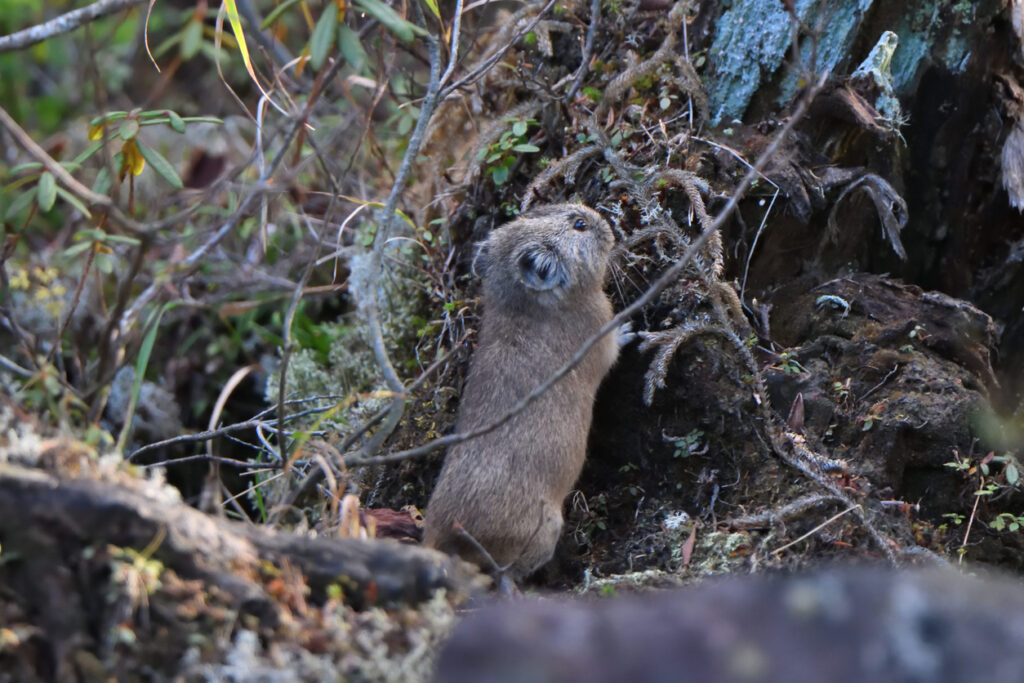
You’d never guess it from looking at them, but pikas are actually in the same family as rabbits and hares. They’ve just evolved to look completely different because of where they live. Their connection to rabbits explains the ears and the way they hop about. However, they’re so much rounder and fluffier that most people would never make the link without being told.
They’re incredibly territorial about their patches.
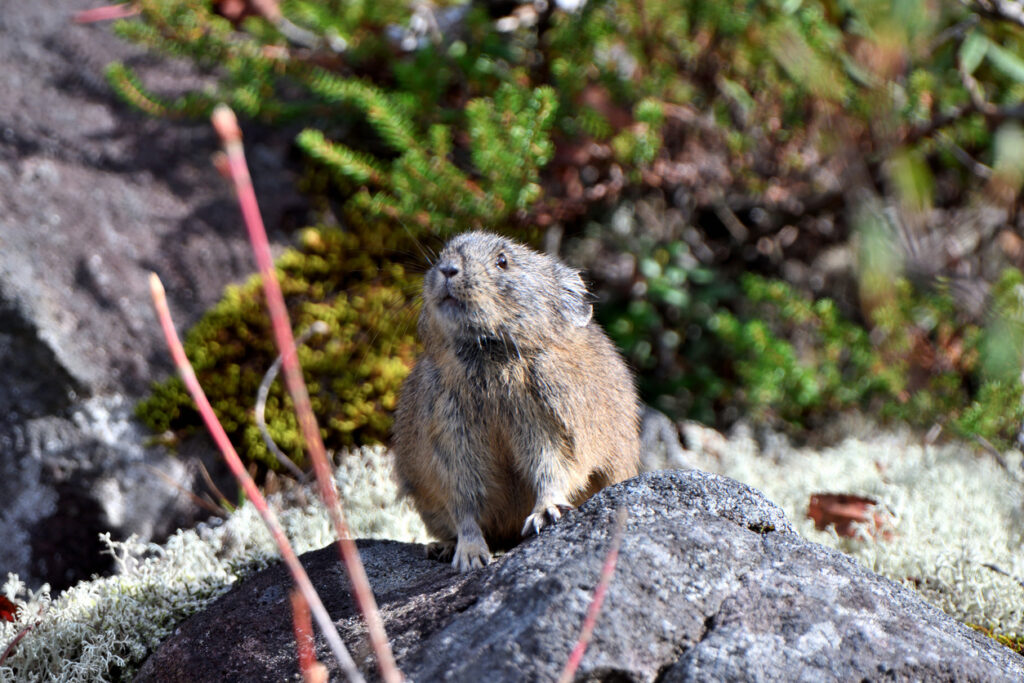
Each pika has its own little area of mountainside, and they don’t like other pikas coming into it. They’ll chase intruders off quite aggressively for something so small and cute looking. That territorial nature is about survival. There’s only so much food in each area, and they need to protect their patch to make sure they’ve got enough stored for winter.
Climate change is threatening their survival.
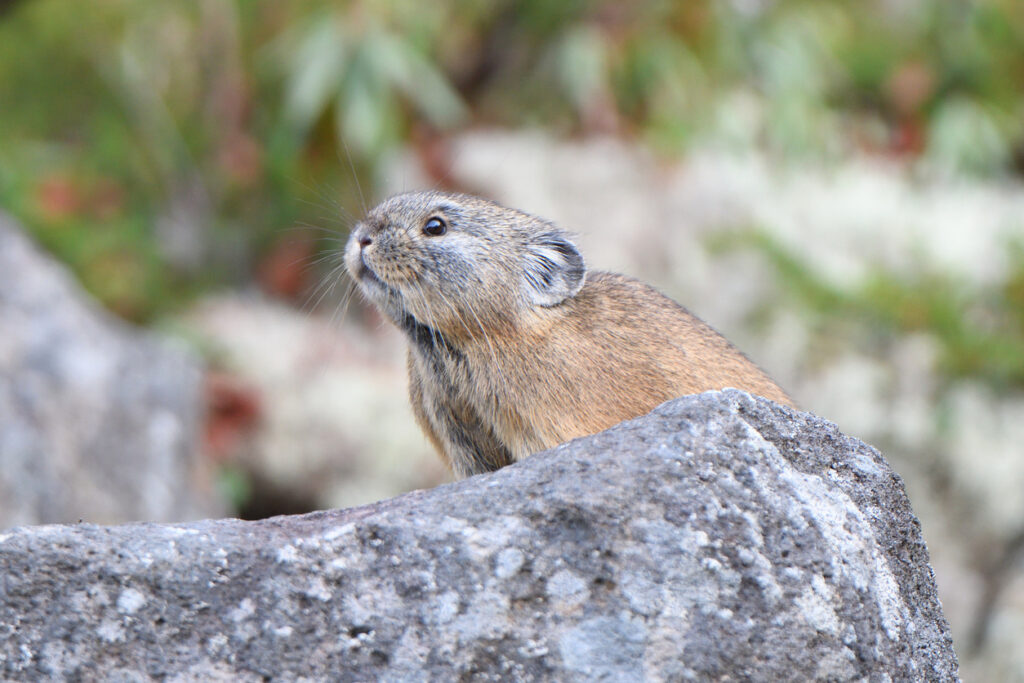
Pikas need it cold to survive, and the mountains are warming up. They’re already living as high as they can go, so when it gets warmer there’s nowhere left for them to move to. Being so sensitive to temperature means they’re one of the species most at risk from climate change. Scientists are quite worried about whether they’ll still be around in a few decades.
They have thick fur on the bottom of their feet.
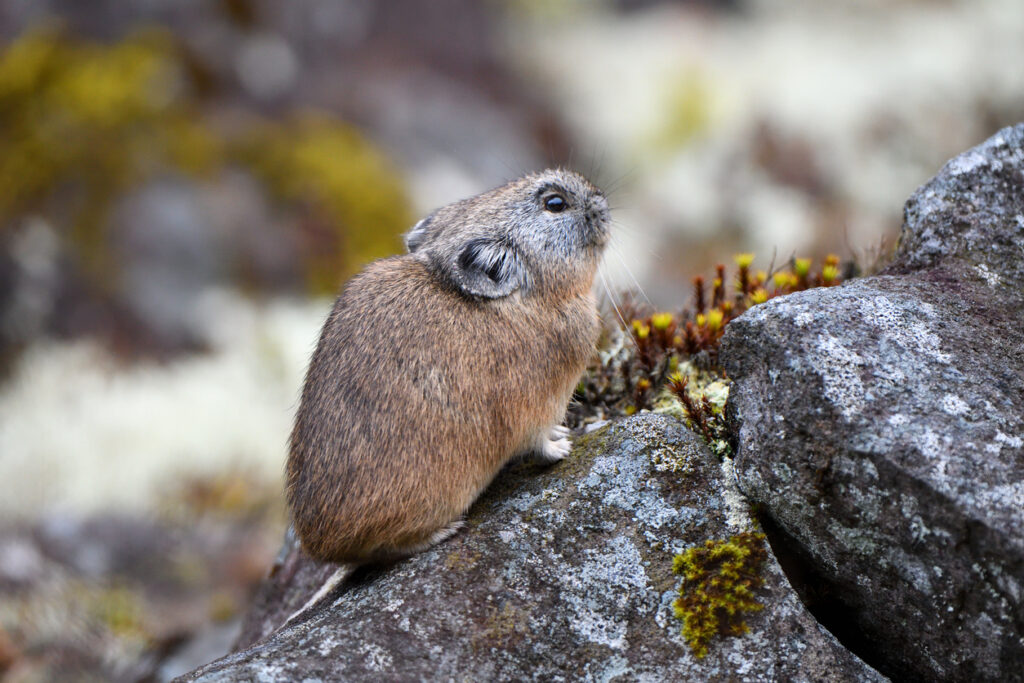
Walking on frozen rocks and snow all the time would hurt, so pikas have evolved these furry pads on their paws that work like little snow boots. It keeps them warm and stops them slipping on ice. That adaptation is why they can scamper about on mountainsides that would be impossible for other small animals. They’re built specifically for that harsh, rocky environment.
Baby pikas are born completely helpless.
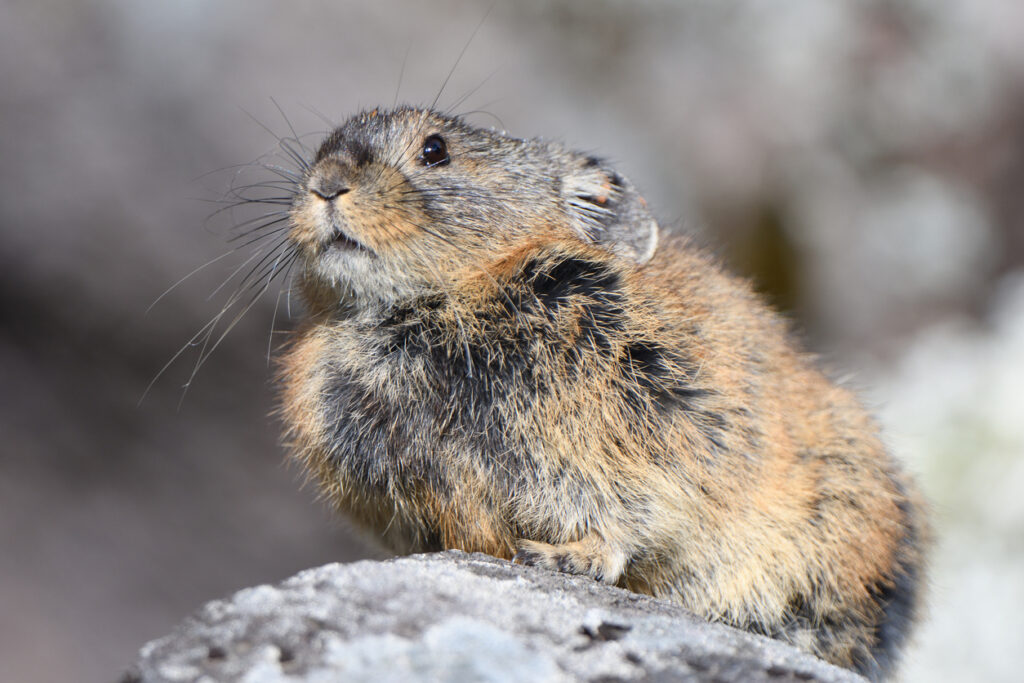
When they’re born, pika babies can’t see or hear and have no fur. The mother keeps them hidden in the burrow for weeks while they develop enough to survive outside. That vulnerable start means they need loads of protection early on. The mum has to work incredibly hard keeping them fed and safe until they’re ready to venture out.
They inspired the Pokémon Pikachu.
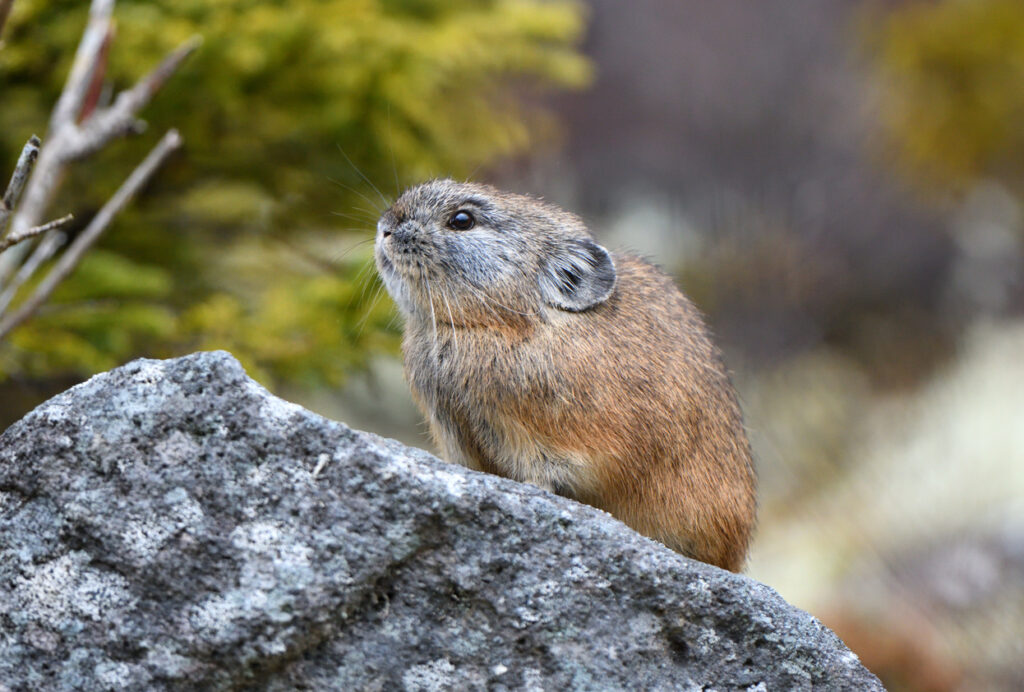
The creator of Pokémon has said that Pikachu was partly inspired by real pikas. The name, the cheeks, the way it moves, there’s definitely some pika DNA in there. The connection means loads of Pokémon fans get excited when they find out pikas are real animals. It’s like discovering your favourite character is based on something that actually exists.
You can hear them before you see them.
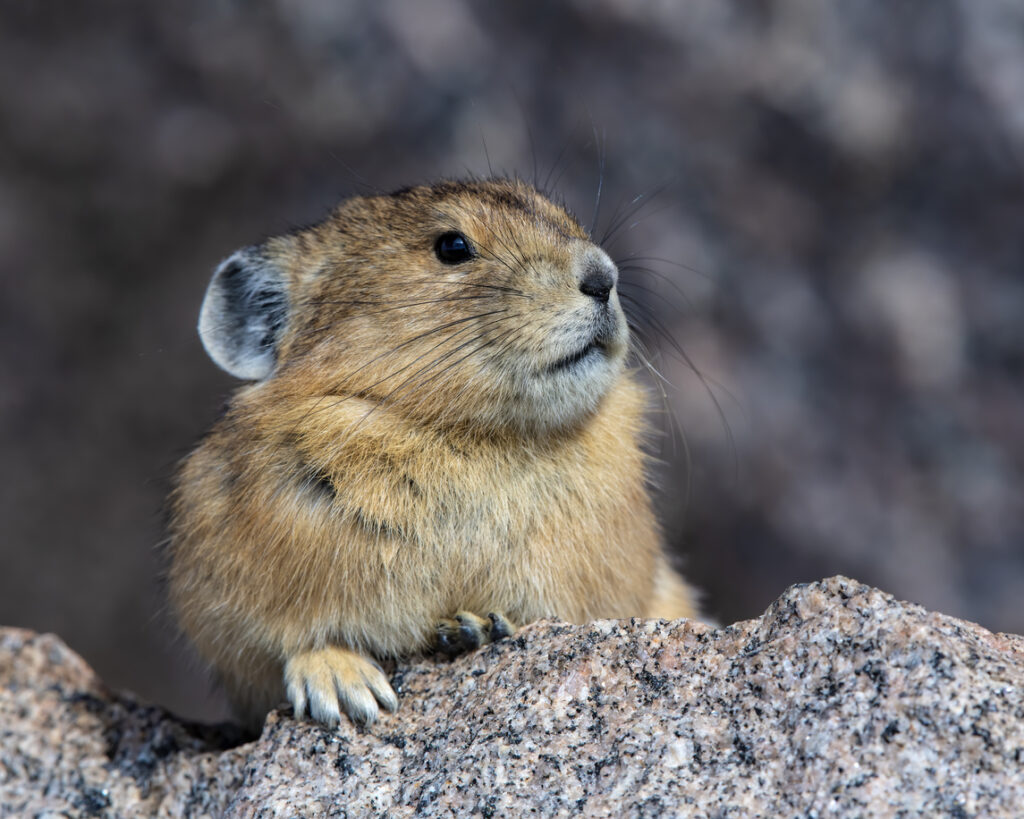
When you’re hiking in their habitat, you’ll often hear that distinctive squeaking echoing off the rocks before you spot the actual animal. They’re surprisingly loud for something so tiny. Their vocal nature is one of the reasons hikers love encountering them. Even if you never see one, hearing those squeaks from somewhere in the rocks makes the whole trek feel magical.