Every October 22nd, animal lovers around the world pause to celebrate one of Australia’s most endearing yet underappreciated creatures: the wombat.
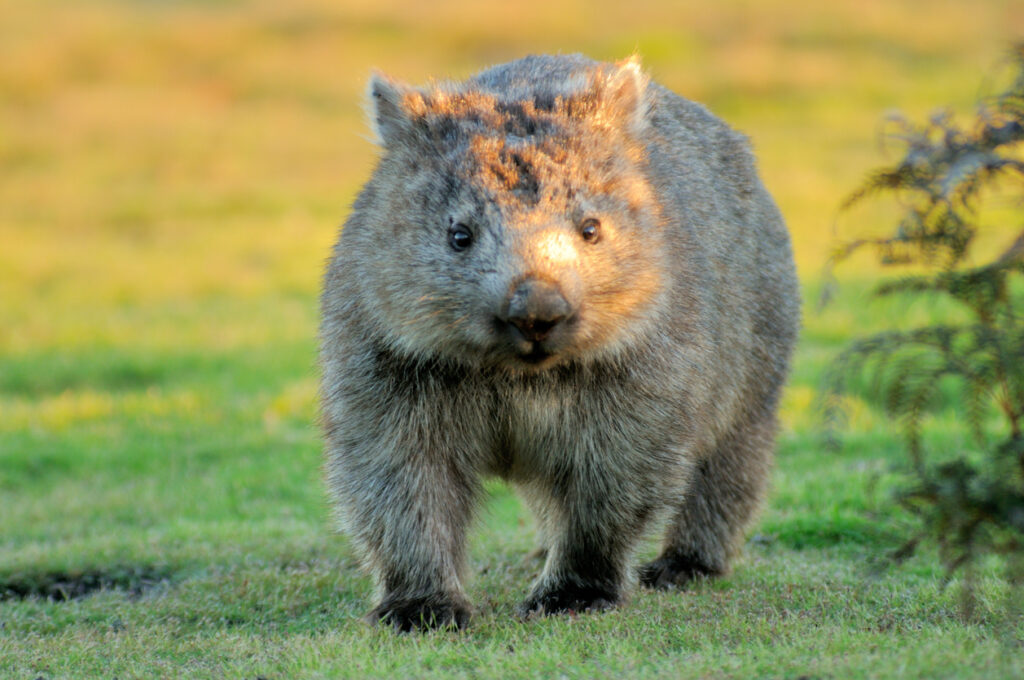
International Wombat Day might not have the profile of World Penguin Day or International Tiger Day, but for those who know these chunky, determined marsupials, it’s a chance to shine a spotlight on an animal that’s equal parts adorable and absolutely remarkable.
Wombats waddle through the Australian landscape with an air of quiet determination, looking like nature decided to cross a bear with a potato and give it fur. They’re not flashy. They’re not particularly graceful. But they are extraordinary in ways that most people never realise until they take a closer look.
What exactly is a wombat?
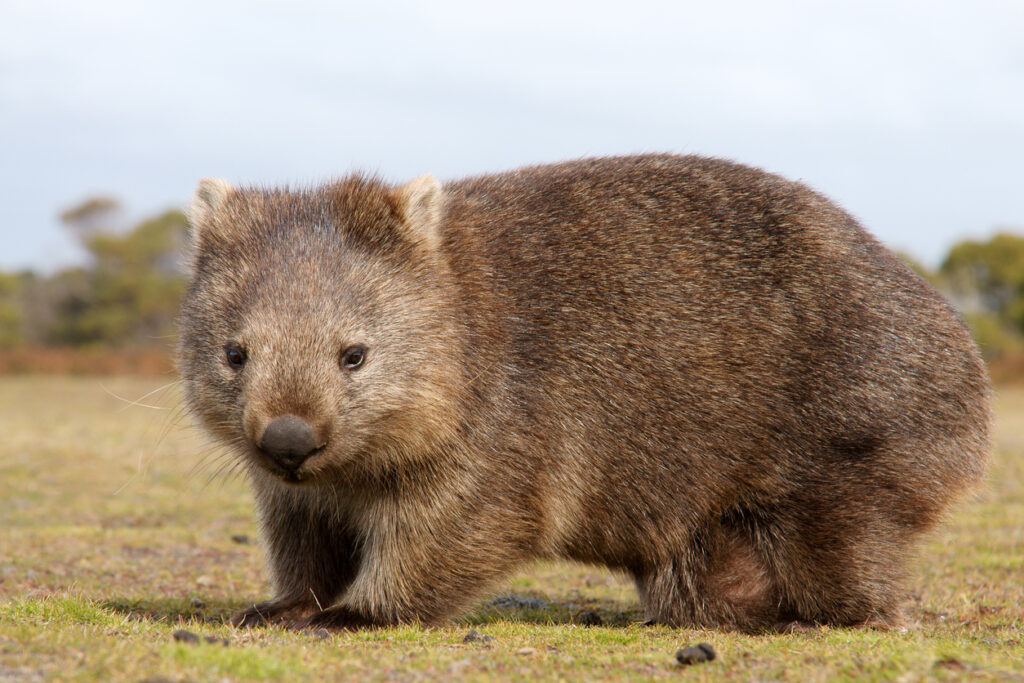
If you’ve never encountered a wombat, imagine a compact, muscular marsupial about the size of a medium dog, covered in coarse fur ranging from sandy brown to dark grey or black. Despite their cuddly appearance, wombats are solid muscle. They can weigh anywhere from 20 to 35 kilograms, and every bit of that weight is functional.
Wombats are marsupials, which means they carry their young in pouches like kangaroos and koalas. In fact, they’re most closely related to koalas, though you’d never guess it from looking at them. Where koalas are tree-dwelling and leisurely, wombats are ground-dwelling and industrious.
There are three species in Australia: the common wombat, found in southeastern Australia and Tasmania, and two species of hairy-nosed wombats: the southern hairy-nosed wombat and the critically endangered northern hairy-nosed wombat, of which fewer than 300 remain in the wild.
They’re master architects of the underground.
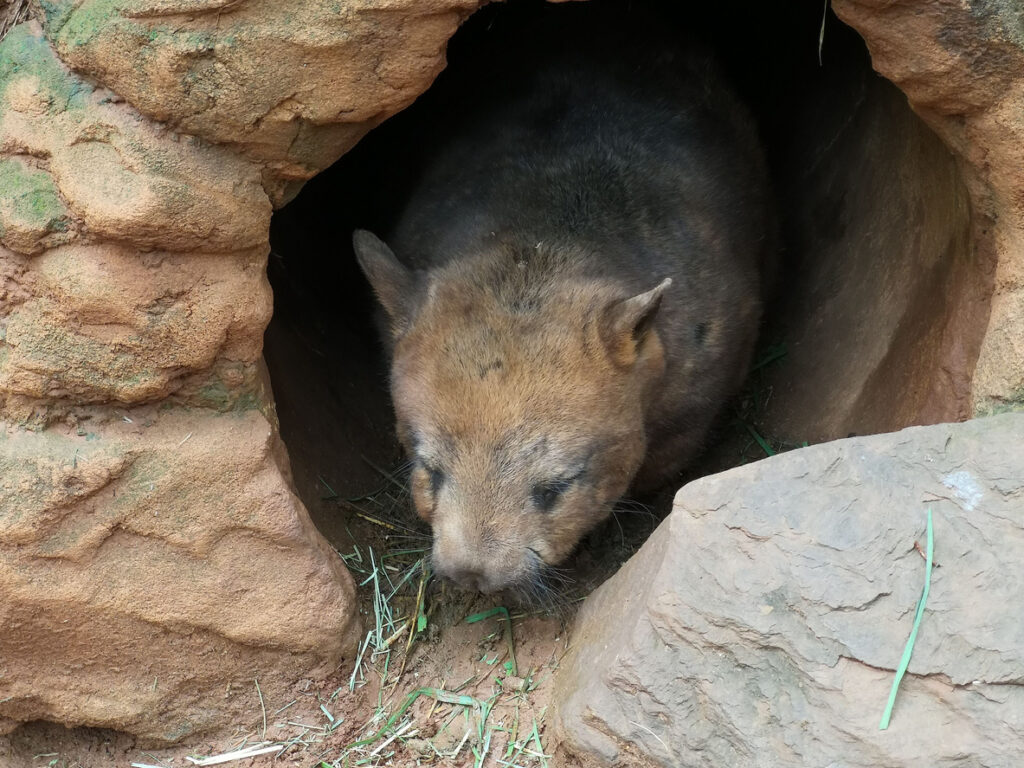
If wombats had a job title, it would be “excavation engineer.” These animals are phenomenally skilled diggers, using their powerful claws and rodent-like front teeth to carve out extensive burrow systems. Their burrows aren’t just simple holes; they’re sophisticated tunnel networks with multiple entrances, chambers, and sometimes even separate “rooms” for different purposes.
The entrance to a wombat burrow is unmistakable, usually about a meter wide and perfectly round, worn smooth by generations of wombats passing through. Inside, the tunnels branch and twist, creating a labyrinth that only the wombat knows how to navigate. These burrows provide shelter from Australia’s extreme temperatures, protection from predators, and safe places to rest during the day.
Wombats can move up to a cubic meter of earth in a single night when motivated. The soil gets pushed backwards with their hind legs and kicked out of the entrance, creating distinctive mounds that mark wombat territory.
Built like tanks
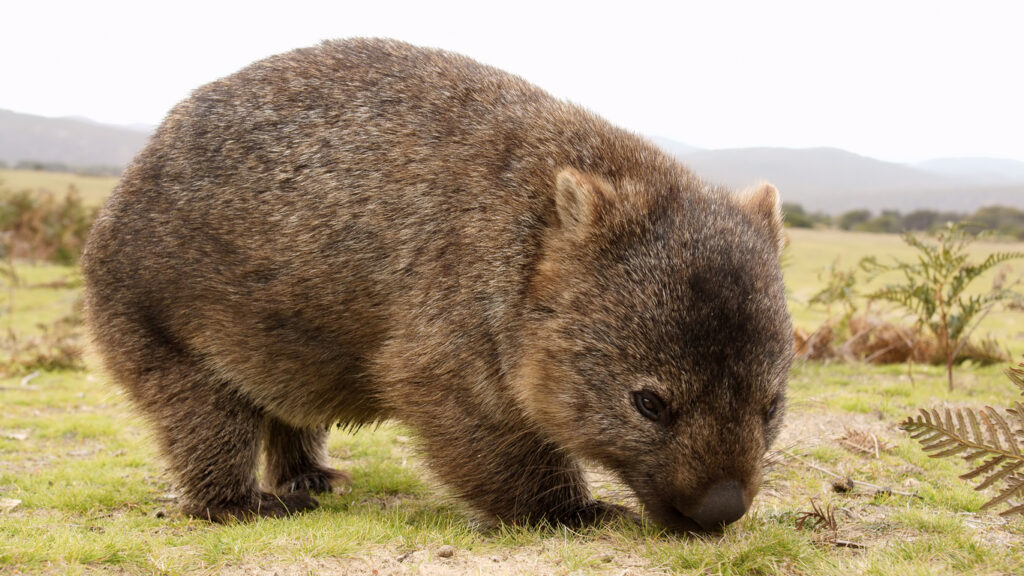
Don’t let the cute factor fool you here! Wombats are incredibly tough animals. They have thick, tough skin that’s difficult for predators to penetrate, and beneath that is solid muscle. Perhaps most surprisingly, wombats have a cartilaginous pad on their rump, which is essentially a built-in shield made of thick skin and cartilage.
When threatened by a predator in their burrow, a wombat will dive headfirst into the nearest tunnel, blocking the entrance with its armoured backside. If a predator follows, the wombat can use its rear end as a weapon, crushing the attacker against the tunnel ceiling. It’s an unusual defence mechanism, but remarkably effective.
Wombats can also run surprisingly fast when necessary, as in, up to 40 kilometres per hour in short bursts. Watching a wombat sprint is like watching a furry boulder roll downhill with purpose.
They have the slowest metabolism in the marsupial world.
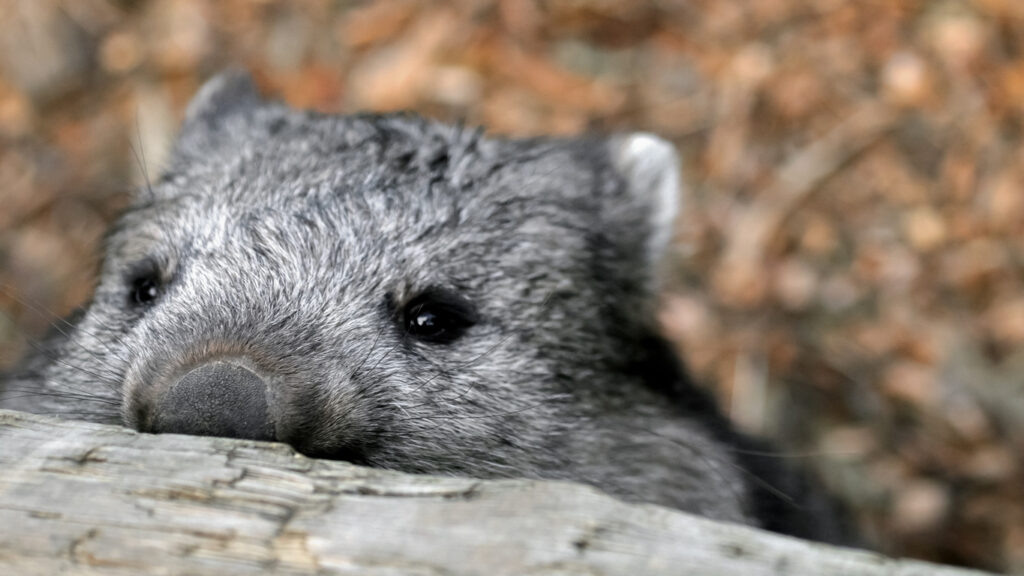
Wombats have the slowest metabolism of any mammal their size. A wombat can take up to two weeks to fully digest a meal, which is extraordinarily slow even by marsupial standards. This adaptation allows them to extract maximum nutrition from their diet of grasses, roots, and bark, and those are foods that aren’t particularly nutrient-dense.
Despite this efficiency, an adult wombat still needs to consume significant amounts of vegetation daily, sometimes grazing for up to eight hours a night to get enough food.
Those famous cube-shaped droppings are real.
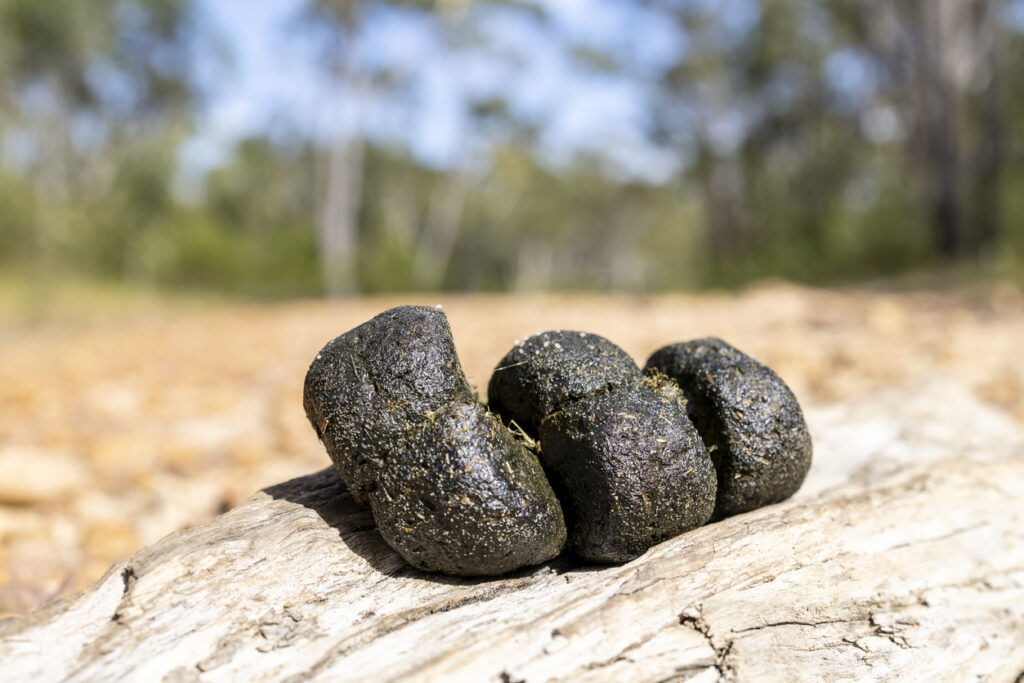
Here’s where wombats get genuinely weird: they produce cube-shaped poo. It’s one of nature’s most bizarre features, caused by the unique elasticity of their intestines. As waste moves through the digestive system, the intestines contract in a specific pattern that literally shapes the poo into cubes.
Why? The leading theory is that cube-shaped droppings don’t roll away. Wombats use their droppings to mark territory, leaving them on rocks, logs, and prominent places around their burrows. Cubes stay where they’re placed, making them more effective territorial markers.
A wombat can produce up to 100 of these cubic deposits in a single night. It’s both practical and deeply strange, which pretty much sums up wombats perfectly.
They’re nocturnal creatures with strong routines.
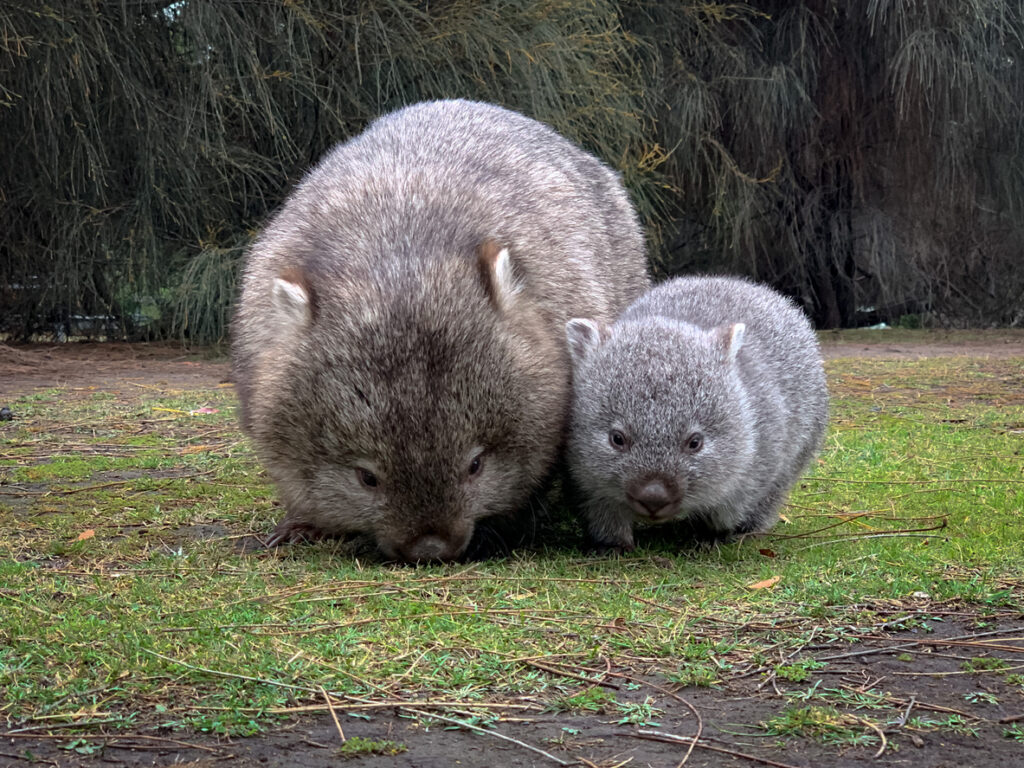
Wombats are primarily nocturnal, emerging from their burrows at dusk to forage for food. During the day, they retreat underground, where temperatures remain relatively constant. In scorching summer heat, a wombat’s burrow stays cool. In winter, it stays warm.
Wombats are creatures of habit, following the same paths night after night, wearing distinct trails through vegetation. These “wombat highways” become so well-established that other animals often use them too. They’re generally solitary animals, though burrow systems sometimes overlap. They’re more like neighbours who wave politely but don’t really chat.
They’re bushfire heroes.
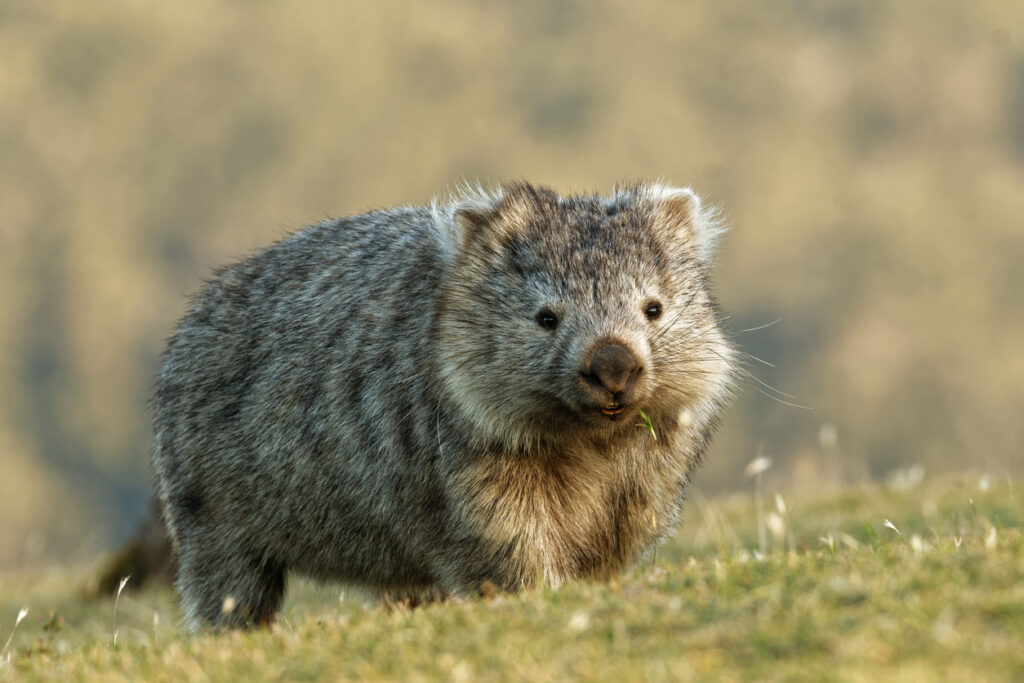
During Australia’s devastating 2019-2020 bushfires, wombats inadvertently became heroes. Reports emerged of wombats sharing their burrows with other animals fleeing the flames. Small mammals, reptiles, and even birds were observed sheltering in wombat burrows during the fires.
While wombats aren’t actively inviting other species in out of altruism, their deep, extensive burrow systems provided crucial refuge. The thick earthen walls offer excellent insulation from heat and smoke, creating safe havens in otherwise lethal conditions.
This unexpected role as emergency shelter providers gave wombats new appreciation. They weren’t just digging burrows for themselves. They were creating infrastructure that benefited entire ecosystems during crisis.
There are many conservation challenges.
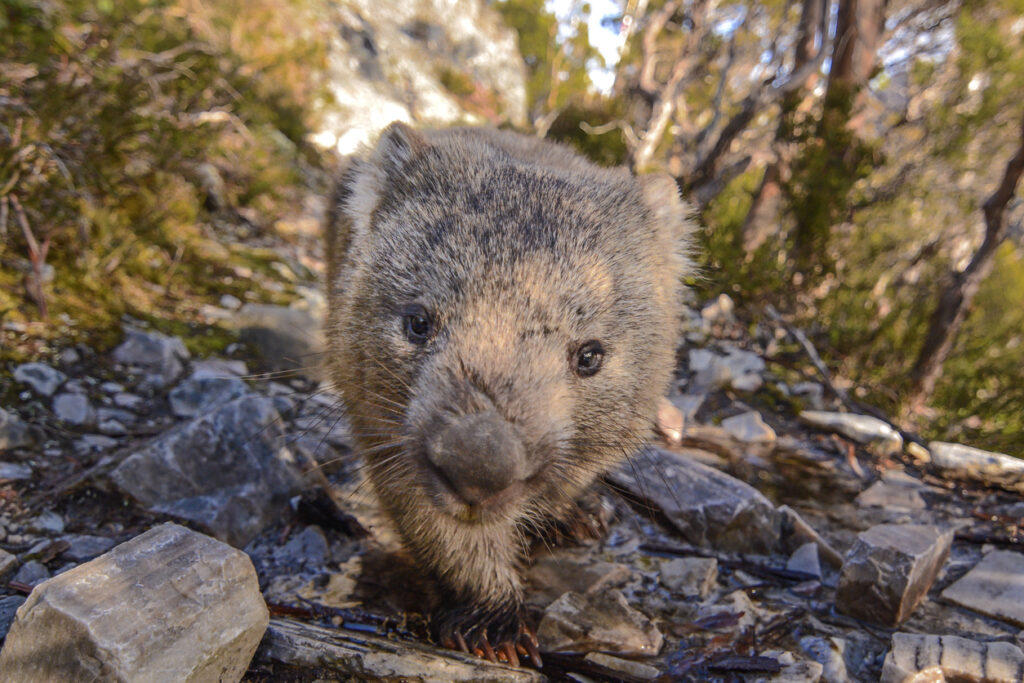
Not all wombat news is positive. While common wombats have relatively stable populations, they face threats from habitat loss, vehicle strikes, and disease. The northern hairy-nosed wombat is critically endangered. Sarcoptic mange, caused by parasitic mites, has become a significant threat in some areas. The disease causes intense itching, hair loss, and skin lesions. Affected wombats often become weak and can die from secondary infections or starvation.
Road deaths are another major issue. Wombats often cross roads at night, and their solid build means collisions are usually fatal. Wildlife corridors and warning signs help, but the problem persists wherever wombat habitat intersects with human infrastructure.
The dedicated people protecting them deserve applause.
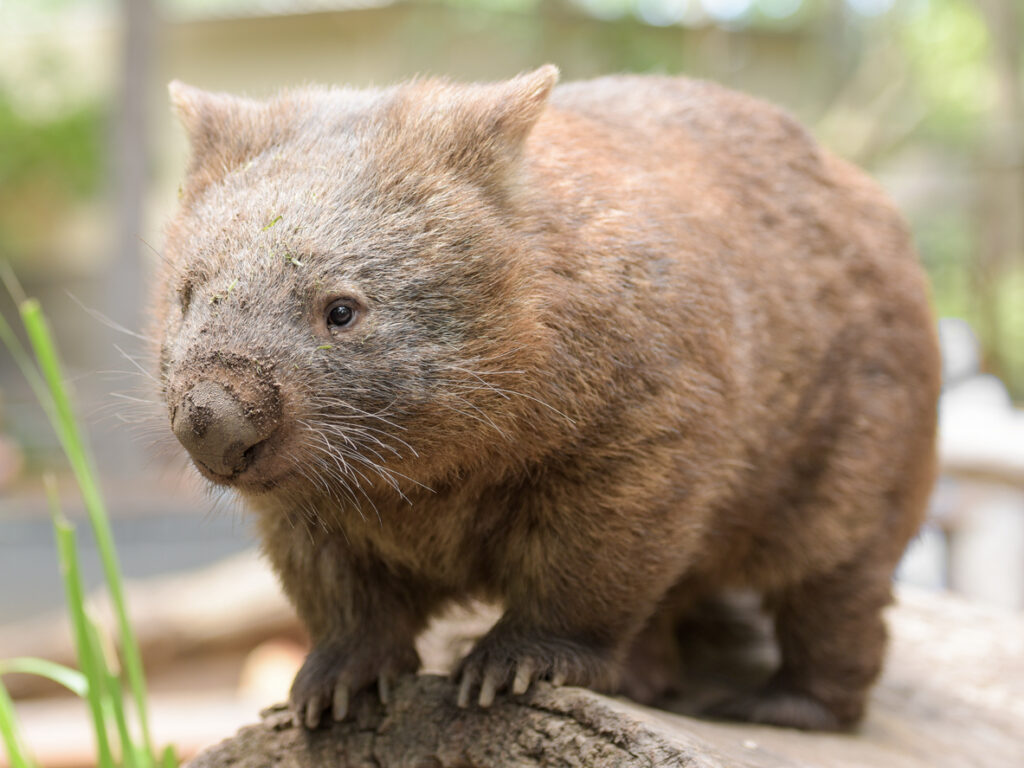
International Wombat Day celebrates not just the animals, but the countless volunteers, wildlife carers, and conservationists working to protect them. Wombat rescue organisations across Australia dedicate themselves to treating injured wombats, raising orphaned joeys, and advocating for better habitat protection.
Raising a wombat joey is a months-long commitment, requiring round-the-clock feeding, specialised diets, and eventually teaching the young wombat skills it would have learned from its mother. The goal is always release back into the wild.
Research programs study wombat behaviour, health, and population dynamics, providing crucial data that informs conservation strategies. Citizen science projects ask the public to report wombat sightings, helping researchers track populations and identify areas needing protection.
Wombats have been big characters in popular culture.
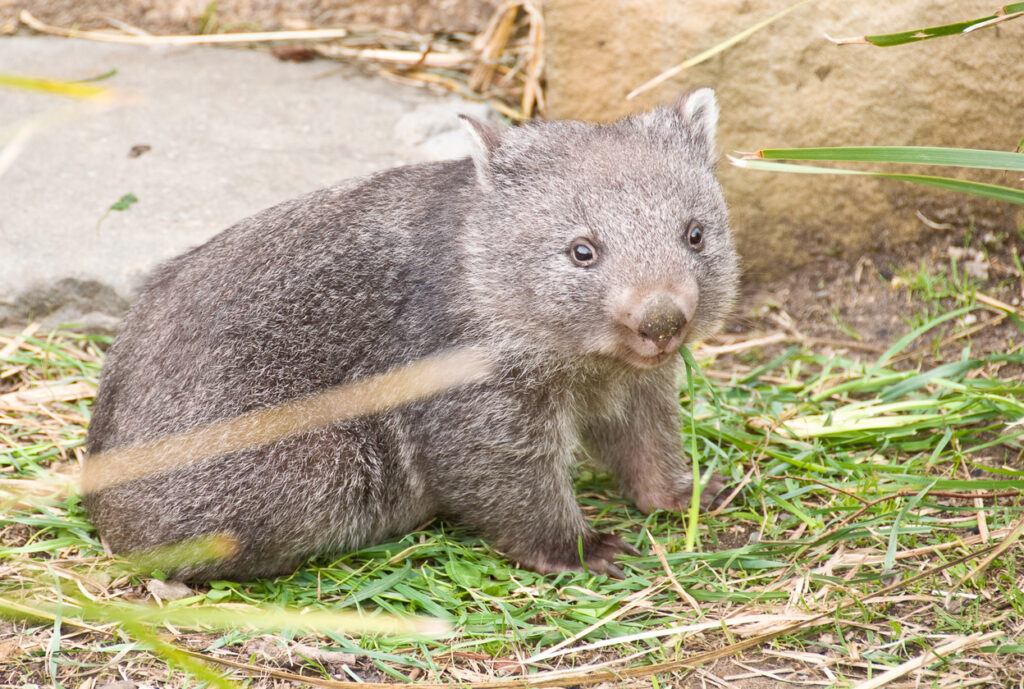
Wombats have carved out a special place in Australian culture. They appear in children’s books, animations, and as mascots for various organisations. “Diary of a Wombat” by Jackie French is a beloved children’s book that perfectly captures the wombat’s determined, food-focused personality.
Today, wombats are appreciated from a respectful distance, with wildlife tourism offering opportunities to see them in their natural habitat or at sanctuaries. This change represents a healthier relationship, celebrating wombats for what they are rather than trying to make them into something they’re not.
What you can do to help
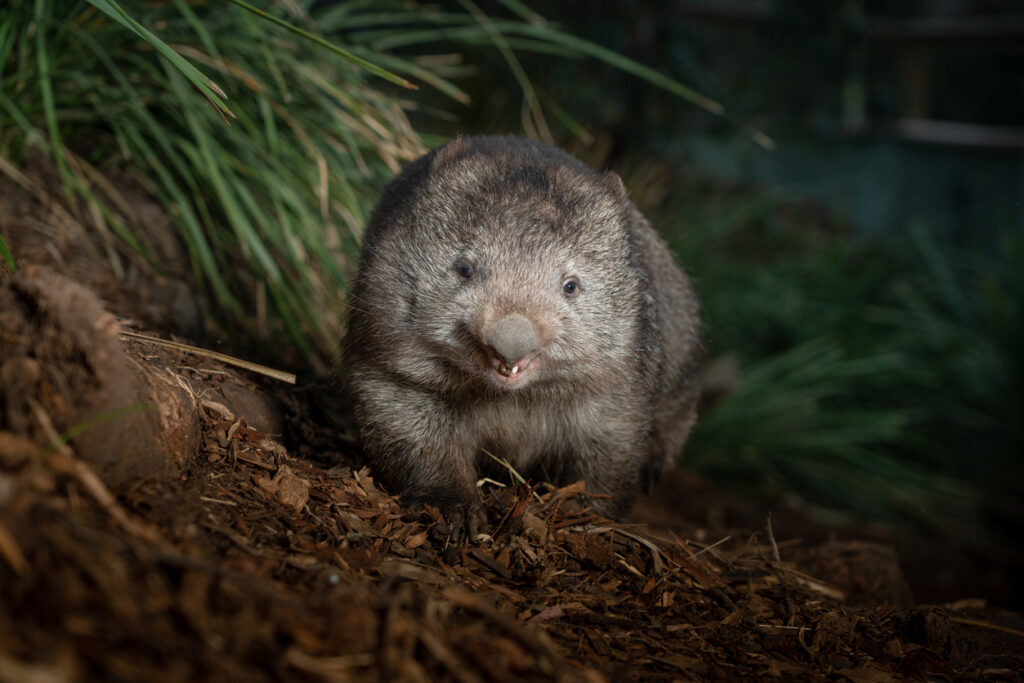
International Wombat Day isn’t just about appreciation, it’s a call to action. If you live in or visit wombat territory, drive carefully, especially at dawn and dusk when wombats are most active. Report injured wombats to local wildlife rescue organisations.
Supporting organisations that work with wombats, whether through donations or volunteering, directly helps conservation efforts. Many groups offer “adopt a wombat” programs, where your contribution supports the care of a specific animal.
Educating others about wombats helps too. These animals often get overlooked in favour of koalas and kangaroos. The more people understand about wombats, in terms of their ecological importance, their remarkable adaptations, their conservation needs, the more support there is for protecting them.
The importance of wombats in our natural world can’t be overstated.
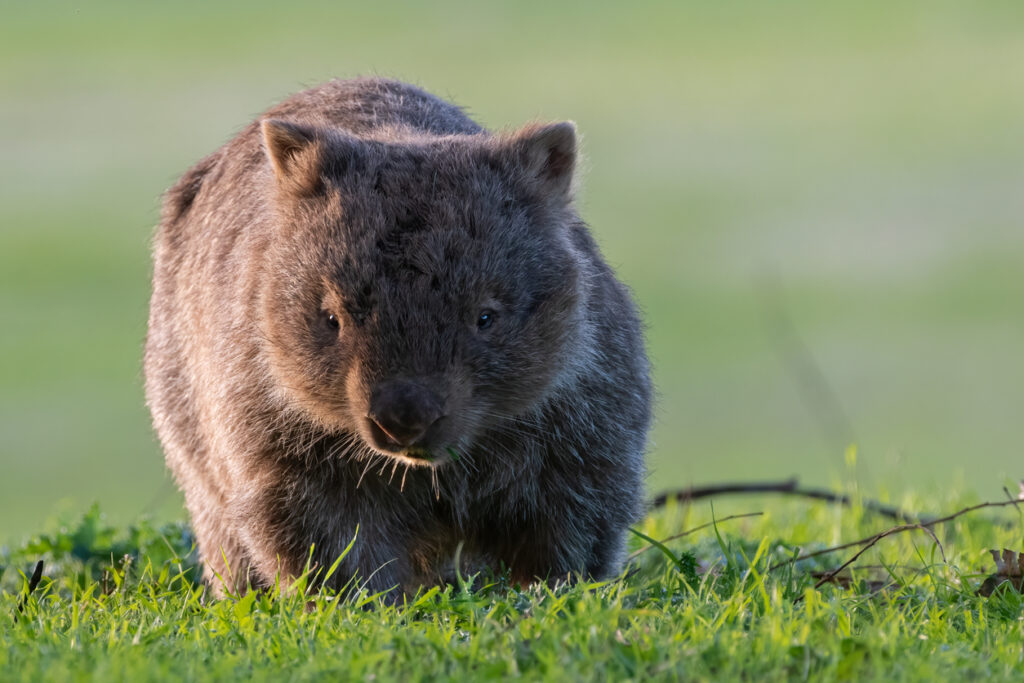
Beyond their inherent right to exist, wombats play important ecological roles. Their digging aerates soil, helping water penetration and plant growth. Their burrows provide shelter for numerous other species. Their grazing influences plant communities.
Wombats are also indicators of ecosystem health. As animals sensitive to habitat disturbance, declining wombat populations can signal broader ecological problems. Protecting wombats means protecting the landscapes they inhabit, which benefits countless other species.
There’s also something valuable about celebrating animals that don’t fit the conventional mould of charismatic wildlife. Wombats aren’t majestic like eagles or graceful like dolphins. They’re chunky, determined, and a bit odd. And that’s exactly why they matter.
Celebrate these little creatures whenever you can.
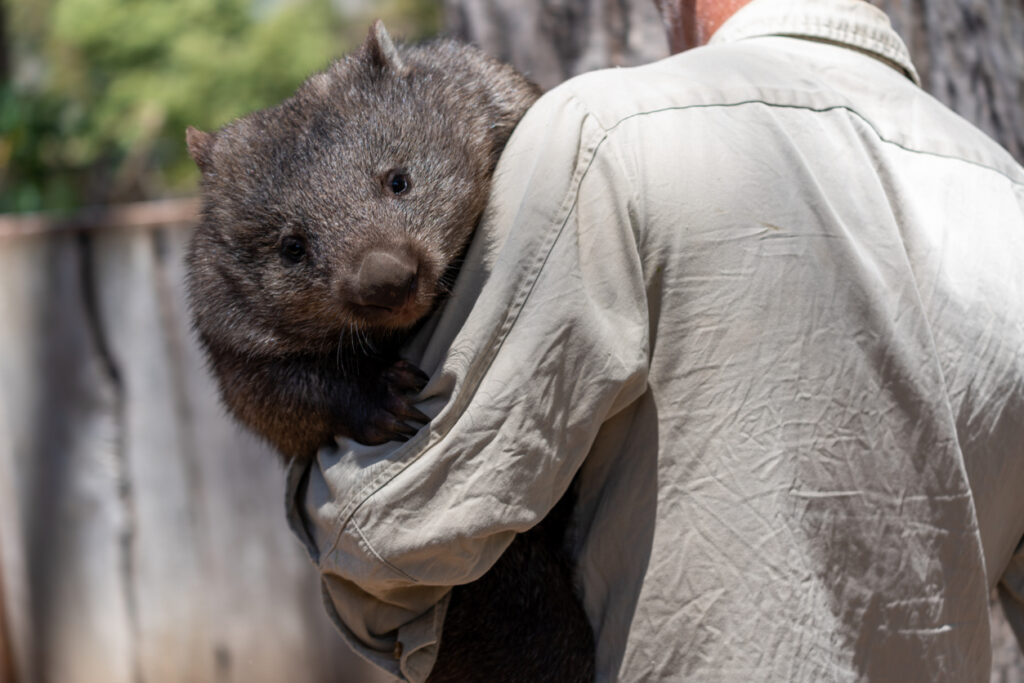
International Wombat Day gives us pause to appreciate these remarkable marsupials that are tough enough to survive in harsh environments, gentle enough to waddle peacefully through the night, and strange enough to produce cube-shaped poo. They’re uniquely Australian, utterly themselves, and absolutely worth celebrating.
So, take a moment to appreciate the wombat. Learn something new about them. Support conservation efforts. Share their story. These chunky, determined diggers have been shaping the Australian landscape for millennia, and with continued care and appreciation, they’ll be doing it for millennia more.