The natural world has a way of making you stop and stare, especially when it creates something that looks too strange to exist.
Every corner of the planet hides landscapes that seem like they’ve been designed rather than formed, places that make you question what’s real and what isn’t. From shapes carved by centuries of wind and water to colours that look almost impossible, the Earth has a wild imagination of its own.
These wonders remind us that nature doesn’t need any help from us to be breathtaking. Some of these formations look like they belong in a painting or a dream, but they’re entirely real, shaped by time, pressure, and chance. They’re proof that the planet is full of surprises, and that even in a world mapped by satellites and cameras, it can still leave us amazed.
1. The Giant’s Causeway, Northern Ireland
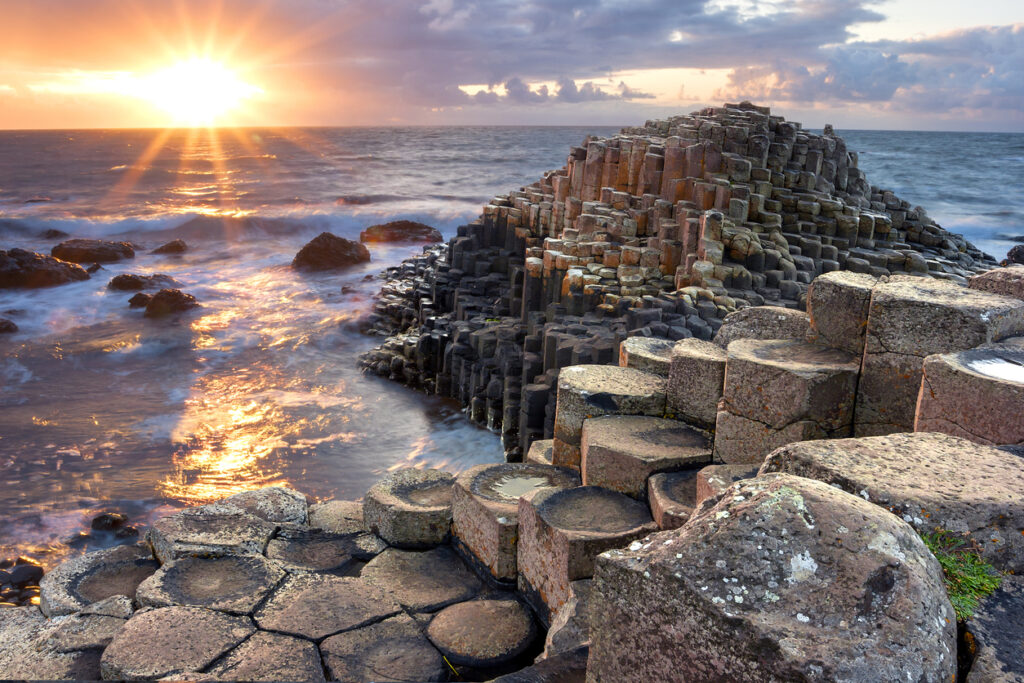
Thousands of perfectly shaped stone columns line the coast of County Antrim, forming steps that look deliberately arranged. Each hexagonal block fits so neatly it seems manmade, yet they were born from volcanic activity around 60 million years ago. Lava cooled so quickly that it cracked into geometric shapes, leaving behind this honeycomb of natural pillars. Standing there feels like walking across a forgotten bridge between science and myth.
2. Fly Geyser, Nevada, USA
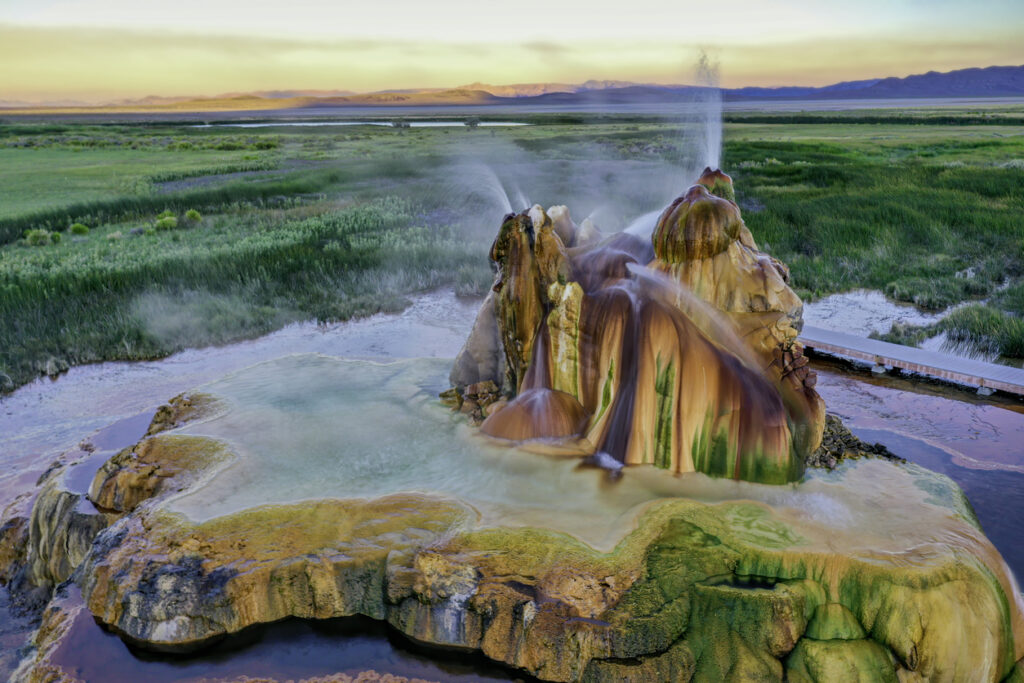
This geyser looks more like an alien sculpture than a real part of the desert. Bright red, orange, and green colours cover the rock, fed by mineral deposits that spill from the hot water inside. It was accidentally created when drilling for water in the 1960s struck a geothermal pocket. Nature took over from there, turning the leak into a living fountain of colour that still erupts several feet into the air.
3. Zhangye Danxia Mountains, China
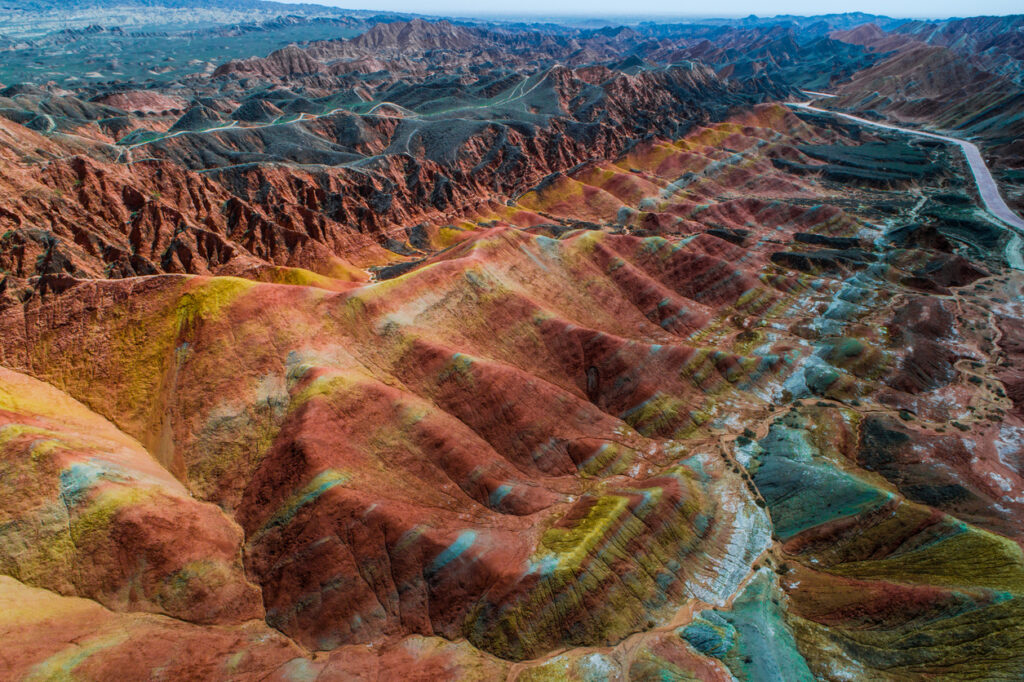
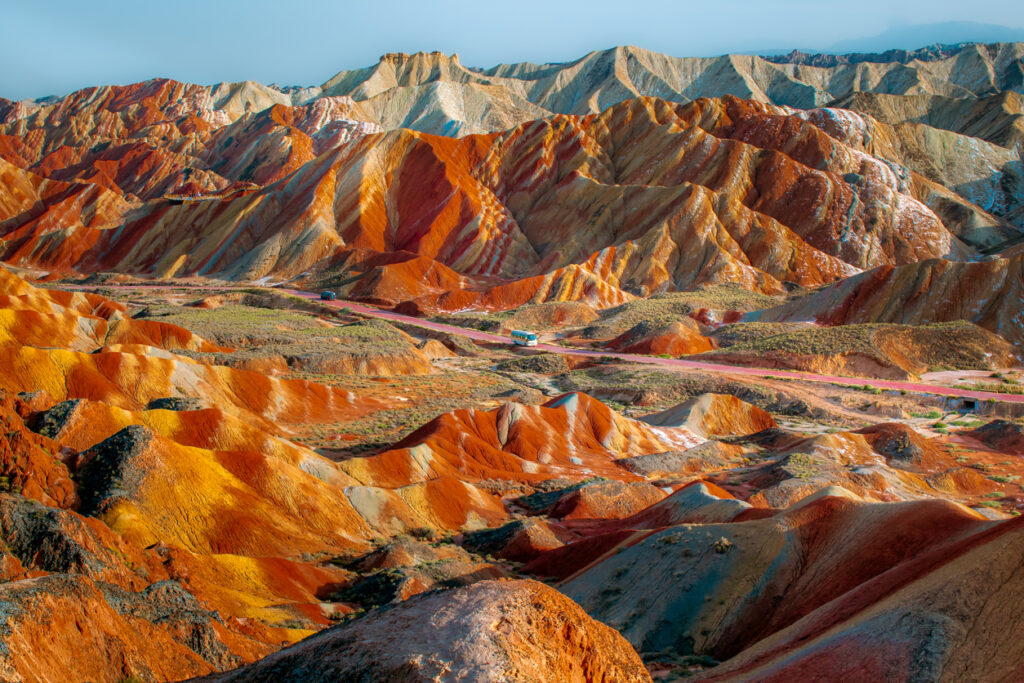
Also called the Rainbow Mountains, this landscape looks painted. Layers of red, gold, and violet ripple through the rock like brushstrokes across a huge canvas stretching for miles. The colours come from mineral-rich sandstone compressed and eroded over millions of years. No filter could improve it; the view already feels surreal, like standing inside a dream you can’t quite process.
4. The Wave, Arizona, USA
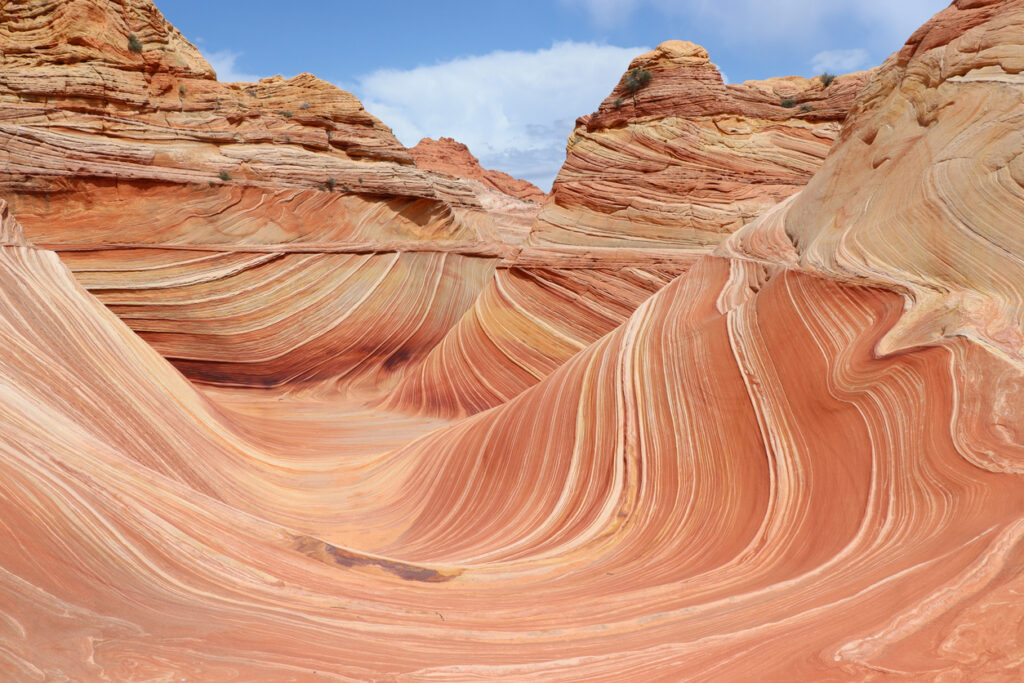
Hidden deep in the desert, The Wave looks like flowing ribbons of rock frozen mid-motion. Its red and orange curves twist together so smoothly that they almost look liquid under the sun. Wind and rain carved this sandstone masterpiece over centuries, smoothing every ridge into perfect lines. Photographers travel from all over the world, and entry is limited just to protect its fragile beauty from too many footsteps.
5. Fingal’s Cave, Scotland
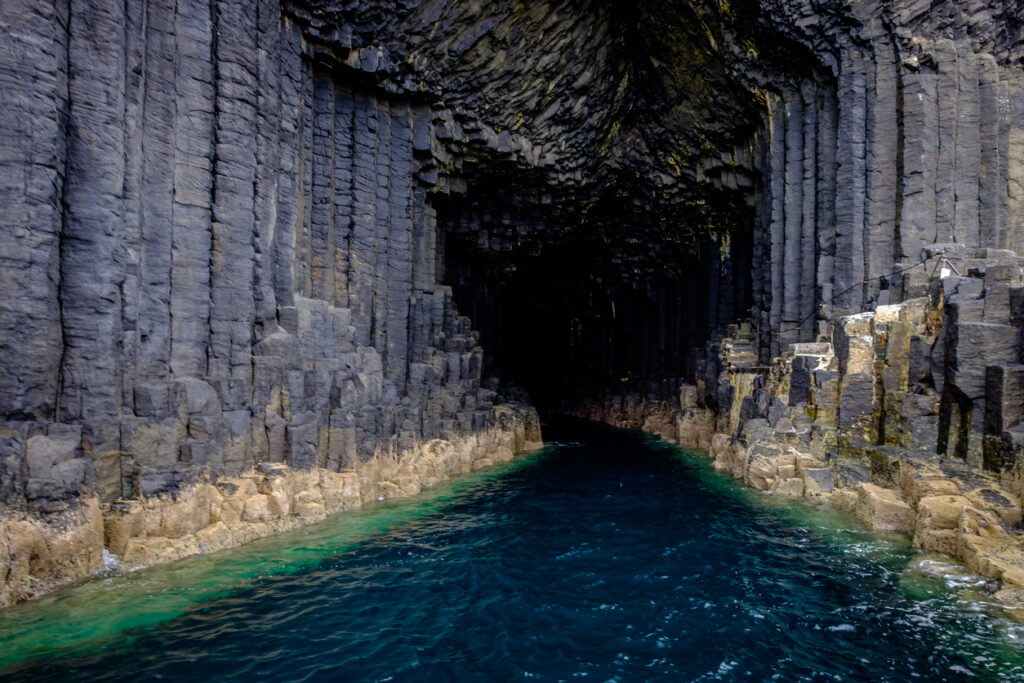
Rising from the sea on the Isle of Staffa, Fingal’s Cave feels like a cathedral made of stone. The walls form tall hexagonal columns, similar to the Giant’s Causeway, creating perfect natural architecture that echoes with sound. When waves crash inside, the acoustics make haunting music that inspired composers and poets alike. It’s one of those places that reminds you how mathematical nature can be without ever losing mystery.
6. Marble Caves, Chile
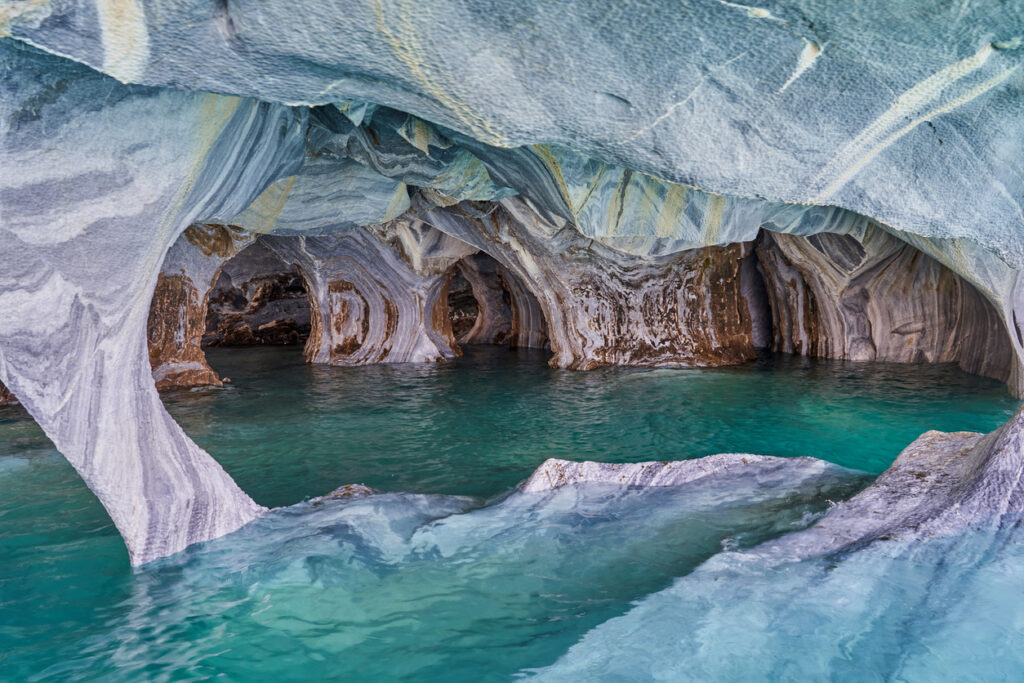
Carved into solid marble by the waves of Lake General Carrera, these caves shimmer in blue and white reflections that change with the water’s movement. The colours shift constantly depending on light and season. When the lake is high, the water glows turquoise and dances across the walls. It’s one of the most peaceful sights on Earth, proof that erosion can create art finer than any human hand.
7. Antelope Canyon, Arizona, USA
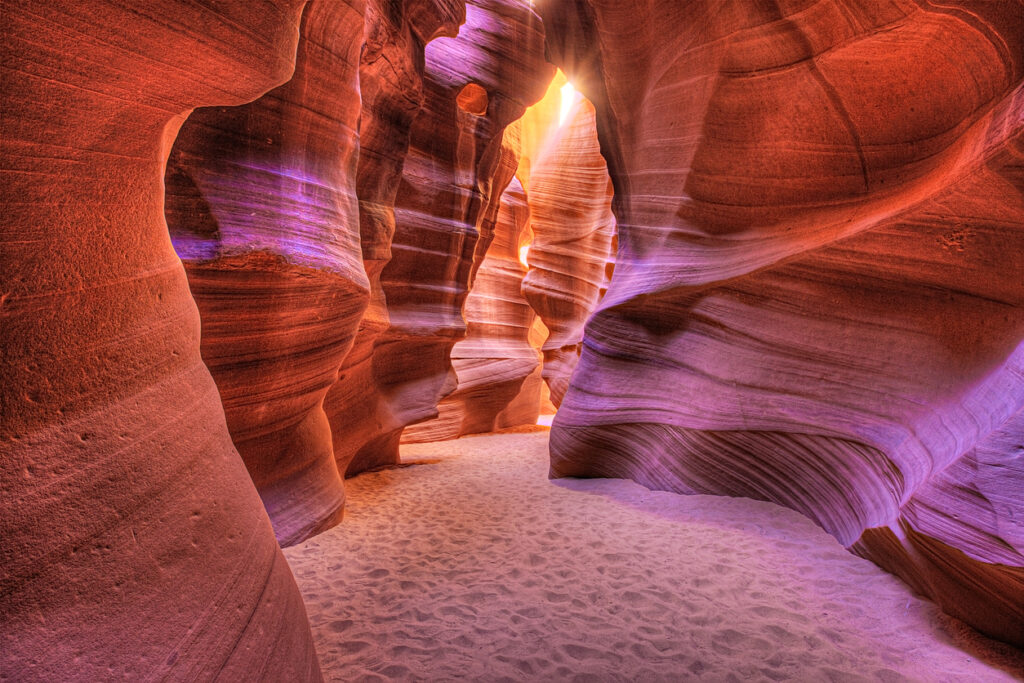
Sunlight pours into narrow corridors of red rock, turning each wall into gold. The soft curves of Antelope Canyon were sculpted by flash floods that swept through the sandstone for thousands of years. When beams of light hit at the right angle, the whole place glows like fire. It’s so striking that many people think photos are edited, but it’s the canyon itself that does the work.
8. Pamukkale Terraces, Turkey
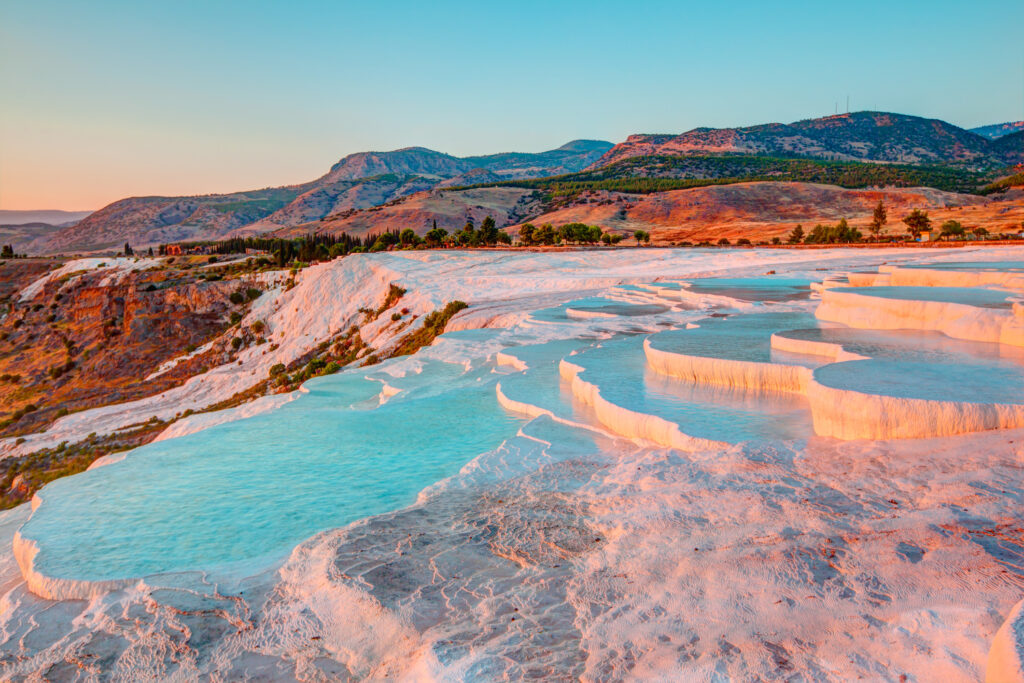
From a distance, these white terraces look like snowy hills. Up close, they’re filled with turquoise pools of warm mineral water that flow from underground springs, leaving behind smooth layers of calcium. The name means “cotton castle,” and it fits perfectly. Walking there feels like stepping through clouds that somehow turned solid, with steam rising around you in soft spirals.
9. Salar de Uyuni, Bolivia
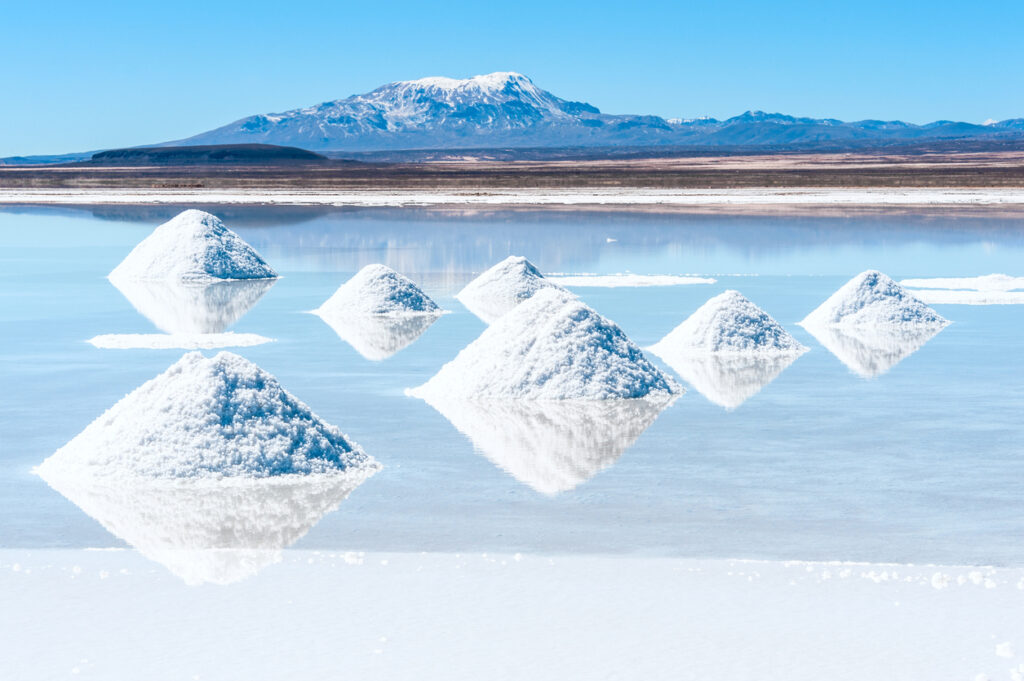
After rainfall, the world’s largest salt flat turns into a mirror so perfect it erases the horizon. Sky and earth merge completely, leaving travellers walking through reflections that stretch forever. In the dry season, it becomes a cracked expanse of white hexagons. Whether wet or dry, Salar de Uyuni feels less like a location and more like another planet.
10. Mount Roraima, Venezuela

This flat-topped mountain rises out of the jungle like an island in the clouds. Sheer cliffs surround the plateau, creating a landscape that looks like it belongs in a fantasy film rather than the real world. Its ecosystem is ancient and isolated, filled with plants and creatures found nowhere else. Many explorers believe it inspired the setting for “The Lost World,” and standing at its edge makes that idea easy to believe.
11. Chocolate Hills, Philippines
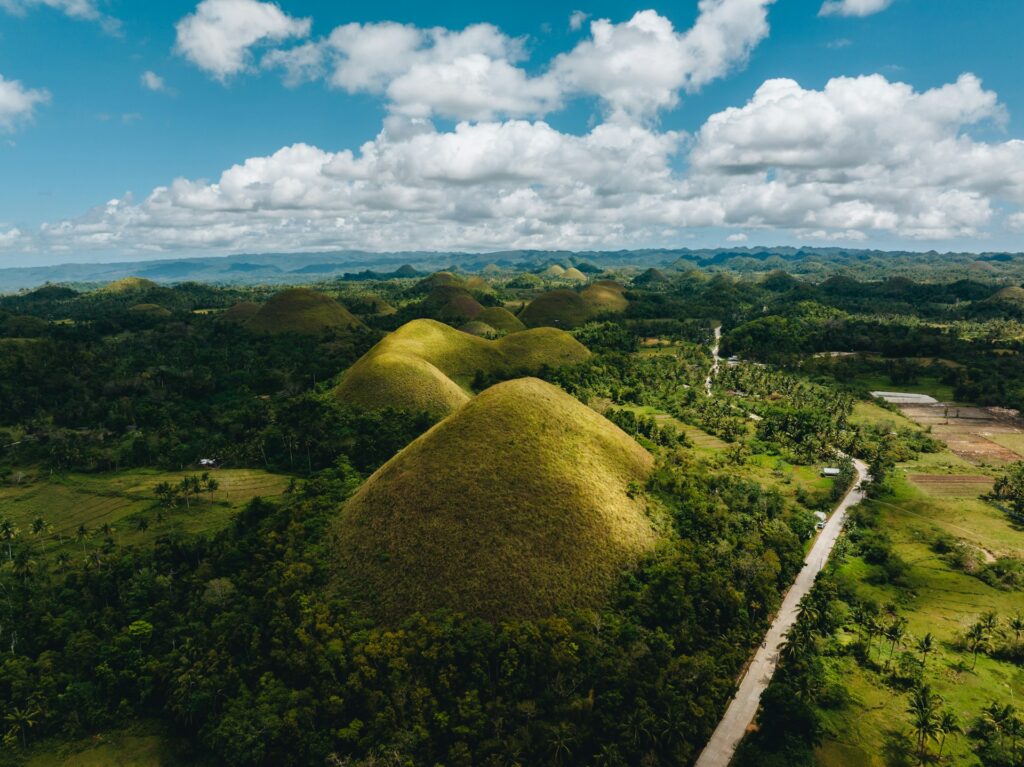
Over a thousand perfect little hills dot the island of Bohol. In the dry season, they turn brown, making the landscape look like a field of chocolate drops scattered by hand across the land. Despite the name, there’s nothing sweet about their creation. They’re made of limestone shaped by rain and erosion, a reminder that even ordinary rock can look magical under the right light.
12. Spotted Lake, Canada
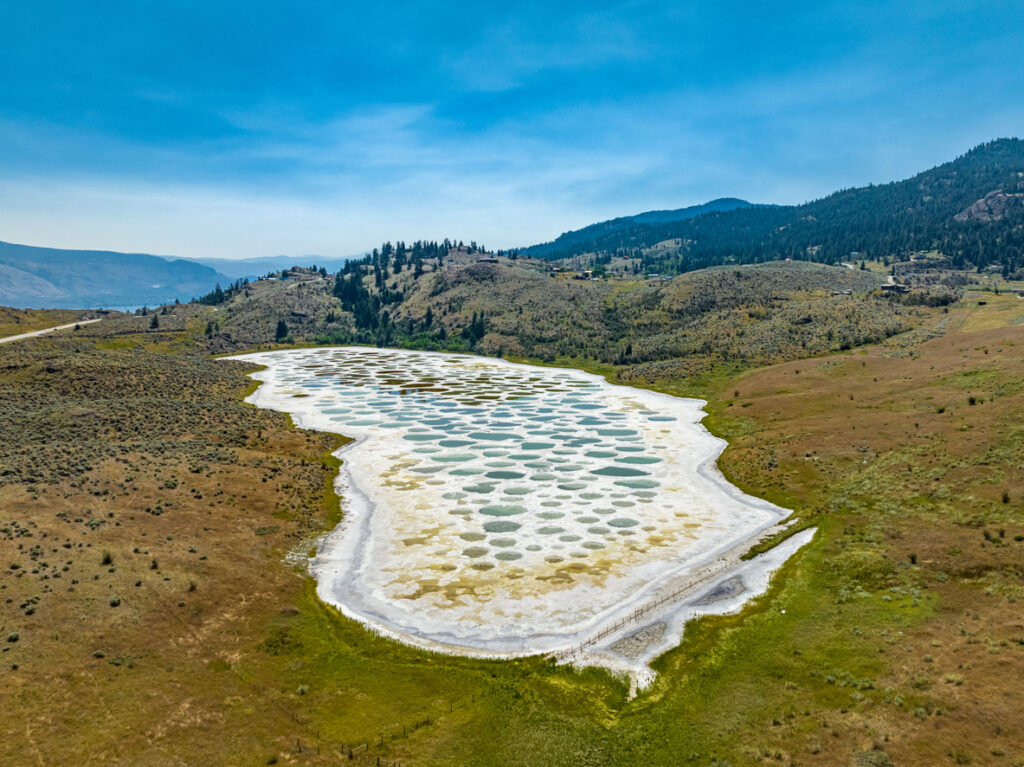
During summer, water in this lake evaporates, leaving behind pools filled with minerals that form colourful circles. The pattern changes each year depending on rainfall and temperature, giving it an otherworldly patchwork look. The site is sacred to local Indigenous people, who see it as a place of healing. The sight feels alive, as though nature itself is painting and erasing at its own pace.
13. Bryce Canyon Hoodoos, Utah, USA
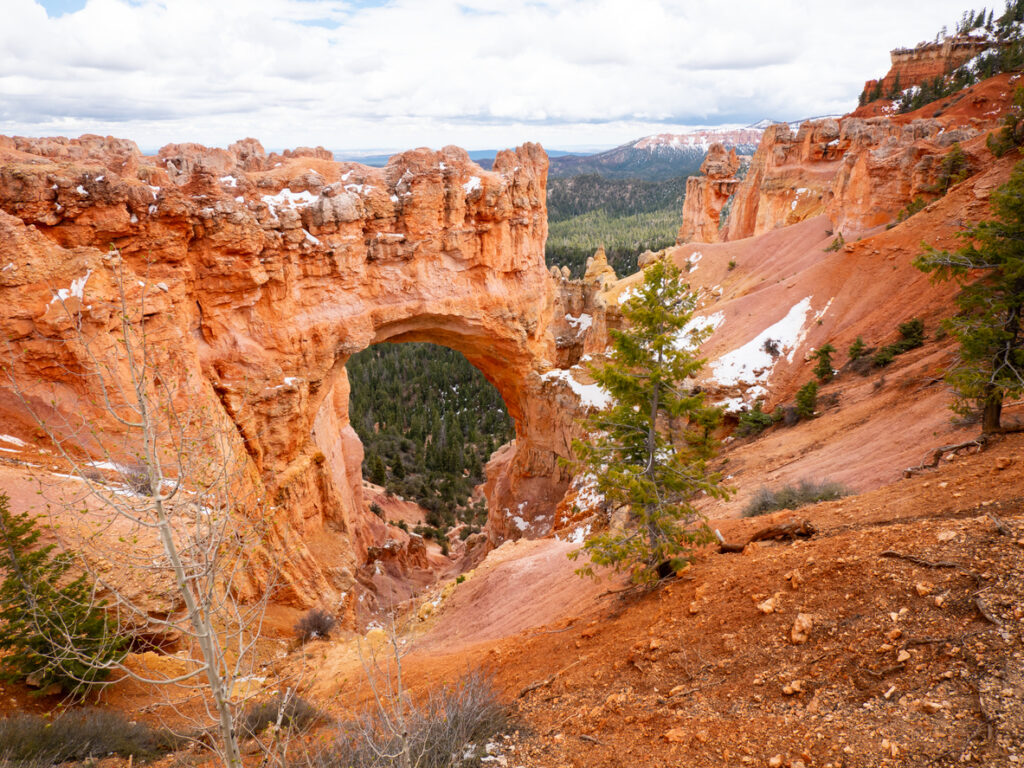
Tower-shaped rocks called hoodoos fill this natural amphitheatre, each one carved by ice and wind. Their burnt-orange colour makes sunrise look like a glowing fire running across the cliffs. They form slowly as softer rock erodes away, leaving the harder pieces behind. The result is a landscape that looks sculpted by ancient hands, every spire different yet perfectly balanced together.
14. Lake Hillier, Australia
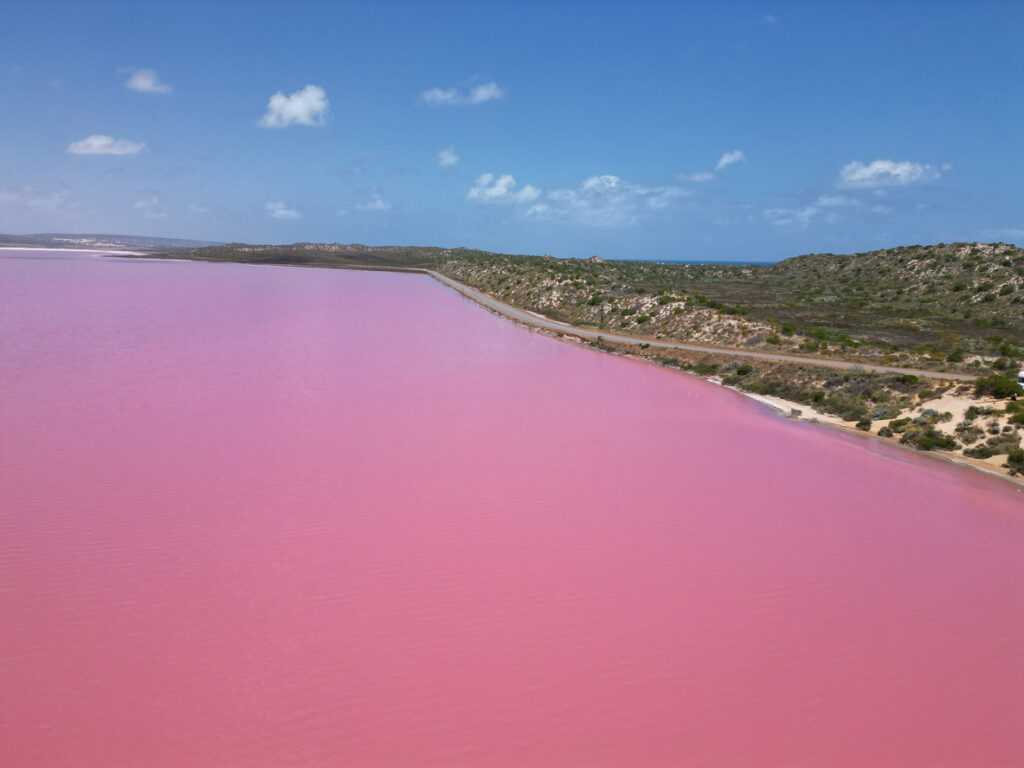
This bright pink lake sits right beside the deep blue ocean, separated only by a strip of sand. The colour looks impossible, but it’s caused by harmless algae that thrive in the salty water. The contrast is so striking that it’s visible from planes flying overhead. Scientists still debate exactly why the hue stays so vivid, but it remains one of nature’s most cheerful accidents.
15. Moeraki Boulders, New Zealand
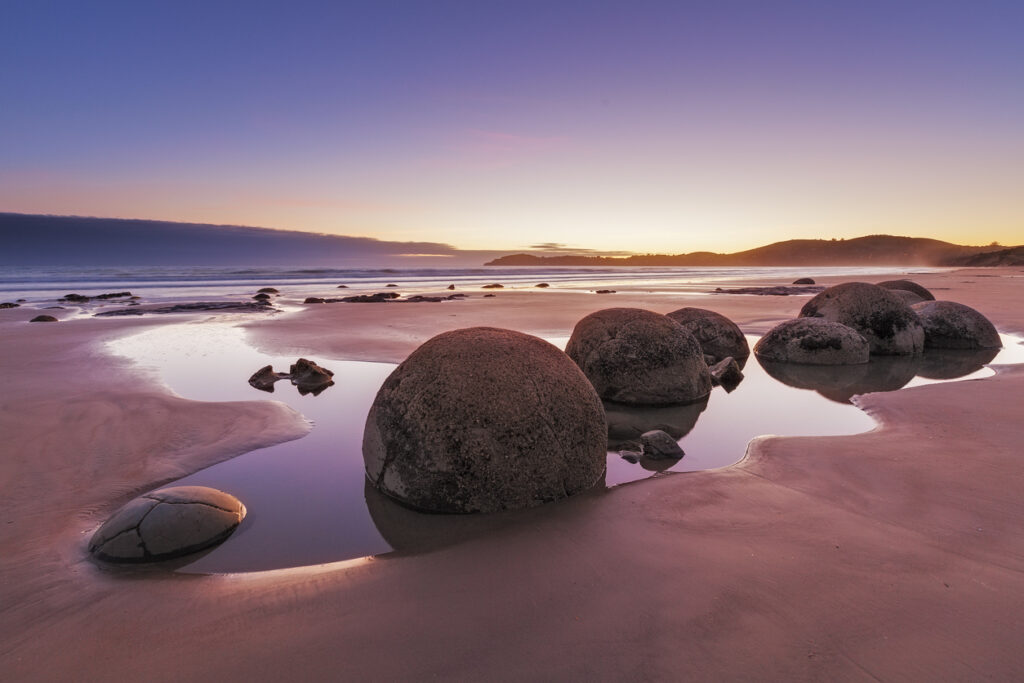
Huge round stones lie scattered along Koekohe Beach, so smooth and spherical they look manmade. Each one formed naturally from sediment layers that hardened over millions of years before the sea finally revealed them. When the tide rolls out, they sit like marbles left behind by giants. Seeing them in person feels oddly familiar, as if they were designed to remind humans how patient time really is.
16. Lençóis Maranhenses, Brazil
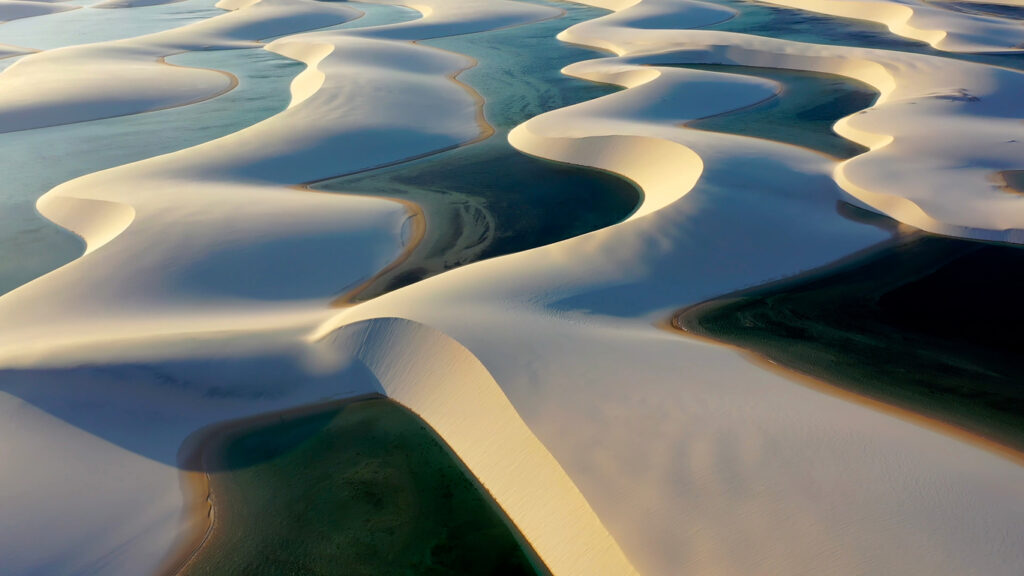
Across the Brazilian coastline, sand dunes stretch for miles, but between them are pools of clear blue rainwater that appear after every wet season. The contrast looks too perfect to be natural. The lagoons form when rain fills dips in the dunes, turning the desert into a temporary maze of beaches and swimming spots. For a few months each year, it becomes a moving painting of white and blue.
17. Cave of the Crystals, Mexico
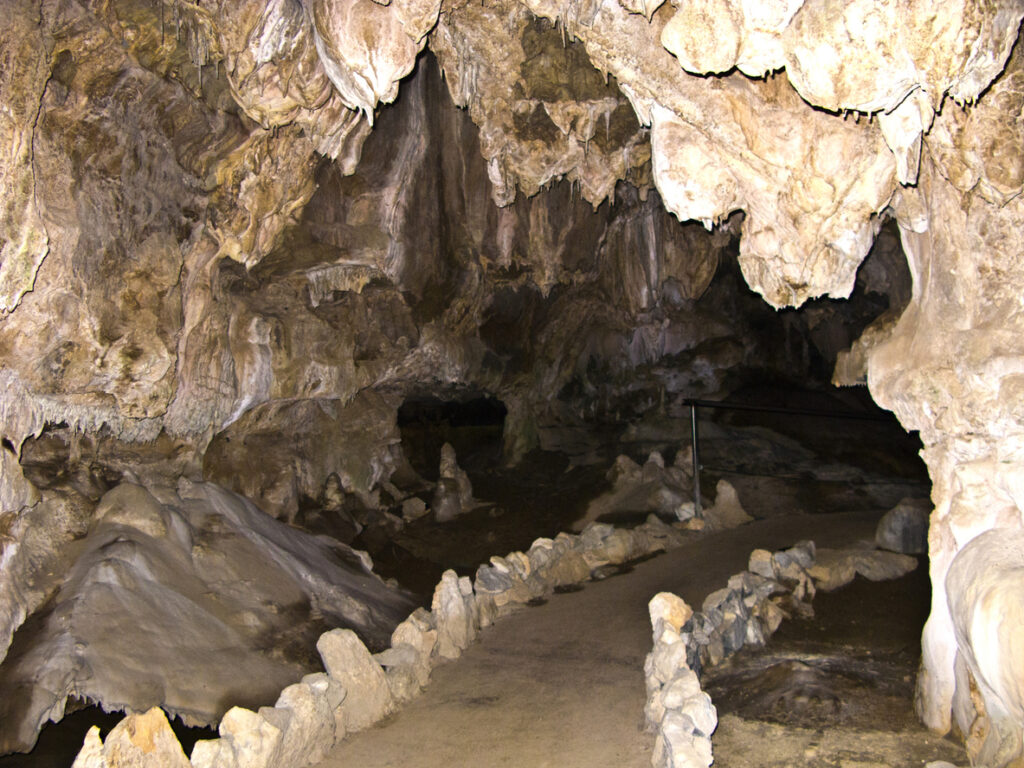
Deep underground, this cave holds some of the largest crystals ever found, each one longer than a bus. The heat inside is almost unbearable, making it nearly impossible to explore for long. The crystals grew slowly in mineral-rich water over hundreds of thousands of years. When light hits them, they glow like frozen lightning, which offers a glimpse of beauty that hides in the planet’s depths.
18. Red Beach, China
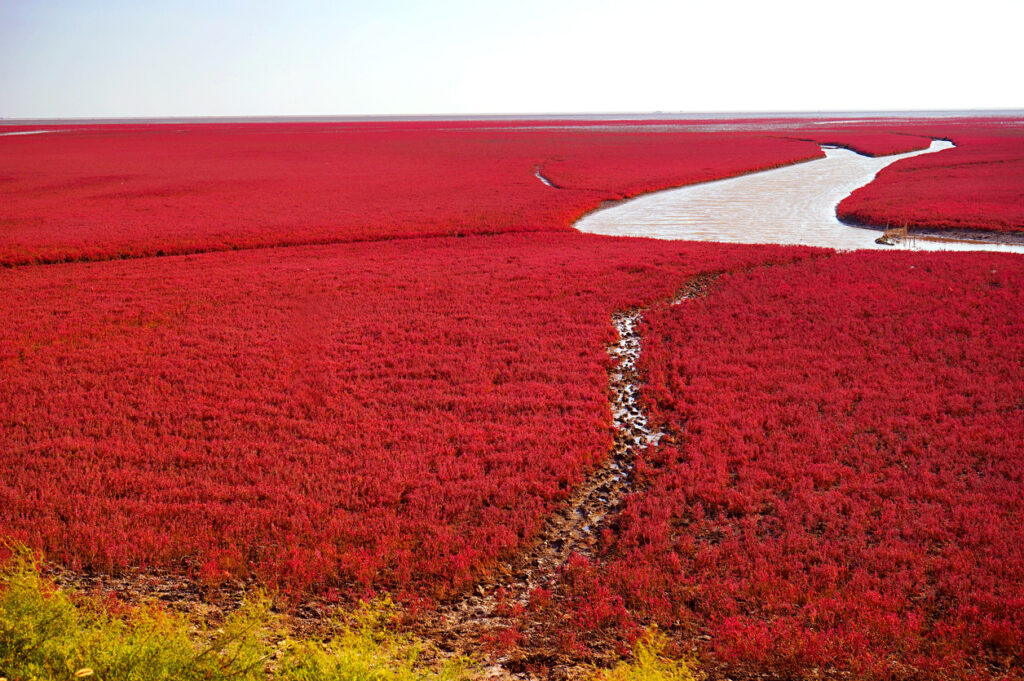
In autumn, the wetlands of Panjin turn bright scarlet as a special type of seaweed blooms. From above, it looks like the land itself is burning with colour beside the blue water channels. The transformation happens every year, drawing visitors from across the world. It’s a reminder that even flat plains can burst into something extraordinary when nature decides to show off.
19. Vatnajökull Ice Caves, Iceland
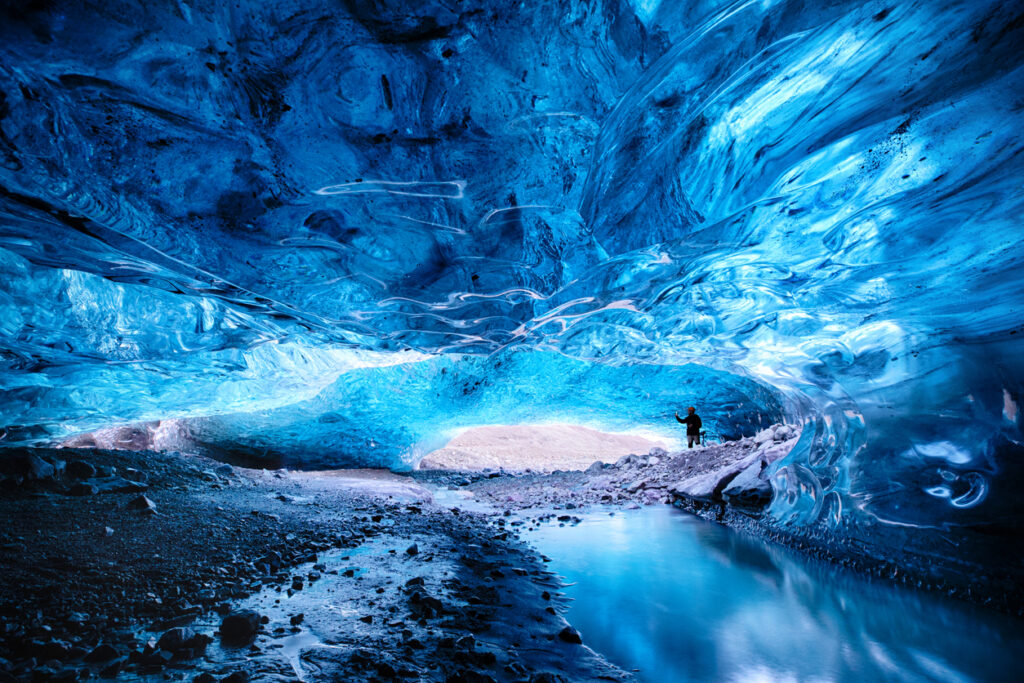
Hidden beneath Europe’s largest glacier are tunnels of glowing blue ice. The walls curve like glass, and the light filtering through makes it feel like walking through a frozen ocean. Each cave melts and reforms with the seasons, so no two visits are ever the same. The sound of dripping water and shifting ice reminds you that even solid beauty is always changing.
20. The Stone Forest, Madagascar
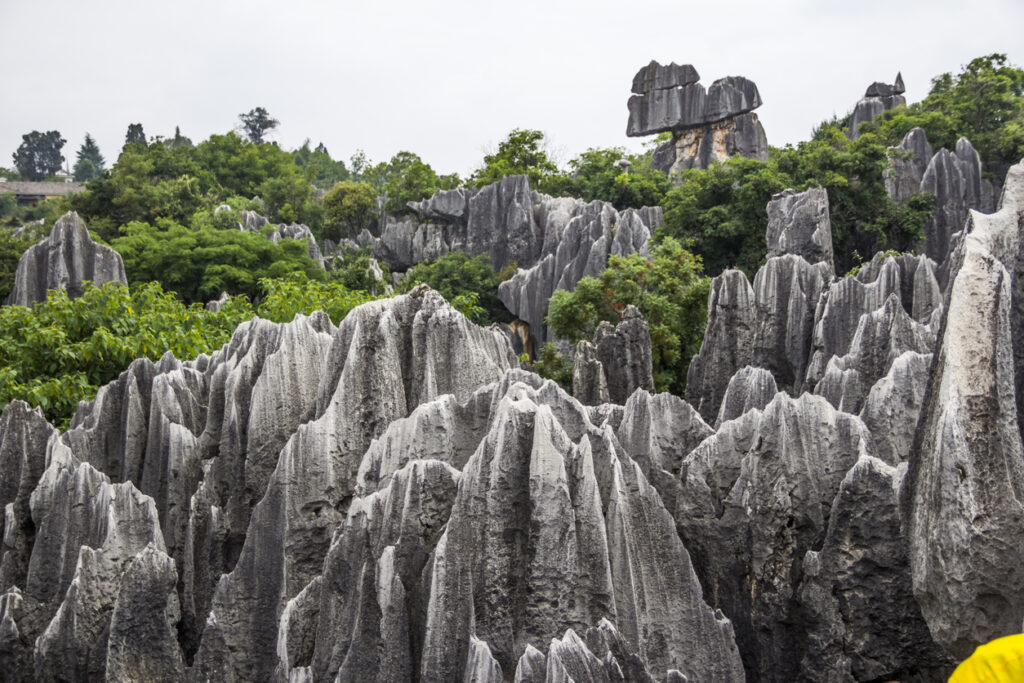
Thousands of limestone peaks rise from the ground like blades, forming a maze that looks impossible to walk through. From above, it resembles a petrified forest frozen in motion. Over the years, rain and erosion shaped the stone into razor-sharp towers that can slice through shoes if you’re not careful. It’s one of nature’s strangest works: hostile, haunting, and completely mesmerising.