Wild camping used to feel like one of those quiet, slightly rebellious pleasures that only a small group of people talked about.
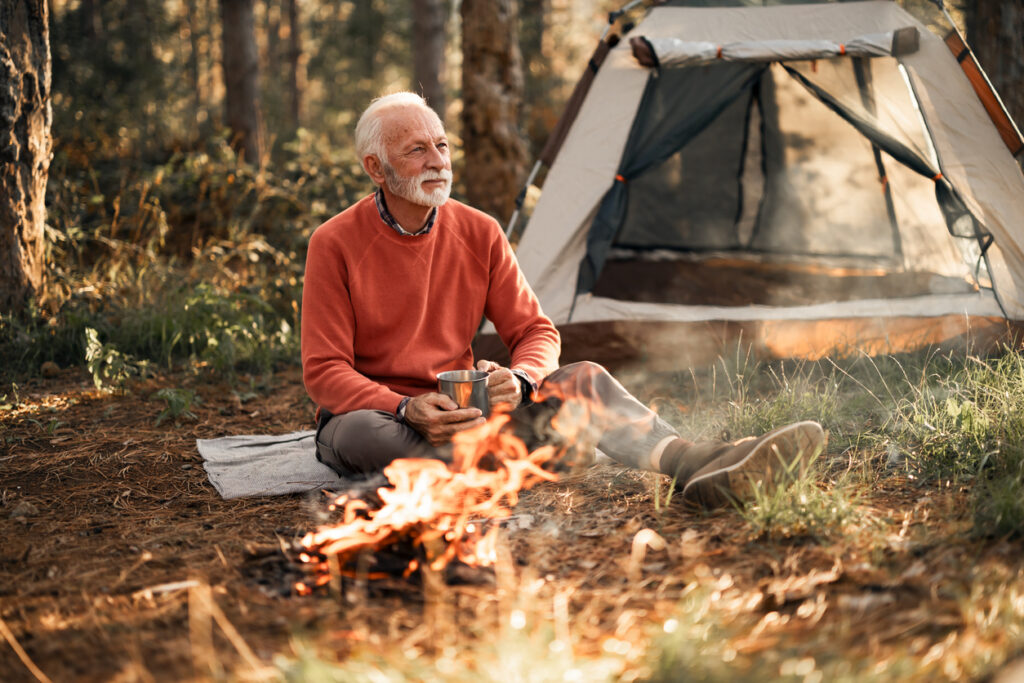
It was simple, inexpensive, and rooted in the idea that spending a night outdoors shouldn’t need permission slips and red tape. In the UK, though, the conversation has shifted. Arguments about land rights, environmental impact and who gets access to natural spaces have turned a once-niche pastime into a heated national debate.
Some people see wild camping as a harmless way to connect with nature. Others worry about damage to landscapes, litter, fire risks and overcrowding in beauty spots that were never designed for it. Add in changing laws and a rise in outdoor tourism, and you end up with a clash between personal freedom and public responsibility. Here’s why the topic has become so charged and why opinions on it are stronger than ever.
Social media turned secret spots into overcrowded hotspots.
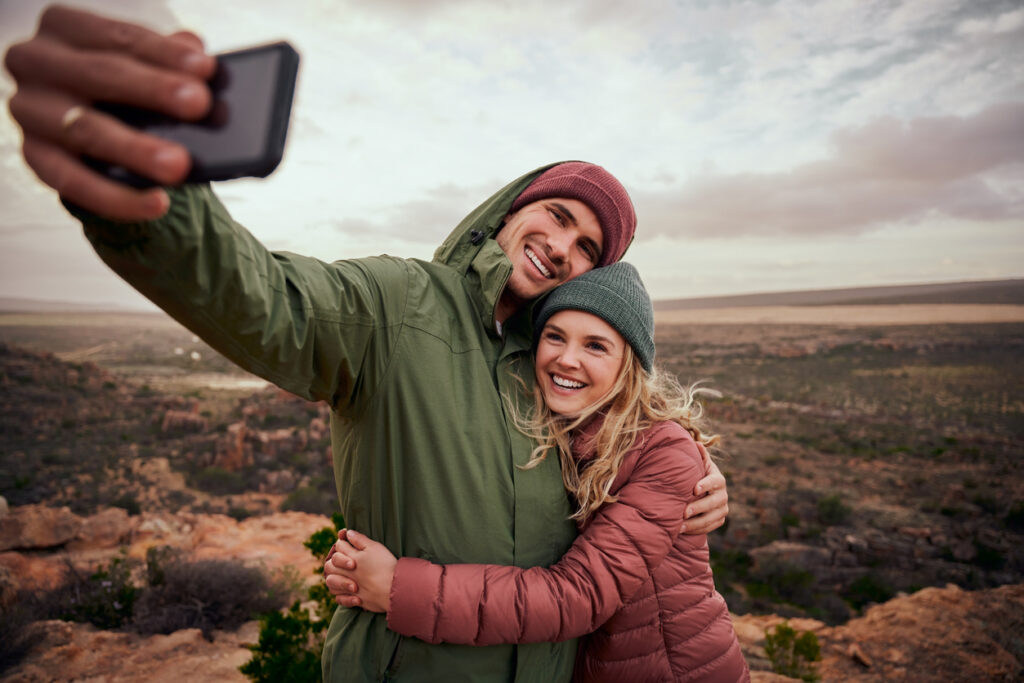
Wild camping used to rely on local knowledge and word of mouth recommendations. Now people post exact locations on Instagram and TikTok, complete with geotags showing precisely where they camped. What were once quiet, hidden spots get flooded with hundreds of people within weeks of going viral online.
These platforms have essentially created a guidebook to every wild camping location in the UK. People who’ve never camped before see pretty photos and turn up without understanding countryside etiquette or Leave No Trace principles. The volume of visitors has overwhelmed places that could handle a few experienced campers but can’t cope with mass tourism.
The pandemic created a surge in inexperienced campers.

When foreign holidays became impossible during Covid, millions of Brits discovered UK wild spaces for the first time. Camping equipment flew off shelves as people looked for outdoor activities. Unfortunately, many of these new campers had no experience or training in responsible outdoor behaviour.
The numbers haven’t really dropped back down since restrictions ended. Wild camping became trendy during lockdown and stayed popular. The infrastructure and fragile environments in places like the Lake District simply weren’t designed to handle this level of use from people who don’t know what they’re doing.
People don’t understand the difference between wild camping and fly camping.
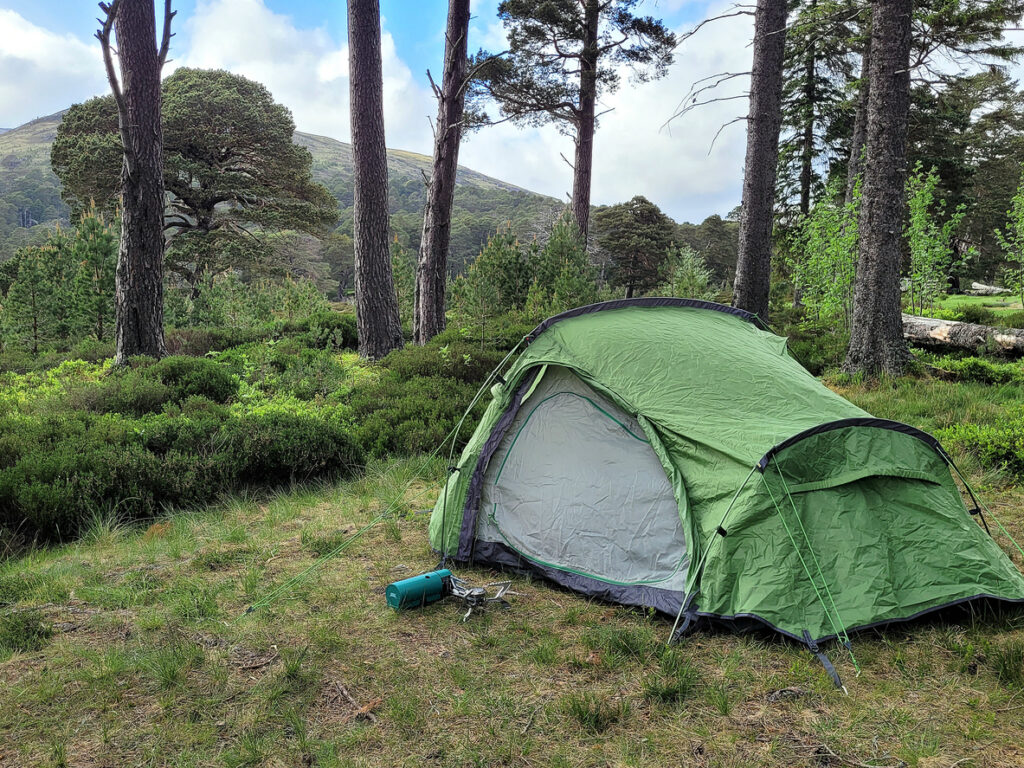
Proper wild camping means pitching a small tent late, leaving early, taking all rubbish away, and leaving absolutely no trace you were there. Fly camping is turning up with a massive tent, staying multiple nights, leaving rubbish everywhere, and treating nature like a free festival site.
Most of the controversy isn’t about genuine wild campers who follow the rules. It’s about people who think wild camping means you can just pitch up anywhere and do whatever you want. They’re essentially fly tipping and littering while calling it camping, which has ruined the reputation of responsible wild camping entirely.
Wild camping is actually illegal in most of England and Wales.
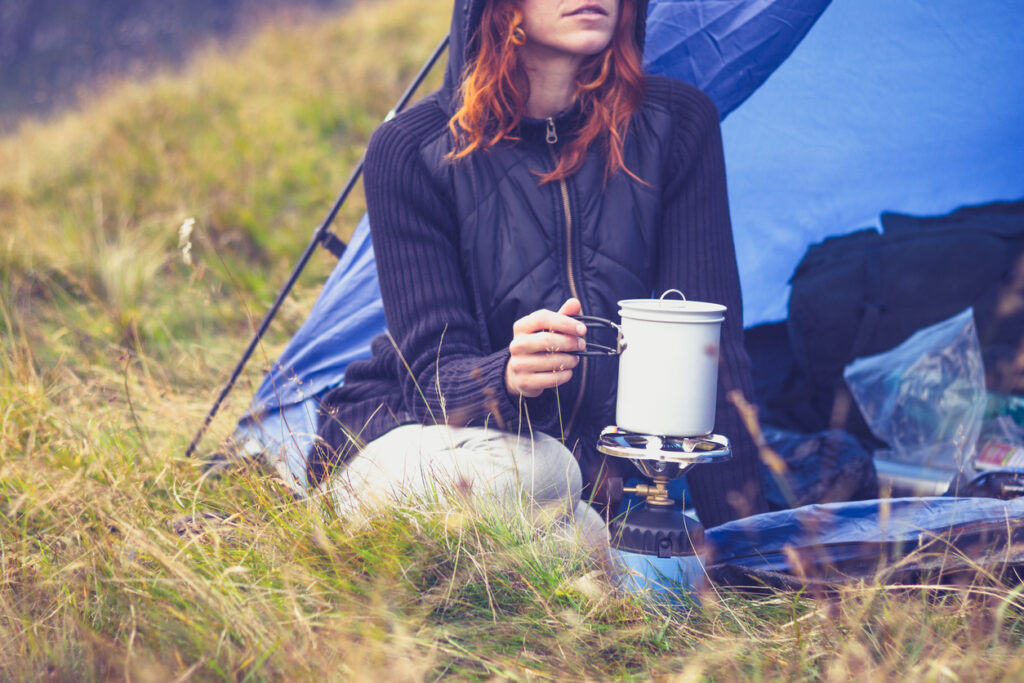
Many people don’t realise that wild camping without landowner permission is technically illegal across most of England and Wales. It’s only legal in Scotland under specific conditions and in Dartmoor. Everywhere else requires permission from whoever owns the land, which is rarely given.
The legal situation creates confusion because the rules aren’t widely known or consistently enforced. People see others camping and assume it’s allowed. When authorities try to crack down, campers get defensive claiming it’s their right, when legally it isn’t. The disconnect between what people think they can do and what’s actually permitted causes constant conflict.
Discarded camping gear has become a massive problem.
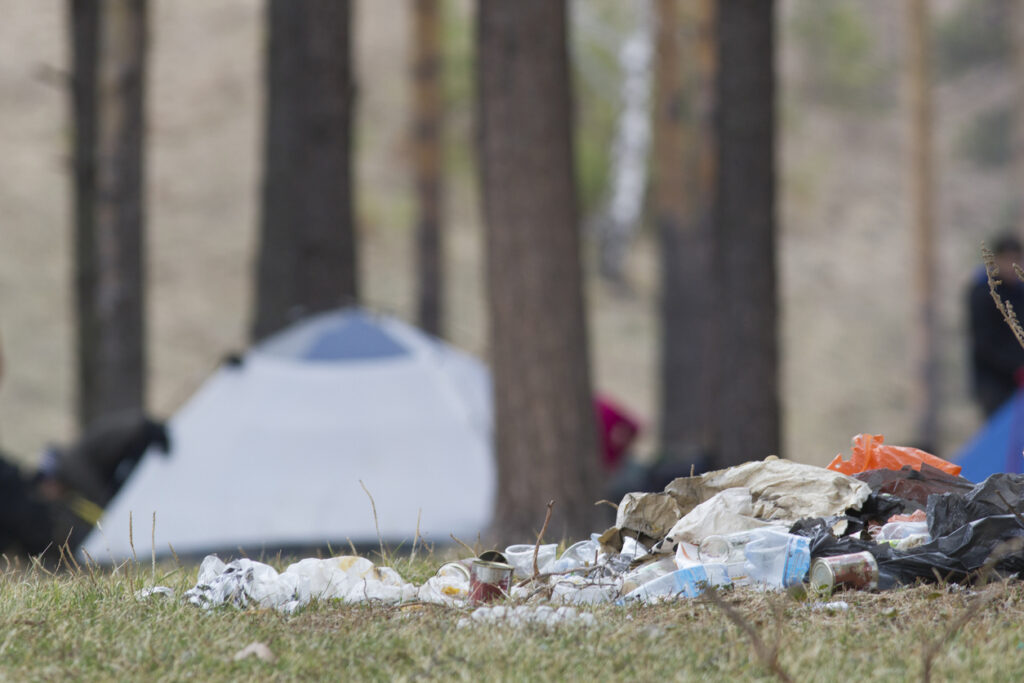
Beauty spots across the UK are finding abandoned tents, sleeping bags, camping chairs, and other equipment left behind after bank holiday weekends. People buy cheap gear for one trip, then just dump it rather than carrying it home. It’s essentially fly tipping disguised as camping.
Local volunteers and park rangers spend hours collecting this rubbish. The cost of clean-up falls on councils and environmental groups, rather than the people who left the mess. Some areas now look like landfill sites after busy weekends, with everything from barbecues to gazebos abandoned by lake shores and mountain paths.
Campfires are causing serious environmental damage.
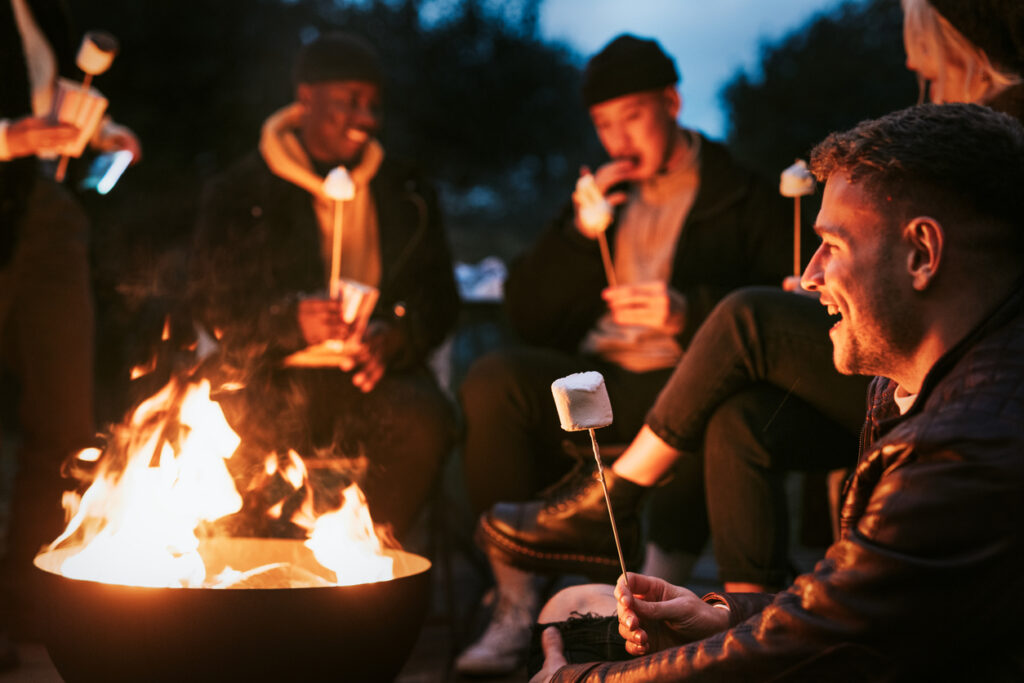
Inexperienced campers light fires on vegetation, damaging plant life and leaving permanent scorch marks on protected land. They don’t understand that fires can smoulder underground in peat and cause wildfires days later. Areas that took decades to grow back get destroyed in one careless evening.
The Instagram aesthetic of campfires has made them seem essential to wild camping when responsible campers avoid them entirely. People collect wood from protected areas, move rocks to make fire pits, and leave behind charred circles that scar the landscape. Fire services get called out regularly to deal with fires that got out of control.
Local residents are fed up with antisocial behaviour.
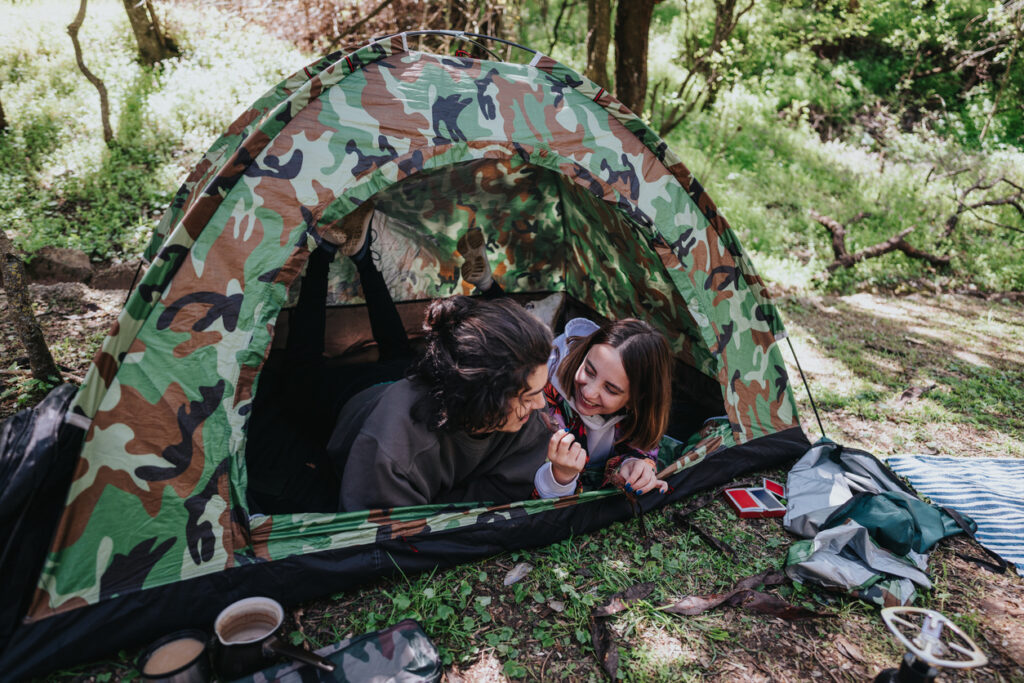
People living in popular areas deal with campers urinating in their gardens, parking across driveways, being loud late at night, and treating residential streets like campsites. What looks like unspoilt countryside on Instagram is often someone’s neighbourhood that’s being overrun every weekend.
Residents can’t enjoy their own local areas anymore because they’re packed with tourists. They find human waste in bushes near their homes, rubbish dumped in lanes, and have strangers constantly trespassing on private property. The quality of life for locals has seriously deteriorated in popular wild camping areas.
Public Space Protection Orders are dividing opinion.
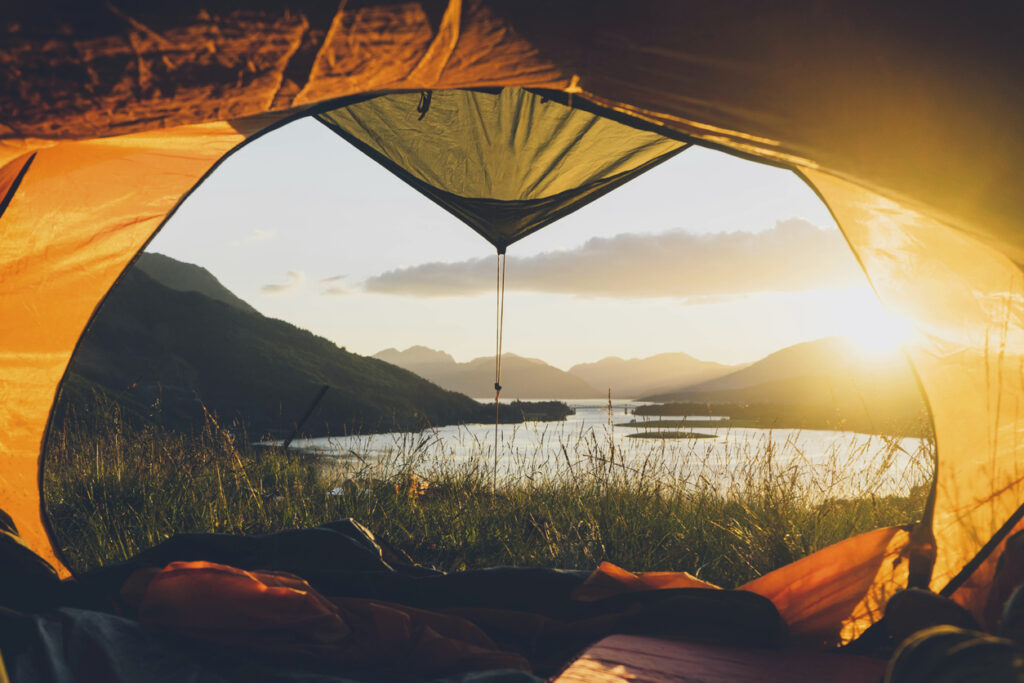
Councils are introducing PSPOs that ban camping in specific areas with fines up to £1,000 for breaches. Supporters say they’re necessary to protect environments being destroyed. Critics argue they criminalise outdoor access and discriminate against people who can’t afford expensive campsites.
The debate gets heated because both sides have valid points. PSPOs do restrict access to nature, but without them some areas would be completely destroyed. Finding the balance between protecting land and allowing access has become incredibly contentious, with strong feelings on both sides.
There’s a class element to the controversy.
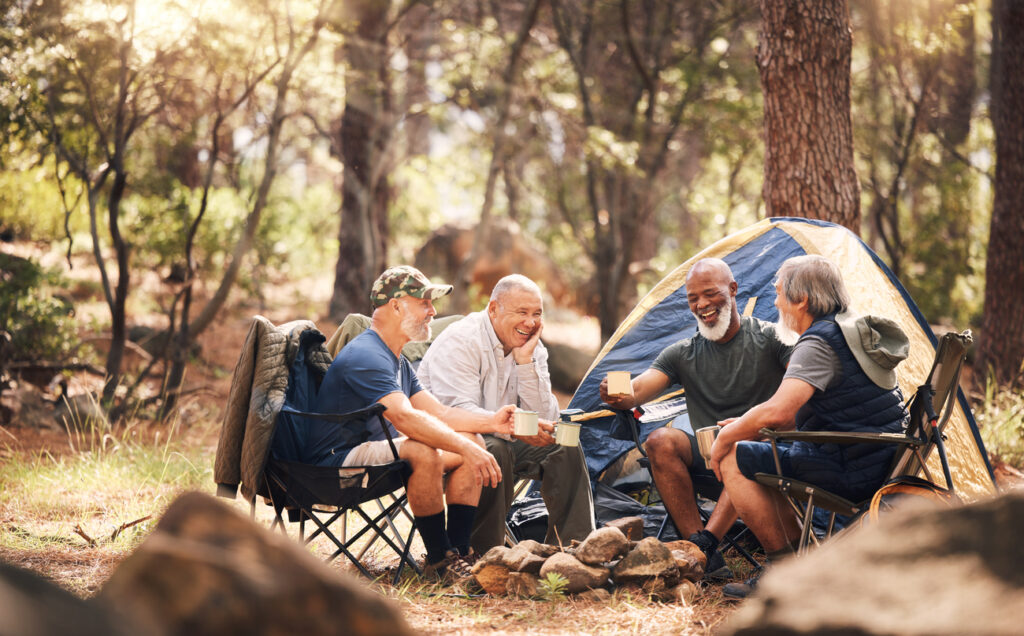
Wild camping used to be associated with experienced hikers who could afford quality gear and knew countryside etiquette. Now it’s accessible to anyone with a cheap tent from a supermarket. Some of the backlash has uncomfortable undertones about who “belongs” in these spaces.
Arguments about responsible camping sometimes mask classist attitudes about the “wrong sort” of people accessing nature. Genuine concerns about environmental damage get mixed up with snobbery about day-trippers and families who can’t afford formal campsites. This class tension makes the whole issue more explosive than it needs to be.
Scotland’s different rules create confusion.
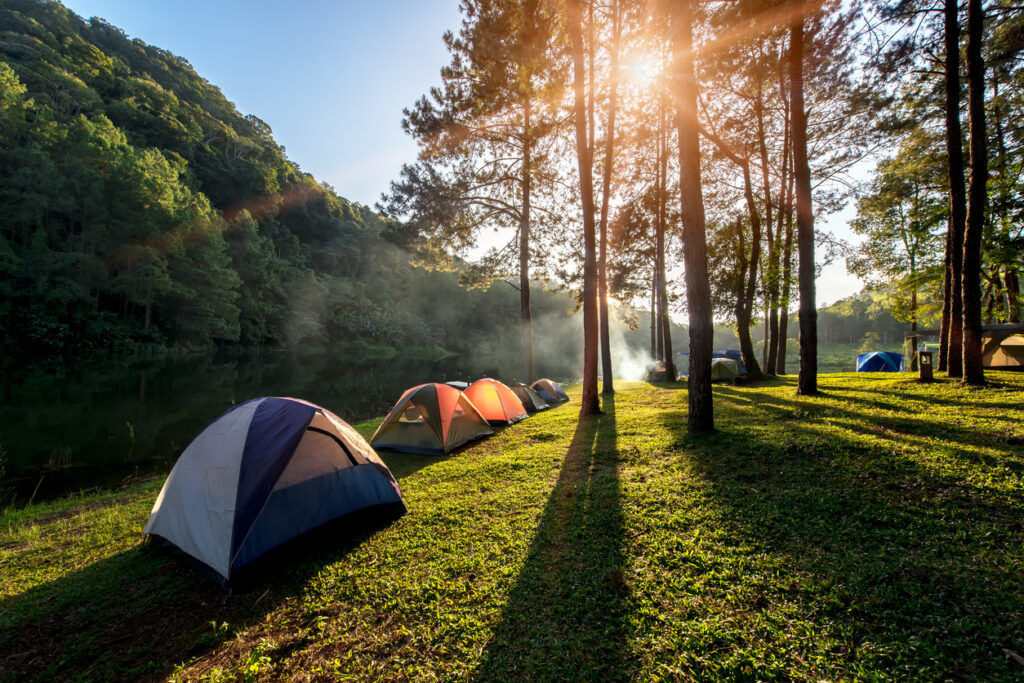
Scotland has a legal right to wild camp responsibly under the Scottish Outdoor Access Code. People see this and assume the same rules apply across the UK, then get surprised when they’re fined in England or Wales. The different legal frameworks create genuine confusion about what’s allowed where.
Scottish wild camping isn’t without problems either, with popular spots like Loch Lomond now having camping bans due to abuse. But the publicity around Scottish access rights makes people think wild camping is universally legal in the UK when it absolutely isn’t. This misunderstanding fuels conflicts when authorities enforce the actual rules.
Proper campsites are expensive and often fully booked.
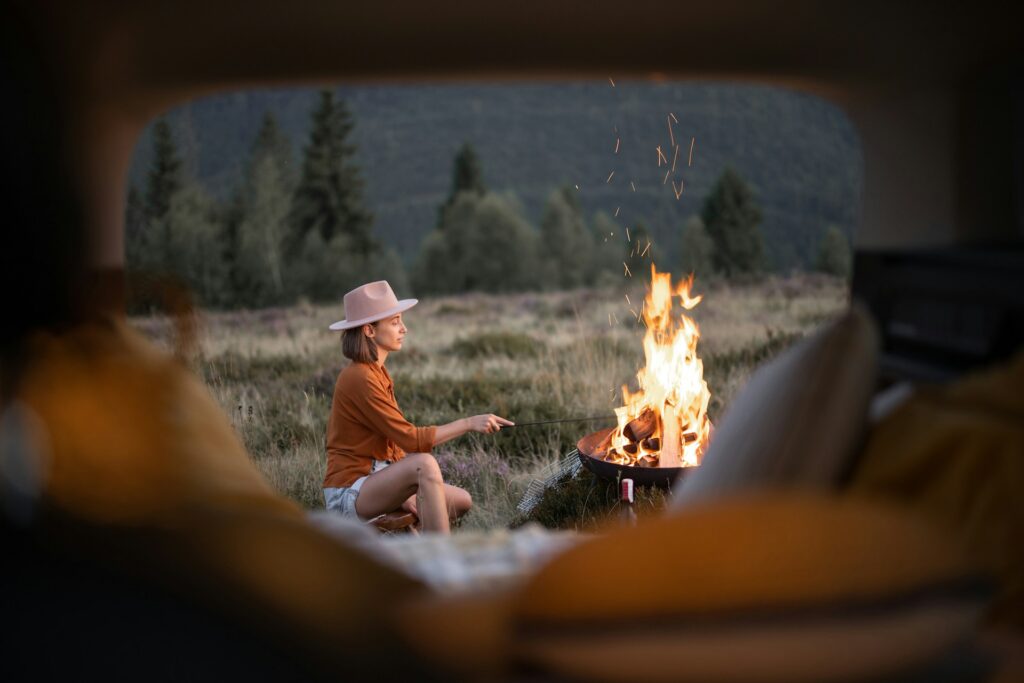
Campsite prices have skyrocketed, with some charging £30-50 per night just for a pitch. For families or groups, that’s prohibitively expensive, especially when wild camping appears to be free. Popular campsites book up months in advance, leaving people with few options during peak season.
This economic pressure pushes people toward illegal camping, even when they’d prefer legitimate sites. The camping industry hasn’t kept up with demand, creating a situation where people either pay massive prices, book ages ahead, or break rules. The lack of affordable, accessible camping infrastructure contributes significantly to the wild camping problem.
Emergency services are stretched dealing with unprepared campers.
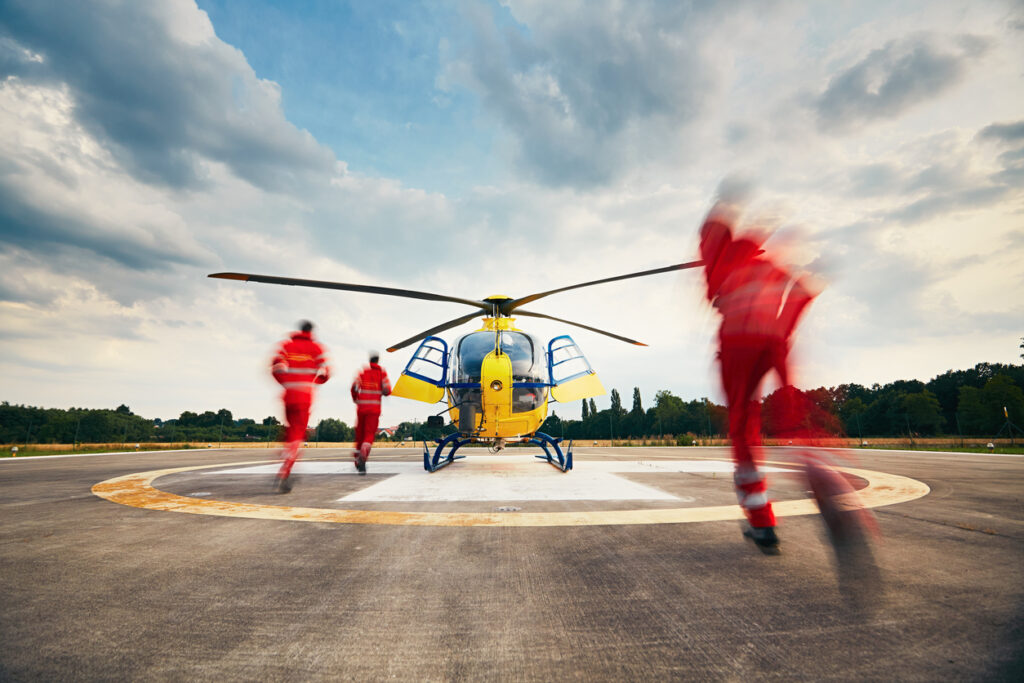
Mountain rescue teams and coastguards get called out regularly to help wild campers who’ve got into trouble through lack of experience. People camp in dangerous locations, get injured on routes they’re not equipped for, or need rescuing when weather turns bad unexpectedly.
These callouts drain volunteer resources and put rescue teams at risk helping people who shouldn’t have been there in the first place. The costs fall on public services, while inexperienced campers treat wild areas like theme parks with free emergency backup. The burden on rescue services has increased massively alongside the wild camping trend.
Influencer culture glamorises irresponsible camping.

Instagram and YouTube are full of influencers showing wild camping in protected areas, lighting fires where they’re banned, and generally breaking rules for content. Their followers copy what they see without understanding the damage. The pretty photos hide the environmental destruction happening just outside the frame.
These influencers rarely show the clean-up, the permits they may have got, or mention that what they’re doing might be illegal. They present rule-breaking as aspirational lifestyle content. Young people especially see this and think it’s normal behaviour, rather than realising they’re watching people damage protected environments for likes.
There’s no consensus on what the solution should be.
Some want stricter enforcement and more bans. Others argue for education and more affordable legal camping options. Landowners want protection for their property. Outdoor enthusiasts want access maintained. Environmental groups prioritise conservation. Nobody can agree on how to fix the problem.
Without consensus, the situation just gets worse. Piecemeal solutions like PSPOs in some areas but not others create inconsistency. Education campaigns reach people who already camp responsibly, but not the ones causing problems. Until there’s agreement on whether the priority is access, conservation, or enforcement, wild camping will remain controversial, and the problems will continue.