Some plants look beautiful on a windowsill, but secretly hate living indoors.
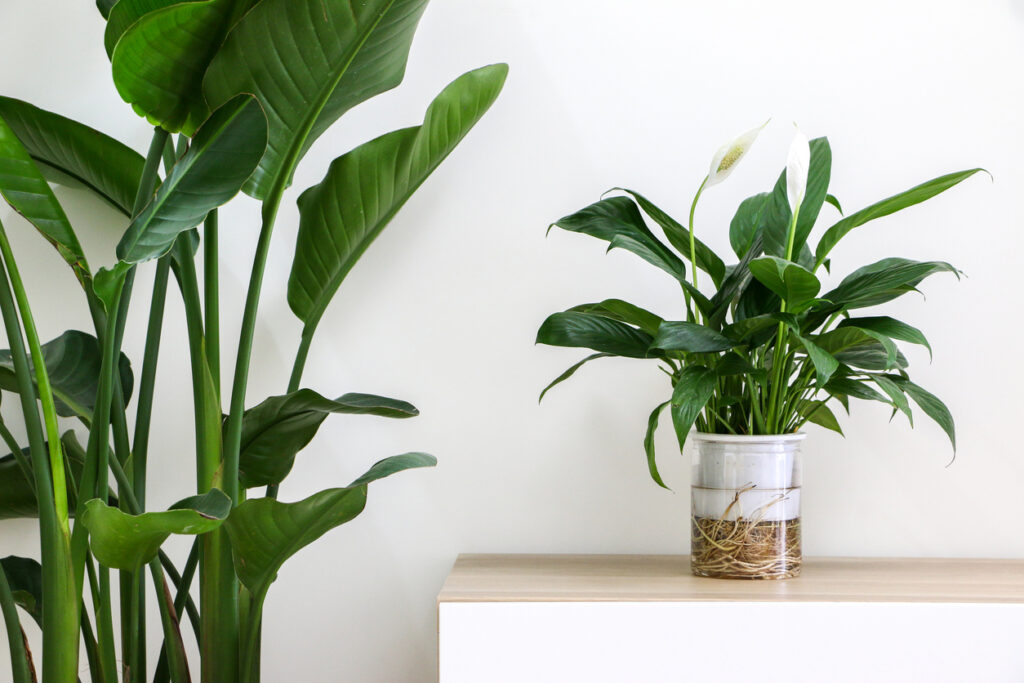
They might survive for a while, but over time their leaves yellow, their roots struggle, and they slowly fade. Many popular houseplants are actually outdoor species forced to adapt to warm rooms, dry air, and weak light. Here are twelve plants that aren’t really meant to live inside but have still found a home in millions of UK living rooms.
1. Fiddle-leaf fig
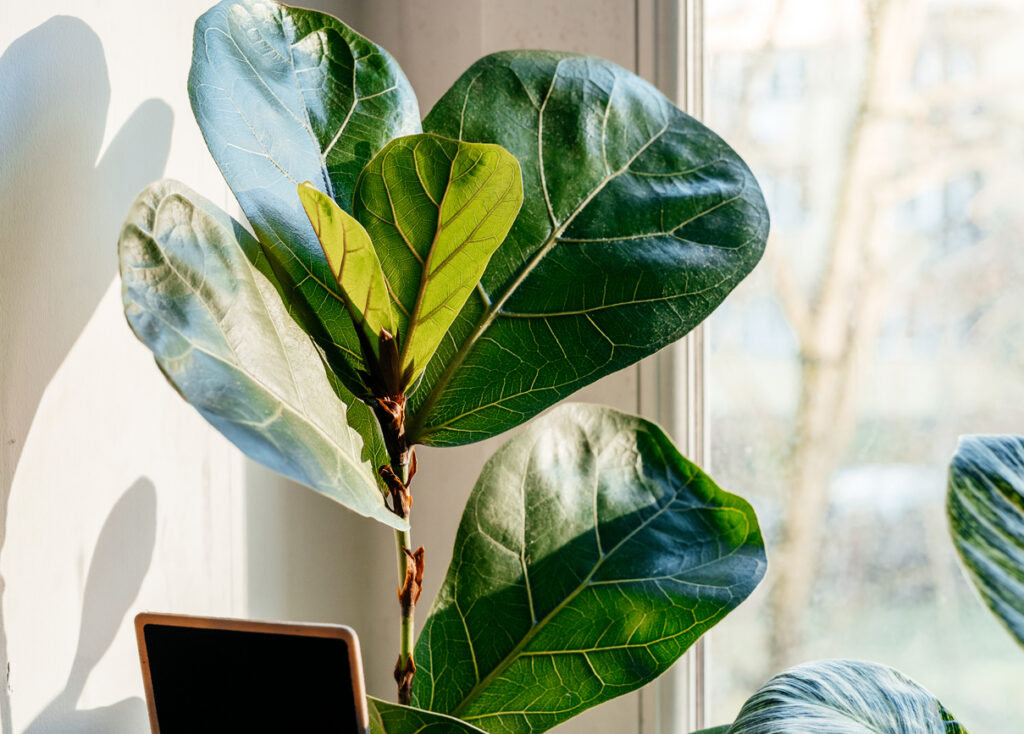
The fiddle-leaf fig is loved for its big, glossy leaves, but it’s a rainforest tree that thrives in bright, humid air. Most homes can’t give it the consistent warmth and moisture it needs, so its leaves turn brown or drop altogether. If you’re set on keeping one, mist it regularly, and keep it near a bright window away from cold draughts. Otherwise, it’ll spend more time recovering than growing.
2. Aloe vera

Aloe vera is a desert plant that loves light and warmth, but most homes don’t get enough sun for it to thrive. When it’s kept in low light, the leaves become thin, pale, and floppy instead of firm and green. It’s better suited to a sunny windowsill or even an outdoor spot in summer. If your home is dim, you might be fighting a losing battle trying to keep it happy.
3. Boston fern
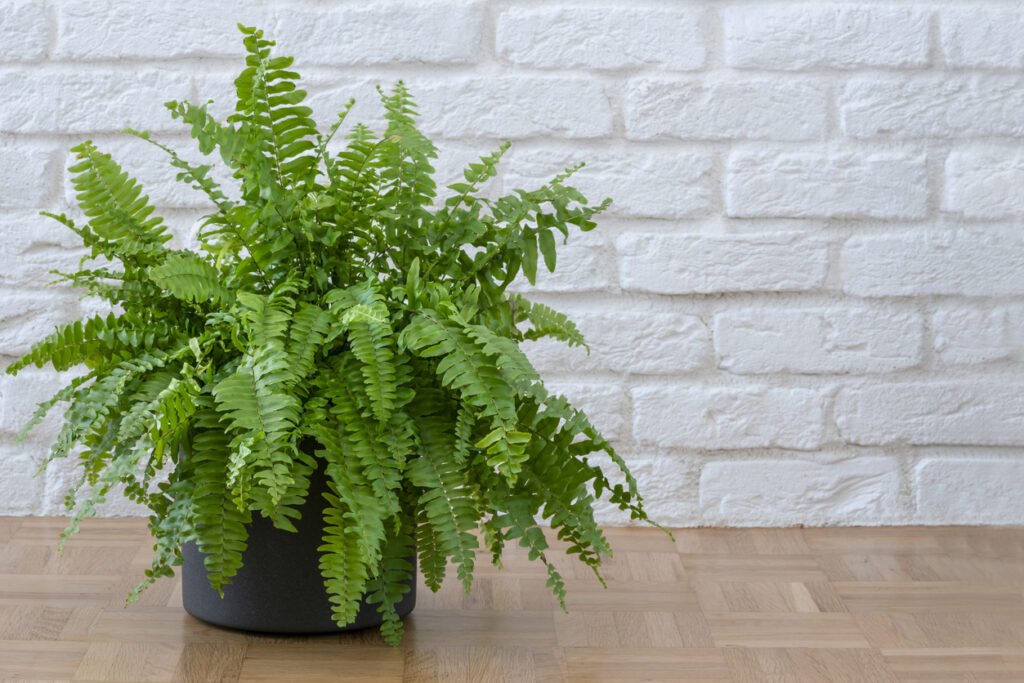
Boston ferns prefer the cool, shaded humidity of forests, not the dry, heated air of living rooms. Their fronds brown quickly in central heating and often shed dramatically during winter. If you love their look, try keeping them in a bathroom where steam keeps the air moist. Anywhere else, they’ll need near-daily misting just to stay alive.
4. Peace lily
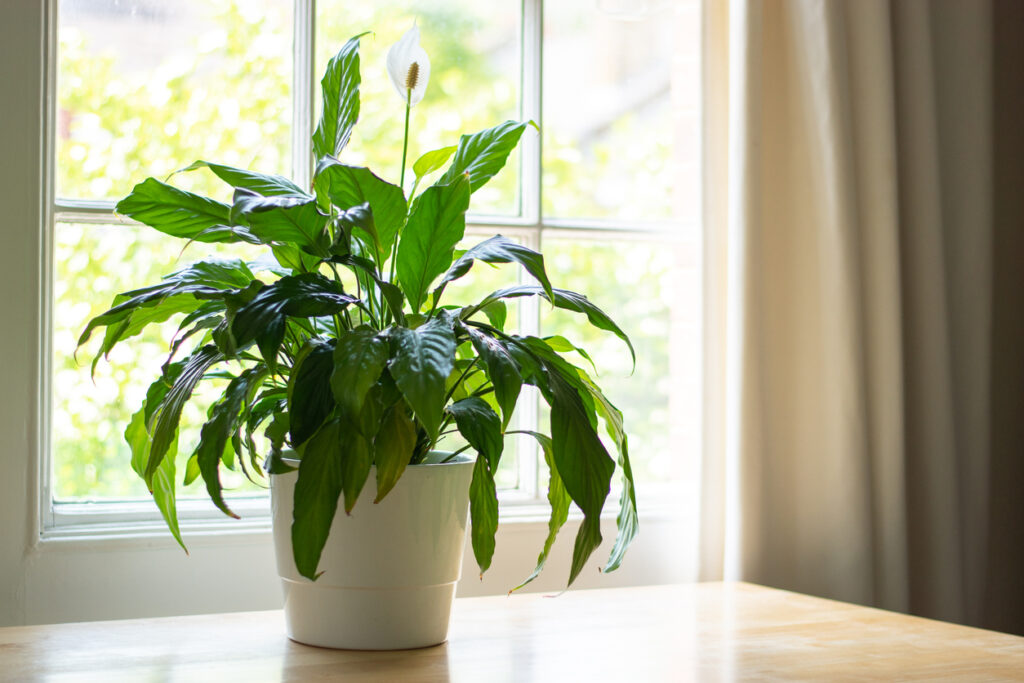
Peace lilies are sold as low-maintenance plants, but they actually need constant humidity and filtered light to look their best. In most homes, they either wilt or turn yellow because the air is too dry. They can survive indoors for a while, but it’s a struggle. A shaded, damp corner outdoors in summer often suits them better than a hot living room.
5. Rubber plant
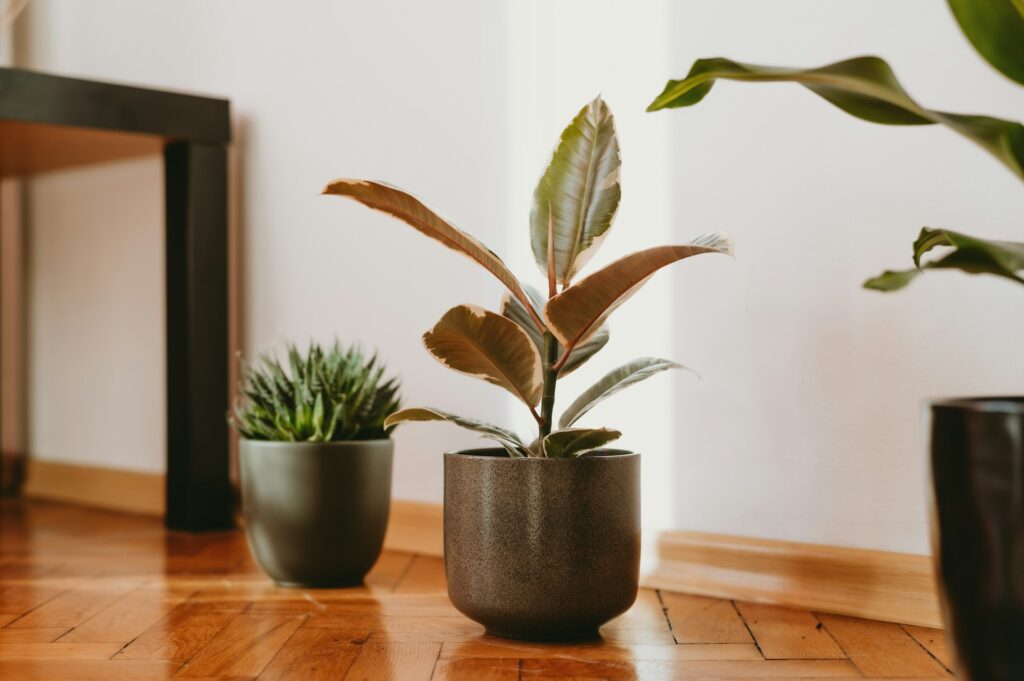
Rubber plants grow into towering trees in the wild, which gives you an idea of how much light and space they really need. Indoors, they often drop leaves and stretch towards the window trying to find more sun. They’re happier in bright, open spaces like conservatories or warm porches. Inside a dark flat, they rarely reach their full glossy potential.
6. Jade plant

The jade plant, also called a money plant, is native to sunny South Africa and hates the low light of British homes. Without strong sunlight, its stems become leggy and weak, and its leaves lose their vibrant colour. If you can’t give it long hours of daylight, move it outside during warmer months. It’ll reward you with firm leaves and slow, steady growth.
7. English ivy
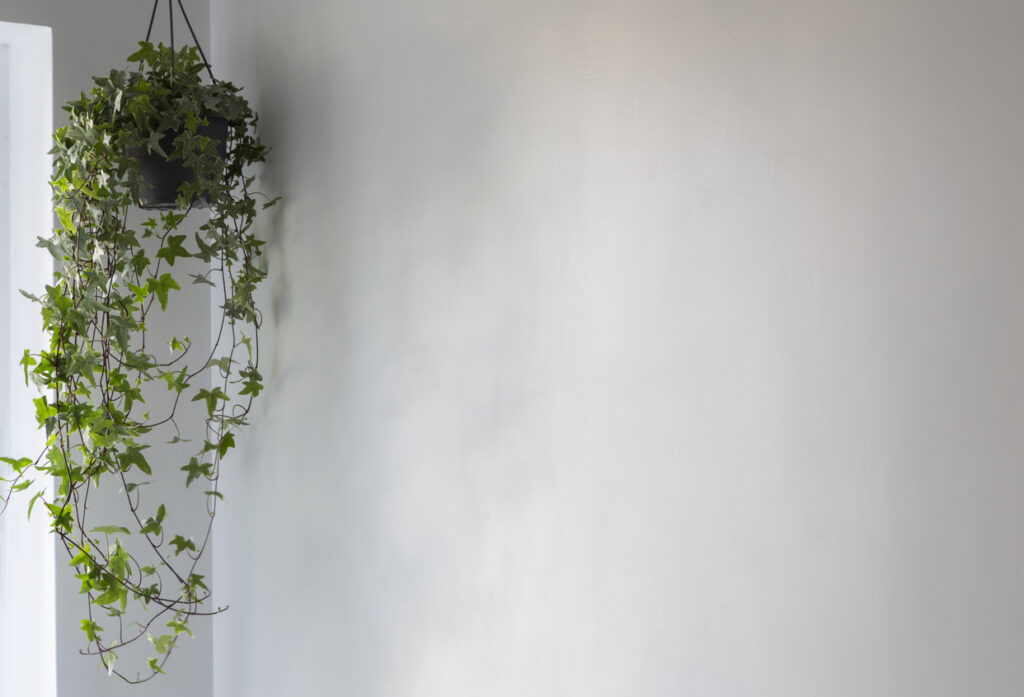
English ivy looks lovely trailing from shelves, but it’s a fast-growing outdoor climber. Indoors, it becomes prone to pests like spider mites and often loses its leaves because of stale, dry air. It’s far healthier outside, where it can spread naturally and get fresh airflow. If you keep it indoors, give it plenty of humidity and trim it often to control its growth.
8. Lavender

Lavender thrives in full sun and breezy air, not the still, shaded corners of a house. Indoors, it usually struggles with mouldy roots or weak stems due to a lack of ventilation and light. It’s far happier in a pot on a sunny patio or balcony. Indoors, even a south-facing window won’t truly match what it gets outdoors.
9. Croton
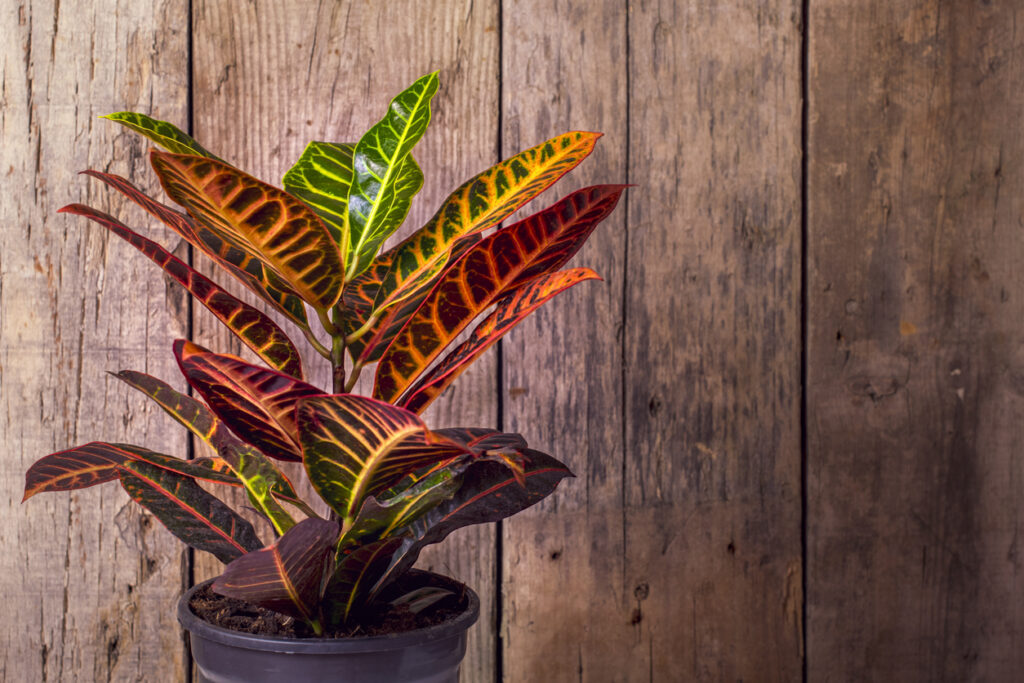
Crotons are famous for their bold, multicoloured leaves, but they need constant warmth and sunlight to keep that colour. In most UK homes, they start dropping leaves as soon as the heating comes on or light levels drop. They can live indoors short-term but thrive best in greenhouses or heated conservatories where conditions stay stable all year.
10. Banana plant

Banana plants are tropical giants that need intense light, warmth, and humidity, which are conditions hard to match in the average home. Indoors, their huge leaves often tear and brown at the edges. They make beautiful statement plants for a few months, but they’ll never truly flourish without outdoor air and sunshine. Treat them as temporary guests rather than long-term houseplants.
11. Spider plant
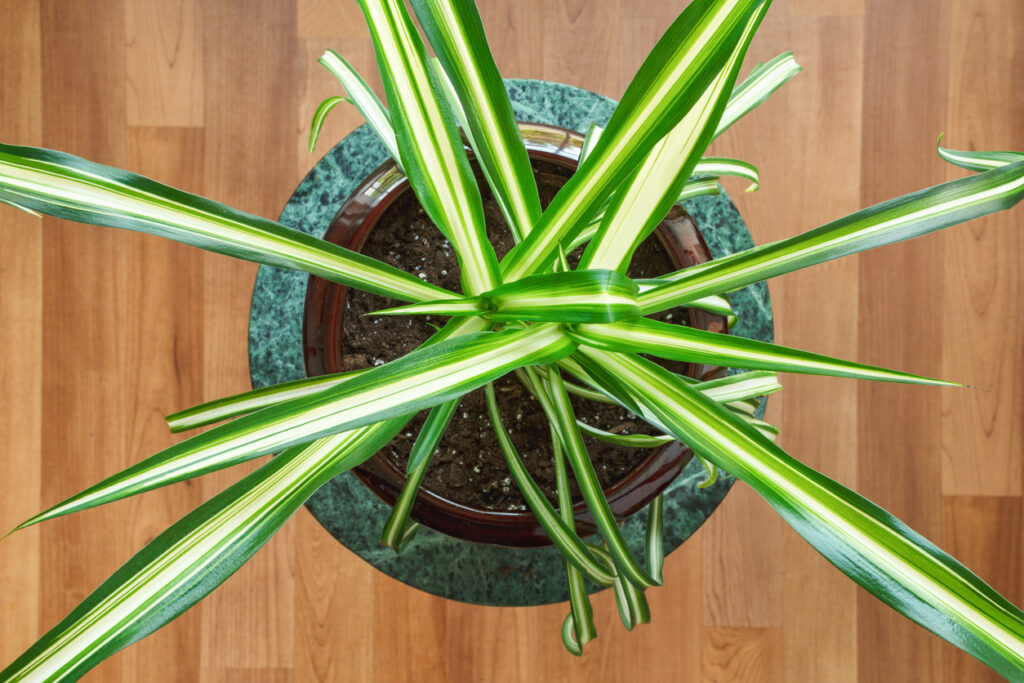
Spider plants tolerate indoor life better than most, but still prefer bright, indirect sunlight and moderate humidity. In darker homes, their leaves fade and tips turn brown from dry air or irregular watering. They can survive inside but look much healthier in a greenhouse or bright conservatory. Giving them a summer holiday outside can make a huge difference.
12. Garden herbs like basil and mint

Many people grow herbs indoors, but most need strong light and cooler nights to thrive. Basil, mint, and parsley often wither in the constant warmth of kitchens. These herbs do best outdoors or on a sunny windowsill with plenty of fresh air. Keeping them indoors full-time usually leads to thin, leggy growth and weak flavour.