You go in for a cuddle with your cat and it turns on its heel, putting its bum in your face.
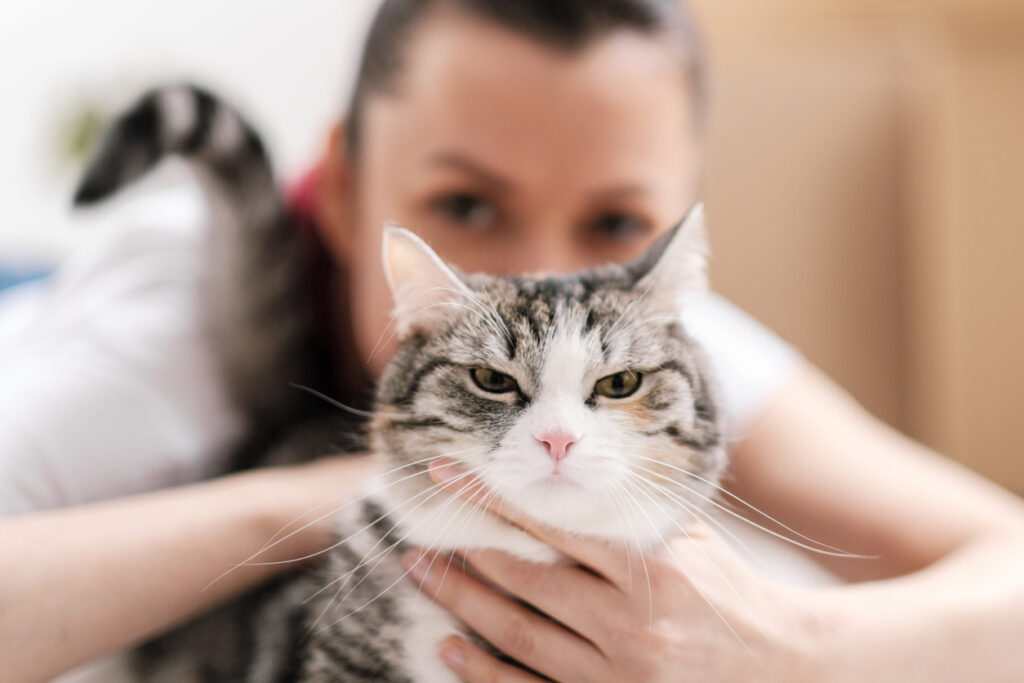
It’s one of those classic feline moves that leaves most people both amused and slightly offended, but as strange as it seems, there’s a perfectly reasonable explanation for it, at least by cat standards.
Cats rely heavily on scent to communicate. When they turn their rear towards you, they’re actually showing trust, not rudeness. In the animal world, that area carries a lot of scent information, and among cats, it’s a common greeting gesture. So, when your pet sticks their butt in your face, try not to be too offended.
It’s their way of saying hello.
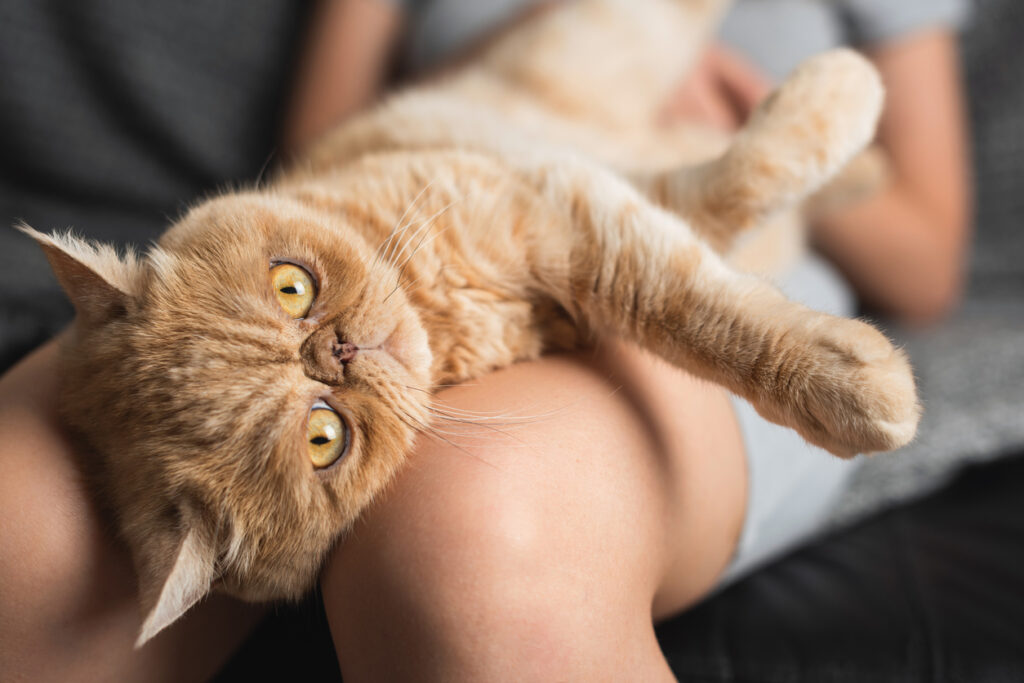
When cats greet each other, they sniff faces, necks, and eventually tails. Presenting the rear end is a friendly gesture in their world. It’s how they exchange information and confirm that the other cat is familiar and safe.
So when your cat turns around and offers that view, it’s their version of saying, “Hey, it’s me.” It might not be your preferred introduction, but in cat language, it’s actually polite.
They trust you completely.
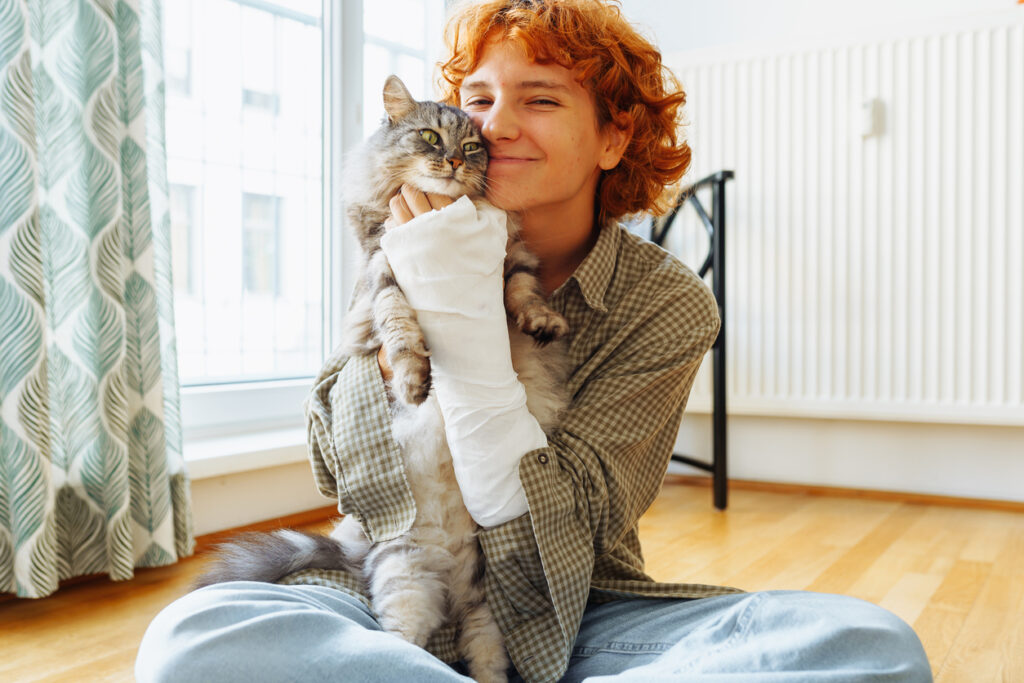
A cat’s backside is one of its most vulnerable spots. Turning it towards you shows that it feels relaxed and safe in your presence. In the animal world, that kind of trust doesn’t come easily.
They wouldn’t do it to someone they don’t trust. So while it might feel personal in the worst way, it’s actually a compliment. Your cat feels secure enough to let its guard down around you.
It’s how they share scent.
Cats communicate through scent far more than sound. The glands under their tails release unique pheromones that tell other cats everything from identity to mood. Offering their rear end is their way of sharing that scent signature with you.
You can think of it as a form of bonding. It’s your cat’s way of saying, “Here’s who I am.” They don’t expect you to sniff back, but they still appreciate the connection.
It’s an invitation for attention.
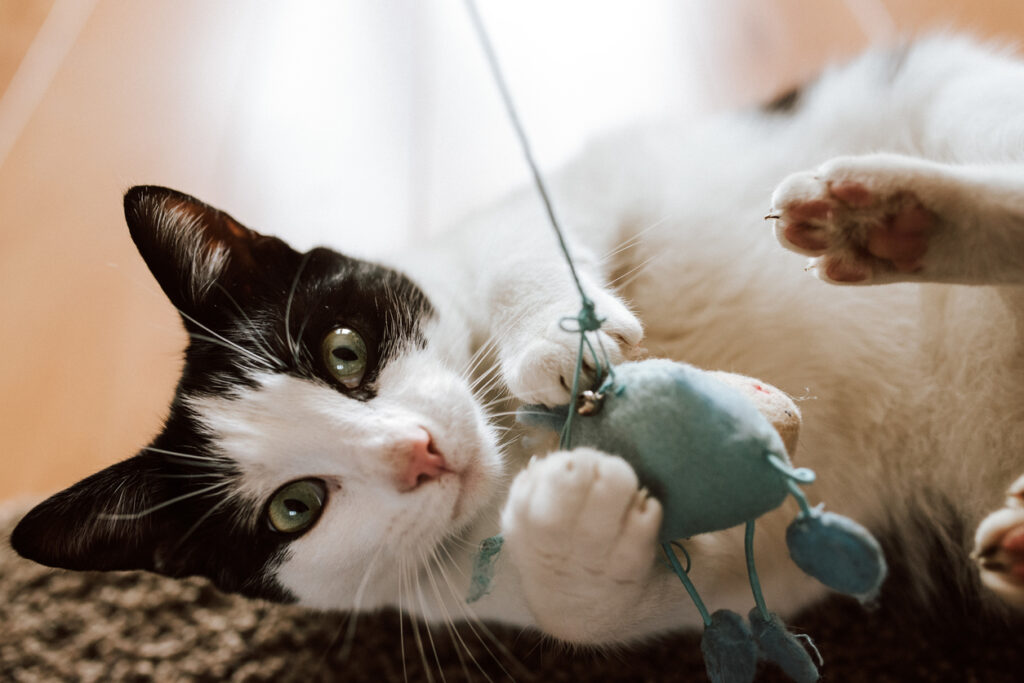
Sometimes the butt-in-face move isn’t about communication at all. It’s simply an attempt to get attention. Your cat might want a scratch, a treat, or just for you to stop ignoring it.
They quickly learn that this move gets a reaction. You might laugh, talk to them, or push them away, but either way, you’ve responded. In a cat’s mind, that’s a win.
They think you’re another cat.
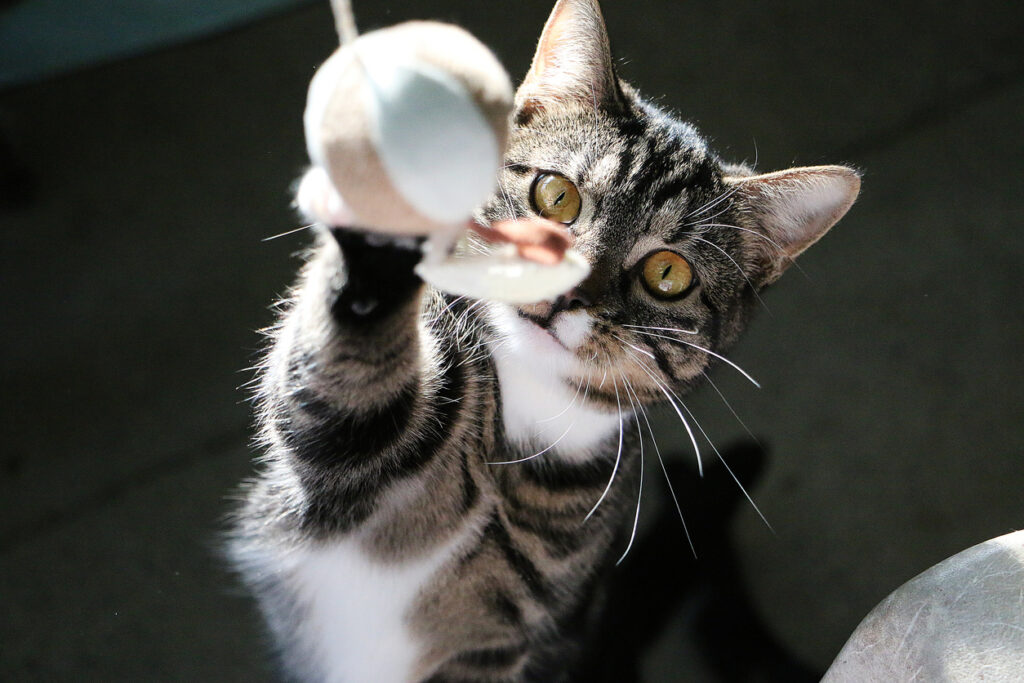
To a cat, their human is just a very large, oddly shaped feline. They’ll treat you with the same social habits they use on other cats, including presenting their backside during friendly interactions.
When they rub against you or hop on your lap before turning around, it’s not disrespect. It’s their way of including you in their little social world. In their eyes, you’re part of the group.
They’re marking you as safe.

When your cat rubs its scent on you, it’s claiming you as part of its territory. Presenting the rear is an extension of that same behaviour. They want your smell on them and theirs on you.
It’s mutual recognition. To your cat, scent sharing keeps the bond strong and the household peaceful. What looks like a rude gesture is actually reassurance that you belong together.
It’s leftover kitten behaviour.
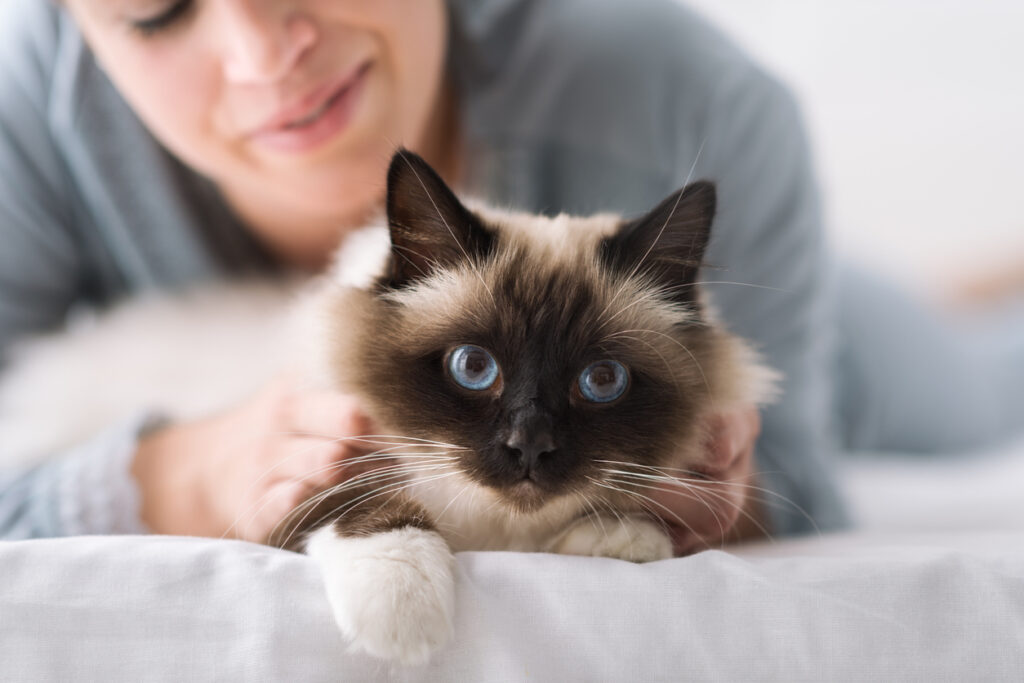
Kittens present their bottoms to their mothers when they want grooming or reassurance. Some cats carry that behaviour into adulthood. It’s not immaturity, it’s comfort. It means you remind them of safety and care.
When they stick their tail up near you, they’re recreating that early bond. It’s a subconscious throwback to feeling looked after, even if you’re not about to start licking them clean.
It’s their version of turning their back on worry.
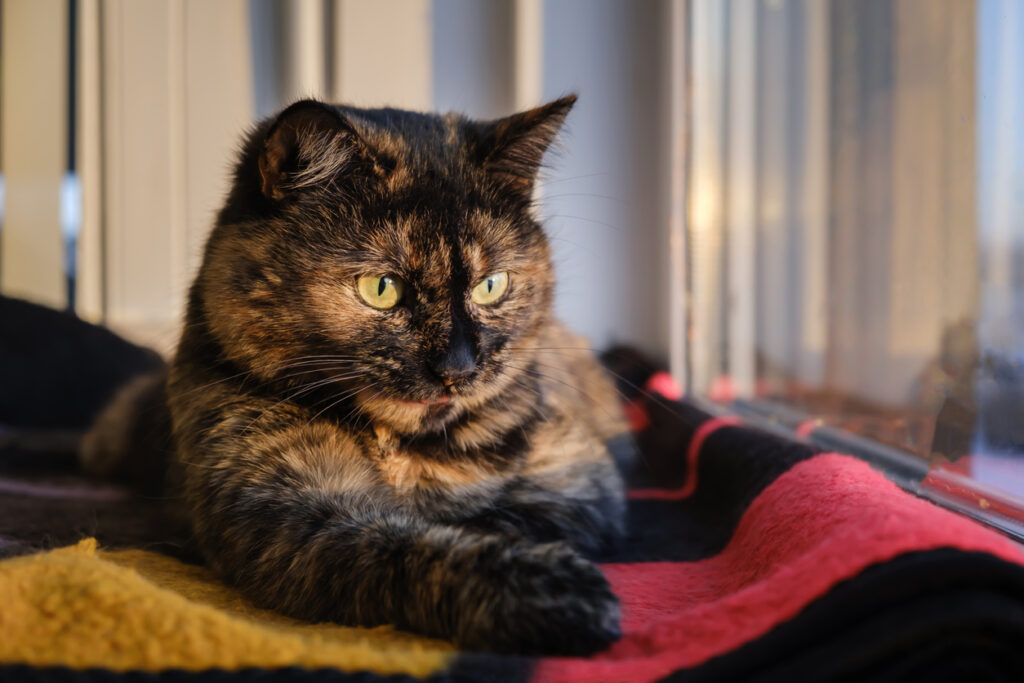
Animals never expose their most vulnerable area unless they feel completely at ease. If your cat turns around and relaxes with its tail in the air, it’s a clear signal that it doesn’t see you as a threat.
It’s actually quite a compliment. They trust you so much that they’ll happily face away from you, knowing you won’t harm them. That’s feline faith at its finest.
They’re asking for grooming help.
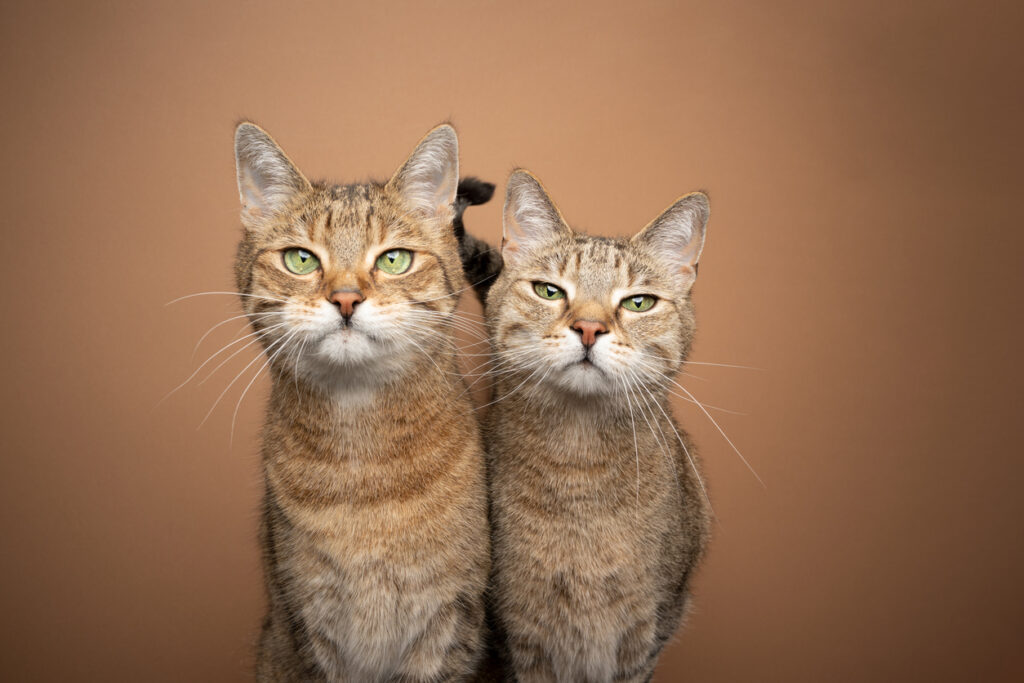
Cats are meticulous cleaners, but some areas are tricky to reach. When they present their backside, it might be their way of asking for a scratch or for you to check something that’s irritating them.
They don’t realise how strange it looks from your point of view. If your cat keeps doing it, a gentle stroke near the base of the tail usually satisfies them—just watch for overstimulation or sudden mood changes.
It’s part of social ranking.
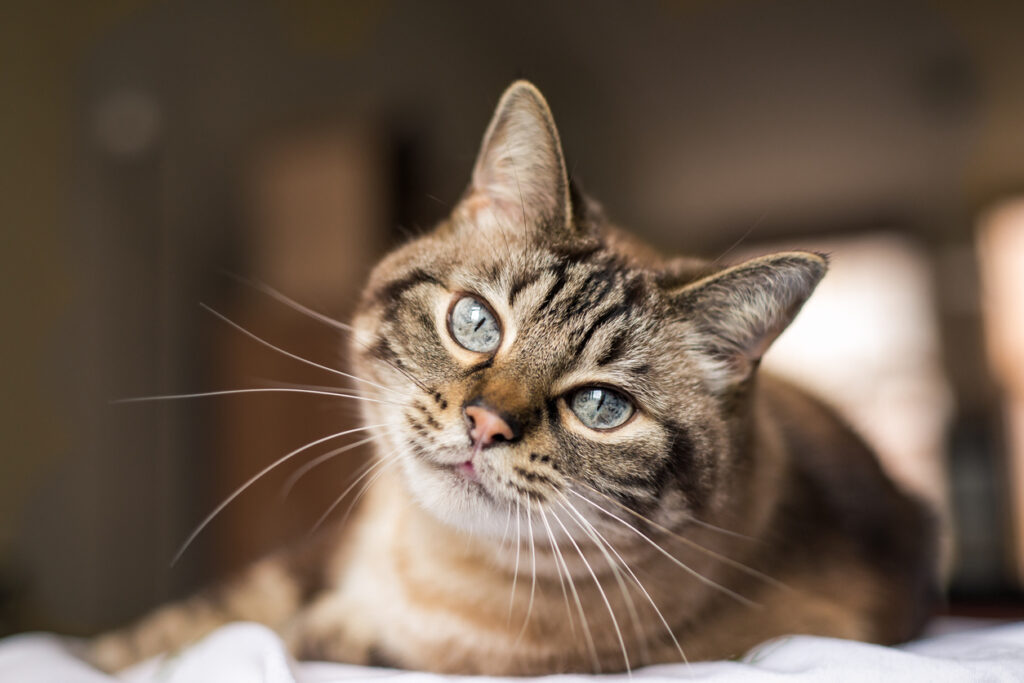
Among cats, turning around and allowing another to sniff the rear signals comfort with their social status. The higher-ranked cat usually initiates, while the other responds with a brief sniff before walking away.
When your cat does this to you, it’s acknowledging you as a trusted member of its world, not necessarily above or below it. You’ve earned a place in its social hierarchy. It’s a slightly awkward one, perhaps, but still an honour.
It’s about scent reassurance.
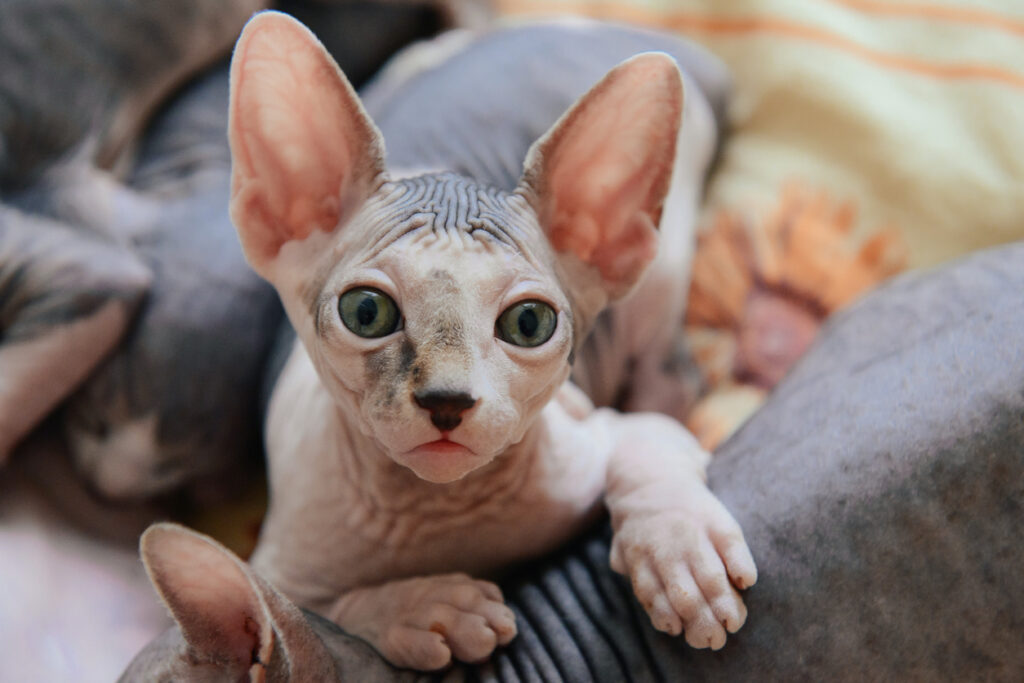
Cats often seek reassurance through familiar smells. By presenting their backside near you, they can catch your scent while mixing in theirs, reinforcing the sense of security they get from your presence.
It’s their way of saying, “You’re home, and so am I.” The behaviour might look bizarre, but it’s tied to comfort, safety, and emotional connection more than anything else.
They’re copying your attention patterns.
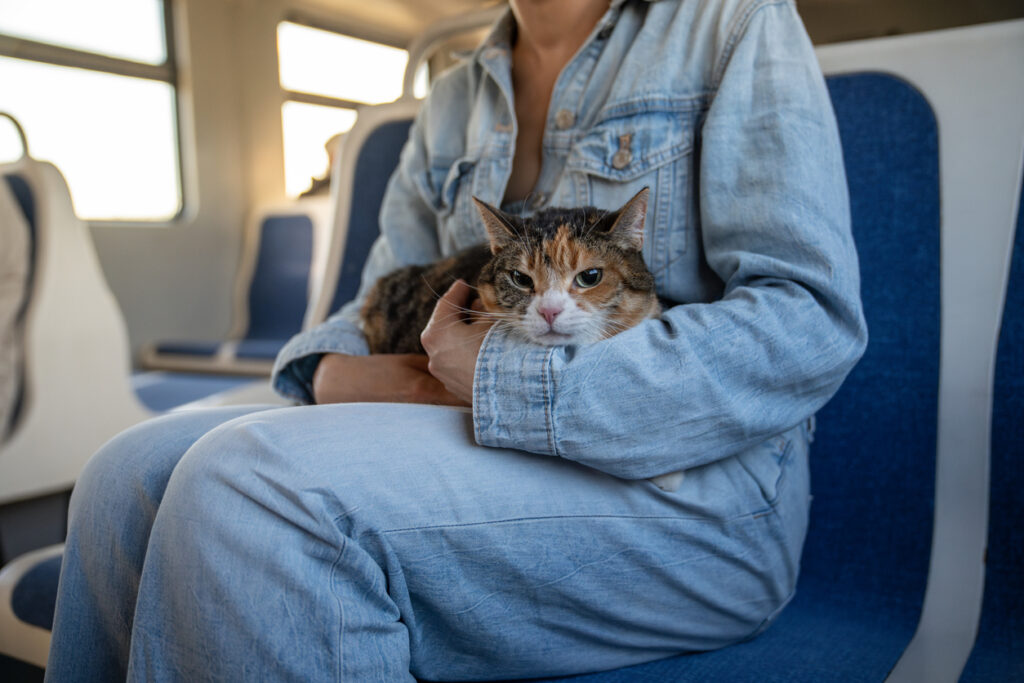
When you stroke or fuss over your cat, they remember where your hands go. They might present their rear as a hint for where they’d like more attention, since that area often feels good to them when gently scratched.
It’s a learned behaviour reinforced by your reactions. If you’ve ever given them a tail-base scratch before, they’ll keep offering it up like a polite request for more.
It’s their way of resetting the mood.
If you’ve been away, or they’re unsure how to reconnect, turning around might be their way of breaking tension. Cats rely on physical signals rather than emotional language to re-establish peace after distance or disagreement.
They’re effectively saying, “We’re fine again.” What looks like bad manners is often a peace offering, and one they assume you’ll understand, even if you don’t find it especially flattering.
They want to show confidence.
Confident cats walk with their tails high and their posture open. Presenting their backside near you shows they feel bold and relaxed. It’s their way of saying they feel safe enough to be casual around you.
Timid cats rarely do this because they keep their tails low and bodies guarded. So if your cat seems proud of its tail-up stance, take it as a sign it feels good about life and about you.
They simply have no idea it bothers you.

Cats don’t understand embarrassment the way humans do. They have no concept that turning their rear towards your face is unpleasant. To them, it’s as natural as sniffing or stretching in your space.
They’re not trying to offend or shock you; they just don’t know it’s weird. It’s one of those cross-species misunderstandings that cat owners learn to laugh about rather than fight.