When people think of sneaky animals, they usually picture predators creeping through the grass or creatures that blend perfectly into their surroundings.
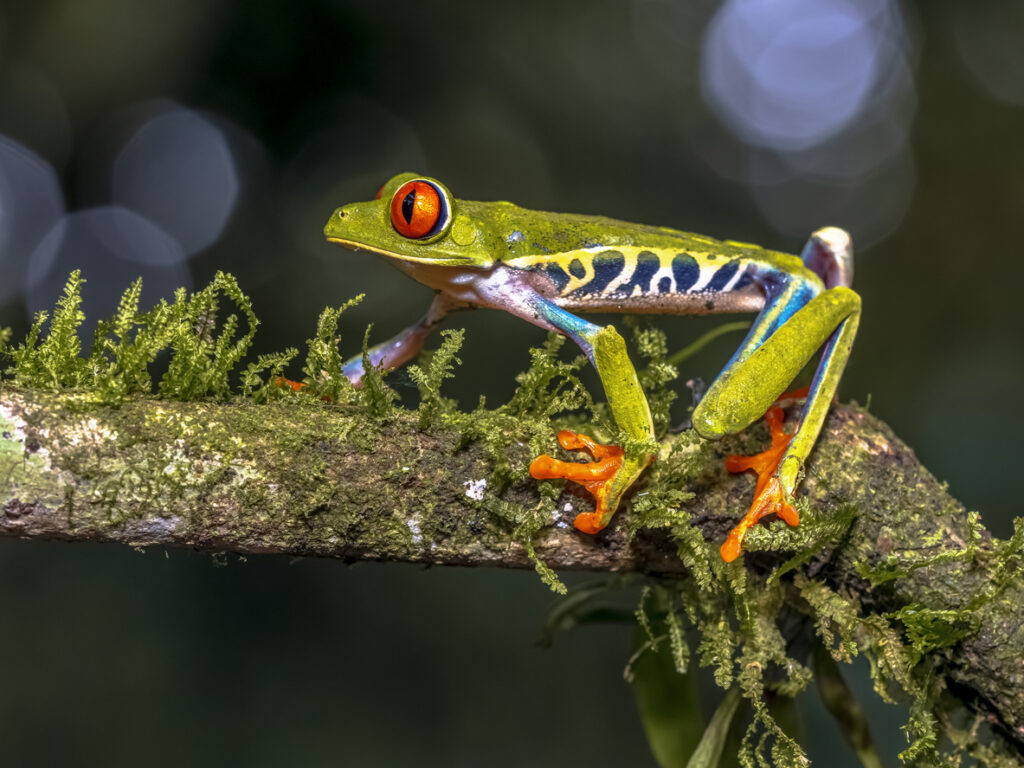
However, nature’s best tricksters don’t always rely on camouflage or stealth. Some use intelligence, mimicry, or sheer audacity to get what they want, and half the time, you’d never even notice what they’re up to.
From fish that fake their way into meals to birds that trick rivals out of their food, the animal kingdom is full of clever con artists. These creatures have evolved tactics so smart and unexpected that scientists are still uncovering new examples of deception every year. Here are some of the world’s sneakiest animals, and the surprising ways they pull off their schemes.
1. The drongo bird that steals with sound
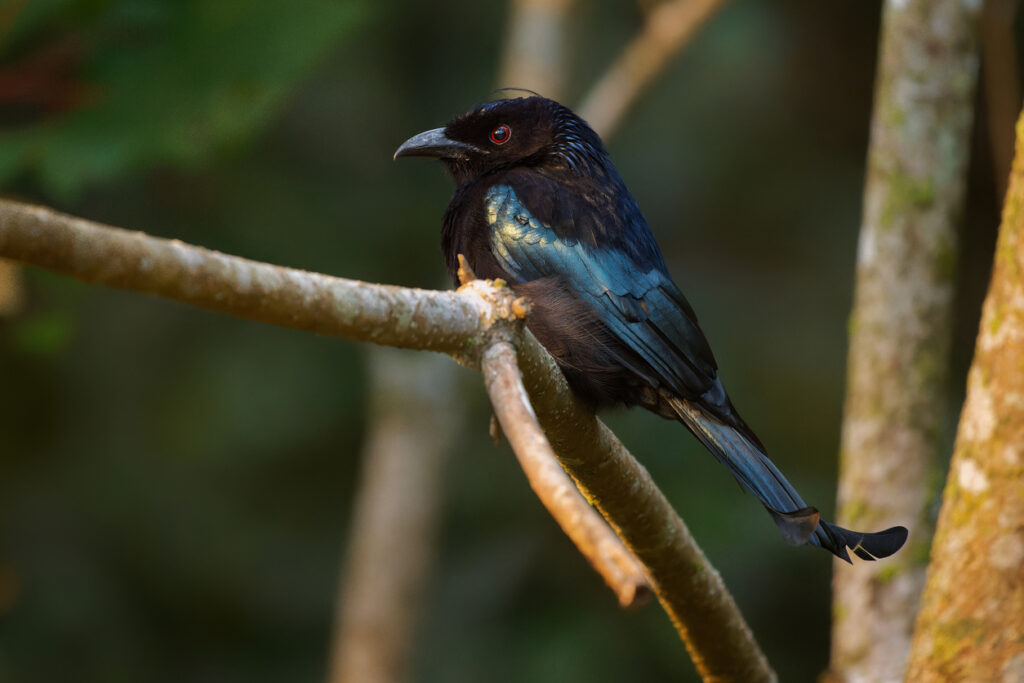
In southern Africa, fork-tailed drongos have mastered vocal trickery. They mimic the alarm calls of other species, causing animals to drop their food and flee. Once the coast is clear, the drongo swoops in and steals the meal.
It’s not just random noise, either. They change their calls to stay believable. If one alarm stops working, they switch to another, proving that intelligence, not size, makes a thief successful in the wild.
2. The octopus that pretends to be other animals

The mimic octopus of Indonesia can copy the shapes and movements of over a dozen sea creatures, from lionfish to sea snakes. It alters its colour, posture, and even the way it moves to suit the role it’s playing.
By transforming to match dangerous species, it avoids predators entirely. It’s nature’s version of quick-change camouflage, and few hunters risk attacking something they can’t quite identify.
3. The fox that listens underground
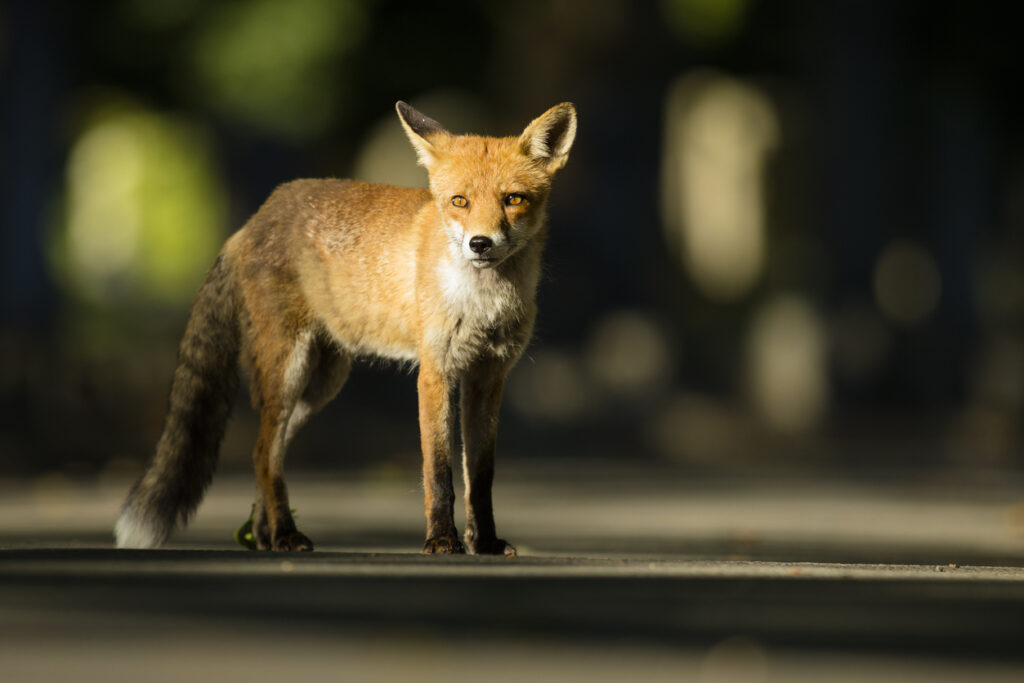
Arctic foxes are expert hunters who rely more on hearing than sight. They tilt their heads, listening for mice moving beneath the snow. Once they pinpoint the sound, they leap high and dive nose-first to catch their target.
It’s stealthy precision in icy silence. Their snow-white coats keep them invisible, but it’s their patience and timing that make them masters of subtlety rather than strength.
4. The cuttlefish that hides in plain sight

Cuttlefish can change colour, texture, and pattern in less than a second. They use their skin like a digital display, copying everything from coral to sand to confuse both predators and prey.
It’s not just camouflage, it’s theatre. By pulsing colours and shapes across their bodies, they can distract or hypnotise smaller animals before striking, proving disguise can also double as strategy.
5. The opossum that fakes death perfectly
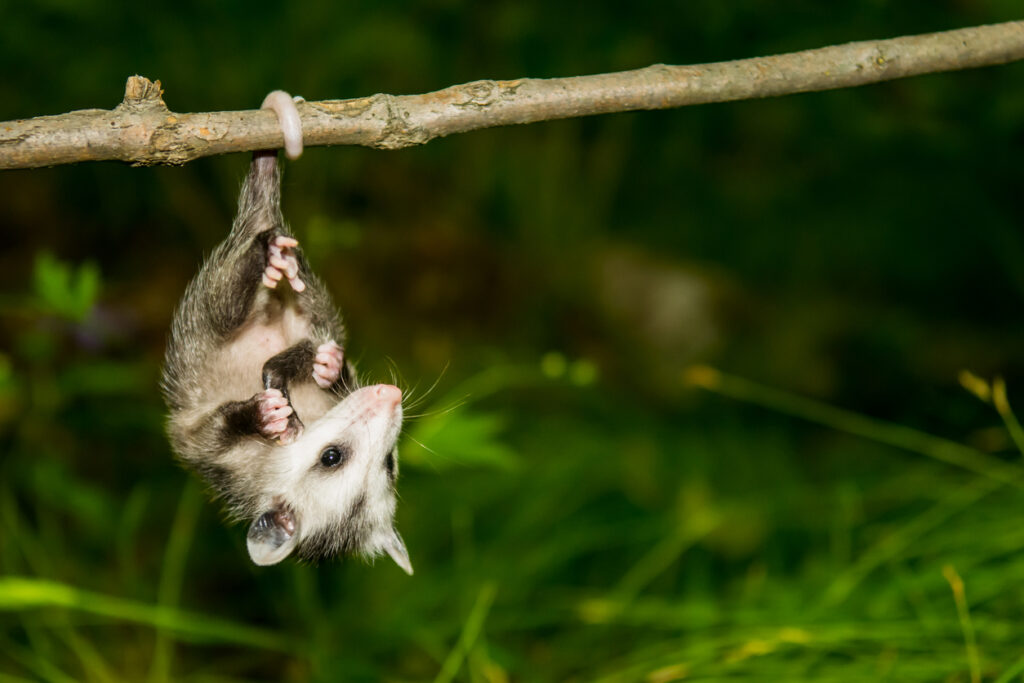
When threatened, opossums collapse, drool, and even emit a foul smell that mimics decay. Predators lose interest, thinking the animal’s already dead. This act is so convincing that it can last for hours.
It’s not learned behaviour, either. Young opossums do it instinctively. It’s a risky move, but for an animal without fangs or claws, pretending to be lifeless is often the smartest option on the table.
6. The heron that fishes with bait
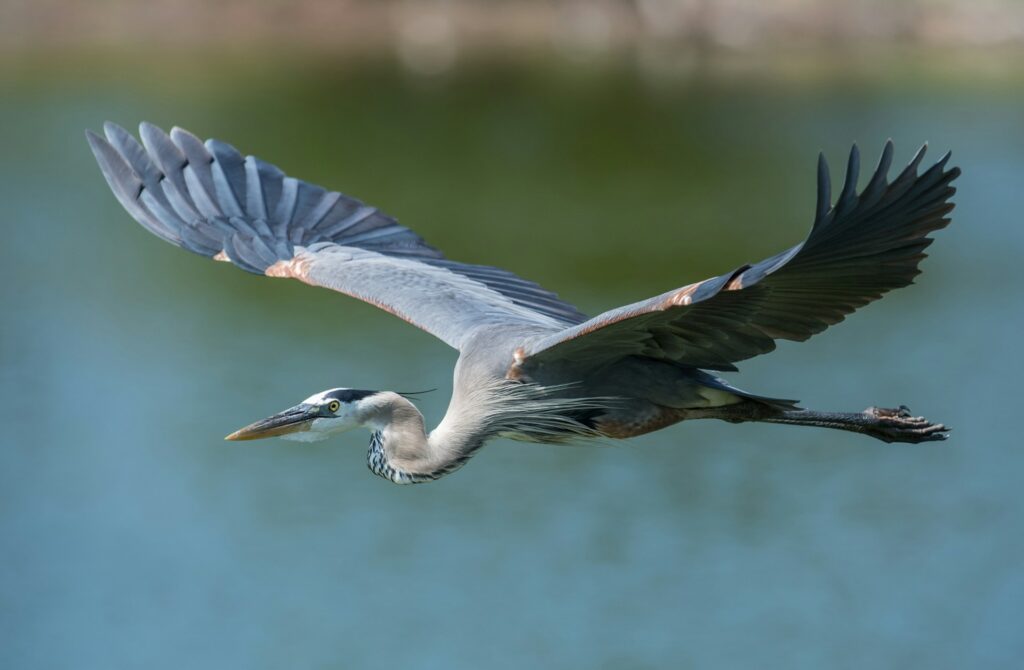
Green herons are among the few birds known to use tools. They drop insects or small twigs onto water surfaces to lure fish close enough to grab. It’s patient, clever, and completely deliberate.
Not every heron figures it out, but those that do use the technique regularly. Watching one fish is like seeing evolution and intelligence meet halfway on a quiet pond.
7. The mantis shrimp that sneaks with speed
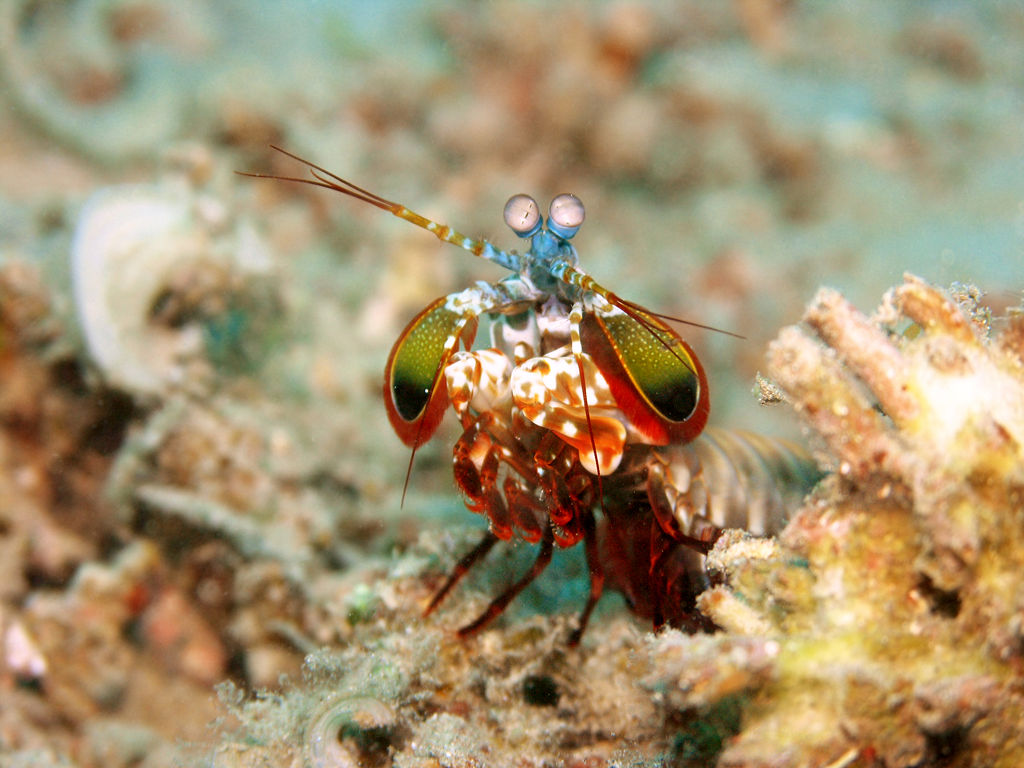
Mantis shrimp don’t rely on hiding; they rely on precision. They watch from their burrows and strike so fast that water boils around their claws. Most prey never even see it coming.
Their ambushes are a mix of patience and explosive timing. Instead of chasing, they wait, then move faster than the blink of an eye. It’s stealth through speed rather than silence.
8. The cuckoo bird that outsources parenting
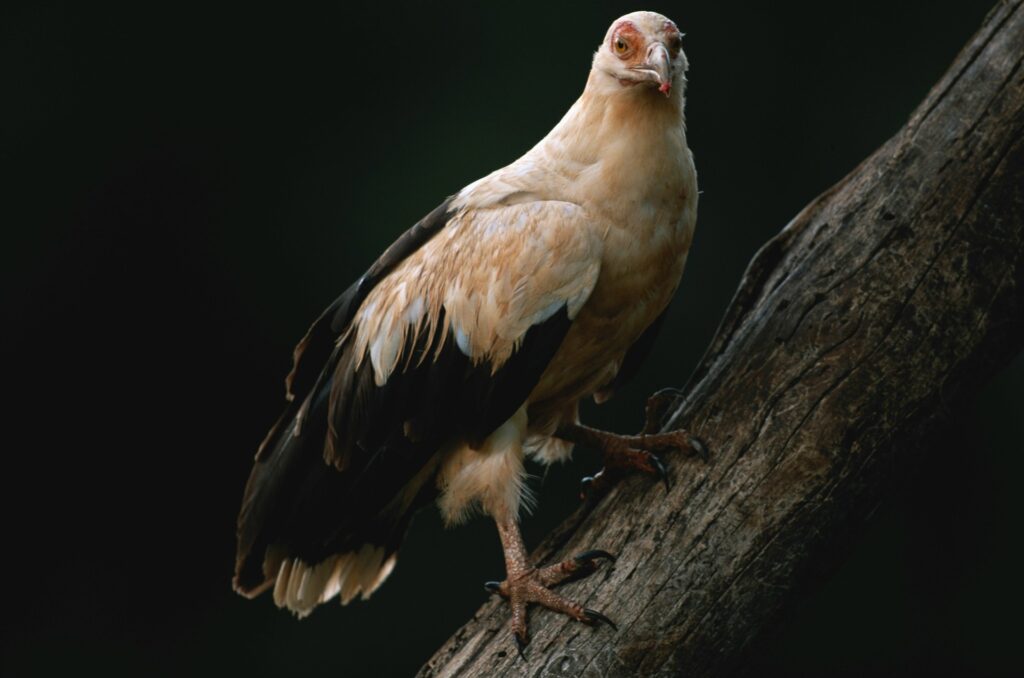
Cuckoos are infamous for laying their eggs in other birds’ nests. The unsuspecting hosts raise the chick as their own, often at the expense of their real offspring. It’s one of nature’s most audacious cons.
The trick works because cuckoo eggs mimic the appearance of the host’s. By the time the parent birds realise, the cuckoo chick has already taken over the nest completely.
9. The spider that fakes being an ant
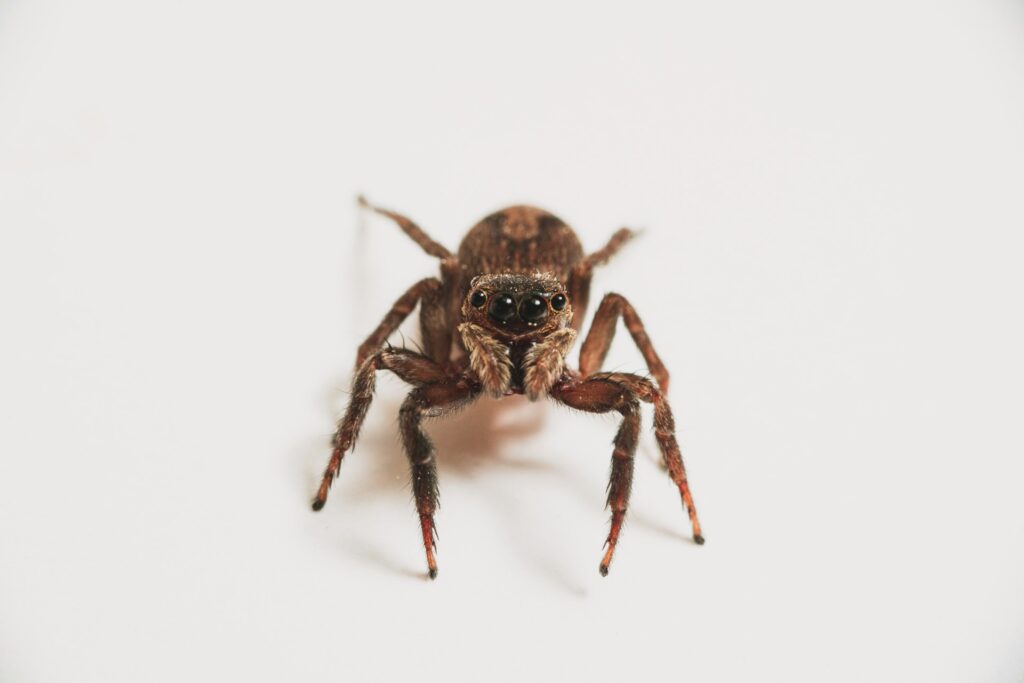
Some jumping spiders disguise themselves as ants to sneak safely through their colonies. They move in the same jerky rhythm and even wave their front legs to mimic antennae. Predators avoid them, assuming they’re part of the swarm.
This disguise lets them hunt or travel unnoticed. Blending in with something dangerous gives them protection and access, all without having to fight for it.
10. The leopard that hides in plain daylight
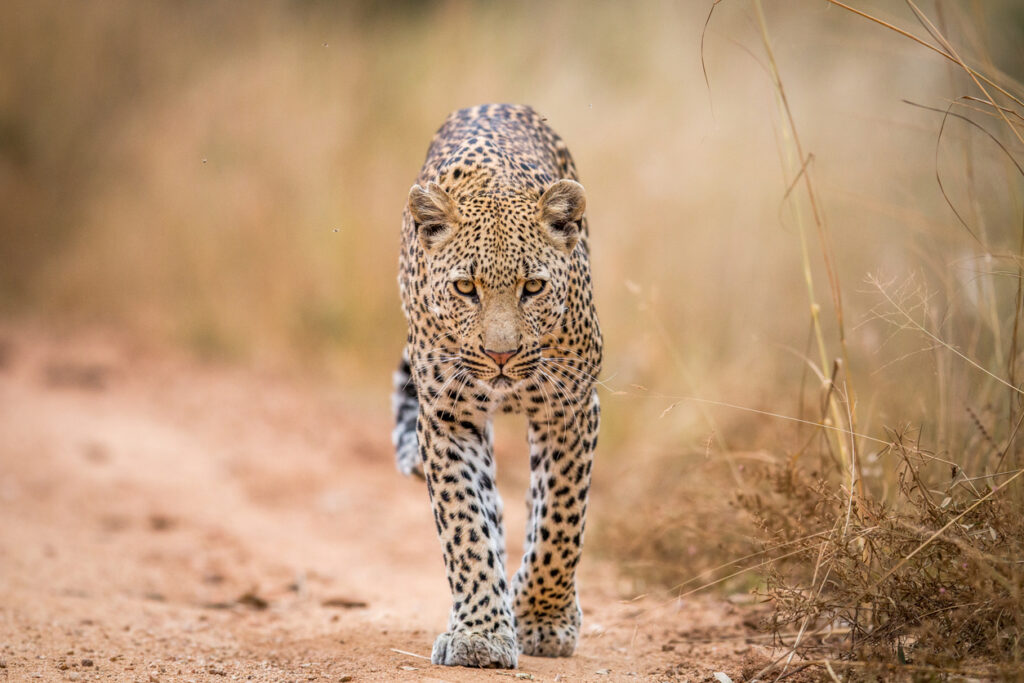
Leopards are built for stealth. Their spotted coats break up their outline in tall grass, making them nearly invisible even when the sun’s out. They move slowly, placing each paw with care to avoid noise.
When they finally pounce, it’s after minutes of patient stalking. Their silence is so effective that prey often sense them only at the last possible second.
11. The snake that pretends to be something worse

The harmless milk snake benefits from looking almost identical to the venomous coral snake. This mimicry makes predators hesitate, giving the milk snake just enough time to escape without a fight.
Nature rewards cleverness as much as power. The pattern says “danger” loudly enough that even experienced hunters decide it’s not worth the risk.
12. The frog that vanishes into leaves
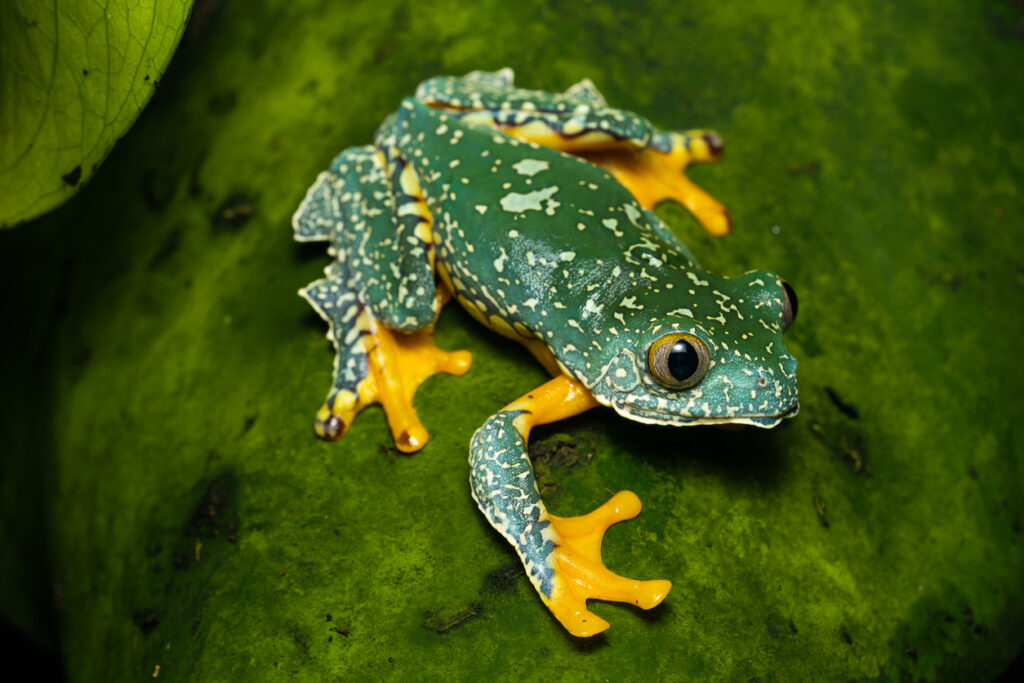
Leaf frogs, found in South America, can flatten their bodies and match the exact colour of surrounding foliage. Even up close, they look like leaves complete with veins and slight imperfections that make the disguise believable.
Predators can stare right at them and still not notice. It’s one of nature’s finest camouflage acts, turning stillness into invisibility.
13. The cat that hunts by playing innocent
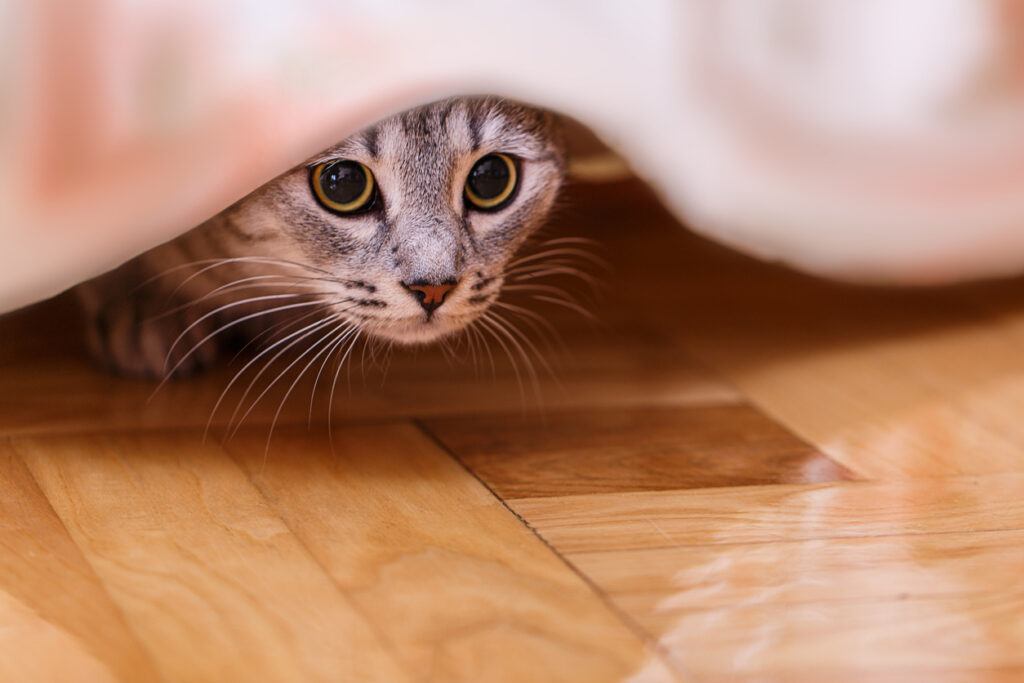
Domestic cats use subtle tactics when stalking prey. They crouch low, blink slowly, and even look away to seem uninterested before making a move. The performance lulls small animals into letting their guard down.
Once the moment feels right, the switch flips from calm to deadly. Their stealth lies in patience rather than aggression, a quiet reminder that softness can be strategic.
14. The butterfly that fools everyone
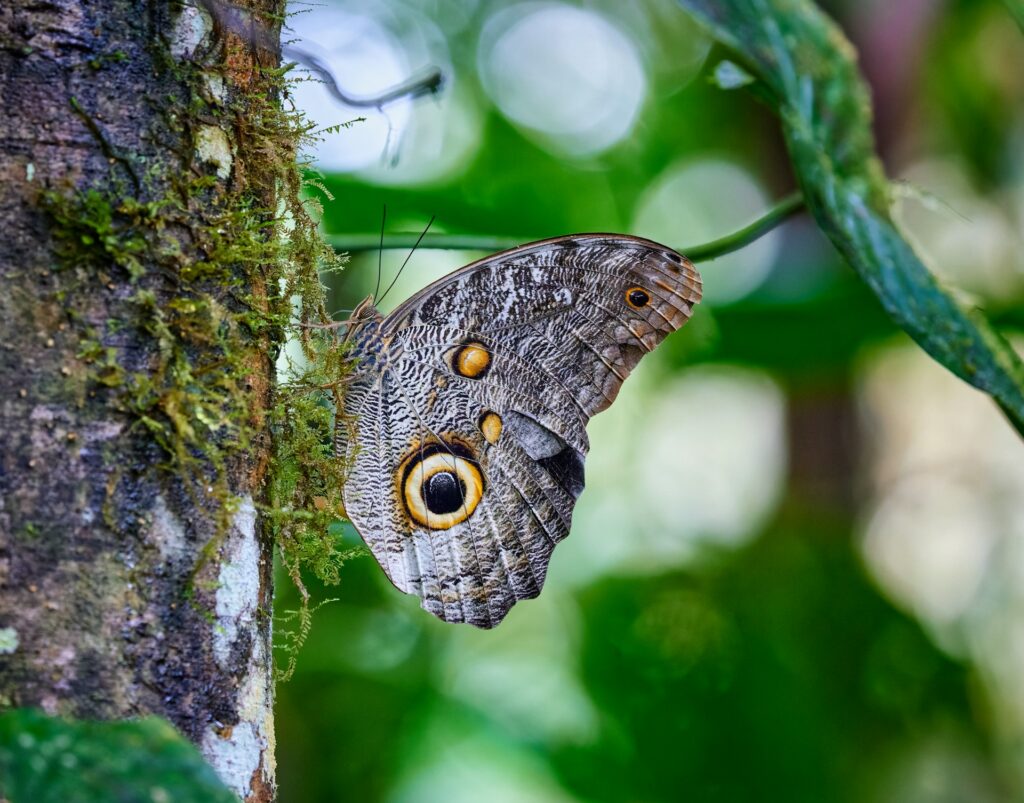
The owl butterfly’s wings are patterned with giant eye spots that resemble an owl’s face. When a predator approaches, it flashes those wings and startles them into retreating, giving the butterfly time to flutter away unharmed.
It’s visual trickery at its best. By pretending to be something powerful, the butterfly survives without ever needing to fight or flee quickly.
15. The cleaner fish that cons other fish
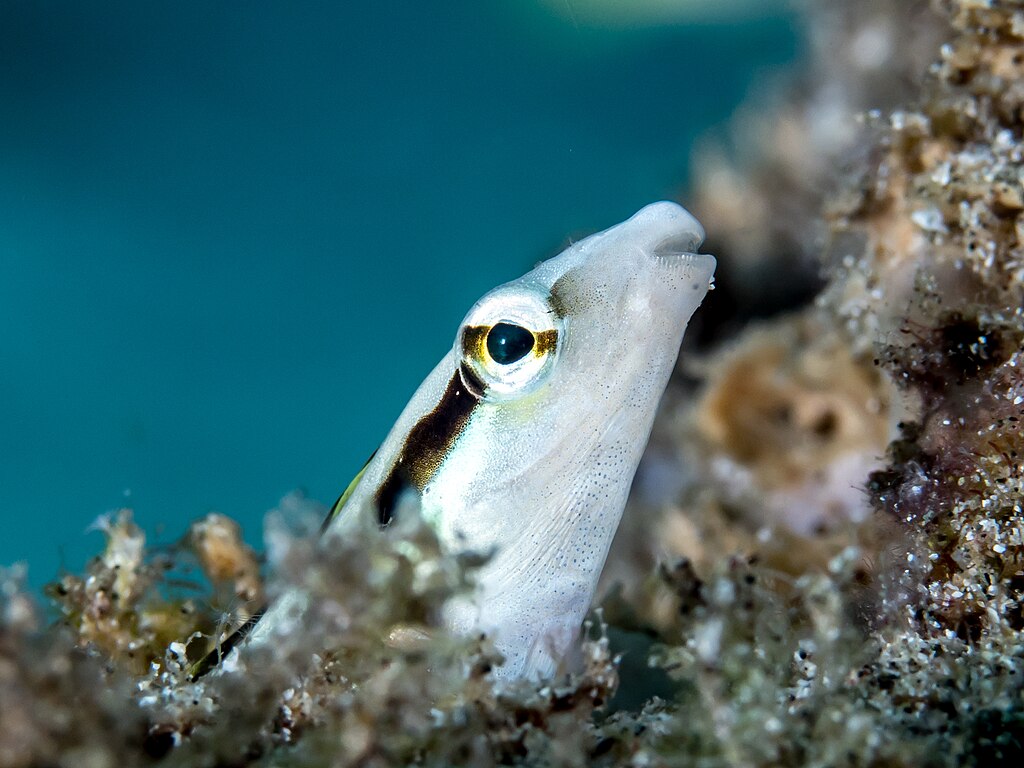
In coral reefs, cleaner wrasse fish earn trust by picking parasites off larger fish. But a few impostors, known as blennies, copy their appearance, then sneak bites of flesh instead. They exploit the system’s trust for their own gain.
The deception works just long enough for them to escape. It’s a reminder that even in the most colourful corners of the ocean, manipulation can be as effective as muscle.