Most people picture NASA (or any space agency, really) as a place full of rocket scientists and aerospace geniuses who speak in equations and drink coffee out of beakers. In reality, NASA runs like any other huge organisation. It needs people to organise schedules, handle social media, manage budgets, design graphics, plan events and keep everything moving smoothly. Space exploration isn’t just astronauts and engineers. It’s also everyday people who are brilliant at ordinary jobs that happen to support something extraordinary.
If you’ve ever dreamed of working somewhere exciting but assumed you needed a PhD to get in the door, NASA might surprise you. Many of the roles behind those launches and discoveries involve skills you might already have. Creativity, communication, admin skills, logistics, teamwork. NASA needs those just as much as it needs mathematicians. You might be closer to a NASA job than you think.
1. Communications and public affairs specialist
NASA needs storytellers. These professionals write press releases, plan social media, organise interviews and explain science to the public. Their work keeps people inspired and informed about what’s happening beyond the headlines. Good communication turns complex research into something anyone can understand. It helps the world see why each mission matters and connects scientists with the people cheering them on from home.
2. Graphic designer and multimedia creator
Behind every image of Mars or the Moon is someone who edited, designed or animated it. Visual designers help bring NASA’s discoveries to life in ways that spark curiosity and make the science accessible. From creating posters to editing videos, these jobs suit people with artistic skills who love technology. It’s proof that creativity is just as important as engineering in space exploration.
3. Human resources and recruitment
Even NASA needs people who can find and support great staff. HR specialists handle hiring, training and employee wellbeing so scientists and engineers can focus on their projects. They help build a workplace that’s diverse and supportive. Without them, NASA couldn’t bring together the right mix of talent to turn big ideas into real missions.
4. Financial analyst and budget officer
Every launch, lab, and satellite needs careful planning. Financial analysts make sure funding is used wisely, balancing costs across departments and projects to keep missions on track. It’s not the most glamorous job, but it’s one of the most essential. These workers ensure resources are spent responsibly, so exploration can continue for years to come.
5. Procurement and contracts specialist
NASA relies on countless suppliers for equipment and materials, among other things. Contract specialists manage those relationships, reviewing proposals and negotiating deals that keep everything running smoothly. They make sure contracts are fair and efficient. Their attention to detail helps avoid delays and ensures that each project meets strict safety and legal standards.
6. Data scientist and IT expert
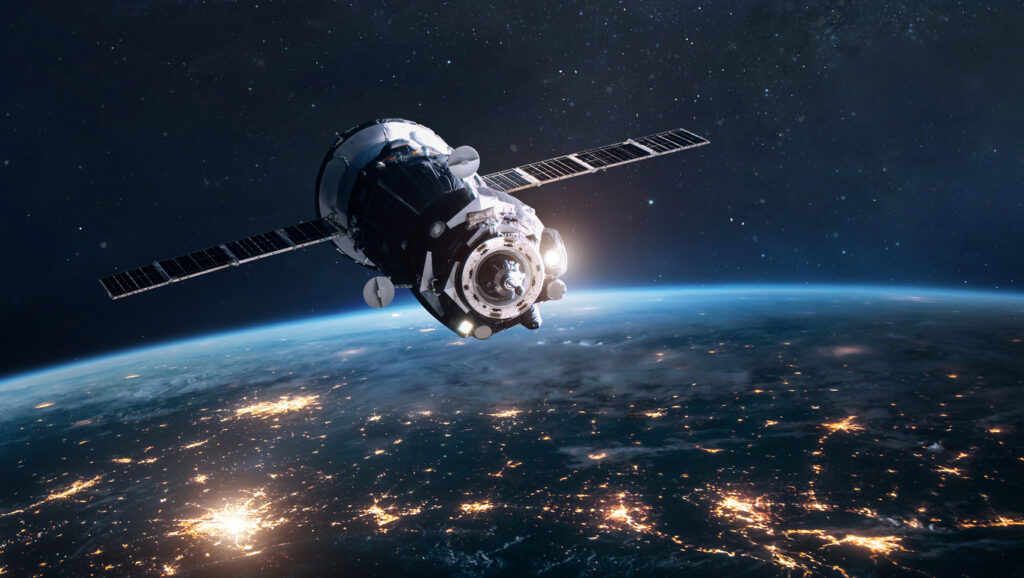
NASA gathers enormous amounts of data from satellites and telescopes. IT professionals keep that information safe and usable for scientists around the world. They design systems, analyse results and help to make sense of the numbers. These roles prove that data and coding are just as vital to exploration as rocket fuel.
7. Software engineer and developer
Software engineers at NASA do more than build code for spacecraft. They also design programs that simulate flight, manage mission data and help scientists process information in real time. Whether developing safety systems or public apps, these roles show how technology supports exploration at every stage, long before a rocket leaves the ground.
8. Education and outreach coordinator
Inspiring the next generation is a key part of NASA’s mission. Education specialists create lesson plans and events that bring science closer to students and teachers. They help bridge the gap between classrooms and research labs. It’s a role for people who love sharing knowledge and want to show that science is for everyone.
9. Facility and operations technician
NASA’s buildings, labs and testing sites all need upkeep. Technicians maintain power systems, tools, and machinery that keep projects running safely day after day. It’s practical, hands-on work that rarely makes the news but keeps everything functioning behind the scenes. Without them, the big missions couldn’t happen.
10. Safety and mission assurance specialist
Before anything is tested or launched, safety experts check that every step meets strict standards. They plan procedures and help teams avoid risks that could endanger missions or staff. Their job is to protect both people and equipment. They bring peace of mind to projects that can’t afford mistakes, making them one of NASA’s most trusted teams.
11. Legal and policy advisor

Exploring space involves international partnerships, private contracts and complex regulations. NASA’s legal teams handle everything from intellectual property to environmental law. They make sure research stays within global agreements and funding rules. It’s a career that proves you don’t need to be a scientist to help shape the future of space.
12. Environmental scientist and Earth analyst
Not all of NASA’s work looks outward. Many researchers study Earth’s atmosphere, oceans, and climate to better understand our planet’s changes over time. These scientists turn satellite data into insights that guide policy and protect ecosystems. Their findings help us care for Earth using the same technology built to explore space.
NASA isn’t just about astronauts and engineers. It’s powered by people from all walks of life—teachers, writers, designers, and analysts—working together for discovery. You don’t need to build rockets to reach for something extraordinary.