For something that keeps every living thing on Earth alive, our Sun is still full of mystery.

It’s been studied, photographed, and observed for centuries, yet scientists are still puzzled by many of its behaviours. We rely on it completely, but there’s a surprising amount we don’t understand about what’s happening inside that burning ball of gas.
From unexplained bursts of energy to baffling temperature differences and strange magnetic forces, the Sun continues to challenge everything we think we know about physics. It’s both familiar and alien, a constant presence that still manages to surprise the people who’ve dedicated their lives to studying it.
Why the atmosphere is hotter than the surface
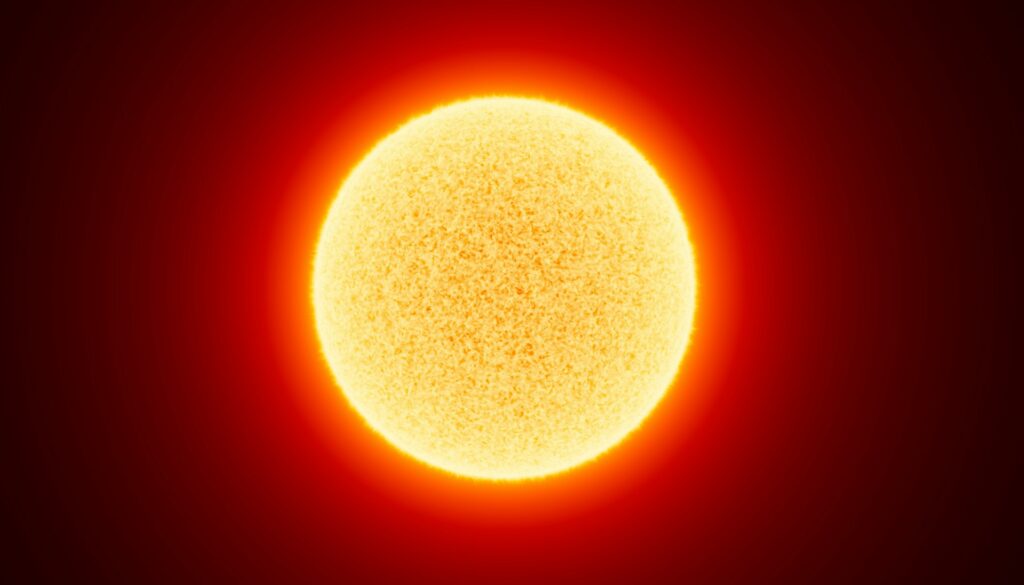
The sun’s surface sits at around 5,500 degrees Celsius, which makes sense because heat decreases as you move away from the source. Except it doesn’t. The sun’s outer atmosphere, the corona, reaches over a million degrees Celsius and gets even hotter the further out you go.
This breaks every logical rule about how heat should work. Scientists have theories involving magnetic fields and plasma waves, but nobody’s managed to prove exactly how energy gets transported from the cooler surface to the scorching atmosphere above it. It’s like standing further from a fire and getting burnt worse.
When solar flares and eruptions will happen
The sun constantly explodes with solar flares and coronal mass ejections that can damage satellites, knock out power grids and affect communications on earth. Despite watching the sun closely with multiple spacecraft, predicting when these eruptions will occur remains nearly impossible.
Space weather forecasting is about where earth weather prediction was fifty years ago, which gives you an idea of how far behind we are. These storms can endanger astronauts and cost billions in damage, but we still can’t reliably see them coming more than a few hours in advance.
What the sun is actually made of
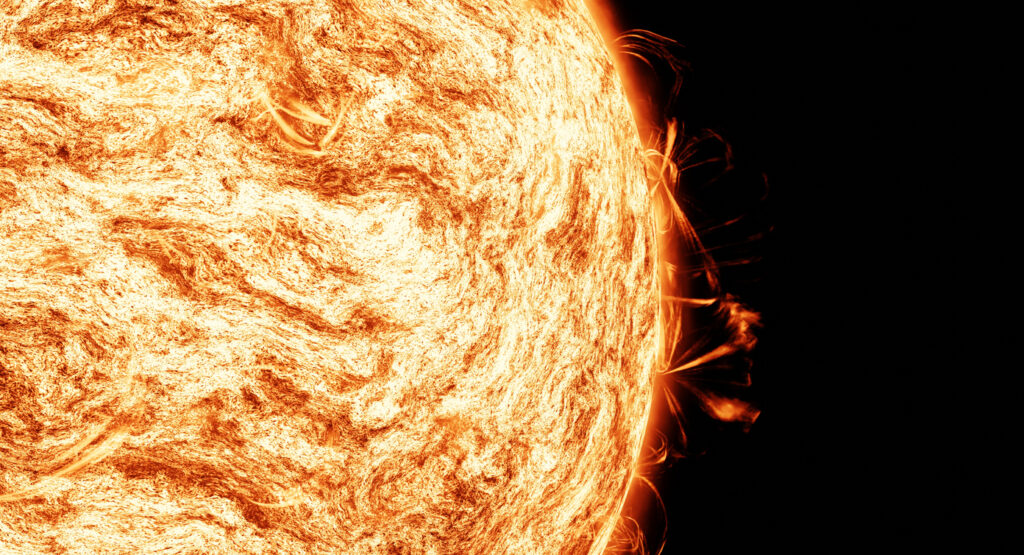
You’d think after centuries of studying the sun, we’d know its exact chemical composition, but astronomers are still arguing about it. Recent analysis suggests the sun has far less carbon, oxygen, and other heavy elements than previously calculated, which has thrown decades of stellar models into question.
This matters because if we don’t know what our own sun is made of, we don’t really know what other stars are made of either. The sun is the measuring stick for understanding the entire universe, and right now, that measuring stick has uncertainty built into it.
Why the 11-year solar cycle happens

The sun follows a roughly 11 year pattern where activity ramps up to maximum with loads of sunspots, then dies back down to minimum with almost none. Scientists know this cycle exists because we’ve observed it for centuries, but explaining why it happens with that specific timing remains difficult.
The cycle is driven by the sun’s magnetic field flipping polarity, but predicting the strength of upcoming cycles or when peaks will occur is still unreliable. Some cycles are intense, others weak, and nobody can confidently forecast which it’ll be until it’s already happening.
Where the sun’s magnetic field actually forms

For years scientists thought the sun’s magnetic field was generated deep in its interior, but recent research suggests it might form much closer to the surface, only about 20,000 miles down. This contradicts decades of theory and changes how we understand the entire solar dynamo process.
The location matters because it affects how magnetic activity develops and how we might predict solar storms. If the magnetic field forms near the surface rather than deep inside, the mechanisms driving solar behaviour are completely different from what most models assumed.
How solar wind actually starts
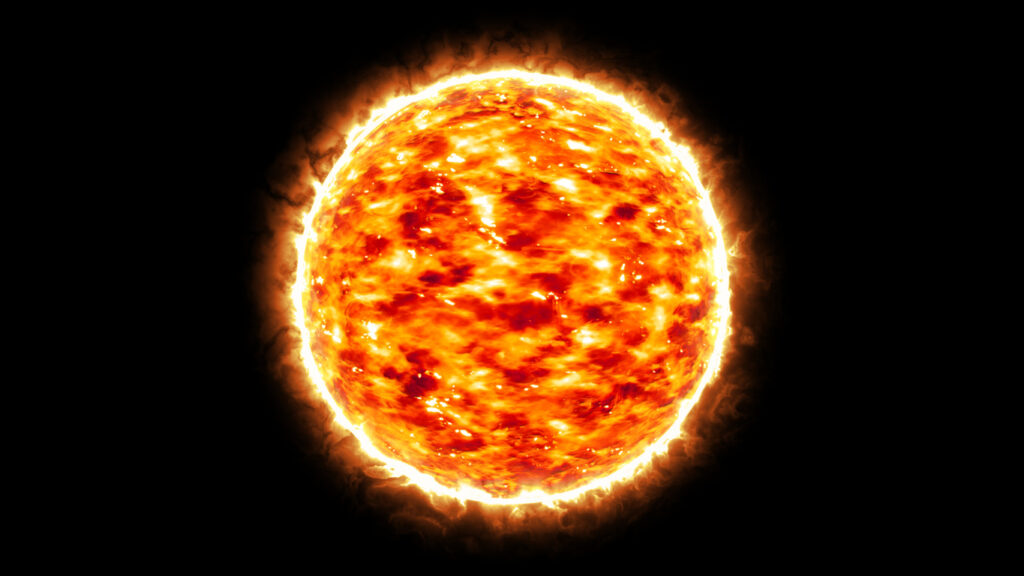
The sun constantly spews out a stream of charged particles called solar wind that travels millions of miles per hour through space. Scientists knew high-speed wind came from regions called coronal holes, but exactly how the plasma got launched from the sun’s surface was unclear until very recently.
New observations found tiny jets, each lasting under two minutes, firing plasma into space. These jets might feed the solar wind, but this discovery also revealed the wind isn’t steady at all, it’s intermittent and unpredictable, which complicates our understanding of space weather even further.
Why some sun like stars behave so differently

More than half of stars similar to our sun either have magnetic cycles that are slowly increasing or decreasing in strength over time, or they’re completely irregular with no predictable pattern at all. Our sun’s relatively steady 11-year cycle is actually unusual compared to its stellar siblings.
Nobody knows why our sun is more regular than most stars of its size and age. Understanding what makes our sun stable compared to others could reveal something fundamental about stellar magnetic fields, but right now, it’s just another mystery in a long list.
What causes the butterfly pattern of sunspots
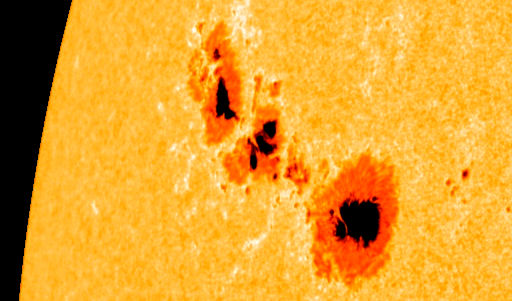
As each solar cycle progresses, sunspots appear at high latitudes then gradually emerge closer to the equator, creating a distinctive butterfly wing pattern when plotted over time. This pattern has been observed for over a century but explaining exactly why it happens remains challenging.
The pattern is linked to magnetic field bands moving through the sun’s interior, but how these bands form, why they migrate towards the equator, and what determines their speed is still being worked out. It’s one of those things we can document and predict, but can’t fully explain.
How energy moves through the sun’s interior
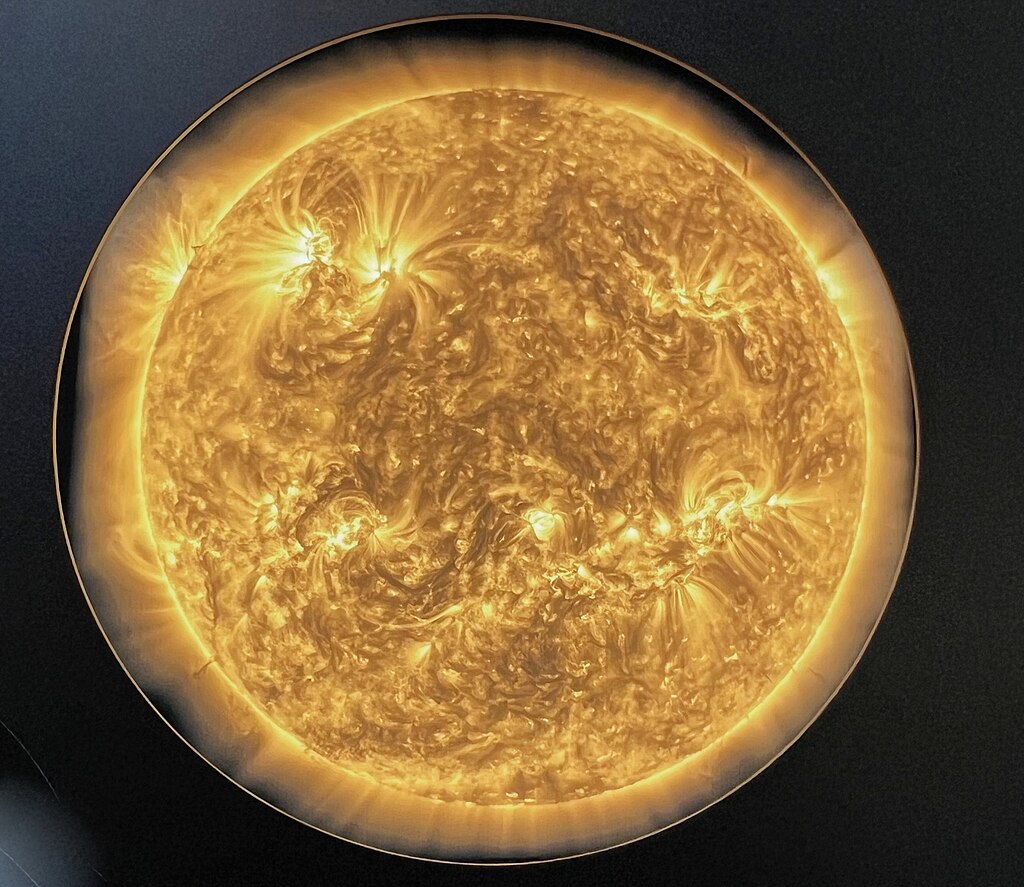
The sun’s core generates energy through nuclear fusion, and that energy has to travel outward through different layers before reaching the surface and radiating into space. How exactly this energy transport happens, especially through the zone where hot plasma convects and churns, isn’t fully understood.
The physics gets incredibly complex with plasma flows, magnetic fields and rotation all interacting. Computer models can simulate parts of it, but capturing the full picture of how energy and magnetic fields interact throughout the sun’s interior is still beyond current capabilities.
Whether we can ever accurately predict solar activity
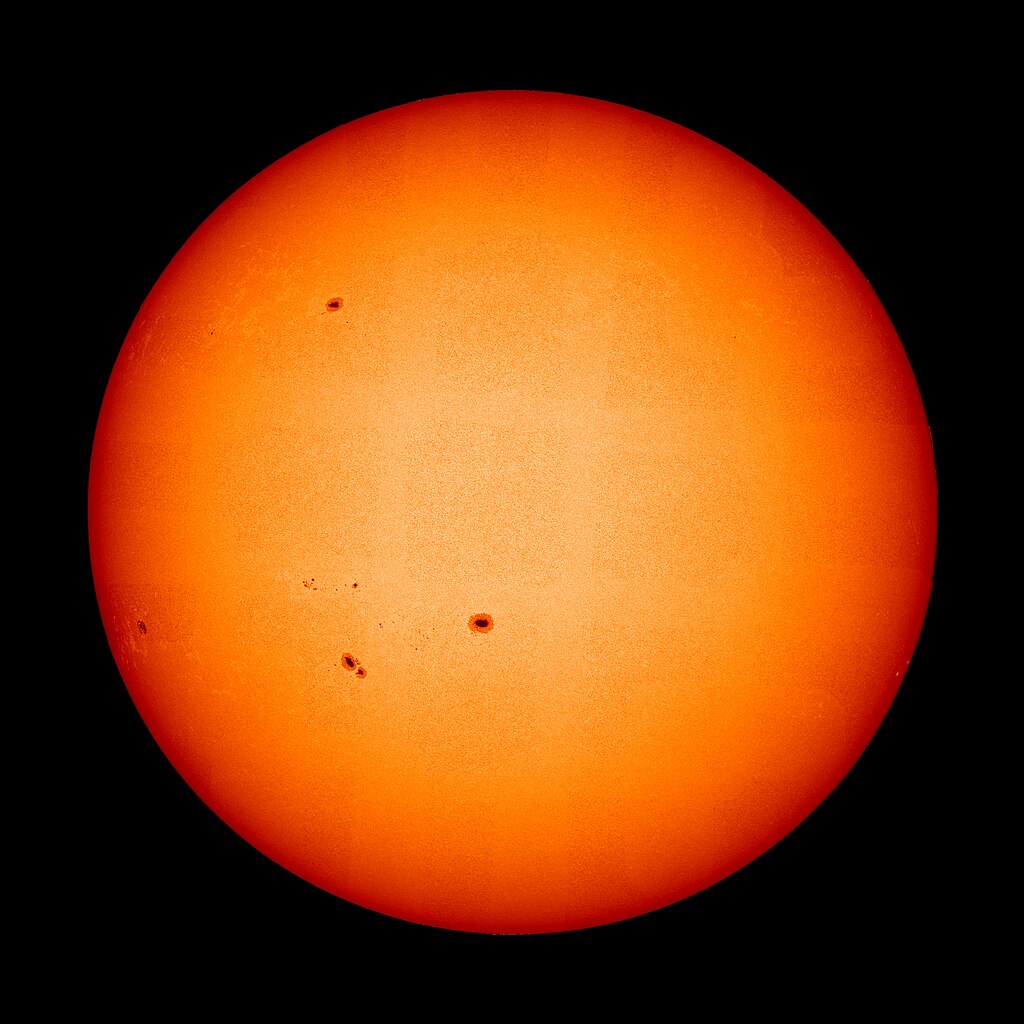
Some scientists argue that solar cycle prediction might be physically impossible beyond one cycle ahead because the sun’s magnetic behaviour has a short memory and is affected by chaotic processes. Others believe better models and observations will eventually crack it.
The debate itself reveals how uncertain solar physics remains. After decades of study with increasingly sophisticated spacecraft and computer models, we’re still not sure if accurate long term solar forecasting is achievable or if the sun’s behaviour is fundamentally too chaotic to predict reliably.