Animals can be surprisingly bold when it comes to finding food.
Some will face predators, cross dangerous terrain, or eat things that seem completely unappealing just to get a meal. What drives them isn’t recklessness but instinct, survival, and sometimes pure determination. Watching what animals are willing to go through for their next bite can be both fascinating and a little shocking.
Across the animal kingdom, there are species that take incredible risks for food that doesn’t seem worth it to us but clearly means everything to them. From toxic snacks to perilous hunting grounds, their choices reveal how resourceful (and desperate) life in the wild can be. It’s a reminder that survival often depends on risks most of us would never dream of taking.
1. Polar bears and their obsession with seal blubber
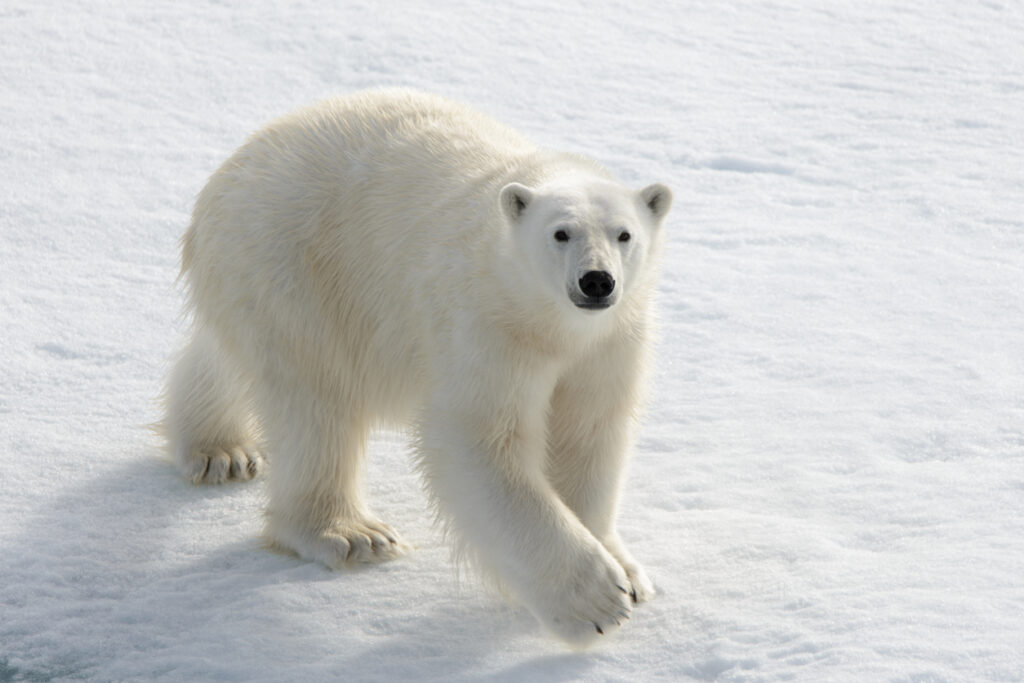
Polar bears are patient hunters, but their entire survival depends on seal blubber. They’ll stalk seals for hours, sometimes days, just for a single fatty meal. It’s such a high-risk hunt that many bears fail more often than they succeed.
The blubber is worth it, though. It’s pure energy in a freezing world, helping them survive months of Arctic darkness. To a bear, it’s not just food; it’s warmth, strength, and life itself, which is why they’ll risk starvation or injury to get it.
2. Honey badgers taking on bees for sweet rewards
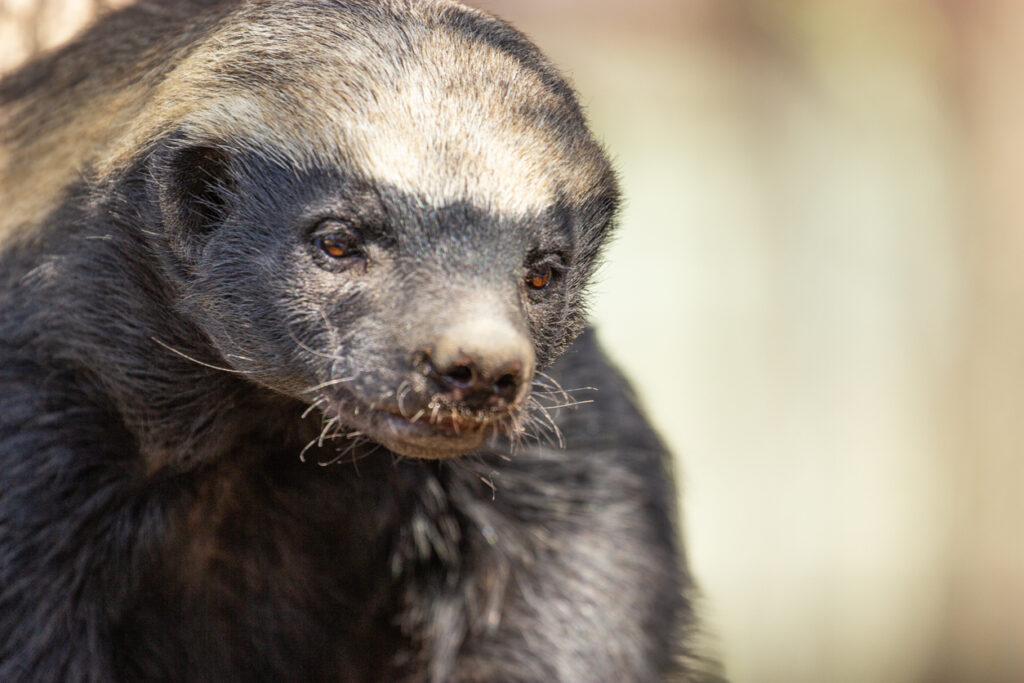
Honey badgers are known for their bad temper, but their biggest weakness is honey. They’ll tear open hives with no fear of stings, often getting covered in angry bees that attack every exposed patch of skin.
They endure it all for the thick, sticky reward inside. The honey gives them quick energy, while the bee larvae add protein. It’s a painful but calculated risk, showing that even the toughest animals have a soft spot for something sweet.
3. Jaguars diving for caimans to reach turtle eggs
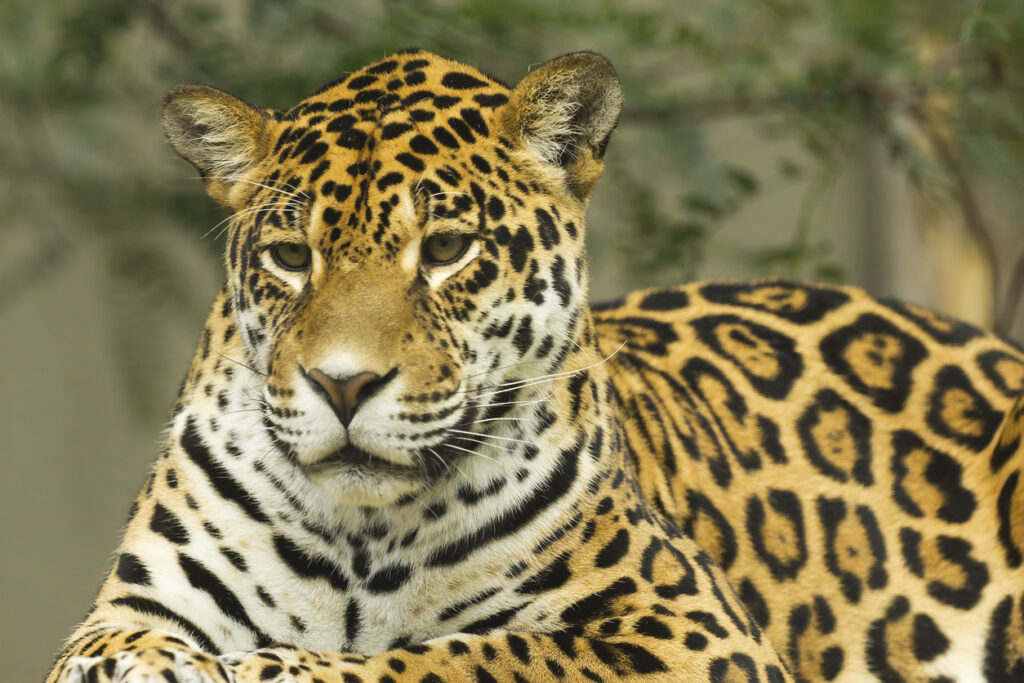
Most cats hate water, but jaguars regularly swim through crocodile-infested rivers to get to turtle nesting grounds. The eggs are rich in fat and easy to swallow, making them one of the jaguar’s favourite snacks despite the danger.
The risk comes from caimans, which share the same hunting territory. Jaguars often sneak past them under cover of night, knowing a single mistake could mean death. Still, the taste of warm turtle eggs keeps them coming back.
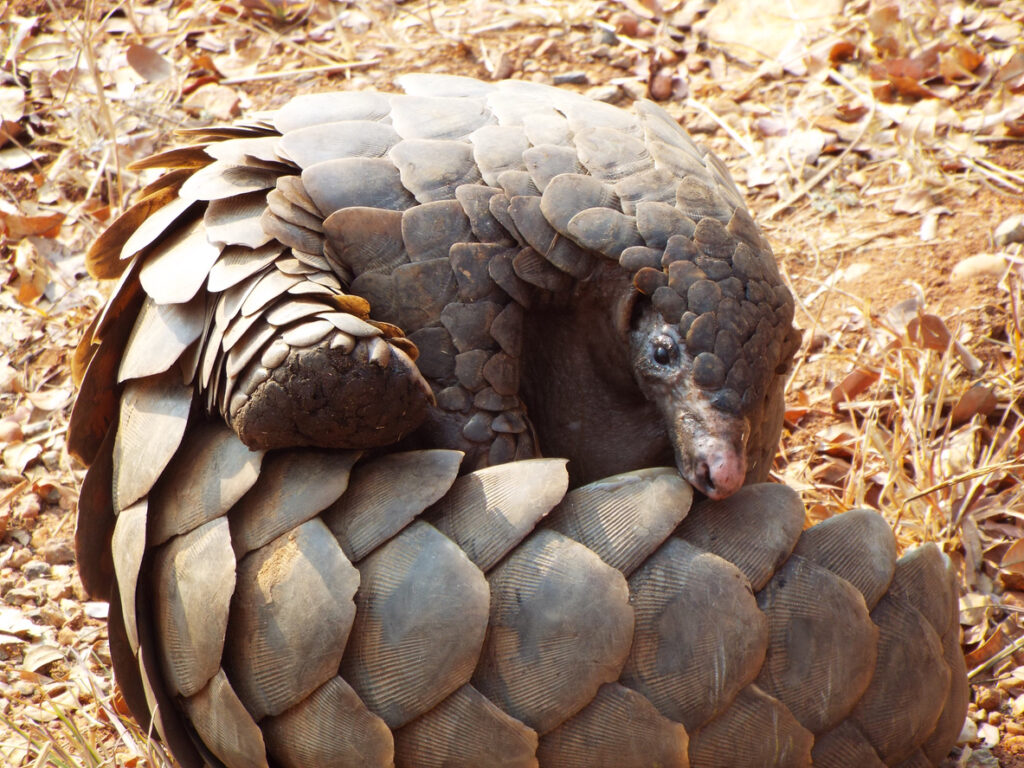
4. Pangolins breaking into termite mounds full of soldiers
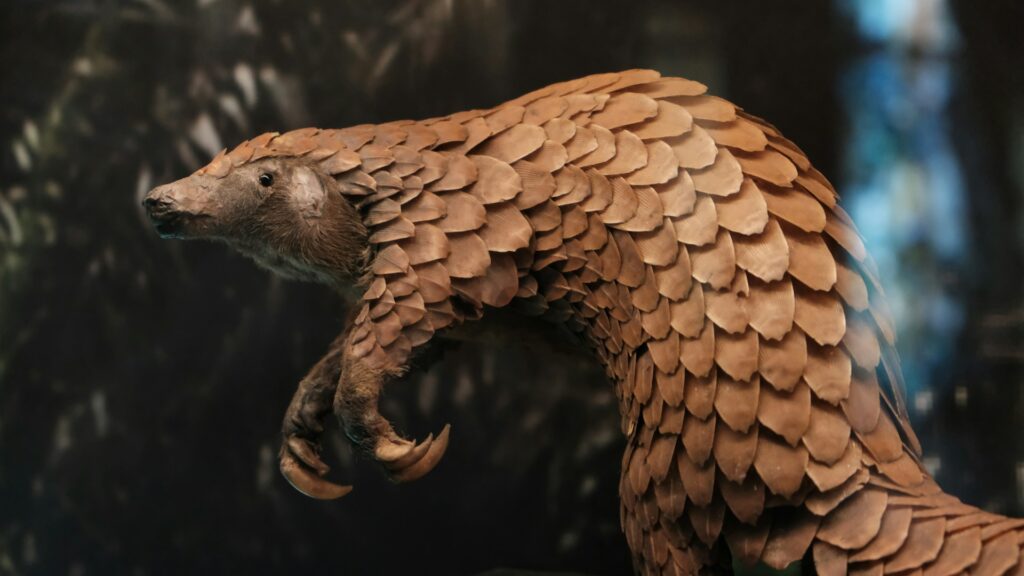
Pangolins look like they’re covered in medieval armour, and they need it. Their entire diet is ants and termites, which means they spend their lives clawing into nests guarded by thousands of biting, acid-spitting insects.
Every meal is a fight, but their thick scales and long sticky tongues make them perfect for the job. It’s a dangerous way to eat, yet it’s also the only thing keeping them alive, proving nature often trades safety for specialisation.
5. Dolphins chasing toxic pufferfish for a strange high
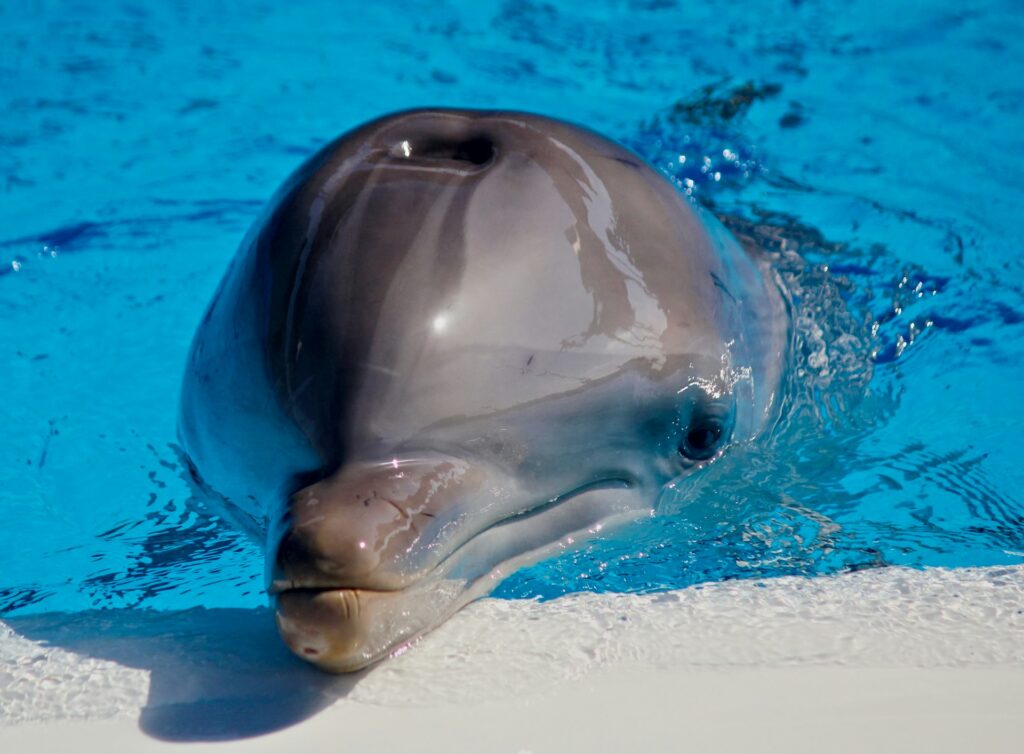
Groups of young dolphins have been filmed nudging pufferfish until the fish release a small dose of their deadly toxin. Instead of killing them, the dolphins seem to enter a trance-like state, almost as if they’re getting high.
It’s a bizarre and risky pastime, considering pufferfish poison can stop a heart in seconds. Yet, the dolphins pass the same fish around like a toy, completely entranced, suggesting they value the experience more than safety.
6. Koalas eating eucalyptus that can poison them
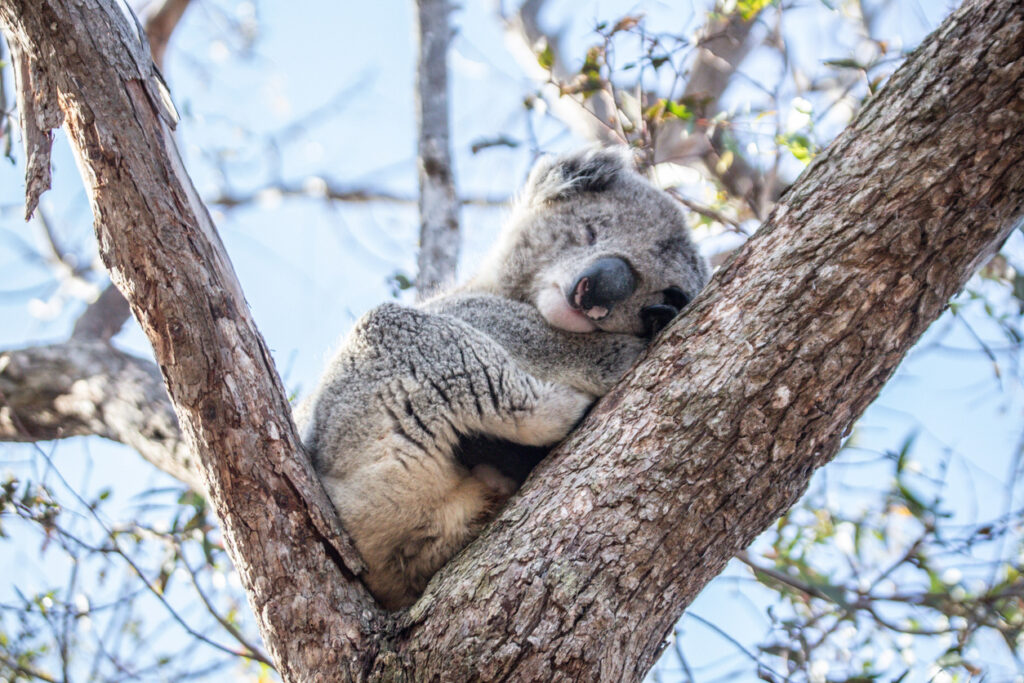
Koalas are famously picky eaters, surviving almost entirely on eucalyptus leaves, which are toxic to most animals. They’ve evolved a unique gut to process the poison, but even then, too much from the wrong tree can make them ill or kill them.
They still refuse to switch menus. Eucalyptus provides everything they need—water, food, and shelter—so they’ll risk occasional toxicity for the comfort of familiarity. It’s loyalty bordering on self-destruction, but it keeps them alive in their niche.
7. Vampire bats drinking from livestock despite the danger
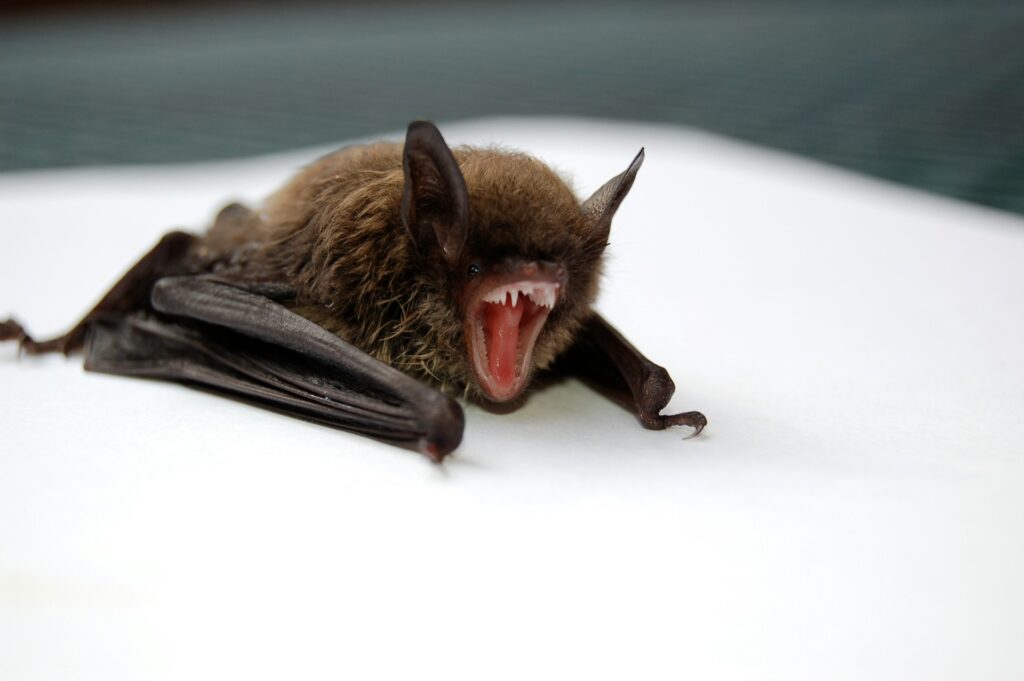
Vampire bats feed exclusively on blood, which means they have to land on sleeping animals like cows, horses, or pigs to feed. One kick or bite can kill them instantly, yet they return every night without hesitation.
They slice the skin so delicately the host doesn’t wake up, then lap the blood while an anticoagulant in their saliva keeps it flowing. It’s one of the riskiest feeding strategies in nature, driven purely by an unchangeable diet.
8. Sea otters raiding shark territory for sea urchins

Sea otters love sea urchins, cracking them open with rocks while floating on their backs. But to find enough of them, they often dive into kelp forests where sharks hunt, putting themselves directly in the path of one of the ocean’s top predators.
The urchins’ fatty insides are worth it, though, keeping otters warm and energised in cold water. They’ve learned to move fast and stay alert, balancing every dive between hunger and survival.
9. Elephants digging for salt deep underground

In parts of Africa, elephants travel miles to reach underground salt deposits hidden inside caves. They chip away at rock walls with their tusks to reach the mineral, risking falls and suffocation in the dark, unstable tunnels.
The salt helps replace nutrients lost through their plant-based diet, so the trek is vital. These “salt caves” are so dangerous that elephants often go in groups, proving even the largest land animals will gamble safety for a taste of something rare.
10. Grizzly bears stealing salmon from other predators
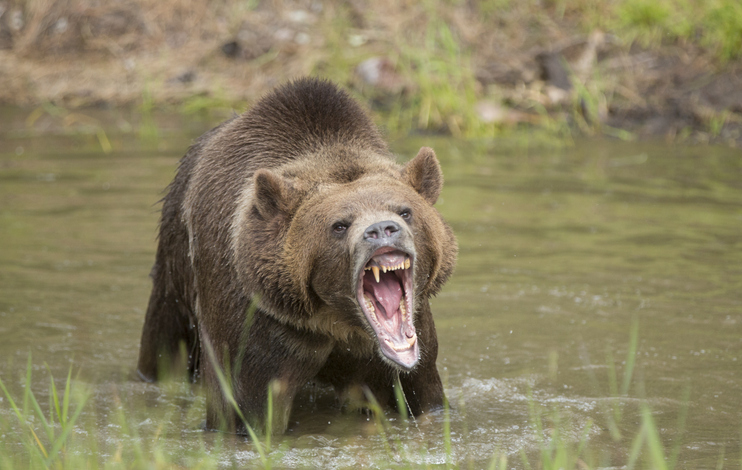
During salmon season, grizzlies crowd rivers where the fish leap upstream. The problem is, so do wolves and other bears. Fights are common, and a wrong move can mean serious injury, but the bears never stay away.
The fatty fish are the key to surviving winter, giving them the calories to build up thick layers of fat. Every salmon is worth the risk, making these chaotic feeding grounds some of the most dangerous dining spots in the wild.