Nature has always had its own way of keeping time and tracking change.
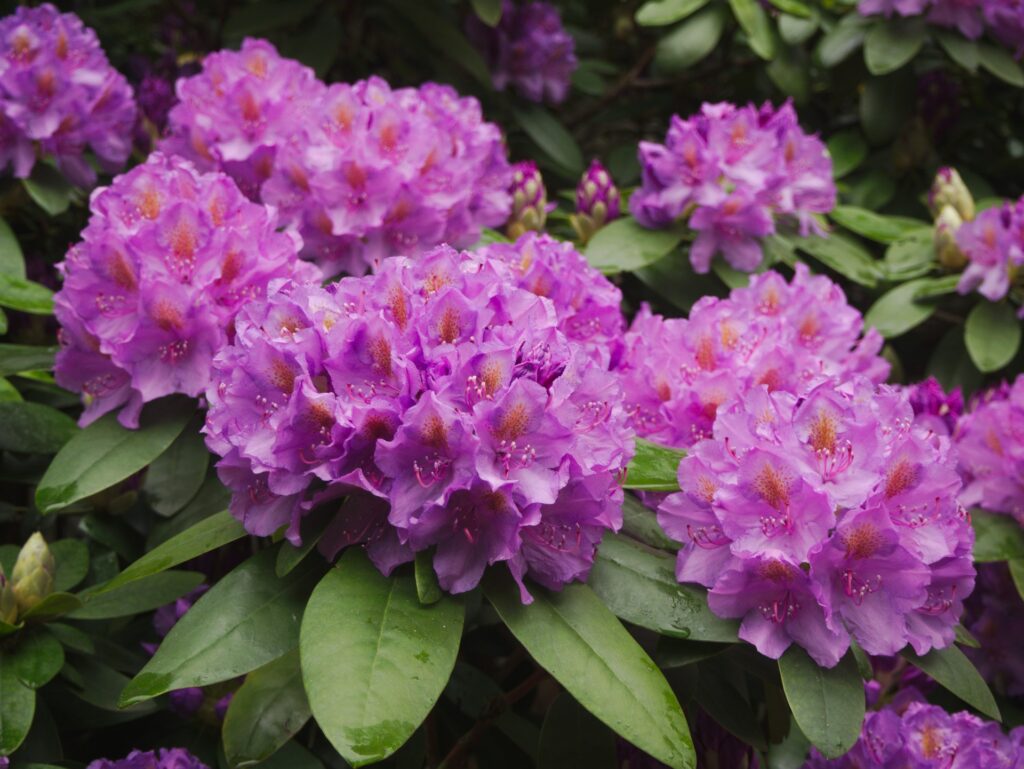
Long before thermometers and weather apps, people noticed that certain plants seemed to react to shifts in temperature with uncanny precision. Some bloom only within a narrow range of warmth, while others close their petals or change colour as the air cools.
These natural indicators have quietly been measuring the weather for centuries, responding to the world around them in ways that often go unnoticed. You don’t need any fancy tools to read them, just a bit of observation and curiosity. Once you know what to look for, these plants can reveal the temperature almost as accurately as any modern device.
1. Chickweed
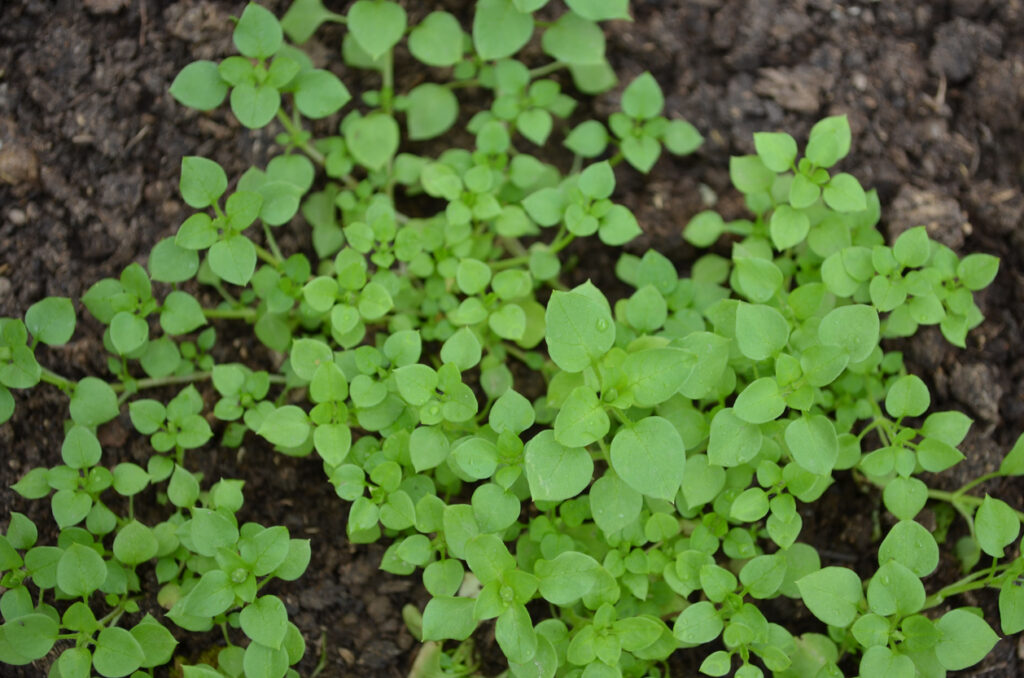
Chickweed flowers open fully when temperature reaches about 12 to 15 degrees Celsius, and close when it drops below that or climbs much higher. The plant itself thrives in cool conditions and struggles in heat, making its overall health a temperature indicator. Lush, flowering chickweed tells you that you’re in that cool temperature sweet spot. When it starts looking stressed and stops flowering, temperatures have either dropped below freezing or climbed too high for its preference.
2. Rhododendrons
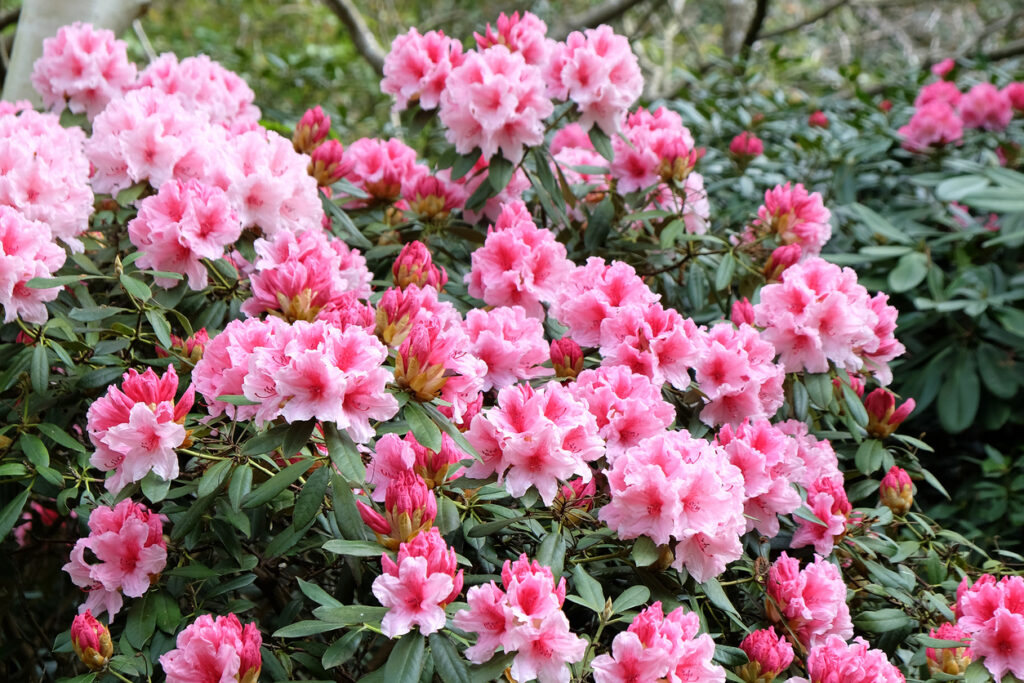
Rhododendron leaves curl tighter as temperatures drop, with the degree of curl corresponding to specific temperature ranges. At around freezing, the leaves curl into tight cigars, whilst at 15 degrees Celsius they’re completely flat and open. Experienced gardeners can glance at a rhododendron and estimate the temperature within a few degrees just by leaf position. That response is the plant protecting itself from cold damage by reducing exposed surface area.
3. Scarlet pimpernel
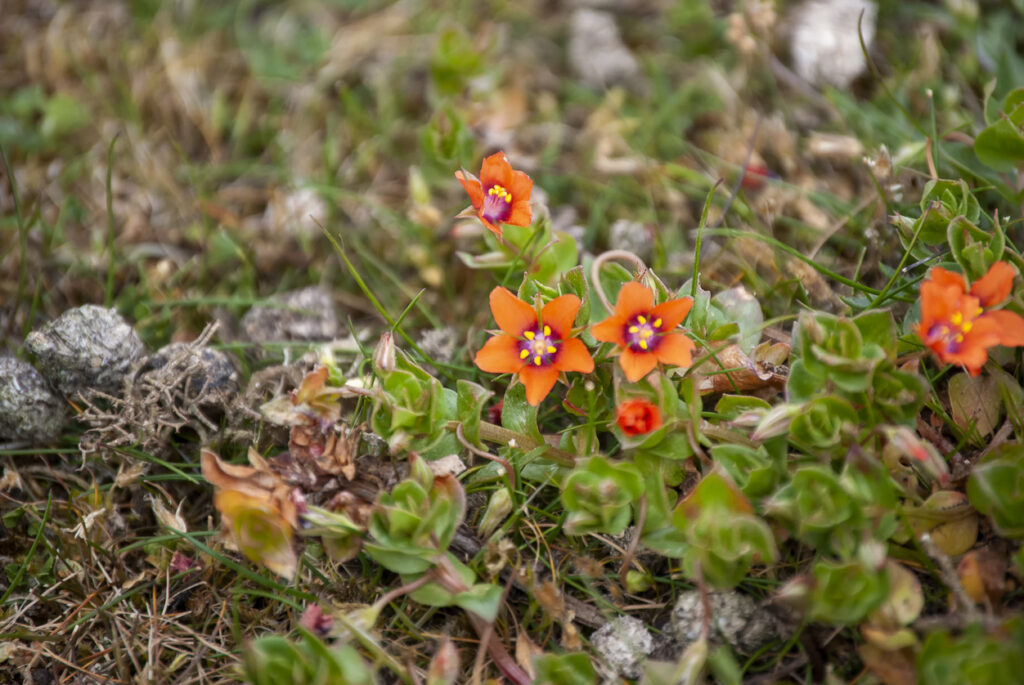
This small wildflower closes its petals when temperature drops below about 20 degrees Celsius, earning it the nickname “poor man’s weatherglass”. The flowers also close before rain approaches, responding to humidity and pressure changes alongside temperature. The closing happens reliably enough that people used to plan outdoor work around whether the scarlet pimpernel was open or shut. It’s essentially a living early warning system for weather changes.
4. Tulips
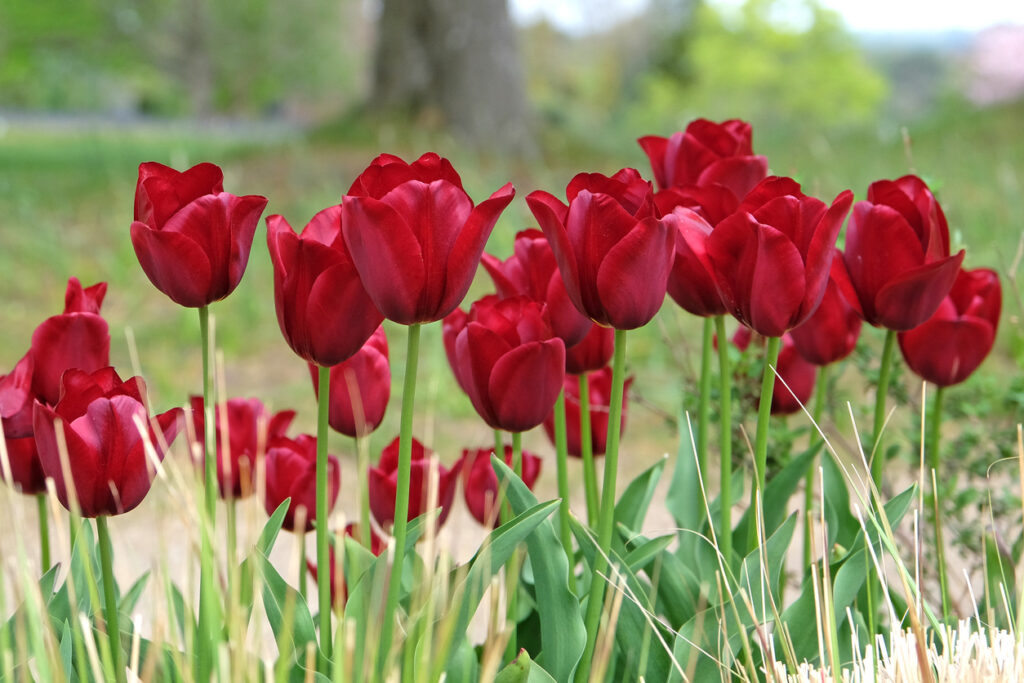
Tulip flowers open and close in response to temperature changes of just a few degrees. When it warms up to around 15-20 degrees Celsius, the petals spread wide, and when it cools below that, they close again. You can actually watch this happen in real time if you bring cold tulips into a warm room. The petals will gradually open as they warm, providing a visible temperature indicator.
5. Crocuses
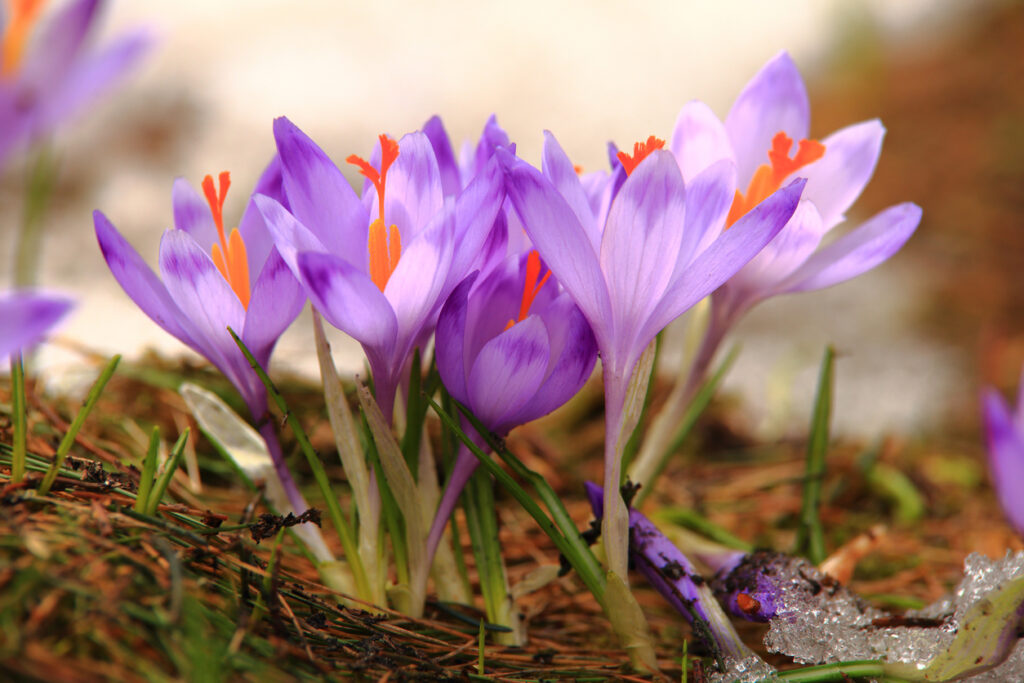
Early spring crocuses open their flowers when the temperature reaches about 10 degrees Celsius and close them again when it drops below that threshold. That response helps protect the reproductive parts from frost damage. Watching crocuses in your garden gives you a reliable indicator of when it’s warm enough for other temperature sensitive activities. When they’re open, you know you’re above 10 degrees.
6. Dandelions

Dandelion flowers close up when temperature drops below roughly 10-12 degrees Celsius, and they also respond to light levels and approaching rain. The combination makes them reasonably reliable indicators of comfortable outdoor temperatures. If the dandelions are open on a spring morning, you know it’s warming up nicely. If they’re staying shut, it’s still quite cold out, despite the sunshine.
7. Wood sorrel
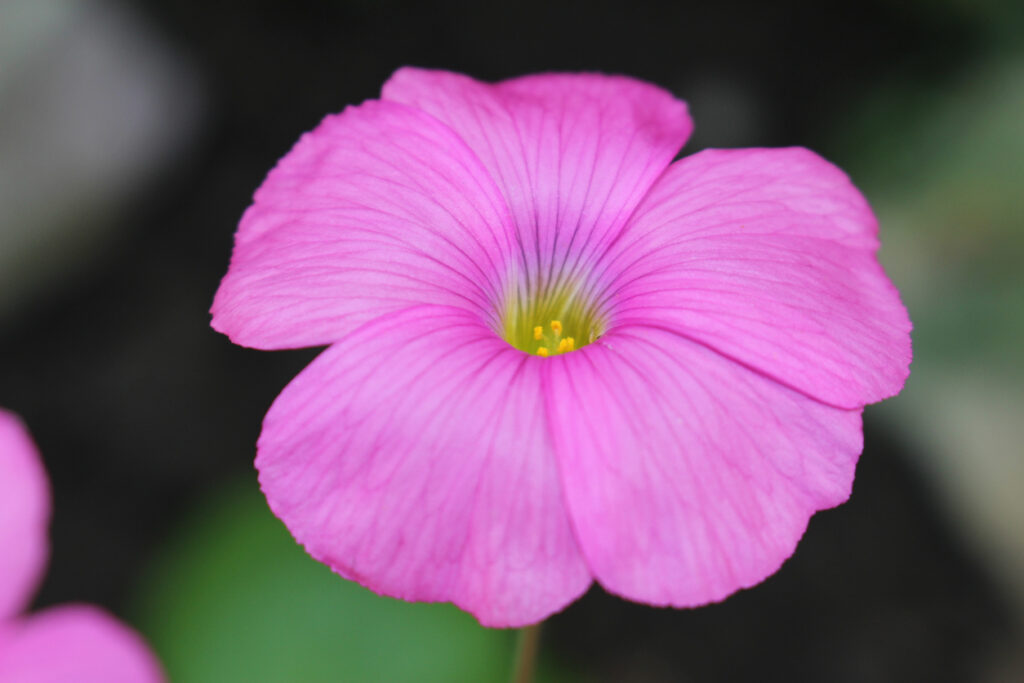
The leaves of wood sorrel fold down at night and in cold temperatures, then open again when it warms up past about 15 degrees Celsius. The movement is distinct enough to use as a rough temperature gauge. This folding also happens before storms approach, making wood sorrel useful for predicting both temperature and weather changes. It’s responding to multiple environmental factors simultaneously.
8. Daisies

Common daisies close their petals when temperature drops below about 12-13 degrees Celsius, protecting the centre of the flower. They open progressively wider as temperature increases beyond that point. A field of daisies all closed on an overcast day tells you it’s cooler than it might look. When they’re all spread wide, you know you’re in comfortable temperature range.
9. Morning glory

These flowers open at dawn when temperature rises above roughly 15 degrees Celsius and close again by afternoon as temperature continues climbing or when it cools. The timing changes based on actual temperature rather than just light. In cooler climates or weather, morning glories might stay closed longer into the morning or open earlier if it’s particularly warm. They’re responding to temperature thresholds more than time of day.
10. Moss

Moss responds to humidity and temperature together, becoming plump and green when conditions are cool and moist, and shrivelling when it’s warm and dry. Whilst not as precise as some other plants, moss condition gives you general temperature and moisture information. Touching moss tells you about recent conditions as well as current ones. Completely dried out moss means it’s been warm and dry, whilst fully hydrated moss indicates cool, moist conditions.
11. Pine cones
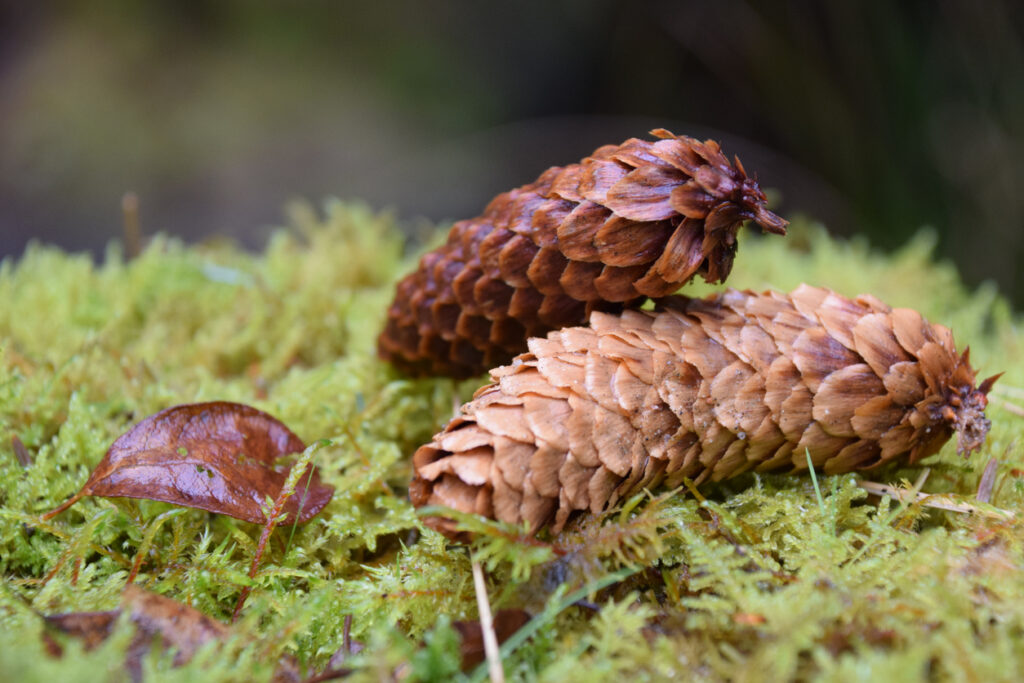
Pine cones open their scales in warm, dry conditions and close them when it’s cool and damp. The response isn’t instant, but it’s reliable enough to use as a rough indicator of temperature and humidity combined. You can test this by bringing a closed pine cone into a warm room and watching it gradually open over hours. That same response happens outdoors based on ambient temperature.
12. Chervil

This herb grows and thrives in cool temperatures around 15-18 degrees Celsius, but bolts and goes to seed quickly when temperature climbs above 20 degrees. Its growth pattern essentially tells you when you’ve passed that threshold. Gardeners use chervil as an indicator of when it’s getting too warm for other cool season crops. When the chervil bolts, you know temperatures are consistently above its comfort zone.
12. Cricket plant (Thermometer cricket)
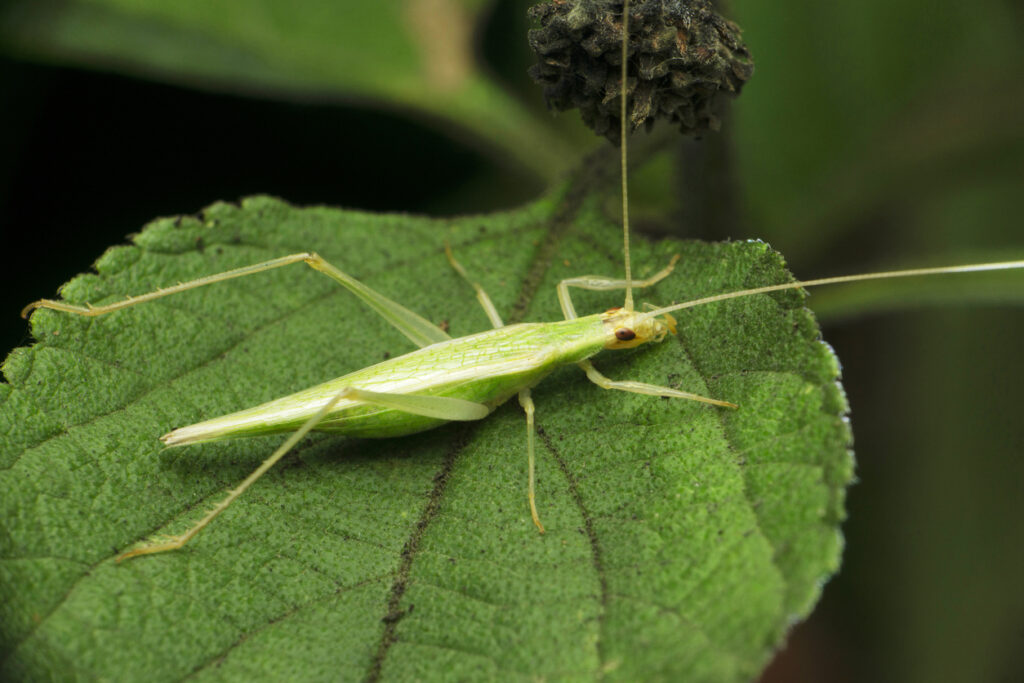
This isn’t actually a plant but crickets themselves, whose chirping rate changes precisely with temperature. Count the number of chirps in 14 seconds, add 40, and you’ve got the temperature in Fahrenheit with surprising accuracy. The chemistry behind muscle contractions speeds up in warmth and slows in cold, making crickets remarkably consistent thermometers. It’s called Dolbear’s Law, and it actually works when you test it.