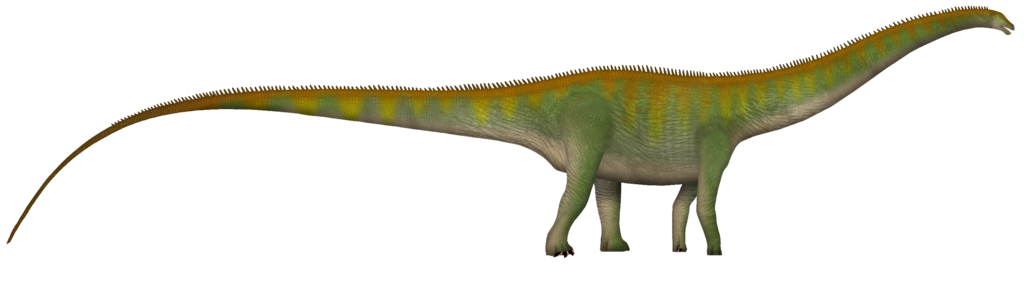
When you picture a Diplodocus, the first thing that stands out is that enormous neck stretching far ahead of its body.
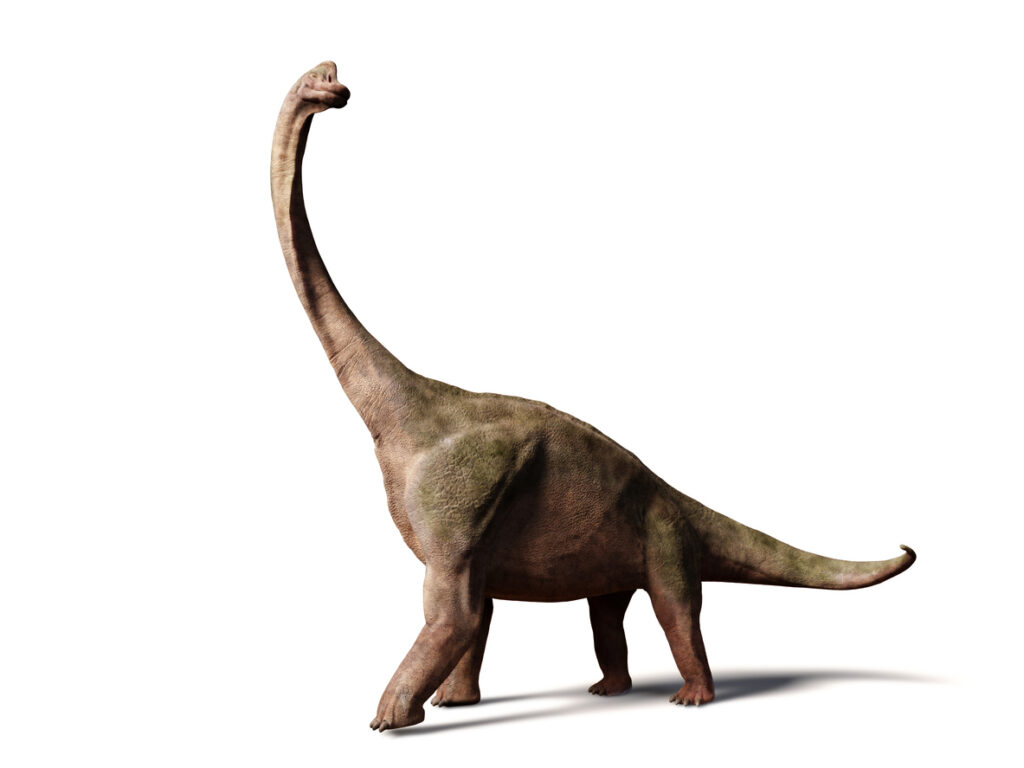
It’s one of the most distinctive features of any dinosaur, and scientists have puzzled over it for more than a century. That long sweep of bone and muscle wasn’t just for show. It must have served an important purpose, right? The real question is what that purpose actually was. Why would evolution favour such an extreme design in a creature that already had so much going on? The answer tells us a lot about how these prehistoric giants lived, fed, and survived.
Its neck helped it reach food other dinosaurs couldn’t.
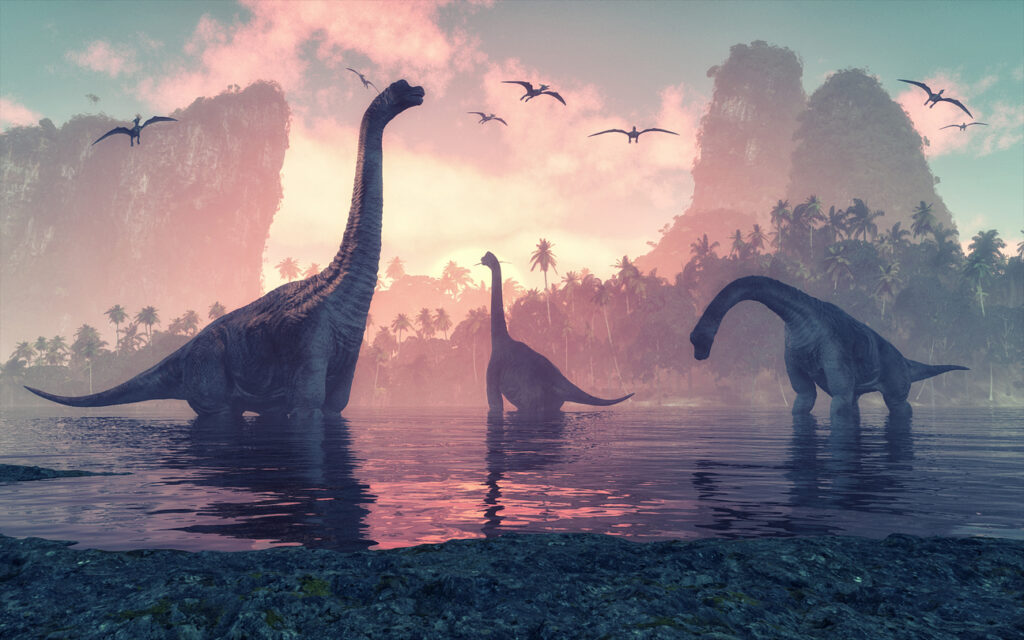
One of the simplest theories is that Diplodocus used its long neck to feed on vegetation high up in trees. This meant it didn’t have to compete with shorter dinosaurs that ate from the ground. By lifting its head higher, it could access entire layers of forest others couldn’t reach. That gave it a steady food supply and helped the species survive even when resources became scarce.
It also let it graze without moving much.

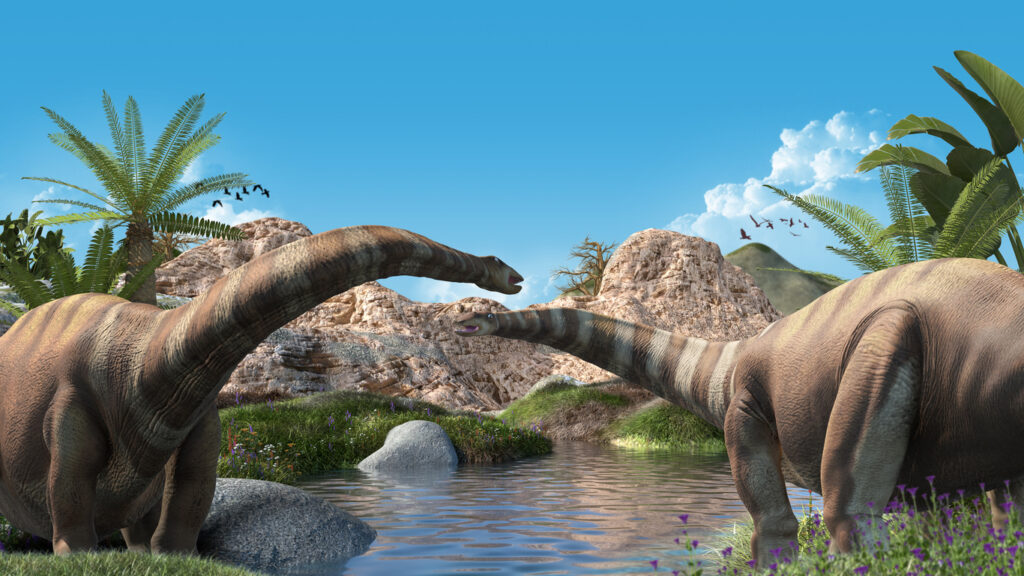
Some scientists believe Diplodocus didn’t just eat from trees but also swept its neck from side to side along the ground, collecting ferns and low plants. The neck’s range made it possible to eat over a wide area without taking many steps. That would have saved huge amounts of energy. Moving such a massive body wasn’t easy, so feeding while standing mostly still would have been far more efficient in the long run.
Its bones were light but strong.
At first glance, a neck that long should have been impossible to support. But Diplodocus’s neck bones were hollow inside, reducing their weight without sacrificing strength. Air spaces ran through the vertebrae, keeping the skeleton lighter than expected. This design worked much like a bird’s bones today, allowing a huge structure to stay balanced and flexible. It meant the dinosaur could hold its neck high without exhausting itself completely.
It probably had a strong ligament system.
Muscles alone couldn’t have held that neck up all day, so scientists think thick ligaments stretched along its back to help distribute the weight. These bands of tissue acted like tension cables, supporting the neck’s long frame. With the right balance of muscle and ligament, Diplodocus could move its neck freely without tiring too quickly. This system kept its head stable while it fed or scanned its surroundings for danger.
Its head was surprisingly small.
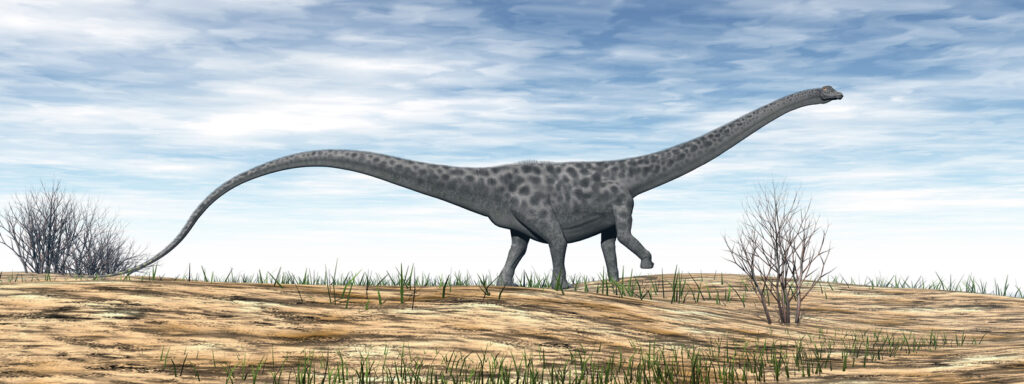
Diplodocus’s skull was tiny compared with its body. This reduced the overall weight at the end of the neck, making it easier to lift and move. Its teeth were also shaped for stripping leaves, not chewing, which further reduced strain. It likely swallowed food whole and let its large digestive system handle the rest. This lightweight design helped make an enormous neck practical instead of impossible.
The neck helped spot predators early.
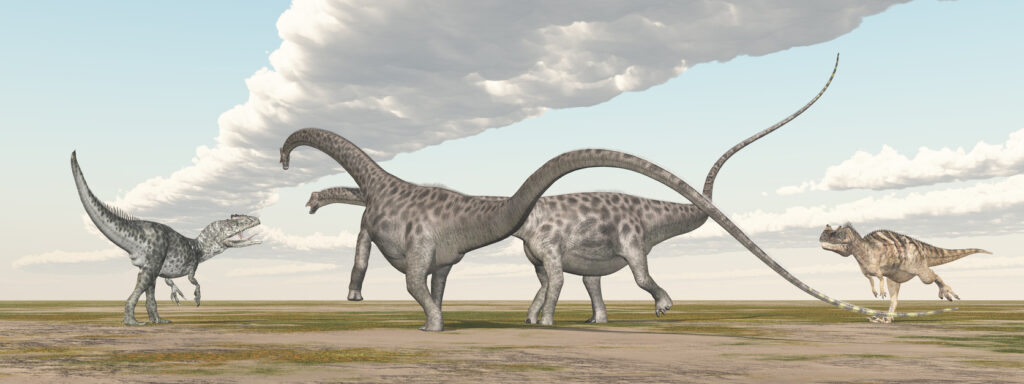
Being able to raise its head above the trees gave Diplodocus an advantage in spotting threats like Allosaurus before they got too close. Height offered a clear line of sight over long distances across open plains. This built-in lookout system helped it detect movement or danger from far away. For such a slow-moving herbivore, early warning could have made all the difference between escape and attack.
It might have used its neck to keep cool.
Some scientists suggest the long neck helped regulate body temperature. With so much surface area, heat could spread out more easily, allowing the dinosaur to cool itself naturally under the sun. Blood flowing through that extended system may have acted like a built-in radiator. In a hot Jurassic climate, that adaptation could have been essential for avoiding overheating.
It made communication a lot easier.
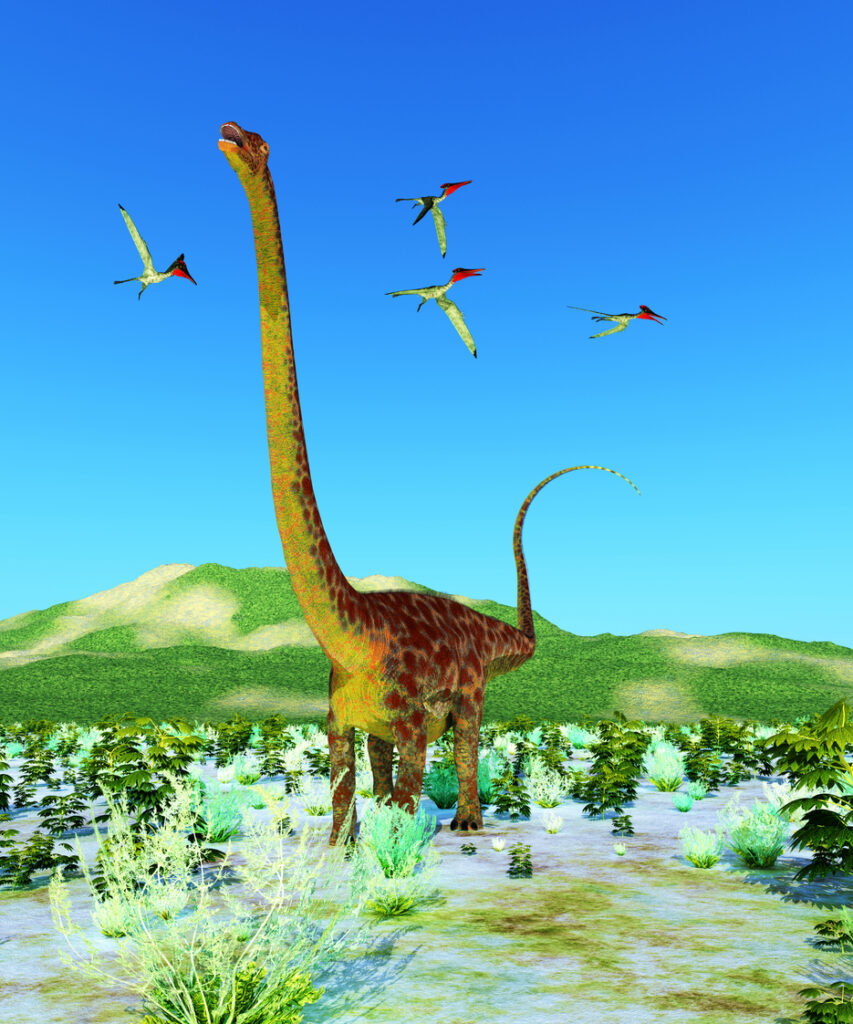
A long neck may have helped Diplodocus communicate across distances. Moving its head or body in certain ways could send visual signals to others in the herd, similar to how giraffes or elephants use gestures today. Its size alone would have made those movements noticeable from far away. In open habitats, that ability to signal without sound could have helped with group coordination or warning calls.
It might have been a tool for mating displays.
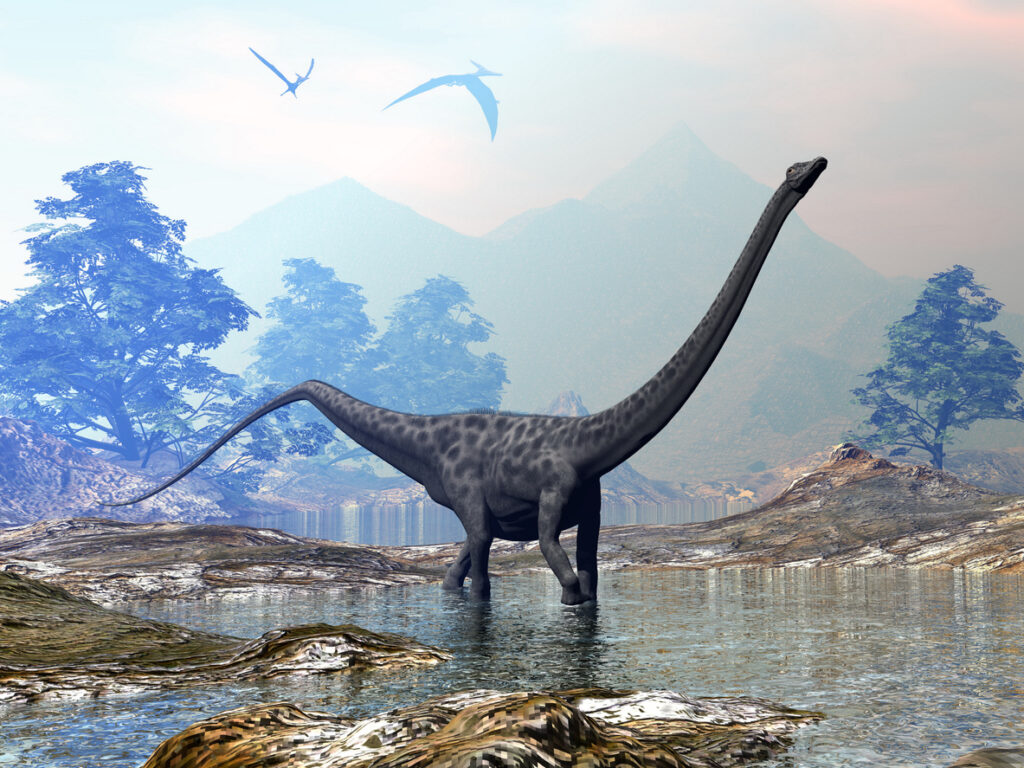
Some experts believe neck length played a role in attracting mates. Like peacocks with their feathers, Diplodocus may have used its long neck to show off strength and health during courtship rituals. A longer, more flexible neck could have been a sign of good genetics. Over generations, that preference might have encouraged even longer necks, making it part of natural selection rather than pure function.
It supported feeding in both high and low zones.

Diplodocus was able to angle its neck in many directions, giving it access to food at almost any height. It could reach tall tree branches or sweep its head close to the ground, making it one of the most adaptable feeders of its time. Such flexibility made the species more resilient to environmental change. If taller plants disappeared, it could still feed low down, ensuring survival even when landscapes changed.
Its neck shape reduced strain during movement.

The neck wasn’t held upright like a giraffe’s but stretched more horizontally. This shape distributed weight evenly along the spine and reduced the pull on its muscles when walking or eating. By keeping its neck level, Diplodocus could balance its body more efficiently. This meant less pressure on joints and a smoother, more stable stride despite its massive size.
It let the dinosaur feed safely in groups.
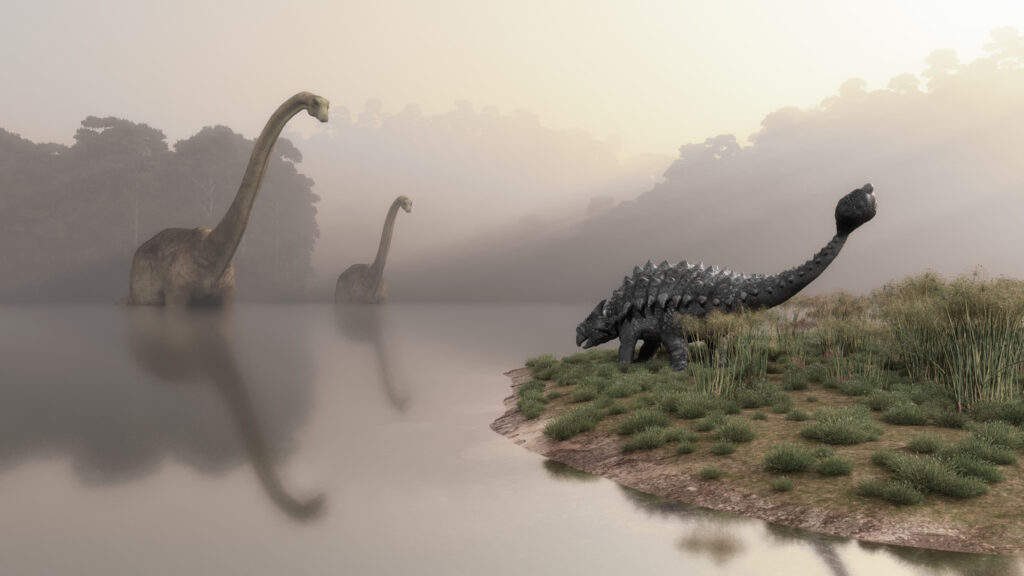
Large herds of Diplodocus likely travelled together, using their long necks to graze side by side without bumping into each other. Each individual could feed over a wide area while keeping close to the safety of the group. Its social feeding style helped protect them from predators. Staying together meant strength in numbers, while long necks allowed everyone to reach plenty of food without spreading out too far.
It helped them cover huge areas efficiently.
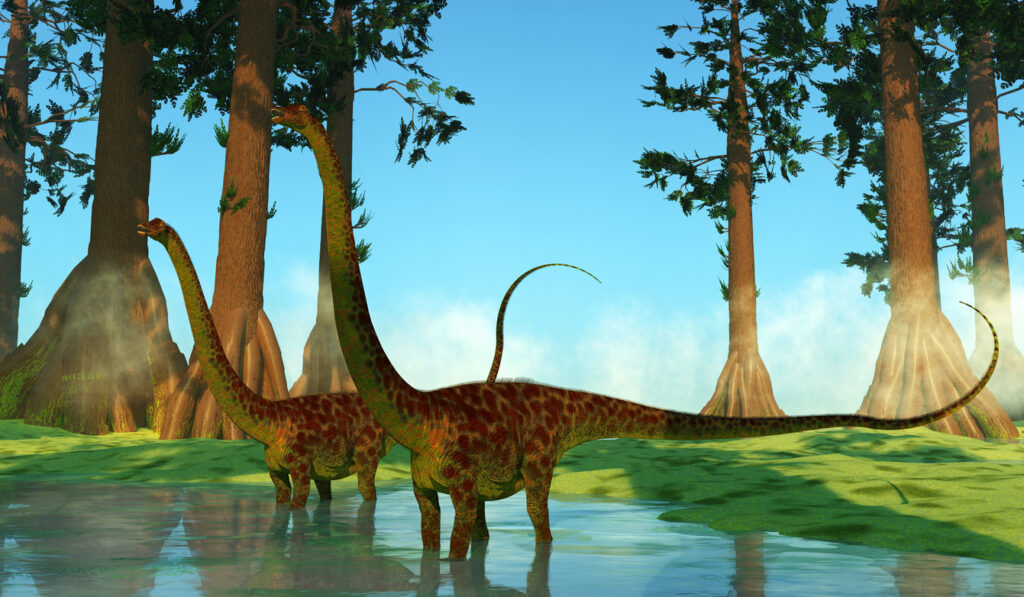
Because they could feed across wide patches without walking much, Diplodocus herds could clear and move through large areas faster than smaller animals. Their efficient feeding pattern supported massive populations across ancient plains. Doing so kept them constantly on the move, which helped new plants regrow behind them. In that sense, their long necks shaped entire ecosystems by influencing how vegetation recovered and spread.
It shows evolution’s willingness to experiment.
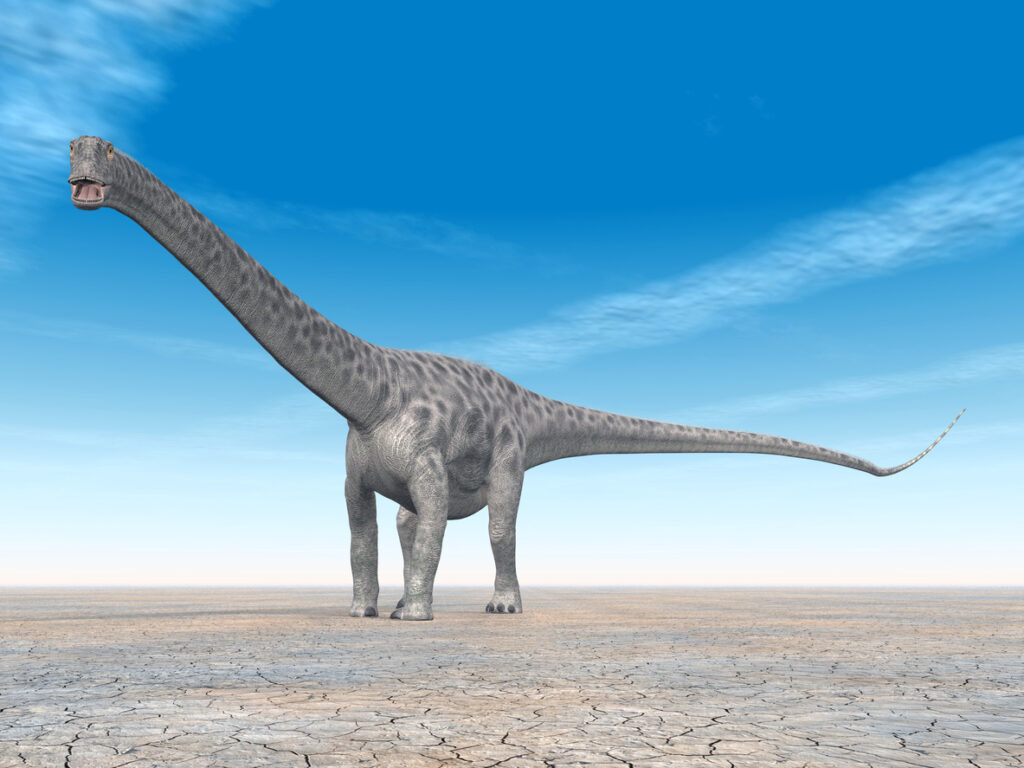
The Diplodocus neck remains one of nature’s strangest engineering feats. It combined strength, lightness, and flexibility in ways that still puzzle scientists. What seems ridiculous now clearly worked well enough to dominate for millions of years. Its design proves that evolution doesn’t always follow simple rules. Sometimes nature pushes an idea as far as it can go, and when it works, it becomes unforgettable, even 150 million years later.