Every new gardener gets swept up in the excitement of turning their patch of earth into something spectacular.
The problem is, that enthusiasm often leads straight to wasted money. Garden centres are full of tempting tools, fancy pots, and plants that look gorgeous on the label but don’t stand a chance in your soil or climate. It’s easy to walk out with a trolley full of “must-haves” that you’ll never actually use.
Most first-timers also underestimate how much patience gardening takes. They buy too many plants at once, splurge on expensive fertilisers, or get talked into gadgets that promise miracles. The truth is, you can grow a beautiful garden on a budget. Really, you just need to know what’s worth investing in and what’s pure marketing fluff. Once you cut through the noise, you’ll realise the best gardens are built on knowledge, not impulse buys.
1. Fancy planters and decorative pots
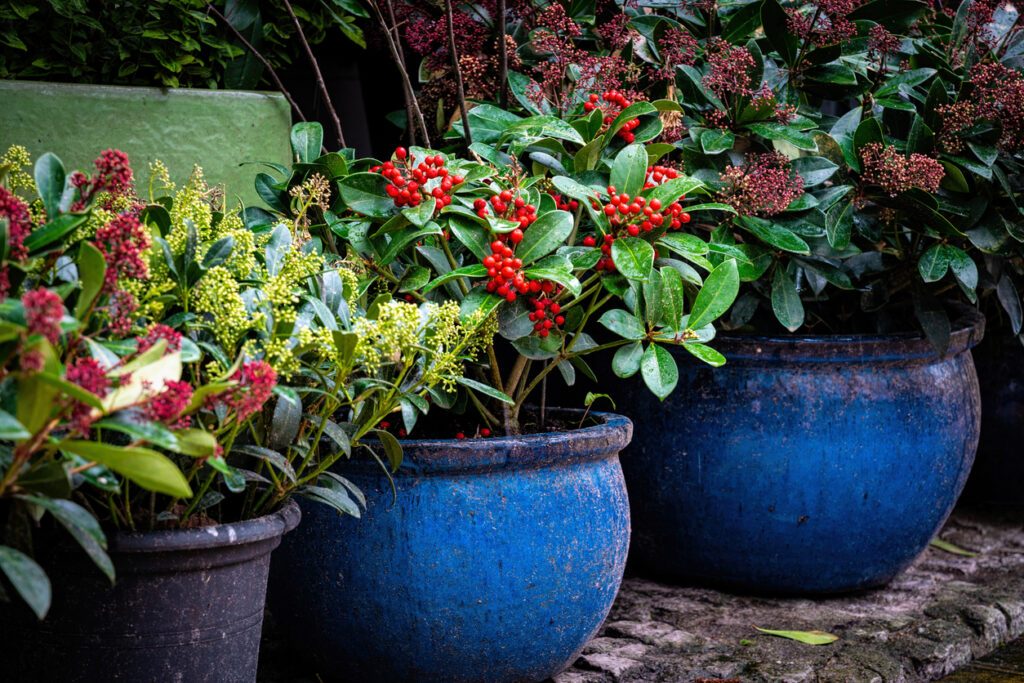
It’s tempting to buy pretty pots in every size and colour, but most plants don’t care what they’re grown in. Many decorative containers are expensive and don’t drain properly, which can lead to root rot.
Basic plastic pots or recycled containers work just as well. Once your plants are thriving, you can upgrade to something nicer, but start simple and focus on the growing, not the decorating.
2. Expensive tools you’ll rarely use
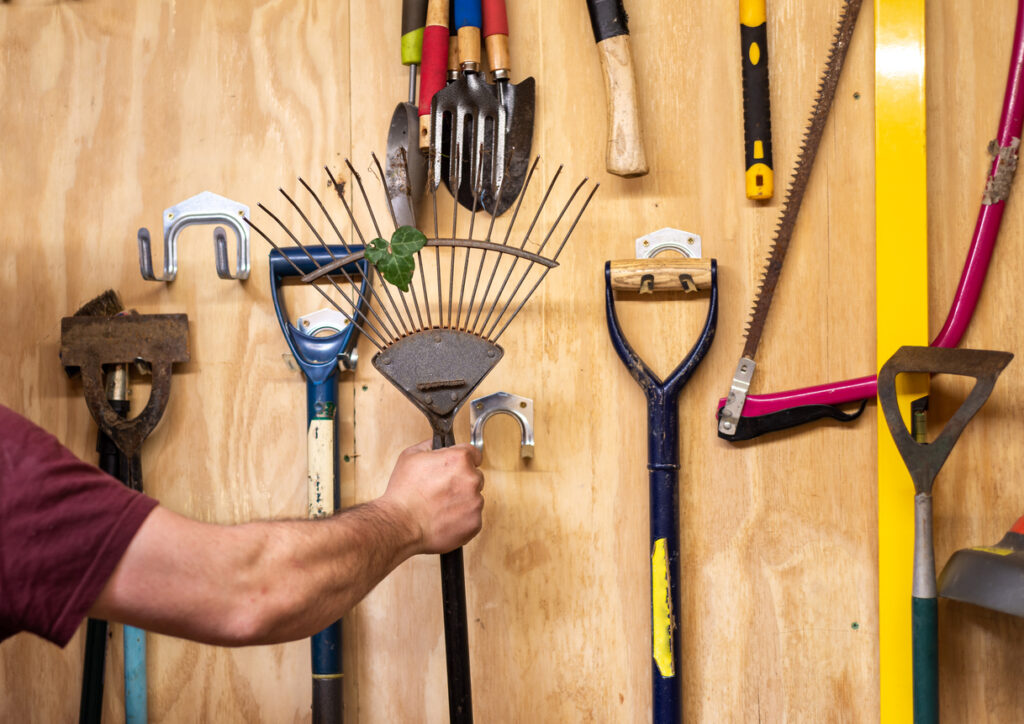
Garden centres are full of shiny gadgets that promise to make life easier, but you’ll probably use the same few tools over and over: a trowel, fork, secateurs, and a watering can. The rest will gather dust in your shed.
Buy the basics, see what kind of gardening you actually enjoy, and then decide what extra tools are worth investing in. You’ll save money and space in the process.
3. Too many seeds at once
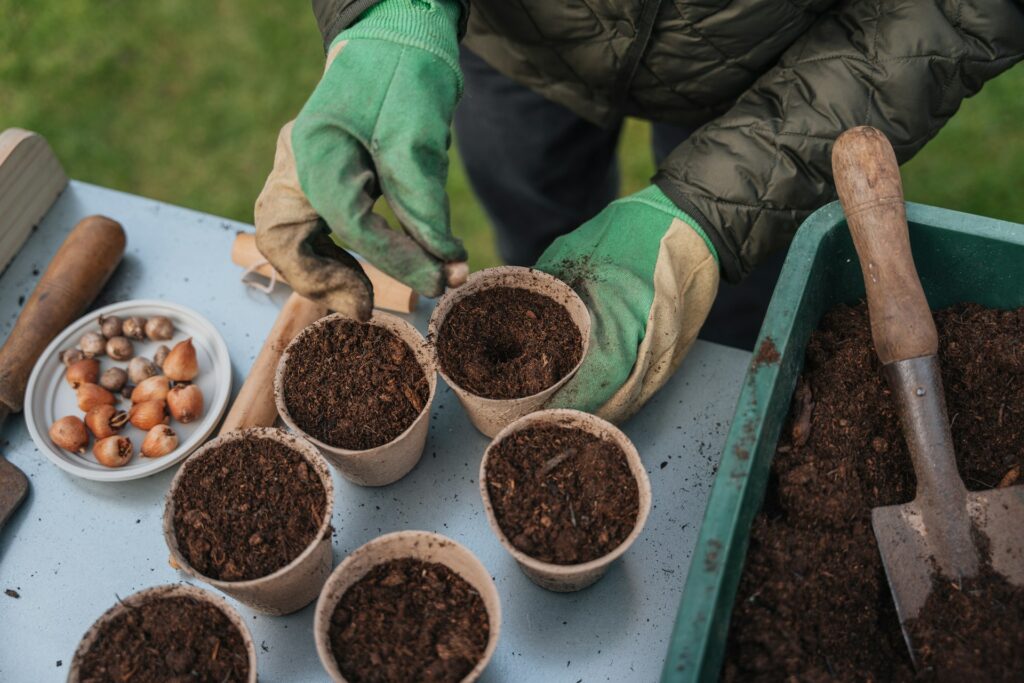
Seed packets are cheap individually, which makes it easy to buy dozens at a time. The thing is, most expire after a year or two, and you’ll never get around to planting them all.
Choose a few reliable crops first, such as lettuce, herbs, or tomatoes, and learn how they grow. Once you’ve mastered the basics, you can expand your collection without wasting seeds or money.
4. Poor-quality compost or soil
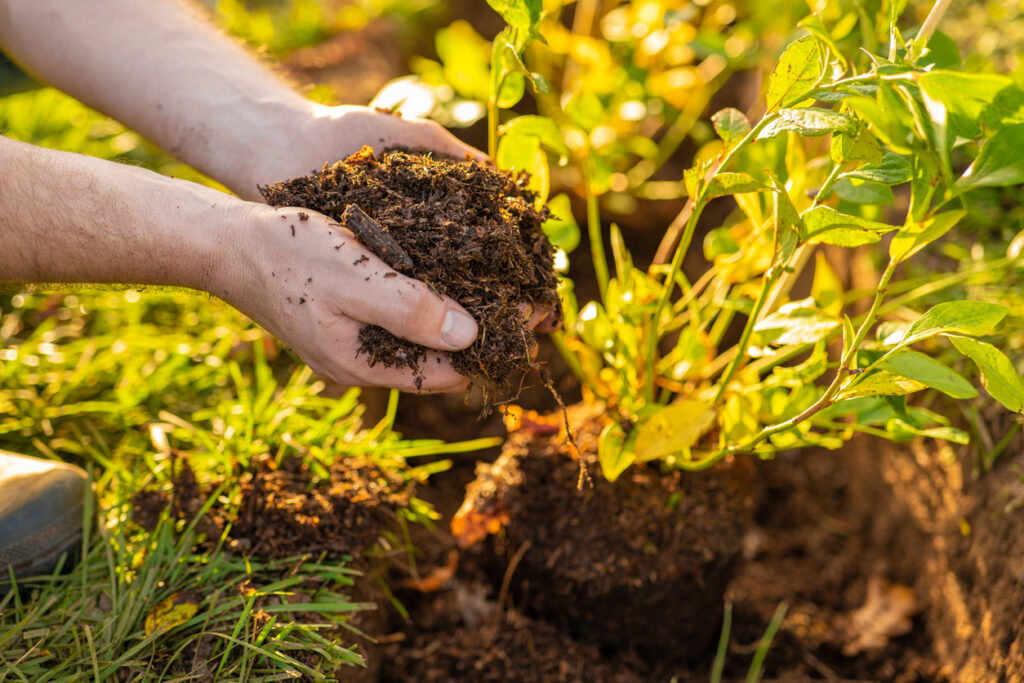
Cheap compost might look like a good deal, but it often lacks nutrients or drains poorly. That means plants won’t grow well, no matter how much you water or feed them.
It’s worth spending a bit more on high-quality compost or mixing your own with organic matter and garden soil. Healthy soil is the foundation of every good garden, and it’ll save you from a lot of disappointment later.
5. Overpriced fertilisers and “miracle” products
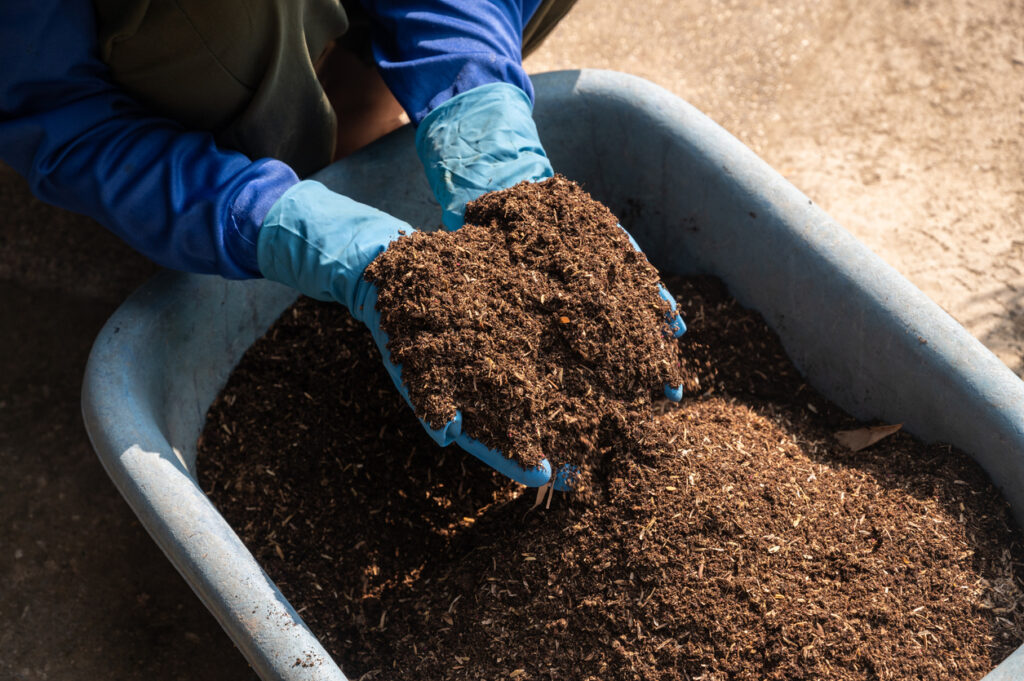
Many new gardeners fall for the promise of quick results. From growth boosters to secret sprays, the market is full of products claiming to double your harvest or revive dying plants overnight.
In most cases, regular compost, slow-release feed, or homemade fertiliser like comfrey tea does the job perfectly. Plants need consistent care, not magic potions.
6. More plants than you can manage

It’s exciting to fill every pot and patch of soil you can find, but too many plants can quickly become overwhelming. Overcrowded gardens make it harder to keep track of watering, feeding, and pests.
Start small and learn as you go. It’s better to care for a few healthy plants than to watch dozens struggle because you can’t keep up with them all.
7. Pre-grown plants instead of growing from seed
Buying ready-to-plant flowers or vegetables can feel like a shortcut, but they’re often marked up heavily compared to a simple packet of seeds. You’ll pay for convenience and miss out on learning how to grow from scratch.
Growing from seed takes a bit more patience, but it’s cheaper, more satisfying, and gives you stronger plants that adapt better to your conditions.
8. Overly fancy watering systems
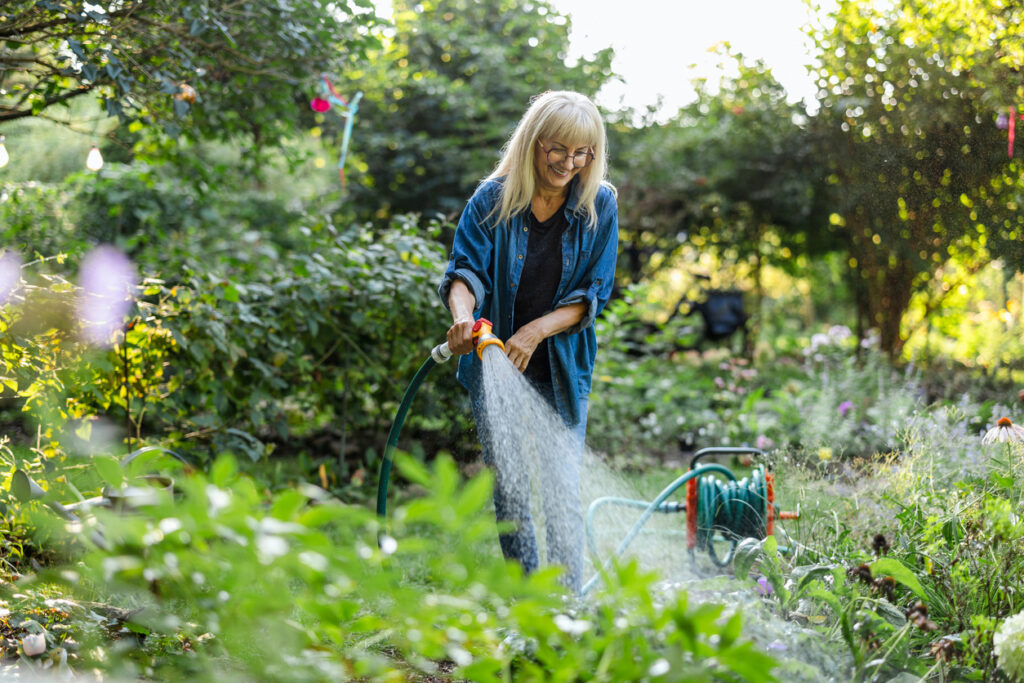
Automatic sprinklers and irrigation kits can sound ideal, but for most small gardens, a watering can or hose is enough. Complicated systems are expensive and often break or clog over time.
Hand watering helps you notice changes in your plants, like drooping leaves or pest damage. It’s one of the best ways to stay connected to your garden and keep it healthy.
9. Garden ornaments and accessories
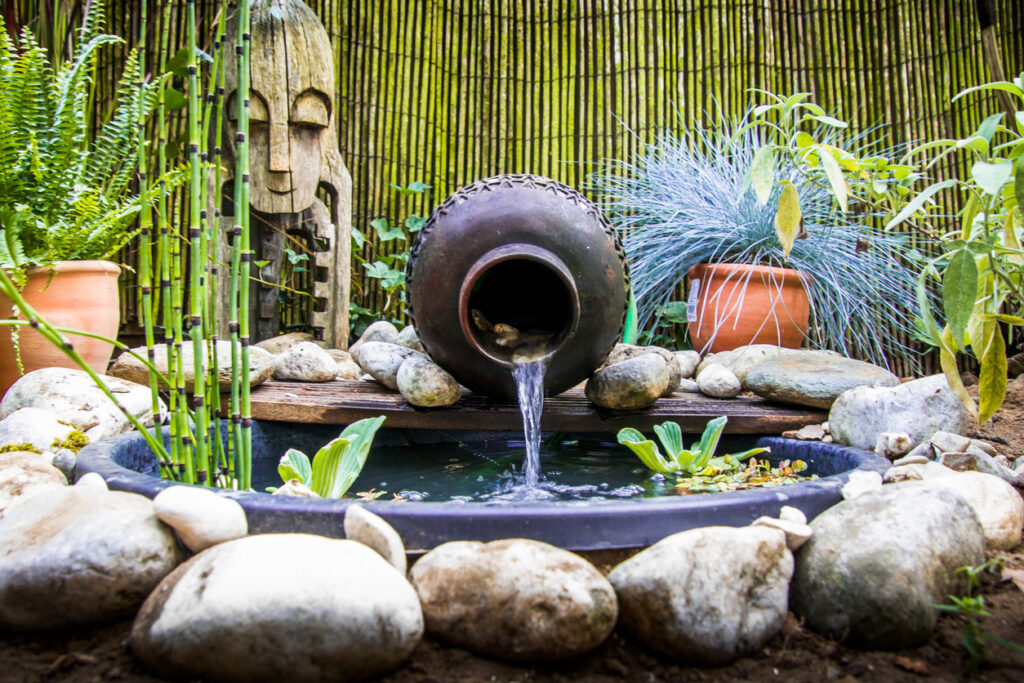
From statues to solar lights, it’s easy to spend a fortune on decorations that don’t actually help your plants. A garden should grow first, then look pretty later.
Once your plants are established, you can add personality with decorations that last. But early on, your money’s better spent on soil, seeds, and tools that actually make a difference.
10. Cheap gloves and clothing
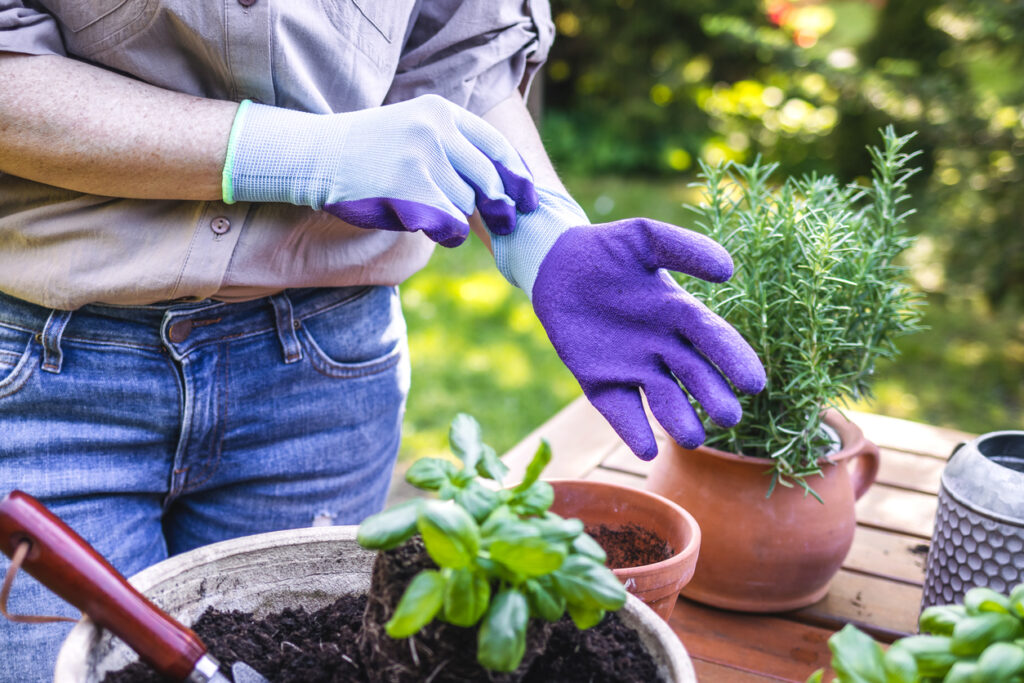
Flimsy gloves and bargain gardening gear rarely last. Thin gloves rip easily, and cheap shoes or aprons wear out fast, meaning you’ll replace them more often than you think.
Invest in one good pair of gloves and sturdy shoes. They’ll keep you comfortable and protected, saving you money and frustration in the long run.
11. Out-of-season plants
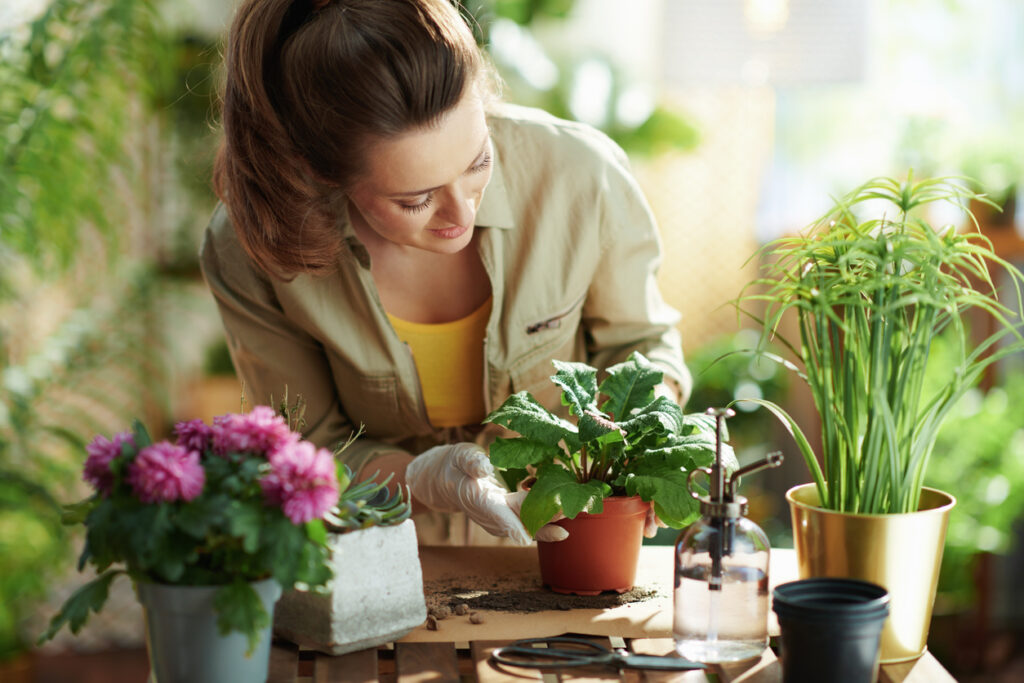
New gardeners often pick plants that look healthy in shops without realising they’re not in season. Once planted, they wilt or die because the weather doesn’t suit them.
Always check planting times and your local climate before buying. Seasonal plants are stronger, cheaper, and far more likely to survive.
12. Overcomplicated garden layouts
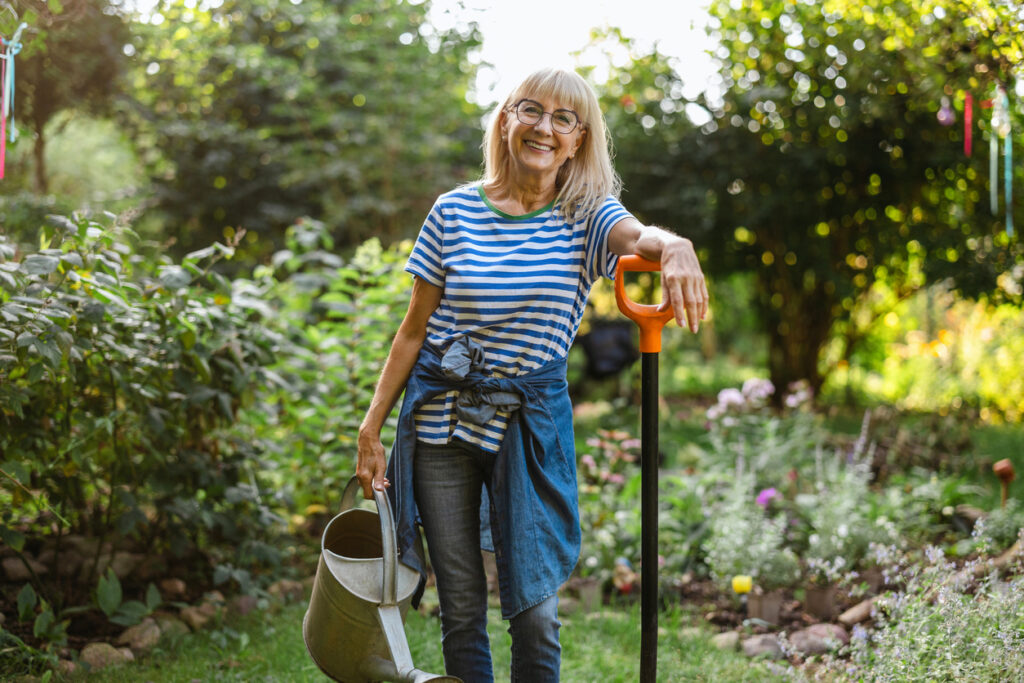
Trying to copy a magazine-style design often leads to frustration. Curved borders, raised beds, and fancy features can cost hundreds before you’ve even planted anything.
Start with simple beds or containers and learn what grows well in your space. You can always add structure later, but for now, keep it practical and low-cost.
13. Pest sprays for every problem
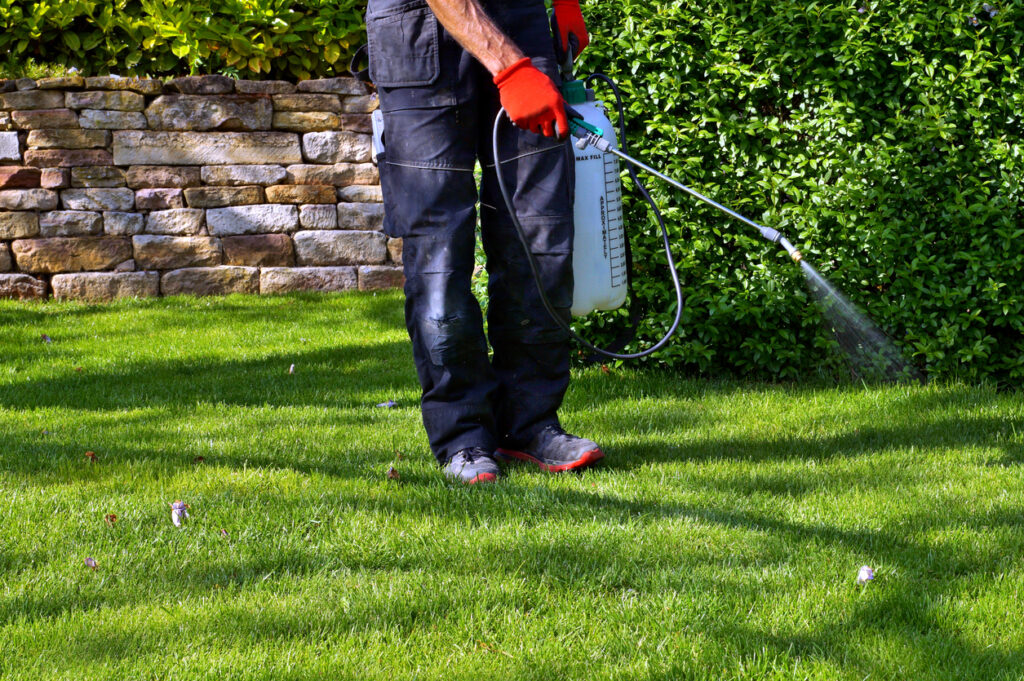
There’s a spray for everything these days, but most issues can be fixed naturally. Overusing chemicals can harm beneficial insects and make your garden less healthy overall.
Try washing pests off with water, using netting, or introducing natural predators like ladybirds. You’ll save money and protect your garden’s ecosystem at the same time.
14. Buying instead of swapping
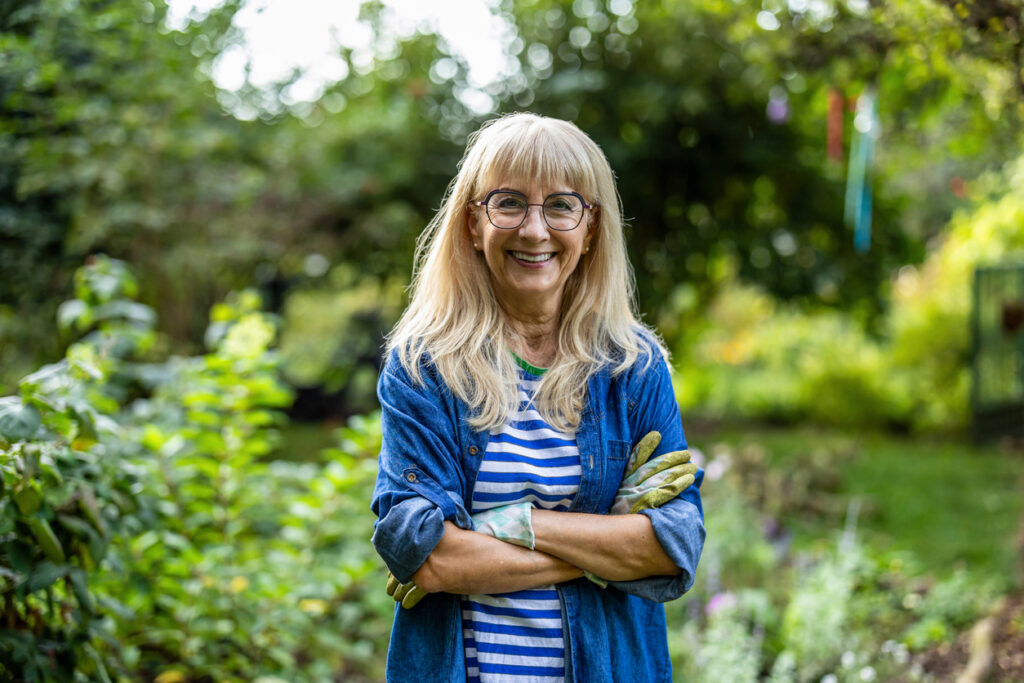
Many new gardeners forget that seeds, cuttings, and tools can be shared. Local gardening groups, neighbours, and online forums often swap plants for free. It’s a great way to save money, meet other gardeners, and pick up advice that’s actually useful. Sharing is part of what makes gardening such a welcoming community.
Gardening doesn’t need to be expensive or complicated. The best results come from time, patience, and learning what works where you live. Save your money for good soil and a few reliable tools. The rest can wait until your garden starts thriving on its own.