Pigs have long been underestimated, dismissed as farm animals with little going on upstairs.
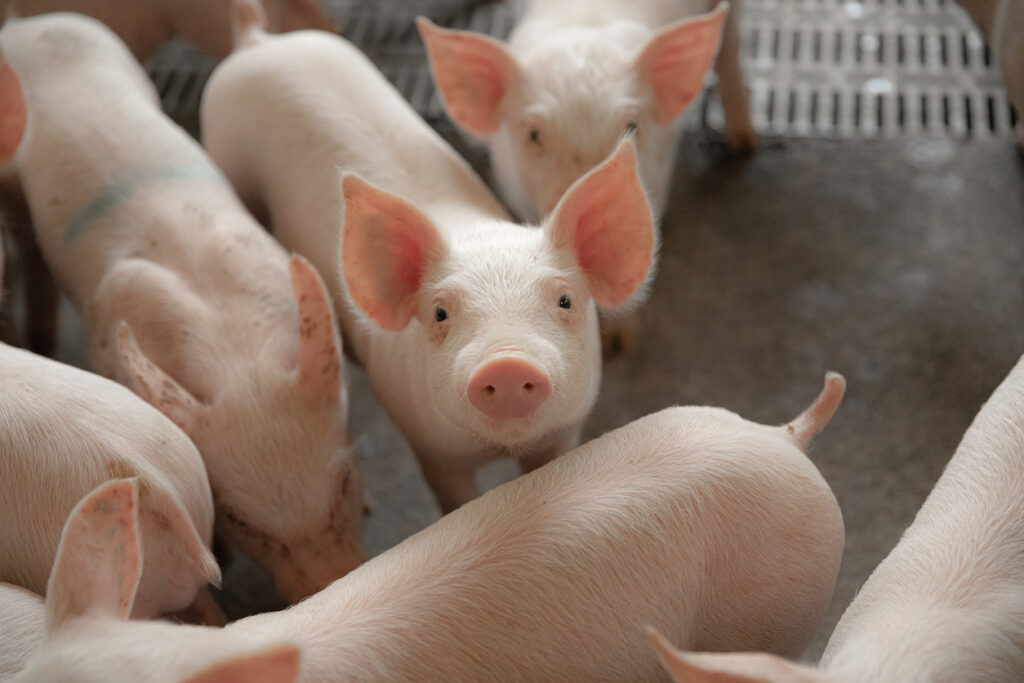
However, beneath that muddy exterior is one of the most intelligent creatures humans have ever domesticated. Studies have shown that pigs outperform dogs in a range of cognitive tests; they can recognise themselves in mirrors, solve puzzles, remember complex routes, and even learn basic video games.
Their intelligence goes beyond memory and problem-solving. Pigs form social hierarchies, show empathy, and communicate with a surprisingly wide range of vocal sounds. They can read emotional cues from both people and other animals, which is something we usually associate with pets, not livestock. The only reason pigs aren’t seen the same way as dogs is cultural, not biological. Given the right environment and companionship, they’re every bit as capable, affectionate, and emotionally aware.
Pigs can play video games with joysticks.
Scientists taught pigs to use joysticks with their snouts to move things on screens. The pigs worked out that when they pushed the stick, stuff moved on the screen. They weren’t just messing about randomly. The pigs actually understood what they were doing and could win games to get treats. Dogs can’t really get their heads around this because they don’t connect the joystick to the screen properly.
They know it’s them in mirrors really quickly.
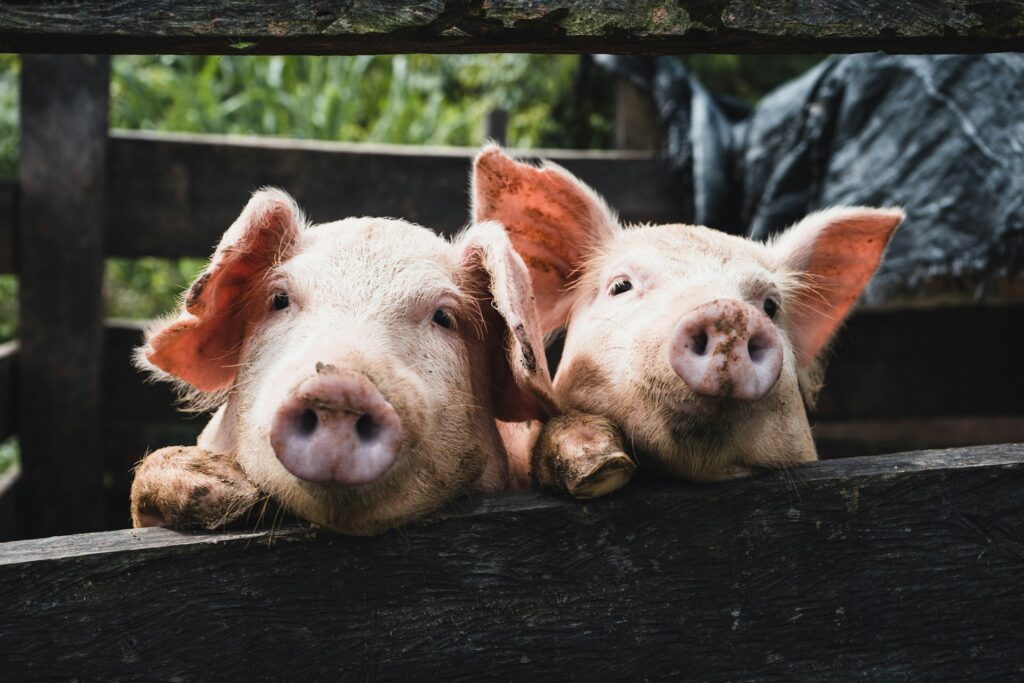
Most animals look in a mirror and think there’s another animal there. Pigs work out it’s actually them, then use mirrors to spot food hidden behind them. This means they understand the reflection is showing themselves, not some other pig. Dogs never really get this. They might bark at their reflection, but they don’t use mirrors as a tool like pigs do.
Pigs copy other pigs much faster than dogs copy other dogs.
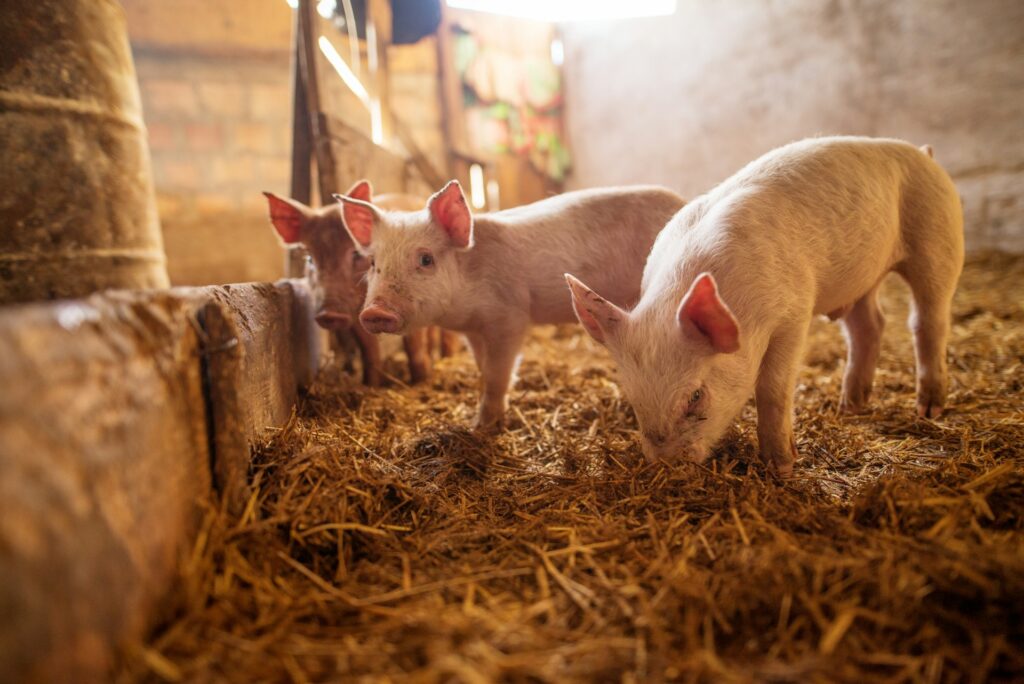
If one pig works out how to open a gate, the others watching will copy it straight away. They see it once and they’ve got it. Dogs can learn from watching each other, but it takes ages, and they need to see it loads of times. Pigs get it first try, which shows they’re processing what they see much quicker.
They learn new tricks in just a few goes.
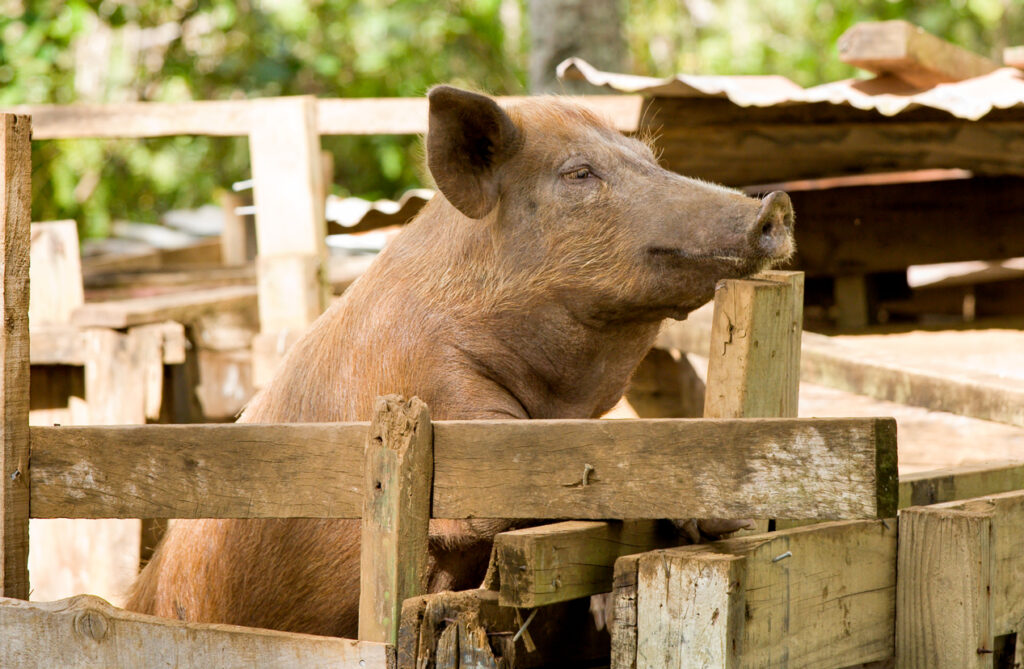
What takes a dog weeks to learn, a pig picks up in about five tries. They connect what you’re asking them to do really fast. People who train animals say pigs are actually easier than dogs once you know how to work with them. They’re not just copying what you do, they actually understand what you want.
Pigs have feelings like apes and monkeys do.
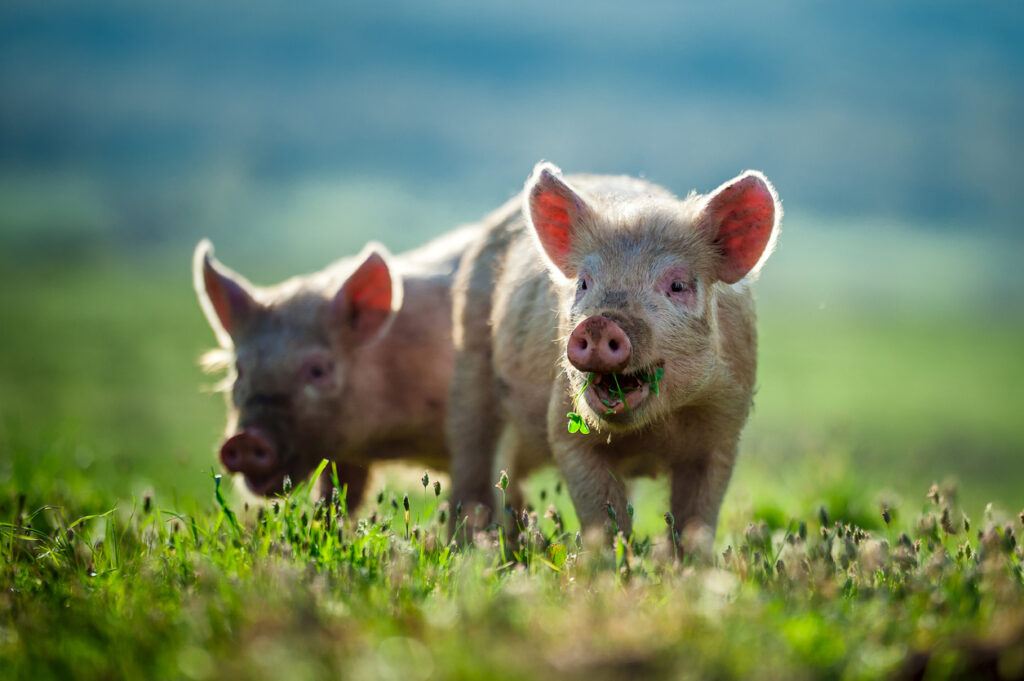
They comfort each other when they’re upset, remember which pigs were nice or nasty to them, and change how they act based on who they’re around. They remember if you were mean to them. Dogs have feelings too, but pigs go further. They play mind games with other pigs, team up with certain pigs, and even trick other pigs to get what they want.
They understand that pictures can mean things.

Scientists taught pigs that certain symbols mean certain things. Like a picture of food means actual food. The pigs then use these pictures to show what they want. This isn’t just learning commands, it’s understanding that a drawing can represent something real. Dogs can learn lots of words, but they don’t really get pictures representing things the same way.
Pigs get through mazes as fast as monkeys.
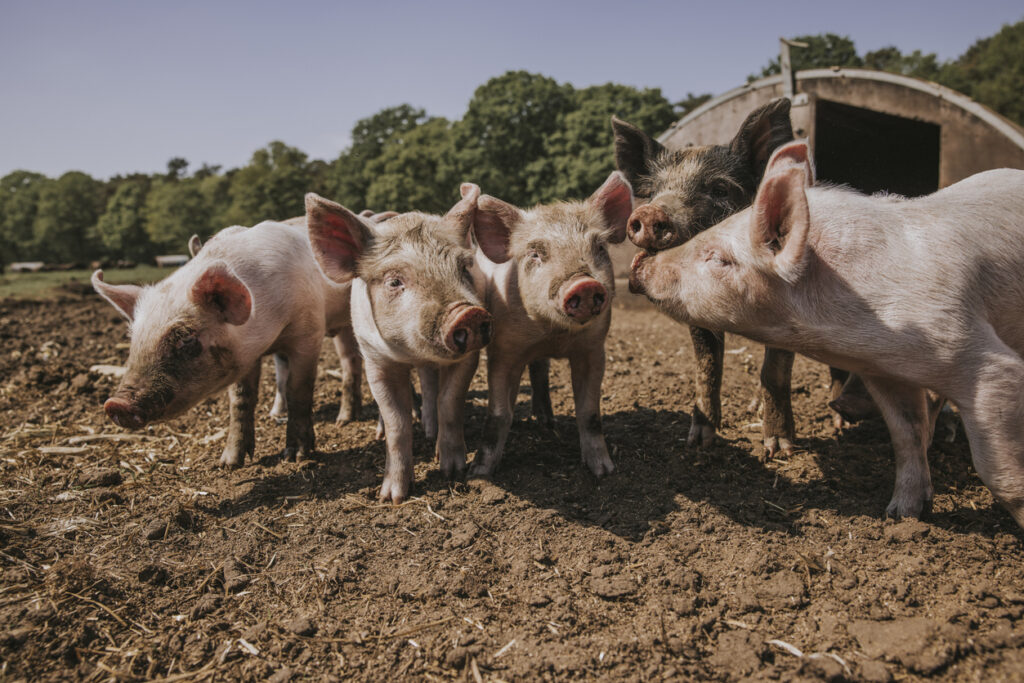
Put a pig in a complicated maze, and they’ll find the food faster than most animals, including dogs. They remember how to do it weeks later, too. They don’t just remember the exact route, either. If you change bits of the maze, pigs work out a new way through. Dogs get confused by changes and have to start from scratch learning it all over again.
They can tell if humans are happy or angry.
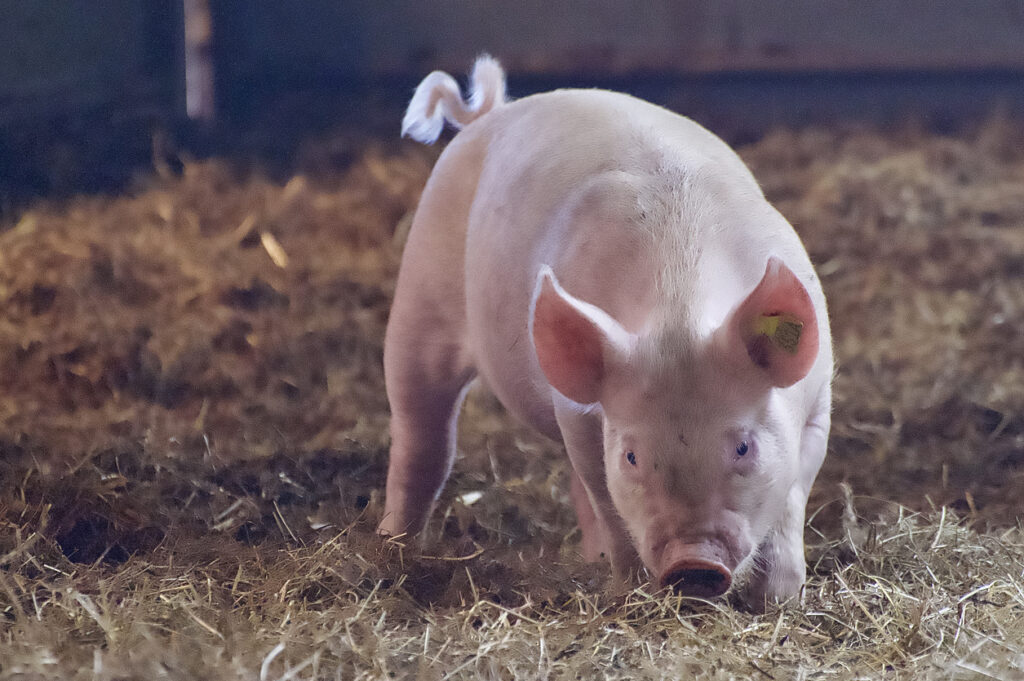
Pigs read people’s faces and body language, acting differently around happy people versus angry people. They’re not just listening to your voice, they actually understand how you’re feeling. Dogs do this as well, but studies show pigs are better at spotting small details. They notice things dogs miss because they’re watching more carefully.
Pigs think ahead instead of just living in the moment.
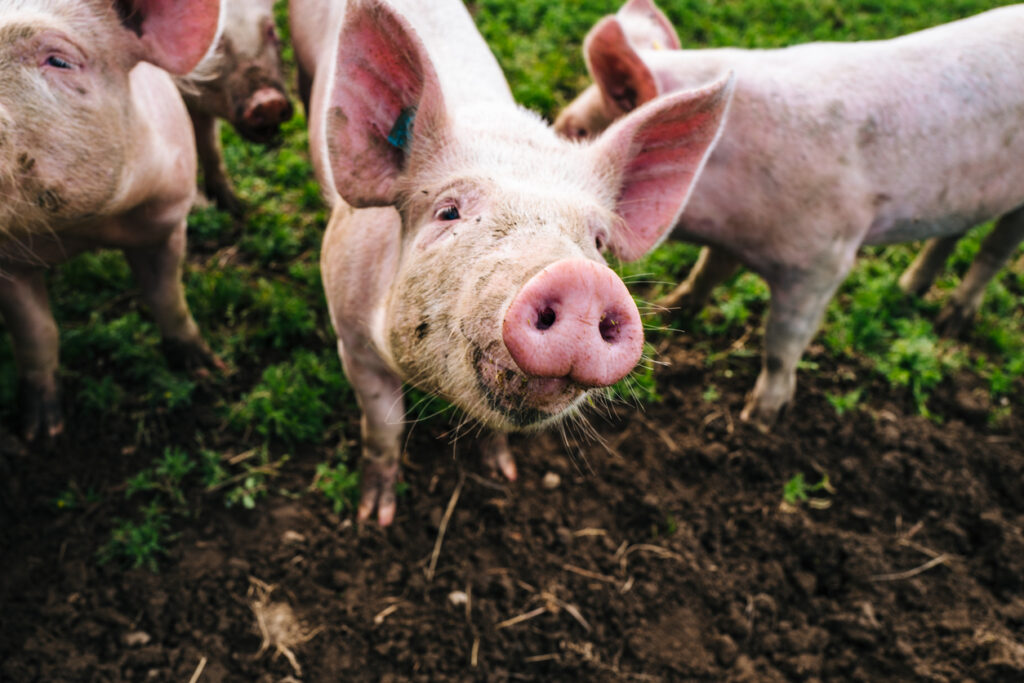
They’ll hide food to eat later and remember where they put it days afterwards. If another pig was watching them hide it, they’ll move it somewhere else because they know that pig might nick it. This means they’re thinking about what might happen tomorrow, not just what’s happening now. Dogs live much more in the present and don’t plan ahead like this. They want everything right now.
They work together without needing to be taught.
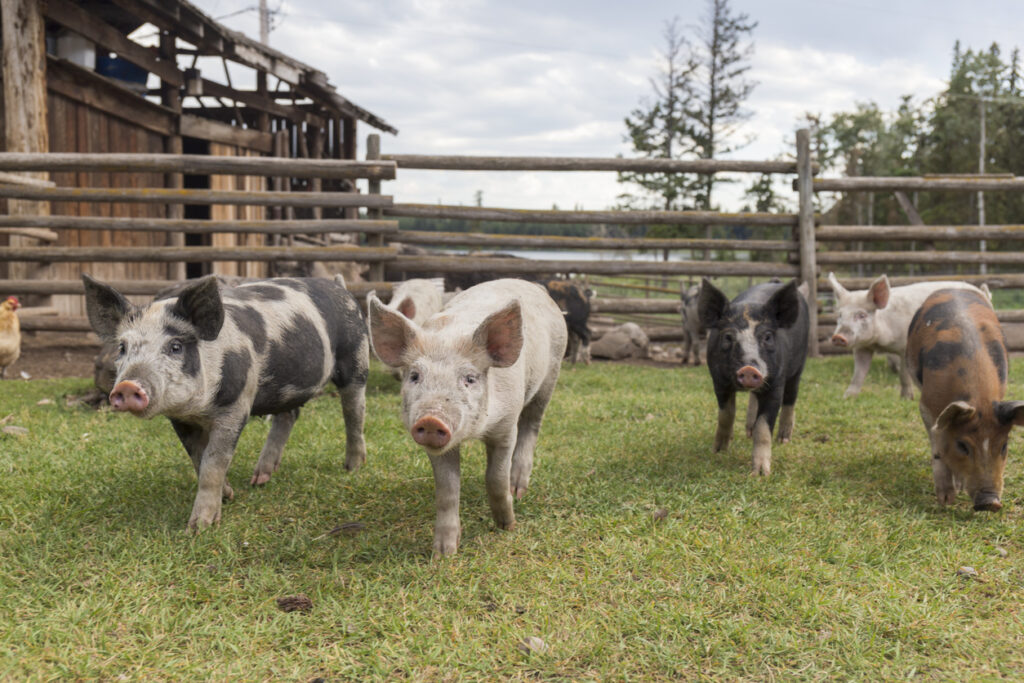
In experiments where two pigs need to team up to get food, they just do it naturally. They understand what they need to do, and what the other pig needs to do. Dogs can work together, but they need loads of training first. Pigs seem to just get that working as a team gets them things they can’t get alone.
Pigs remember things for way longer than dogs.
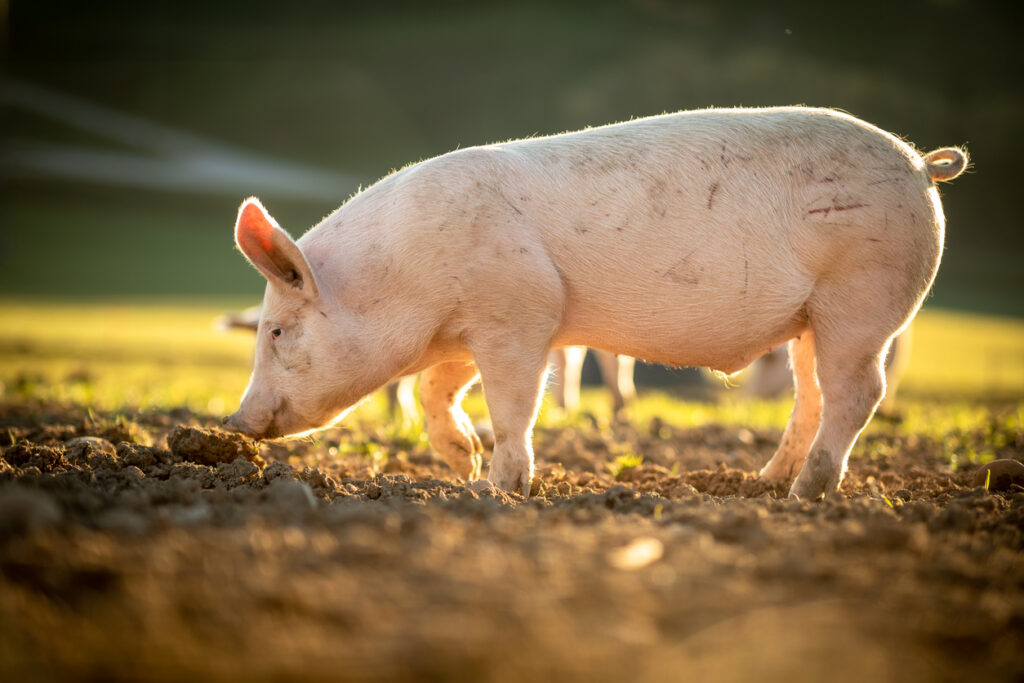
They remember complicated routes, where food is, and specific things that happened years ago. They’re especially good at remembering places. Studies show pigs can remember where something is or how to solve a puzzle after months of not doing it. Dogs forget things much quicker and need you to keep reminding them.
They know how to trick other pigs on purpose.
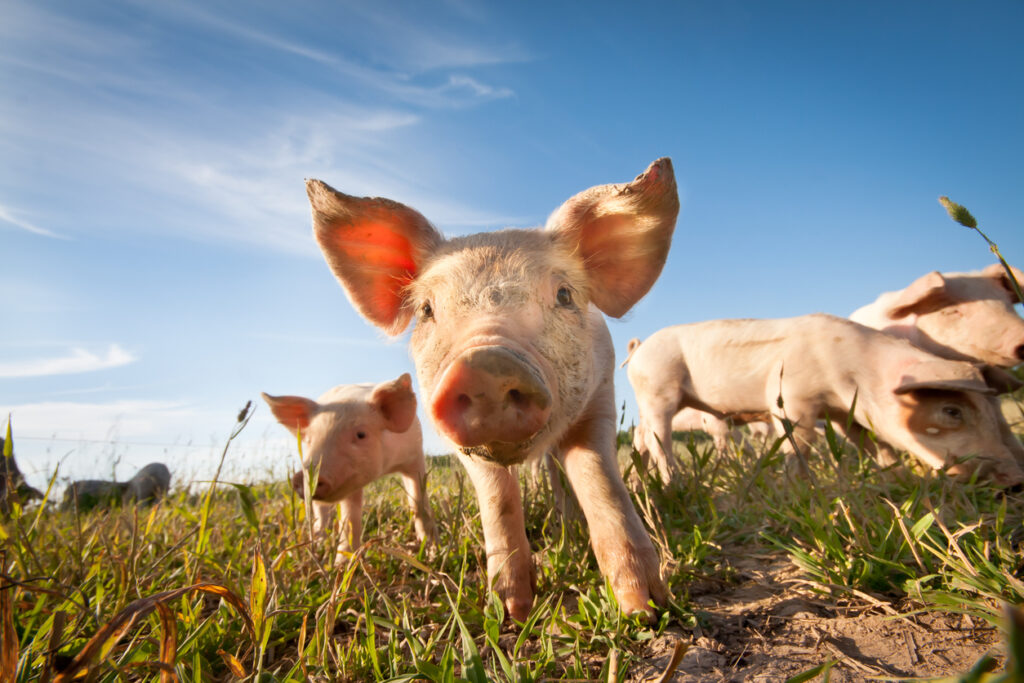
If a pig knows another pig is following them to steal food, they’ll lead them the wrong way first. That means they’re thinking about what the other pig knows and planning to fool them. This is proper scheming. Dogs don’t really lie like this on purpose. They might hide things, but not with the clever planning pigs use.
Pigs change how they talk depending on who they’re talking to.
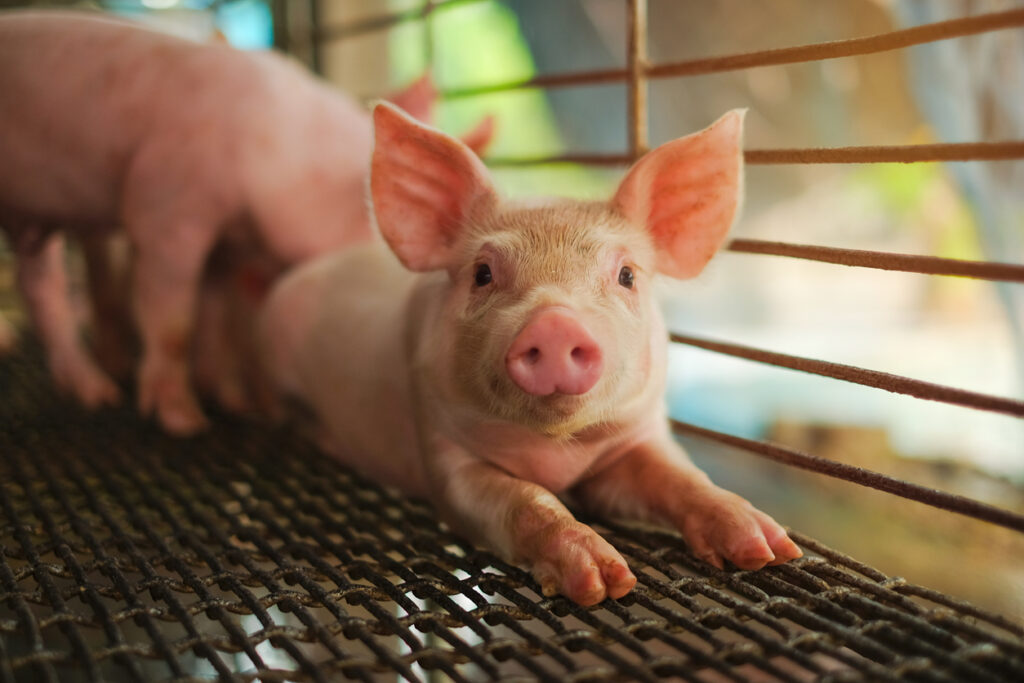
They make different sounds depending on whether they’re talking to baby pigs, adult pigs, or humans. They adjust how they communicate based on who’s listening. Dogs bark and whine, but don’t really change it much for different situations. Pigs basically speak differently to different audiences, which shows they understand relationships work differently.
They can spot which thing is different.
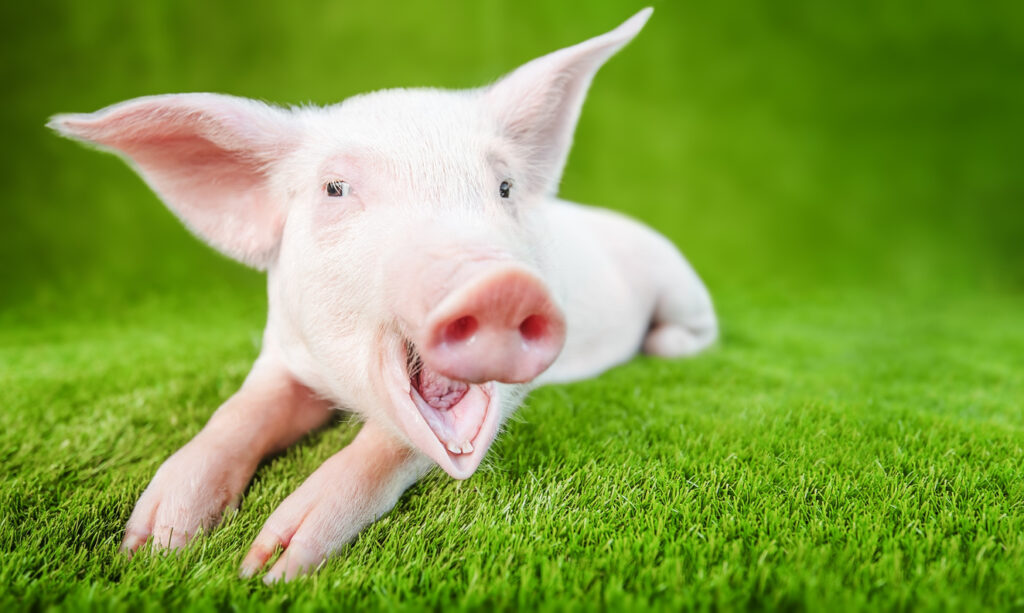
Show a pig two things that are the same and one thing that’s different, and they can pick out which one doesn’t match. Most animals can’t do this. They may not remember specific things, but they can recognise patterns. Dogs struggle with this because it’s quite complicated thinking. Pigs just do it naturally, which puts them closer to dolphins and monkeys than to dogs intelligence-wise. The main reason we don’t know how smart pigs are is just because we don’t keep them as pets, so we never see what they can actually do.