Some dog breeds are adorable, loyal, and full of personality, but they’ll also drain your bank account.
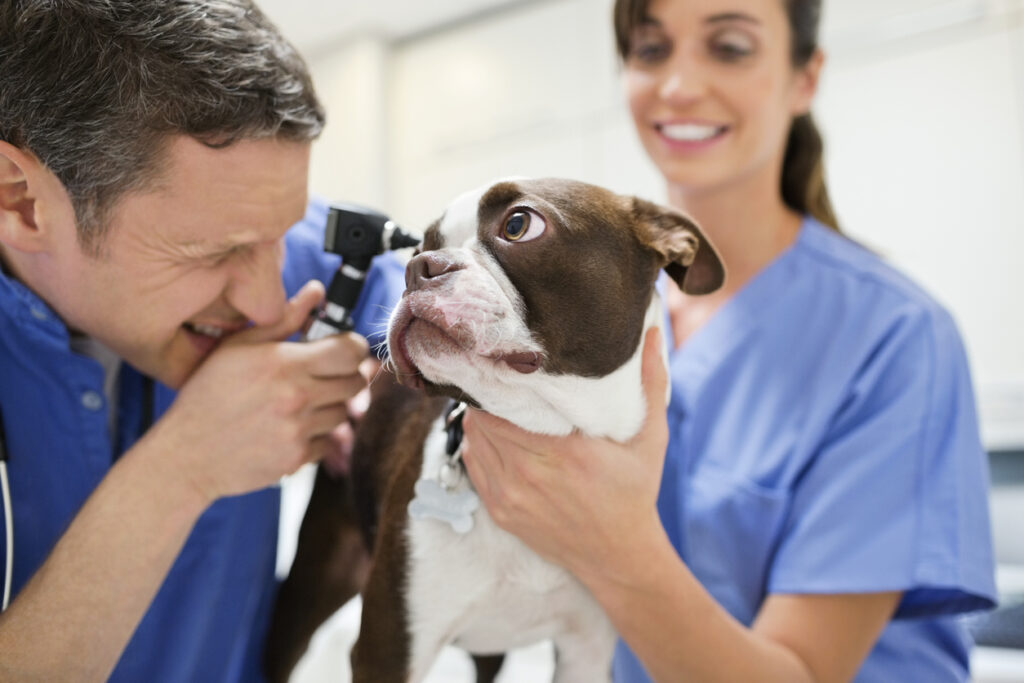
Behind those cute faces and wagging tails, many popular breeds come with hidden health issues that can drain your bank account fast. From inherited conditions to chronic problems that require lifelong treatment, some dogs simply need more medical care than others.
It’s not about avoiding these breeds altogether, but about knowing what you’re signing up for. Responsible breeding, good insurance, and regular check-ups can make all the difference, but it helps to understand which dogs are most likely to cost you a small fortune in vet visits before you fall in love with a puppy.
1. English Bulldogs

You’ve fallen for that adorable wrinkly face, but Bulldogs are essentially walking vet bills. Brachycephalic syndrome means breathing problems requiring surgery, skin fold infections needing constant treatment, hip dysplasia, cherry eye, and spinal issues are standard rather than exceptional. Many can’t even give birth naturally, requiring expensive C-sections, and their average lifespan is shorter than most breeds despite costing more to maintain.
As a result, pet insurance for Bulldogs is either extortionate or excludes most conditions. Insurers know these dogs will have problems, it’s not if but when and how many, making them one of the most expensive breeds to keep healthy throughout their lives.
2. French Bulldogs

They’re Instagram famous and utterly charming, but Frenchies share most of their English cousin’s problems in a slightly smaller package. Breathing difficulties, spinal disorders, allergies requiring expensive elimination diets and medications, eye problems, and heat intolerance that necessitates air conditioning aren’t possibilities, they’re probabilities. The breeding that created their distinctive look also created a lifetime of medical interventions.
It explains why vets sometimes grimace a bit when Frenchie puppies come in for their first check. They know what’s coming, the owner usually doesn’t, and the conversation about long-term costs is awkward when you’ve just spent thousands on the puppy itself.
3. Cavalier King Charles Spaniels

They’re beautiful, sweet-natured, and tragically prone to syringomyelia, a devastating neurological condition where their skull is too small for their brain. It’s agonisingly painful, often requiring MRI scans costing over a thousand pounds just to diagnose, and treatment or management is expensive and ongoing. Heart disease is also endemic in the breed, with most developing mitral valve disease requiring medication and monitoring.
For this reason, ethical breeders MRI scan parents before breeding, but many don’t, meaning you’re gambling on whether your puppy will develop conditions that’ll cost tens of thousands to manage over their lifetime whilst watching them suffer.
4. German Shepherds
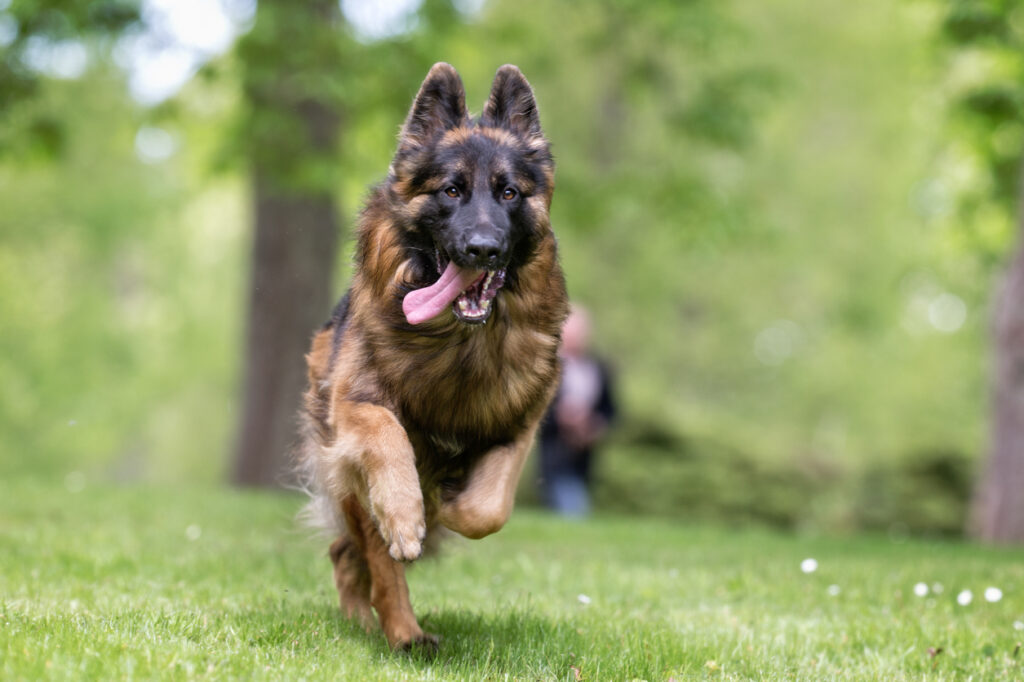
They’re loyal, intelligent, and genetically predisposed to hip and elbow dysplasia that’ll require expensive management or surgery. Degenerative myelopathy, a progressive spinal cord disease with no cure, bloat requiring emergency surgery, and chronic digestive issues are common. The sloped back breeding trend has worsened skeletal problems, creating dogs who struggle with mobility relatively young despite their athletic appearance.
Because of this, working line German Shepherds cost less to maintain than show lines. The exaggerated conformation prized in show rings has created structural problems that working breeders actively avoid, making them healthier but less “typical” looking.
5. Bernese Mountain Dogs
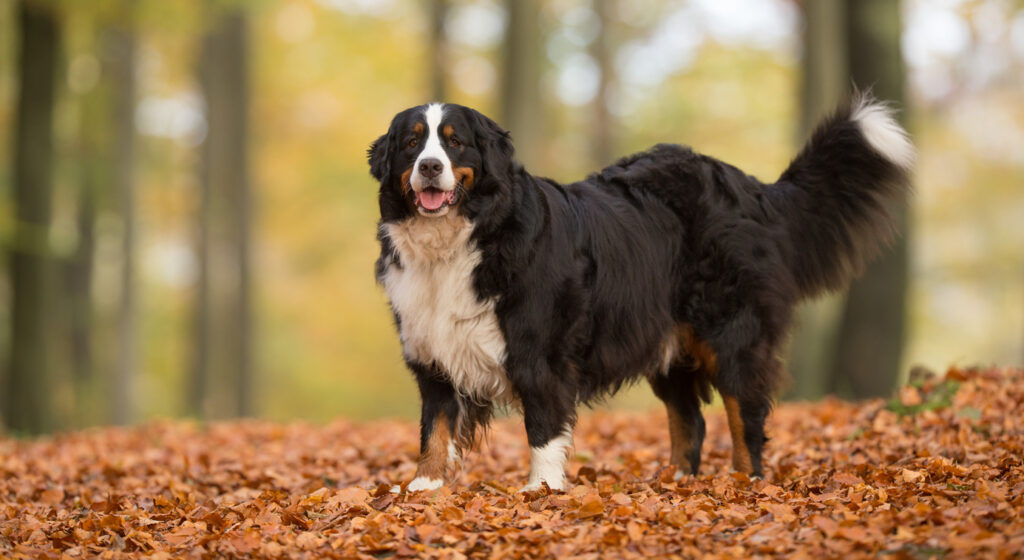
They’re gentle giants with tragically short lifespans, often only six to eight years, and those years are frequently punctuated by expensive health crises. Cancer rates in Berners are heartbreakingly high, hip and elbow dysplasia are standard, and bloat is a constant risk. You’re likely facing multiple surgeries, oncology consultations, and treatments that cost thousands, all whilst knowing you’ll have far less time with them than most breeds offer.
This is why Berner owners talk about enjoying every moment. They know the odds, know the likely costs, and know they’re signing up for heartbreak and expense in exchange for a few precious years with an exceptional dog.
6. Rottweilers

They’re powerful, protective, and prone to bone cancer, cruciate ligament problems, and hip dysplasia. The surgeries required for orthopaedic issues in a dog this size are significantly more expensive than in smaller breeds, and cancer treatment for Rottweilers often runs into five figures. Their size also means higher medication doses, more expensive imaging, and increased anaesthesia risks.
Unfortunately, large breed insurance premiums increase dramatically. The bigger the dog, the bigger the surgery, the bigger the bill, and Rottweilers combine size with breed-specific health problems that make them expensive to insure and treat.
7. Dachshunds

That long back everyone finds adorable is a spinal disaster waiting to happen. Intervertebral disc disease affects roughly one in four Dachshunds, often requiring surgery costing several thousand pounds with no guarantee of full recovery. Paralysis is a real risk, and even with successful surgery, lifelong management and potential mobility aids add ongoing costs.
This is why Dachshund owners become obsessive about preventing jumping and stairs. One wrong move can mean emergency surgery and months of recovery, turning a moment’s inattention into a financial and emotional crisis.
8. Golden Retrievers

They’re famously friendly and unfortunately famous for cancer, with approximately 60% developing the disease in their lifetime. Hip dysplasia, heart problems, and skin allergies requiring expensive testing and treatment are also common. You’re looking at premium insurance costs and likely facing devastating oncology bills at some point, often when the dog is still relatively young.
That statistic is why Golden owners discuss cancer like it’s inevitable rather than possible. The statistics are so heavily weighted towards them developing it that planning for those costs is essential rather than pessimistic.
9. Boxers

They’re energetic, affectionate, and predisposed to heart conditions, various cancers, and hip dysplasia. Cardiomyopathy requires ongoing cardiology appointments, ECGs, and medications. Many Boxers need expensive cardiac drugs for years, and cancer treatment adds another layer of financial burden on top of routine cardiac care that’s already costly.
Boxer breeders emphasise cardiac testing in breeding stock for this reason. It doesn’t eliminate the risk, but it reduces the chances of producing puppies destined for heart problems, though many buyers don’t check whether their breeder does this screening.
10. Shar Peis

Those distinctive wrinkles cause chronic skin infections requiring regular vet visits, medicated shampoos, and sometimes surgery. Entropion, where eyelids roll inward, often needs surgical correction multiple times. Shar Pei fever, an inflammatory condition unique to the breed, can cause organ failure and requires emergency treatment. Their skin isn’t just cute, it’s a medical maintenance project.
Shar Peis need owners committed to intensive grooming and preventative care. Neglecting skin fold hygiene leads to infections that become expensive to treat and painful for the dog to endure.
11. Great Danes
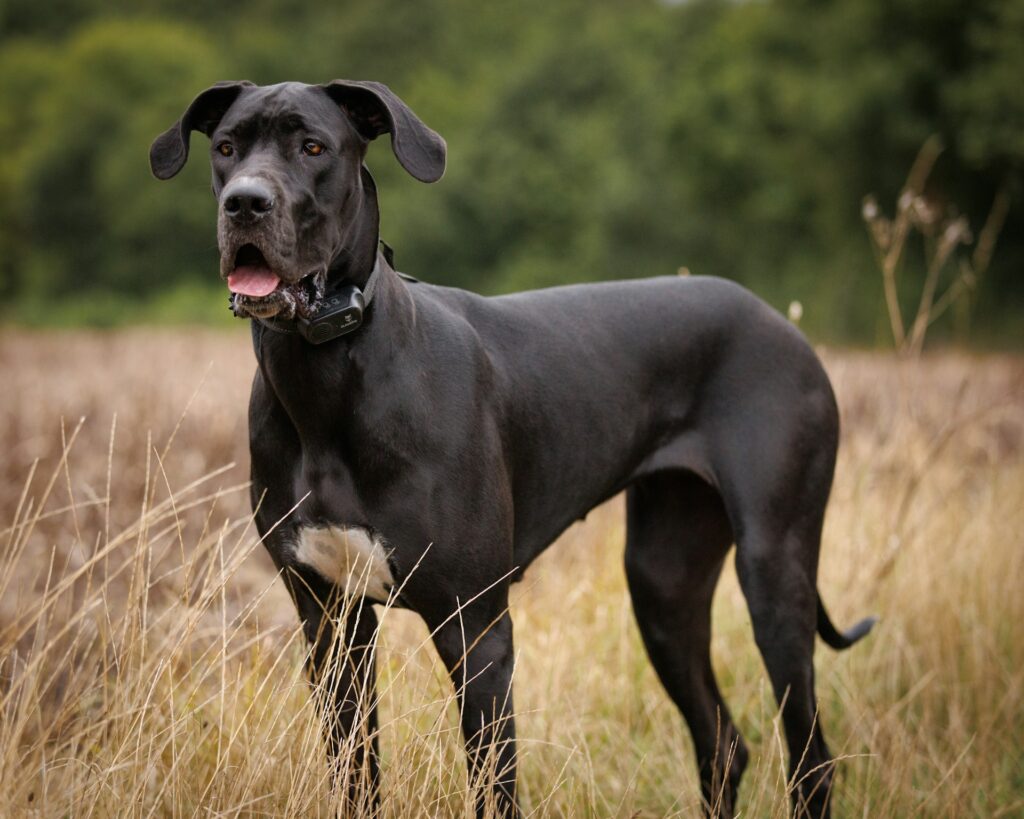
They’re majestic and massive, with equally massive vet bills. Bloat kills Great Danes with frightening regularity, often requiring thousands in emergency surgery with no guarantee of survival. Hip dysplasia, heart disease, and bone cancer are common, and everything costs more because of their size. Their short lifespan means compressing expensive health issues into fewer years.
This is why some Dane owners opt for prophylactic gastropexy surgery to prevent bloat. It’s expensive, but cheaper than emergency bloat surgery and increases the chances their dog will survive what’s otherwise often fatal.
12. Pugs

They’re comical and endearing, but those flat faces mean breathing problems, eye injuries from protruding eyes, skin fold infections, and hip dysplasia. Many require surgery to breathe properly, ongoing medication for allergies, and careful monitoring to prevent overheating. The breeding that created their appearance also created lifelong discomfort requiring medical management.
Some countries are considering breeding bans for brachycephalic breeds because of this. The welfare concerns are significant, the costs are substantial, and the question of whether it’s ethical to breed dogs who struggle to perform basic functions like breathing comfortably is increasingly contentious.
13. Cocker Spaniels

They’re sweet-tempered and prone to chronic ear infections requiring constant cleaning, medications, and sometimes surgery. Eye problems including cataracts and glaucoma are common, hip dysplasia occurs frequently, and autoimmune conditions can develop. Those adorable floppy ears are infection factories, and treating recurring ear problems becomes expensive and frustrating over a lifetime.
In the end, Cocker owners become experts in ear care. Prevention is cheaper than treatment, but even with diligent cleaning, many Cockers will have ear problems requiring veterinary intervention multiple times throughout their lives, making them costlier to maintain than breeds with better ear structure.