Some animals get stuck with bad reputations that have little to do with reality.
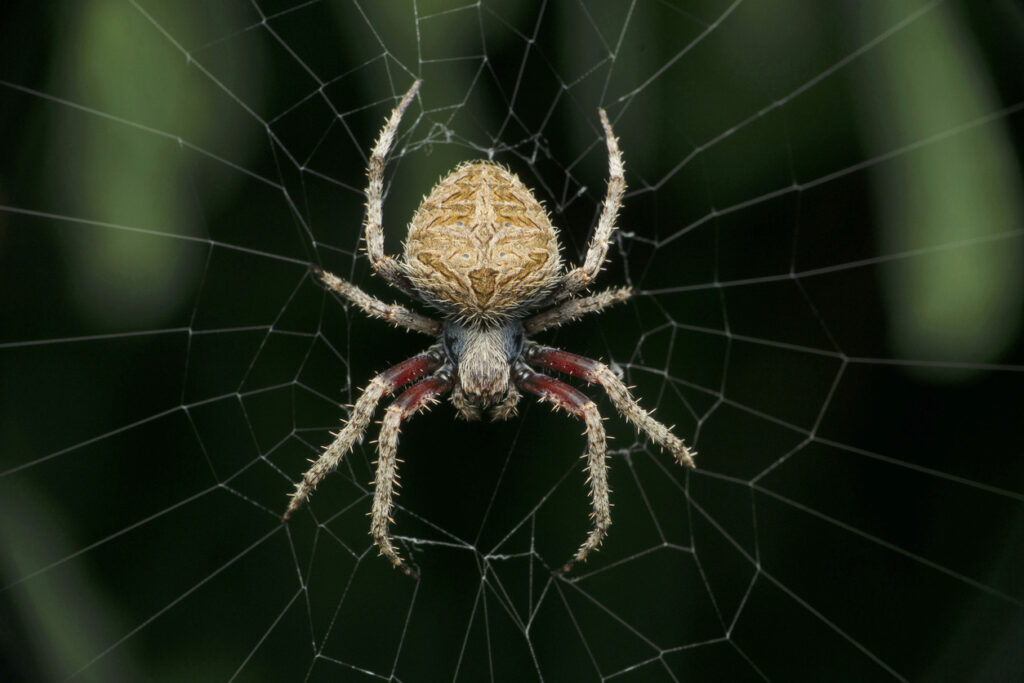
They’re called dangerous, dirty, or pests, when in truth, they play vital roles in keeping ecosystems balanced. A lot of it comes down to myths, old stories, or how they look, and once an animal is branded as “bad,” it’s hard to change people’s minds.
From sharks to bats to rats, plenty of species people fear or avoid are far less harmful than we think. In fact, many of them do more good for the planet than the creatures we adore. It’s time to look past the stereotypes and see these animals for what they really are: misunderstood, important, and often unfairly maligned.
1. Sharks aren’t mindless killers.
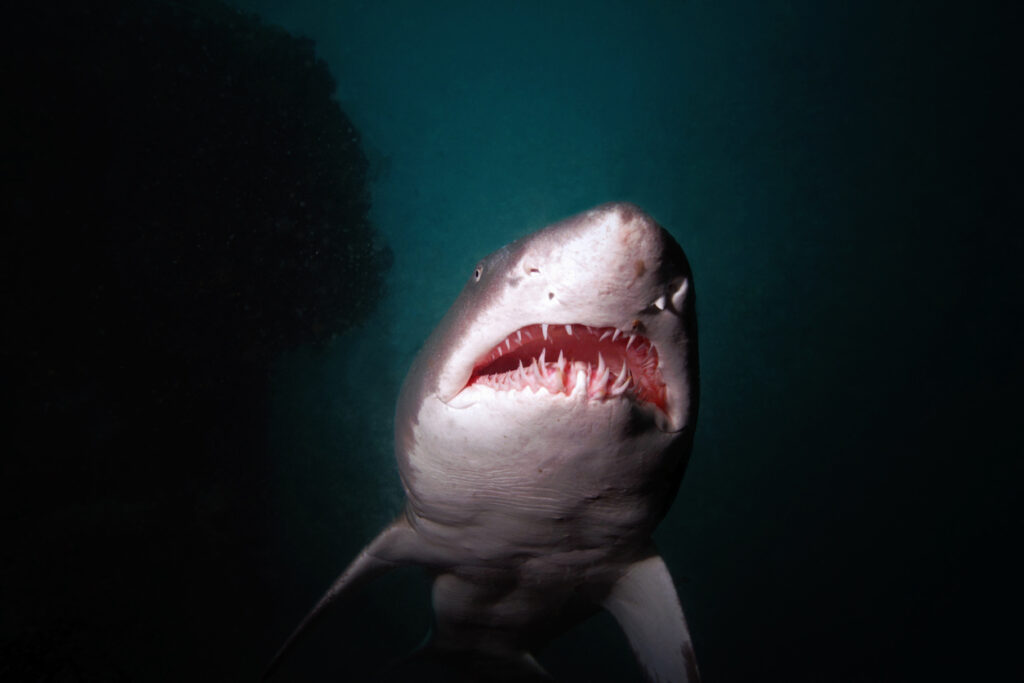
Movies turned sharks into monsters, but most species want nothing to do with humans. Out of hundreds, only a handful have ever attacked people, and even then, it’s usually confusion rather than aggression. They’re curious hunters, not cold-blooded villains.
Sharks play a vital role in keeping ocean ecosystems balanced by controlling prey numbers and removing sick fish. Without them, reefs would collapse far faster than climate change alone could manage. They’re guardians, not threats.
2. Bats aren’t disease-spreading pests.

Bats have unfairly been blamed for every outbreak in modern memory, yet most carry no risk to humans. They’re actually nature’s pest control, eating thousands of insects a night and saving farmers millions in crop damage each year.
They also pollinate plants, including bananas, mangoes, and avocados. When bats disappear, ecosystems unravel. Their bad image comes from myths and superstition rather than their actual behaviour, which is mostly shy and harmless.
3. Wolves aren’t bloodthirsty predators.
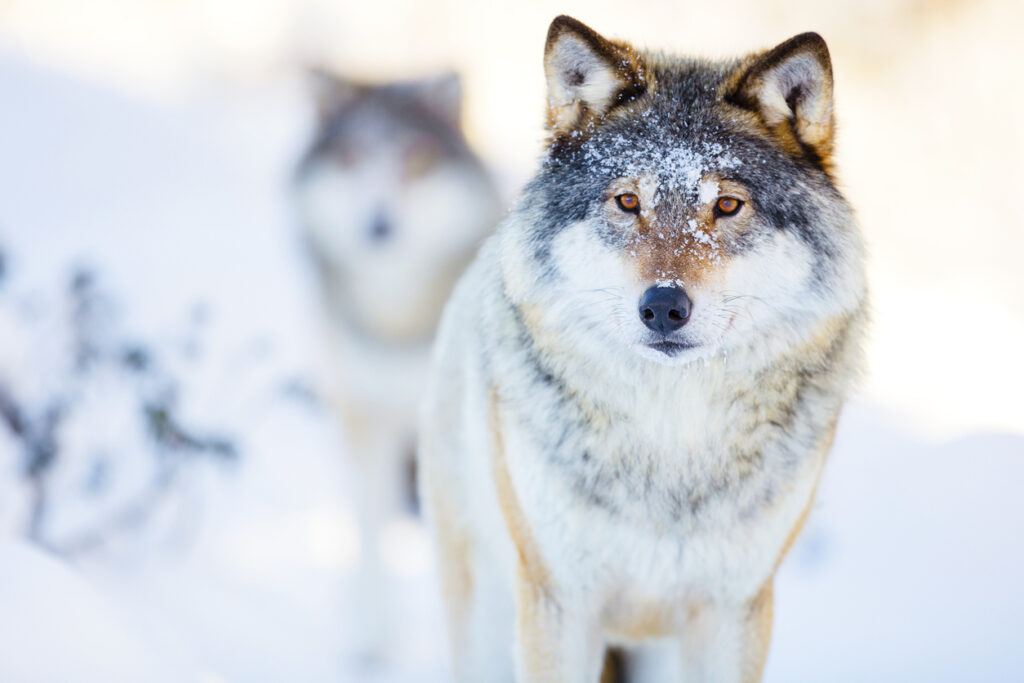
Stories have painted wolves as dangerous pack hunters that stalk people through forests, but in reality, wild wolves avoid humans whenever possible. They’re cautious, social animals that rely on teamwork and loyalty to survive, not mindless violence. When wolves return to areas, biodiversity increases because they restore natural balance by controlling deer populations. Their reputation as villains says more about old folklore than it does about their nature.
4. Spiders aren’t out to bite you.
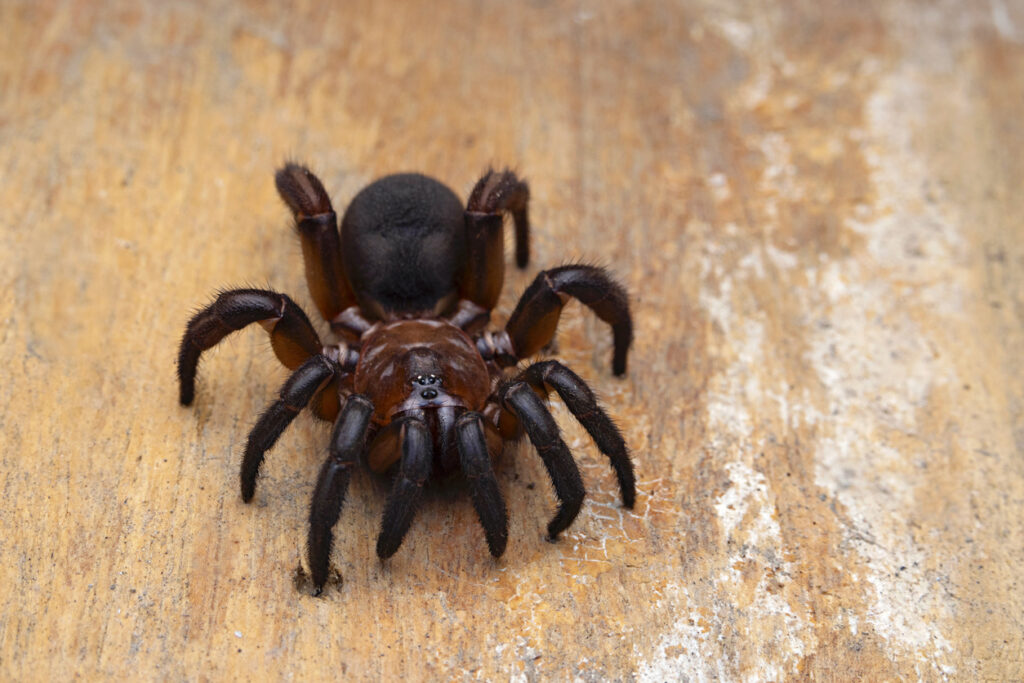
People often panic when they see a spider, but almost every species is completely harmless to humans. Bites are rare, and even then, they’re usually defensive, not aggressive. Most spiders just want to be left alone. They’re also incredible pest managers, quietly keeping mosquito and fly numbers under control. If you see one in the corner of your house, it’s probably doing more good than harm.
5. Snakes aren’t plotting attacks.
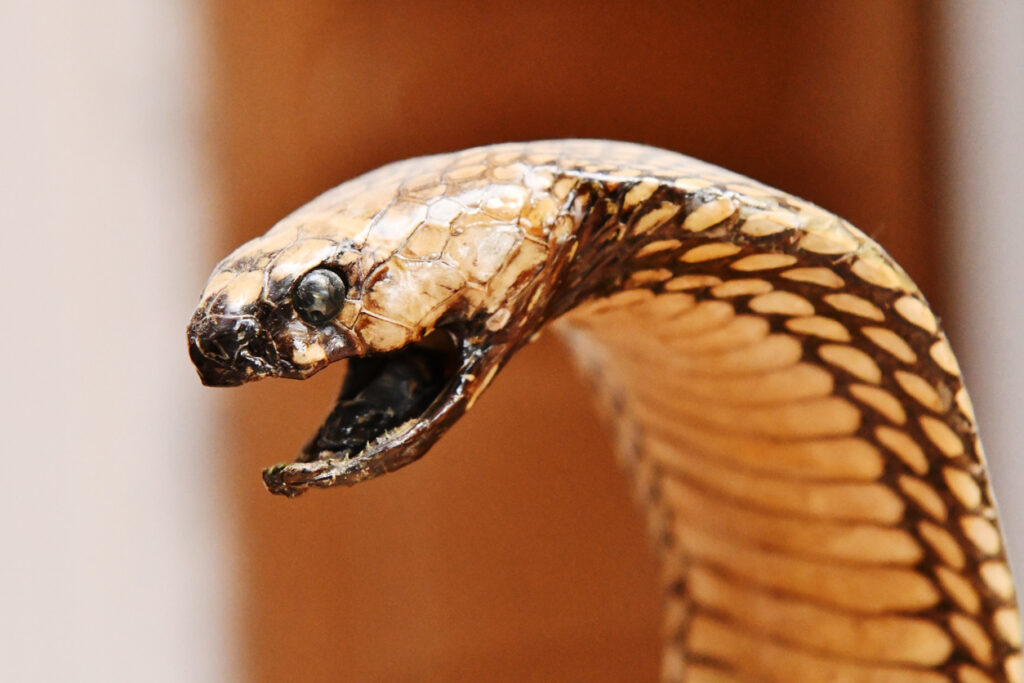
Snakes have long been symbols of danger and deceit, but they’re actually timid creatures that strike only when threatened. They’d rather flee than fight, and most species don’t have venom strong enough to harm people. By eating rodents, snakes prevent crop loss and stop diseases spreading. Without them, fields and homes would quickly be overrun. Their scary image hides how much balance they bring to the world.
6. Wasps aren’t useless aggressors.
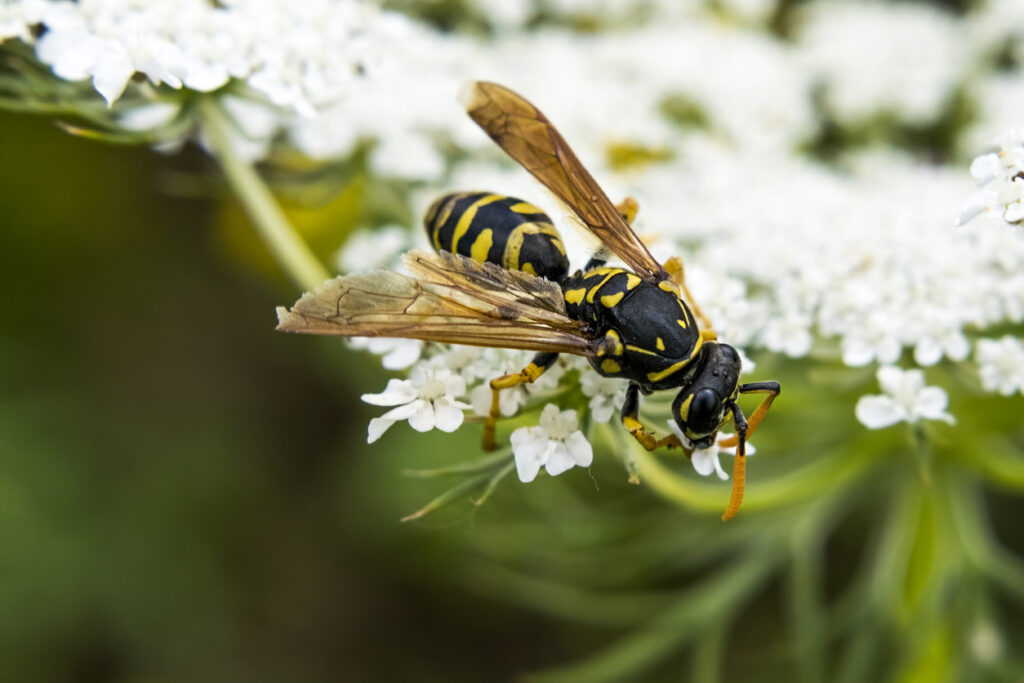
Wasps get hated for their stings, yet most are pollinators just like bees. They only attack when provoked or defending their nests. Away from that, they quietly control crop pests and maintain garden balance. Many wasp species are solitary and never bother humans at all. The few that do are simply trying to protect their space, much like any other animal would if it felt threatened.
7. Hyenas aren’t cowardly scavengers.

Thanks to old films, hyenas are thought of as sneaky, cruel, and lazy, yet they’re intelligent hunters with strong social bonds. They often catch their own food rather than relying on leftovers from other predators. Hyenas live in complex matriarchal groups where cooperation is everything. Their laughter-like calls are a form of communication, not mockery. They’re clever survivors, not comic villains.
8. Pigeons aren’t dirty city nuisances.
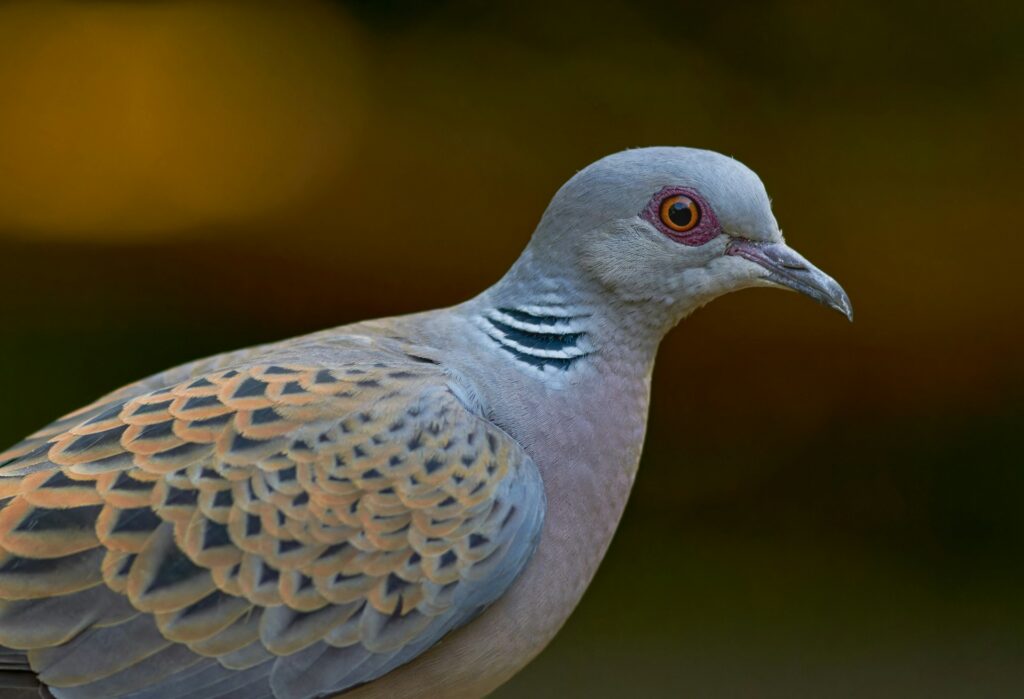
Pigeons get dismissed as “rats with wings,” but they’ve shared human cities for centuries, surviving where few other wild animals can. They’re adaptable, intelligent, and capable of recognising faces and understanding patterns. Before their modern reputation, pigeons were war heroes and messengers, carrying vital communications across battlefields. Their fall from grace says more about urban life than about them.
9. Rats aren’t filthy disease machines.
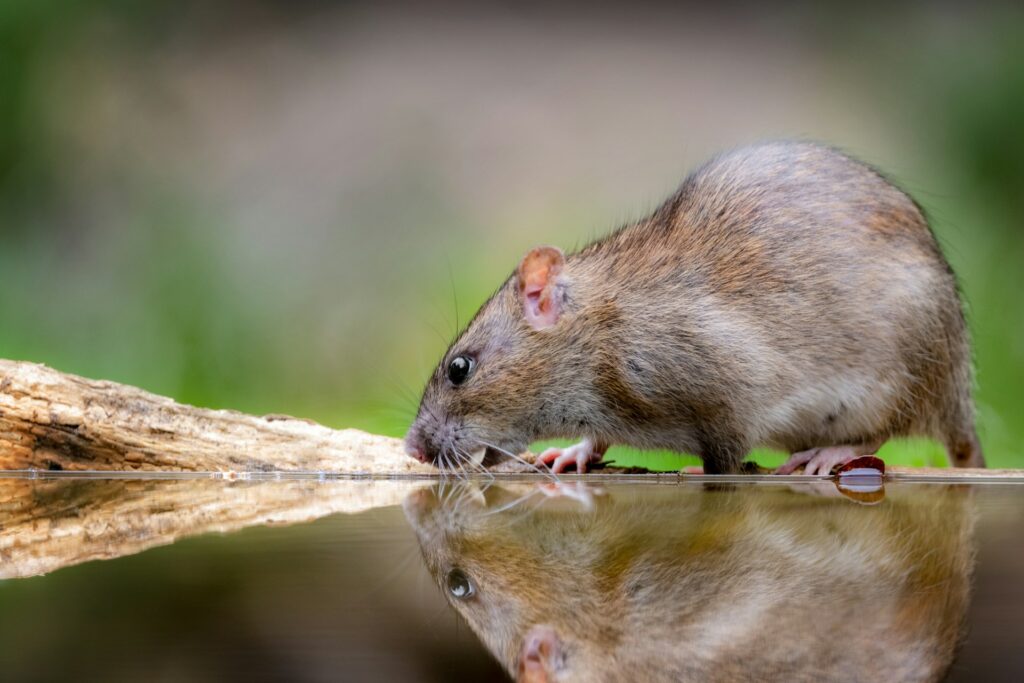
Rats became scapegoats for the plague, yet it was fleas on other animals that carried it. Modern rats are social, affectionate, and surprisingly clean. They groom constantly and form close family groups when left undisturbed. In laboratories, rats have shown empathy, freeing trapped companions instead of taking food. Their bad name comes from fear, but their behaviour shows intelligence and heart.
10. Crows aren’t bad omens.

Crows have been linked to death and superstition for centuries, but they’re among the smartest birds alive. They recognise faces, solve problems, and even use tools. Some remember human kindness for years and return gifts. Rather than bring bad luck, crows reflect intelligence and community. They live in strong family units, showing loyalty and cooperation that rivals primates. Their reputation belongs in folklore, not real life.
11. Sharksuckers aren’t parasites.
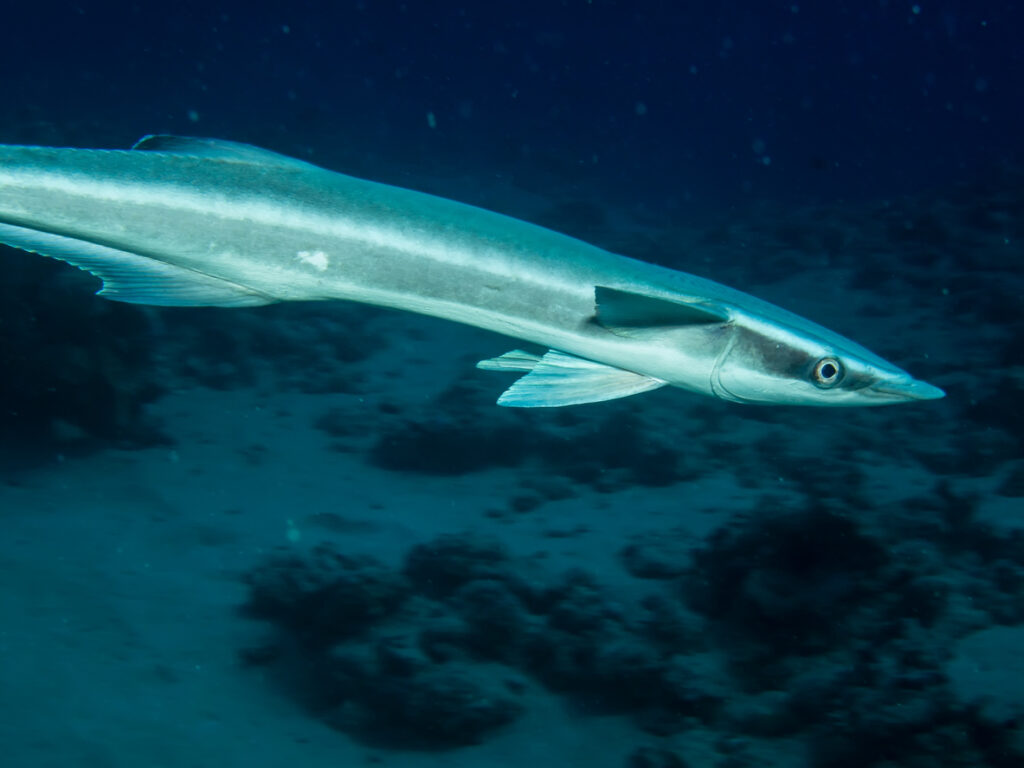
These fish cling to larger animals like sharks or turtles, and people often think they’re freeloaders. In truth, the relationship helps both sides. They clean parasites from their hosts and get a free ride in return. It’s a perfect example of cooperation in nature. Instead of being harmful, sharksuckers act as underwater caretakers, quietly keeping the ecosystem healthy one hitchhike at a time.
12. Toads aren’t slimy or dangerous.
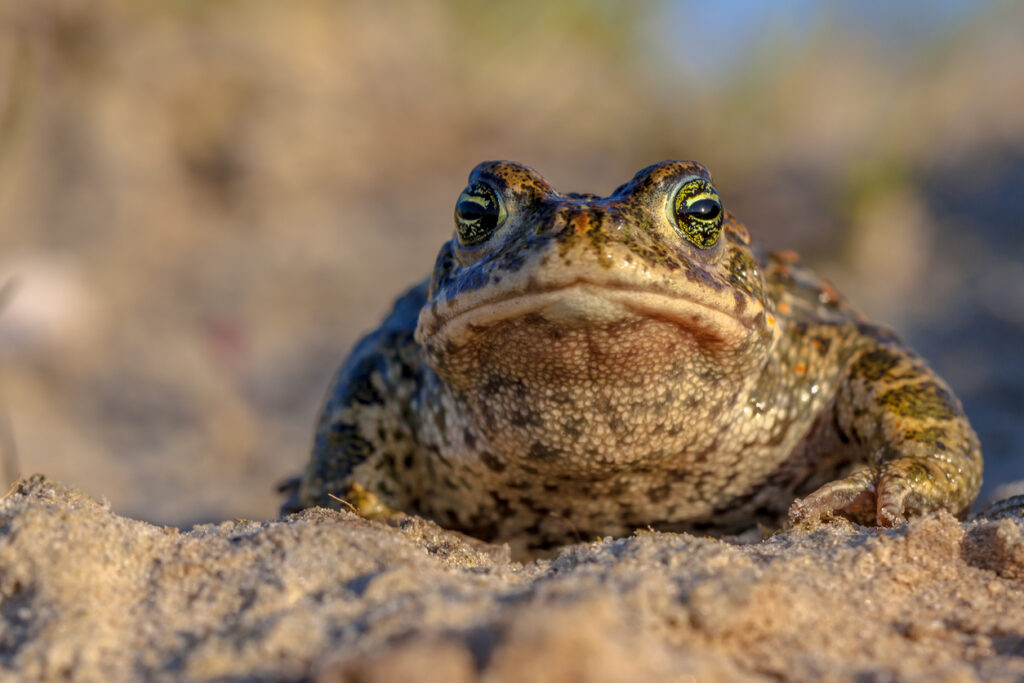
People often recoil at toads, assuming they’re slimy or carry warts, but their skin is dry and perfectly harmless. The myth comes from their bumpy texture, which actually protects them from predators and dehydration. Toads play a crucial role in gardens by eating slugs and insects. If one shows up near your plants, it’s more of an ally than a pest.
13. Vultures aren’t symbols of death.
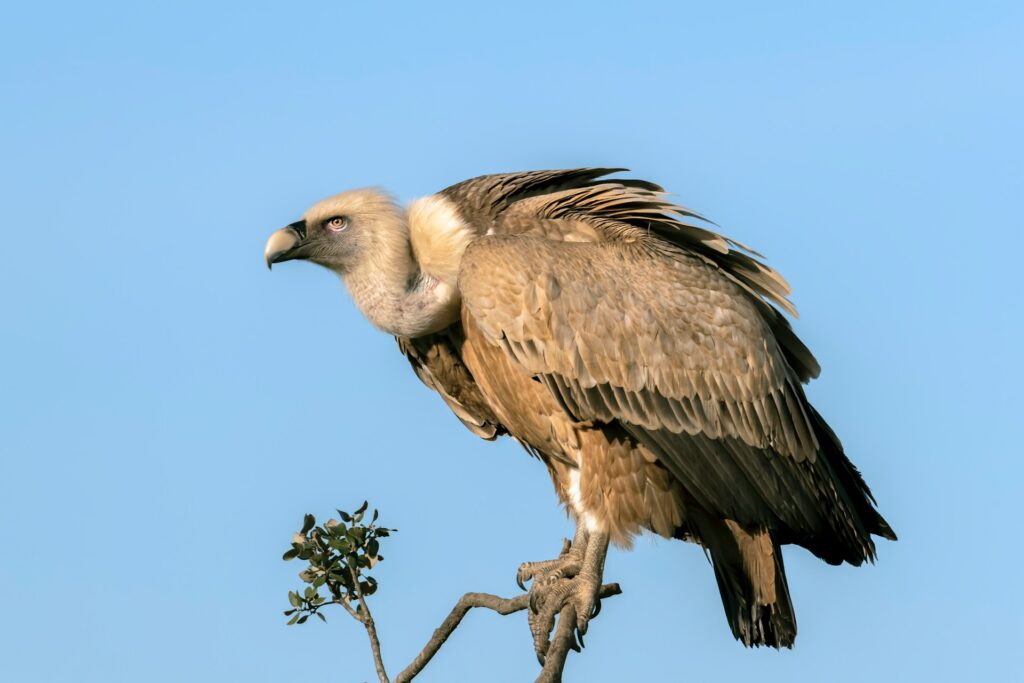
Vultures look grim, circling over carcasses, but they’re nature’s clean-up crew. By feeding on the dead, they stop diseases from spreading through rotting remains. Their stomach acid destroys dangerous bacteria that would kill most animals. Far from ominous, vultures are essential for public health in ecosystems. Without them, decaying bodies would contaminate soil and water within days.
14. Octopuses aren’t monsters of the deep.
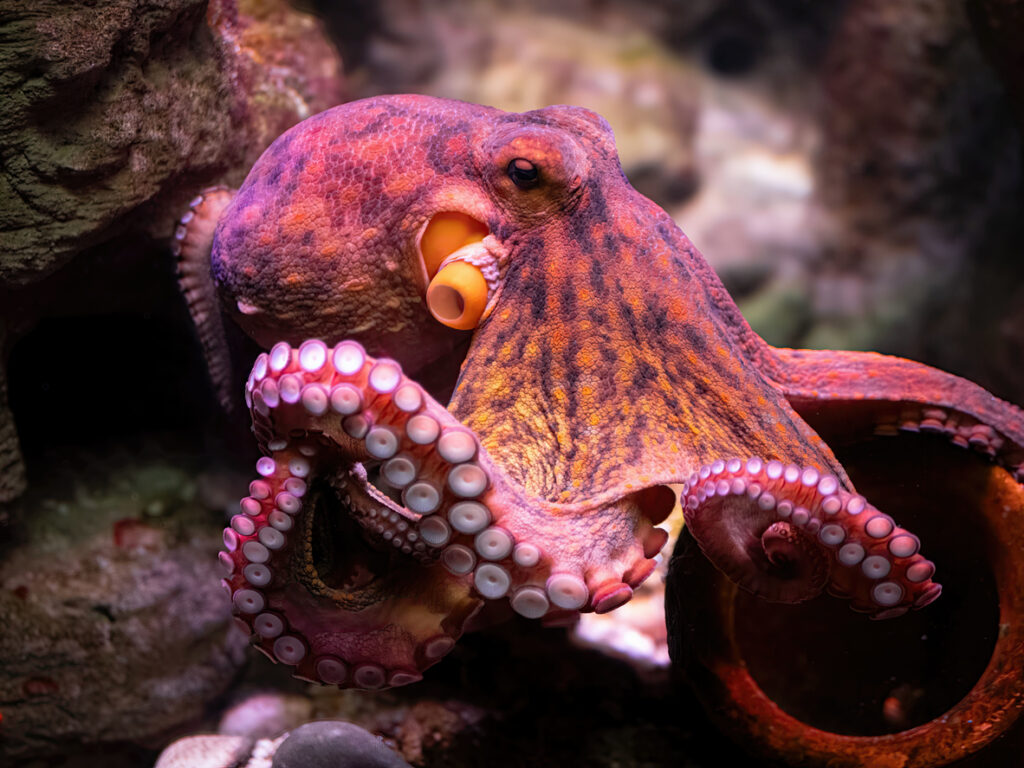
For years, octopuses were described as eerie, alien creatures, but they’re highly intelligent and emotionally complex. They can solve puzzles, use tools, and show signs of curiosity and problem-solving well beyond most marine animals. They’re also gentle and cautious, preferring to hide rather than fight. Their mysterious nature isn’t sinister; it’s a sign of how little we understand the ocean’s true diversity.
15. Bees aren’t aggressive.
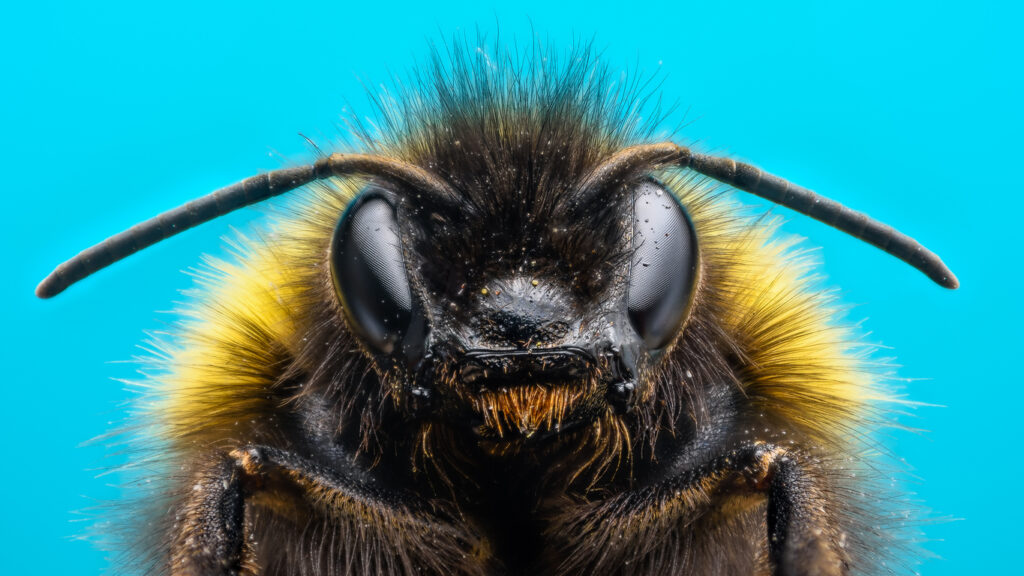
Bees have been feared for their sting, but most would never use it unless absolutely necessary. They die after stinging, which means aggression is the last thing they want. Their real focus is on pollination and survival. Without bees, much of our food supply would disappear. Their work sustains the world’s crops and wildflowers alike, making them tiny, unsung heroes in nature’s chain.
16. Frogs aren’t carriers of disease.
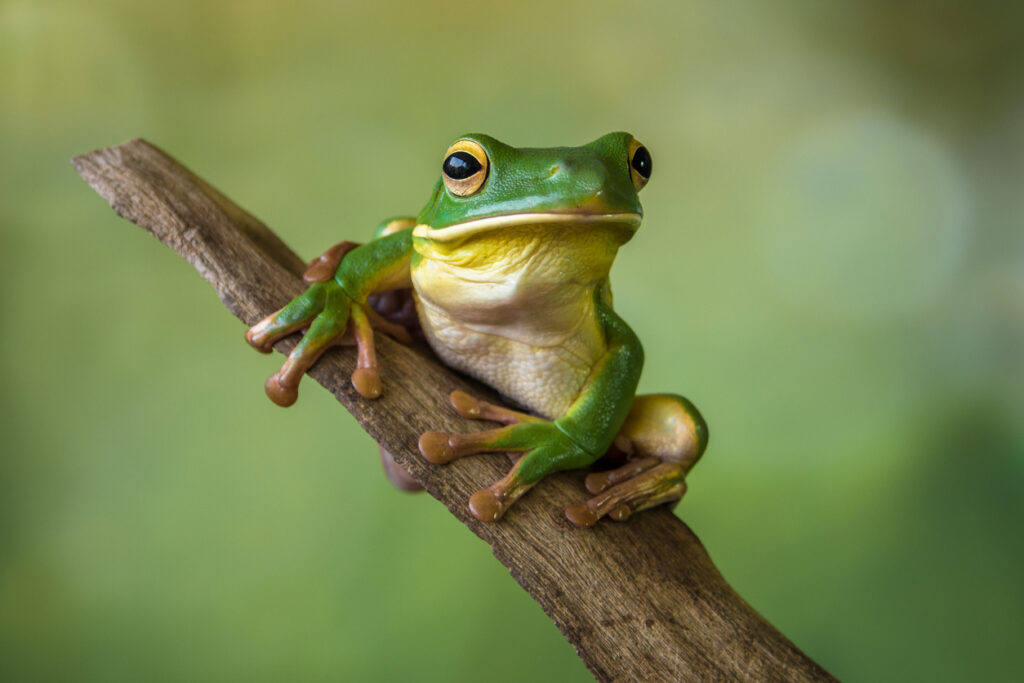
Frogs have occasionally been blamed for spreading infections, yet they’re often the victims of them. They’re sensitive to environmental changes and act as early warning signs of ecosystem decline. When frogs vanish, nature is in trouble. They’re also crucial for controlling insects and feeding larger species. Their decline has ripple effects across entire food chains, proving how much life depends on them staying healthy.
17. Piranhas aren’t river killers.
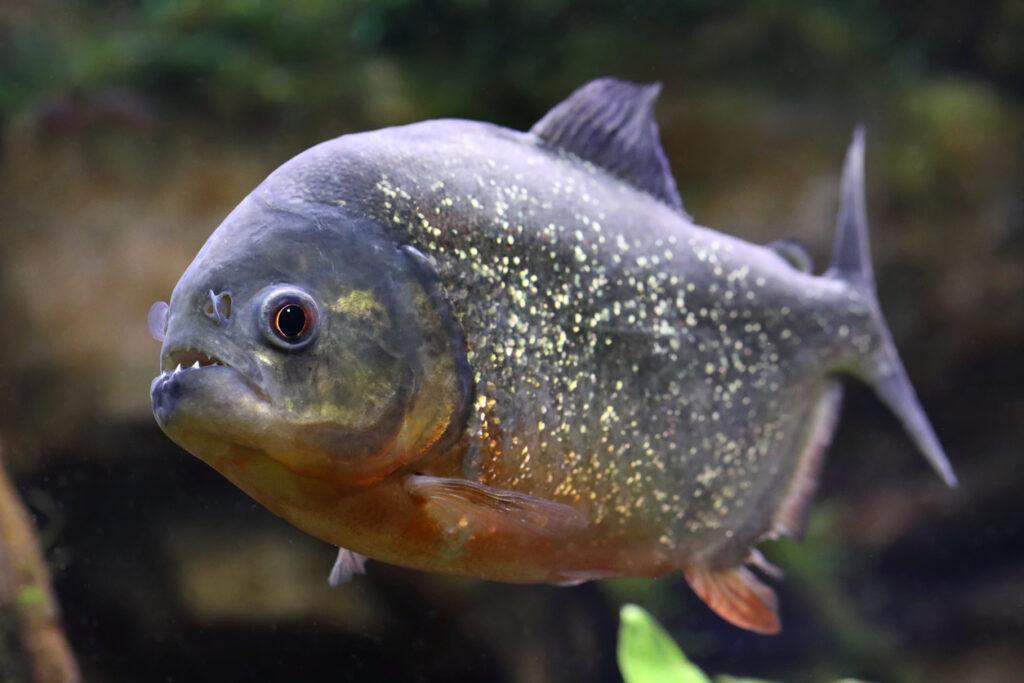
Despite their gruesome reputation, piranhas are mostly scavengers and plant eaters. They rarely attack humans, and when they do, it’s usually during droughts when food is scarce. In normal conditions, they avoid confrontation completely. They help rivers stay clean by eating dead animals before they decay. Their fearsome teeth may look terrifying, but their behaviour is surprisingly calm and organised.
18. Opossums aren’t dirty or dangerous.
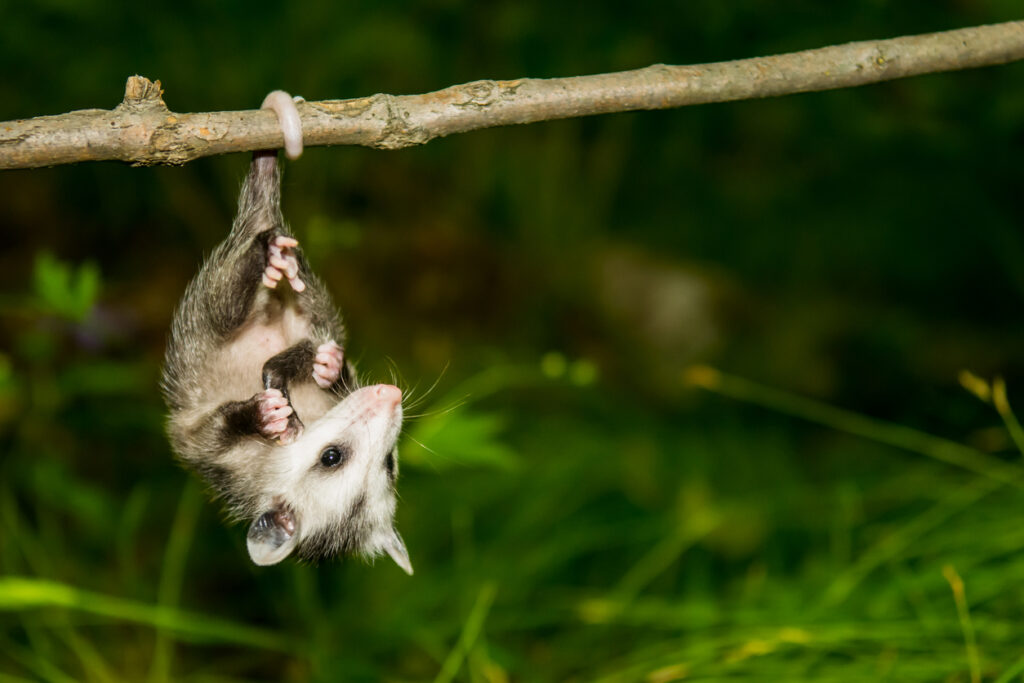
These shy marsupials are often mistaken for rats and treated as pests, yet they’re harmless and incredibly useful. They eat ticks, snakes, and insects, keeping disease spread down in rural and suburban areas. Opossums rarely carry rabies and don’t destroy property. They’re gentle scavengers that quietly help clean up the environment, yet they’re often chased away simply because of how they look.
19. Seals aren’t lazy beach dwellers.
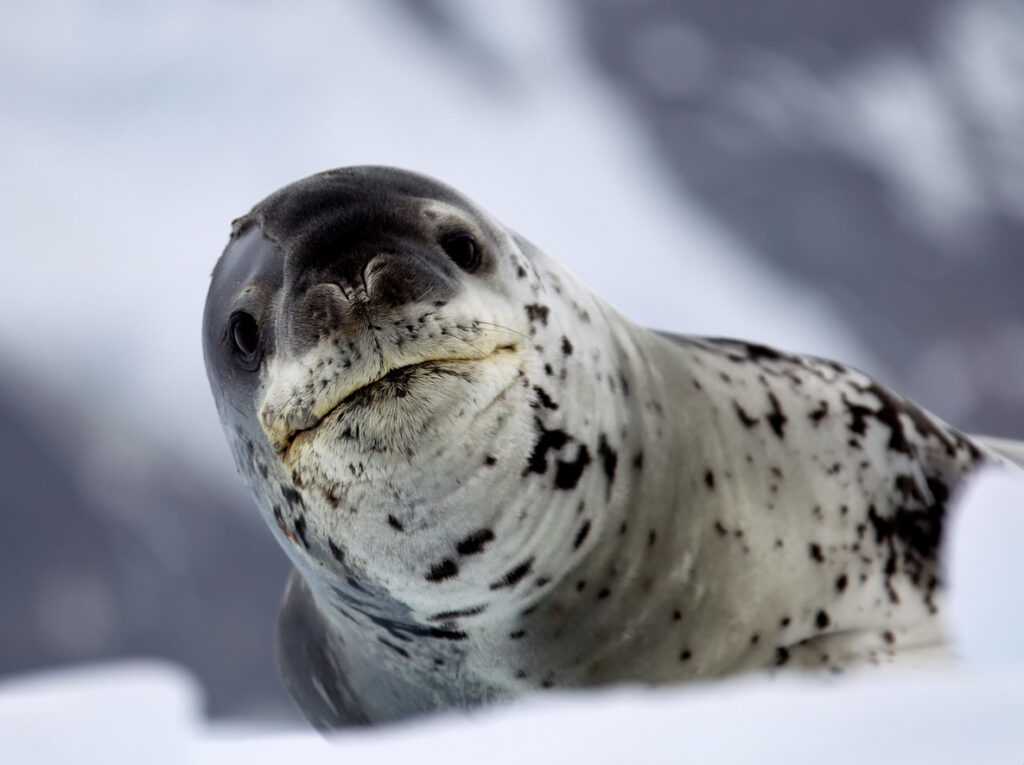
When seals haul out on shore to rest, they’re not being idle; they’re recovering from long dives and icy swims that would exhaust most creatures. They’re athletes taking a breather, not freeloaders enjoying sunbathing sessions. Seals are intelligent, social, and playful animals that contribute to healthy marine ecosystems. Their relaxed look hides a demanding life spent in harsh conditions that require incredible endurance.
20. Black cats aren’t unlucky.
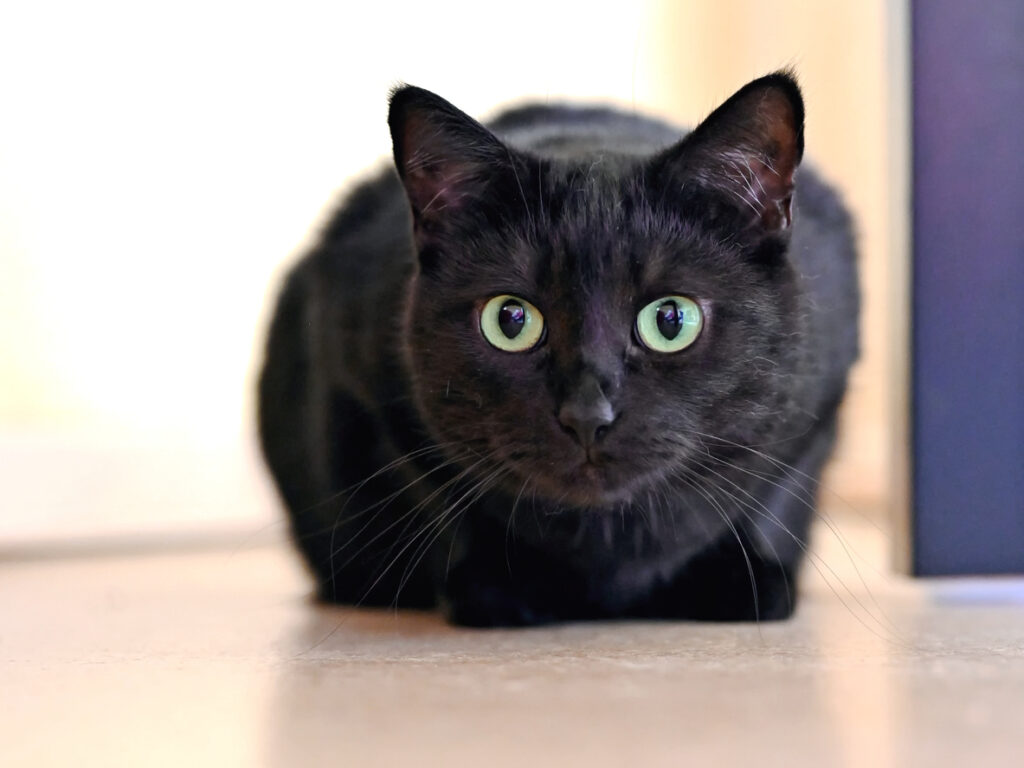
Superstition turned black cats into symbols of bad luck, but their only crime is having dark fur. In many cultures, they were once seen as protectors or symbols of good fortune before myths took hold. They’re no different from any other cats: affectionate, loyal, and full of personality. Every time one is adopted, another old superstition fades away, giving these beautiful animals the reputation they always deserved.