Sloths have become the poster animals for slowness, moving at a leisurely 0.27 kilometres per hour through the canopy.
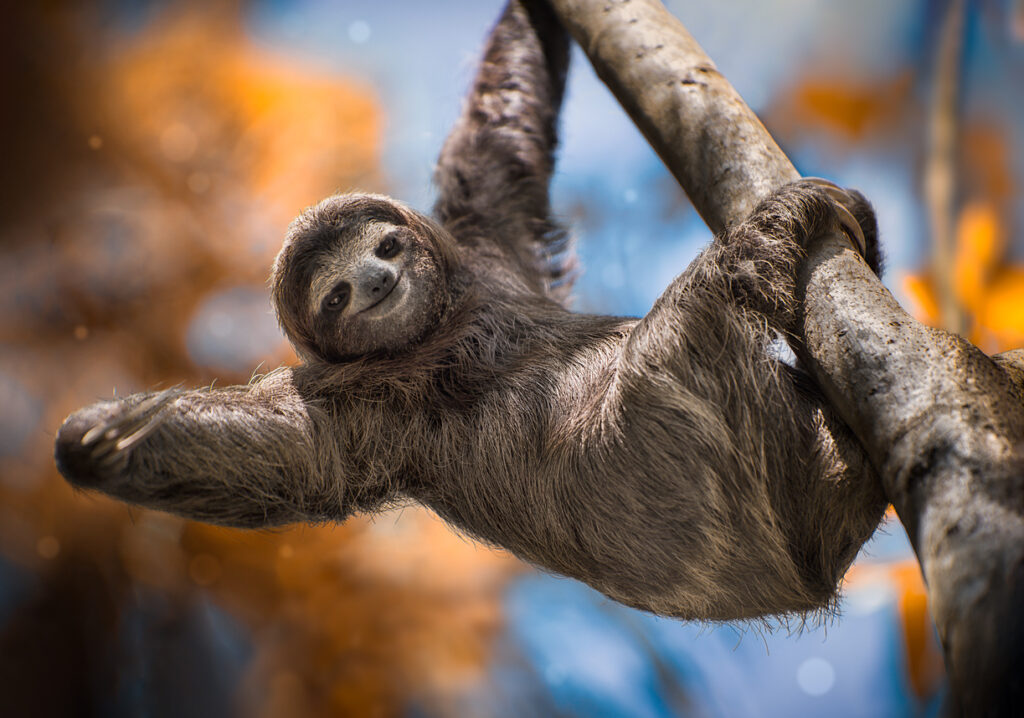
However, they’re practically sprinting compared to some creatures who’ve taken the concept of slow living to extraordinary extremes. These animals make sloths look positively energetic, proving that in nature, sometimes the absolute slowest strategy is the one that works best for survival. Here are just some of the slow pokes you probably never consider.
1. Garden snails
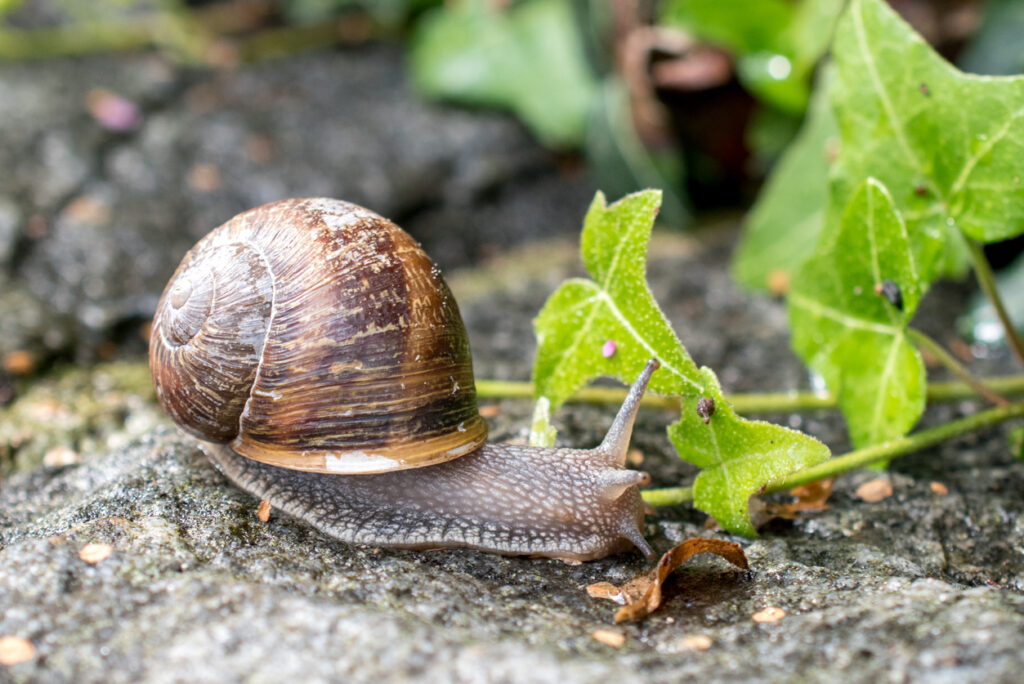
You’ve watched snails crossing pavements and assumed they were slow, but you probably didn’t realise they’re moving at roughly 0.05 kilometres per hour, making sloths look like racing cars by comparison. A snail would take nearly 21 hours to travel a single kilometre, and that’s if it didn’t stop for the lengthy breaks they frequently take.
That’s why snail racing exists as a “sport” where the excitement comes entirely from how painfully slowly the competitors move. The world record holder covered 33 centimetres in two minutes, which tells you everything about how glacially these creatures operate.
2. Starfish
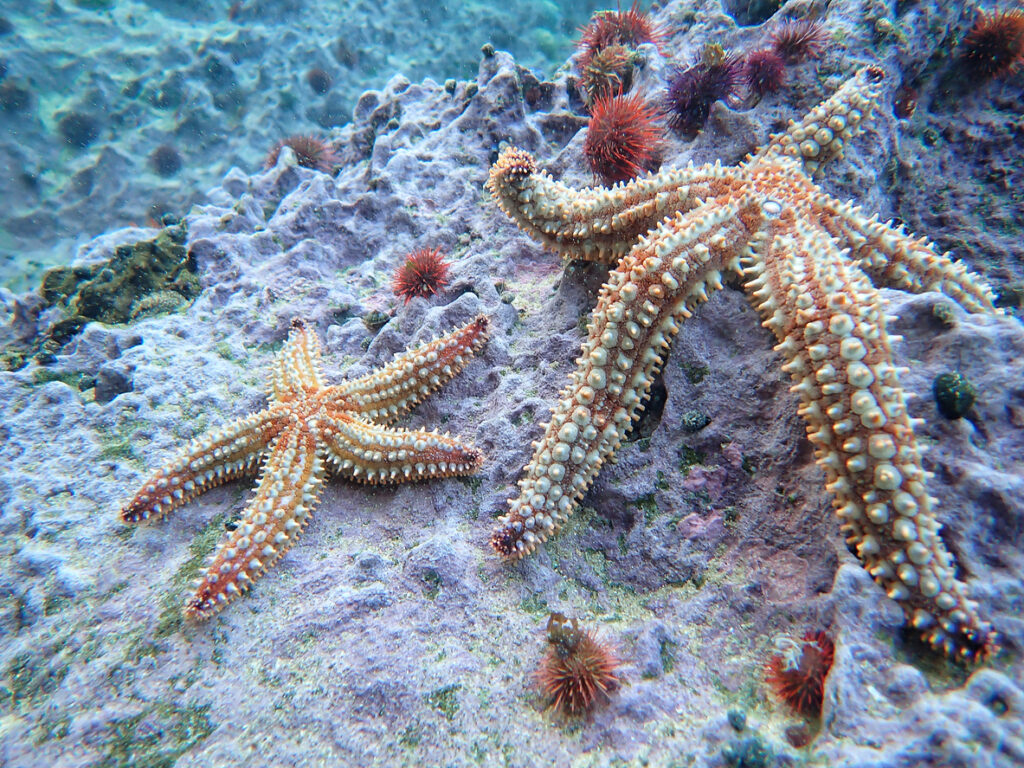
They look stationary most of the time, and there’s a reason for that. Starfish move at approximately 0.09 kilometres per hour, using hundreds of tiny tube feet to inch across the ocean floor. You could literally watch one for an hour and struggle to see it’s moved at all, yet they’re effective predators despite being slower than nearly everything they hunt.
Their prey strategy works through persistence rather than speed. They simply don’t give up, slowly prising open shellfish over hours or days until exhaustion wins where velocity never could.
3. Sea horses

They’re upright, peculiar-looking fish that move at around 0.015 kilometres per hour, making them the slowest-moving fish in the ocean. Their inefficient swimming method, courtesy of a rigid body and tiny dorsal fin doing all the work, means they’re essentially drifting with intent rather than actually swimming with any purpose or speed.
Seahorses anchor themselves to seaweed with their prehensile tails. Moving is so exhausting and unproductive that staying still and waiting for food to drift past is genuinely their best strategy for survival.
4. Koalas
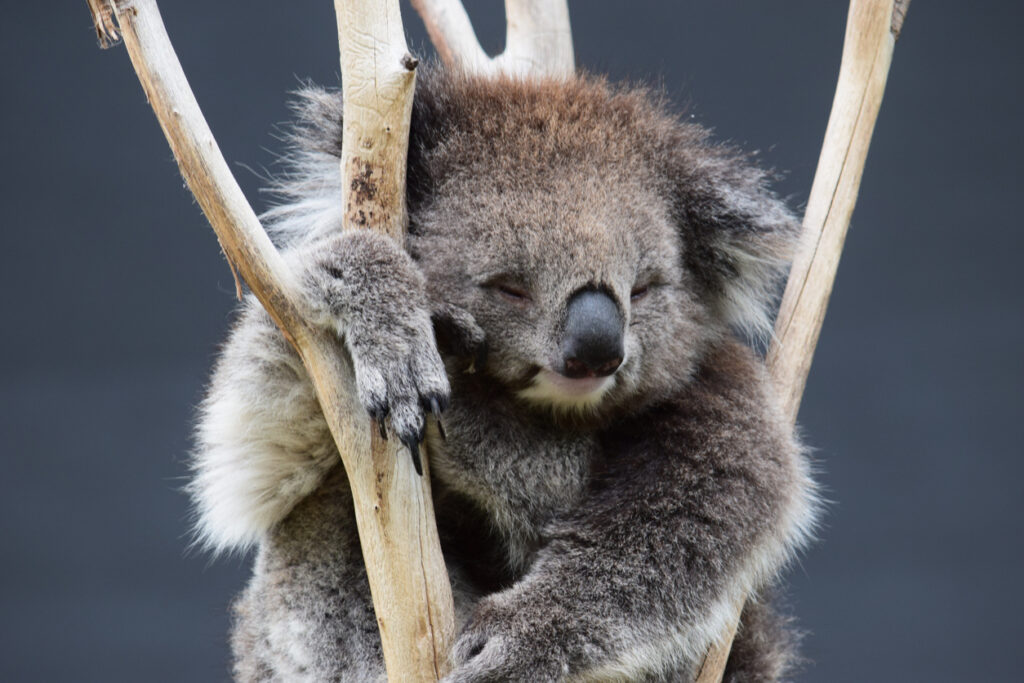
They sleep 18 to 22 hours daily, and when they’re awake, they move at roughly 0.36 kilometres per hour, barely faster than sloths. Their eucalyptus diet provides so little energy that conserving every possible calorie through minimal movement isn’t laziness, it’s metabolic necessity. They literally cannot afford to move quickly without starving.
As you know, koalas often look half-asleep, even when their eyes are open. Their entire existence is calibrated for minimum energy expenditure because their food source is nutritionally useless, making speed a luxury their metabolism simply can’t support.
5. Giant tortoises
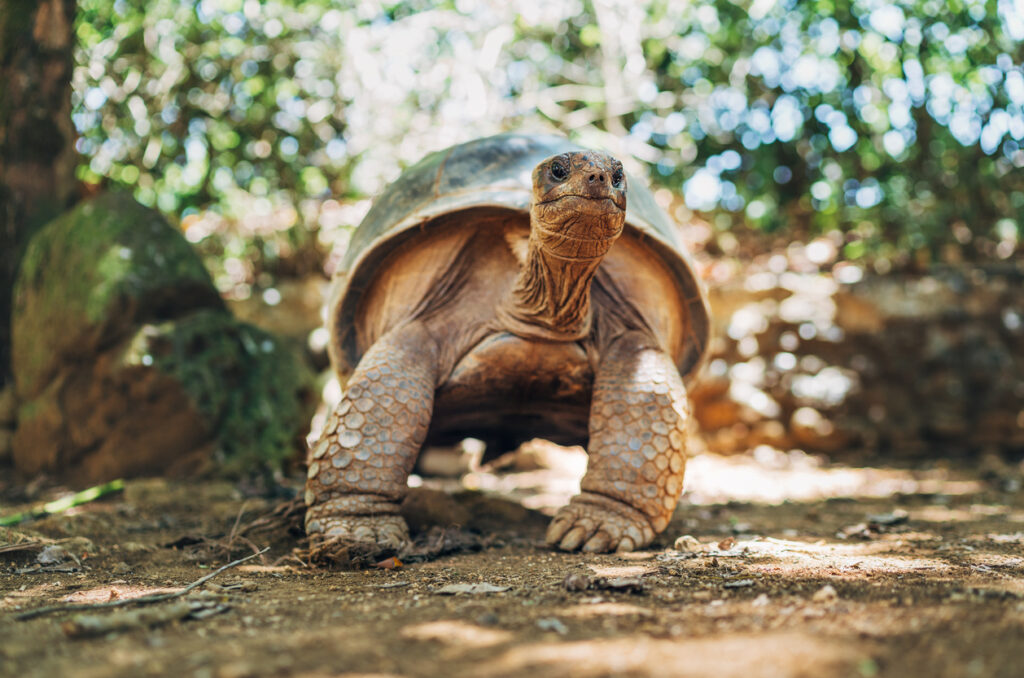
They’re famous for longevity and famously terrible at speed, managing roughly 0.3 kilometres per hour when they’re really pushing it. Most of the time they’re considerably slower, and given some live past 150 years, they’ve clearly decided that rushing anywhere is completely unnecessary for survival.
This is why “slow and steady wins the race” became associated with tortoises. They’ve perfected the art of getting nowhere fast whilst somehow thriving for over a century, proving speed is overrated when you’re practically indestructible.
6. Manatees
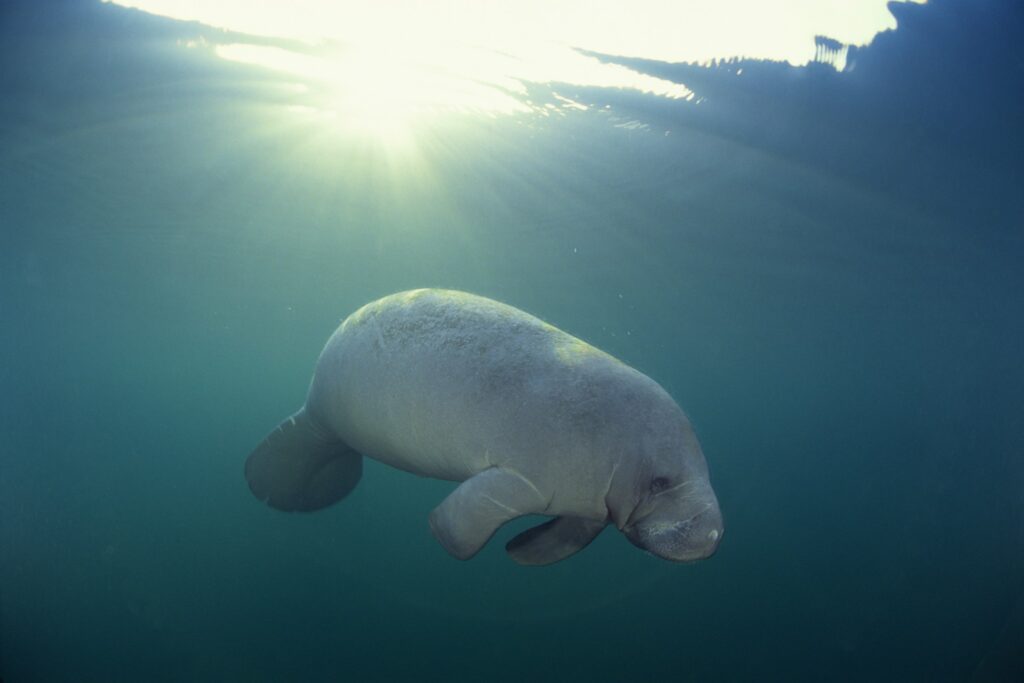
They’re often called sea cows, and like cows, they’re in absolutely no hurry to get anywhere. Manatees cruise at about 0.3 to 0.8 kilometres per hour, spending most of their time grazing underwater vegetation and floating about with the urgency of a deflating balloon. They can manage brief bursts up to 30 kilometres per hour when threatened, but mostly they can’t be bothered.
Boat strikes are a massive problem for manatees because of this. They’re simply too slow to get out of the way even when they see danger coming, their relaxed pace making them vulnerable to threats they could theoretically escape if they maintained any sense of urgency.
7. Gila monsters
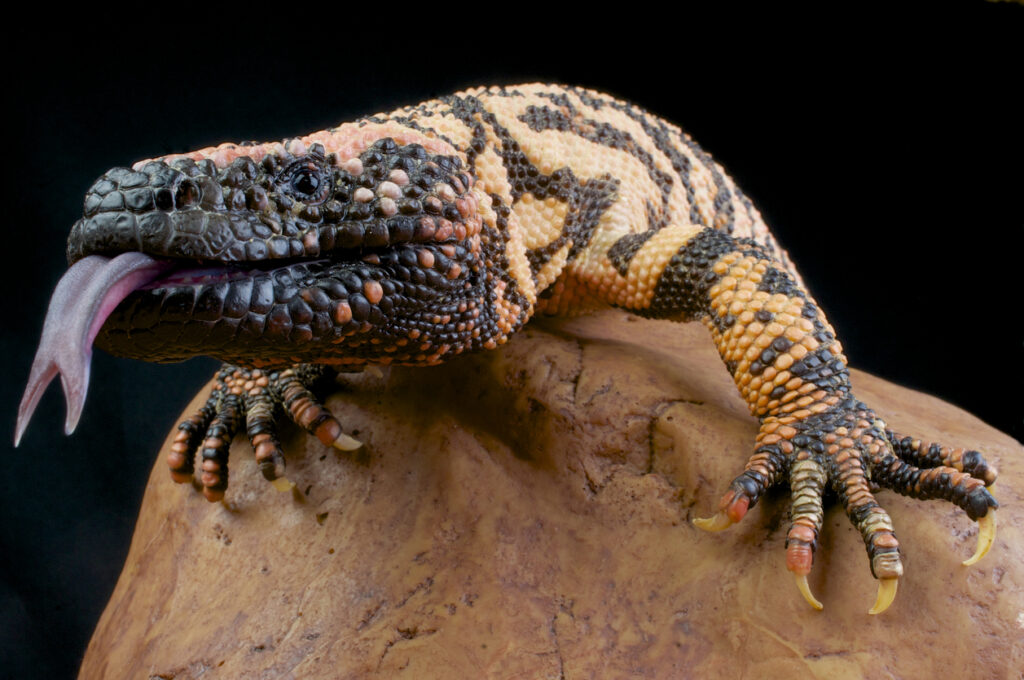
These venomous lizards move at roughly 0.7 kilometres per hour, which sounds faster than it is when you’re a predator trying to catch prey. They compensate for their pathetic speed with powerful venom and exceptional patience, waiting near burrows for hours until something edible wanders close enough that even they can catch it.
Impressively, Gila monsters can survive on just three or four meals annually. They’re so slow that frequent eating would require energy they don’t have, so they’ve adapted to store fat and survive extended periods between the rare occasions they successfully catch something.
8. Banana slugs
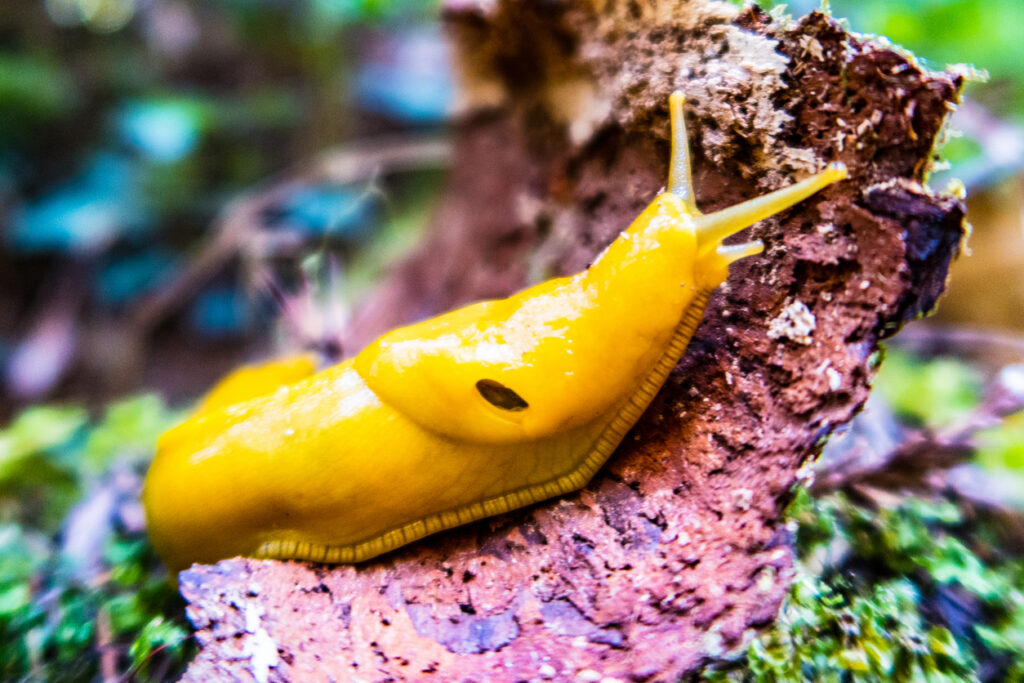
They’re even slower than their shelled snail relatives, moving at approximately 0.03 kilometres per hour, making them one of the slowest creatures on land. Watching paint dry is genuinely more dynamic than observing a banana slug’s progress across a forest floor, yet they thrive in Pacific Northwest forests despite being laughably easy for anything to catch.
It explains why banana slugs are so slimy. That mucus is toxic enough that most predators won’t eat them, meaning their complete lack of speed doesn’t matter because nothing wants to eat something that tastes that revolting anyway.
9. Loris

These primates are nocturnal and move with such deliberate slowness that they appear to be in slow motion even when they’re supposedly hunting. Managing about 0.18 kilometres per hour, their strategy involves being so slow and quiet that prey doesn’t register them as a threat until it’s too late, turning their lack of speed into a predatory advantage.
As a result, loris movements look almost hypnotic. That eerie, deliberate pace isn’t caution, it’s their hunting technique, allowing them to get close enough to grab insects and small animals who don’t perceive something moving that slowly as dangerous.
10. Sea anemones
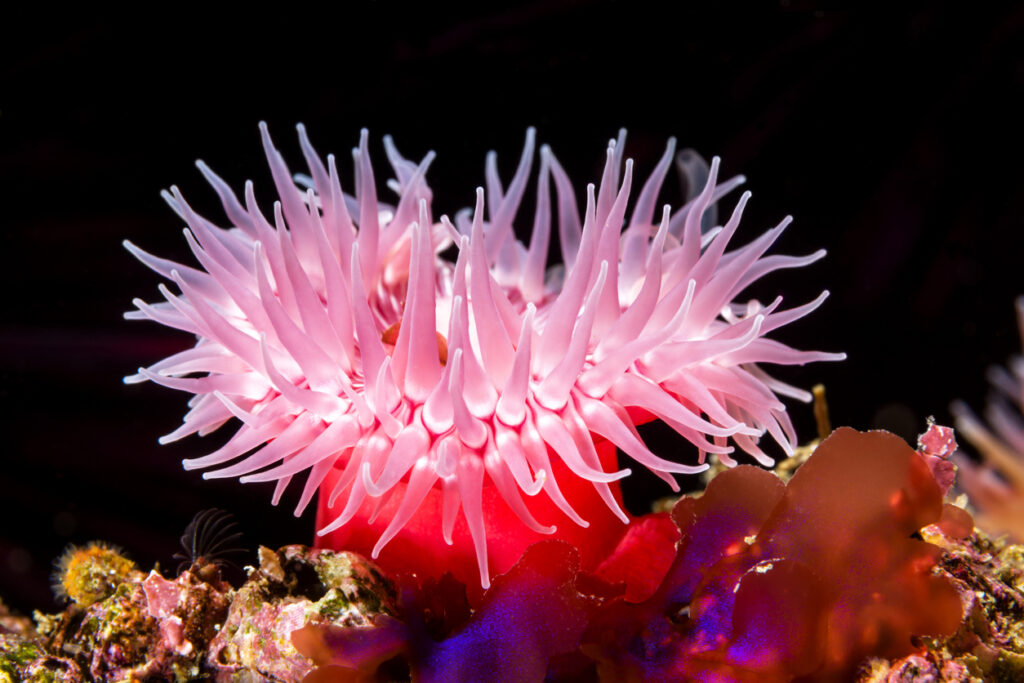
They look like plants, but they’re animals, and they move at roughly 0.01 kilometres per hour when they move at all. Most spend their entire lives in one spot, occasionally relocating when conditions become intolerable, but that relocation might take several days to cover a few metres. Calling them slow is generous when stationary describes most of their existence.
Sea anemones rely on stinging tentacles rather than chasing prey. When you’re essentially immobile, the only viable hunting strategy is making everything that touches you regret it whilst waiting for food to literally swim into your mouth.
11. Greenland sharks
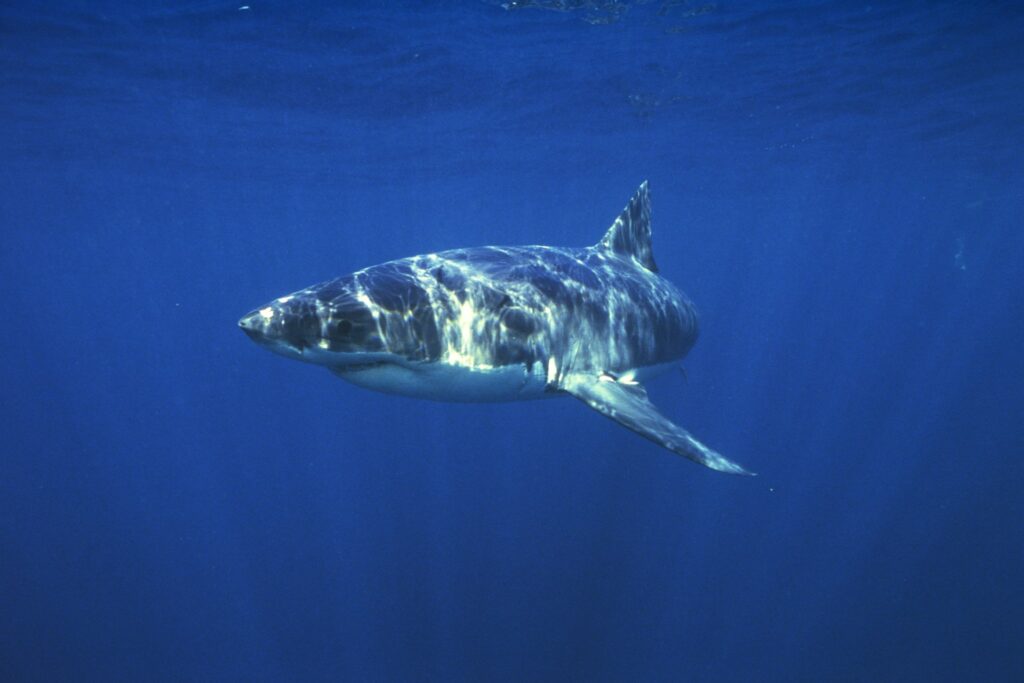
They cruise the Arctic depths at approximately 0.76 kilometres per hour, making them the slowest-moving sharks and one of the most lethargic predators in the ocean. They live potentially 400 years or more, suggesting that taking your time is a legitimate life strategy when you’ve got centuries to get things done and the cold Arctic water suppresses your metabolism.
Greenland sharks mostly scavenge despite being predators. Catching live prey when you move this slowly is nearly impossible, so they’ve adapted to eating carrion and ambushing sleeping seals, who don’t realise a shark this slow could possibly be a threat.
12. Glass sponges

They’re technically animals, not plants, but calling them slow is meaningless when they don’t move at all. Living attached to the seafloor for potentially 15,000 years or more, they filter feed by simply existing whilst water flows through them. If you’re measuring movement in geological time rather than hours or days, you’ve achieved a level of slowness that makes every other creature on this list look positively hyperactive.
It explains why glass sponges are sometimes called living fossils. They’re so slow and unchanging that specimens alive today have been filtering the same patch of ocean floor since before human civilisation began, proving that sometimes the best survival strategy is not moving at all.