You’ve spotted a pregnant stray and your heart’s gone out to her, but bringing her inside isn’t as straightforward as offering food and a warm bed.
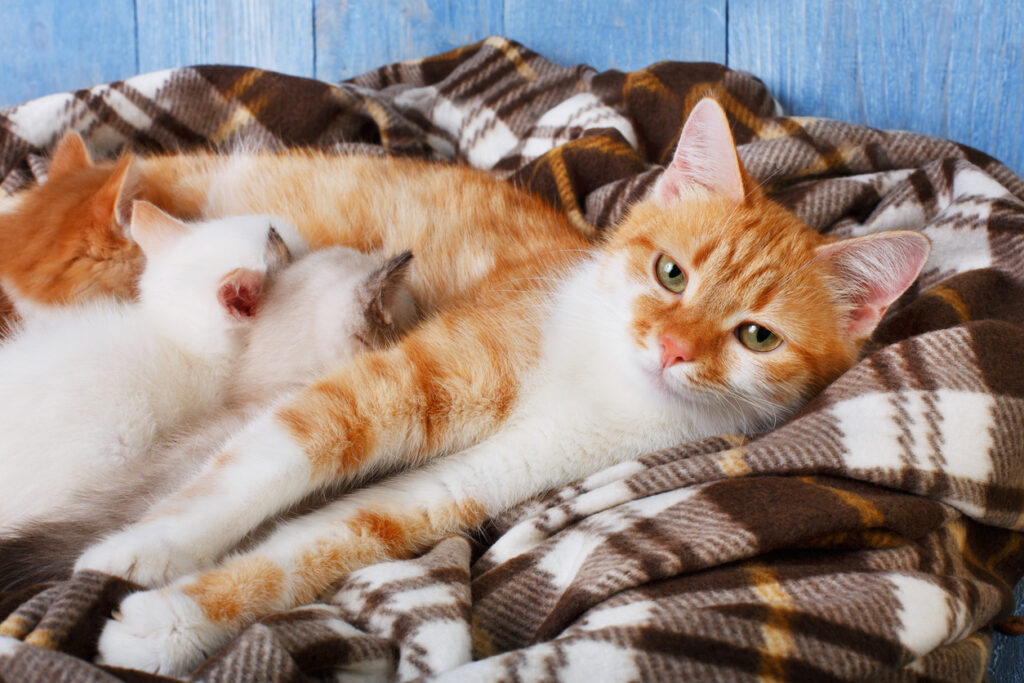
Pregnant cats have specific needs that differ dramatically from other rescues, and getting it wrong can stress her enough to abandon her kittens or become aggressive. Understanding what you’re taking on before you commit can mean the difference between a successful rescue and a dangerous situation for everyone involved.
She might be feral, not just stray.

There’s a crucial difference between a stray cat who once had a home and a feral cat who’s never been socialised to humans. A pregnant feral won’t suddenly become friendly because you’re helping her, she’ll be terrified, defensive, and potentially aggressive when cornered indoors. You’re expecting gratitude but getting hissing, scratching, and a cat who’s now trapped in an environment that feels threatening rather than safe.
You need to assess her behaviour before bringing her inside. If she won’t let you within several feet, won’t make eye contact, or shows extreme fear responses, she’s likely feral and would be better served by an outdoor shelter and TNR support rather than indoor confinement during her most vulnerable time.
She needs a vet check immediately, not after she gives birth.
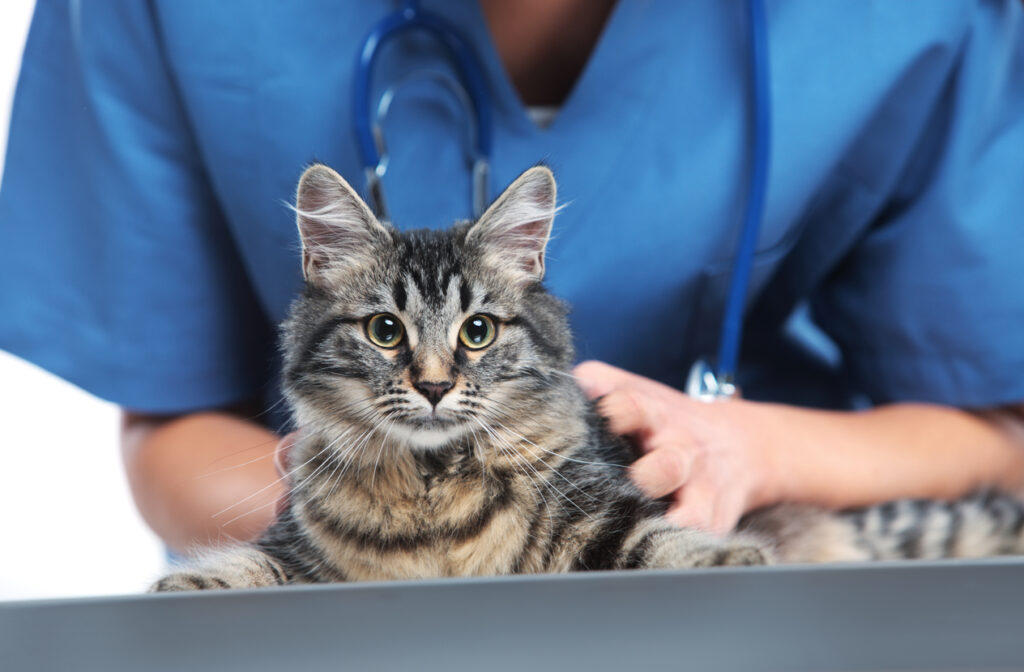
You’re worried about stressing her with a vet visit whilst she’s pregnant, but parasites, infections, or diseases she’s carrying pose serious risks to her and her kittens. FIV, FeLV, and other conditions are common in strays and can be fatal to newborns. Waiting until after birth means potentially losing the entire litter to preventable conditions you didn’t know she had.
The vet visit can’t wait. A pregnant cat health check is gentle and necessary, establishing whether she’s healthy enough to carry to term safely and identifying any issues that need addressing before she gives birth in your home.
She’ll choose her own nesting spot, and it won’t be the one you prepared.
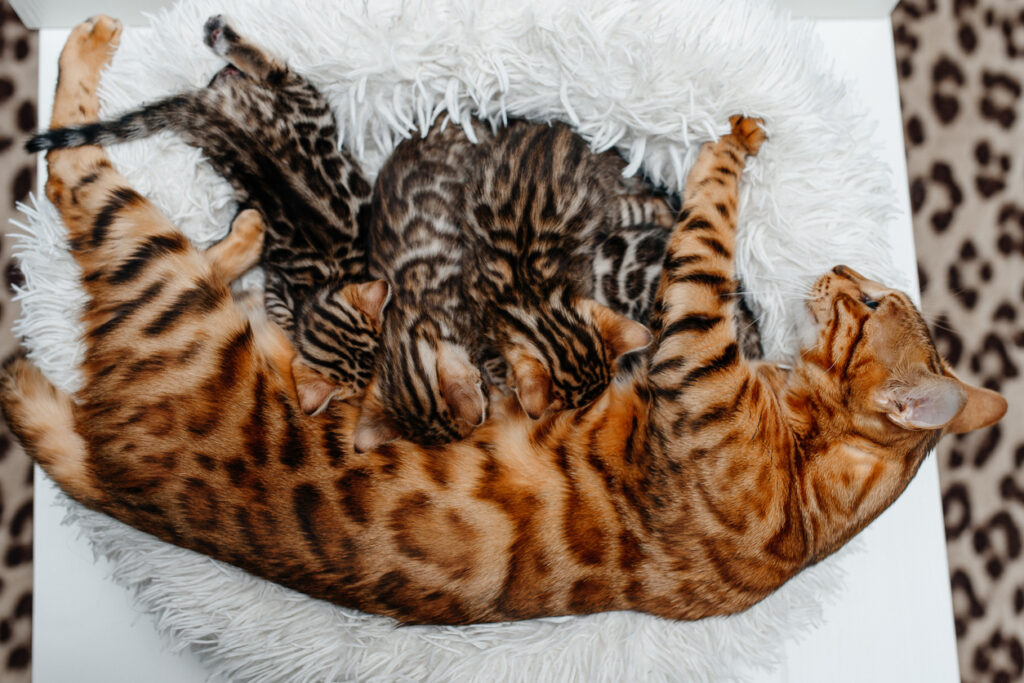
You’ve set up a perfect birthing box in a quiet room, but she’s decided the back of your wardrobe or under your bed is safer. You can’t force a pregnant cat to use your chosen location, and attempting to move her once she’s nested will cause enormous stress. She’s operating on instinct that prioritises concealment and security over your preferences.
Because of this, you need to offer multiple nesting options in different locations and let her decide. Place boxes or crates with soft bedding in several quiet, dark spots around your home, then accept whichever one she picks, even if it’s inconvenient for you.
The birth might happen faster than you can get help.
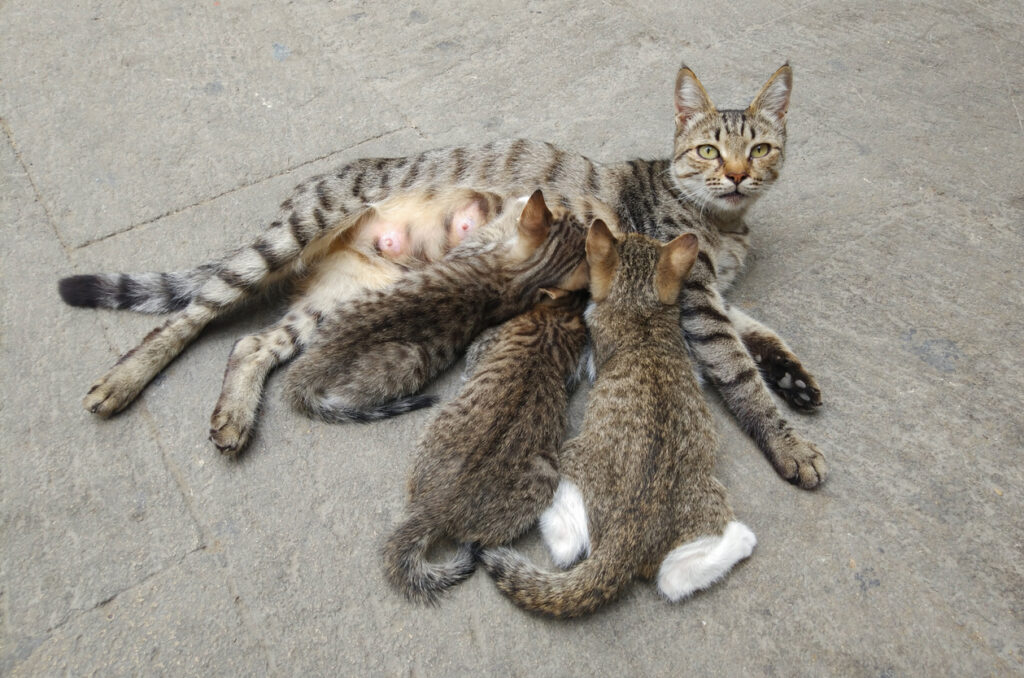
You’re planning to monitor her closely and call the vet at the first sign of labour, but cat births typically happen quickly and often at night when emergency vet access is complicated. First-time rescuers panic when labour starts because they don’t know what’s normal, leading to unnecessary intervention that stresses the mother or, worse, missing actual complications because they don’t know what to watch for.
You need to educate yourself on normal feline birth before labour starts. Know what healthy progression looks like, what constitutes an emergency, and have an emergency vet number ready, but understand that most births proceed without issue if you don’t interfere.
You’re committing to multiple cats, not one.
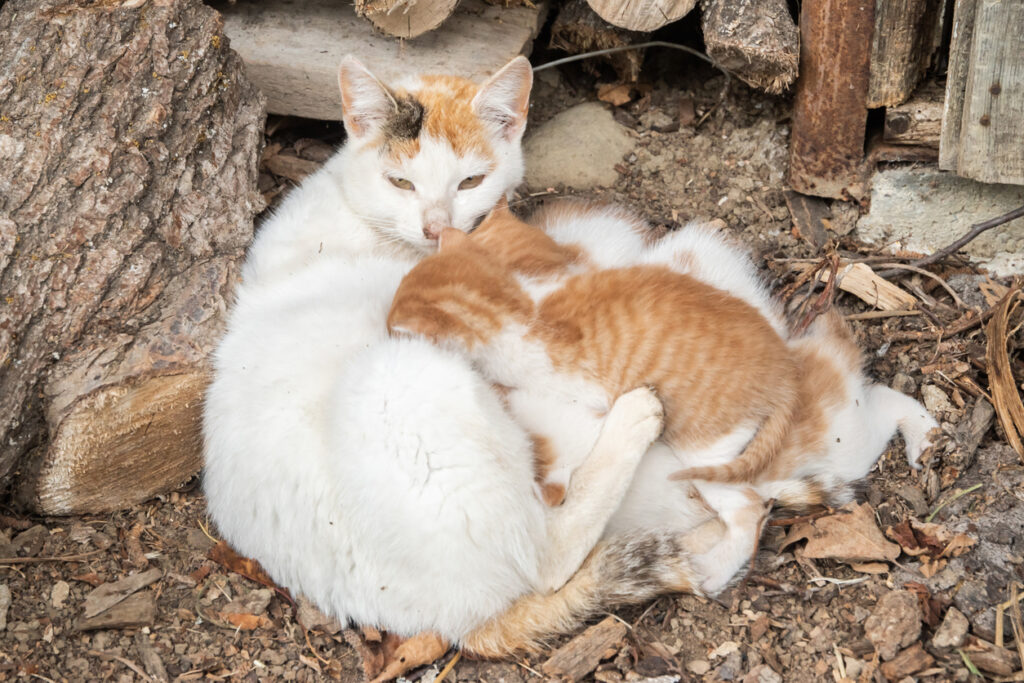
You thought you were rescuing a pregnant cat, but you’re actually taking on a mother plus potentially four to six kittens who’ll need homes, socialisation, and veterinary care. That’s a minimum eight-week commitment even if you plan to rehome them, and finding good homes for multiple kittens is significantly harder than people anticipate. You’re now responsible for seven lives, not one.
You need a plan before she gives birth. Contact local rescues about fostering support, research kitten socialisation requirements, budget for multiple vet visits including spaying and neutering, and honestly assess whether you can manage the time, money, and emotional investment required.
She might reject or harm her kittens.
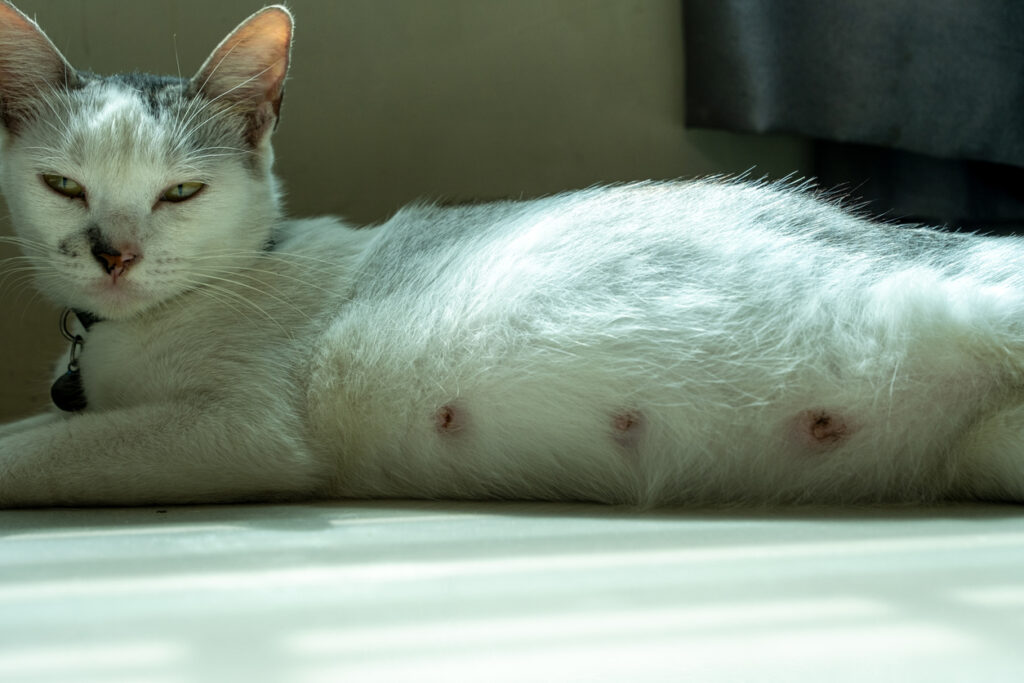
You’re expecting maternal instinct to automatically kick in, but young mothers, stressed mothers, or mothers with health issues sometimes reject kittens or fail to care for them properly. You might find yourself hand-feeding newborns every two hours, stimulating them to eliminate, and keeping them warm because mum isn’t doing her job. This isn’t cruelty, it’s a survival response when resources or health are compromised.
You need to monitor the first 48 hours closely. If she’s not nursing all kittens, seems confused about what to do, or is actively rejecting them, you’ll need to intervene immediately with supplemental feeding and potentially foster the litter whilst treating her.
Your existing pets are now at risk.
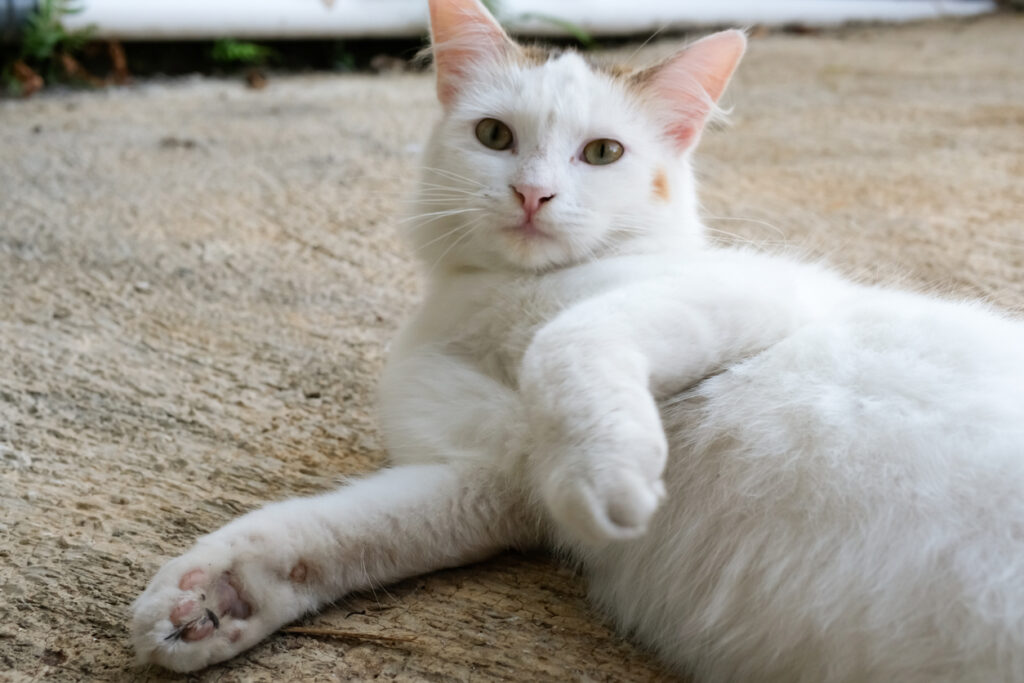
You’ve brought her in without quarantine because she’s pregnant and needs immediate help, but any diseases she’s carrying are now potentially spreading to your resident cats or dogs. Respiratory infections, parasites, ringworm, and more serious conditions like FeLV can transfer quickly in shared spaces, putting your existing pets at risk you didn’t anticipate.
Quarantine isn’t optional, even for pregnant strays. Set up a completely separate space with its own litter tray, food bowls, and bedding, wash your hands thoroughly between handling her and your pets, and keep her isolated until vet checks confirm she’s not carrying anything contagious.
The kittens will need socialisation you might not be equipped to provide.

You think kittens naturally grow up friendly, but without proper human socialisation between two and seven weeks, they can become feral themselves even if born indoors. If mum is feral or semi-feral, she’ll teach them to fear humans, and you’ll find yourself with multiple unsocialisable cats who can’t be rehomed as pets. The window for socialisation is brief and critical.
You should start handling kittens from around two weeks old. Daily gentle interaction, despite mum’s potential objections, is essential for creating adoptable kittens rather than adding to the feral population you were trying to help.
She needs significantly more food than a normal cat.
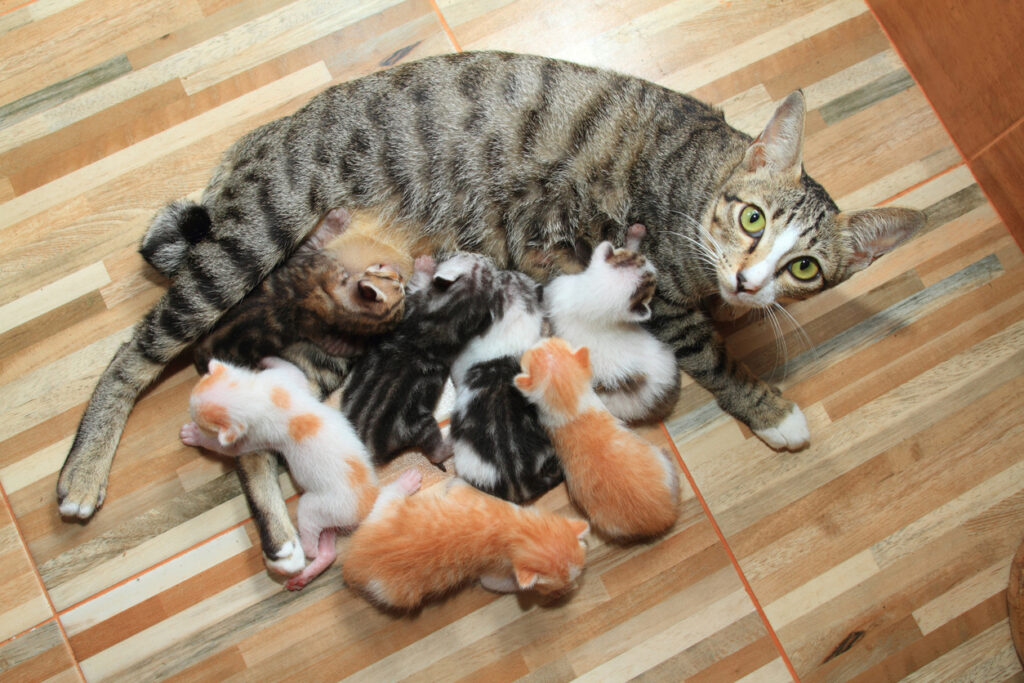
You’re feeding her regular portions, but a pregnant and nursing cat needs up to three times her normal food intake to sustain herself and her litter. Underfeeding leads to malnourishment affecting milk production, weak kittens, and a mother who’s depleting her own body to feed her babies. The food bill you anticipated is completely inadequate for what she actually requires.
Free-feeding high-quality kitten food is essential throughout pregnancy and nursing. She needs constant access to calorie-dense nutrition, not measured meals, and attempting to control her intake will compromise her health and her kittens’ development.
You’re looking at significant expense beyond the initial rescue.
You’ve budgeted for some food and maybe a vet visit, but the actual cost of properly caring for a mother cat and litter includes multiple vet appointments, vaccinations for all kittens, spaying mum after weaning, neutering any males in the litter, potential emergency care if birth complications arise, and weeks of quality food. You’re looking at hundreds of pounds minimum, possibly over a thousand if complications occur.
This is why you need to honestly assess your financial capacity before committing. If the potential costs will strain you significantly, contact rescue organisations who can take her and provide the level of care she needs without putting you in financial difficulty. Helping means ensuring she gets proper care, not necessarily providing it yourself if you’re not equipped to do so.