Astronomers have long known that Venus hides more than its thick clouds let on, but recent discoveries suggest something even more intriguing, and potentially dangerous.

Scientists now believe there may be asteroids orbiting the Sun close to Venus, hidden in regions of space that are almost impossible to observe from Earth. These so-called “invisible” asteroids don’t stay neatly in one place. Their paths can change over time, and a few could eventually be nudged onto trajectories that cross our planet’s orbit. It’s a chilling reminder that even with all our technology, parts of the solar system remain largely unexplored, and that the next cosmic threat might already be circling, quietly out of view.
Venus might be hiding a secret swarm of asteroids.
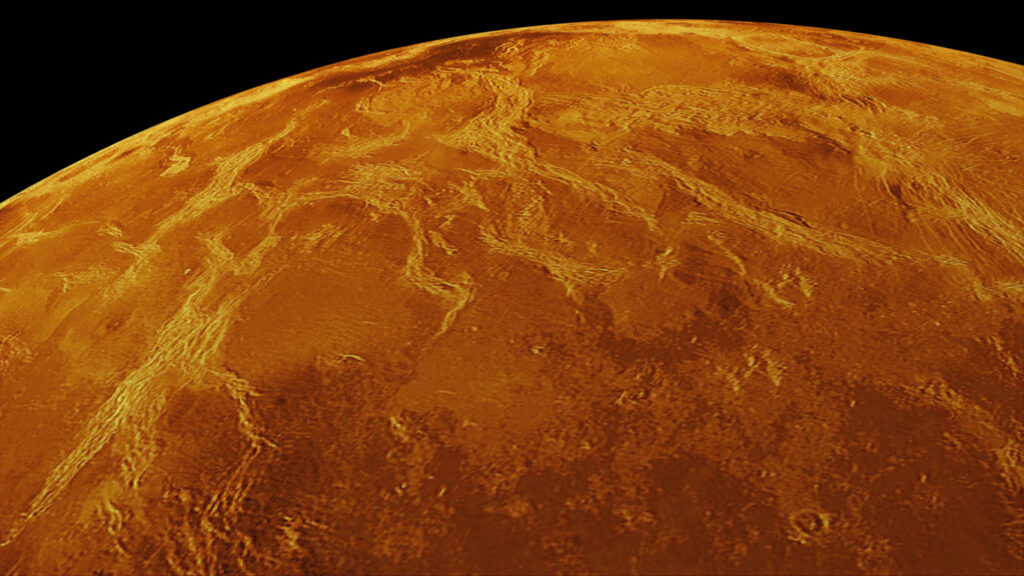
Venus shares its orbit with small groups of asteroids that circle the Sun at roughly the same speed it does. They’re known as co-orbitals, and some have been there for millions of years, following paths that mirror Venus’s own journey.
Because of how close these asteroids travel to the Sun, they’ve stayed mostly hidden from view. Most of our telescopes simply can’t look that far into the solar glare, which means we’ve likely seen only a tiny fraction of what’s really there.
These asteroids are almost impossible to spot from Earth.
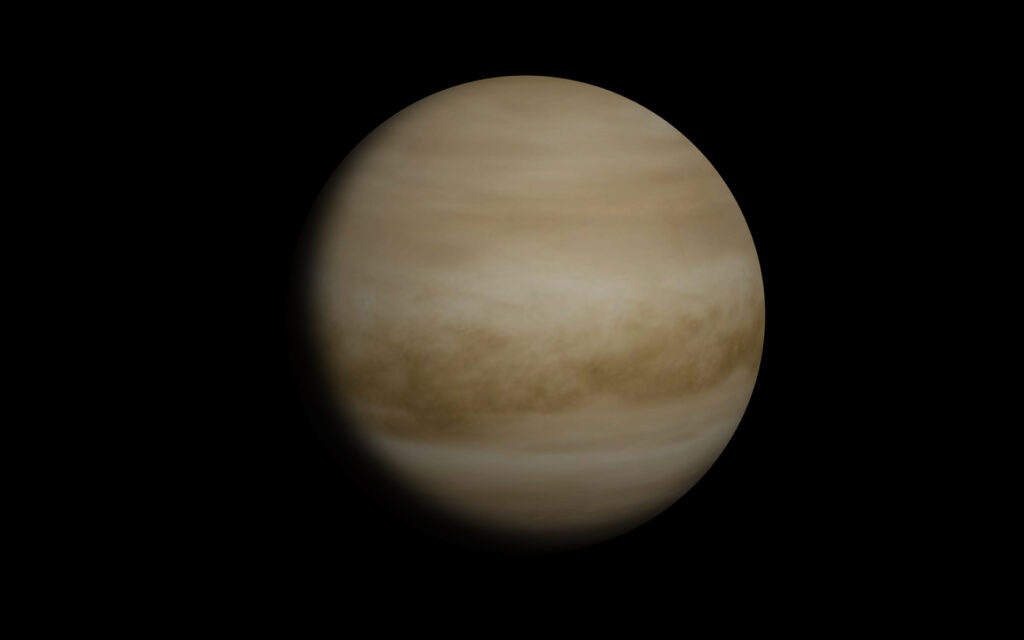
Spotting them is a technical nightmare. From our perspective, they stay in the part of the sky that’s flooded with sunlight, where normal observatories can’t safely point their instruments. Even large space telescopes struggle when brightness overwhelms the sensors.
That’s why researchers suspect a huge unseen population could exist. They call them “invisible asteroids” not because they’re literally unseen, but because we’ve never had the right tools to find them in the glare of the Sun until now.
Some could eventually cross paths with Earth.
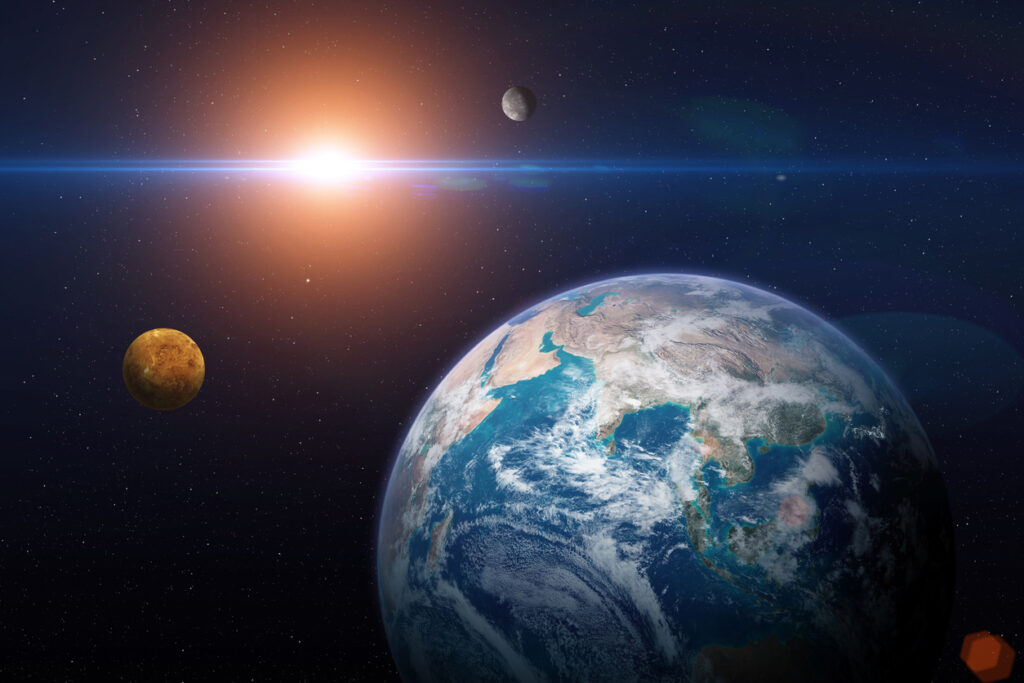
Venus’s gravitational pull helps keep most of these asteroids steady, but over time, the balance can shift. Small nudges from other planets or the Sun’s radiation can gradually push them off their stable routes and into different orbits.
That’s where the potential danger lies. A few of these drifting rocks could slowly migrate toward Earth’s path, increasing the risk of an eventual collision. It’s a slow process, but one scientists are keen to understand before it becomes a surprise.
Their orbits are unstable and unpredictable.
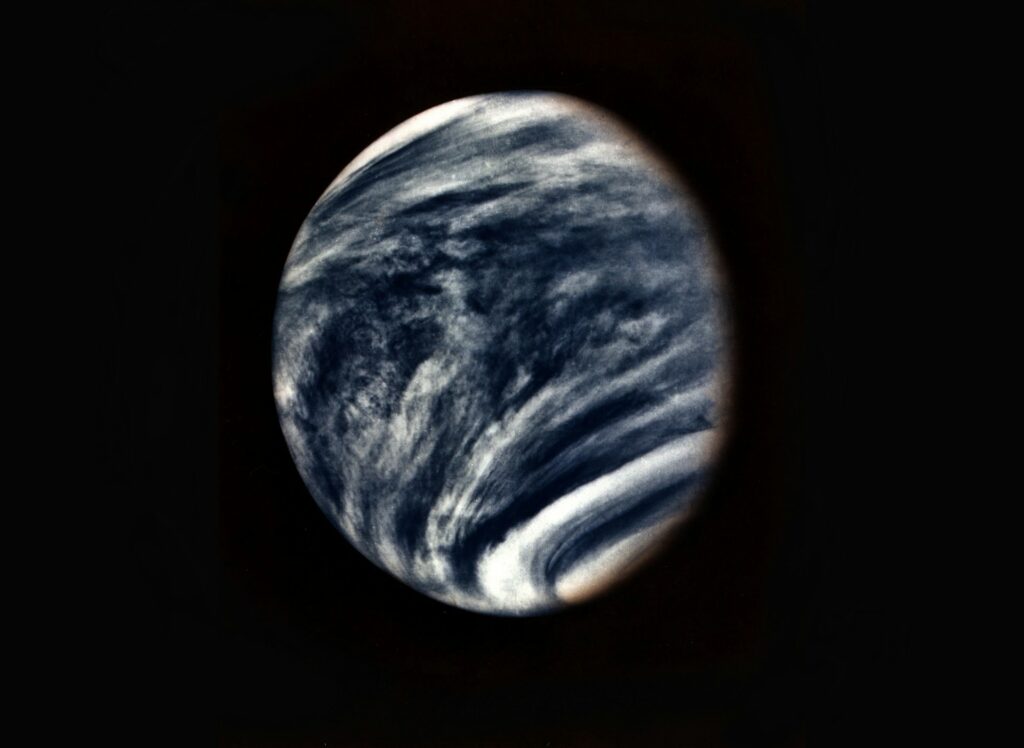
Venus co-orbitals move through a chaotic part of the inner solar system. They’re pulled by the gravity of Venus, Earth, and Mercury all at once, creating constant tiny changes in their speed and direction that are almost impossible to forecast long-term.
Even small changes in position can alter their path dramatically over centuries. Astronomers describe this as a kind of cosmic balancing act that’s delicate enough to change everything with the slightest gravitational nudge.
Some could be large enough to cause serious damage.
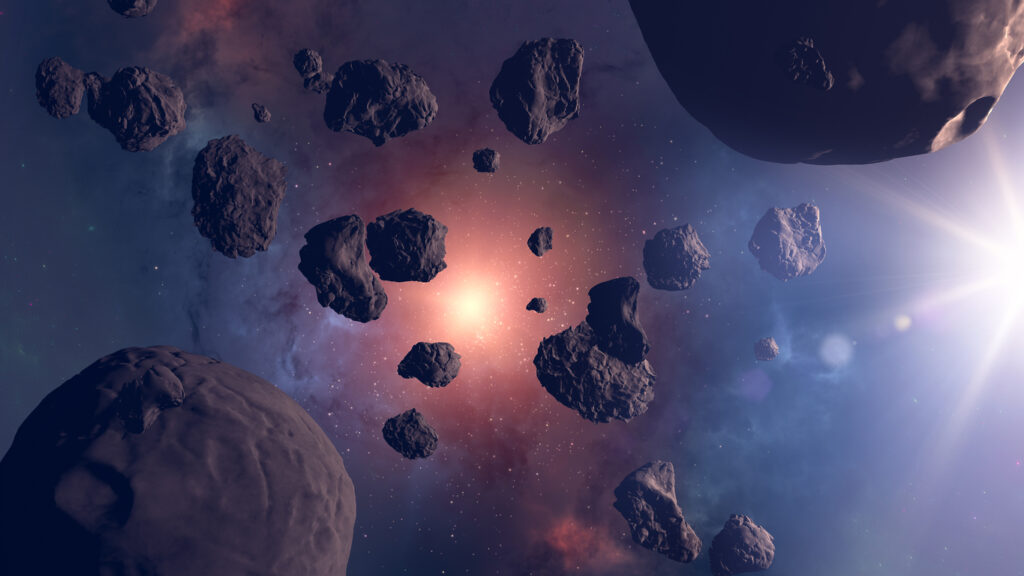
Early modelling suggests a few of these invisible asteroids might be hundreds of metres across, making them big enough to cause local or regional devastation if one ever hit Earth. They wouldn’t wipe out civilisation, but they could easily destroy a city.
While the odds of impact are low, the potential damage makes them worth tracking. A single asteroid of that size could release energy equivalent to many nuclear bombs, producing long-lasting environmental effects even from a relatively small strike.
The good news is there’s no immediate threat.
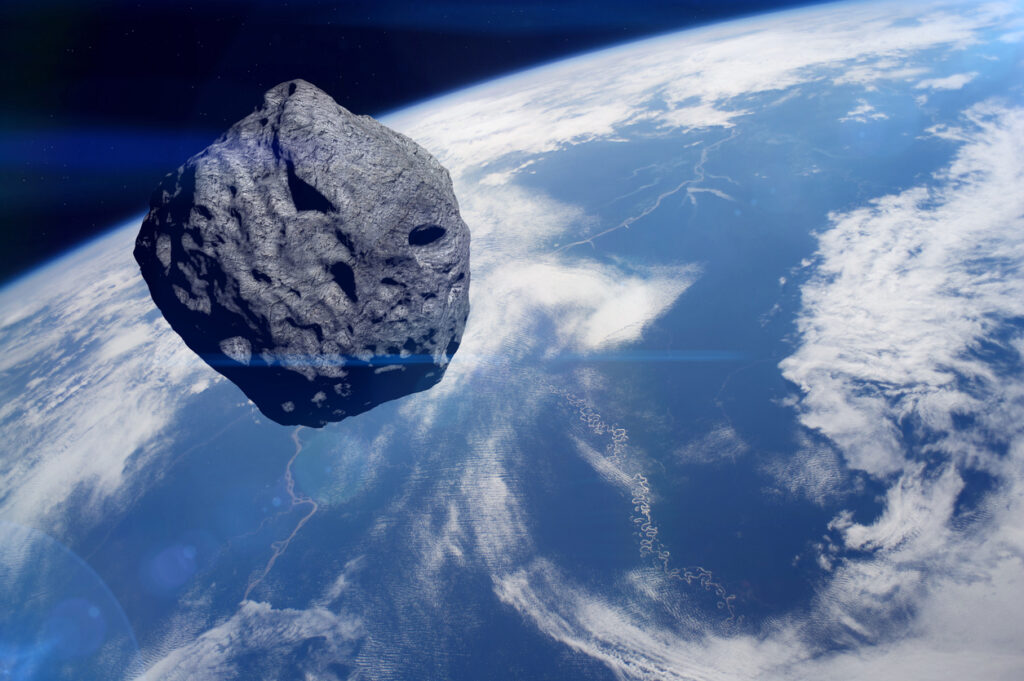
Despite the headlines, there’s no sign that any known Venus co-orbital is on course for Earth. These discoveries are more about awareness than alarm. The goal is to find and understand them now, while there’s still plenty of time to act.
What worries scientists most isn’t an incoming object, but the unknown. The fact that so many could exist without detection shows that our monitoring systems still have blind spots that need closing fast.
We may be vastly undercounting these hidden asteroids.
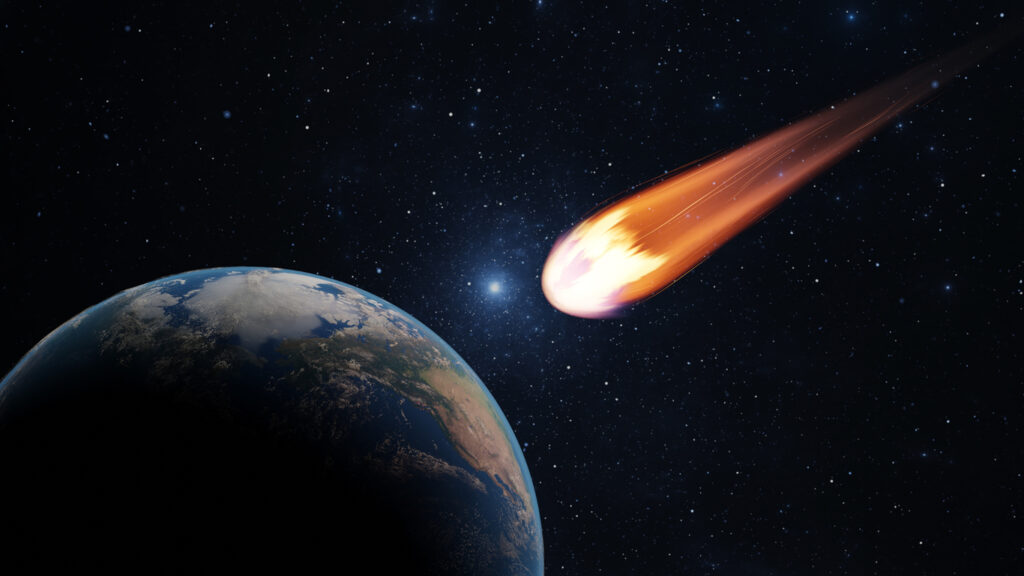
Right now, astronomers know of only about twenty Venus co-orbitals, but simulations suggest that could be just a small fraction of the total population. Many more likely orbit quietly within the glare, unseen by any telescope on Earth.
Because they move quickly and appear only briefly when visible, most will slip through observation windows entirely. That’s why experts believe we may be missing hundreds, if not thousands, of these faint travellers near the inner planets.
New detection technology could help reveal them.
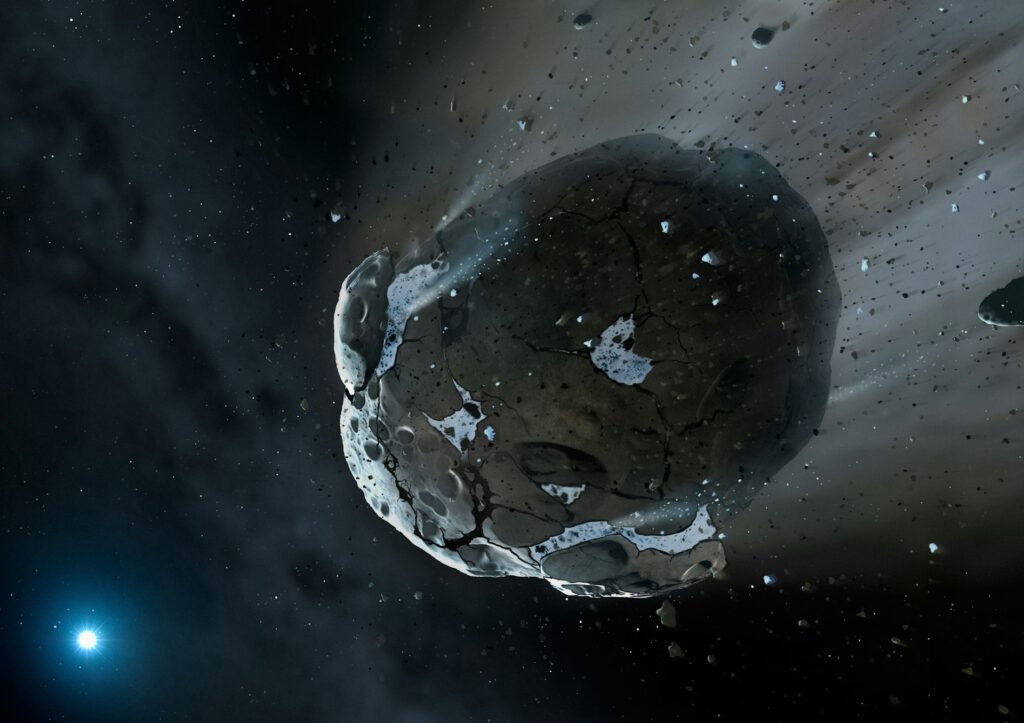
Space-based observatories are our best hope for tracking these elusive objects. Future missions positioned away from Earth’s line of sight, such as orbiters near Venus or telescopes trailing behind it, could scan regions we’ve never properly seen before.
Ground-based systems like the upcoming Vera Rubin Observatory might catch some too, though their viewing angles are limited. The key will be continuous monitoring from multiple positions so that these asteroids can’t stay hidden forever.
They highlight a major blind spot in planetary defence.

For all our progress in finding near-Earth objects, there’s still a part of the solar system we can’t watch properly. Anything orbiting close to the Sun has been practically invisible until recently, leaving a dangerous gap in our global defence network.
These Venus-tracking asteroids remind scientists that it’s not the known threats that are most concerning, but the ones we can’t yet see. Even one undetected rock on a changing path could become a problem with little warning.
Understanding them helps prepare for the future.
Every new discovery teaches us more about how small bodies move and evolve in the inner solar system. By studying how Venus’s co-orbitals behave, we can predict how other hidden populations might behave too, improving future early-warning systems.
While the idea of “invisible asteroids” sounds alarming, it’s actually a reminder of how far we’ve come in planetary science. We’re learning where to look, what to expect, and how to respond — long before any real danger appears.