Sleep might feel like one of life’s non-negotiables, but for some species, it’s almost an afterthought.
While humans need several hours of rest to function properly, many animals have evolved to get by on tiny naps, brief dozes, or split-second rests throughout the day. For them, staying alert can literally mean the difference between life and death.
These creatures have developed remarkable ways to keep their bodies and brains running on minimal shut-eye, from sleeping with one half of their brain awake to catching micro-naps mid-flight or underwater. It’s a fascinating glimpse into how nature adapts survival to circumstance, proving that sleep, for some species, isn’t a luxury at all, but a delicate balance between rest and survival.
1. Giraffes sleep for about 30 minutes a day

These tall creatures take short naps lasting just a few minutes at a time. They’ll doze standing up or occasionally lie down for really deep sleep. Being that massive and visible makes them easy targets for predators. They can’t afford to be unconscious for long, so they’ve adapted to survive on barely any rest at all.
2. Elephants might only get two hours if they’re lucky.

Wild elephants sleep far less than ones in captivity, sometimes going days without proper sleep. They’ll rest standing up and only lie down when they feel completely safe. Their size means they need loads of food, so they spend most of their time eating. Sleep gets squeezed into whatever time is left after finding enough vegetation to keep going.
3. Alpine swifts can fly for 200 days without landing.
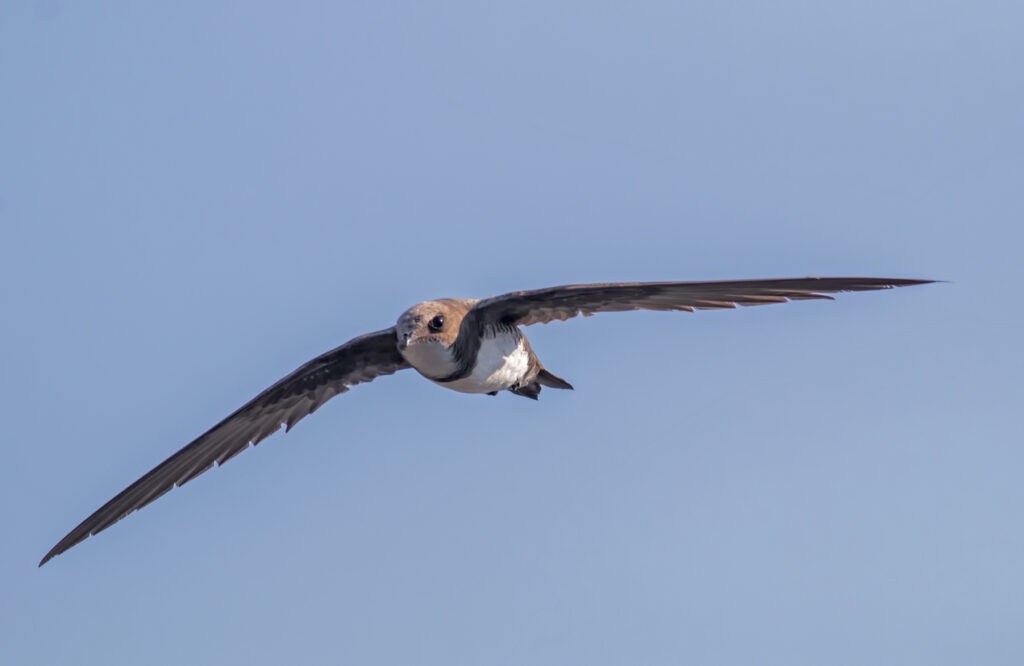
These birds catch microsleeps while flying, shutting down half their brain at a time. They eat, mate, and even sleep on the wing. Scientists tracked them and found they average just over 40 minutes of sleep per day during migration. They literally can’t afford to stop because landing in unfamiliar territory is too risky.
4. Horses manage on around three hours.

They can doze while standing thanks to a special locking mechanism in their legs. For deep REM sleep, they need to lie down, but they only do this for short bursts. As prey animals, staying alert is more important than getting proper rest. A horse lying down is vulnerable, so they save it for when they’re in a safe herd.
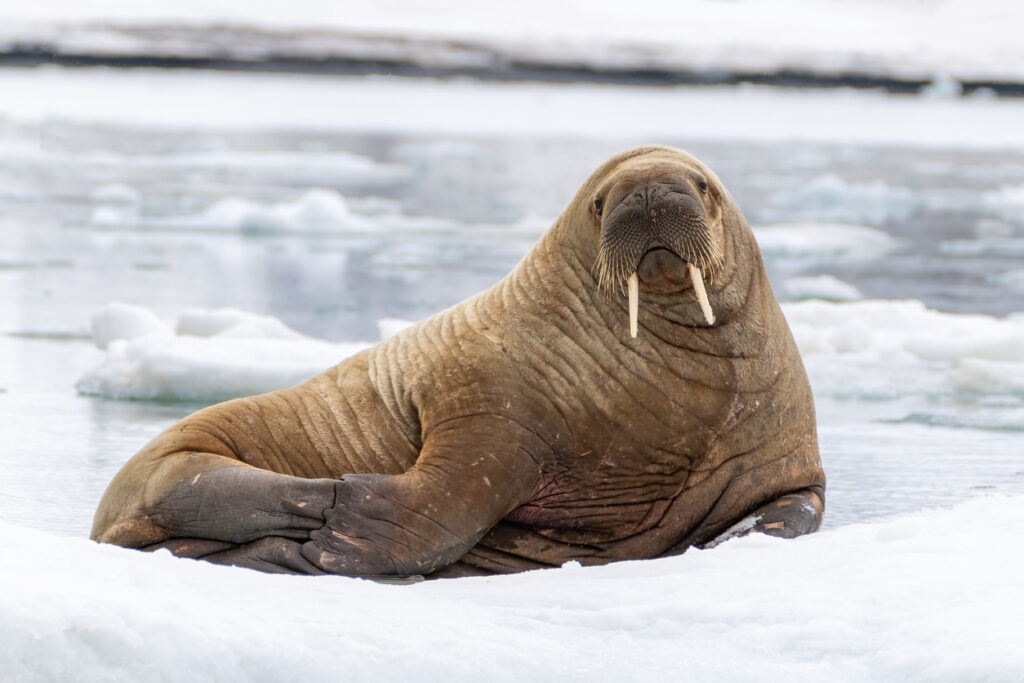
5. Walruses can stay awake for 84 hours straight.

When they’re swimming and need to surface for air, walruses don’t sleep at all. They make up for it when they reach land or ice, sleeping for up to 19 hours. Their sleep patterns are completely irregular, dictated by whether they’re in water or not. It’s not about a daily schedule, it’s about survival and opportunity.
6. Dolphins sleep with half their brain at a time.
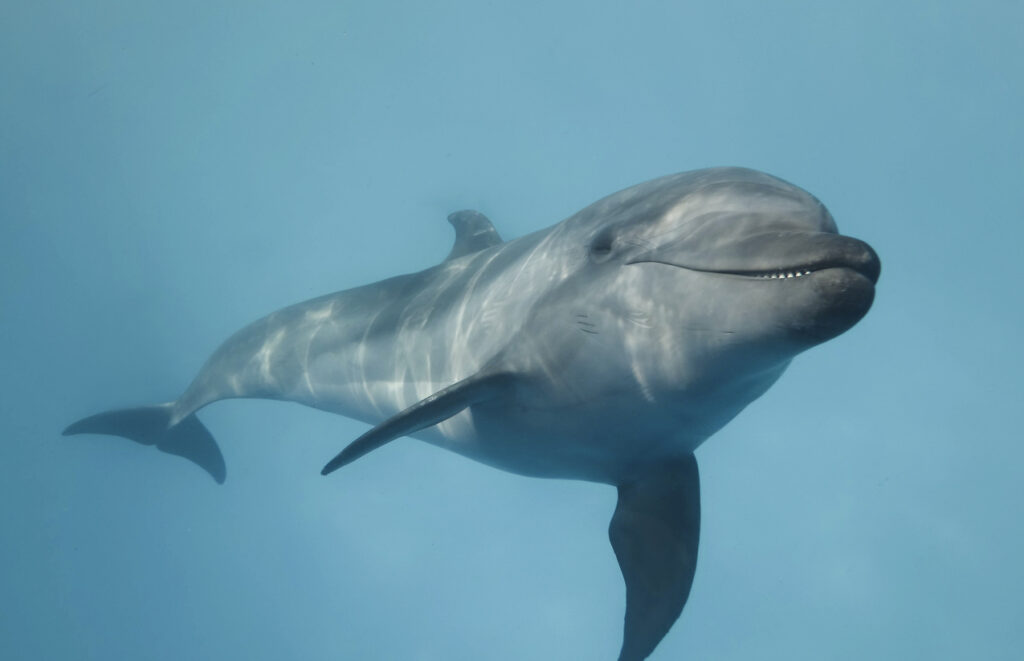
One hemisphere stays awake to keep them breathing and watch for threats while the other rests. They never fully lose consciousness. That unihemispheric sleep means they’re always partially alert. It’s why you’ll see them swimming slowly in circles, one eye open, getting rest without ever being completely vulnerable.
7. Bullfrog males might not sleep during breeding season.
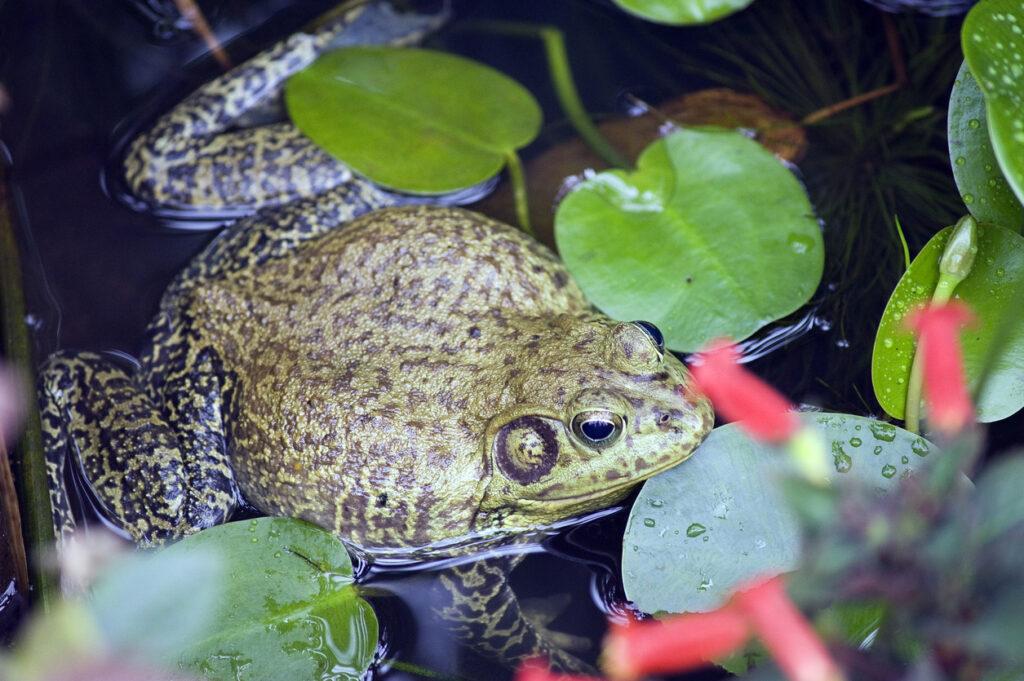
Research suggests they stay awake for months, calling constantly to attract females. They don’t show typical sleep behaviours during this time at all. The drive to reproduce overrides everything else. Once breeding season ends, they probably crash hard, but during the peak, sleep just doesn’t happen.
8. Sheep only need about four hours.
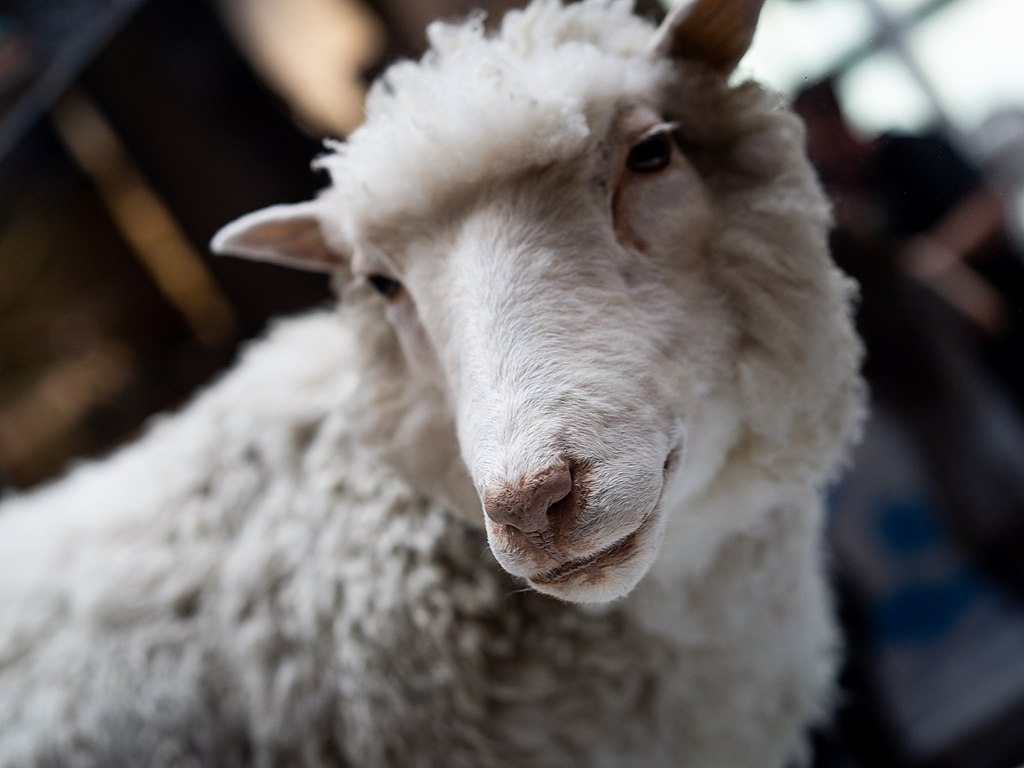
Like most prey animals, sheep are light sleepers who wake easily. They’ll rest lying down, but rarely enter deep sleep for long periods. They’re most active at dawn and dusk, resting during the middle of the day and night. But even then, they’re only properly asleep for a fraction of that time.
9. Deer get by on about three hours.
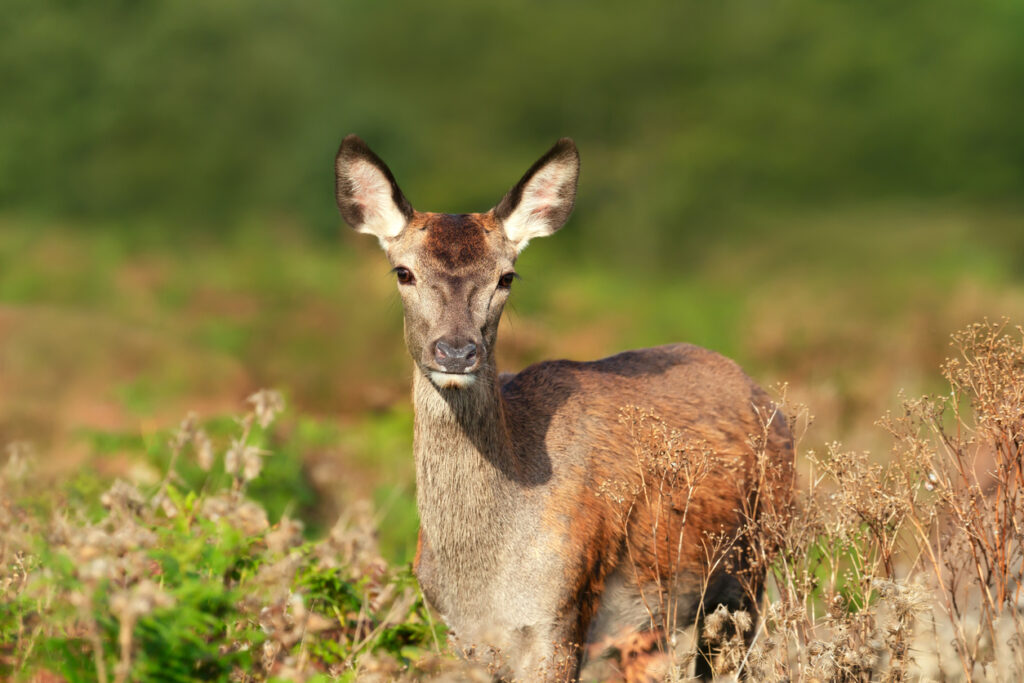
They take short naps throughout the day, usually no more than a few minutes at a time. Most of their rest happens while they’re chewing cud, which isn’t proper sleep. Being at the bottom of the food chain means constant vigilance. They’d rather be tired than dead, so sleep takes a back seat to survival.
10. Migratory birds sleep seconds at a time while flying.

Bar-headed geese and other long-distance fliers catch tiny moments of sleep mid-flight. They use the same half-brain technique as dolphins. During migration, they can’t stop for a proper rest without losing progress or putting themselves in danger. Microsleeps keep them functional enough to reach their destination.
11. Great frigatebirds sleep for 42 minutes during 10-day flights.

These ocean birds spend over a week continuously flying over water. They take quick naps lasting just seconds, sometimes with both eyes closed if they’re riding air currents. They make up for it when they return to land, but while they’re hunting over the ocean, sleep is barely on the agenda. Function matters more than feeling rested.
12. Newborn orcas and dolphins don’t sleep for the first month.
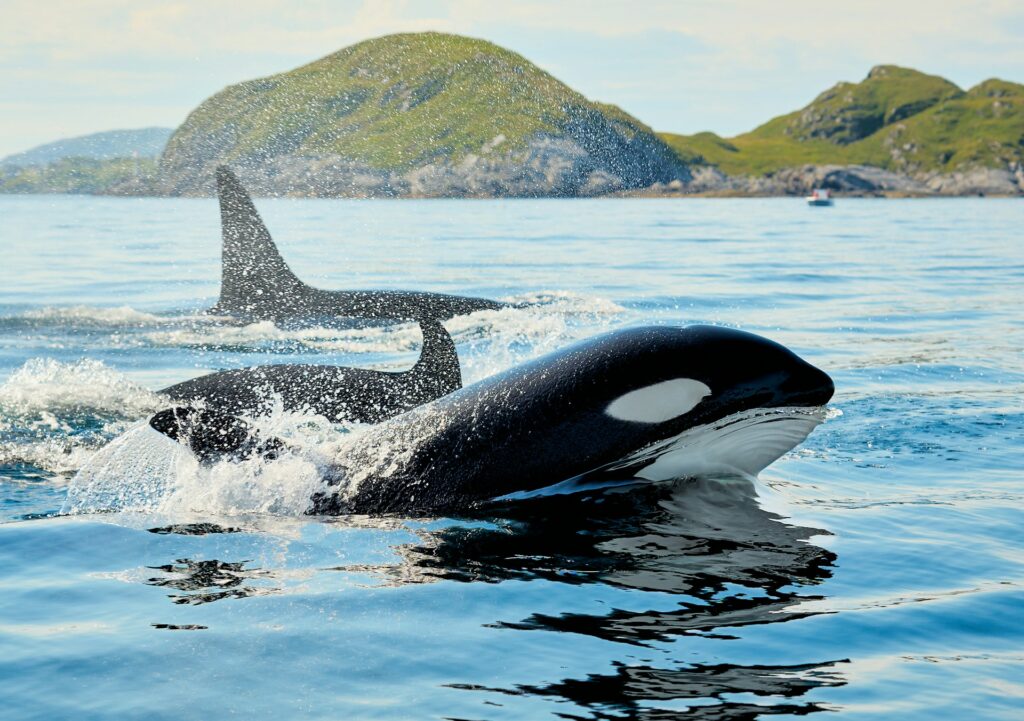
Baby cetaceans stay constantly active after birth, never showing sleep patterns. Their mothers don’t sleep much either during this time. They need to surface regularly to breathe and learn to swim properly. Sleep would be dangerous, so they simply don’t do it until they’re developed enough to manage the half-brain approach.
13. Brown bats sleep 20 hours a day, but shrews barely sleep at all.

While bats are champion sleepers, shrews are at the opposite extreme. They’re active almost constantly, with rest periods lasting just minutes. Shrews have incredibly fast metabolisms and need to eat almost constantly to survive. If they went without food for more than a few hours, they’d die, so sleep is a luxury they can’t afford.
14. Fish don’t sleep like we do, but some barely rest at all.
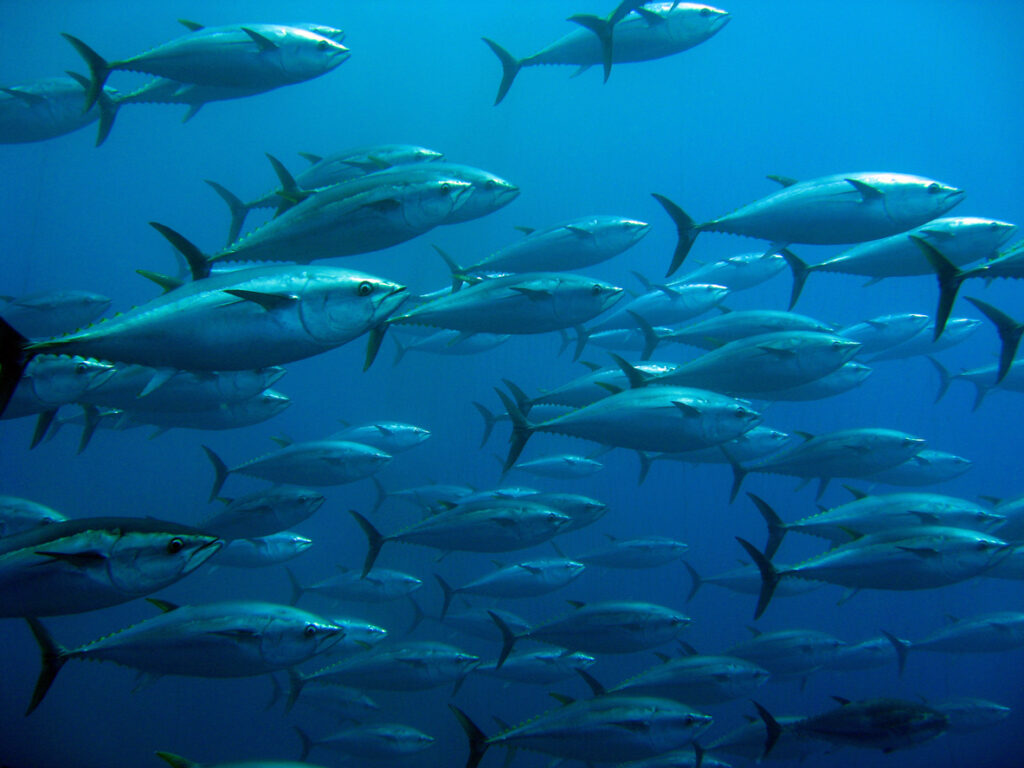
Tuna and some sharks must keep swimming to breathe, so they never enter a state that looks like sleep. They might have restful periods but nothing resembling unconsciousness. For these species, stopping means dying. They’ve evolved to function in a state of constant motion, with rest built into their swimming patterns rather than being a separate activity.