For some reason, people love the idea of moving to Mars.
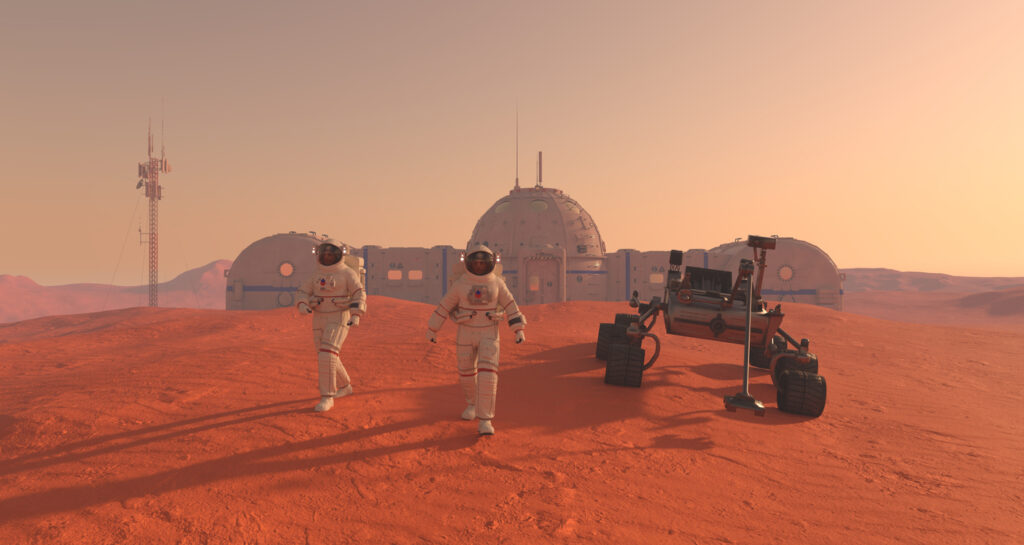
It sounds bold, exciting, and full of possibility, but the truth is far less romantic. Life on the red planet would be harsh, uncomfortable, and lonely. Everything would be about survival, not adventure. Here’s what life on Mars would actually be like, and why you probably wouldn’t want to stay for long.
You couldn’t step outside without a full spacesuit.
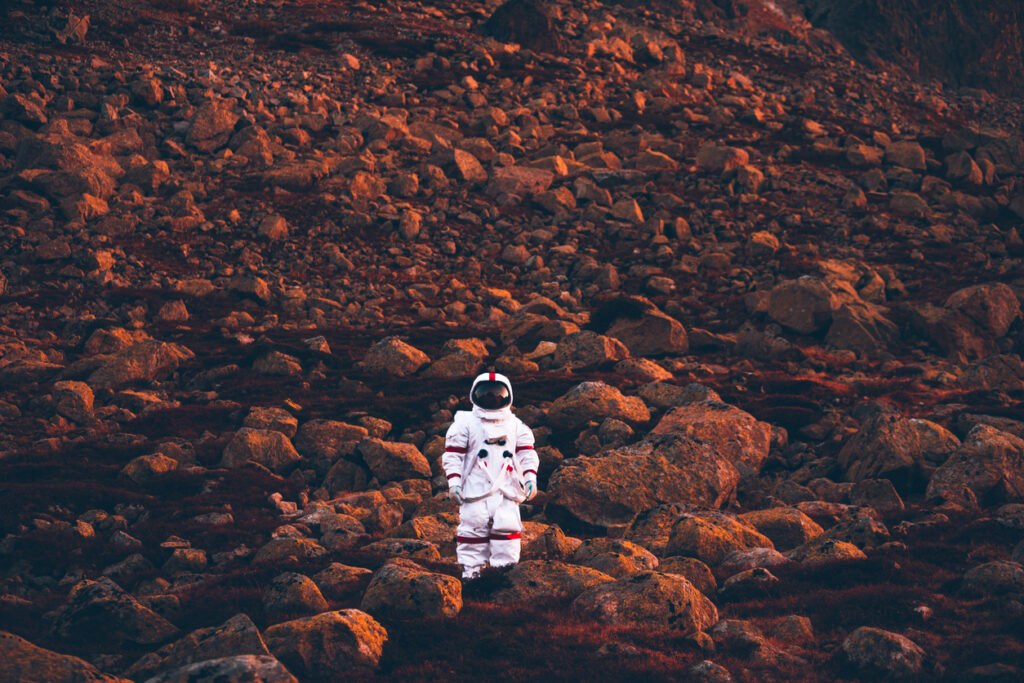
Mars has no breathable air. Its thin atmosphere is mostly carbon dioxide, which means even a short walk outside without protection would kill you. Every outing would require a heavy suit, oxygen tanks, and careful preparation. You’d literally never feel the sun on your face or a breeze in your hair again. Even one small leak in your suit could be the end of you, so the sense of freedom you’re used to on Earth would disappear completely.
The planet’s weather would make life miserable.

Mars is bitterly cold, with average temperatures around minus 60 degrees Celsius. Dust storms can rage for weeks, covering the entire planet and blocking sunlight. You’d be stuck indoors for long periods, listening to the wind whip outside, while your solar panels struggled to keep up. Even simple things like staying warm or keeping machinery running would take constant effort. Every part of daily life would be a fight against the climate.
Radiation would be a constant threat.
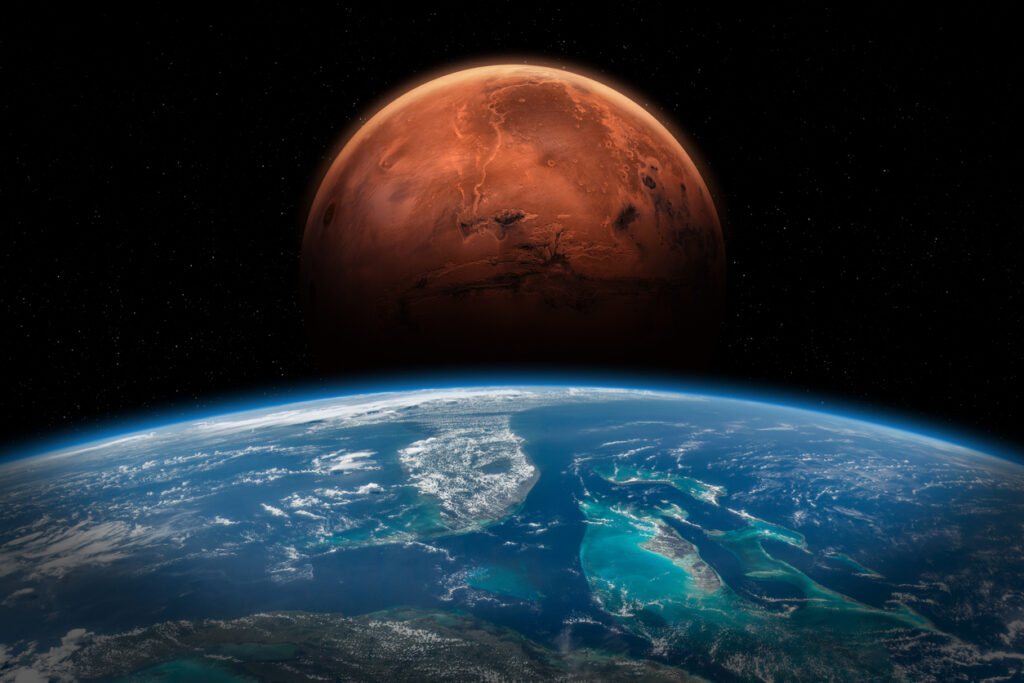
Without a magnetic field or a thick atmosphere to protect you, Mars is bombarded by radiation from space. Over time, that exposure could cause serious health problems, including cancer. You’d need to live underground or behind thick shields to stay safe. Sunbathing would be out of the question. Most of your time would be spent indoors, surrounded by metal and rock, with no real view of the planet you came to live on.
Everyday tasks would take extreme effort.

Simple activities would feel like full projects. Getting dressed, preparing food, and cleaning would require planning, equipment, and time. Even moving around would be slow, thanks to bulky suits and reduced gravity. You wouldn’t be able to grab a drink, wash up, or go outside on impulse. Every action would need to be checked, approved, and managed by systems that could fail at any moment.
You’d eat the same bland food for years.
Fresh produce wouldn’t exist at first. Early settlers would rely on vacuum-packed and freeze-dried meals that taste more like survival rations than dinner. Eventually, plants could be grown in pressurised greenhouses, but options would stay limited for years. Food would be functional, not enjoyable. Even something as simple as a fresh apple or a hot meal made from scratch would become a distant dream.
Talking to Earth would take ages.
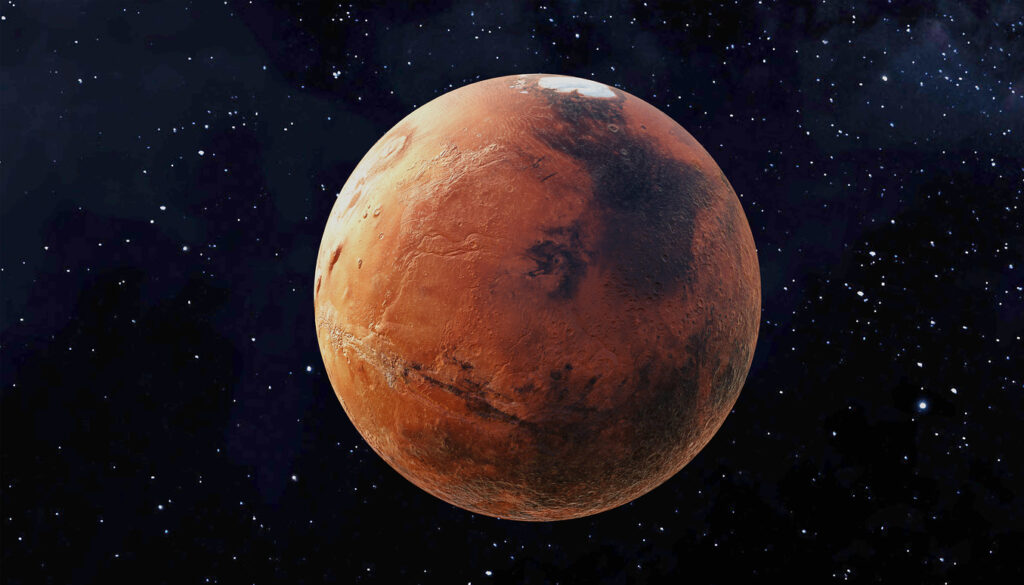
Depending on where the planets are, messages between Earth and Mars could take up to 20 minutes each way. Conversations wouldn’t flow naturally; you’d have to wait for responses, making it impossible to talk in real time. That delay would make you feel very far from home. Even a short message from family would remind you how cut off you really are.
Water would be scarce and heavily rationed.
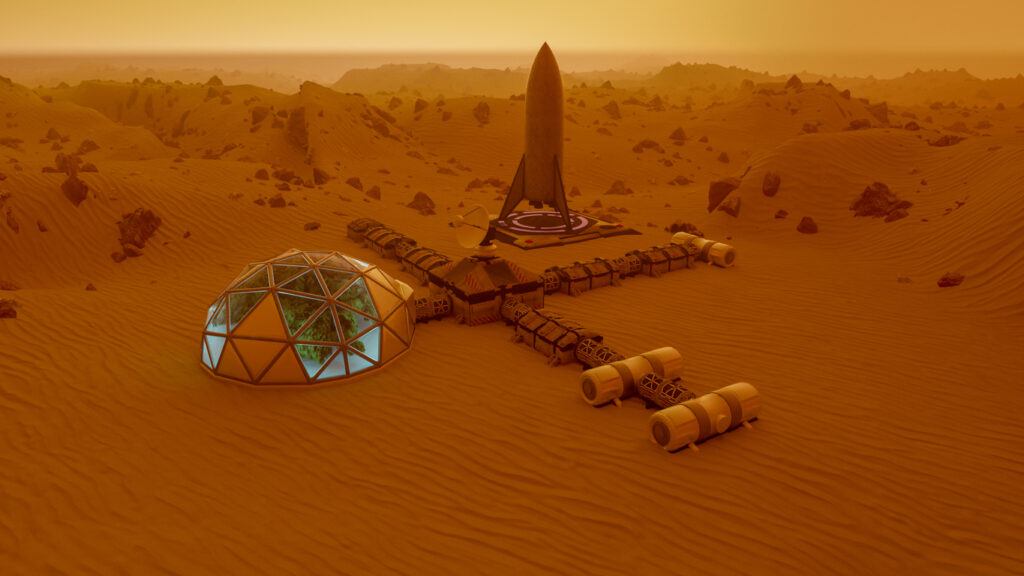
While Mars has frozen water underground, turning it into liquid form would require energy, time, and specialised machinery. Every drop would be recycled, including the water you washed in or drank before. Showers would be quick, and laundry would be rare. You’d learn to live with the constant awareness that wasting water could mean running out entirely.
Your body would weaken over time.
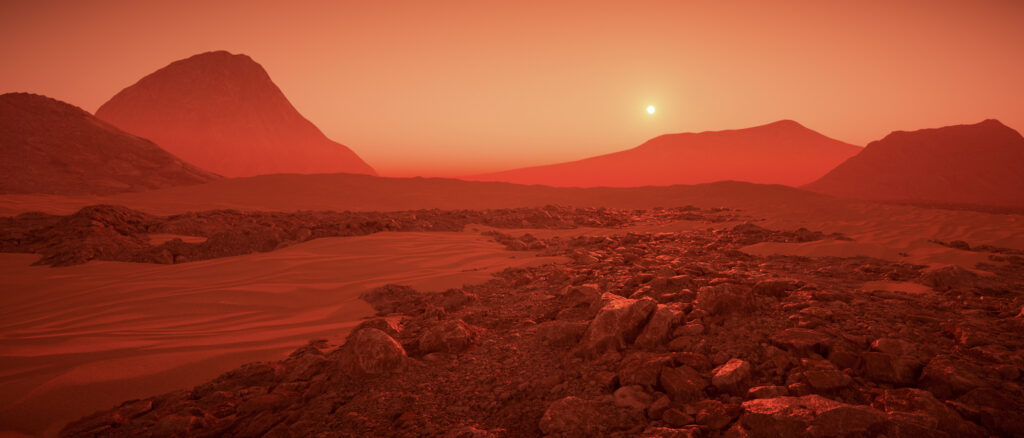
Because Mars’s gravity is only a third of Earth’s, your muscles and bones would start to weaken from lack of resistance. Even with daily exercise, you’d slowly lose strength and density. After years on Mars, coming back to Earth might not even be possible. Your body would struggle to cope with normal gravity again, making the planet you left behind feel unreachable.
The isolation would take a heavy toll.
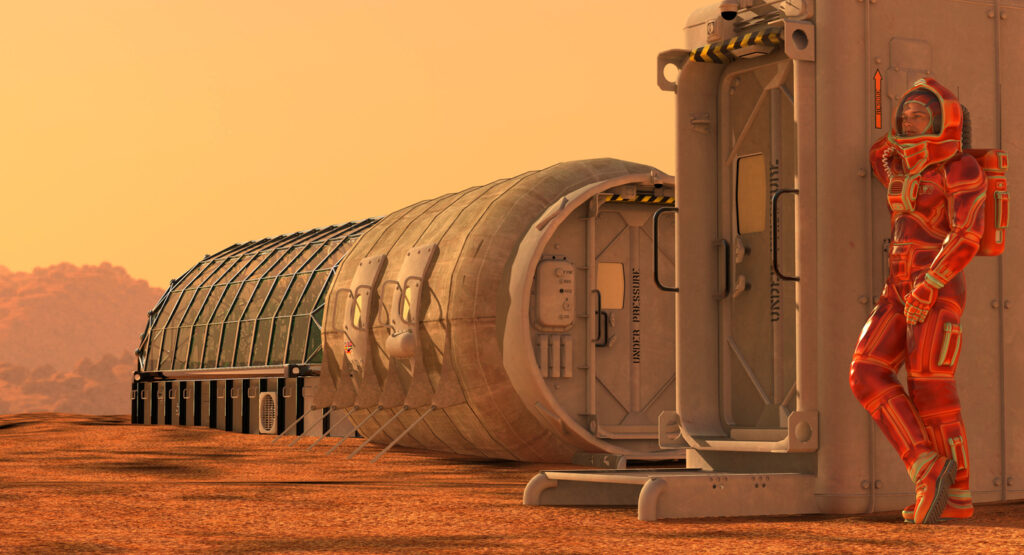
Living in a small base with the same people, routines, and surroundings would wear you down mentally. You’d have no privacy, no nature, and nowhere to escape. Even the most stable personalities would start to feel trapped. Humans aren’t built for constant confinement. Without new experiences or scenery, time would blur together until days felt endless.
One technical failure could kill everyone.
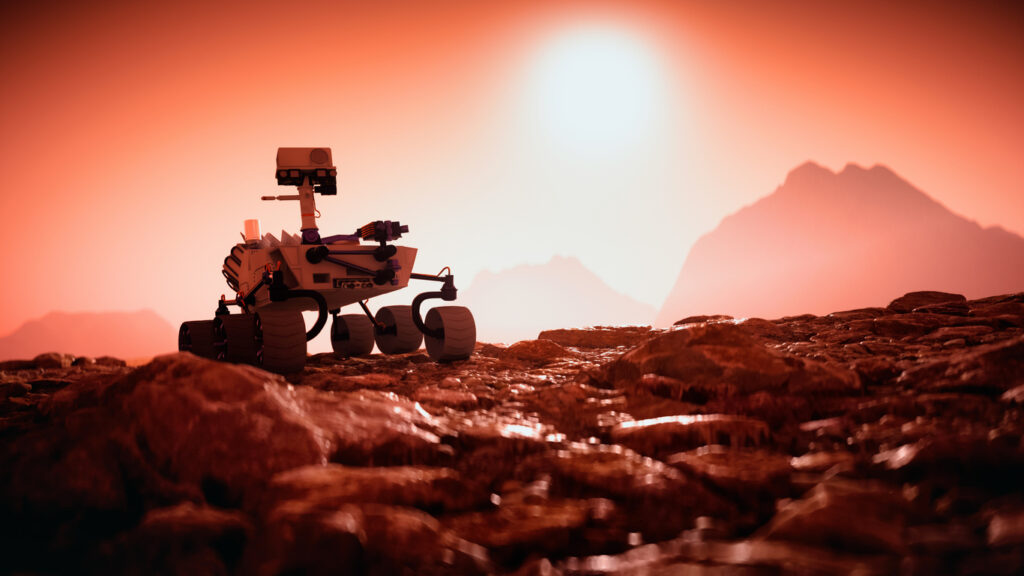
On Mars, there’s no such thing as a small problem. A power cut, an air leak, or a faulty valve could be deadly. Every machine keeping you alive, from oxygen filters, to heaters, to water pumps, would need constant monitoring and maintenance. Life would depend on perfect systems that never rest. You’d go to bed every night knowing that one malfunction could end everything by morning.
Medical care would be almost non-existent.
If someone got seriously ill or injured, there’d be no hospital or ambulance. Medical equipment would be limited, and sending help from Earth would take months. Even a simple infection could turn dangerous fast. With no way to leave, you’d be forced to treat everything on-site with whatever resources you had.
You’d struggle to sleep properly.
Days on Mars last 37 minutes longer than on Earth. That tiny difference might sound small, but it would slowly throw off your internal clock. Without natural daylight cycles, your body would lose its sense of time. You’d rely on artificial light to control your sleep patterns, but over months or years, exhaustion and insomnia would be hard to avoid.
You’d miss Earth more than you ever imagined.
Even if you survived the physical challenges, you’d eventually crave the simple things: the smell of rain, the sound of waves, the feel of grass under your feet. Mars might be fascinating, but it’s silent, colourless, and lifeless. Life there would remind you that Earth isn’t just home; it’s perfectly designed for us. After a few months on Mars, most people would stop dreaming about space and start dreaming about coming back.