Allotments might look like your own slice of earth where you can dig, plant, and potter about however you like, but there are plenty of rules that keep them running smoothly.
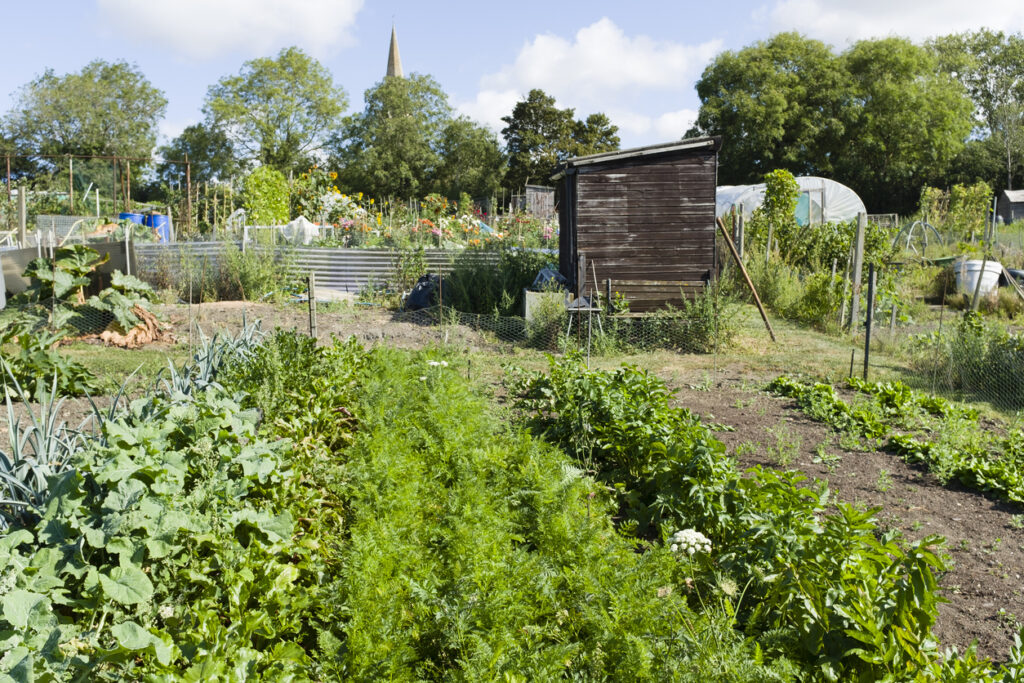
Whether your plot’s council-run or privately managed, you can’t just do whatever takes your fancy. From keeping livestock and building sheds to lighting bonfires or using certain chemicals, there are boundaries even seasoned gardeners sometimes overlook.
Most of these rules aren’t an attempt to spoil the fun; they exist to protect the soil, the wildlife, and the community spirit that makes allotments work. Still, it’s surprisingly easy to cross a line without realising it, especially when you think “my plot, my rules.” Knowing what’s allowed (and what isn’t) helps keep your neighbours happy, your crops thriving, and your tenancy firmly intact.
You can’t remove soil or materials from the ground.

The earth beneath your feet belongs to the landowner, not the tenant. That means you can’t dig up and take home soil, sand, clay, or gravel. These are classed as part of the land, not produce you’re allowed to harvest. It might feel harmless to fill a bag for your garden at home, but removing soil is considered damage to the site. Doing it could cost you your tenancy if the council finds out.
Selling your produce is usually not allowed.

Allotments are meant for personal use rather than profit. You can share or give away what you grow, but turning it into a business, even on a small scale, normally breaks your agreement. Some councils allow charity sales or produce swaps at community events, but you’ll need to check first. Anything that looks like regular trading is off-limits.
Subletting your plot isn’t permitted.

Passing your allotment to someone else, even temporarily, isn’t allowed without written permission. The tenancy belongs to you, and only you, so you can’t rent it out or hand it over to friends or family. If you’re struggling to maintain it, most councils would rather take it back and give it to someone on the waiting list than see it passed around unofficially.
New structures often need approval.
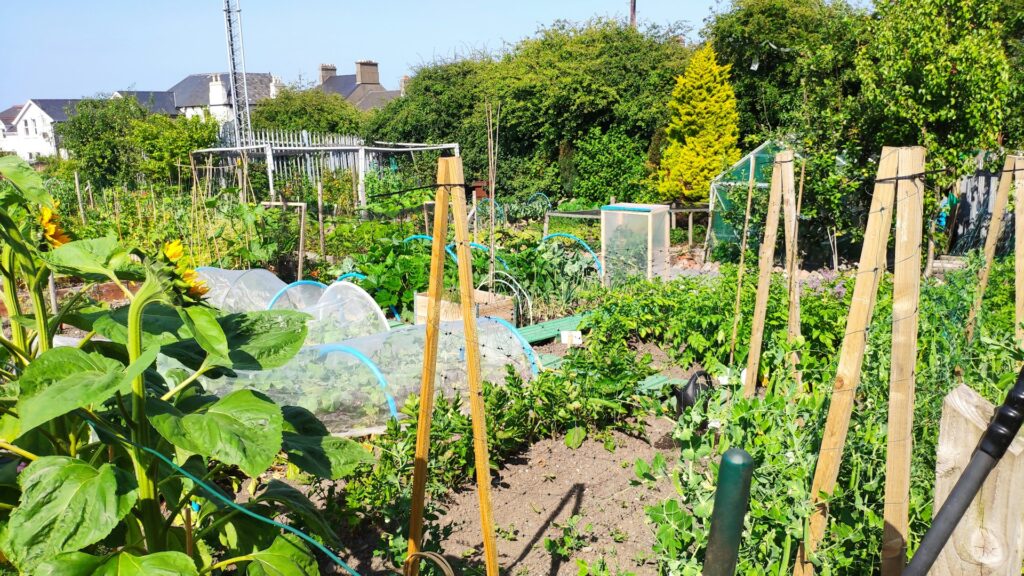
Putting up a shed or greenhouse seems simple, but most sites have rules about height, size, and materials. Anything permanent or made of glass usually needs written permission before you build it. Checking first saves hassle later. Unapproved structures often have to be taken down at your own cost, which no one wants after weeks of work.
Bonfires are usually restricted.
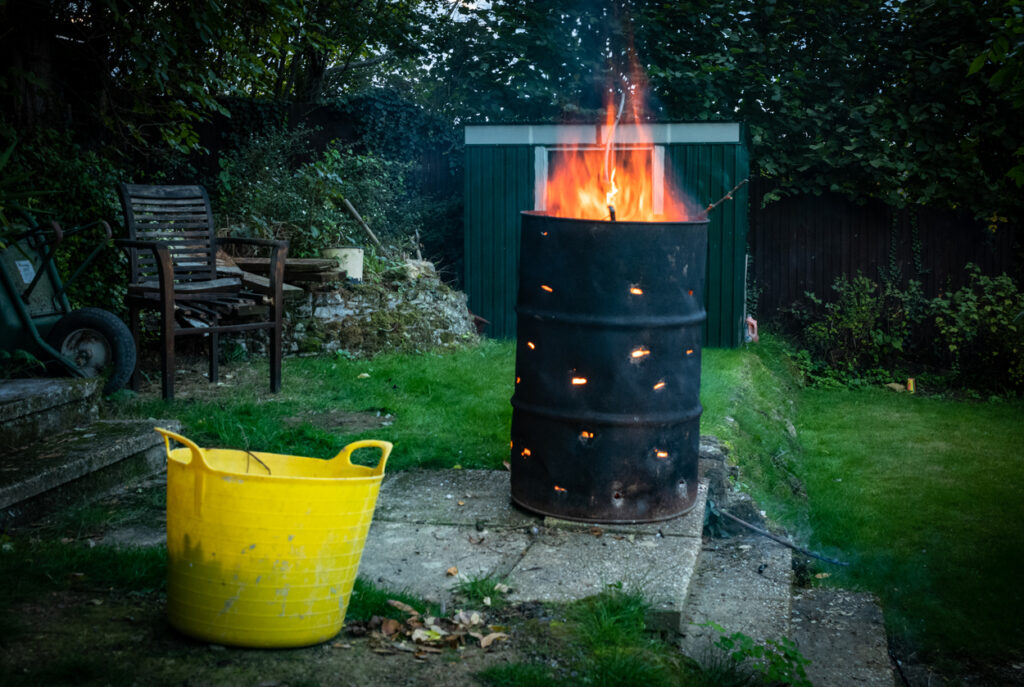
Many allotments now limit or ban fires completely. Burning plastics, treated wood, or anything that creates smoke or smells can lead to complaints and warnings. If fires are allowed, they tend to be limited to certain times or days. Always check your site’s noticeboard or rules before lighting anything.
Dumping waste or bringing in rubbish isn’t allowed.

Allotments are for growing plants, not storing junk. Bringing rubble, scrap metal, or old building materials onto your plot is forbidden under most agreements. Tenants are responsible for keeping their plots tidy and safe. Anything you bring in should be used or removed properly, not left behind for someone else to deal with.
Animals need permission first.
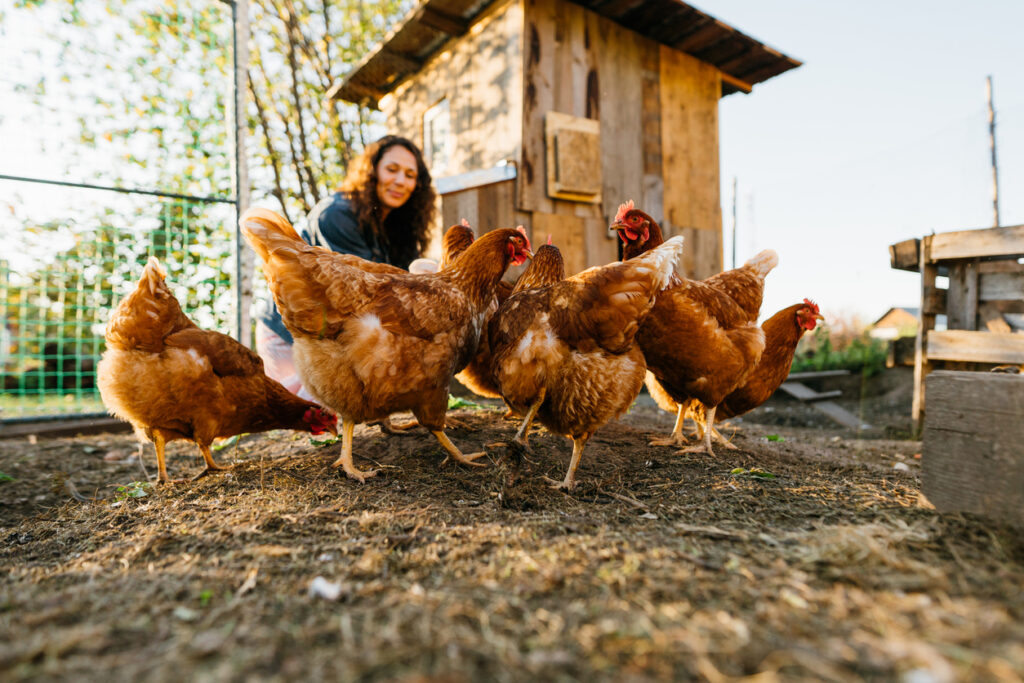
Some allotments allow hens or bees, but livestock such as ducks, goats, or rabbits are often banned. Even where animals are permitted, the numbers and conditions are tightly controlled. They must be kept for personal use, not for trade. Councils can revoke permission if animals cause noise, smell, or mess problems for neighbours.
Planting large trees is discouraged.

Fruit trees are fine in moderation, but large trees that cast shade or spread roots into other plots aren’t allowed. Once mature, they can block light and damage paths or fences. Dwarf varieties are usually preferred because they’re easier to control. Anything likely to cause disputes will be removed by the site manager.
Hosepipes and sprinklers are often banned.
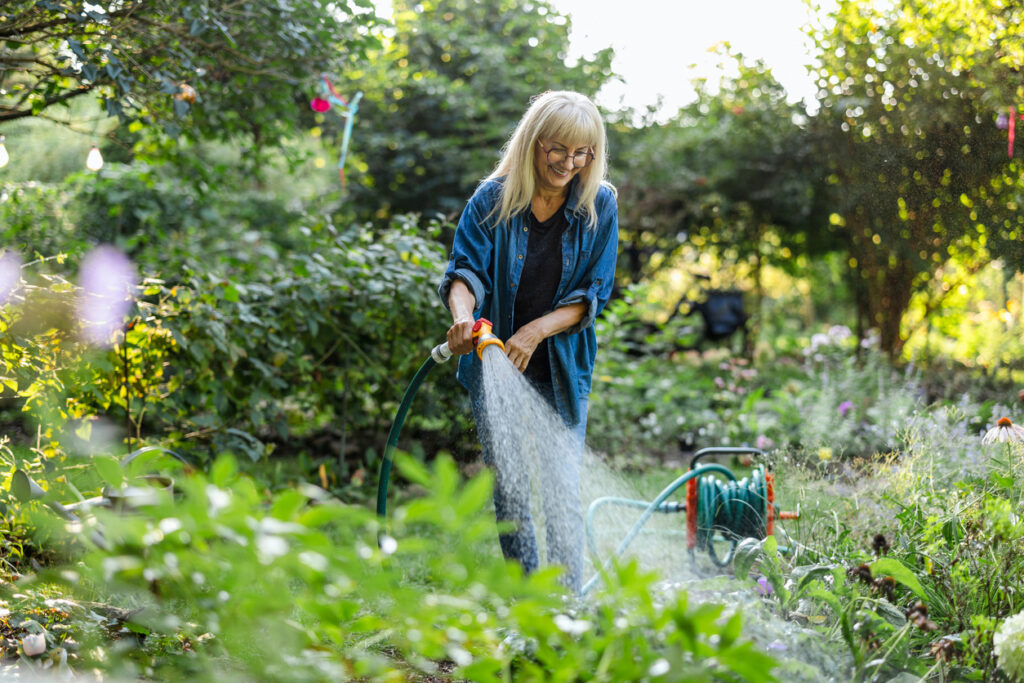
Water use is a common source of tension. Many councils ask tenants to rely on water butts and hand watering to avoid waste, especially during dry spells. Leaving hoses running or using sprinklers is generally prohibited. It drives up costs for everyone and drains shared water supplies quickly.
Rubbish has to be cleared away.
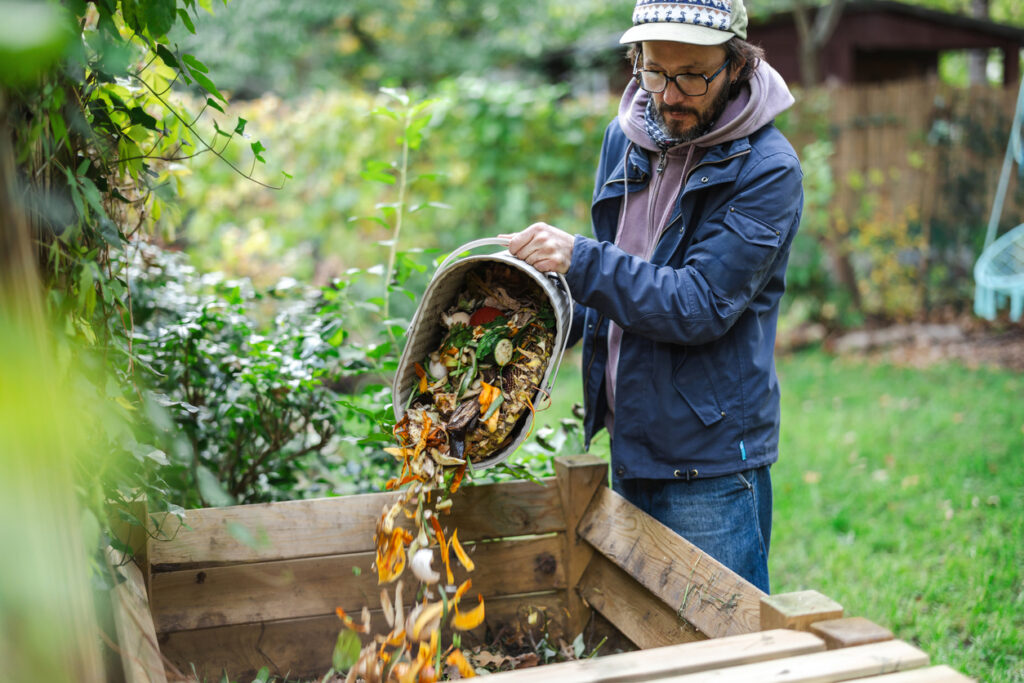
Leaving piles of debris or plastic bags behind makes a plot look neglected. Most councils expect tenants to take all waste away or compost it properly before leaving the site. Old pots, damaged fencing, and leftover materials need to go with you when your tenancy ends. Keeping a clean plot shows respect for the next gardener on the list.
Staying overnight isn’t allowed.
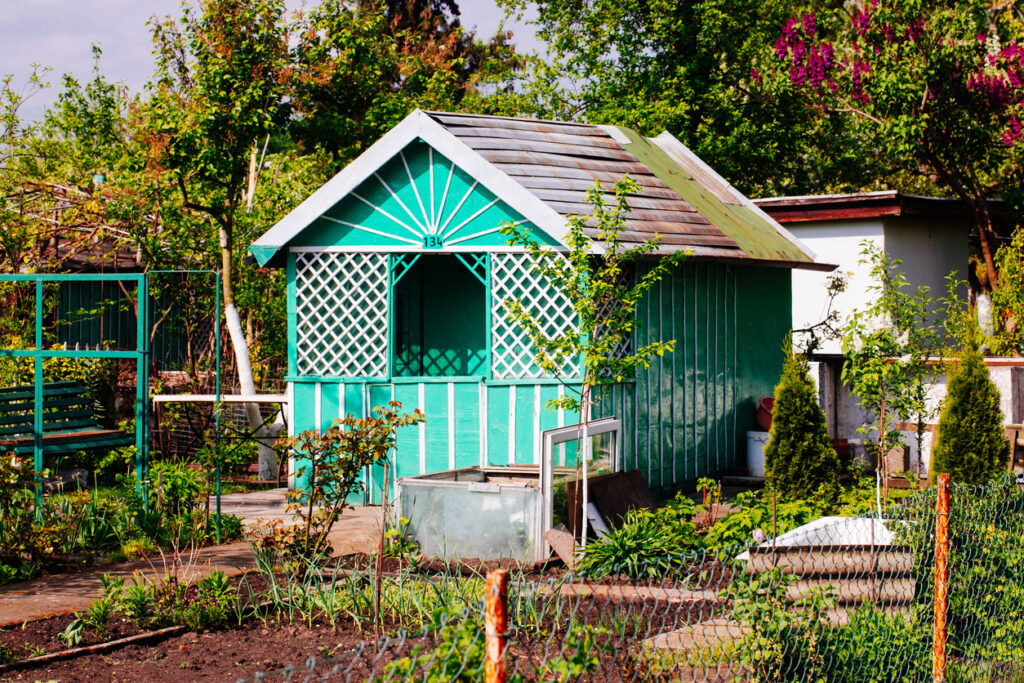
Even though allotments can feel peaceful, they’re not residential property. Sleeping in a shed, tent, or greenhouse, even for one night, breaches most tenancy rules. The restriction is mainly about safety and insurance. Councils don’t want fires, break-ins, or rough sleeping on site, so overnight stays are banned everywhere.
Paths and shared spaces must stay clear.
You’re responsible for your own plot, not the shared paths or boundary areas. Leaving tools or letting plants spill out onto walkways creates hazards for others. Blocking paths is one of the most common complaints on allotment sites. Keep things trimmed and tidy so everyone can move freely between plots.
You have to keep your plot cultivated.

Letting your allotment become overgrown counts as a breach of tenancy. Councils usually require most of your plot to be actively planted or maintained during the growing season. If weeds take over or crops are abandoned, you’ll get a warning. A second warning could mean losing your plot altogether, especially when there’s a long waiting list.
You can’t remove fences or shared hedges.
Boundary hedges, fences, and communal paths are part of the site structure. You’re allowed to tidy them, but not to remove or move them without permission. Changing boundaries can cause disputes and affect other tenants. Always ask before altering anything that isn’t completely within your own plot.