They flap clumsily, bump into lampshades, and seem to have no idea where they’re going.

Every autumn, British homes fill with daddy long legs, the leggy insects that appear to have flown straight out of a cartoon. They’re one of the most misunderstood creatures in the UK, and they catch far too much heat that they don’t deserve. After all, they’re harmless, harmlessly silly, and much more interesting than people think.
They’re not actually spiders.

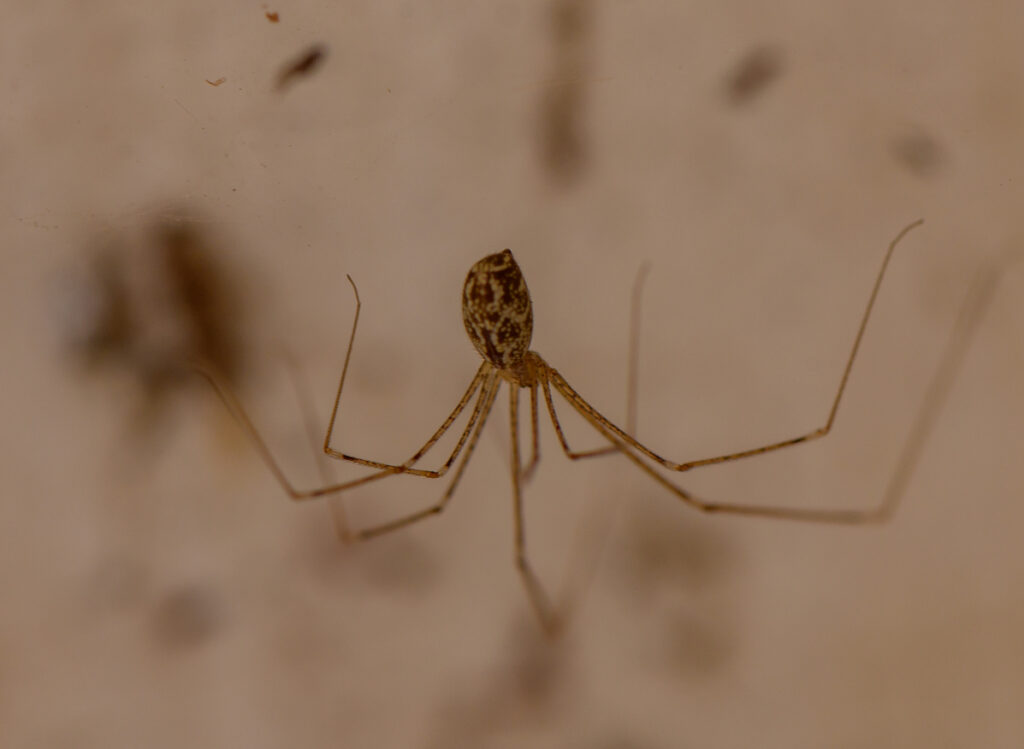
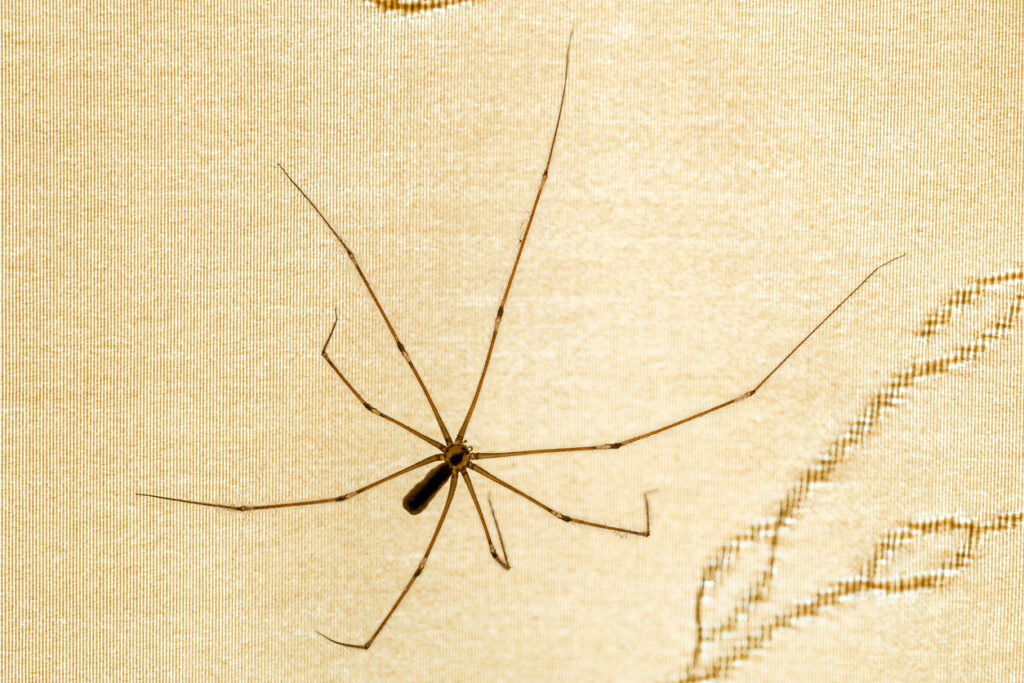
Despite the nickname, daddy long legs aren’t spiders at all. The ones that fly are crane flies, a completely different group of insects that belong to the same order as mosquitoes. Their thin legs and awkward flight just make people mix them up. They don’t spin webs or bite, and they have nothing to do with the household “daddy long legs” spiders you sometimes see dangling from ceilings. It’s just an unfortunate case of name confusion.
They can’t bite or sting.
There’s a long-running myth that daddy long legs have venom stronger than a black widow’s but can’t pierce human skin. None of it’s true. They don’t even have the right kind of mouthparts to bite people. They spend most of their short adult lives flying about aimlessly, trying to find a mate before winter sets in. The idea of them being dangerous couldn’t be further from reality.
They only live for about a week.

The adult stage of a crane fly’s life is incredibly brief. Once they’ve hatched, they don’t eat or drink much. Their main purpose is to reproduce before dying a few days later. That means the ones bouncing around your lampshade aren’t plotting anything sinister. They’re just confused, clumsy, and running out of time.
Their larvae live underground.

Before becoming the wobbly adults we see indoors, crane flies spend months underground as larvae known as leatherjackets. These little worm-like grubs feed on roots and decaying plant matter in the soil. Gardeners often know them for nibbling on lawns, but they’re an important food source for birds and other wildlife. Without them, a lot of garden ecosystems would struggle.
They’re terrible flyers.
That frantic flapping you see isn’t aggression, it’s bad steering. Their long legs and oversized wings make flying a constant battle, which is why they seem to crash into everything in sight. They often end up indoors by mistake, drawn to light and warmth. Once inside, they have no clue how to get out again, which explains the chaotic energy around your living room lamp.
Their legs fall off easily.

Those fragile legs aren’t built for strength. They detach easily as a defence mechanism, helping the insect escape if something grabs them. It looks dramatic, but the daddy long legs can still fly away afterwards. Rather than a design flaw, it’s survival. Dropping a leg is better than getting eaten, even if it makes them look more wobbly than usual.
They play a role in soil health.

As larvae, leatherjackets help break down dead plants and recycle nutrients back into the soil. They’re tiny composters working away under our feet without us noticing. So, next time you spot a patch of disturbed soil after rain, it might just be a sign of healthy insect life doing its job beneath the surface.
They have ancient origins.

Crane flies have been around for millions of years, long before humans were here to swat at them with tea towels. Fossil records show their ancestors lived alongside dinosaurs. They’ve changed surprisingly little since then, which is proof that their clumsy design actually works well enough for survival.
They don’t eat your plants as adults.

By the time they start flying, crane flies aren’t interested in food anymore. They might drink a bit of water, but most of their feeding days are behind them by adulthood. The damage to lawns and crops comes from their larval stage underground, not from the harmless adults bumbling around your ceiling light.
They help birds and bats thrive.

For many species, crane flies are a vital food source. Birds, frogs, and bats rely on the autumn swarm to feed up before winter, snapping up the insects mid-flight or as they rest on grass. So, even though they seem like a nuisance indoors, outdoors they’re an important link in the food chain that keeps local ecosystems balanced.