When you think about threats to Earth, you might picture asteroids or climate change.
However, far beyond our solar system, there are stars so powerful they could wipe us out without warning. While that’s unlikely to happen in any of our lifetimes, there’s always a possibility, and that’s pretty scary to consider. Here are the ticking cosmic time bombs scientists keep an eye on.
Betelgeuse, the red giant of Orion
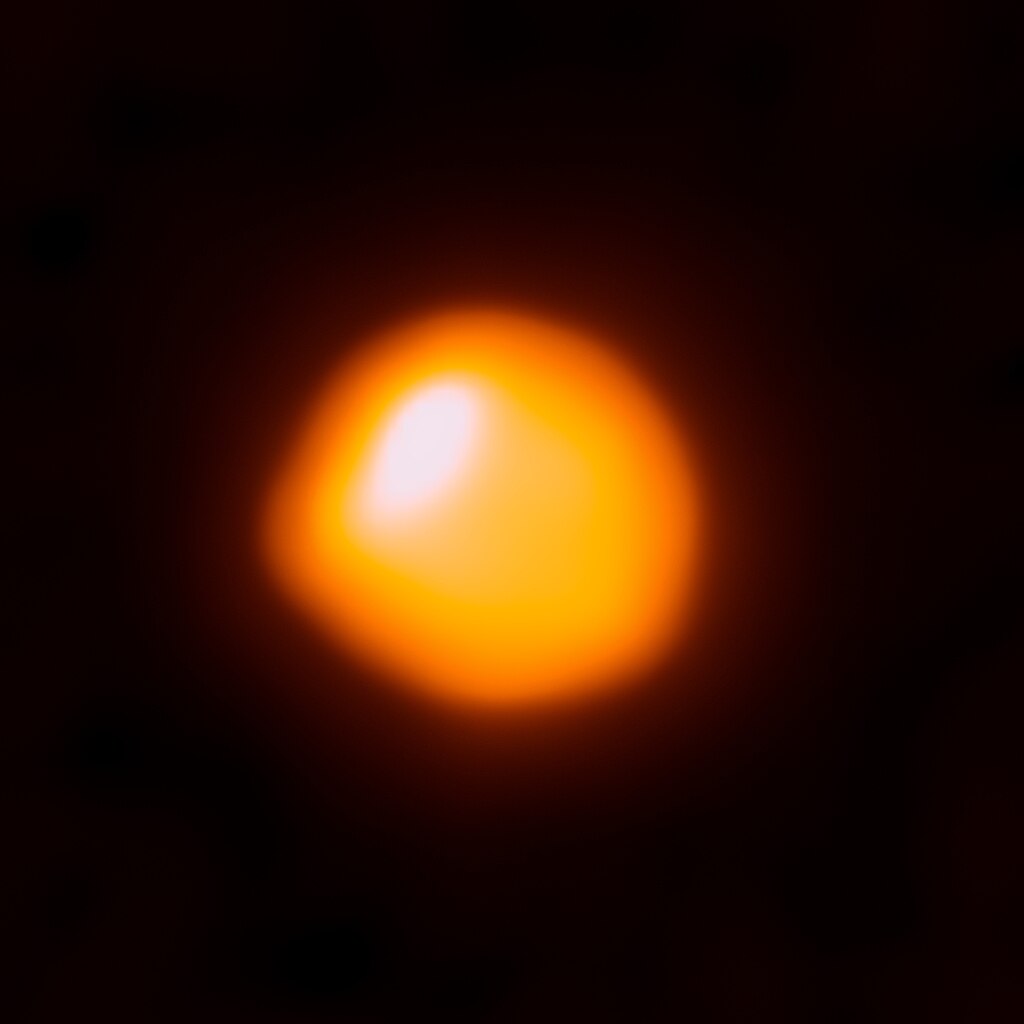
Betelgeuse is one of the brightest stars in the night sky, sitting on Orion’s shoulder. It’s so big that if it replaced our Sun, it would stretch past Jupiter’s orbit. Scientists know it’s reaching the end of its life. When it finally explodes, it’ll become a supernova visible even in daylight. The good news is it’s about six hundred light years away, so Earth’s safe from the blast, but the light show will be spectacular.
Eta Carinae, the unstable giant
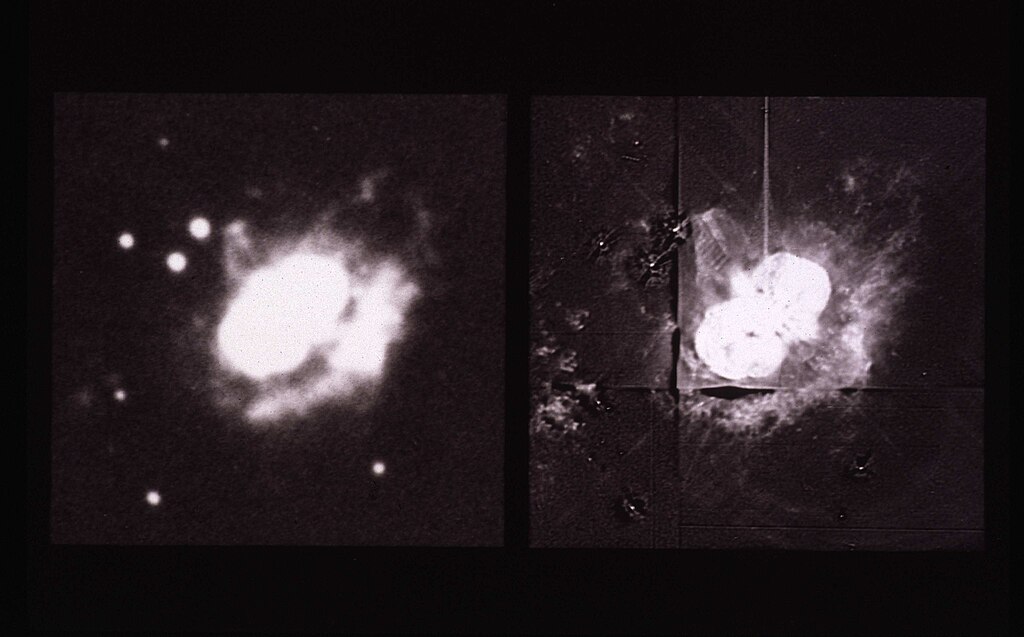
Eta Carinae is a massive double star system roughly eight thousand light years away. It’s been showing signs of instability for centuries, and once erupted so brightly that Victorians thought it was a new star. It’s now surrounded by a glowing nebula, the remains of that outburst. Scientists suspect it’s building up to a full supernova or even a hypernova, which could be one of the most powerful explosions ever seen.
WR 104, the cosmic gun barrel
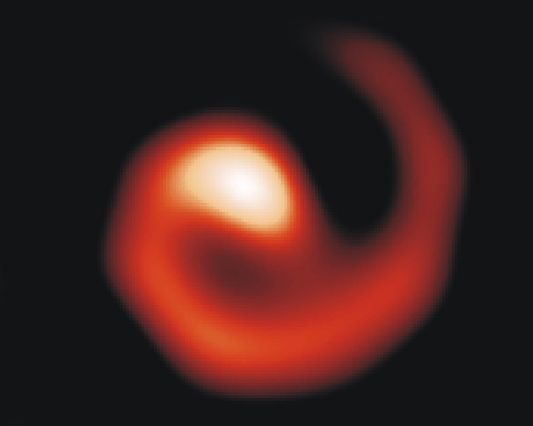
WR 104 is a Wolf-Rayet star, meaning it’s losing mass fast and nearing collapse. What worries astronomers is that its rotational axis appears to point roughly toward Earth. If it explodes as a gamma-ray burst, the energy could strip our atmosphere’s protective layer. The odds of perfect alignment are small, but it’s close enough to make scientists pay attention.
VY Canis Majoris, the colossal red hypergiant
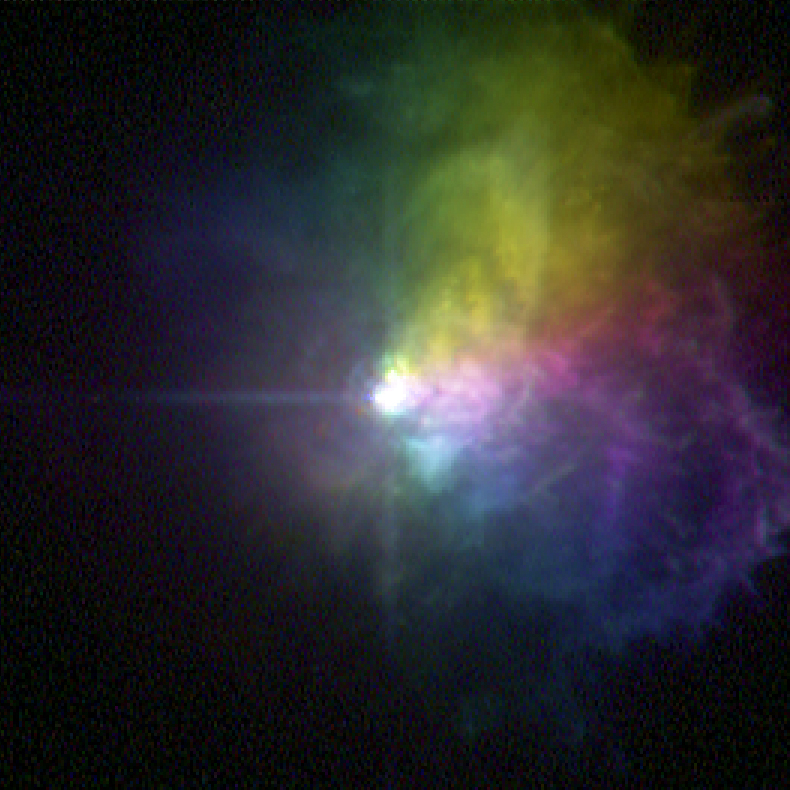
Once known as the largest star ever discovered, VY Canis Majoris could fit billions of Suns inside it. It’s nearing the end of its fuel and shedding huge amounts of material into space. When this monster finally dies, it’ll collapse into a supernova bright enough to outshine entire galaxies for a while. Thankfully, it’s over three thousand light years away, well outside our danger zone.
Antares, the heart of the scorpion
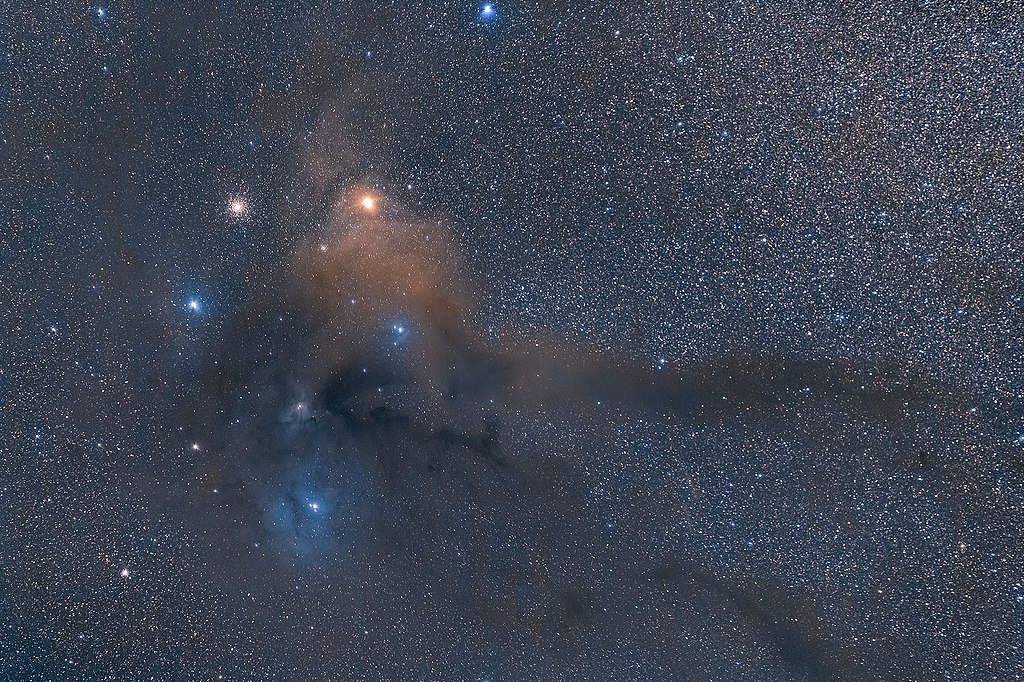
Antares glows a deep orange-red in the constellation Scorpius and is another star nearing its end. Its core is running low on fuel, making it unstable and unpredictable. Once it collapses, it’ll produce a supernova visible from Earth. The explosion will look dramatic but won’t harm us physically. Still, scientists study it closely as a model for how other giant stars might behave.
Rigel, Orion’s brilliant blue star
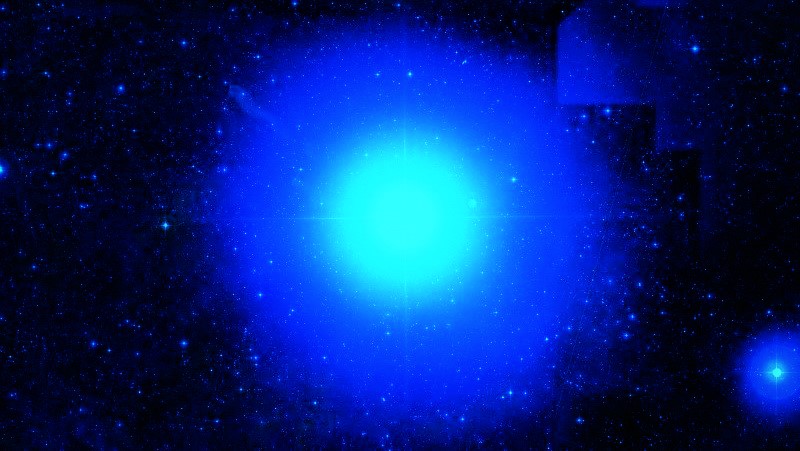
While Betelgeuse marks one shoulder of Orion, Rigel marks the foot. It’s a blue supergiant, much hotter and younger but destined for the same explosive fate. When its fuel runs out, Rigel will collapse in a blinding explosion, possibly forming a neutron star. Because it’s around eight hundred light years away, we’ll see the light but not feel the impact.
IK Pegasi, the quiet threat
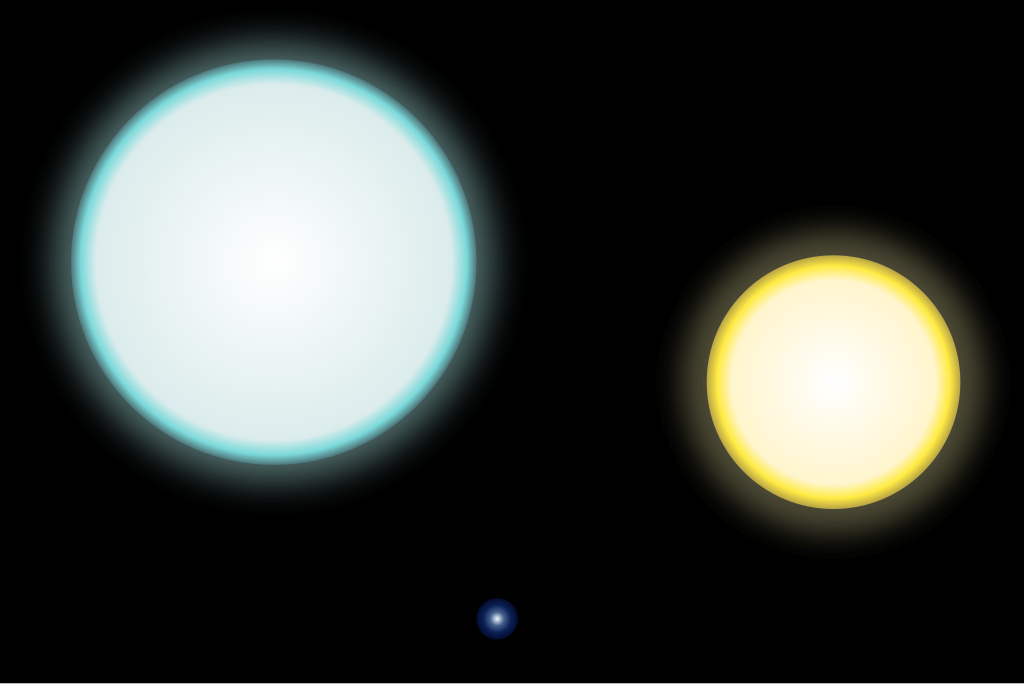
IK Pegasi looks harmless because it’s a faint white star. But it hides a white dwarf companion, and together they form one of the Milky Way’s most dangerous potential Type Ia supernovas. If enough material flows from the main star to the white dwarf, it’ll trigger a chain reaction that causes both to explode. It’s too far away to hurt us, but close enough to study how similar systems evolve.
Spica, the hot blue binary
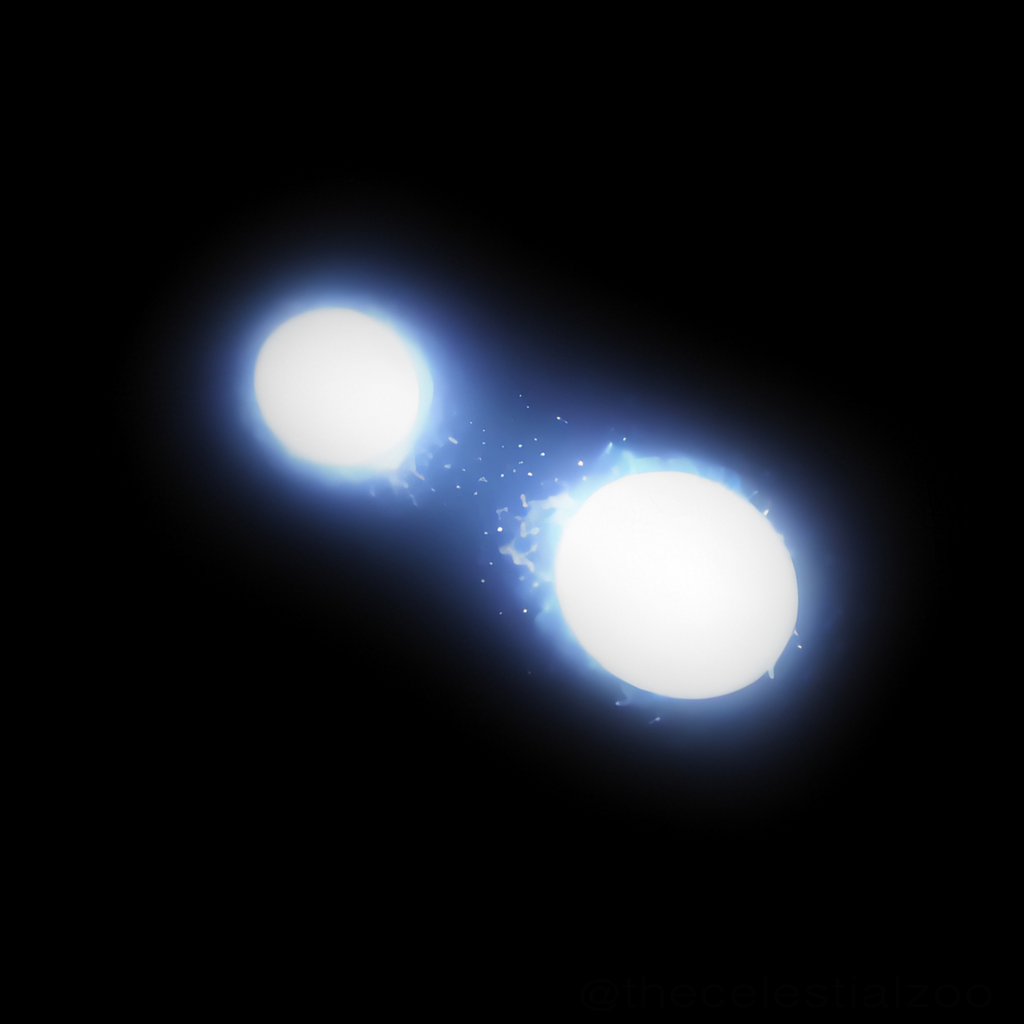
Spica is a double star system in Virgo, with two massive blue stars orbiting each other so closely they distort each other’s shape. This intense interaction makes them unstable and short-lived. Eventually, one or both will go supernova. Because they’re only two hundred and fifty light years away, the flash would be incredibly bright in our sky, though still not lethal.
UY Scuti, the bloated giant
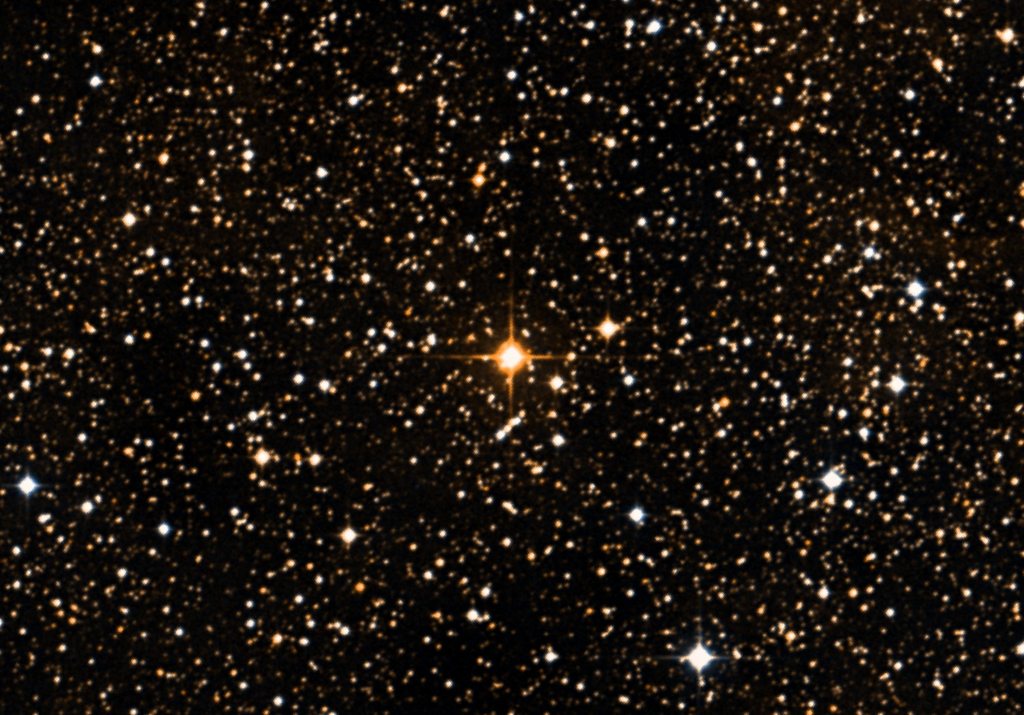
UY Scuti’s sheer size makes it one of the largest stars ever recorded. It’s a red supergiant nearing the end of its fusion life, which means collapse is inevitable, though timing remains unknown. When it goes, the explosion will release energy millions of times greater than our Sun produces in its lifetime. The shockwave won’t reach us, but it’ll reshape part of its local galaxy neighbourhood.
T Coronae Borealis, the recurring nova
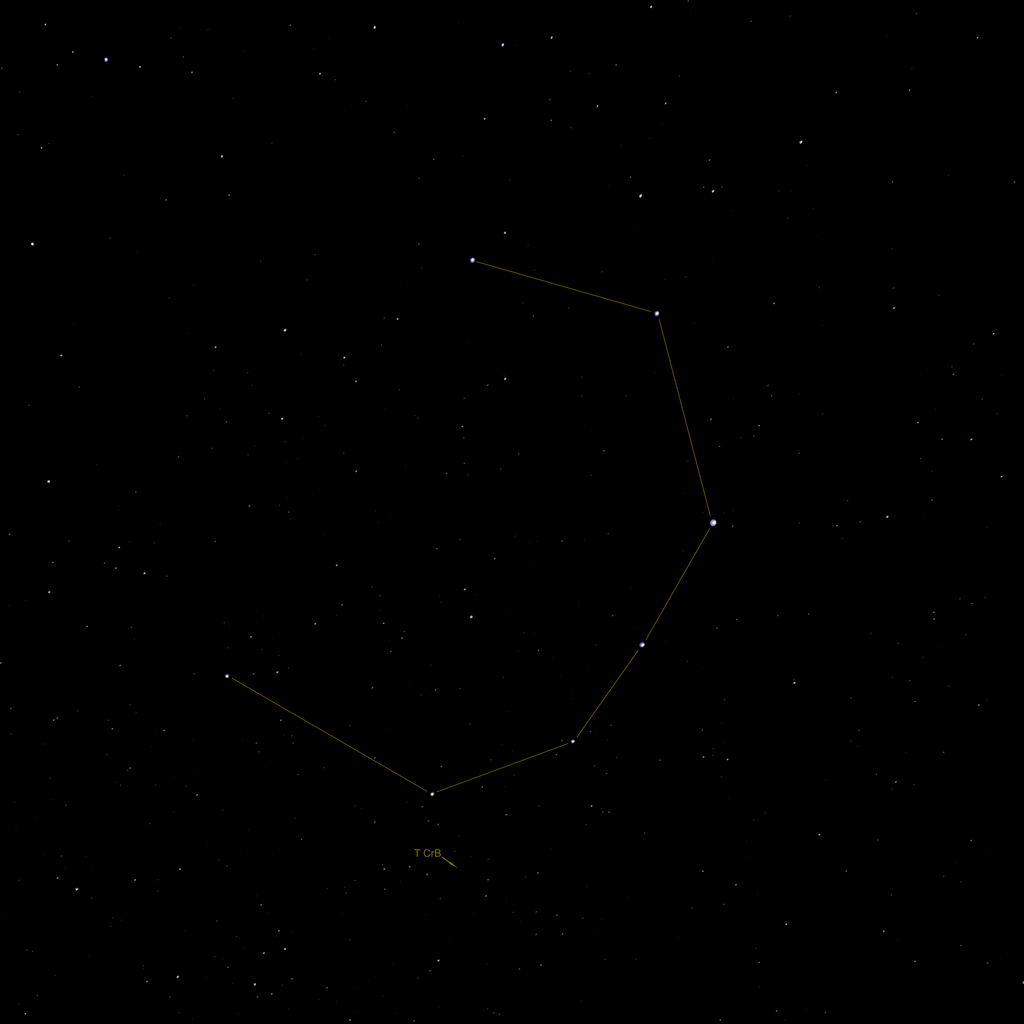
Unlike one-time explosions, T Coronae Borealis flares up roughly every eighty years when its white dwarf companion pulls gas from a nearby star. Each event produces a visible outburst seen across the sky. Scientists believe its next eruption could happen soon. While not a supernova, it offers a glimpse of what star death looks like in real time, and it’ll be visible to anyone watching from Earth’s northern hemisphere.
What makes these stars dangerous
The risk from these stars isn’t heat or light but radiation. A gamma-ray burst aimed directly at Earth could destroy part of our ozone layer and cause mass extinction within seconds. Luckily, such perfect alignment is extremely rare.
Even so, astronomers track these giants because they reveal how fragile life is on a cosmic scale. Every supernova helps scientists understand how elements like iron, carbon, and oxygen were first created—the same ones we rely on to exist.
How scientists watch for early signs

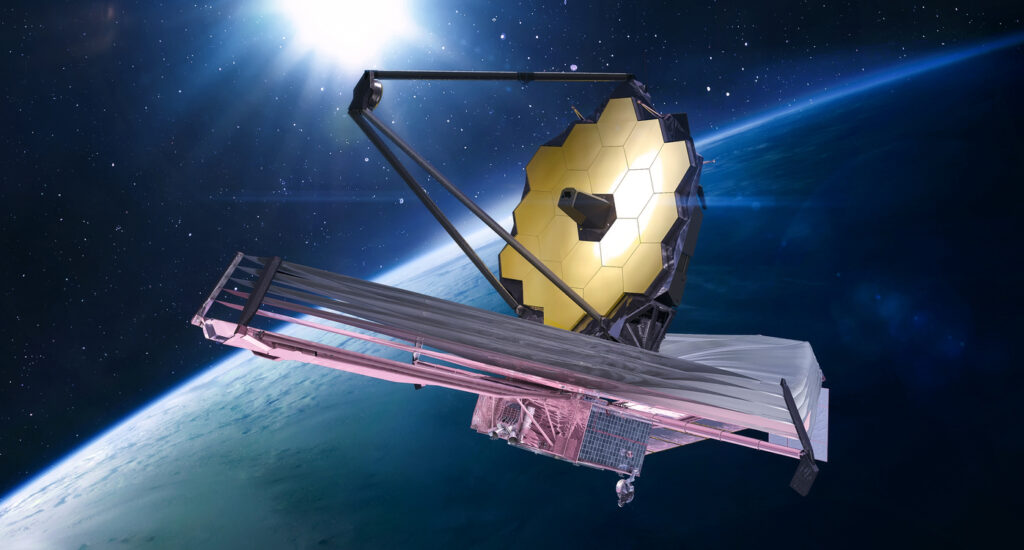
Telescopes like NASA’s James Webb and the European Space Agency’s Gaia mission constantly monitor star brightness and movement. Sudden changes in light or shape can signal that a star’s core is starting to collapse. By studying patterns of dying stars, scientists hope to predict when the next nearby supernova might happen. It’s not about fear, it’s about understanding the cycle that keeps galaxies alive and evolving.
Why we should care about these explosions

Supernovas look violent, but they’re also creative. They scatter heavy elements across space, seeding future planets and life. Without them, the universe would be cold and empty, lacking the ingredients for growth. So, while the idea of a star exploding sounds terrifying, it’s also what allows new worlds to form. The same cosmic forces that could erase us are the ones that made us possible in the first place.