British beaches have all the usual suspects like shells, seaweed, and maybe the odd crab scuttling for cover.
But look a little closer, and the shoreline starts to feel more like another planet. Beneath the rocks and in the tide pools live creatures so strange-looking they could have stepped straight out of an episode of “Doctor Who.” From translucent jelly blobs that pulse like living glass to spiny, colour-changing predators that seem far too exotic for our chilly waters, the UK’s coastlines are home to some truly alien-looking residents.
Many of these species have been around for millions of years, perfectly adapted to life between land and sea. Some drift in from distant oceans, others have always been here; we’ve just never paid them much attention. So next time you’re walking along the coast, keep your eyes peeled. These are the coastal creatures found on UK beaches that look almost too strange to be real.
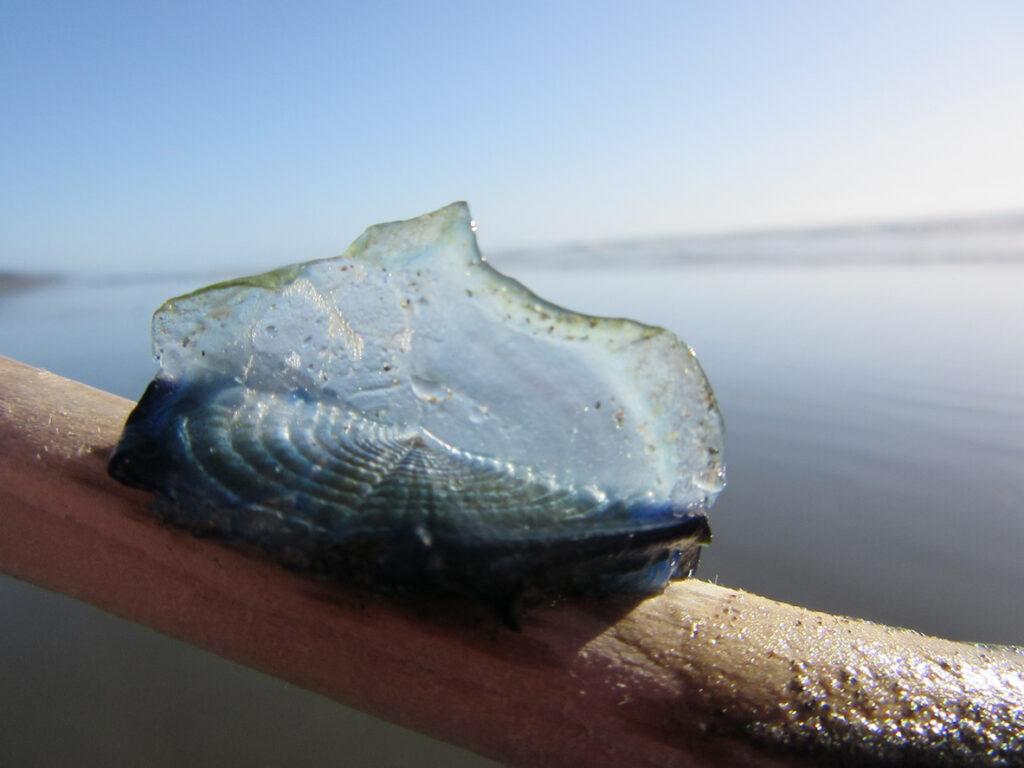
By-the-wind sailors look like tiny blue spaceships.
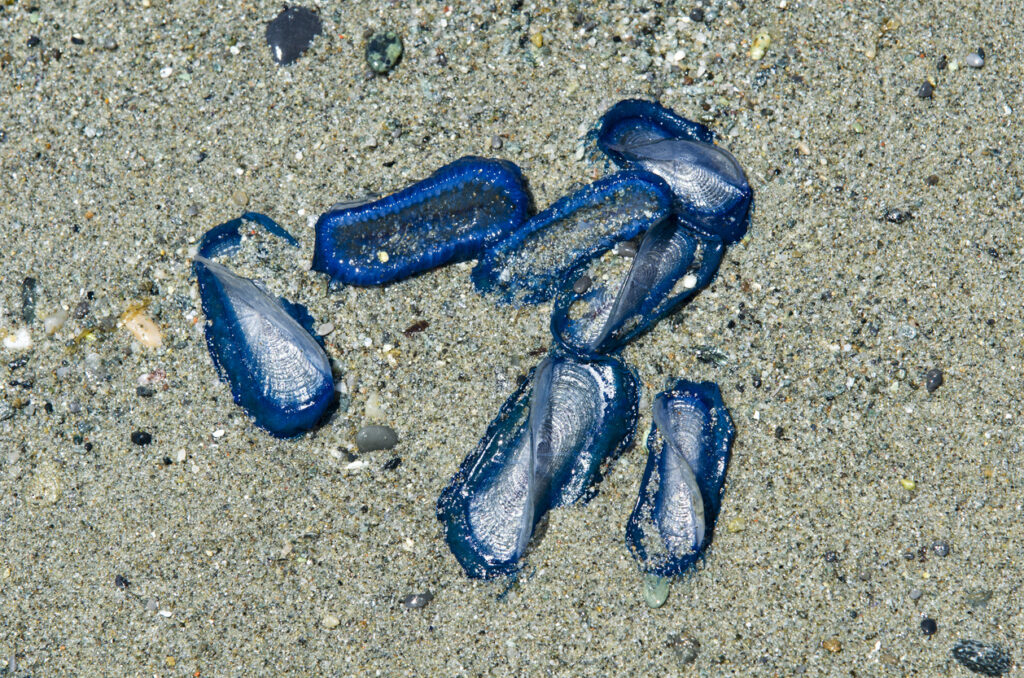
These translucent blue creatures float on the surface with a triangular sail sticking up, washing ashore in their thousands during certain conditions. They’re about 7 cm across and look like someone designed a jellyfish crossed with a sailboat.
Despite looking alien, they’re actually colonial organisms made up of tiny polyps working together. When they wash up on beaches, they turn the sand blue, creating surreal scenes that look more like science fiction than British coastline.
Sea gooseberries are transparent blobs with rainbow lights.
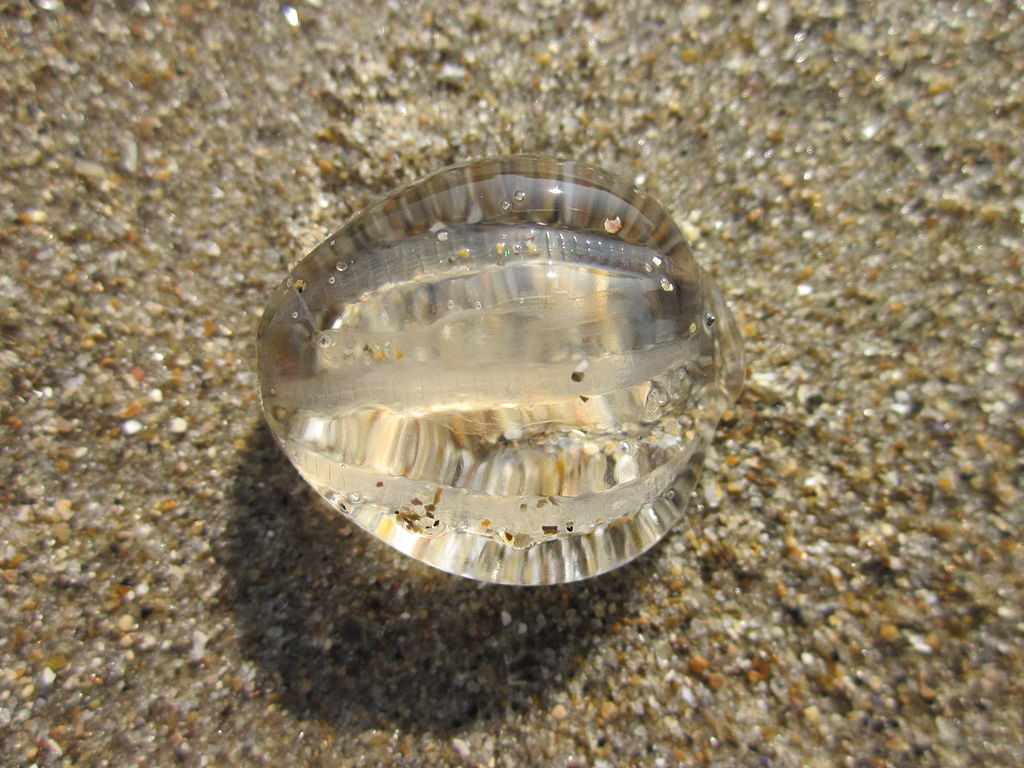
These walnut-sized creatures are completely see-through, with eight rows of tiny hairs that refract light into rainbow patterns. They pulse these iridescent bands as they swim, creating a light show that seems impossible for something so simple.
On beaches, they look like clear jelly blobs, but in water they’re genuinely magical. They’re comb jellies rather than true jellyfish and are completely harmless despite looking like they might be poisonous given how weird they are.
Sea potatoes are furry dead sea urchins.
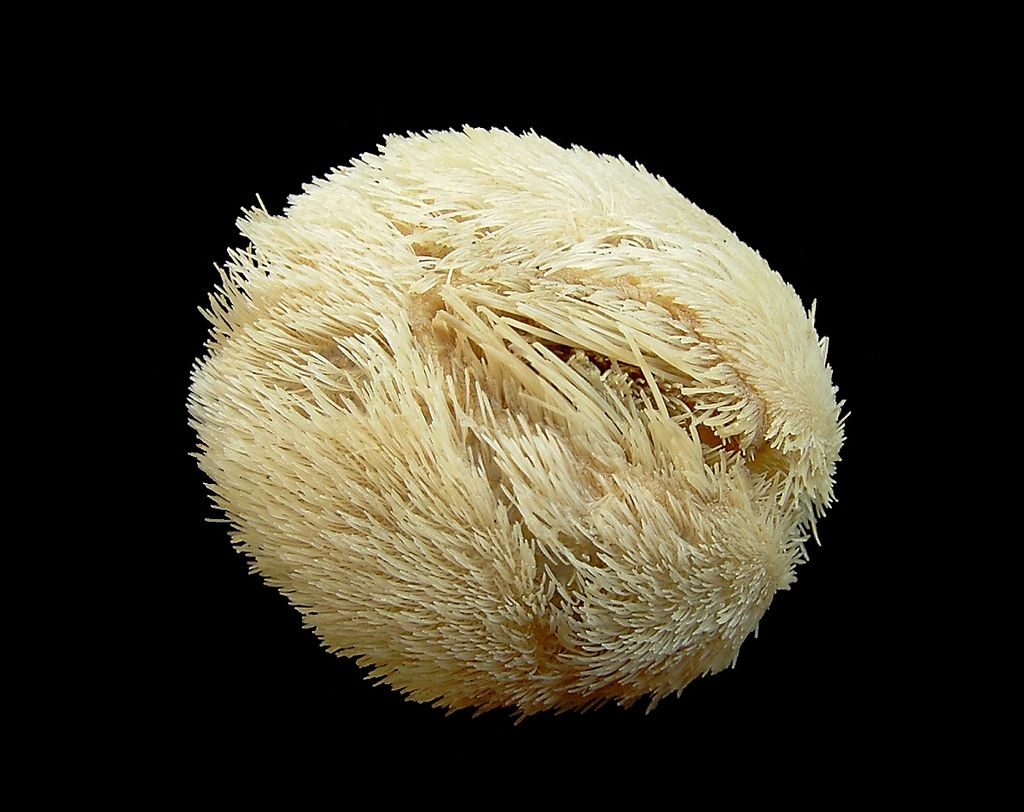
When certain sea urchins die and wash up, their white, chalky skeletons look nothing like the spiky creatures you’d expect. They’re egg shaped with a fuzzy appearance from thousands of tiny spine holes, resembling hairy potatoes more than marine animals.
The five petal pattern on top makes them look almost decorative, like something designed rather than evolved. Finding one feels like discovering an alien artefact that happens to be made of calcium carbonate.
Violet sea snails are bright purple and float upside down.
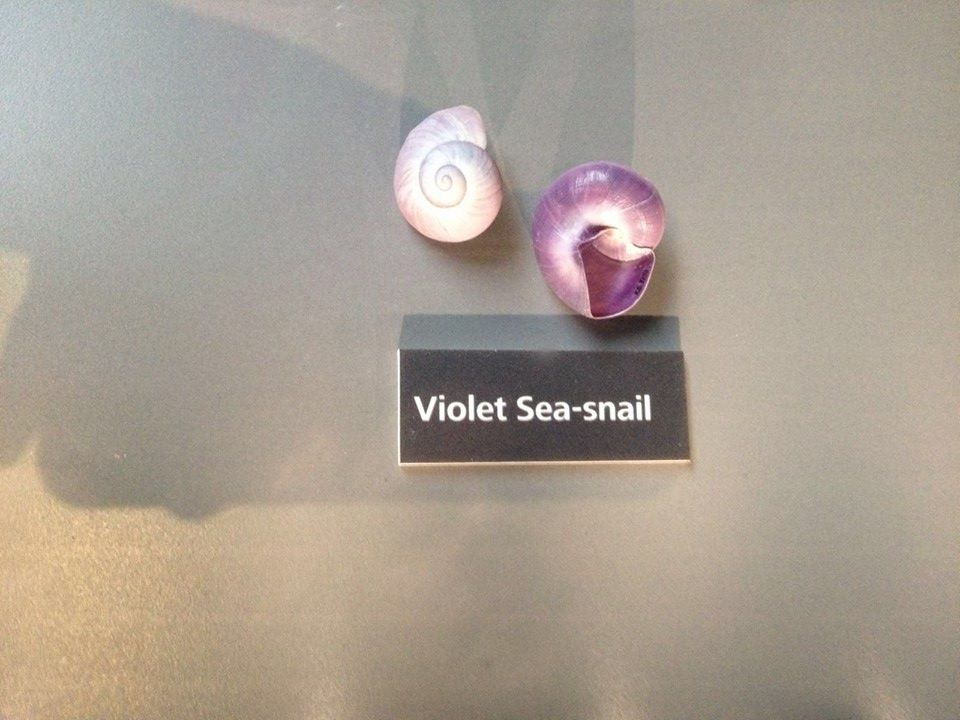
These snails create bubble rafts from their own mucus and float on the ocean surface upside down, which is already weird enough. Then they’re bright purple, making them look like something from a children’s cartoon rather than actual British waters.
They occasionally wash up on southwestern beaches after storms, still attached to their bubble rafts. Seeing a purple snail floating on bubbles looks so unnatural that your brain struggles to accept it’s a real animal.
Bootlace worms can be 30 metres long.
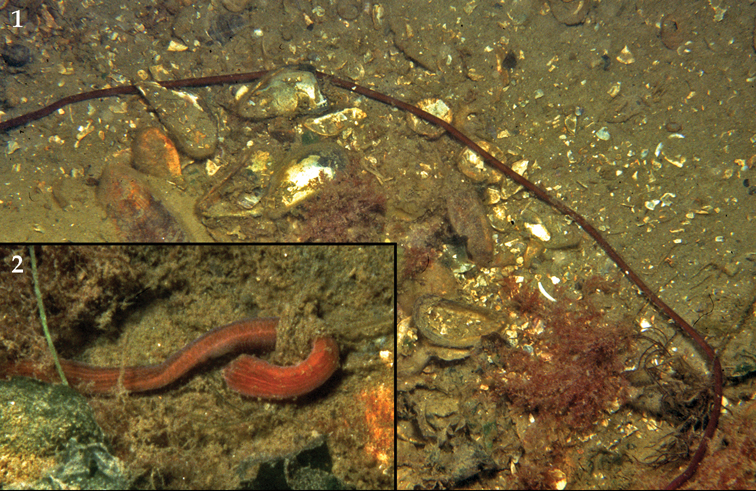
Britain’s longest animal is a worm that looks like a tangled pile of brown bootlaces and can exceed 30 metres in length. They hide under rocks, but sometimes wash up in massive coiled heaps that are genuinely unsettling.
These worms are so long and tangled that it’s hard to tell where one ends and another begins when you find a pile of them. They also produce toxins that can cause skin irritation, adding to their general unpleasantness.
Compass jellyfish have patterns like technical drawings.
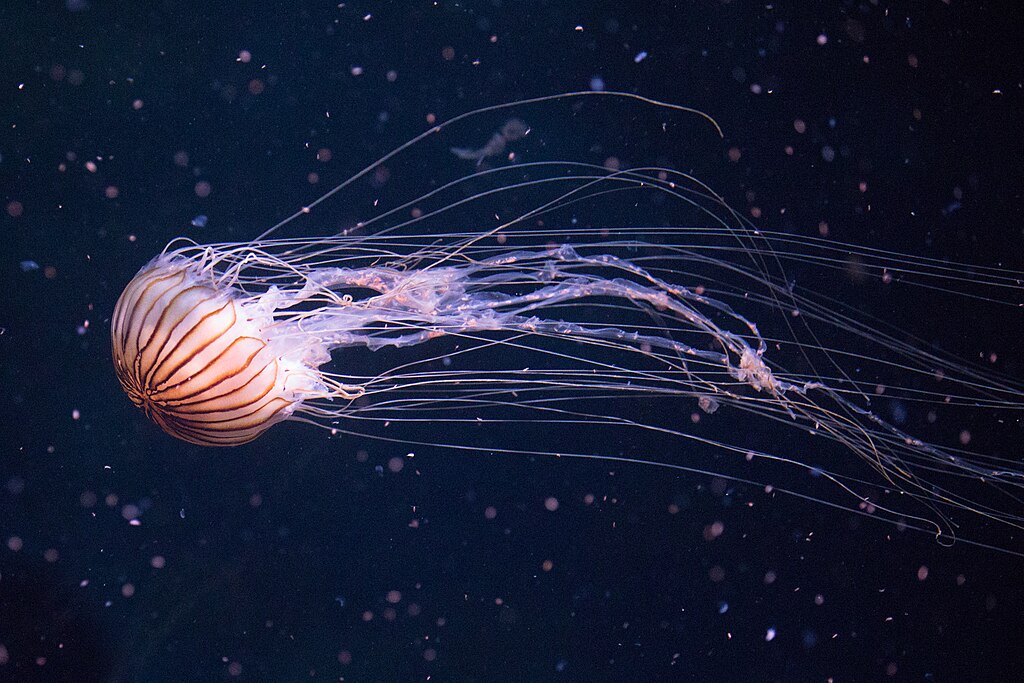
These jellyfish have 16 brown V-shaped markings radiating from the centre that look like they’ve been drawn with a compass and ruler. The geometric precision seems too deliberate to be natural, like someone designed them with drafting tools.
They’re common on British beaches in summer, and their mathematical appearance makes them look more like diagrams than living animals. Even their tentacles are arranged with what seems like calculated symmetry.
Sea hares are slug-like creatures that release purple ink.
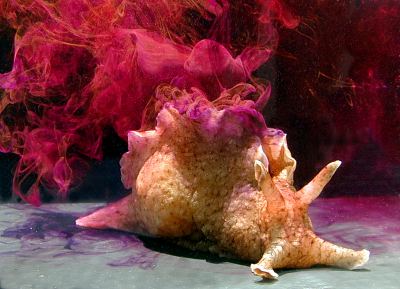
These large sea slugs can reach 30 cm long and look like limbless rabbits with tentacles. When disturbed, they release bright purple or red ink into the water, which is deeply weird behaviour for something found on British shores.
They’re not dangerous but finding a hand-sized purple slug thing that leaks coloured ink feels properly alien. They’re actually quite common, but most people have no idea they exist on UK beaches.
Stalked jellyfish look like tiny aliens on sticks.
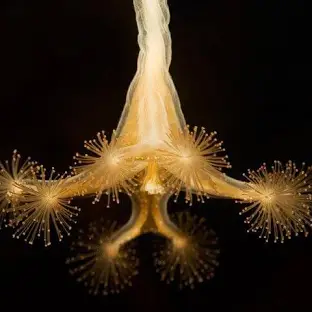
Instead of drifting like normal jellyfish, these ones stick to seaweed and rocks with a stalk, waving their tentacles around like bizarre underwater flowers. They’re only about 2 cm tall, but their body plan seems fundamentally wrong.
They can cartwheel along surfaces by bending over and flipping, which is not behaviour you’d expect from something stuck on a stalk. Watching one move is genuinely unsettling because it shouldn’t work, but does.
Tompot blennies have elaborate head tentacles like antennae.
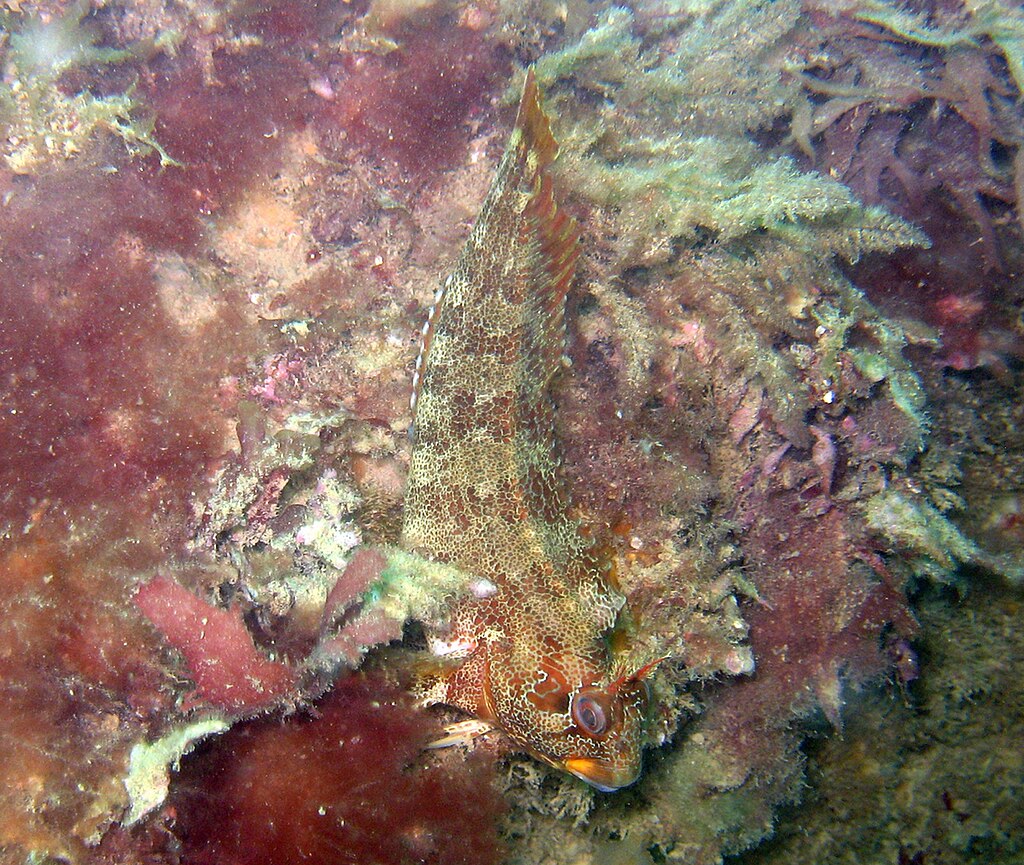
These small fish have branching tentacles above each eye that look like elaborate alien antennae. They’re common in rock pools, but their weird head decorations make them look like they belong in tropical waters rather than British ones.
The tentacles wave around independently and nobody’s entirely sure what they’re for, possibly sensing water movement or making the fish look bigger. Either way, they look completely out of place on a British beach.
Serpulid worms build white spiral shells.
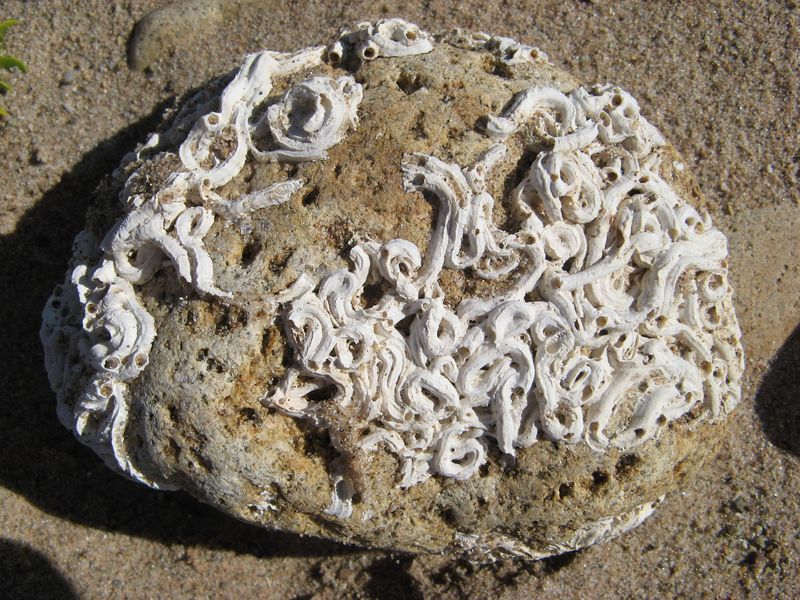
These marine worms create tiny white spiral tubes attached to rocks that look exactly like unicorn horns in miniature. The worm inside extends a crown of feathery tentacles that it can snap back inside instantly when threatened.
The perfect mathematical spirals of their tubes look artificial, like someone’s been gluing decorative shells to rocks. Finding a rock covered in these spirals is like discovering an alien construction project.
Sea mice are actually fuzzy iridescent worms.
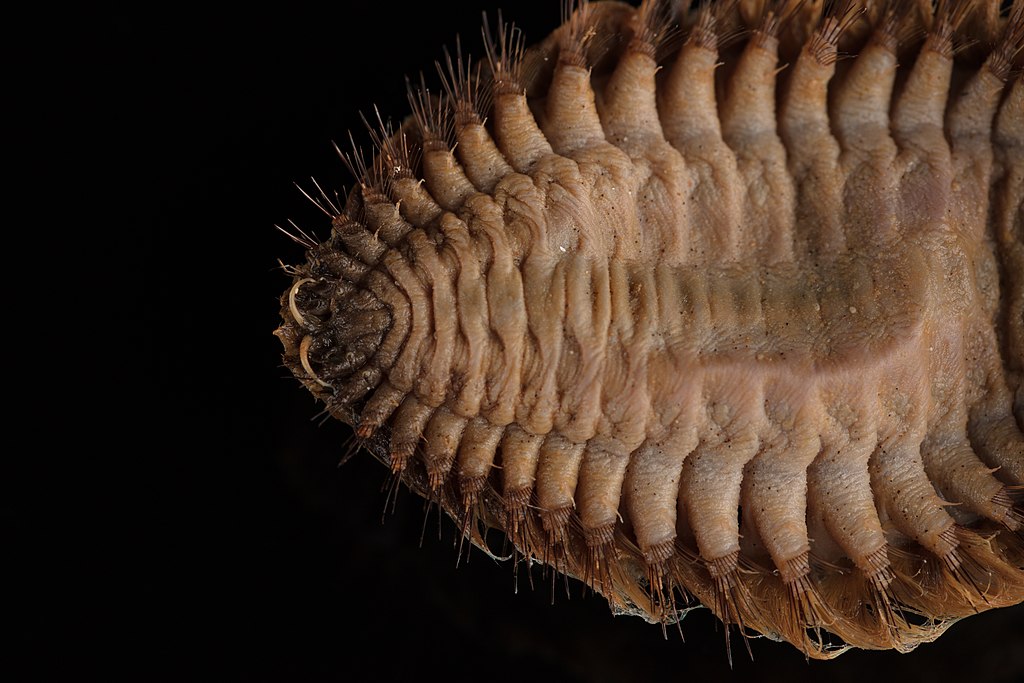
Despite the name, sea mice are worms covered in fine hairs that shimmer with rainbow colours like oil on water. They look like small hairy hamsters from a distance but are actually segmented worms with an optical trick going on.
The iridescence comes from the structure of their bristles rather than pigment, creating colours that change as you move. Finding a glowing fuzzy thing on a beach that turns out to be a worm is properly disconcerting.
Moon jellyfish have four rings that look manufactured.
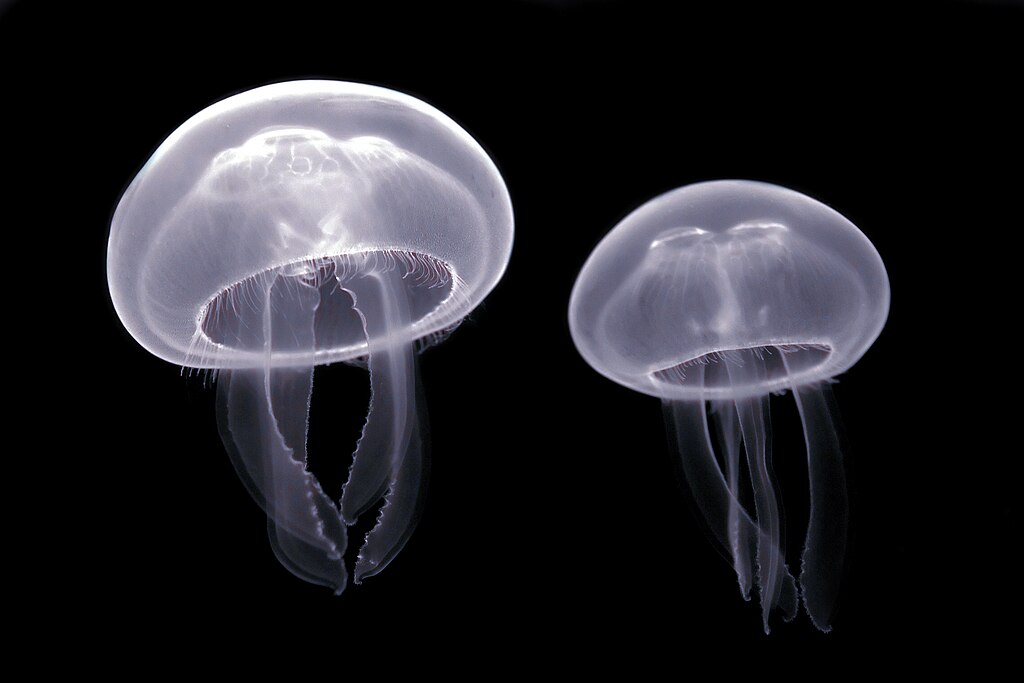
These common jellyfish have four perfectly circular reproductive organs visible through their transparent bodies, arranged with such precision they look printed on. The symmetry seems too perfect to be biological.
When they wash up on beaches they’re just clear blobs, but hold one up to the light and those four rings make them look like they’ve been stamped with a geometric pattern. Nature doesn’t usually do perfect circles, which makes these jellyfish seem designed rather than evolved.