People have all sorts of wrong ideas about poisonous plants, mostly from films and old wives’ tales, and some of these myths could actually get you in trouble. Maybe it’s because we love a dramatic story: a single touch that can kill, a mysterious vine that strikes without warning. The problem is that some plants have earned reputations they don’t deserve, while others are far more dangerous than anyone realises. The truth is often stranger (and sometimes funnier) than the folklore.
From garden favourites that people wrongly assume are harmless to ancient rumours that refuse to die, the world of poisonous plants is full of surprises. Understanding what’s true and what’s been exaggerated isn’t just about safety. It’s also a reminder of how easily stories can outgrow reality. So, before you panic over a patch of foxglove or side-eye your houseplants, let’s clear up a few myths that have been hanging around far too long.
1. Bright colours mean a plant is poisonous.
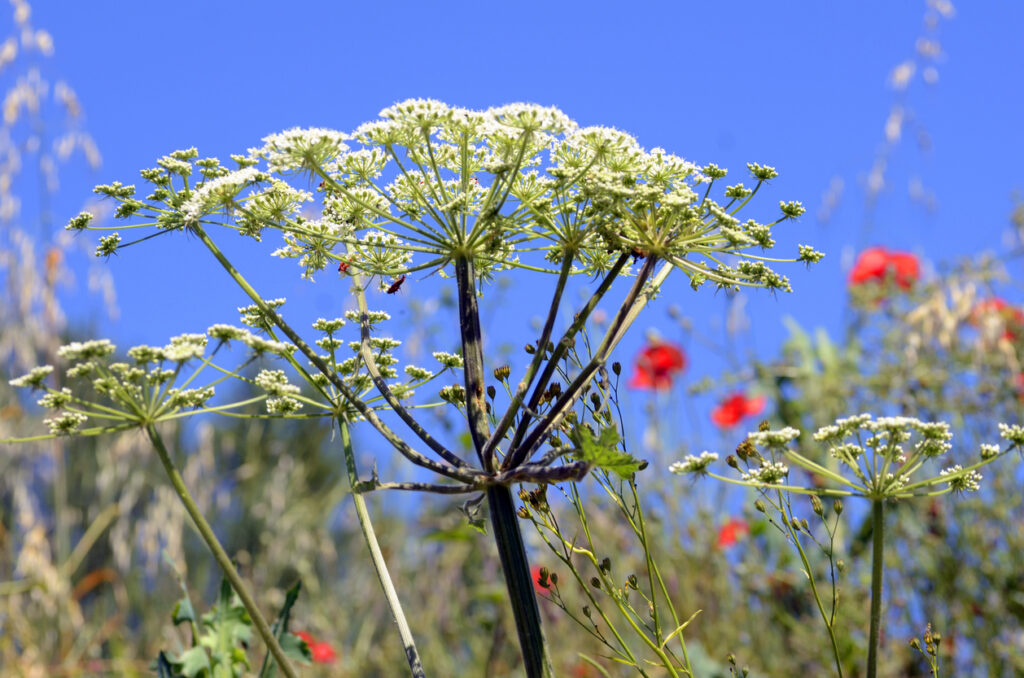
Loads of people think colourful berries or flowers are automatically dangerous, but that’s complete rubbish. Plenty of edible things are bright red or purple, and loads of deadly plants are boring shades of green or white. Hemlock is greenish-white and will absolutely kill you, while bright red strawberries are perfectly fine. The colour tells you nothing, but people still teach their kids this myth like it’s gospel.
2. Animals eating something means it’s safe for humans.
Just because you see a bird munching berries doesn’t mean you can eat them too. Animals have completely different digestive systems and can process loads of toxins that would wreck humans in minutes. Rabbits can eat deadly nightshade without any problems, but if you tried it, you’d be in serious trouble. Stop using squirrels as your food safety testers, it doesn’t work.
3. Cooking destroys all plant toxins.

Some people reckon if you boil something long enough, it becomes safe, which is dangerously wrong. Plenty of plant toxins are heat-stable, and cooking them does absolutely nothing except make you eat poison that’s now hot. Ricin from castor beans stays toxic even after cooking, and some compounds actually get more concentrated when you boil the water off. Heat isn’t a magic fix for everything.
4. You can build up immunity to plant poisons.
This idea probably comes from that film The Princess Bride, but in reality you can’t train your body to handle most plant toxins by eating small amounts. You’re just poisoning yourself repeatedly, which is stupid. Some specific toxins you can build tolerance to, but most plant poisons will just damage your organs cumulatively until something gives out. You’re not becoming immune, you’re just slowly dying.
5. Poison ivy is only dangerous if you touch it directly.
People think you need to brush against poison ivy to get a reaction, but you can actually get it from smoke if someone burns the plant, from touching tools or clothes that touched it, or even from your dog’s fur. The oil that causes the rash spreads really easily and stays active for ages on surfaces. You can get poison ivy from gardening gloves you used six months ago if you never washed them properly.
6. All parts of a poisonous plant are equally toxic.
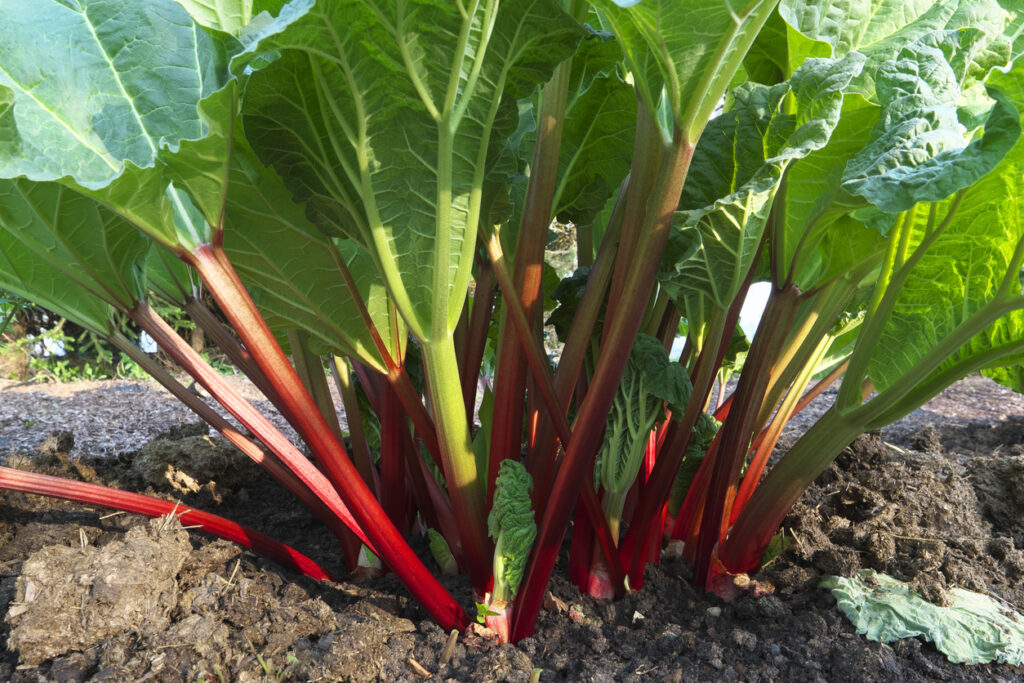
With loads of plants, some bits are deadly, while other bits are completely safe to eat. Tomatoes are in the nightshade family and their leaves are toxic, but the actual tomatoes are obviously fine. Rhubarb stalks are edible, but the leaves contain oxalic acid that can kill you. Assuming the whole plant’s the same is how people end up in hospital after making terrible salads.
7. Poisonous plants always have a warning smell or taste.
People reckon evolution made all dangerous plants taste or smell bad as a warning, but that’s wishful thinking. Plenty of deadly plants taste perfectly pleasant, which is part of why they’re so dangerous. Water hemlock apparently tastes like parsnips, and by the time you realise it’s not, you’re already in massive trouble. Don’t taste test random plants, hoping the bad ones will announce themselves.
8. You can identify poison ivy by counting the leaves
Everyone knows that “leaves of three, let it be” rhyme, but loads of harmless plants also have three leaves. Plus, poison ivy doesn’t always follow its own rules and sometimes has five leaves or looks completely different. The leaf count is a starting point, but it’s not foolproof. You need to actually learn what poison ivy looks like properly, not just count to three and hope for the best.
9. Natural means safe.
This is probably the most dangerous myth because people think if something grows naturally it must be fine to use. Arsenic and cyanide are natural too, but nobody’s putting them in smoothies for wellness reasons. Some of the deadliest substances on earth come from plants. Natural doesn’t mean safe, it just means it grew out of the ground rather than being made in a lab. That’s it.
10. You’ll know immediately if you’ve been poisoned.
Films make it look like plant poisoning happens instantly with dramatic symptoms, but in reality loads of plant toxins take hours or even days to show effects. By the time you realise something’s wrong, serious damage might already be done. Some plants cause liver or kidney failure that builds up slowly over time. You might feel fine for ages after eating something dodgy, then suddenly you’re in hospital wondering what happened.