Britain is full of ancient landmarks, but some of its oldest living treasures aren’t castles or ruins, they’re plants.
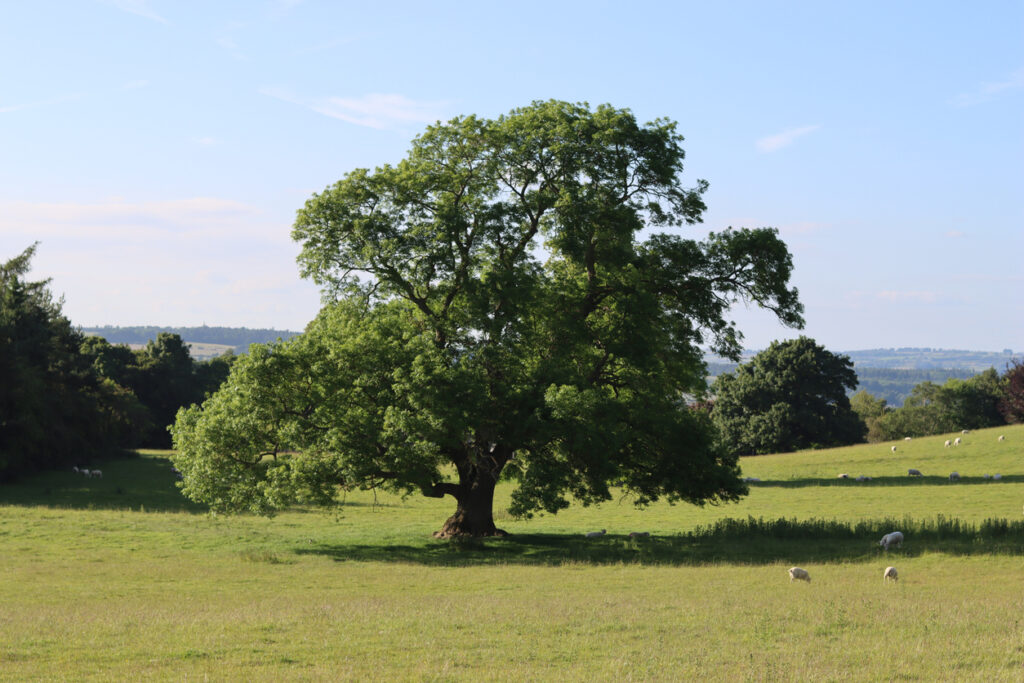
Scattered across the country are trees, shrubs, and mosses that have quietly outlived empires, kings, and centuries of change. These living relics have survived storms, droughts, plagues, and wars, continuing to grow long after everything around them has transformed.
From yews believed to be over 2,000 years old to rare Arctic-alpine plants clinging to the Scottish Highlands, these species are more than just survivors. They’re storytellers, carrying clues about Britain’s past and how its landscapes have evolved. Despite pollution, deforestation, and climate change, many of these ancient plants are still thriving today, standing as living proof of nature’s endurance.
The Fortingall Yew is possibly 5,000 years old.
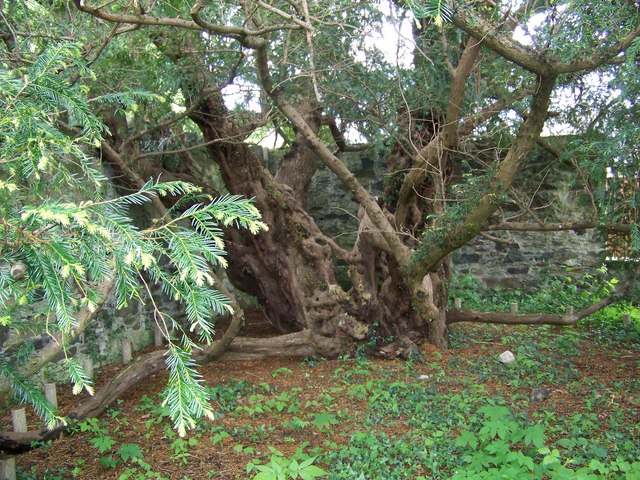
This massive yew tree in Perthshire, Scotland, could be one of the oldest living things in Europe. It’s so ancient that its age is basically a guess because the centre has rotted away, but estimates put it anywhere between 2,000 to 5,000 years old.
The tree has a girth of about 17 metres, though it used to be much larger before Victorian tourists kept taking bits as souvenirs. It was already ancient when the Romans arrived in Britain, which puts its longevity into perspective.
The Ankerwycke Yew witnessed the Magna Carta.
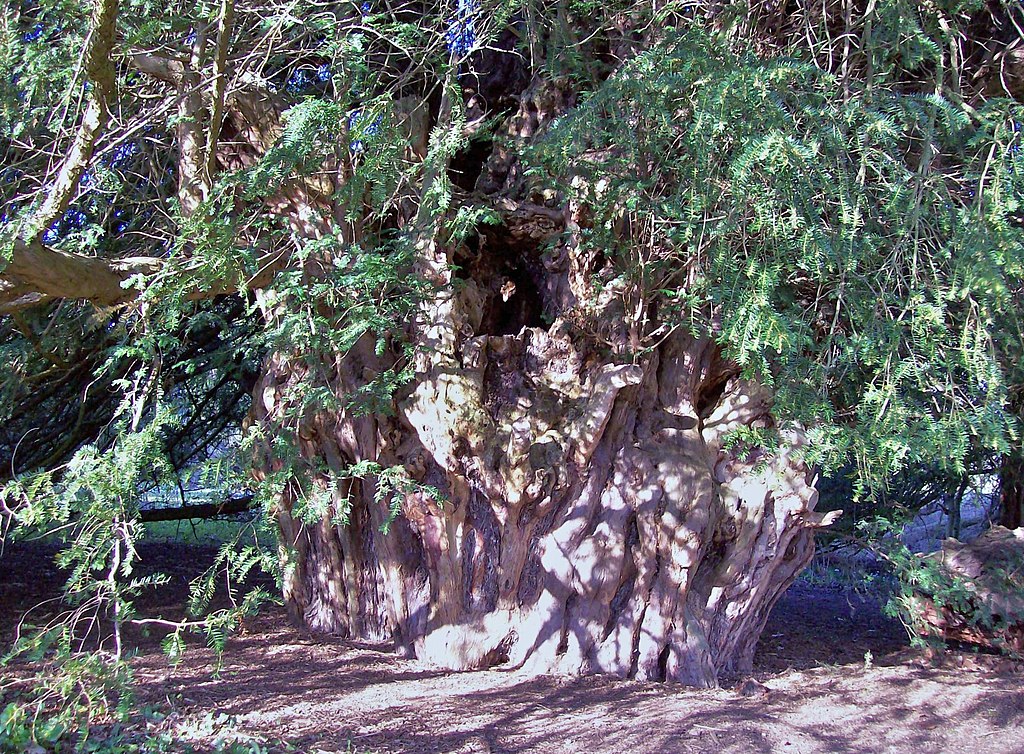
This 2,500-year-old yew tree in Berkshire stands near Runnymede, where King John signed the Magna Carta in 1215. The tree was already over 1,000 years old when that happened, making it a silent witness to one of England’s most important historical moments.
Henry VIII supposedly met Anne Boleyn under this tree in the 1530s. Imagine a tree that’s been standing through the entire span of recorded British history and is still going strong today.
Ancient oaks in Sherwood Forest are 800 to 1,000 years old.
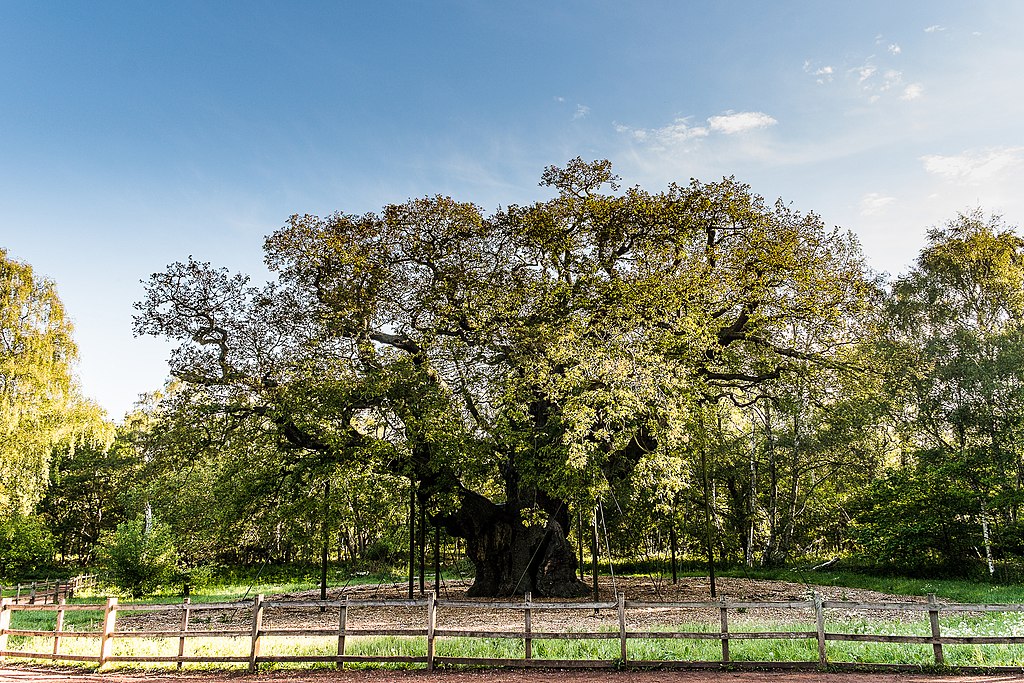
The Major Oak in Sherwood Forest is renowned for its Robin Hood connections, but several other oaks in the forest are just as old or older. These trees have been growing since medieval times, their massive hollow trunks providing shelter for outlaws and wildlife alike.
The Major Oak has a trunk circumference of 10 metres and weighs an estimated 23 tonnes. Its branches are so heavy they need support poles to prevent them from snapping off, but the tree continues producing leaves and acorns every year.
Box Hill’s ancient box trees are remnants of wildwood.
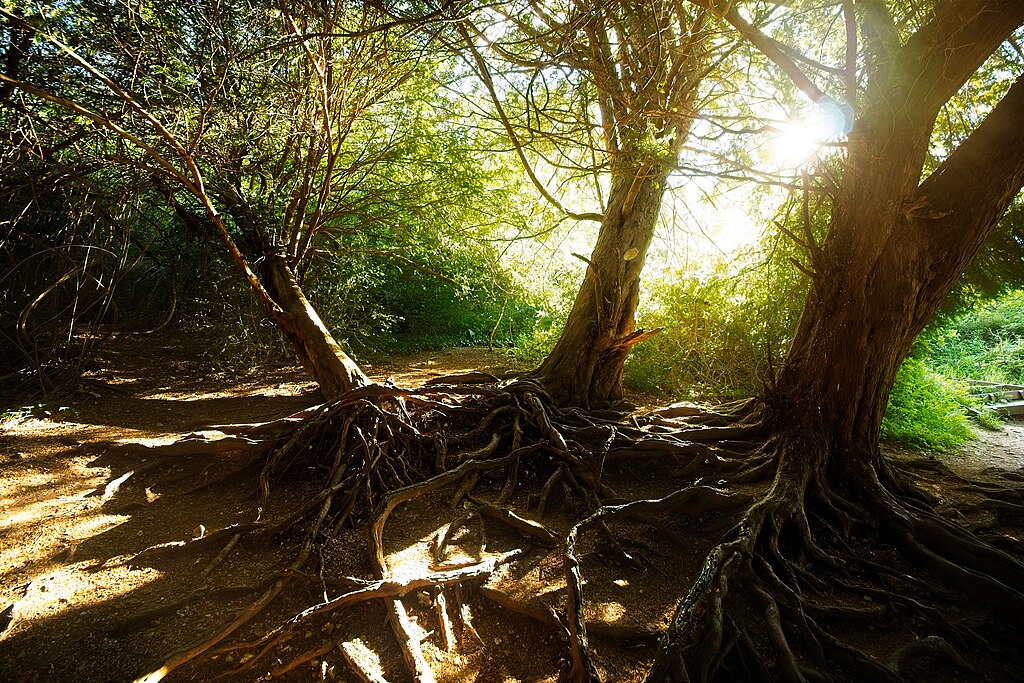
The box trees on Box Hill in Surrey are some of the few remaining native box trees in Britain, possibly dating back thousands of years. Most of Britain’s box trees were planted, but these are thought to be natural survivors from the original wildwood that covered the country.
Box wood is incredibly dense and slow growing, which means even relatively small trees can be hundreds of years old. These survivors have clung to the steep chalk slopes as everything around them changed completely.
Caledonian pine forests contain 300-year-old Scots pines.
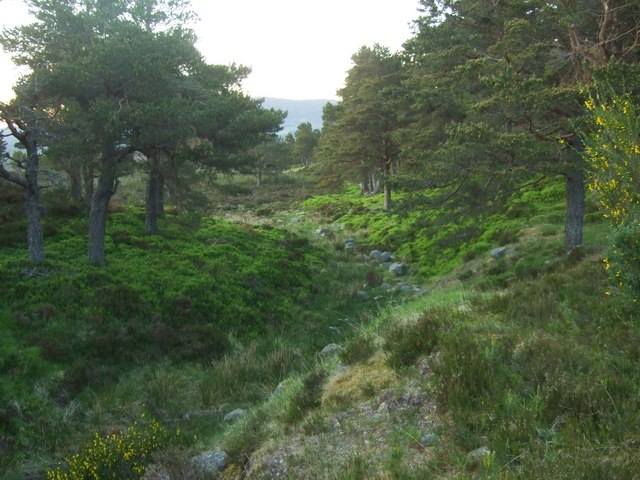
The remnants of the ancient Caledonian Forest in Scotland contain Scots pine trees that are 300 to 550 years old. These forests once covered most of the Scottish Highlands, but now only about one percent remains.
Some of these pines were seedlings when the last wolf in Scotland was killed. They’ve survived centuries of deforestation, overgrazing, and climate change, representing what Scotland’s landscape looked like before humans cleared most of it.
Ancient hawthorns mark boundaries from medieval times.
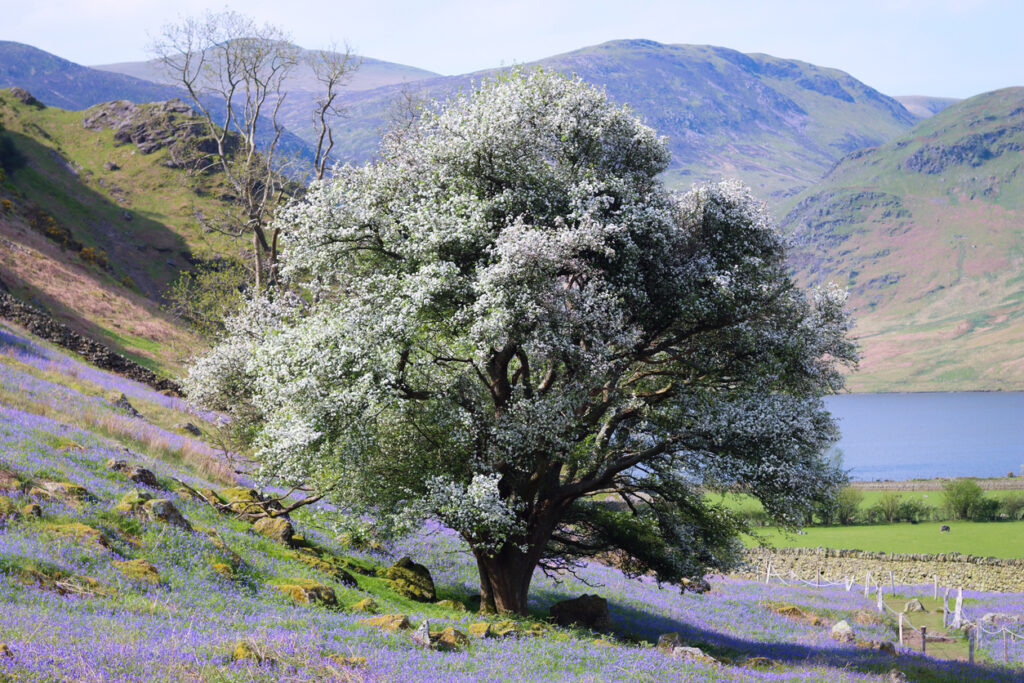
Scattered across Britain are hawthorn trees that were planted as boundary markers in medieval times, making them 500 to 1,000 years old. The Hethel Old Thorn in Norfolk is possibly the oldest hawthorn in Britain, at around 700 years old.
These trees were deliberately planted along parish boundaries and property lines, serving as living fence posts that have outlasted any written records. Some still mark the same boundaries they were planted to define centuries ago.
Sweet chestnuts from Roman introductions still survive.
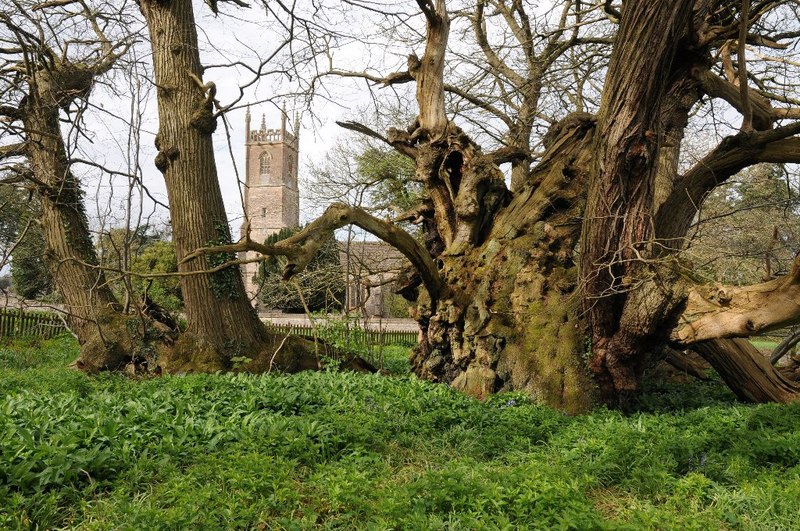
The Romans brought sweet chestnut trees to Britain nearly 2,000 years ago, and some of the oldest specimens still growing might date back to that introduction. The Tortworth Chestnut in Gloucestershire is estimated to be at least 800 to 1,000 years old.
These trees can live for over 1,000 years and reach enormous sizes. Several ancient chestnuts have hollow trunks large enough to stand inside, created as the heartwood decays while the outer tree continues growing.
Beech trees in ancient woodlands are 400 years old.
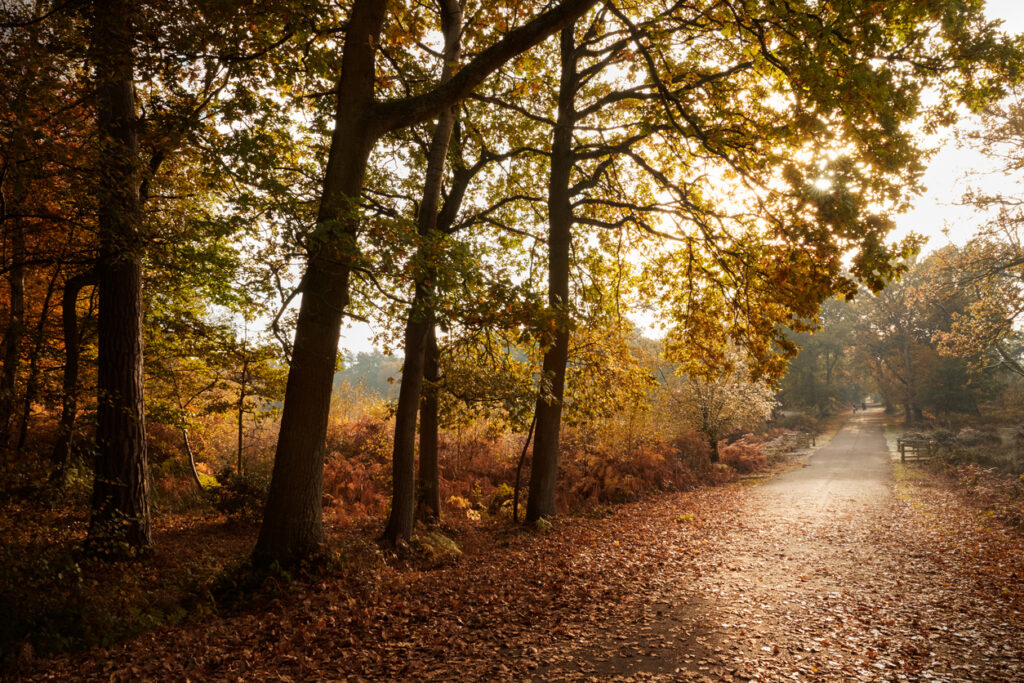
Britain’s oldest beech trees are found in ancient woodlands and pollarded hedgerows, with some reaching 400 years old. Burnham Beeches in Buckinghamshire contains hundreds of ancient pollarded beeches, some dating back to medieval times.
These trees were regularly cut for firewood in a practice called pollarding, which actually extends their lifespan. The repeated cutting created the gnarled, twisted shapes these ancient beeches are famous for, while keeping them alive far longer than unpollarded trees.
Ash trees in ancient hedgerows are 200 to 400 years old.
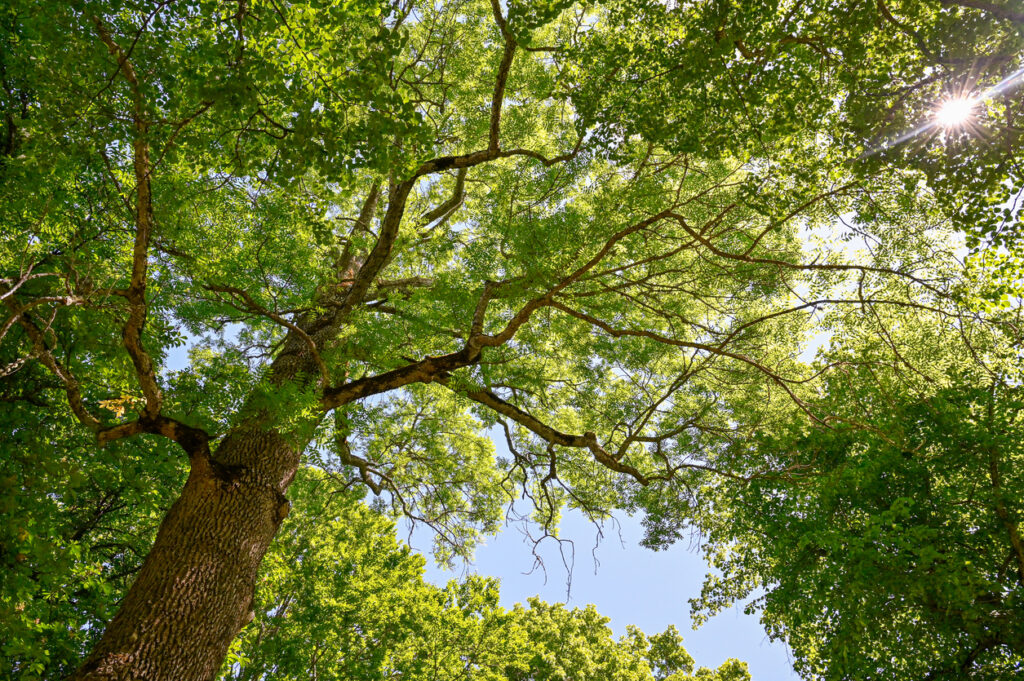
Ancient ash trees mark out old field boundaries and hedgerows across Britain, with the oldest specimens reaching 400 years old. These trees were often planted or left standing when hedges were laid, serving as landmarks and timber sources.
Unfortunately, ash dieback disease is currently killing many of these ancient trees. Within a generation, most of Britain’s old ash trees could be gone, which makes the surviving ancients even more precious as living links to landscape history.